
Best for
Families, science and natural history fans
Time needed
2–3 hours
Worth it?
Yes — genuinely one of the world's great natural history collections
Skip if
You're only interested in art and short on time
About Naturhistorisches Museum Wien
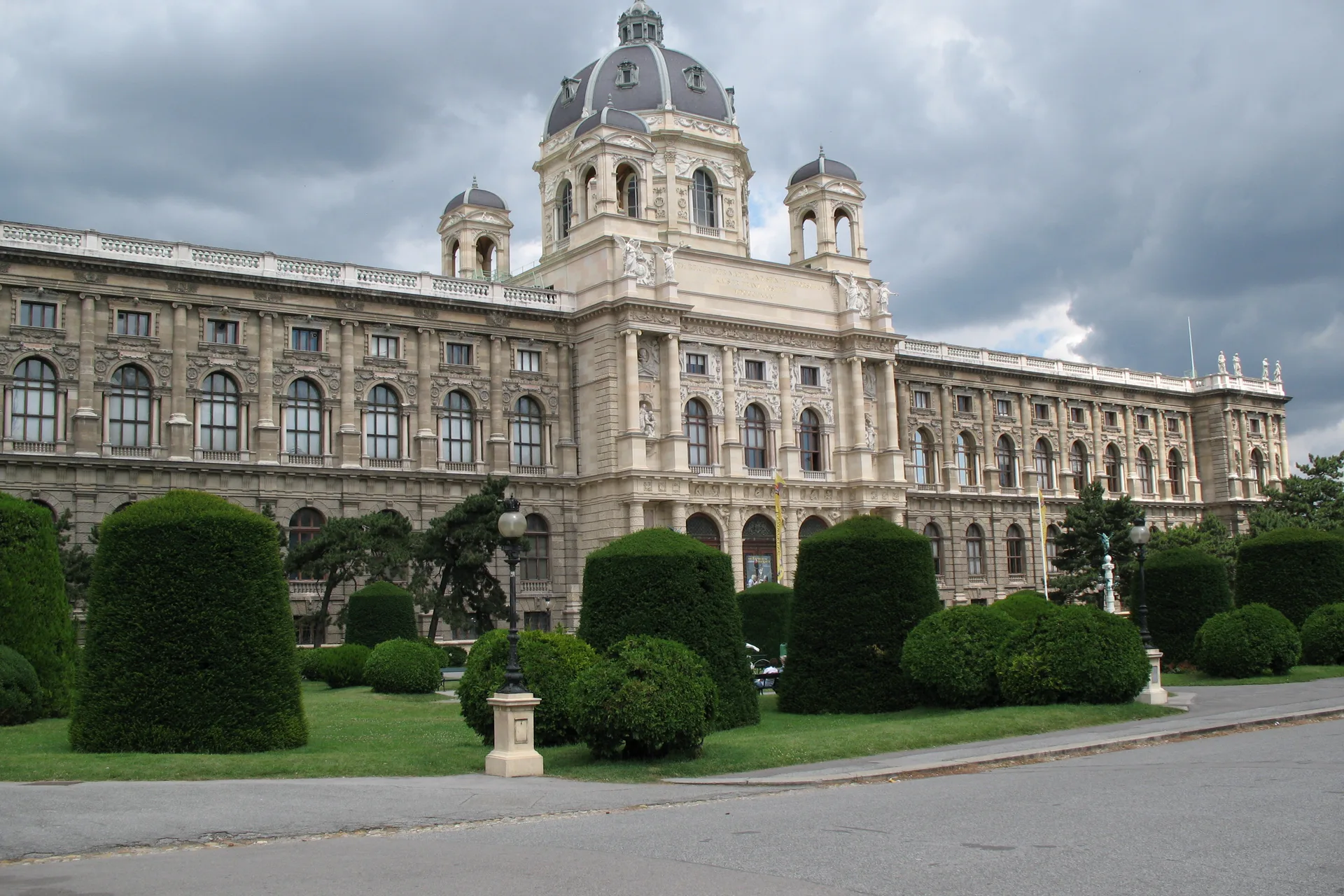
Built as the twin of the Kunsthistorisches Museum and opened the same year, 1889, the Naturhistorisches Museum was designed to hold the natural-world half of the Habsburgs' collecting obsession. It's one of the largest natural history museums anywhere, with over 30 million objects, though only a fraction is ever on display at once.
The single most famous object in the building is the Venus of Willendorf, a 11cm limestone figurine carved roughly 29,500 years ago and found not far from Vienna along the Danube — one of the oldest and most important works of prehistoric art in the world. Beyond her, the museum's dinosaur hall, meteorite collection (one of the oldest and most significant on earth) and taxidermy halls draw both serious researchers and families in equal measure.
Read the full storyShow less
The building itself, with its ornate entrance hall and painted ceilings, is worth lingering in regardless of your interest in fossils — a reminder that 19th-century Vienna built even its science museums like palaces.
What to See: Highlights
- 1The Venus of Willendorf, a 29,500-year-old prehistoric figurine
- 2One of the world's most significant meteorite collections
- 3Dinosaur skeletons and a life-size model of a diplodocus
- 4Ornate 19th-century entrance hall and painted ceilings
- 5Taxidermy and mineral halls spanning several floors
Skip the Queue — Book Tickets Online
Same admission, instant confirmation. Compare prices across platforms.
Affiliate disclosure — we may earn a commission at no extra cost to you.
Insider Tips
Wednesday evening (until 20:00) is the quietest time to visit
The Venus of Willendorf is small — look for it in the prehistory hall, don't expect a monument
Combine with the Kunsthistorisches Museum across the square for a full museum day
Good option for families — dinosaurs and taxidermy hold kids' attention well
Last entry is 30 minutes before closing
Book a Guided Tour
Get the most from your visit with a local expert guide.
Affiliate disclosure — we may earn a commission at no extra cost to you.
Getting There
Burgring 7 / Maria-Theresien-Platz, 1010 Wien
Open in Google Maps →- 1U-Bahn U2/U3 to Volkstheater or U2 to MuseumsQuartier, both 5 minutes' walk. Tram 1, 2, D, 71 to Burgring.
Where to stay
Hotels in Vienna
Compare prices across hundreds of hotels near this attraction — from budget hostels to luxury stays. Free cancellation on most rooms.
Affiliate disclosure — we may earn a commission at no extra cost to you. Powered by Booking.com.
Frequently Asked Questions
Everything you need to know before you visit.
Is Naturhistorisches Museum Wien worth visiting?+−
How long does a visit to Naturhistorisches Museum Wien take?+−
Who is Naturhistorisches Museum Wien best for?+−
Do I need to book tickets in advance for Naturhistorisches Museum Wien?+−
Is Naturhistorisches Museum Wien included with the Vienna city pass?+−
Should You Visit?
Visit if...
- You want to see the Venus of Willendorf, one of the oldest artworks in existence
- You're travelling with kids who'll enjoy dinosaurs and taxidermy
- You appreciate grand 19th-century museum architecture
- You're already at Maria-Theresien-Platz for the art museum
Skip if...
- You have limited museum time and prioritise art over natural history
- You've already seen a major natural history museum elsewhere recently
- You're on a very tight one-day Vienna itinerary
Ready to Book Your Visit?
More to See in Vienna
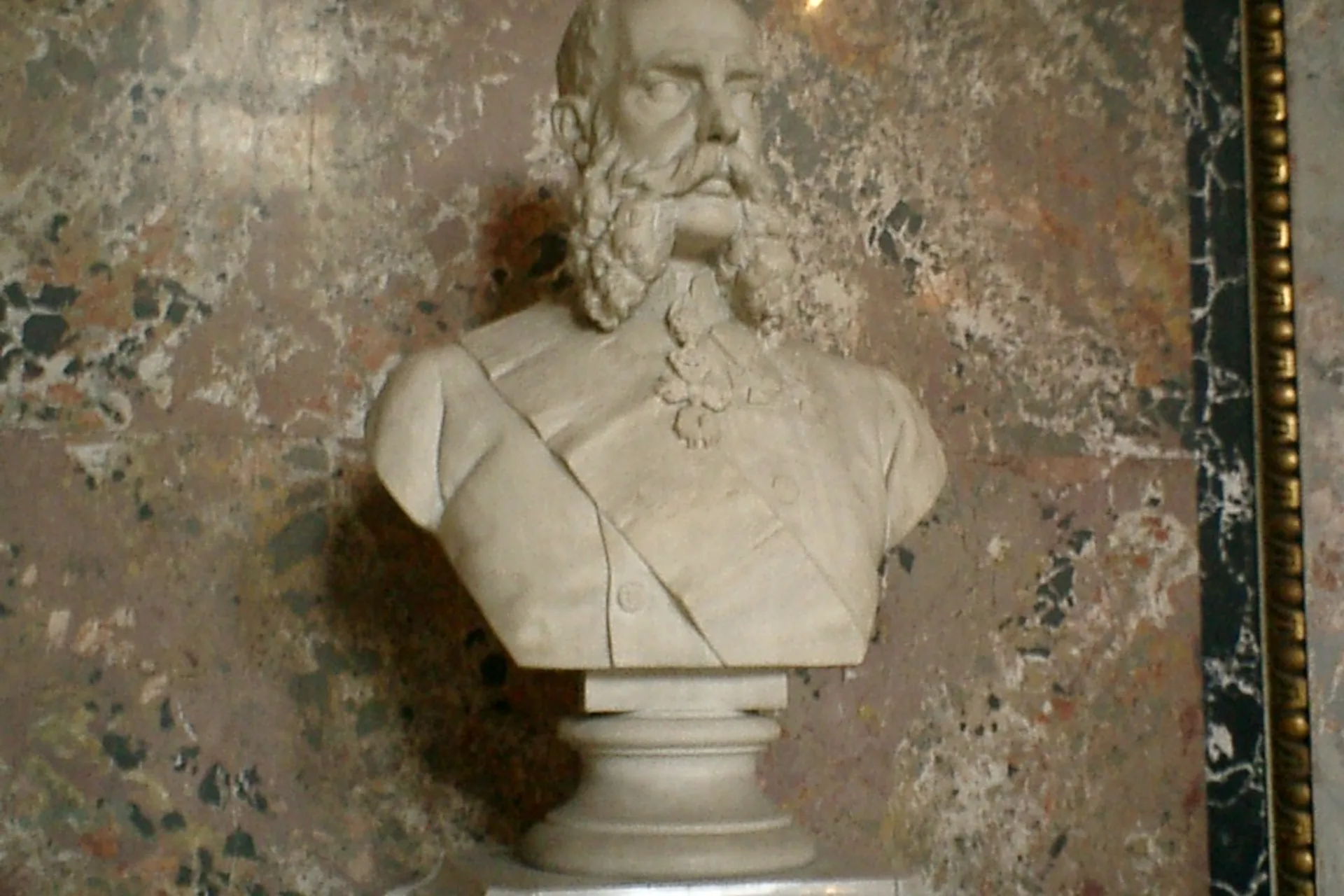
Kunsthistorisches Museum Wien
Vienna's great art history museum — one of the finest collections of Old Master paintings on earth, housed in a palatial 19th-century building built to hold it.
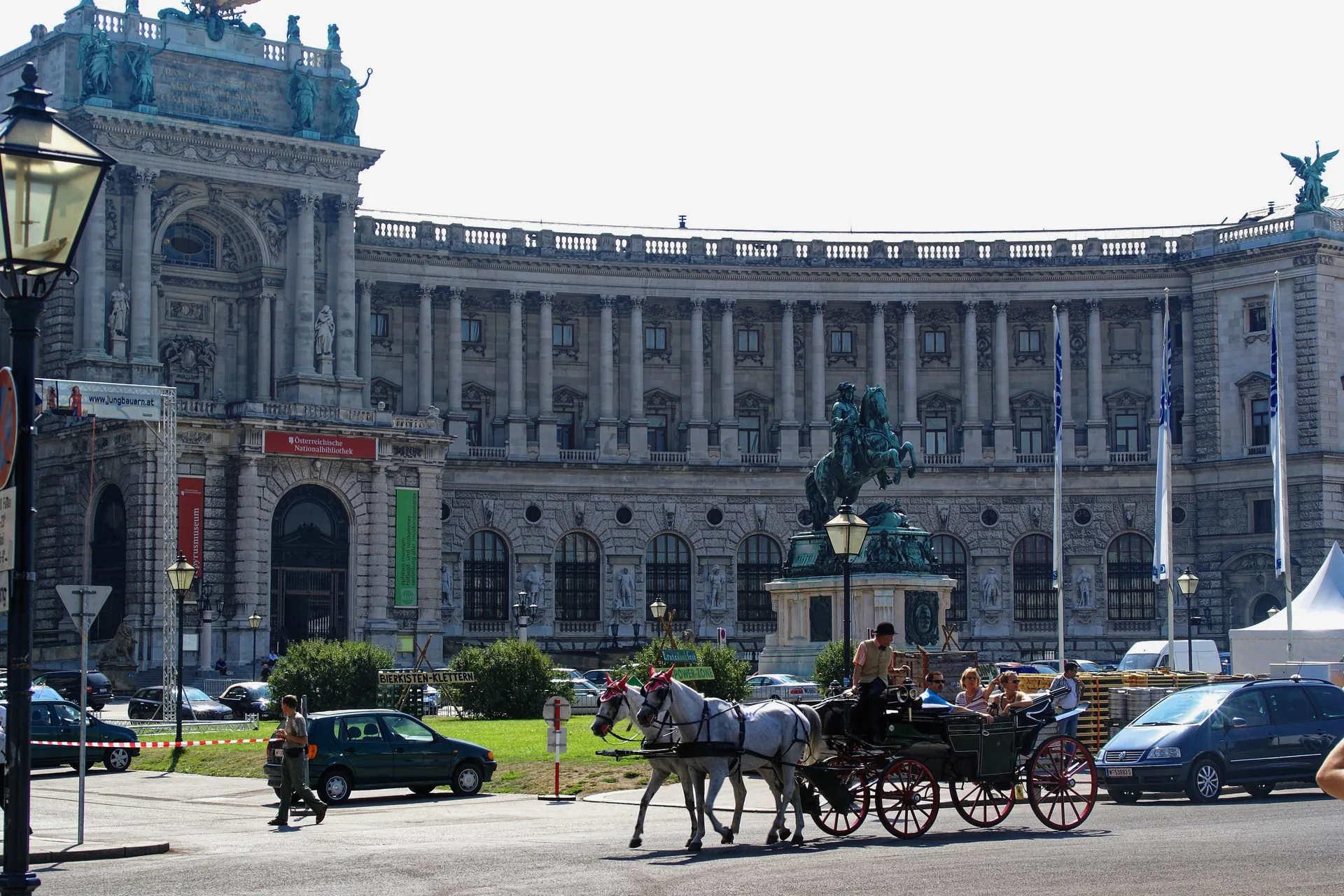
Hofburg Palace
The Habsburgs' winter residence and seat of power for over 600 years — now home to the Austrian president, the Sisi Museum, the Imperial Treasury and the National Library under one sprawling complex.
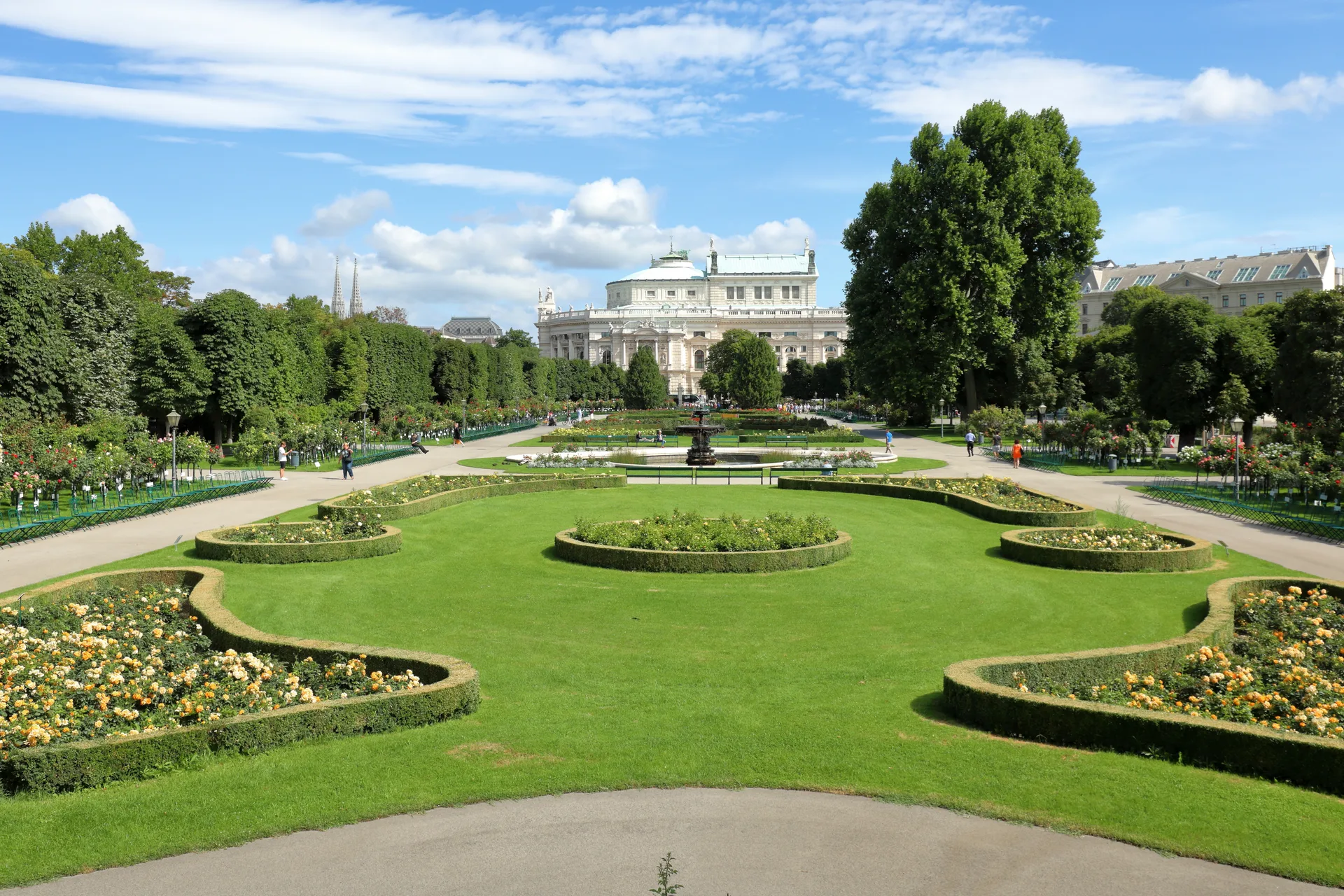
Volksgarten
A formal 19th-century rose garden between the Hofburg and the Ringstrasse — the Theseus Temple, a monument to Empress Elisabeth, and one of the most fragrant free stops in central Vienna.