
The thermal baths are Budapest's defining experience, not a spa-day add-on. Széchenyi is the famous outdoor one — bright yellow Baroque Revival building, steaming pools even in winter — and the busiest by far; go early or late to avoid the worst of the crowds. Rudas and Veli Bej offer the older, more atmospheric Ottoman-era domed pools. Gellért Thermal Bath, the famous Art Nouveau bath, is closed for restoration since October 2025 with a planned reopening around 2028 — do not plan a trip around it in the meantime.
Buda Castle Hill rewards a half-day: Fisherman's Bastion for the postcard Danube view (free to walk, small fee for the upper towers), Matthias Church next to it, and the Royal Palace itself. Cross the river via the Chain Bridge, lit dramatically at night, to reach Pest's grand boulevards and the Hungarian Parliament Building — tours require advance booking and airport-style security, and same-day walk-up availability is unreliable, especially in summer.
For an evening, the ruin bars of the old Jewish Quarter — Szimpla Kert is the original and still the benchmark — turned derelict buildings into Budapest's signature nightlife category, part bar, part open-air art installation. Best time to visit: April–May and September–October avoid summer's heaviest crowds and heat, though the baths make Budapest a genuinely good winter city trip too, when steaming outdoors in the cold is part of the appeal rather than a discomfort.
Don't Miss
Highest-rated in Budapest
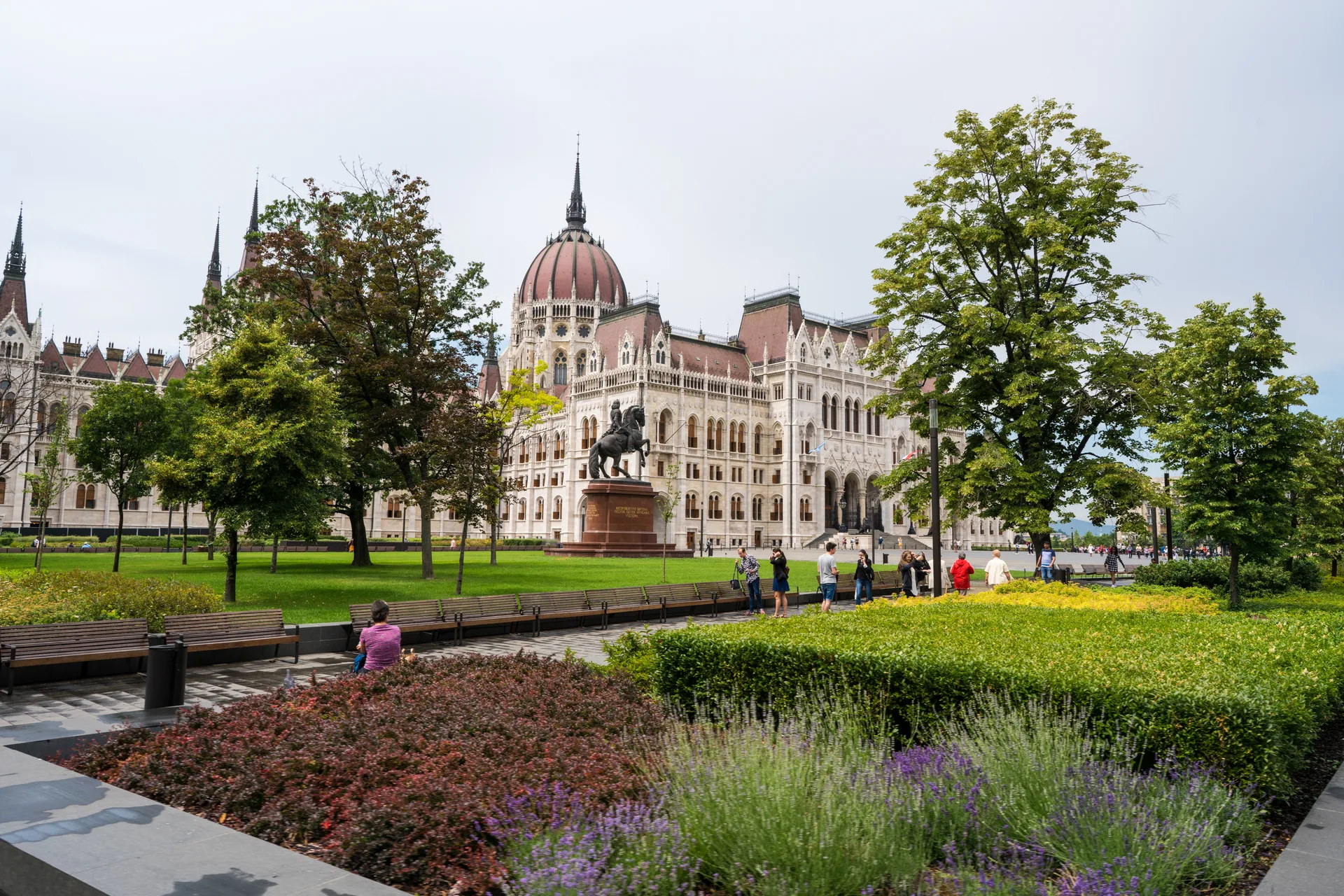
Hungarian Parliament Building
Europe's largest parliament building when it opened in 1902 — a Neo-Gothic riverside colossus that holds Hungary's Holy Crown and is still the single image most people picture when they think of Budapest.
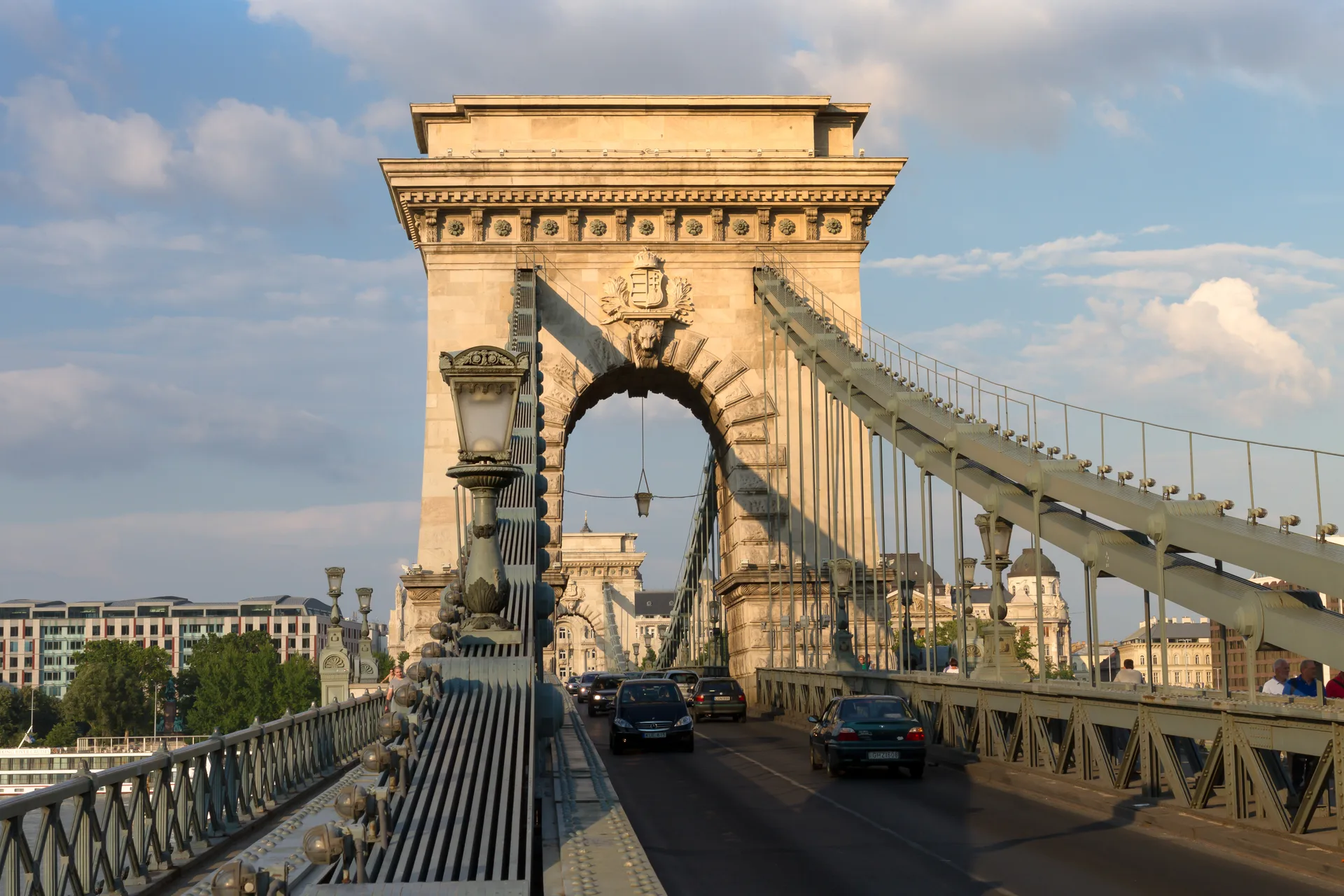
Chain Bridge
Budapest's oldest and most famous Danube crossing — the first permanent bridge to physically unite Buda and Pest, guarded by stone lions and lit gold every night.
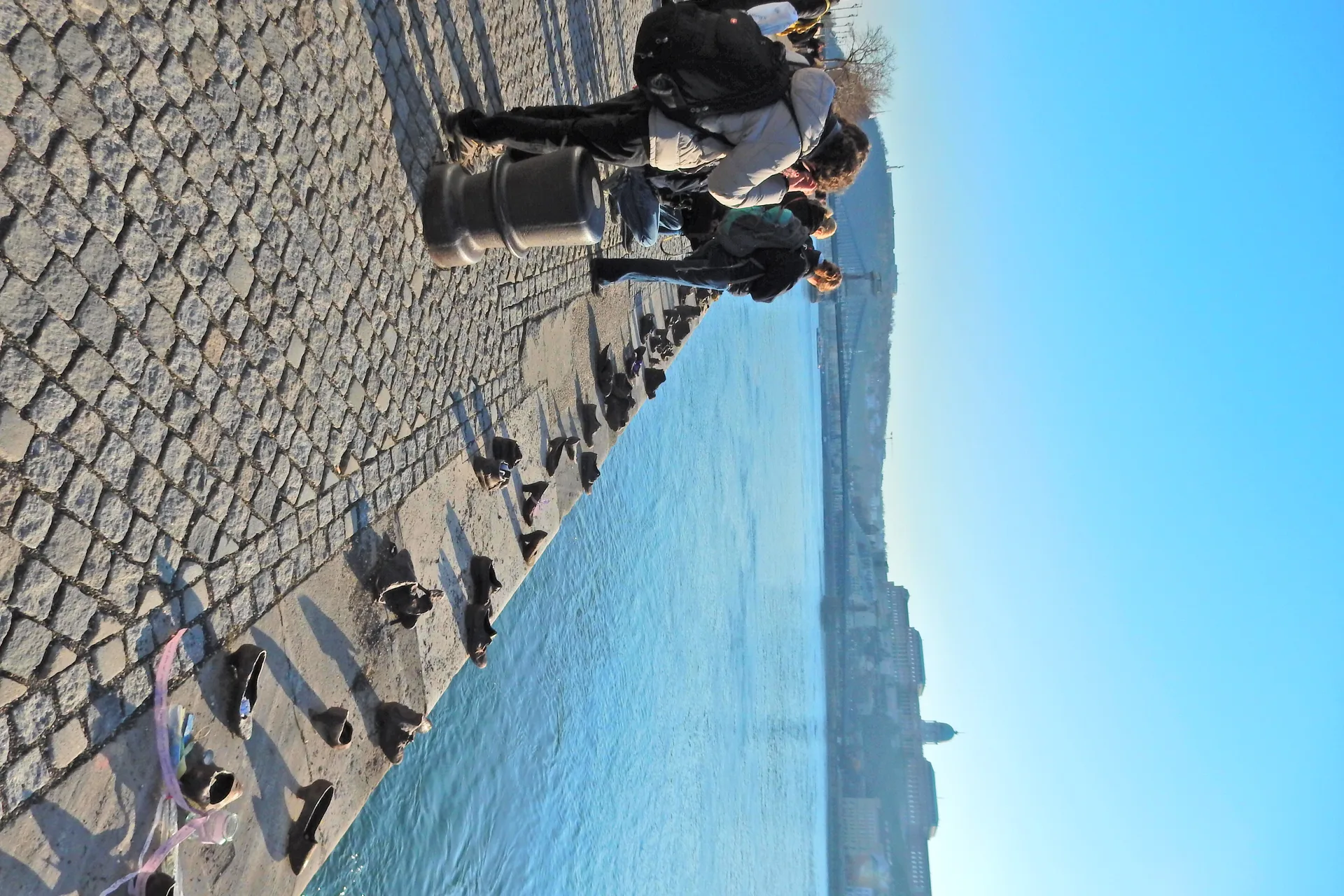
Shoes on the Danube Bank
Sixty pairs of cast-iron shoes on the Pest riverbank, marking where Arrow Cross militia shot thousands of Jews into the Danube in the winter of 1944-45 — one of Europe's most understated, powerful memorials.
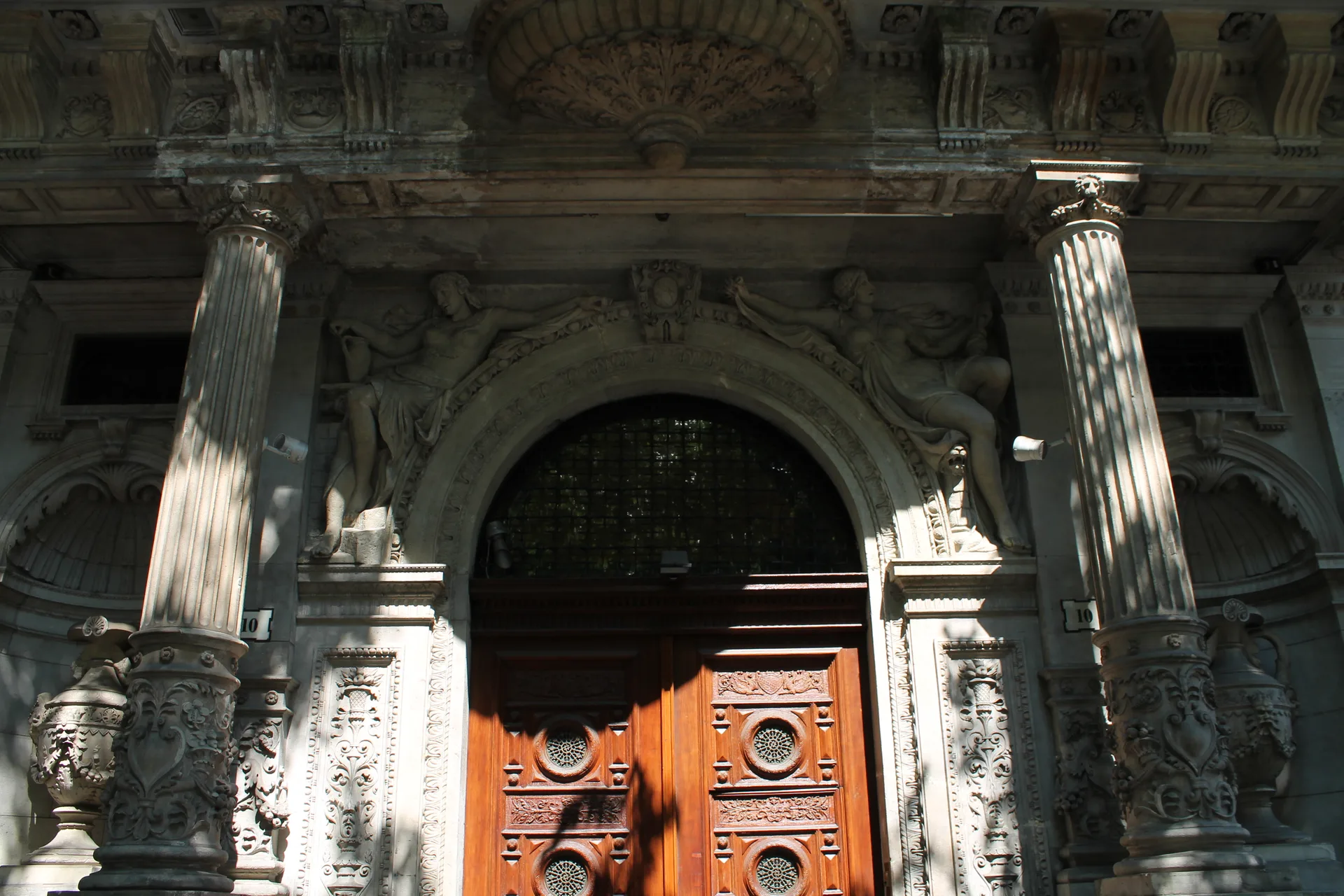
Hungarian State Opera House
A gilded Neo-Renaissance opera house from 1884, considered acoustically among the best in Europe — visit on a guided tour, or better, catch an actual performance for a fraction of Vienna or London prices.
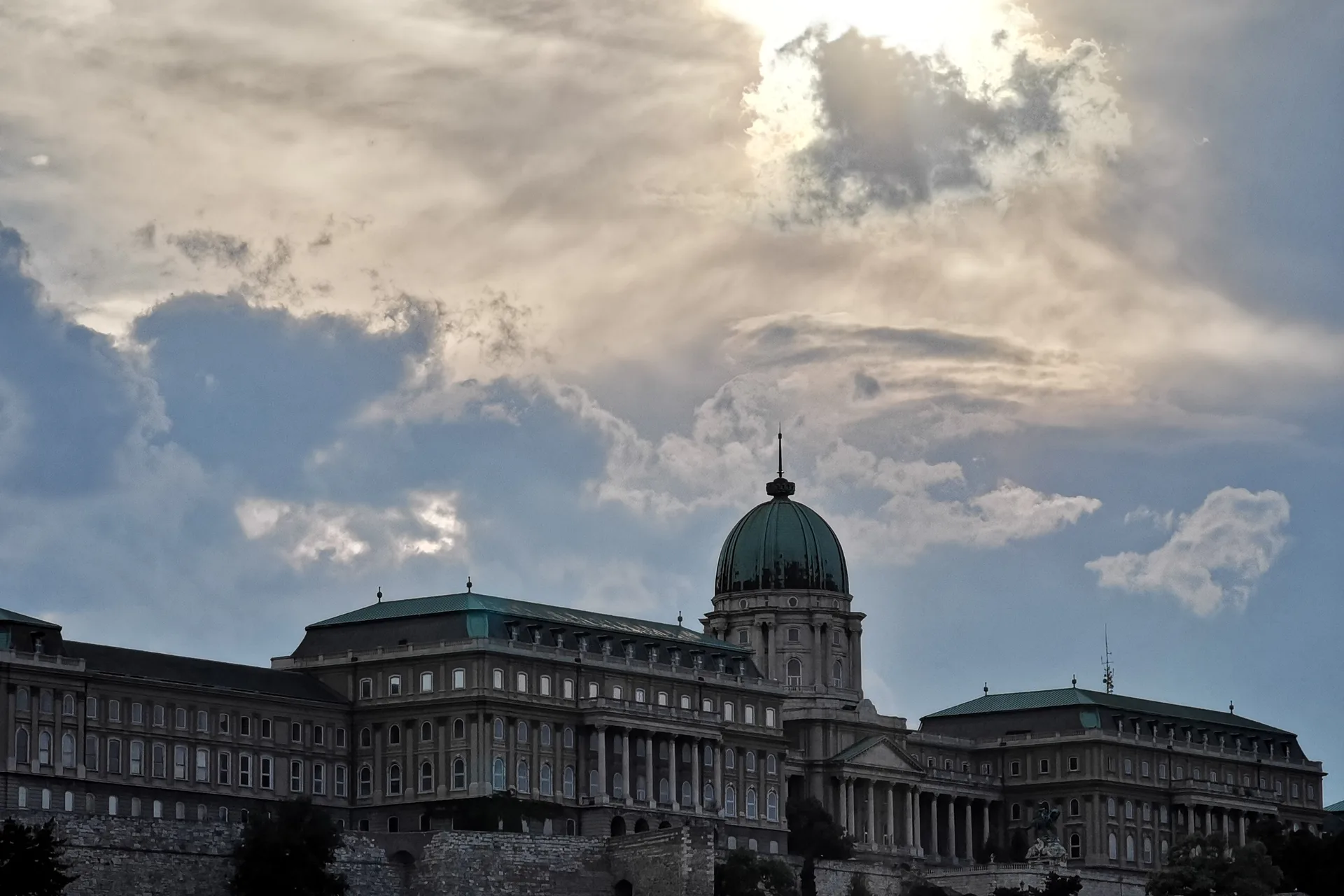
Danube Promenade
The UNESCO-listed riverside walk on the Pest embankment — Parliament, Chain Bridge, the Shoes memorial and unbroken views of Buda Castle, all strung along one flat, free walking route.
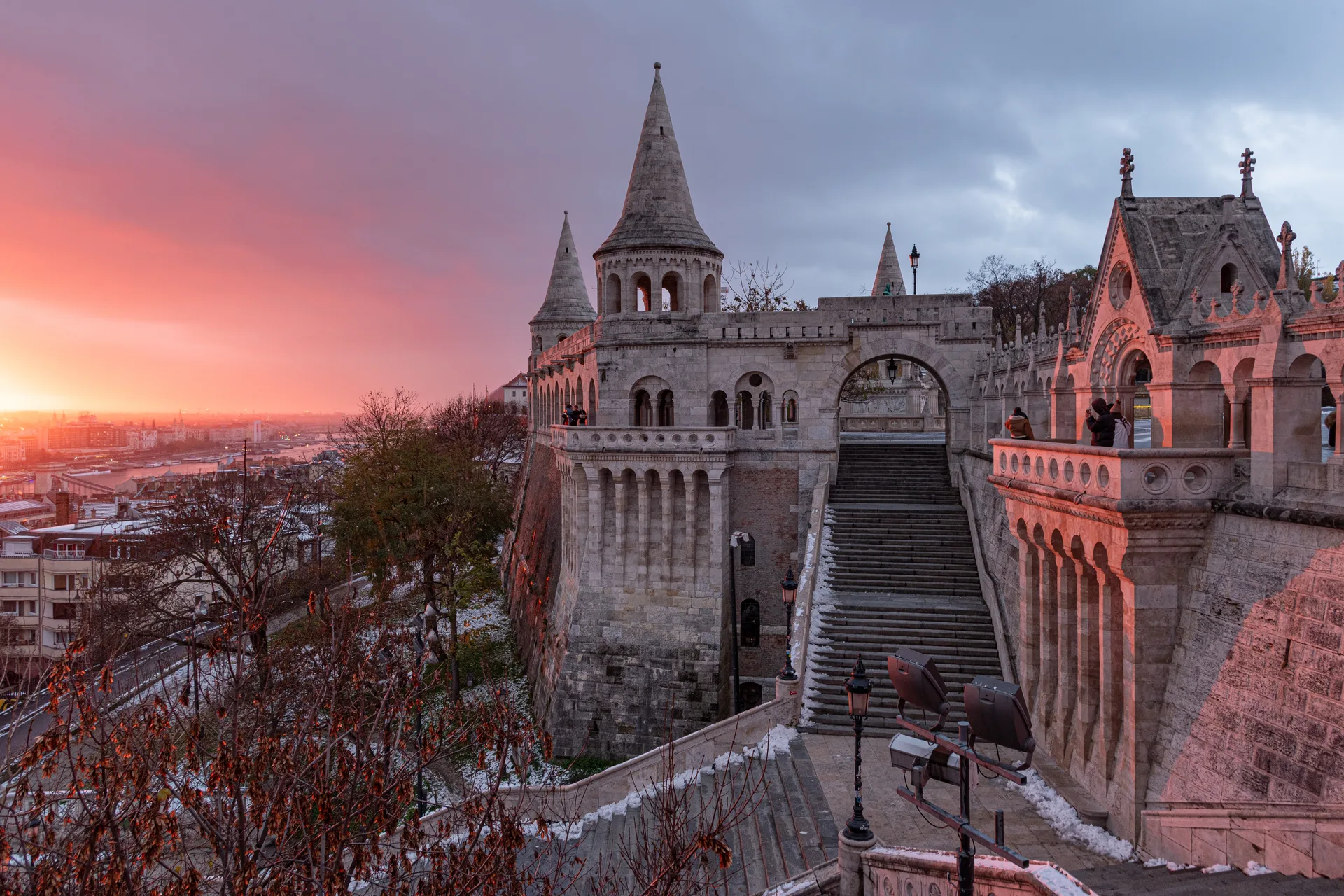
Fisherman's Bastion
A fairy-tale terrace of white turrets and arcades on Castle Hill, built purely for the view — not a real fortification, but the single most photographed spot in Budapest.
All Things to Do in Budapest
55 places, all reviewed and rated
Hungarian Parliament Building
Europe's largest parliament building when it opened in 1902 — a Neo-Gothic riverside colossus that holds Hungary's Holy Crown and is still the single image most people picture when they think of Budapest.
Chain Bridge
Budapest's oldest and most famous Danube crossing — the first permanent bridge to physically unite Buda and Pest, guarded by stone lions and lit gold every night.
Shoes on the Danube Bank
Sixty pairs of cast-iron shoes on the Pest riverbank, marking where Arrow Cross militia shot thousands of Jews into the Danube in the winter of 1944-45 — one of Europe's most understated, powerful memorials.
Hungarian State Opera House
A gilded Neo-Renaissance opera house from 1884, considered acoustically among the best in Europe — visit on a guided tour, or better, catch an actual performance for a fraction of Vienna or London prices.
Danube Promenade
The UNESCO-listed riverside walk on the Pest embankment — Parliament, Chain Bridge, the Shoes memorial and unbroken views of Buda Castle, all strung along one flat, free walking route.
Fisherman's Bastion
A fairy-tale terrace of white turrets and arcades on Castle Hill, built purely for the view — not a real fortification, but the single most photographed spot in Budapest.
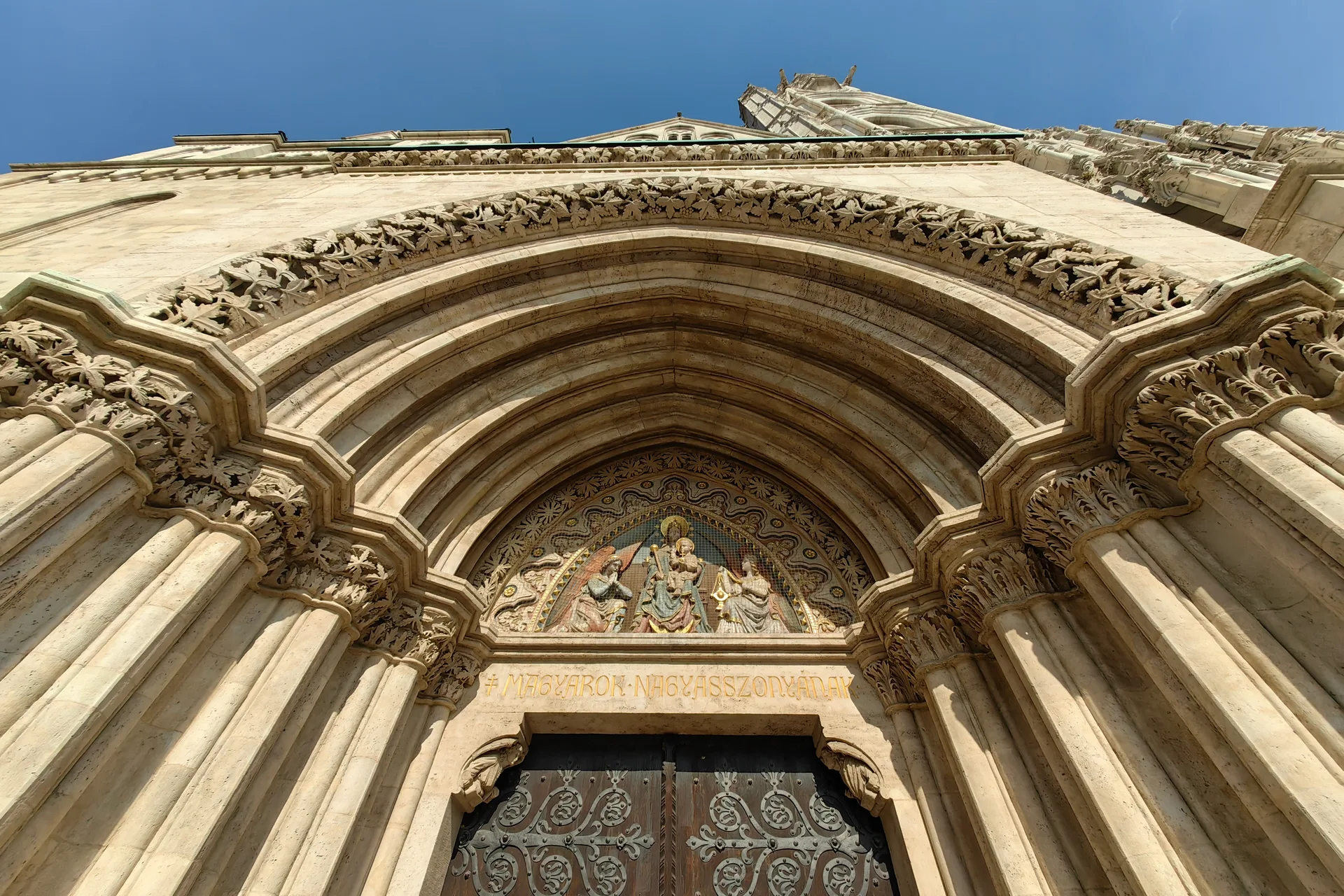
Matthias Church
A 700-year-old Gothic church with a riotously colourful Zsolnay-tile roof, where several Hungarian kings were crowned — including the last coronation of the Habsburg era in 1916.
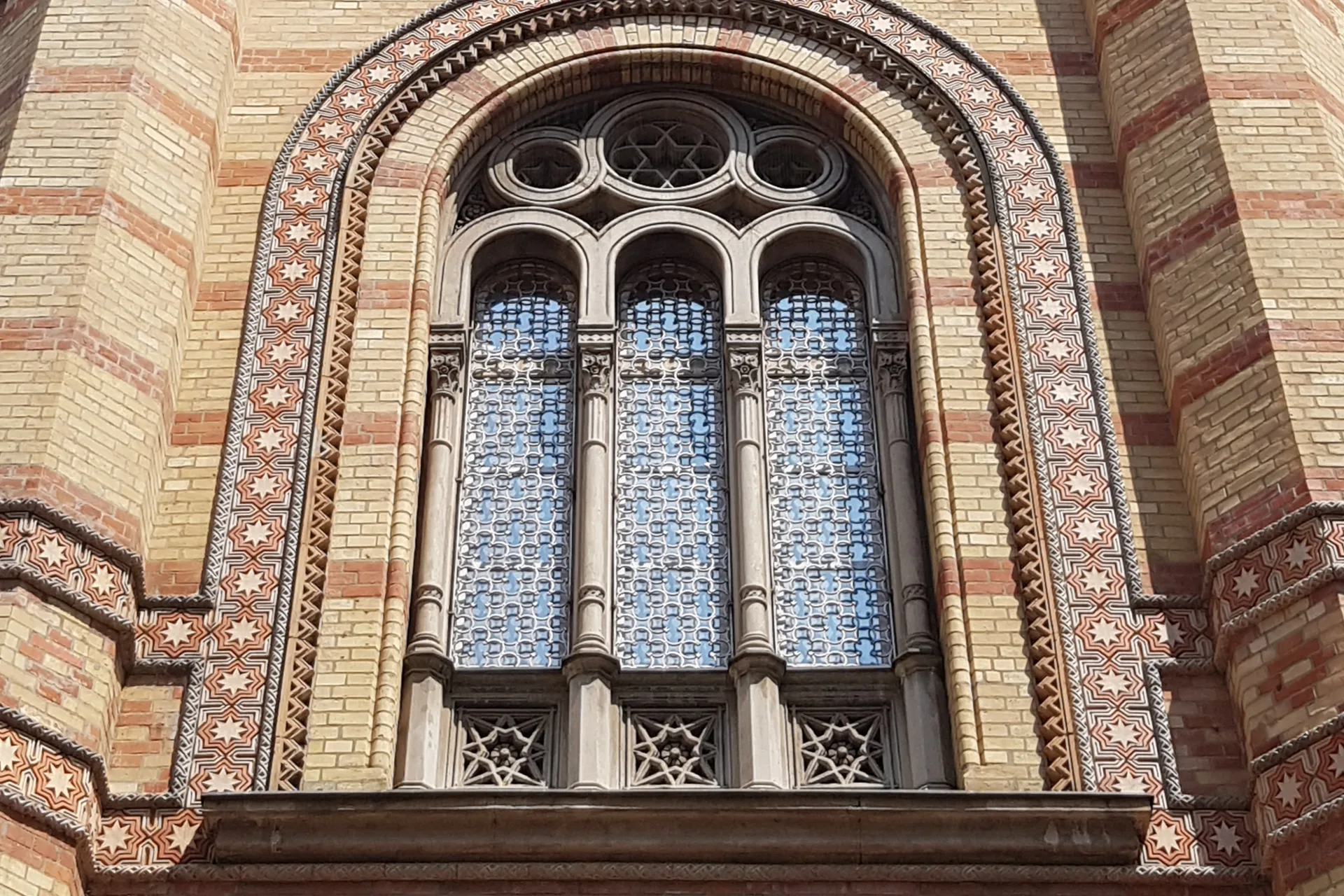
Great Synagogue on Dohány Street
Europe's largest synagogue — a Moorish Revival masterpiece that's also a Jewish museum, memorial garden and Holocaust memorial, all on one ticket.
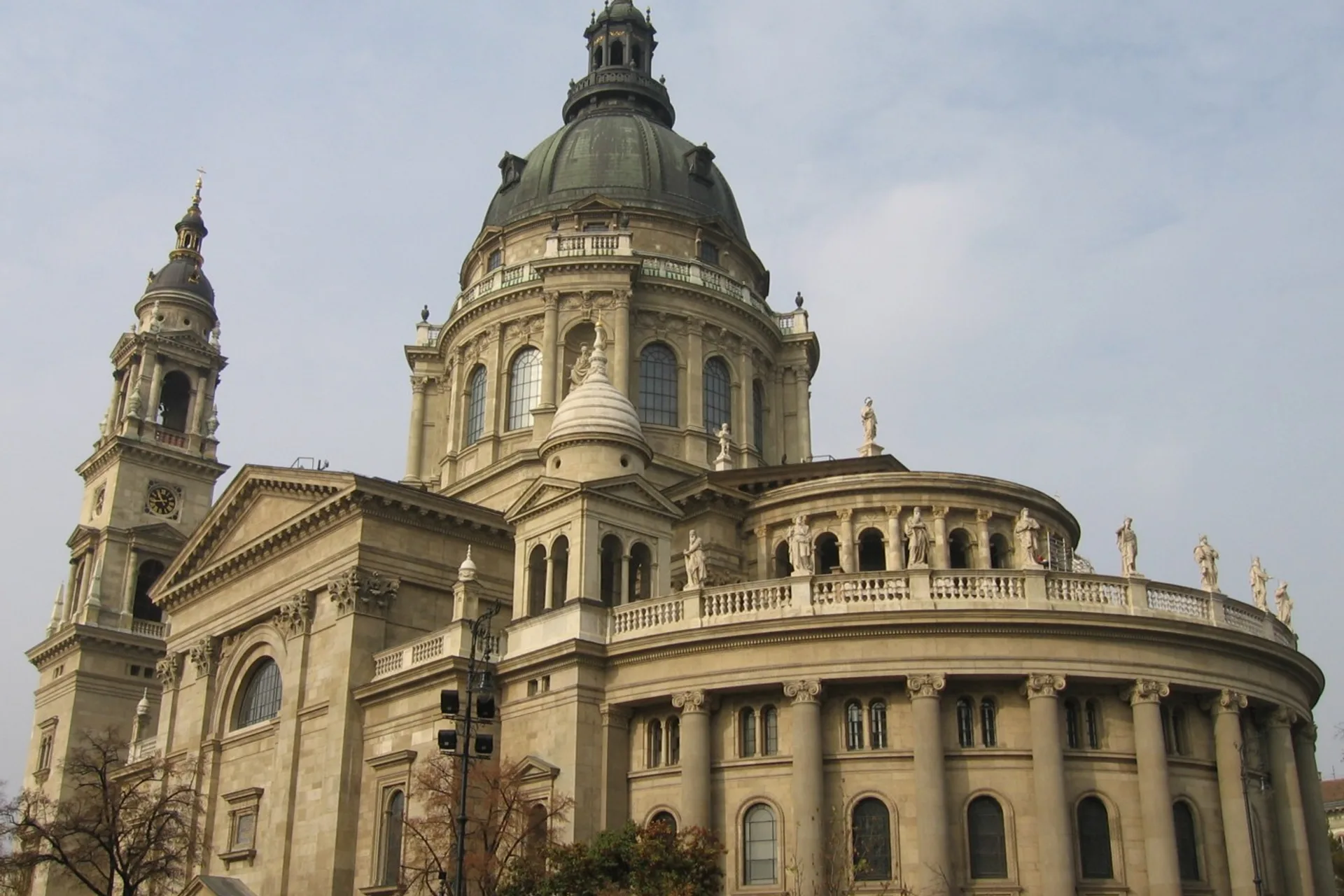
St. Stephen's Basilica
Budapest's largest church, home to Hungary's most sacred relic — the mummified right hand of King (later Saint) Stephen — and a dome-top terrace with 360-degree city views.
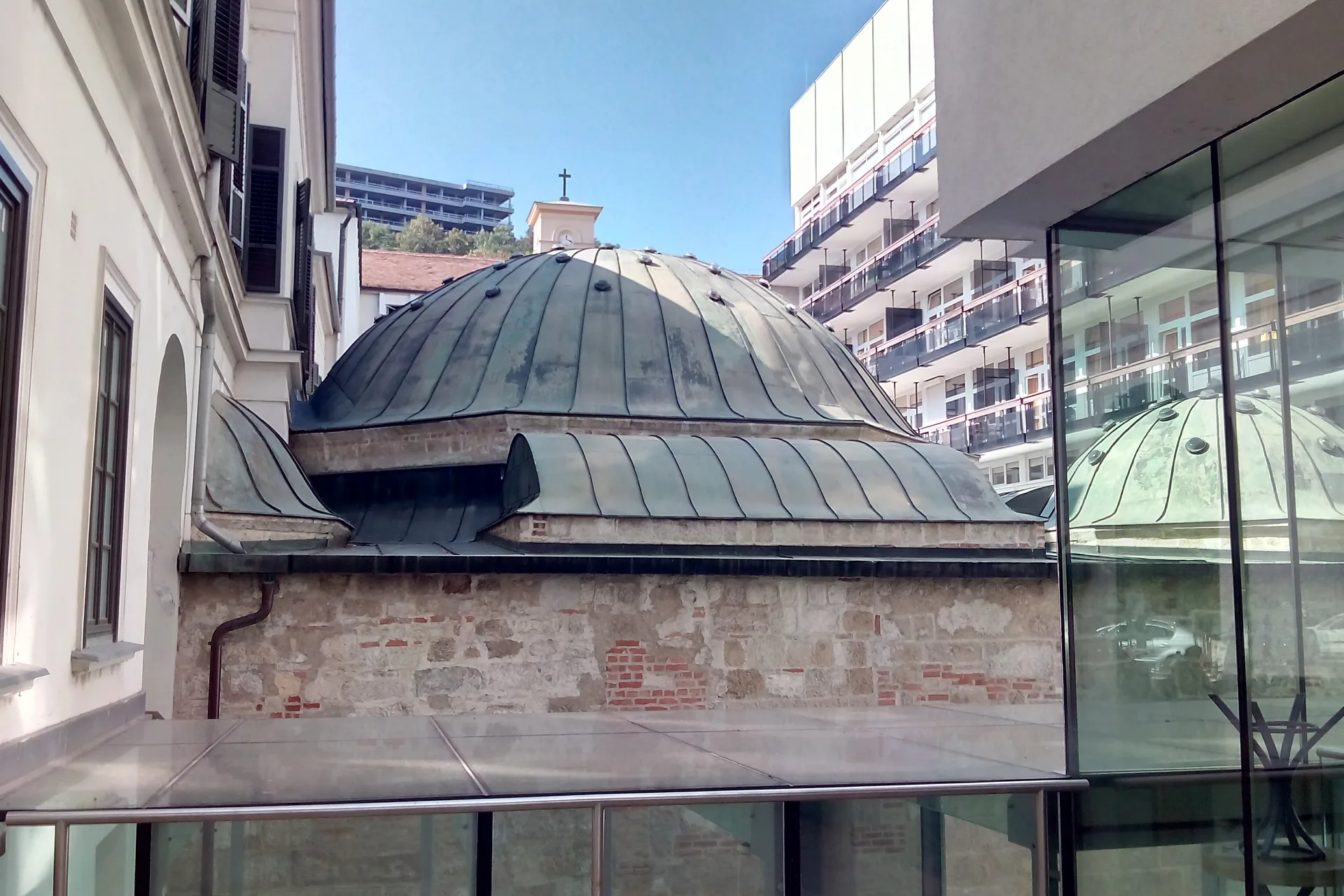
Veli Bej Bath
Budapest's oldest continuously used bathhouse — a compact, beautifully restored 16th-century Ottoman bath in Buda, quieter and more intimate than the bigger tourist-facing baths.
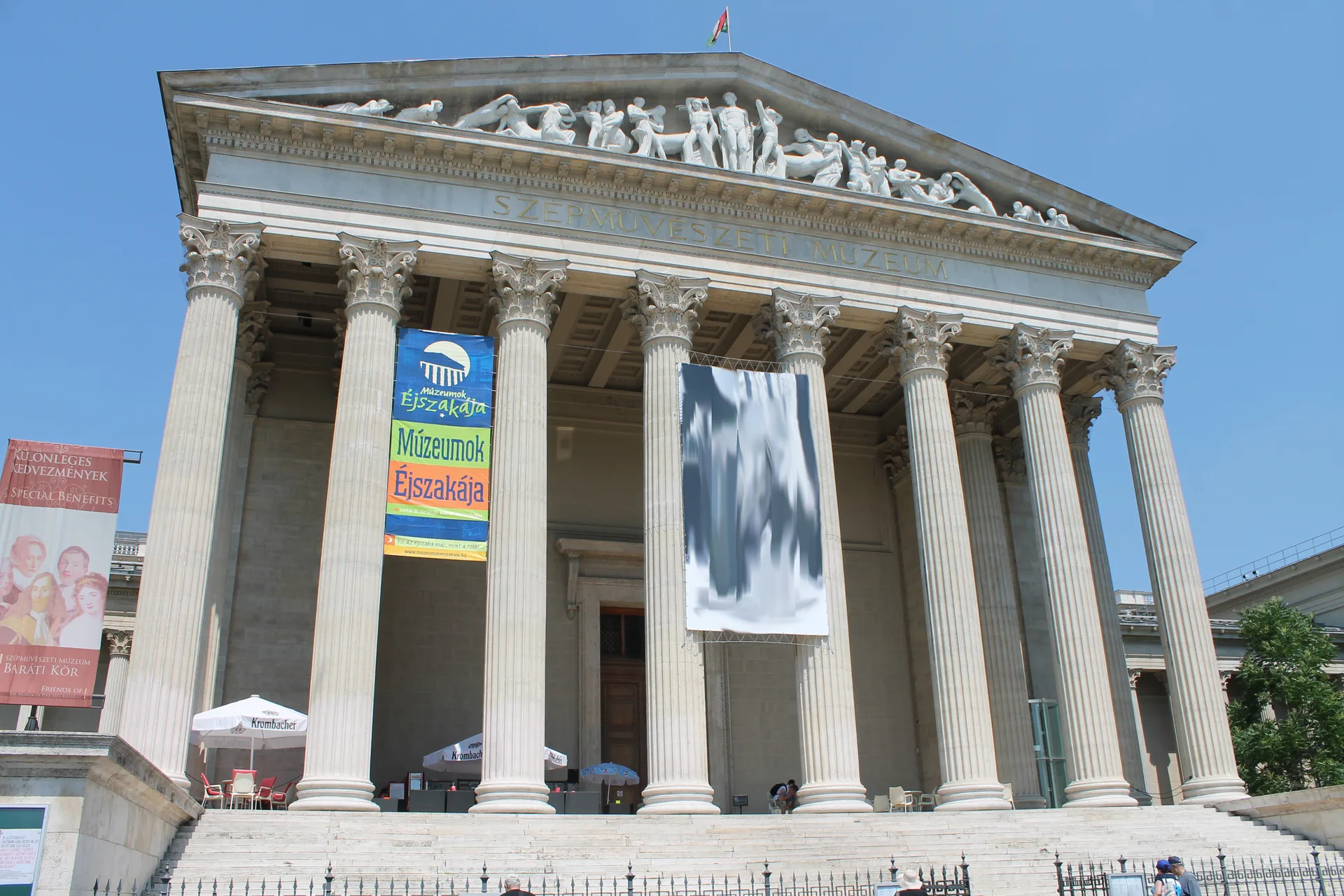
Museum of Fine Arts
Hungary's premier international art collection — Raphael, El Greco, Goya and one of the largest Spanish painting collections outside Spain — housed in a Neoclassical temple on Heroes' Square.
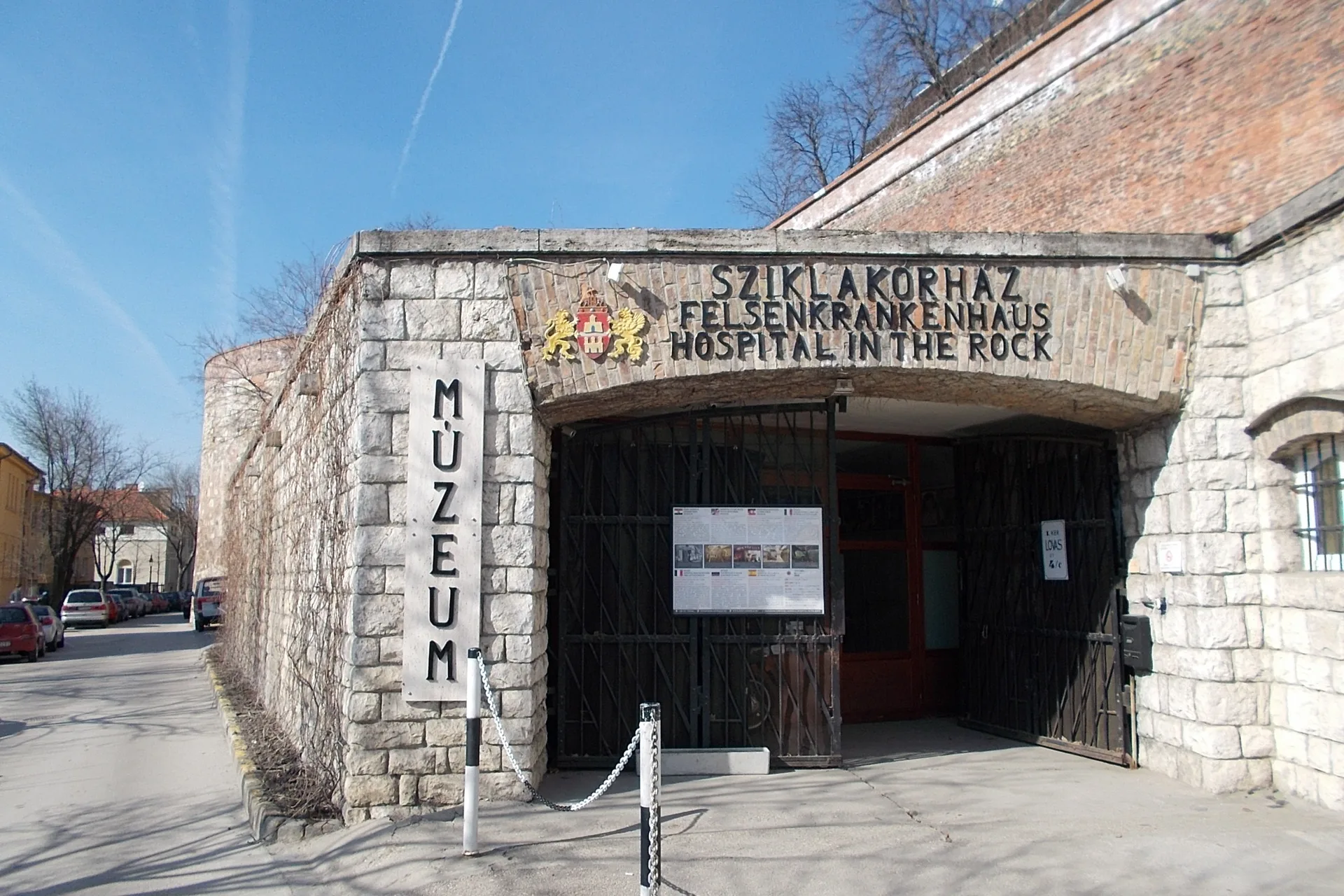
Hospital in the Rock Nuclear Bunker Museum
A real WWII emergency hospital and later Cold War nuclear bunker, carved into the natural cave network beneath Castle Hill — visited only by guided tour through wax-figure-populated wards.
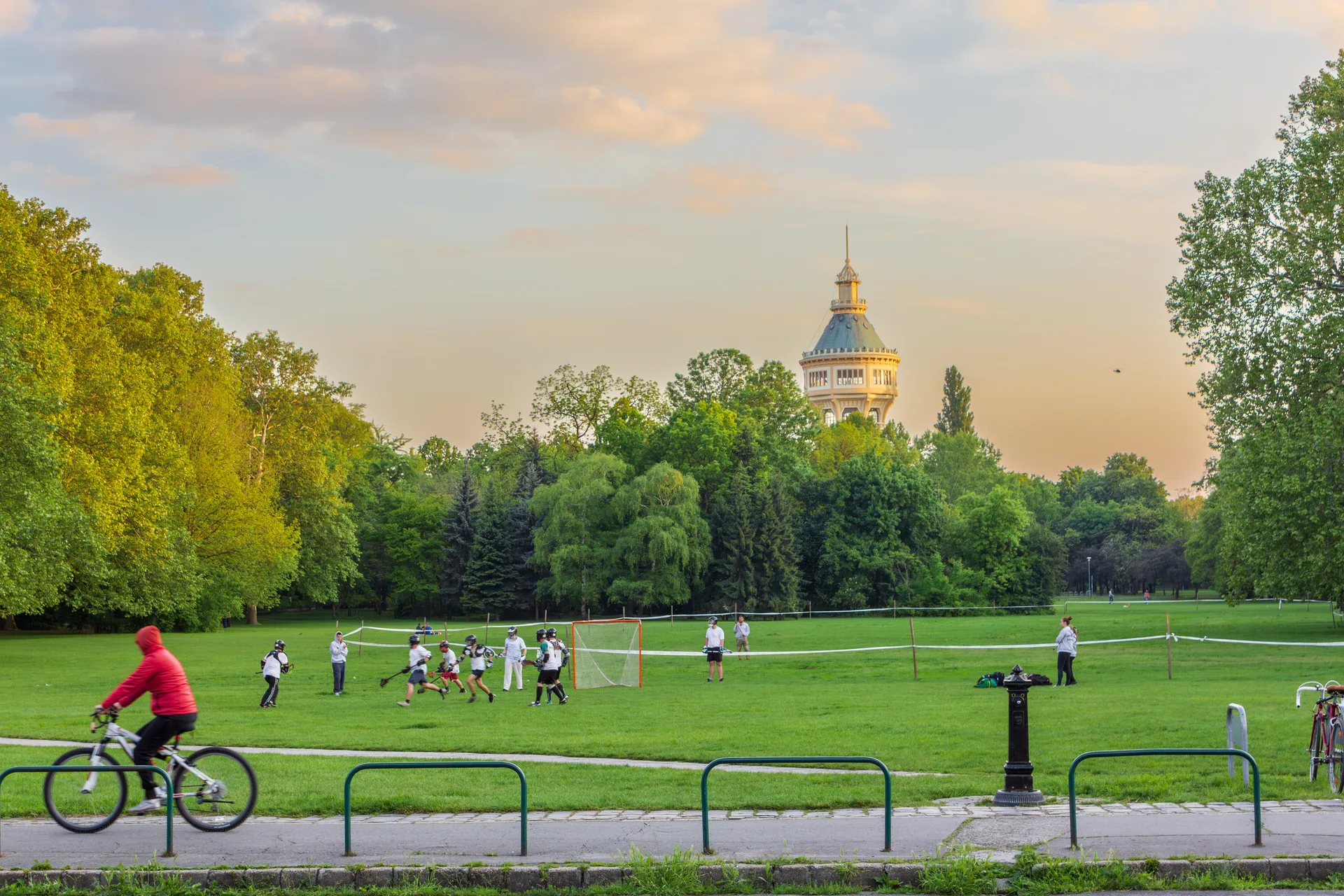
Margaret Island
A car-free 2.5km island park in the middle of the Danube — thermal pools, rose gardens, a musical fountain, medieval ruins and a running track, all reachable on foot from either bank.
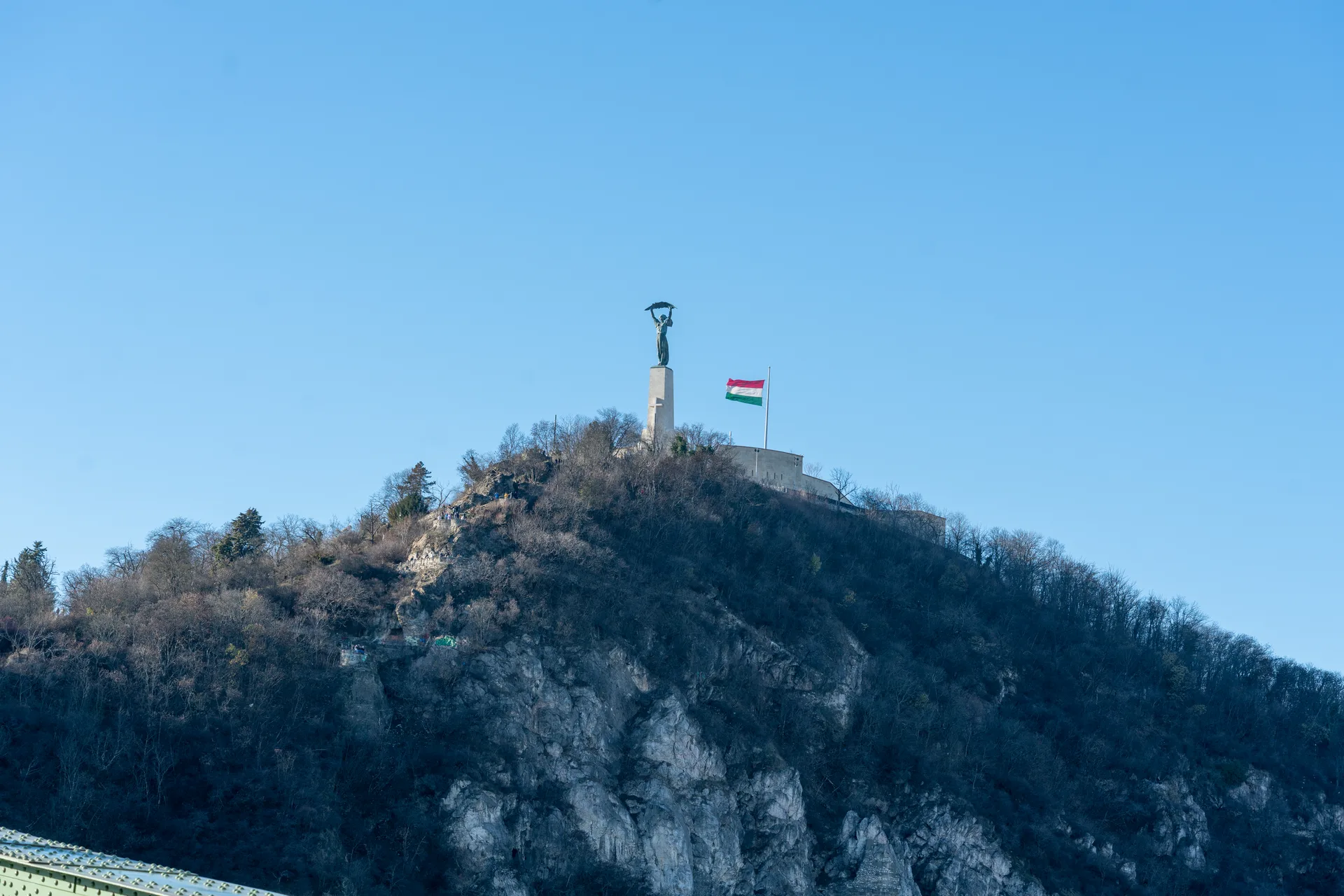
Gellért Hill & Citadella
A 235-metre hill on the Buda side crowned by a Habsburg-era fortress and the Liberty Statue — free public parkland with arguably the single best panoramic view over both Buda and Pest.
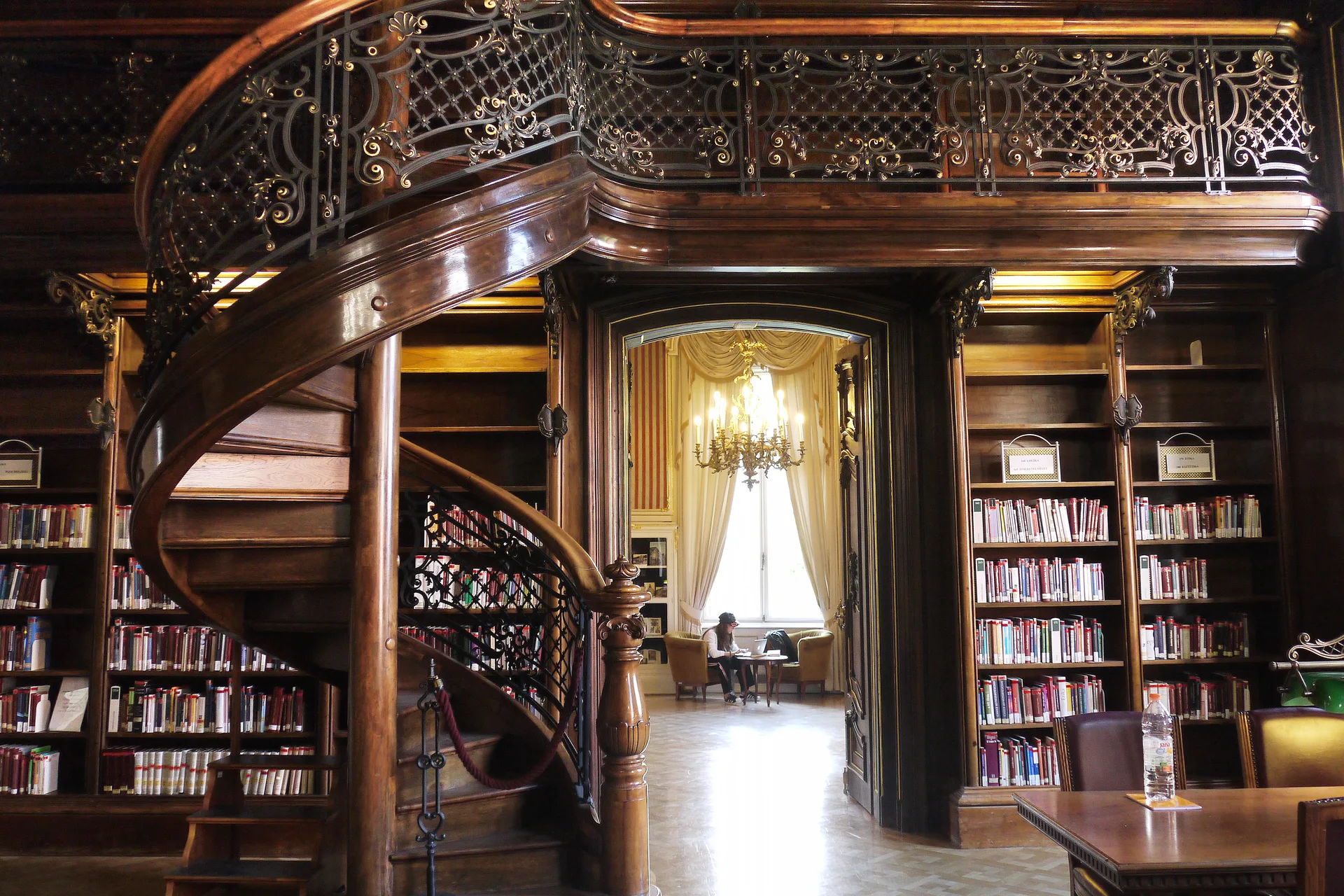
Ervin Szabó Library (Wenckheim Palace)
A working public library inside a restored 19th-century noble palace — velvet armchairs, gilded stucco and crystal chandeliers, open to anyone who buys a day pass, no library card required.
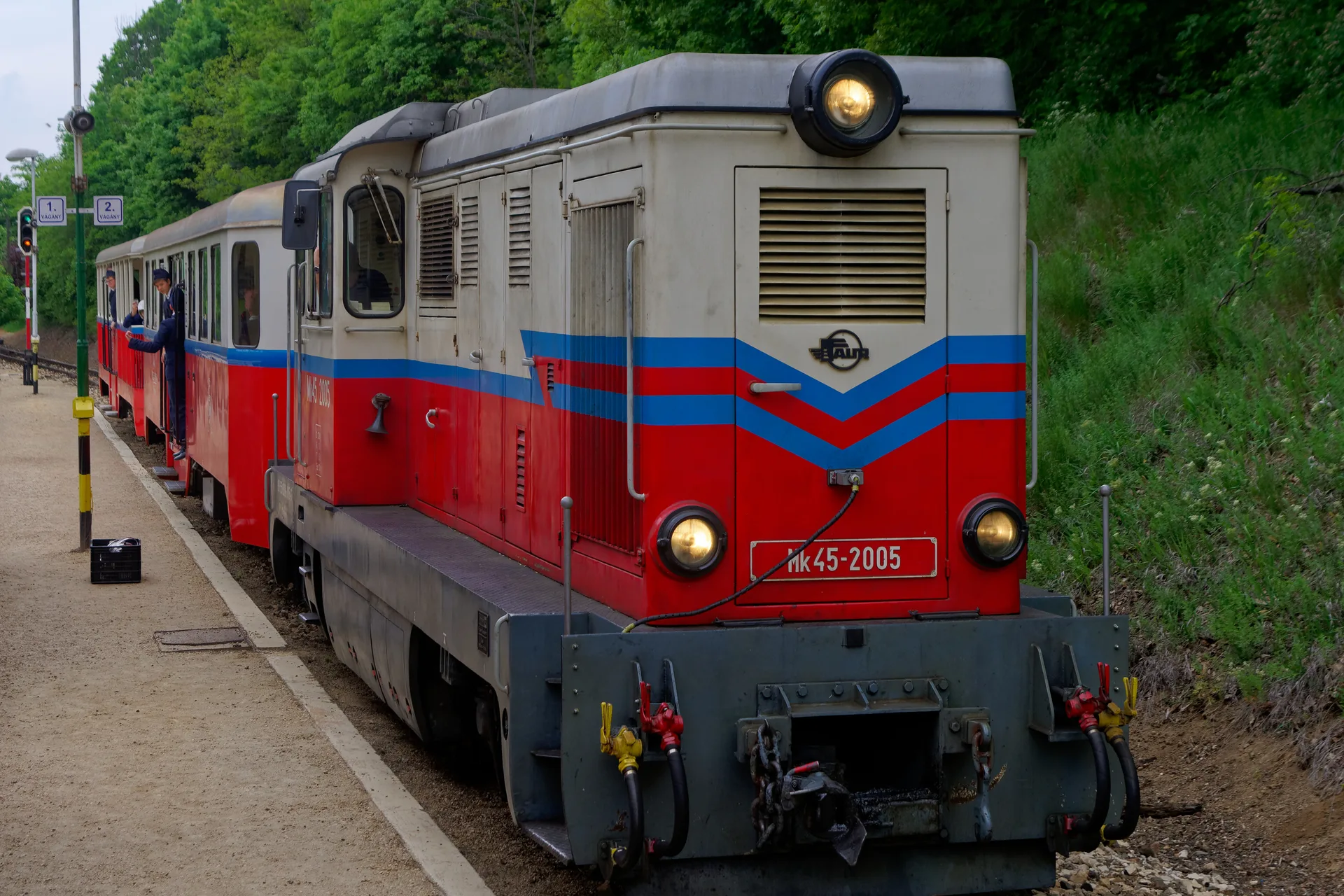
Children's Railway
A narrow-gauge railway through the Buda Hills operated almost entirely by children aged 10-14 — only the locomotive driver is an adult — running since the communist era and still going strong.
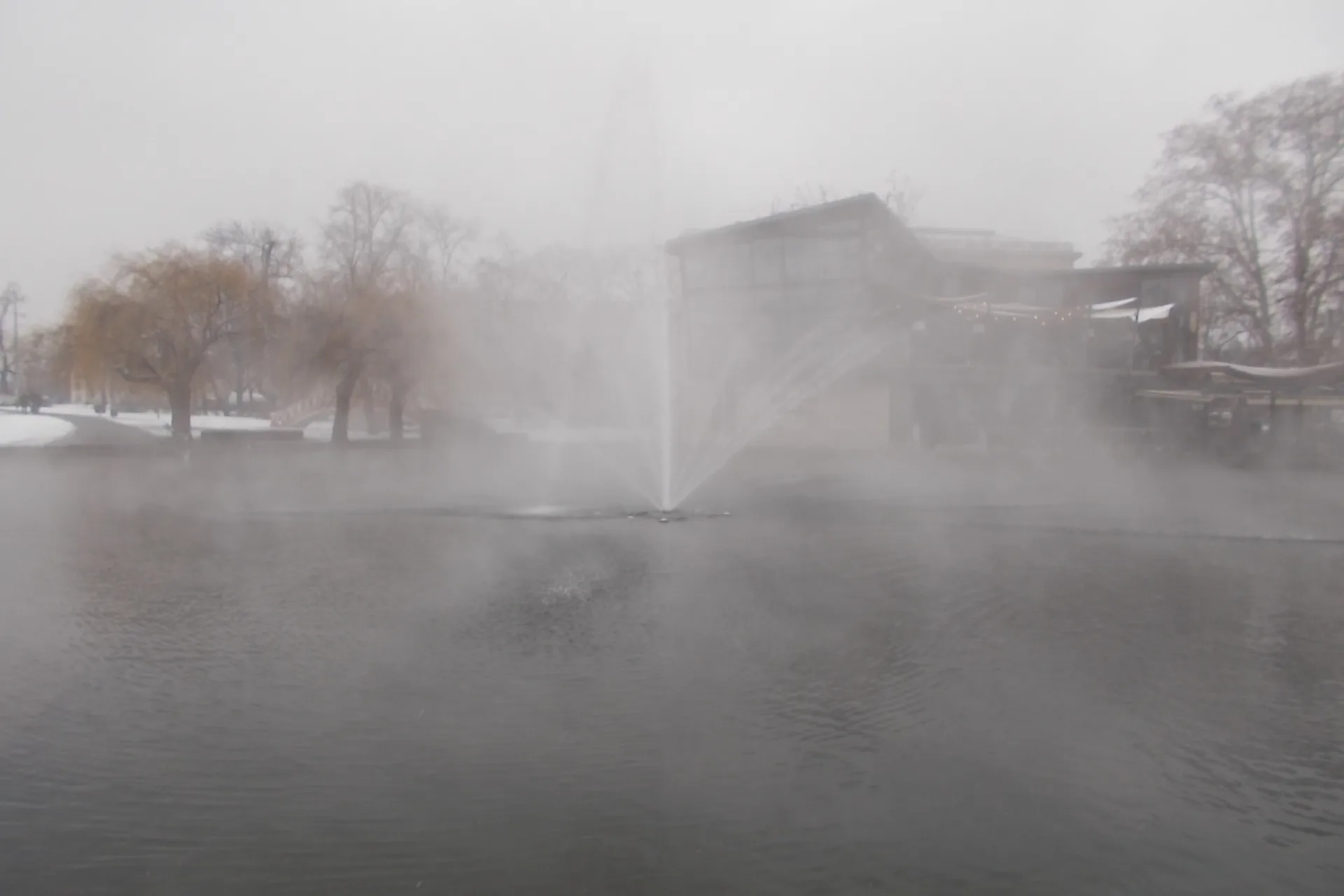
City Park (Városliget)
One of the world's first public parks, opened in 1810 — the green anchor behind Heroes' Square, holding Vajdahunyad Castle, Széchenyi Baths, the zoo and Central Europe's largest outdoor ice rink.
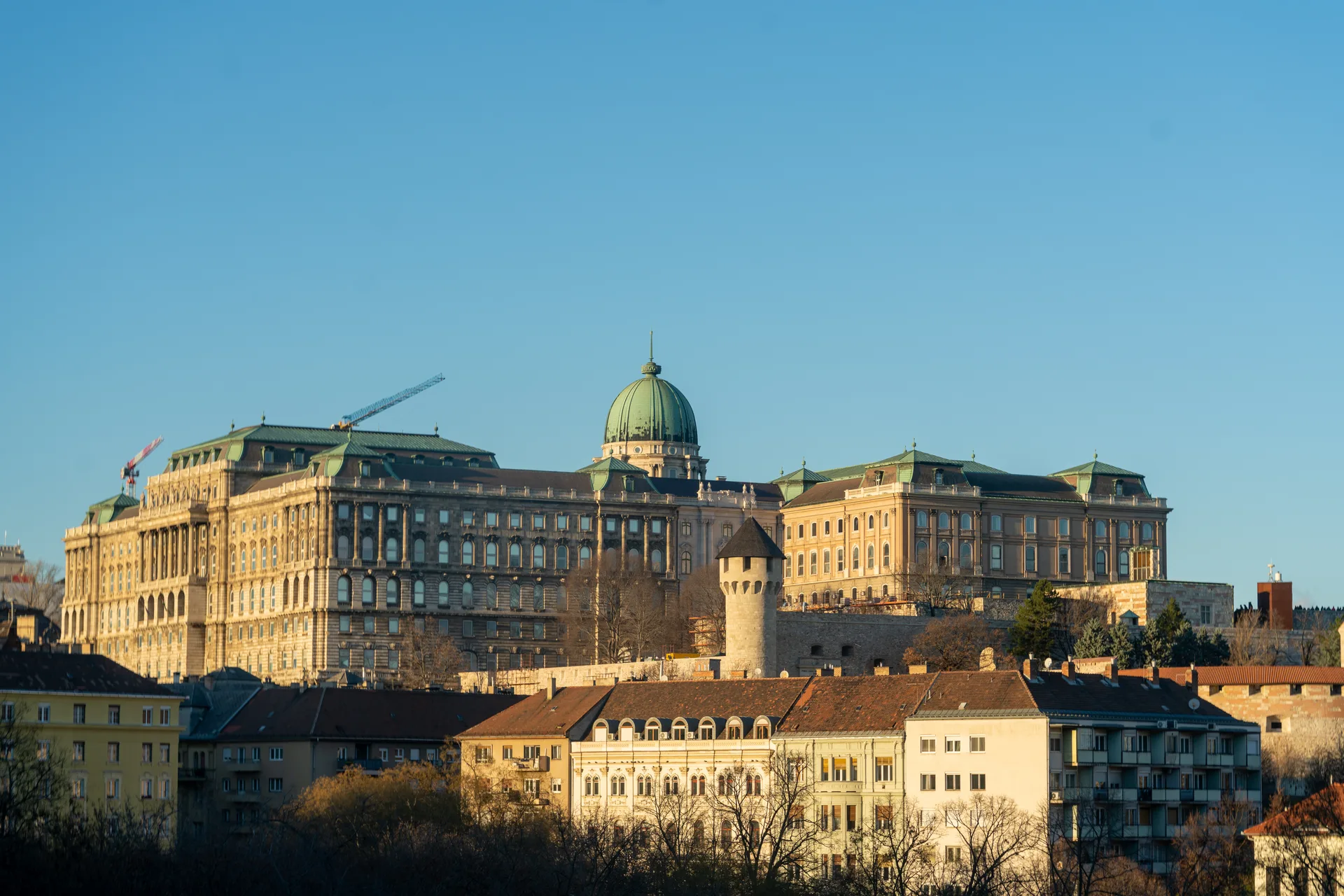
Buda Castle (Royal Palace)
The sprawling former royal palace on Castle Hill — today home to the Hungarian National Gallery and the Budapest History Museum, with free-to-wander courtyards and some of the best views over the Danube.
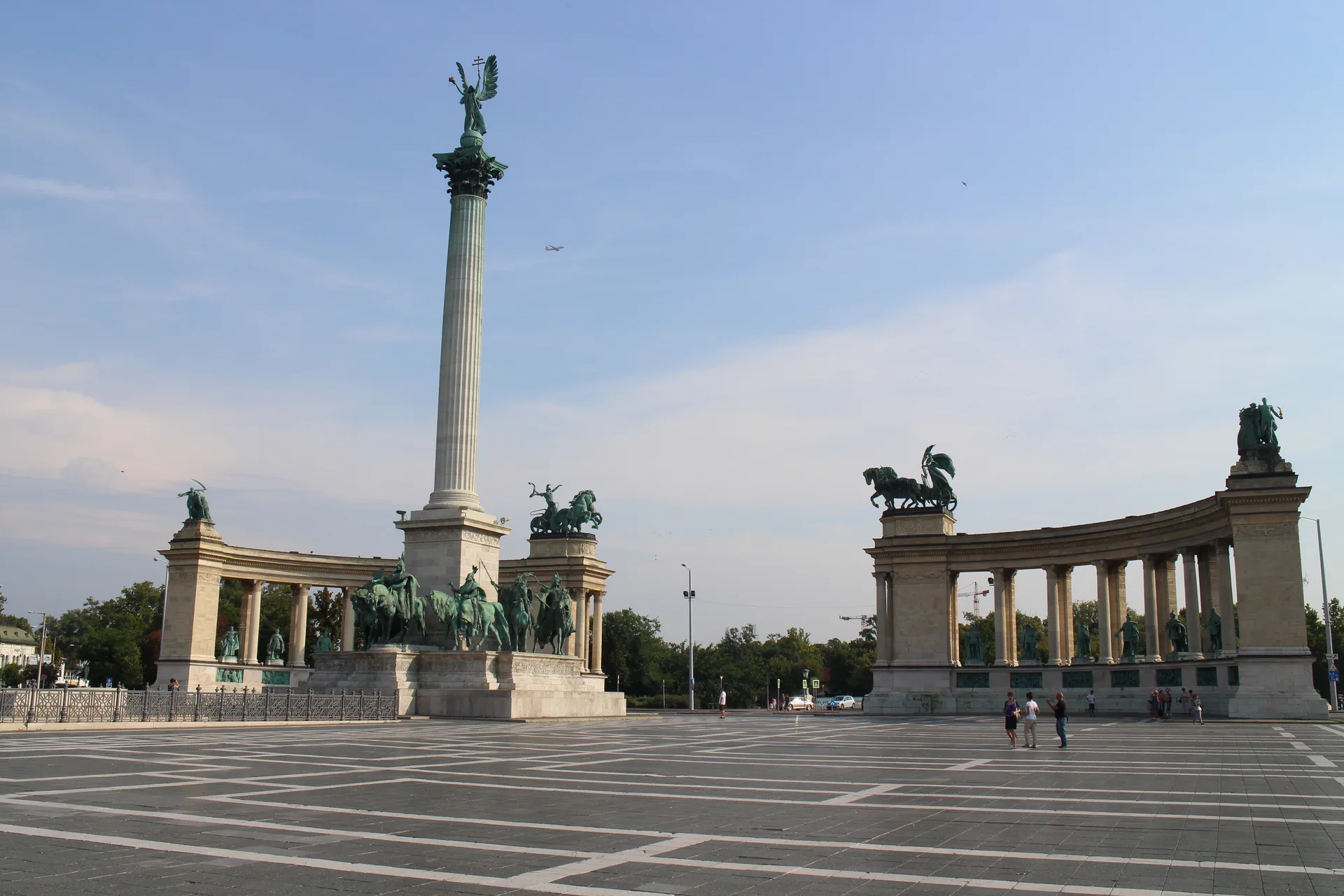
Heroes' Square
Budapest's grandest square — a semicircle of colonnades and statues built for Hungary's 1896 millennium, anchored by a 36-metre column crowned by the Archangel Gabriel.
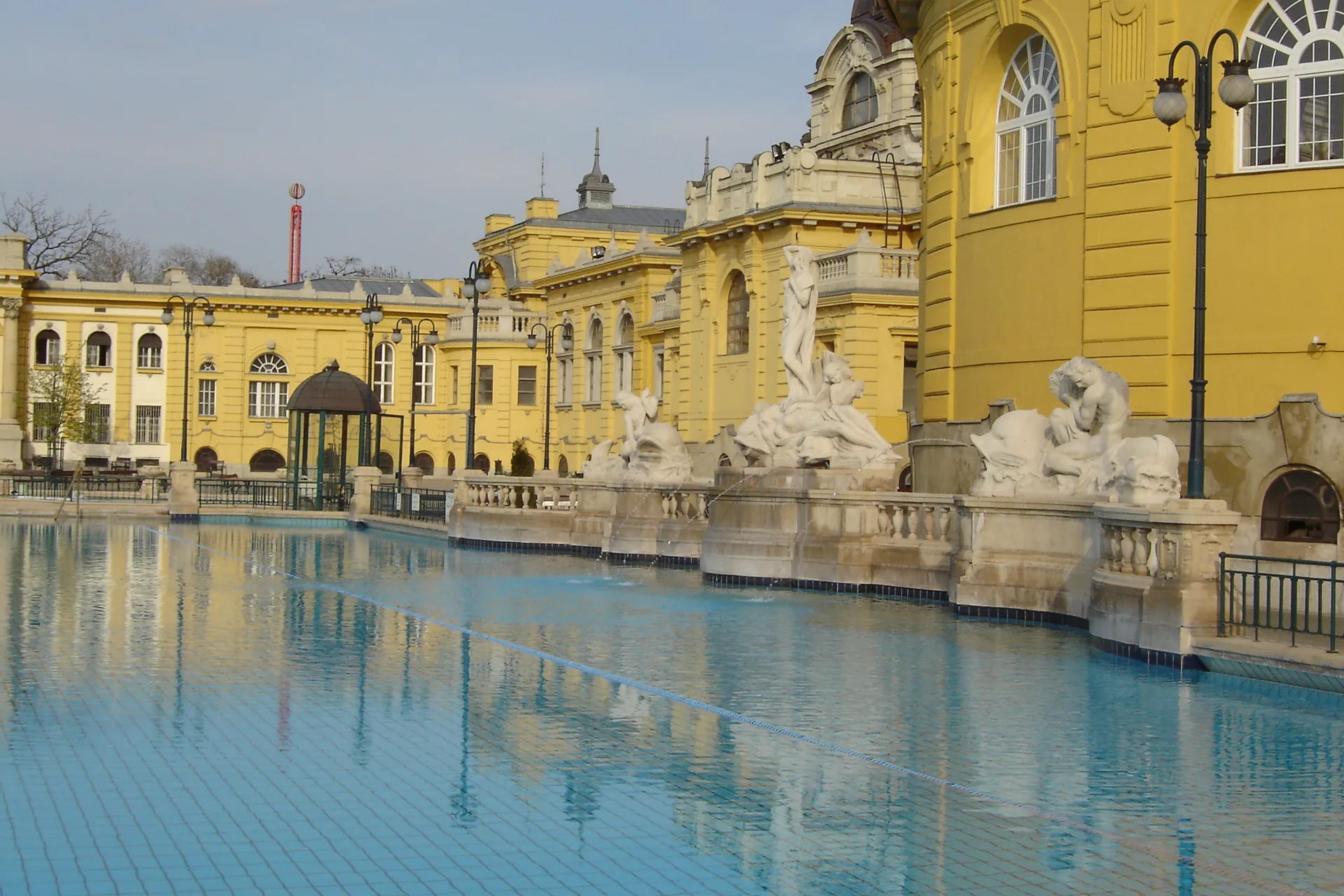
Széchenyi Thermal Bath
Europe's largest thermal bath complex — a Neo-Baroque palace of steaming outdoor pools in City Park, fed by two thermal springs and open until 10pm every night.
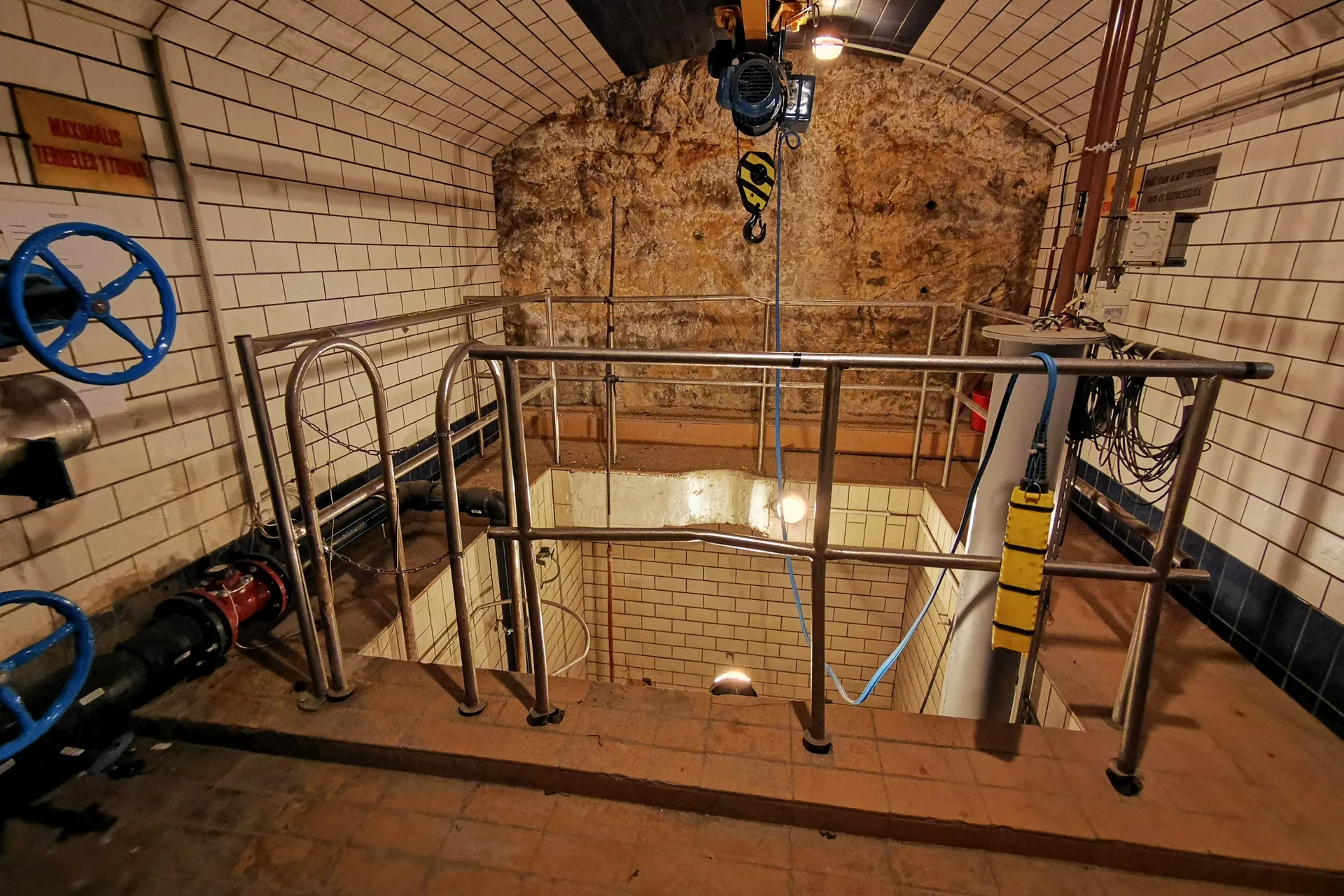
Gellért Thermal Bath
Budapest's most famous Art Nouveau bathhouse, attached to the grand Gellért Hotel — currently closed for a major restoration expected to run until 2028.
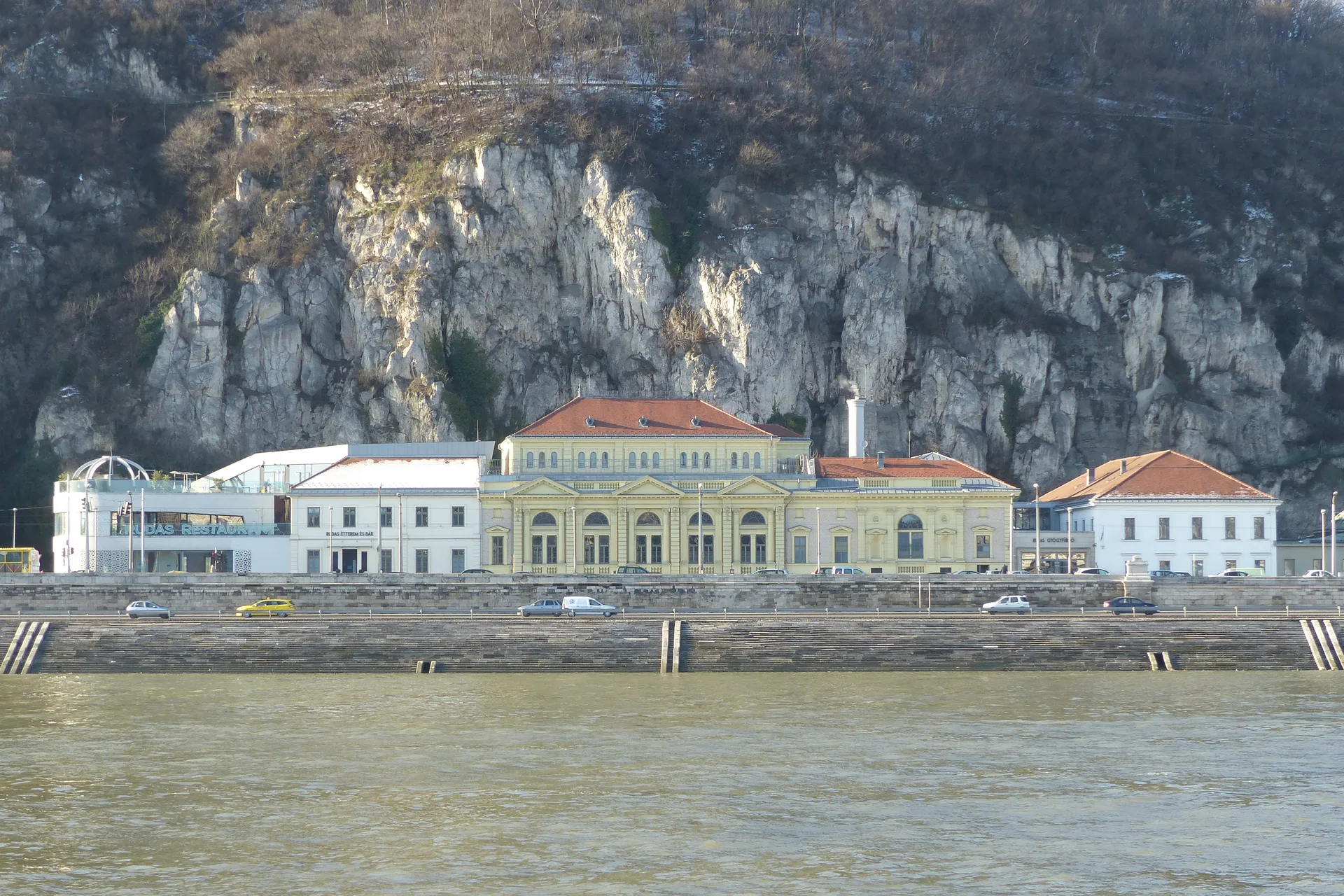
Rudas Baths
A 16th-century Ottoman-era bathhouse under a genuine octagonal Turkish dome — plus a modern rooftop pool with panoramic Danube views, popular for Friday and Saturday night bathing.
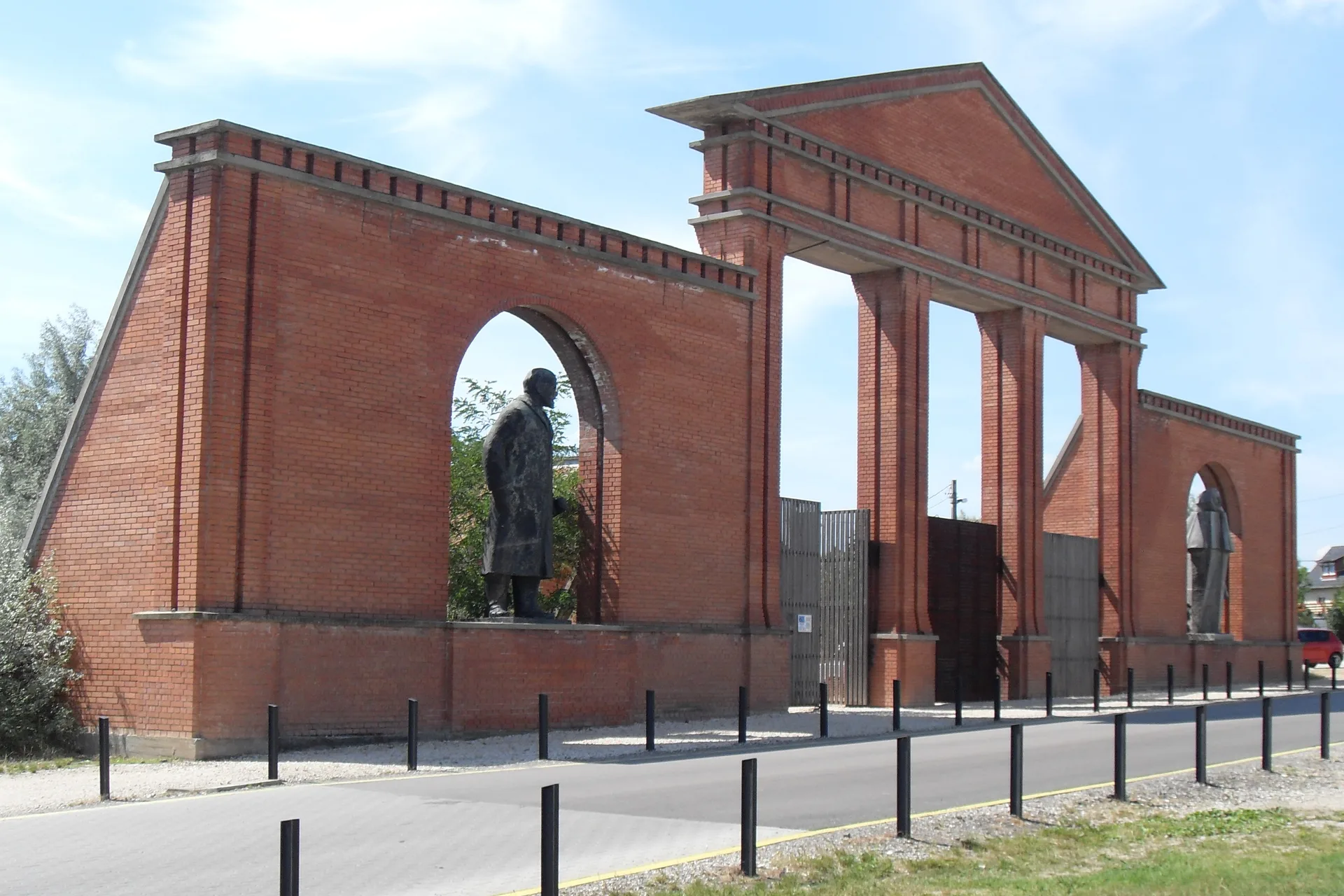
Memento Park
A field on Budapest's outskirts where the city's toppled communist-era statues — Lenin, Marx, giant Soviet soldiers — were relocated after 1989, rather than melted down.
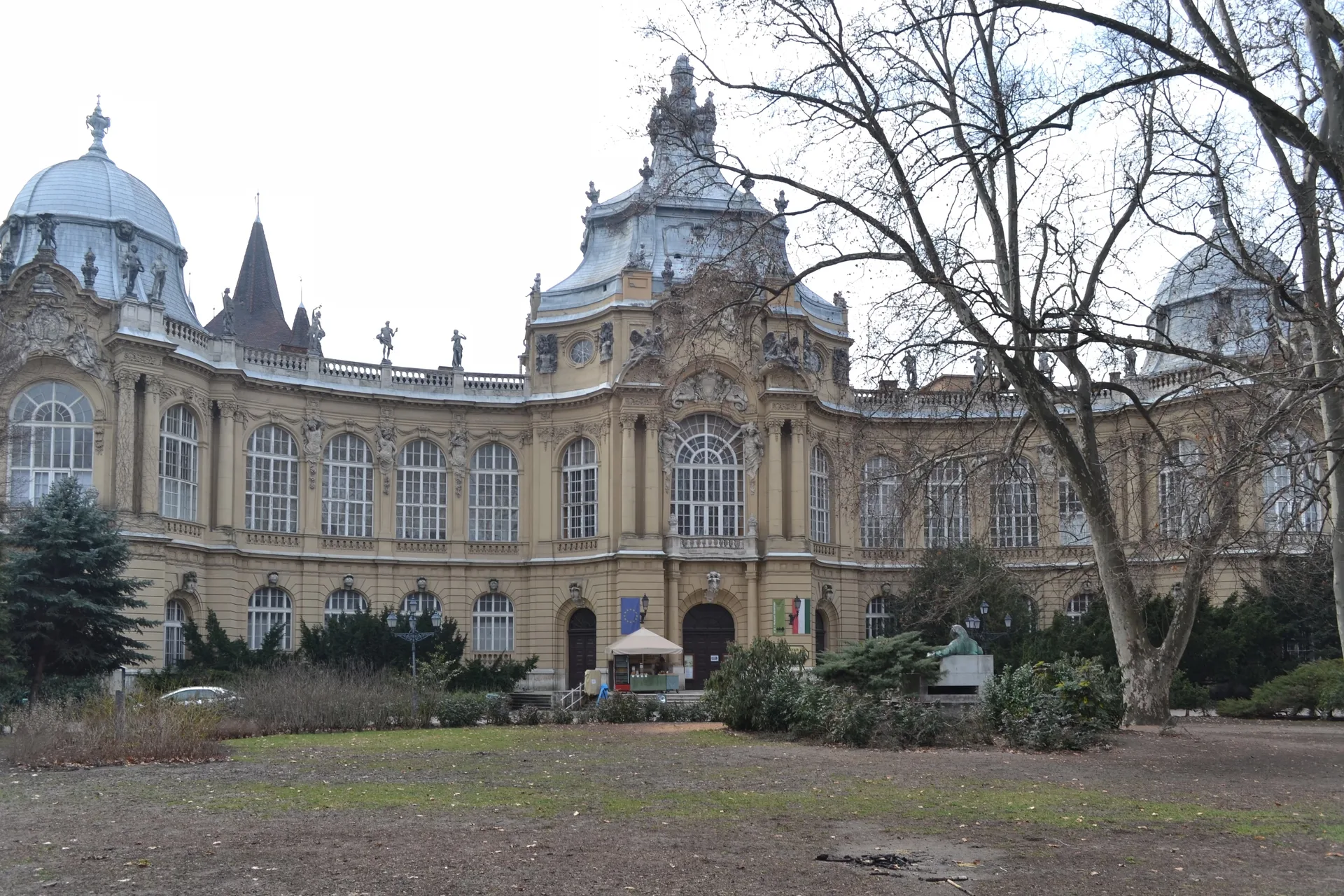
Vajdahunyad Castle
A fantasy castle in City Park stitching together Gothic, Romanesque, Renaissance and Baroque architecture from across historic Hungary — built as a temporary 1896 exhibit, kept because everyone loved it.
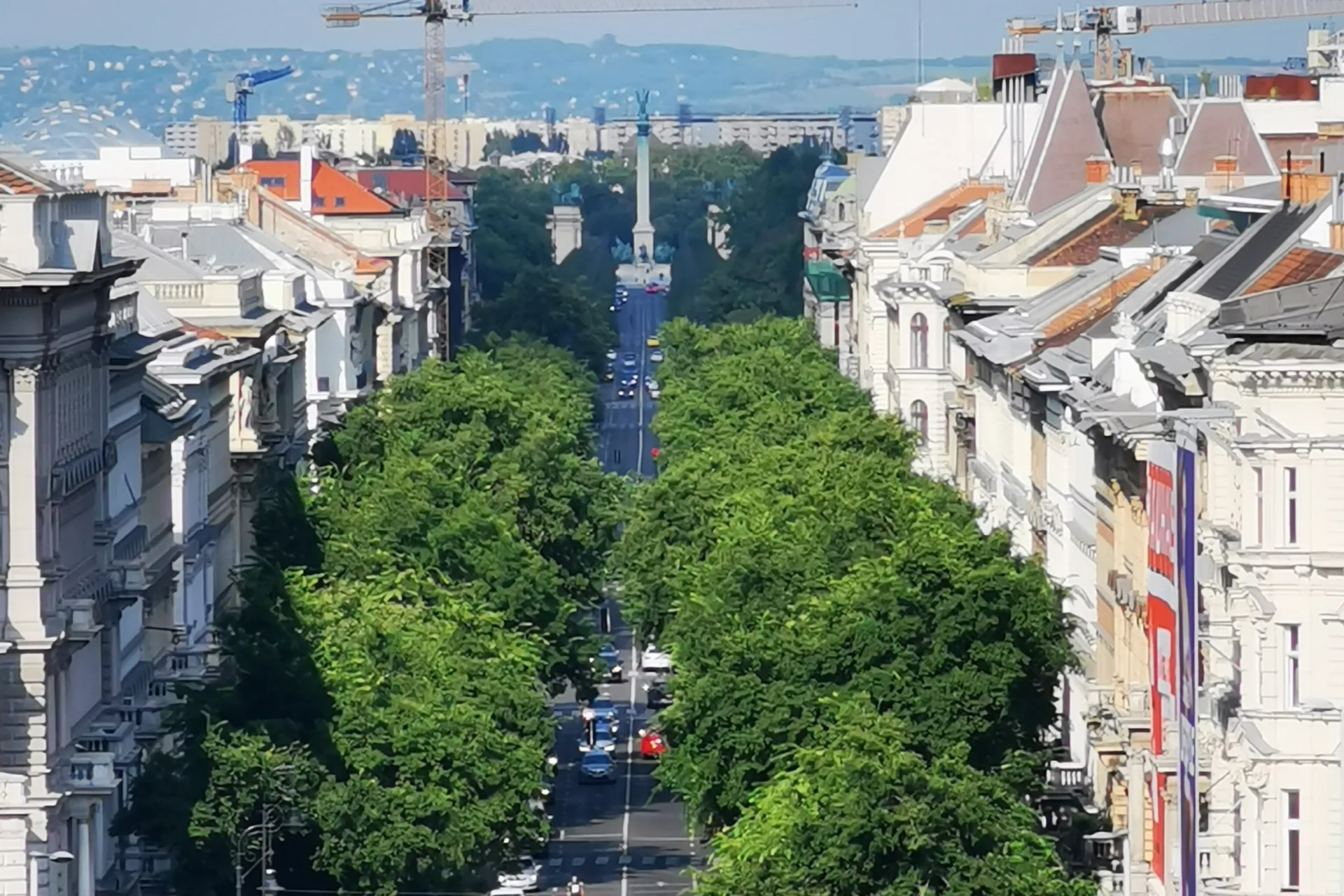
Andrássy Avenue
Budapest's grand 2.5km boulevard, a UNESCO World Heritage Site — Neo-Renaissance mansions, the Opera House, House of Terror and Heroes' Square, all strung along one straight line.
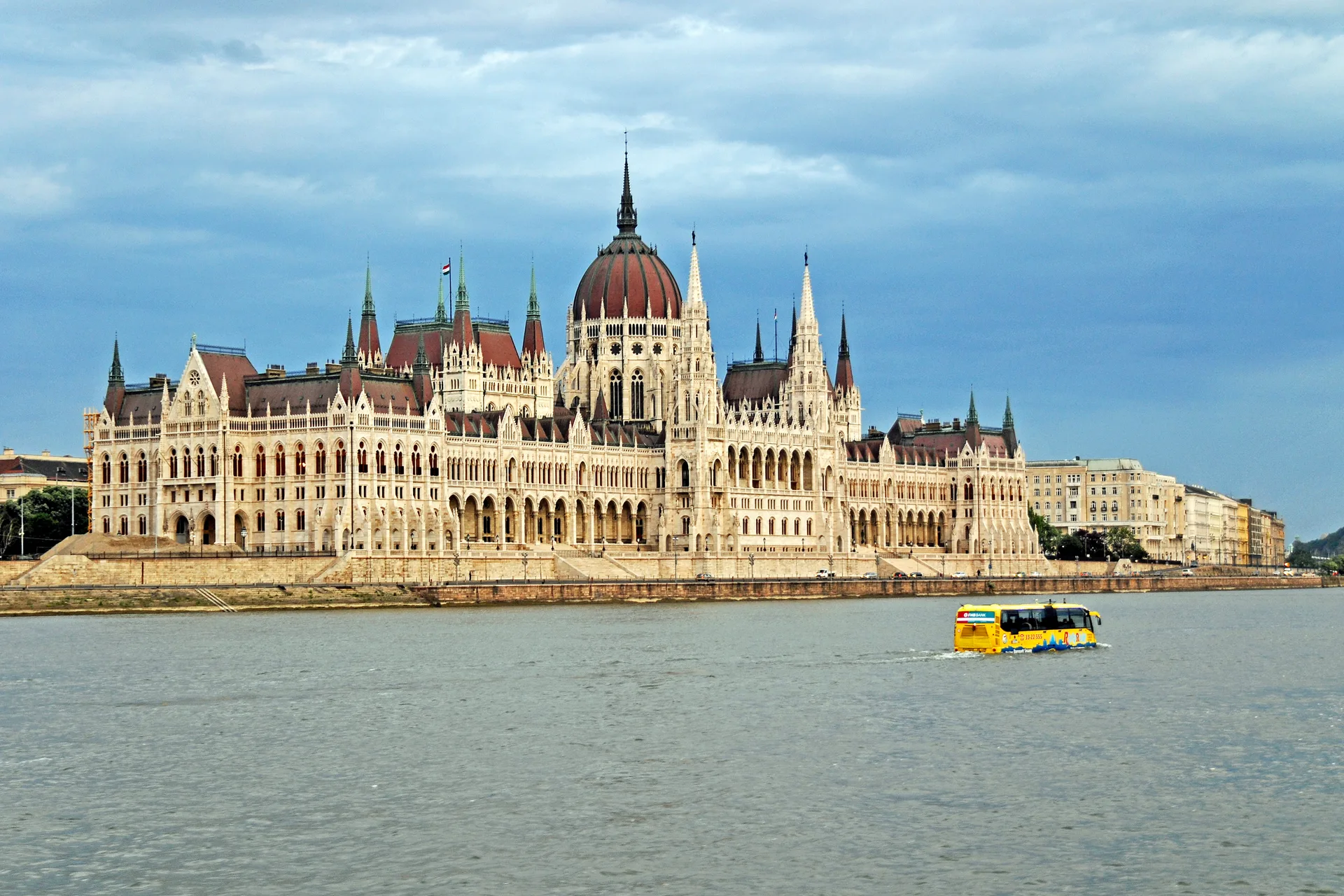
Danube River Evening Cruise
A one-hour sightseeing cruise past Budapest's illuminated riverside landmarks — Parliament, Buda Castle, Chain Bridge — with a drink included, running nightly year-round.
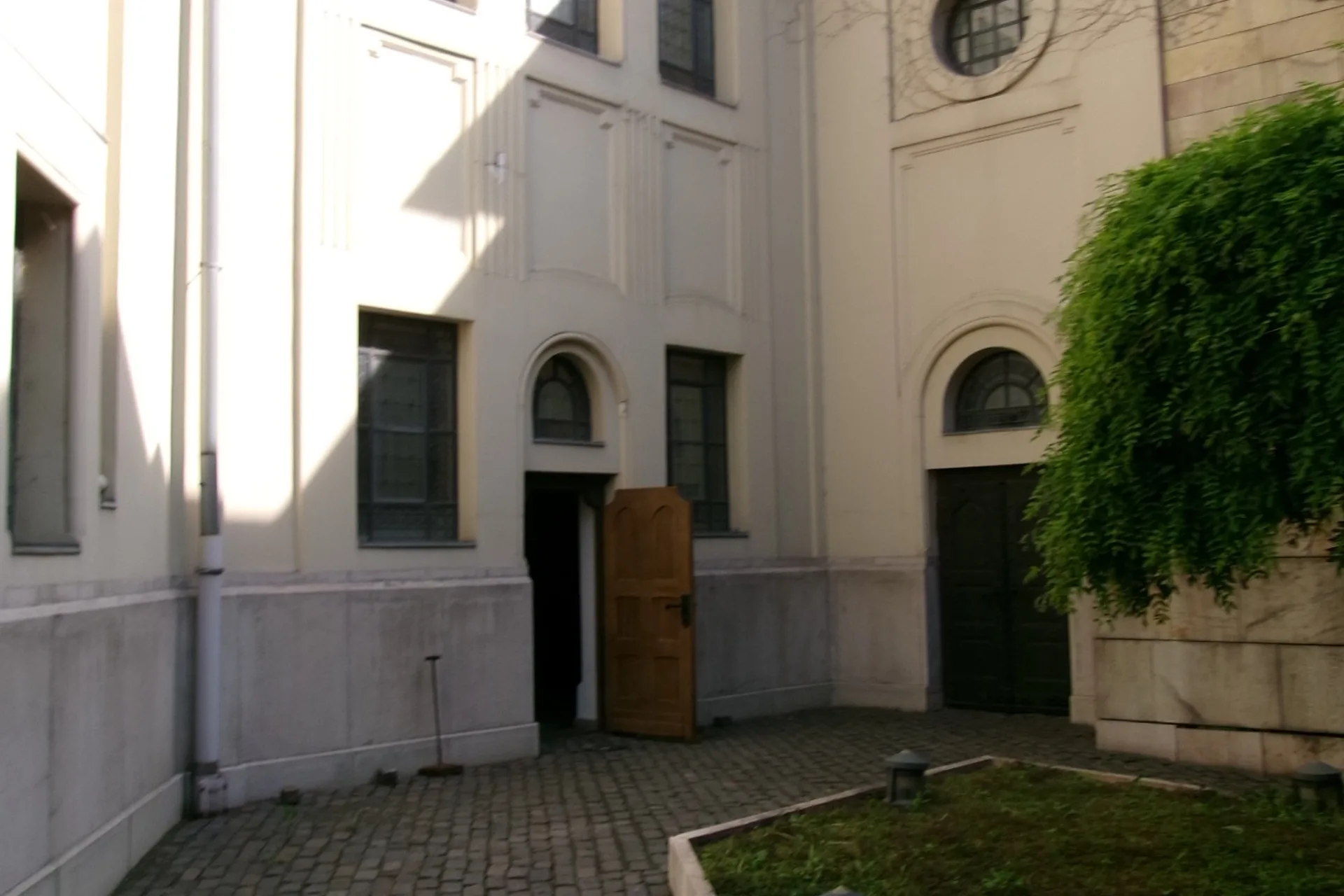
Holocaust Memorial Center
Hungary's national Holocaust museum, built around a restored synagogue in a former Jewish quarter street, telling the specific story of the 565,000 Hungarian Jews murdered in 1944-45.
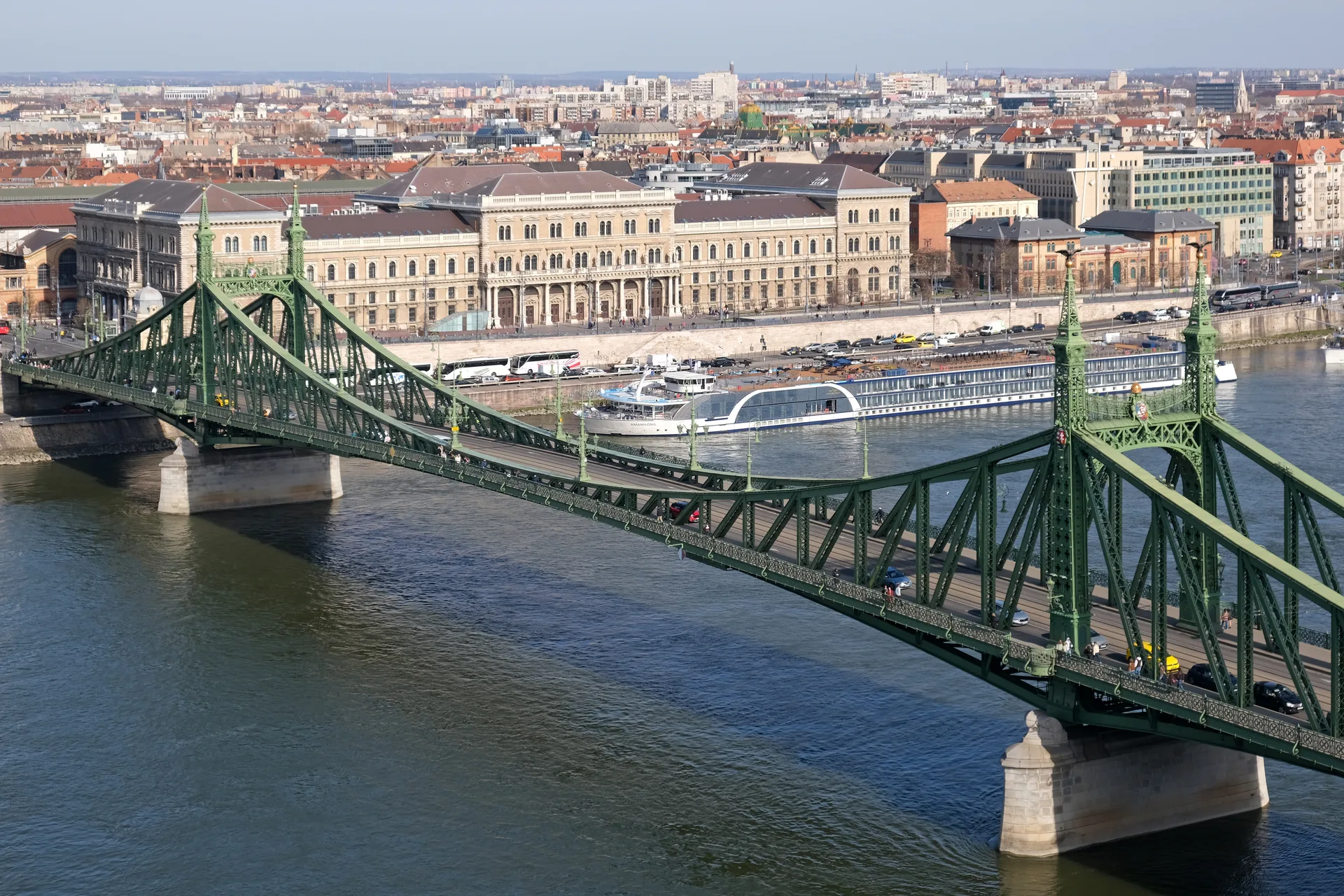
Liberty Bridge
Budapest's shortest and most ornately decorated Danube bridge, distinctive for its green cantilever ironwork and mythical turul-bird sculptures — and for locals sunbathing on it in summer.
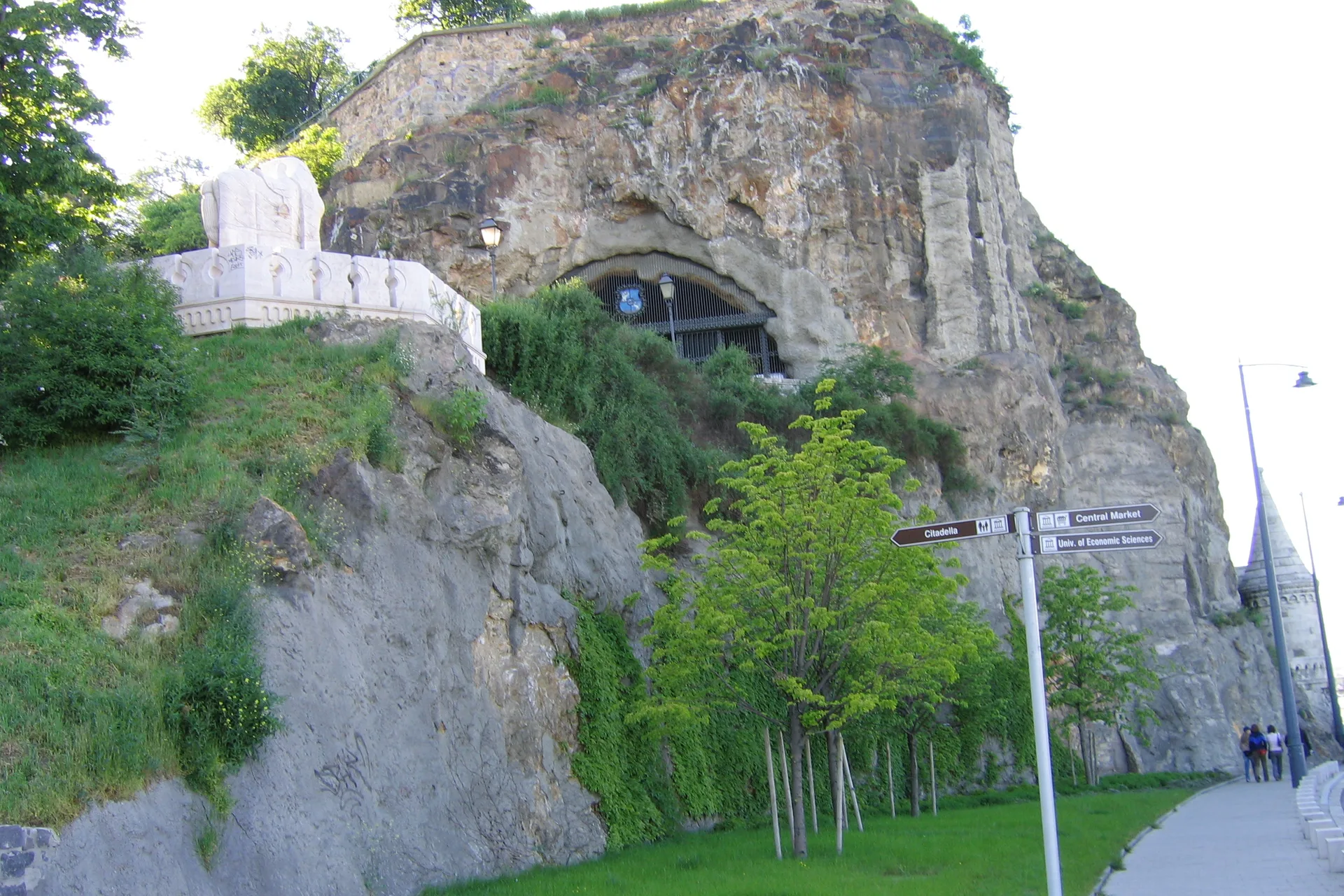
Cave Church (Gellért Hill)
A working chapel built directly into a natural cave in Gellért Hill, with a dramatic Cold War history — its monks were imprisoned and the church sealed shut for over 40 years under communism.
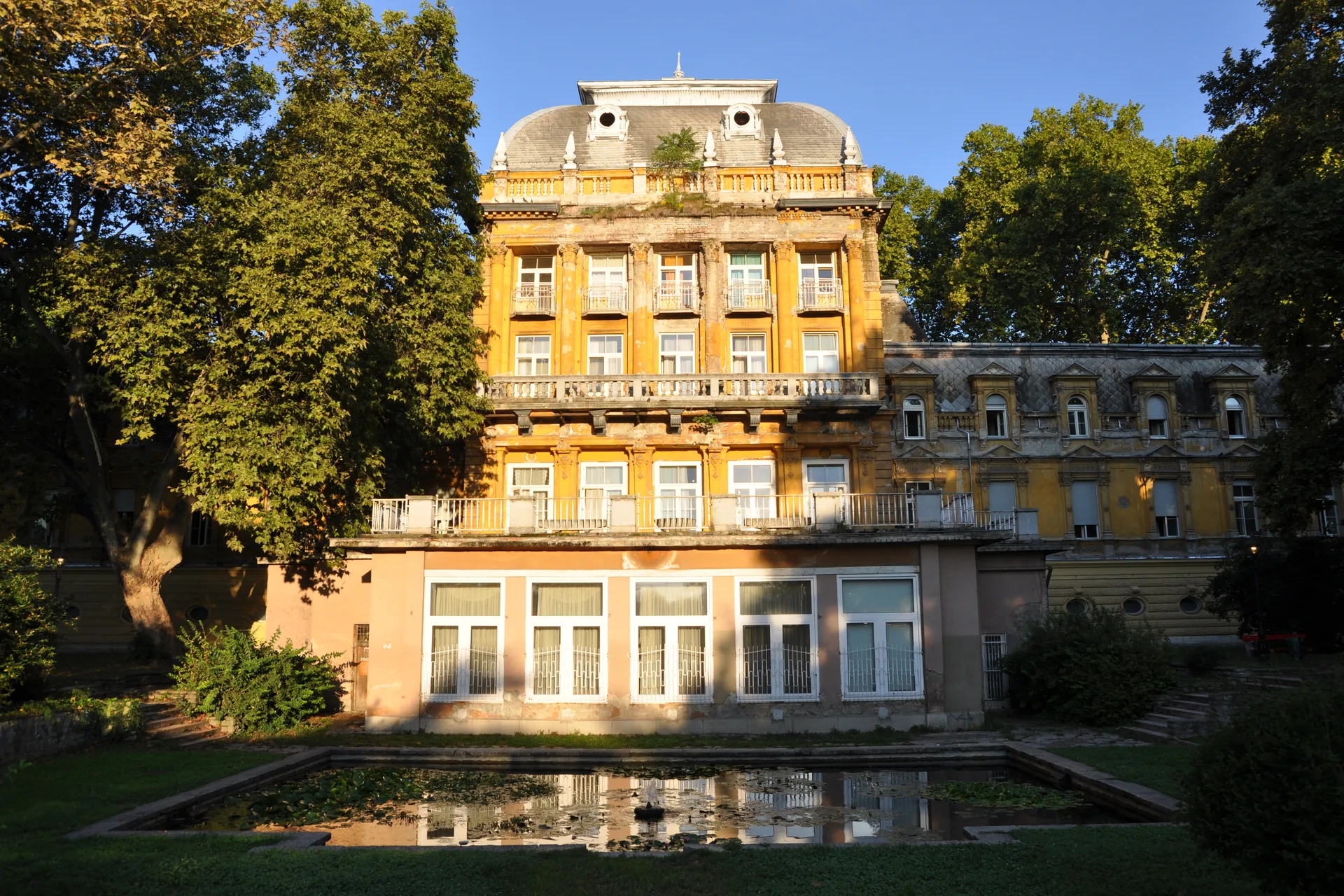
Lukács Baths
A historic, slightly faded spa long favoured by Budapest locals, writers and artists over tourists — outdoor and indoor thermal pools plus a wall of engraved marble 'thank you' plaques from grateful bathers.
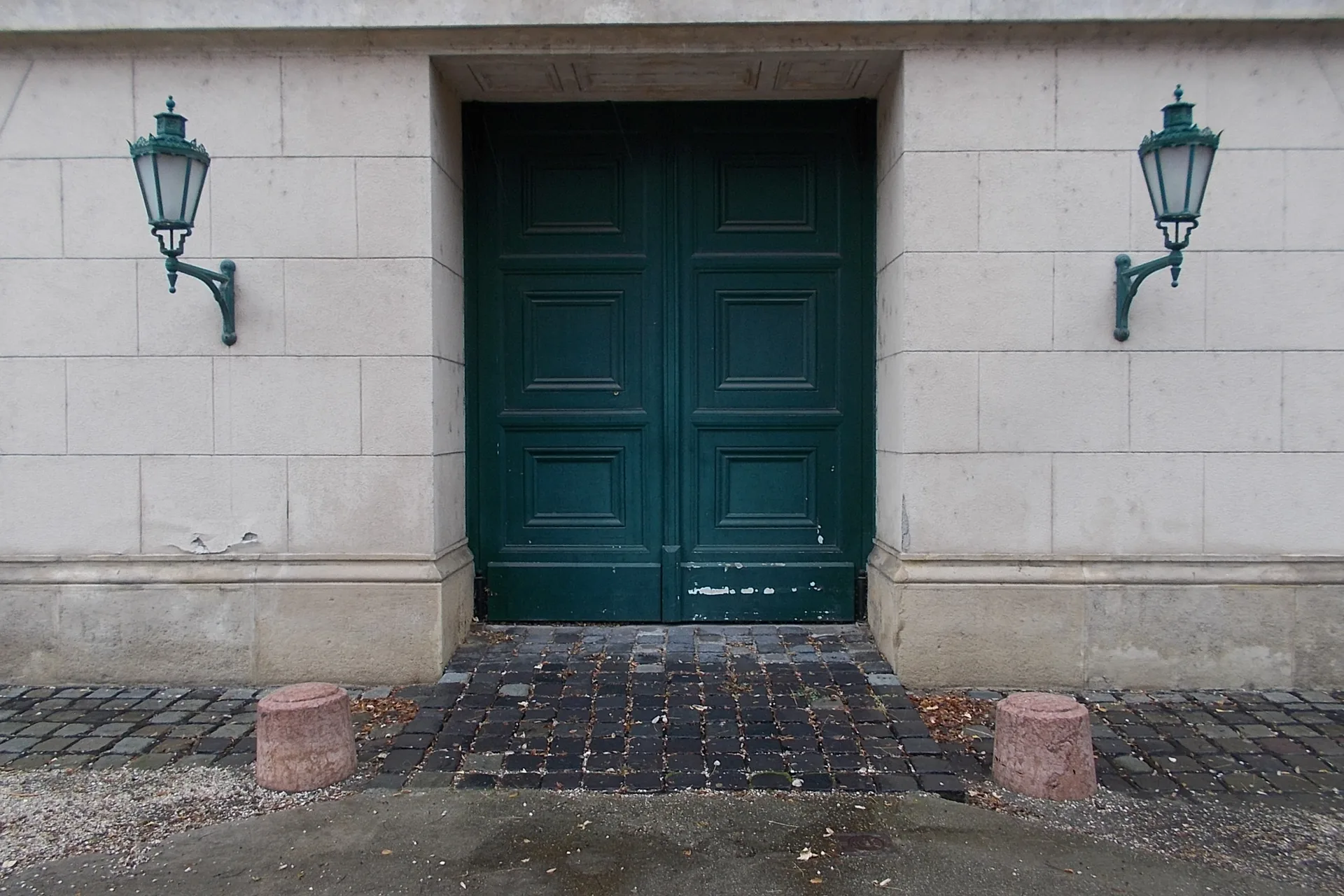
Hungarian National Museum
Hungary's oldest and largest museum, founded in 1802 — the place where the country's 1848 revolution symbolically began, telling the nation's story from prehistory to the fall of communism.
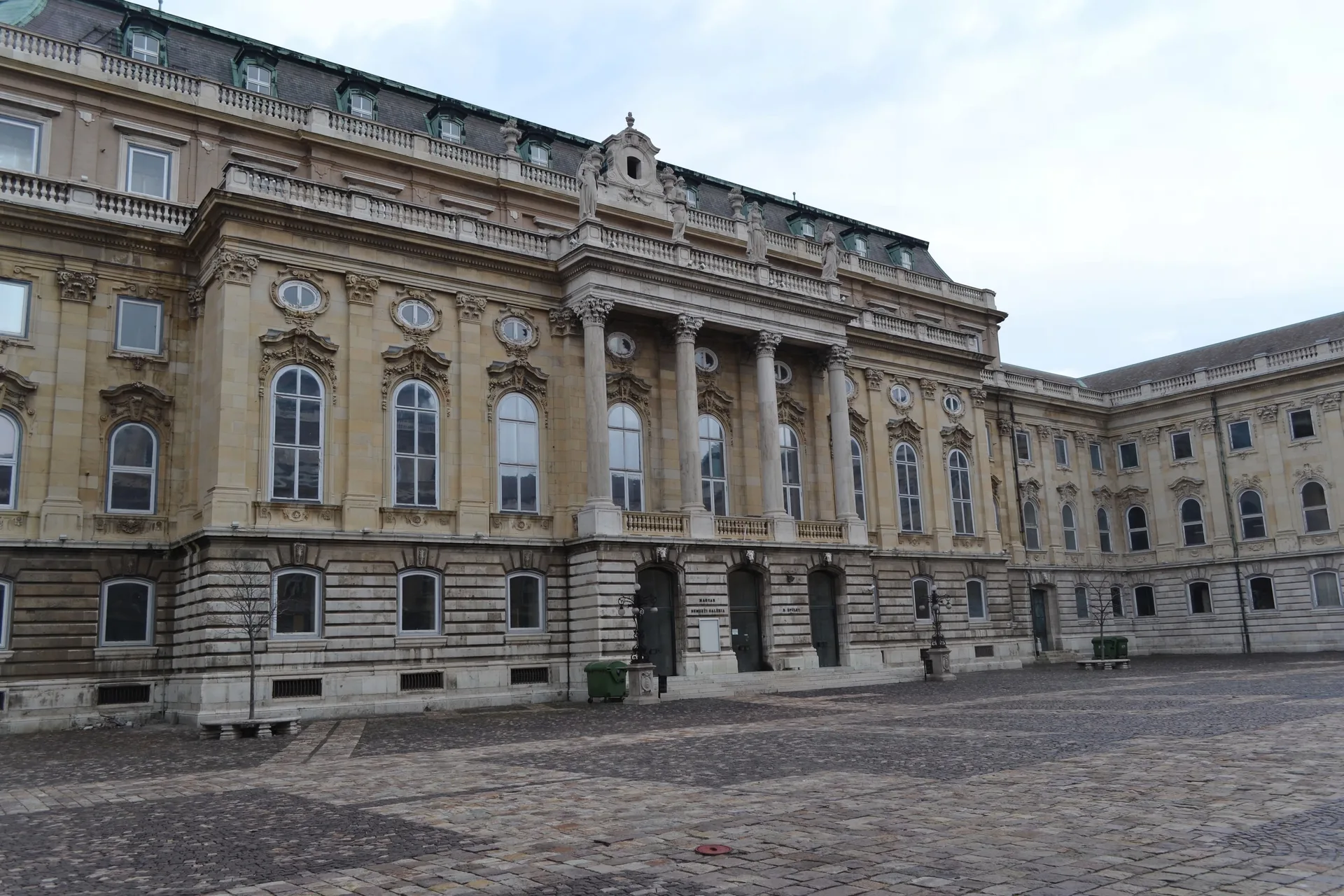
Hungarian National Gallery
The definitive collection of Hungarian fine art, from medieval winged altarpieces to 20th-century modernism, housed inside Buda Castle's former royal palace.
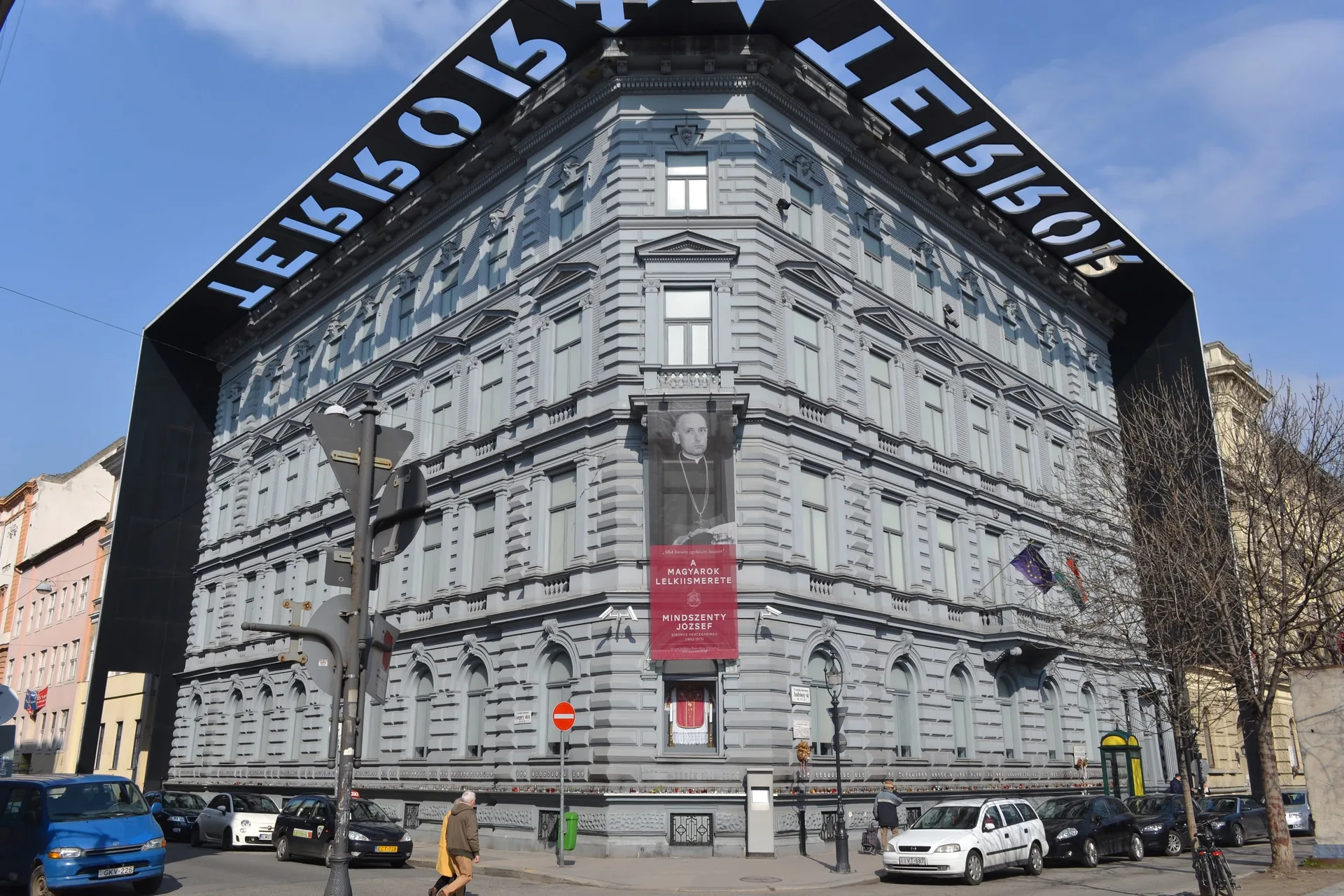
House of Terror
A former secret police headquarters on Andrássy Avenue turned museum of Hungary's fascist and communist dictatorships — including the same interrogation basement it's built to remember.
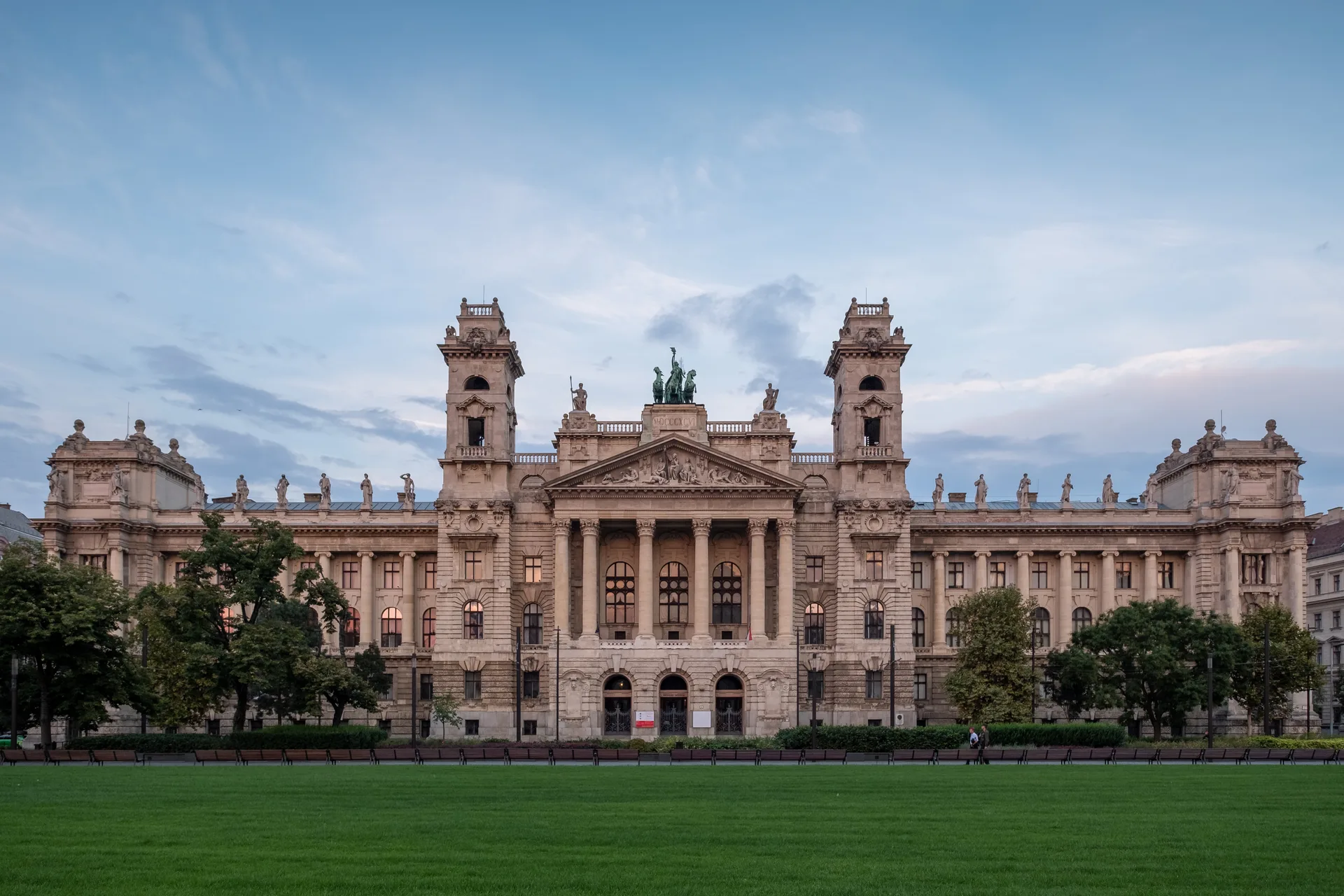
Museum of Ethnography
A bold, mirrored-roof building facing Heroes' Square, reopened in 2022 with one of Europe's largest ethnographic collections of Hungarian folk culture and global traditions.
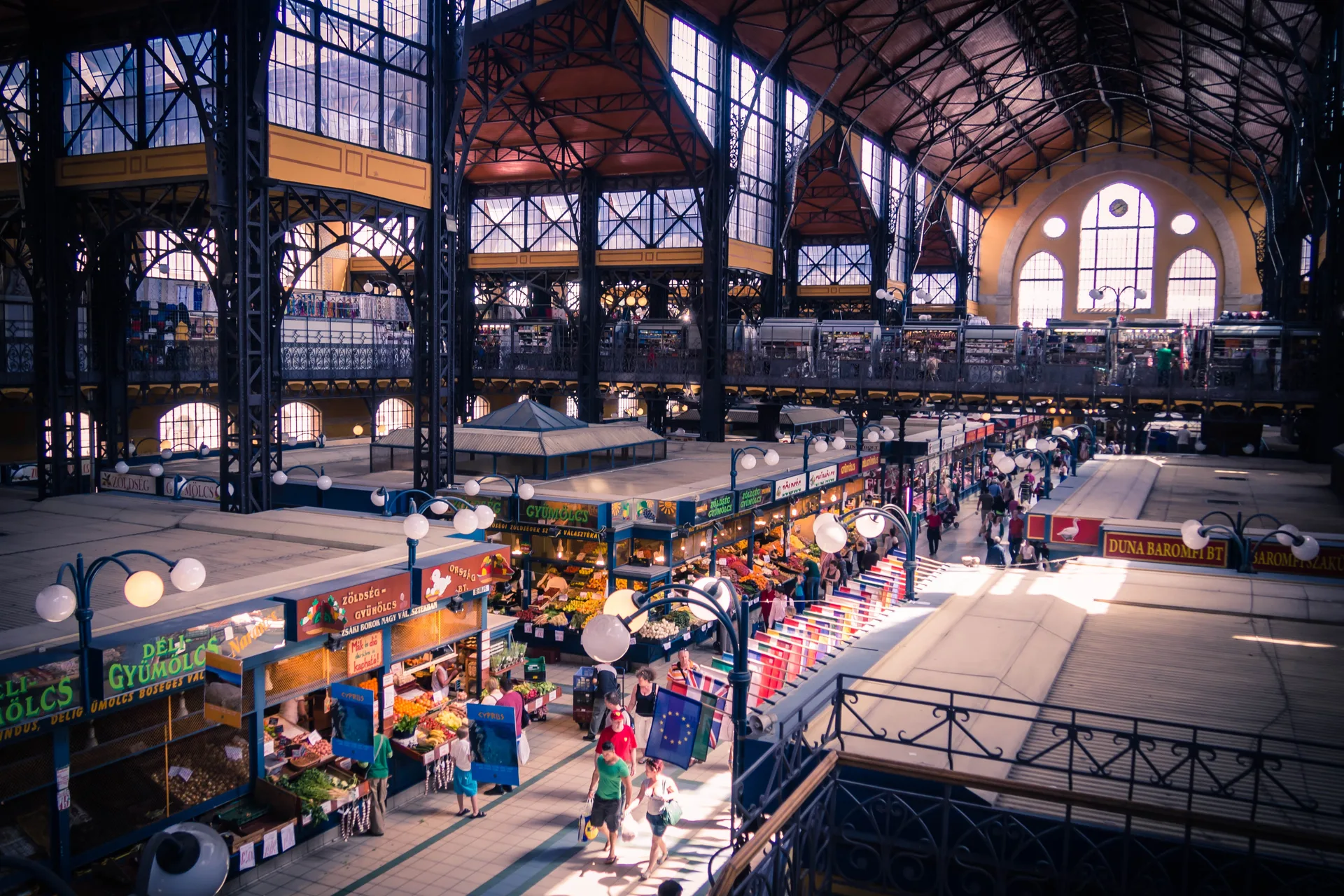
Central Market Hall
Budapest's largest and oldest indoor market — a soaring 1897 iron-and-glass hall of paprika stalls, butchers, produce and a food court, right at the foot of Liberty Bridge.
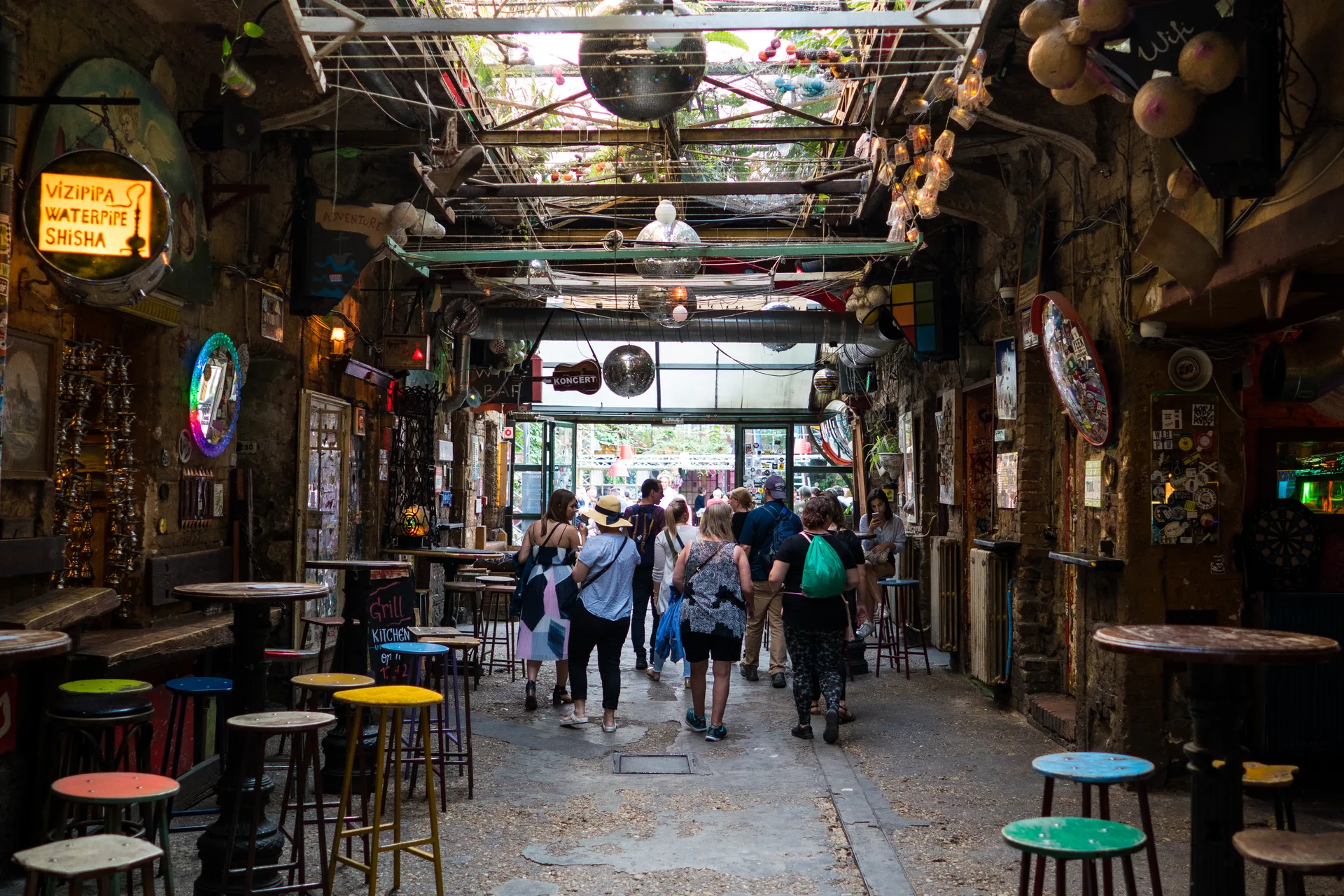
Szimpla Kert
The original Budapest ruin bar — a maze of mismatched furniture, street art and courtyards inside a crumbling former stove factory, the template that launched an entire nightlife genre.
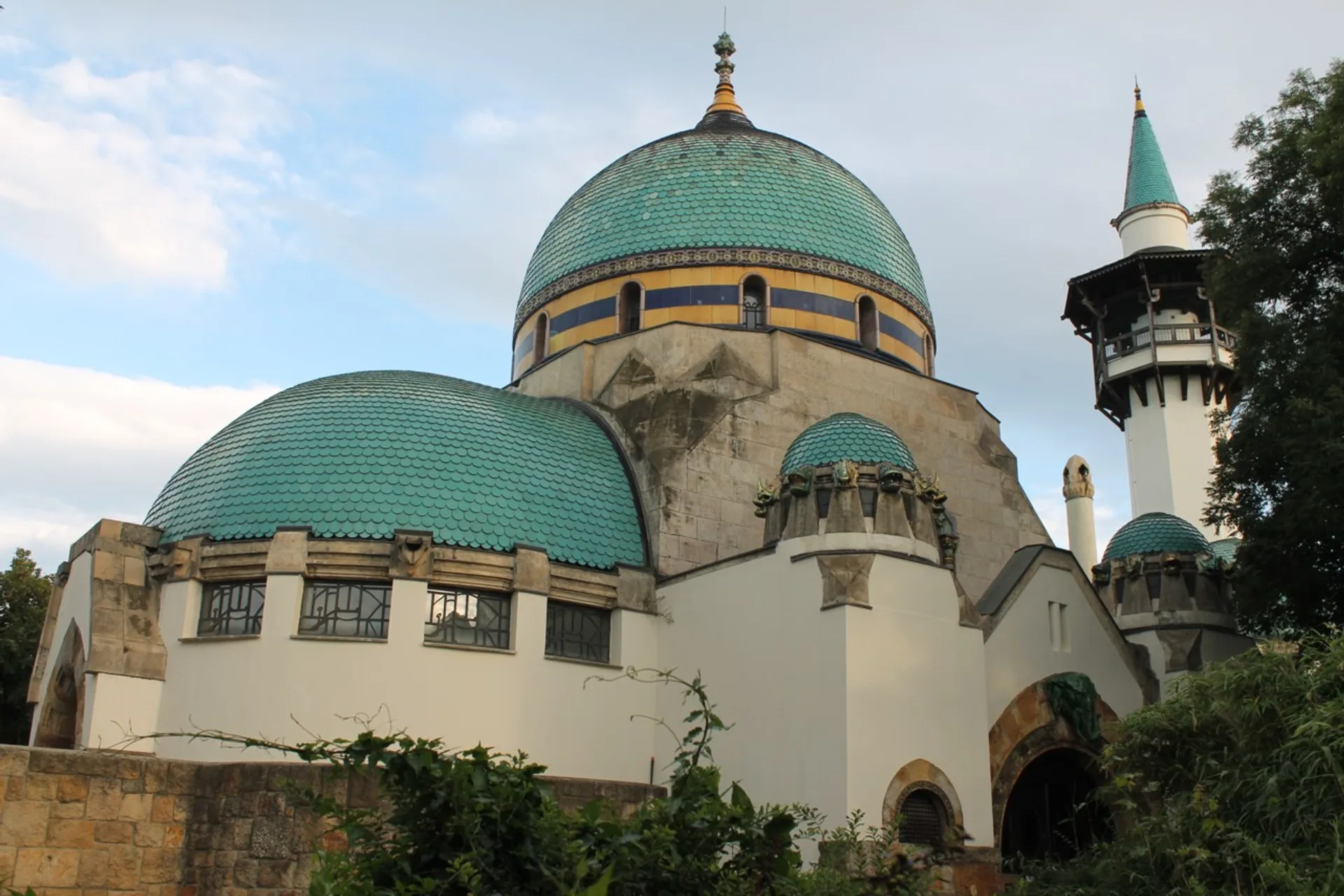
Budapest Zoo & Botanical Garden
One of the world's oldest zoos, opened in 1866, with a striking collection of Art Nouveau animal houses — including an elephant house covered in Zsolnay ceramic tiles — inside City Park.
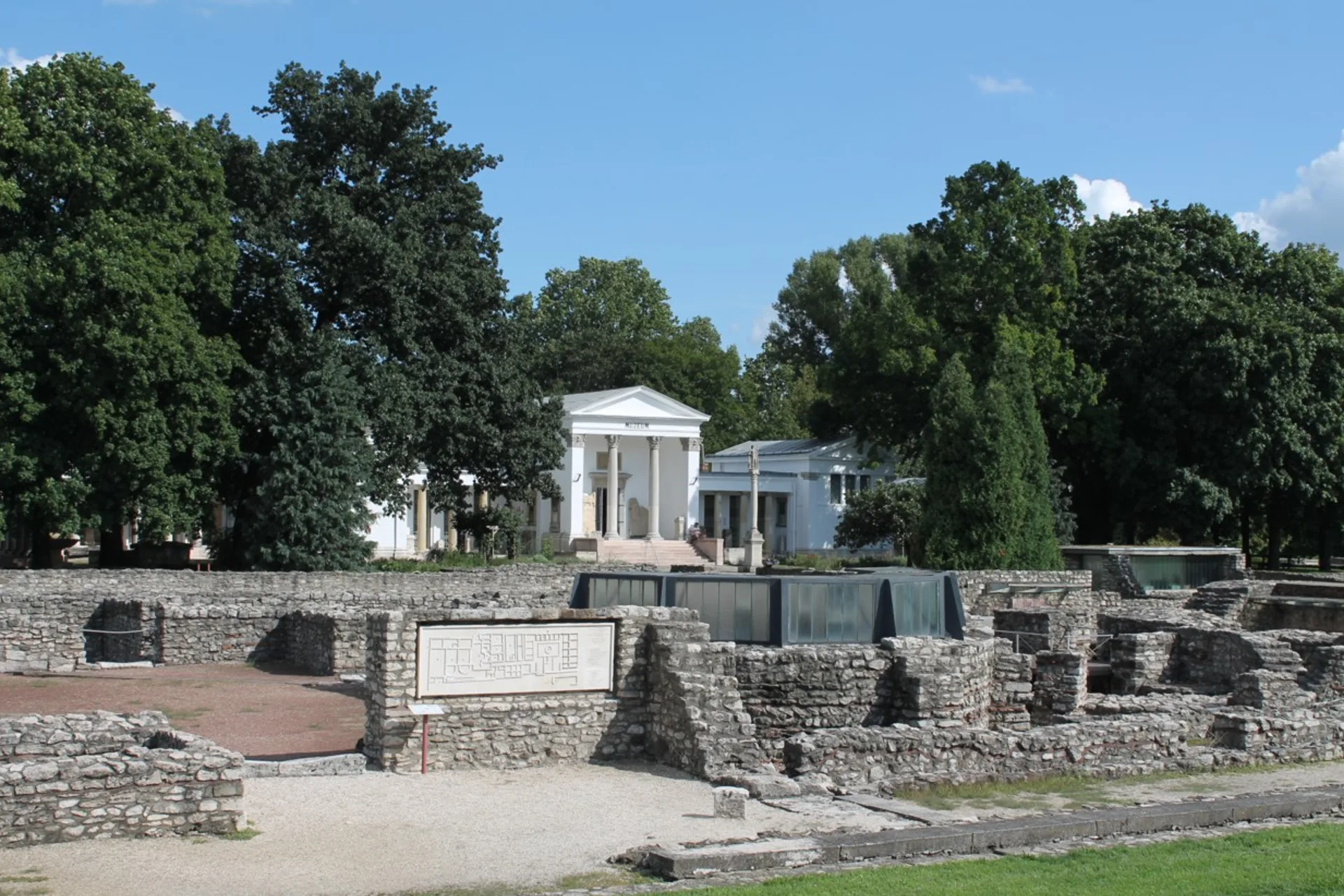
Aquincum Museum
The excavated ruins of Aquincum, capital of Roman Pannonia — mosaic floors, a reconstructed Roman organ, and street layouts you can walk through, in the northern Óbuda district.
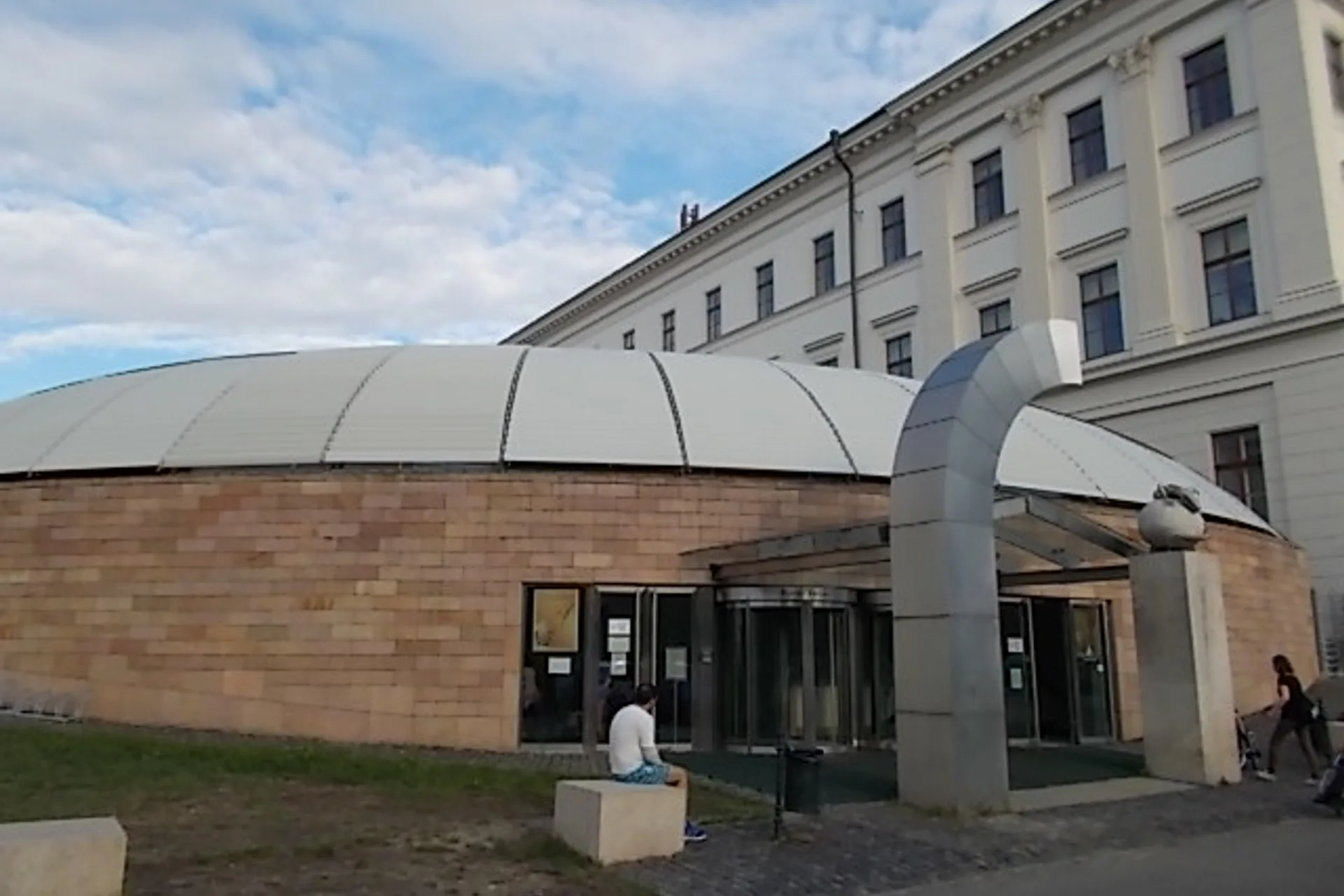
Hungarian Natural History Museum
A family-friendly natural history museum south of the centre — dinosaur skeletons, a whale skeleton, an earthquake simulator and a strong Carpathian Basin geology and wildlife collection.
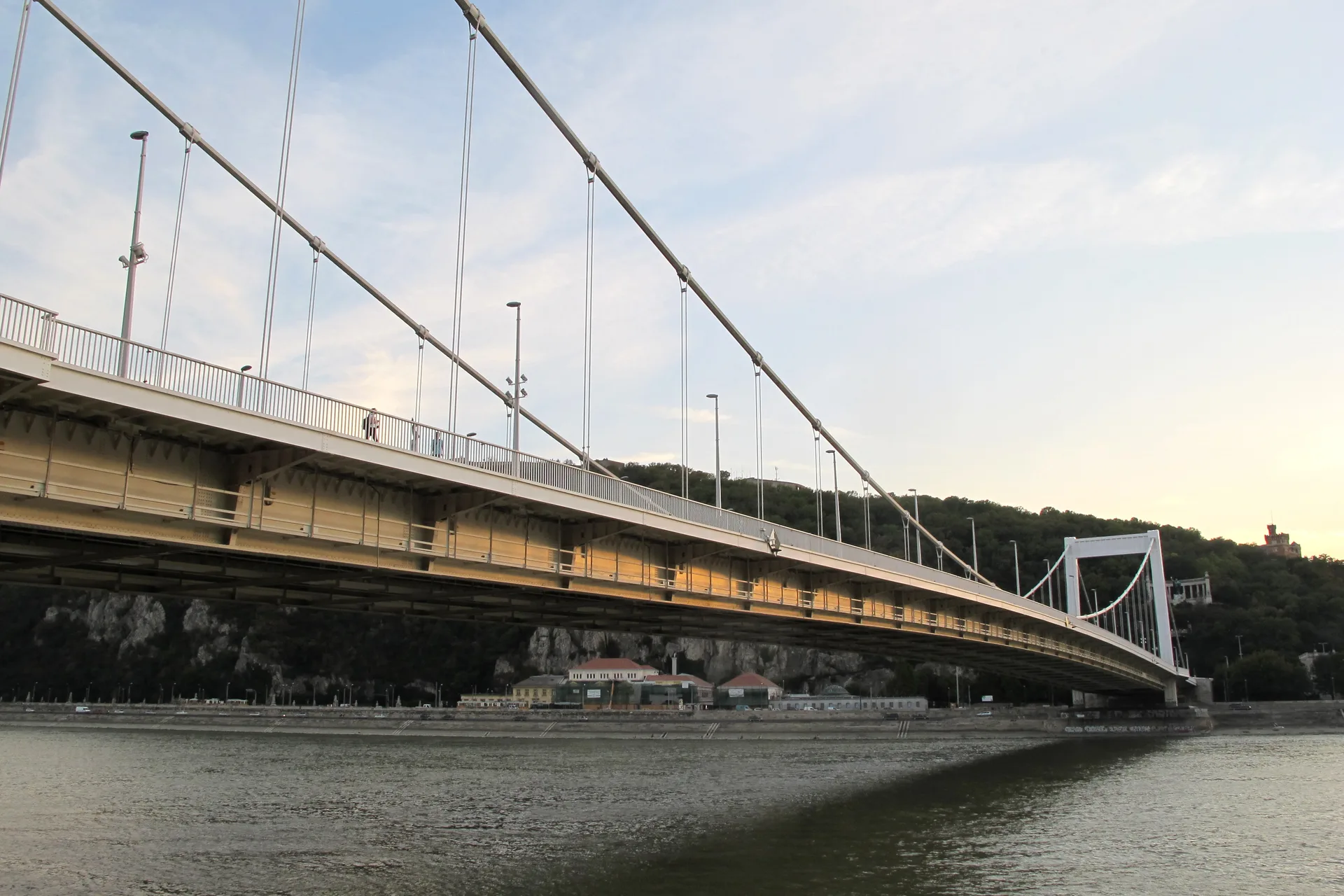
Elisabeth Bridge
A sleek white cable-stayed bridge crossing the Danube at its narrowest Budapest point — a mid-century rebuild of an ornate original destroyed in WWII, named for the beloved Empress 'Sisi.'
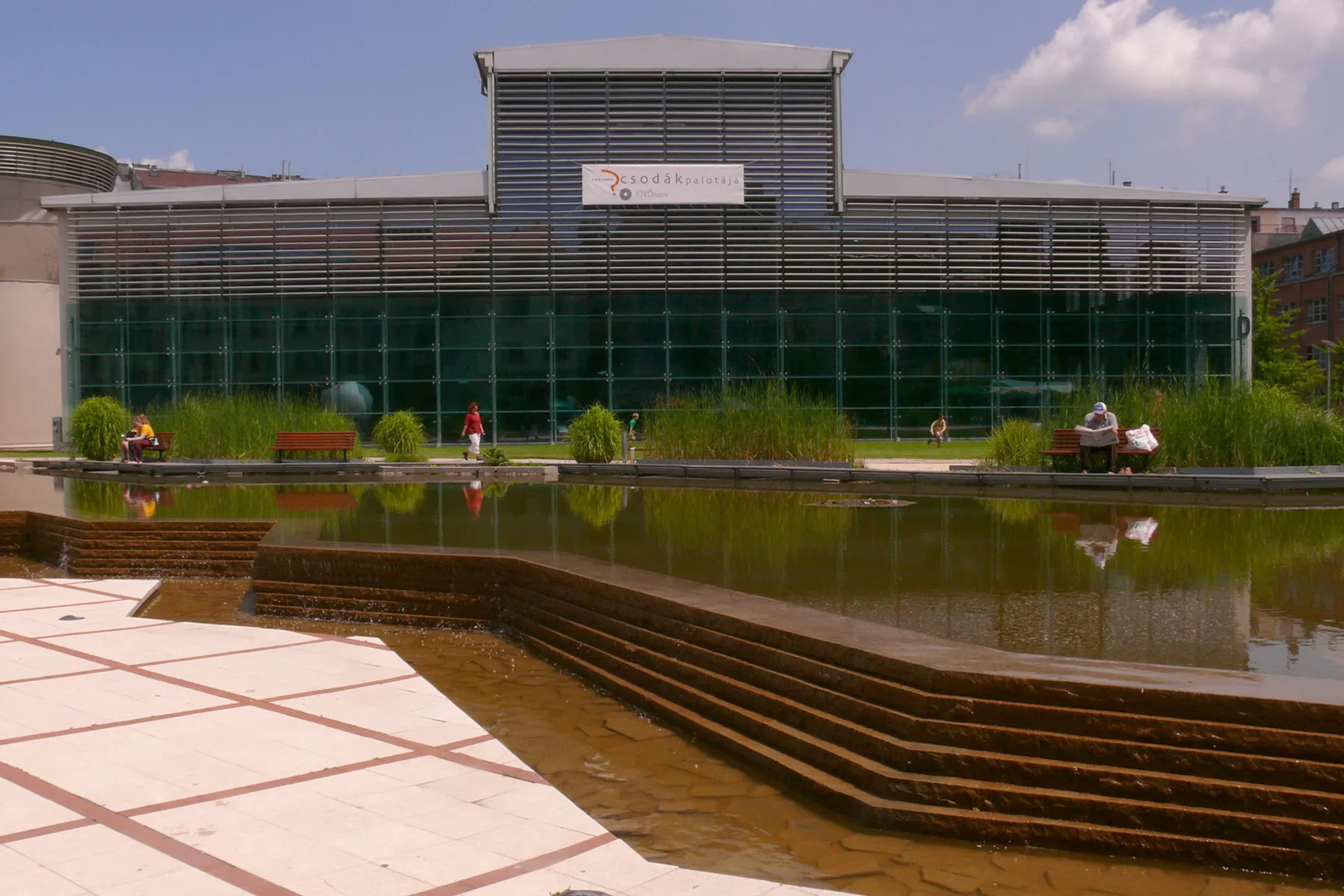
Palace of Wonders
A hands-on science center where every exhibit can be touched, tried and played with — optical illusions, physics puzzles and interactive experiments aimed squarely at kids and curious adults.
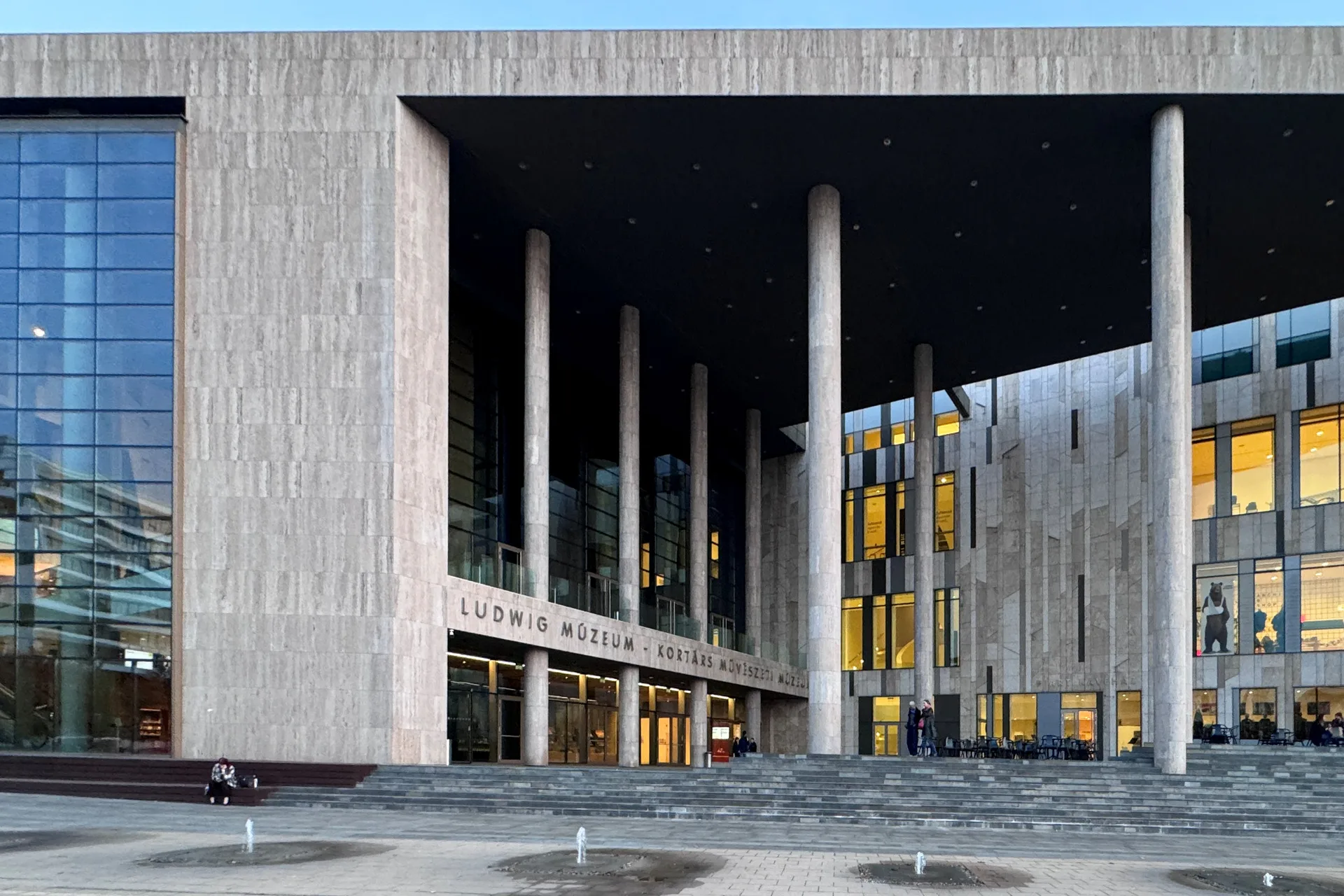
Ludwig Museum Budapest
Hungary's leading contemporary art museum, inside the modern riverside Palace of Arts complex — international names alongside the strongest survey of Hungarian art since the 1950s.
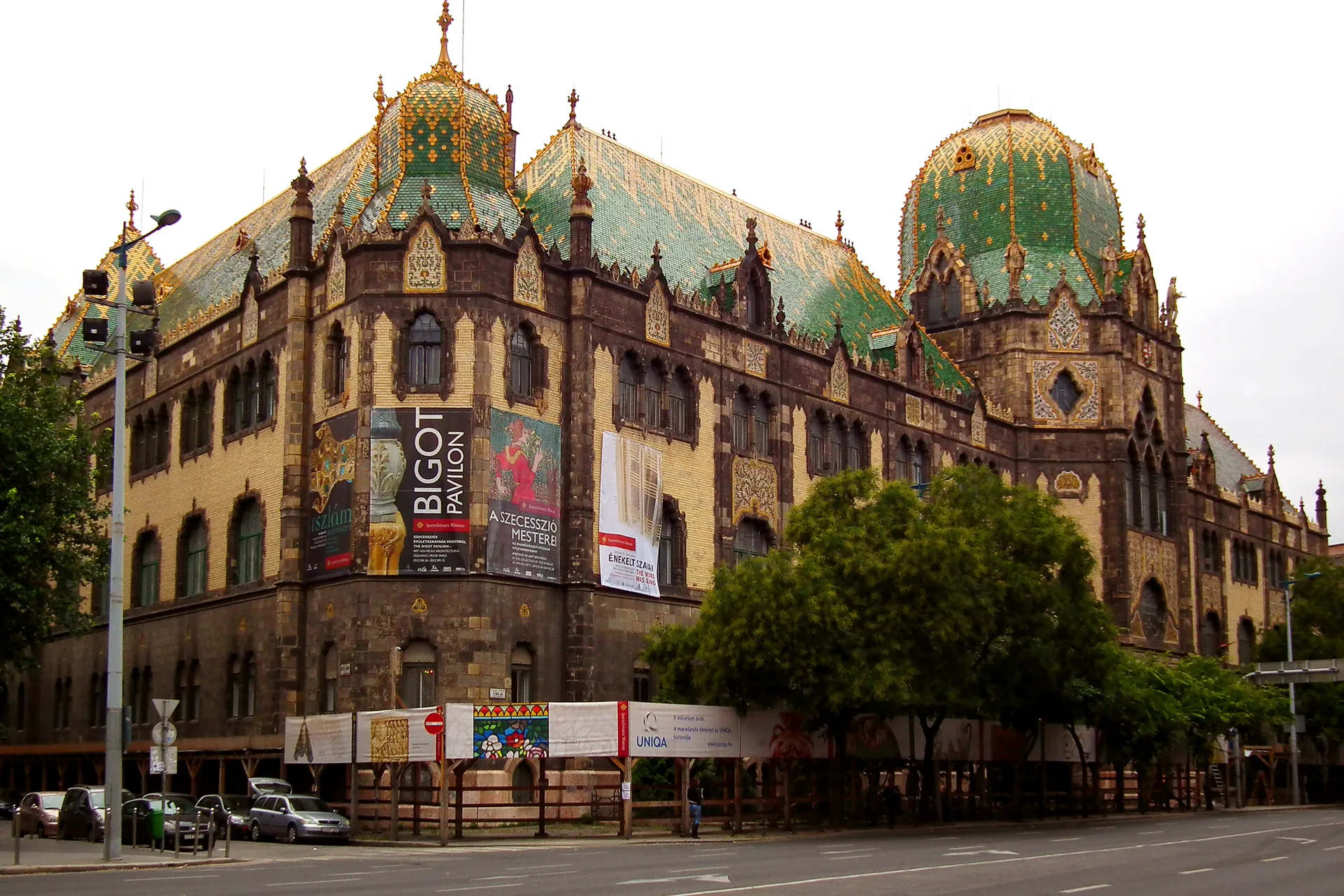
Museum of Applied Arts
Ödön Lechner's Hungarian Art Nouveau masterpiece, wrapped in Zsolnay ceramic tiles — currently closed for a long-overdue structural restoration, with highlights on temporary display elsewhere.
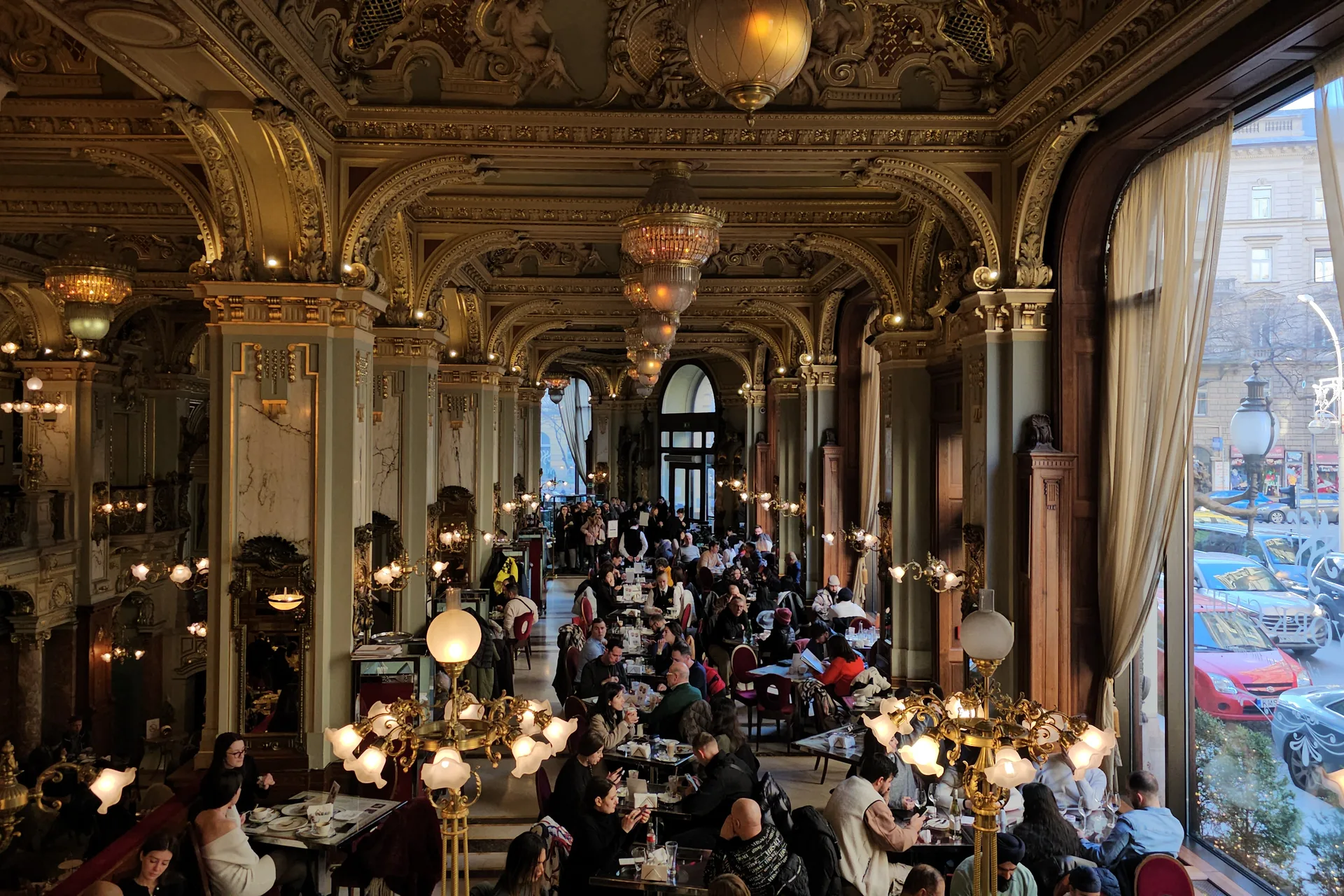
New York Café
Once dubbed 'the most beautiful café in the world' — an 1894 Italian Renaissance fantasy of gold leaf, marble and chandeliers, historically the favourite haunt of Budapest's literary elite.
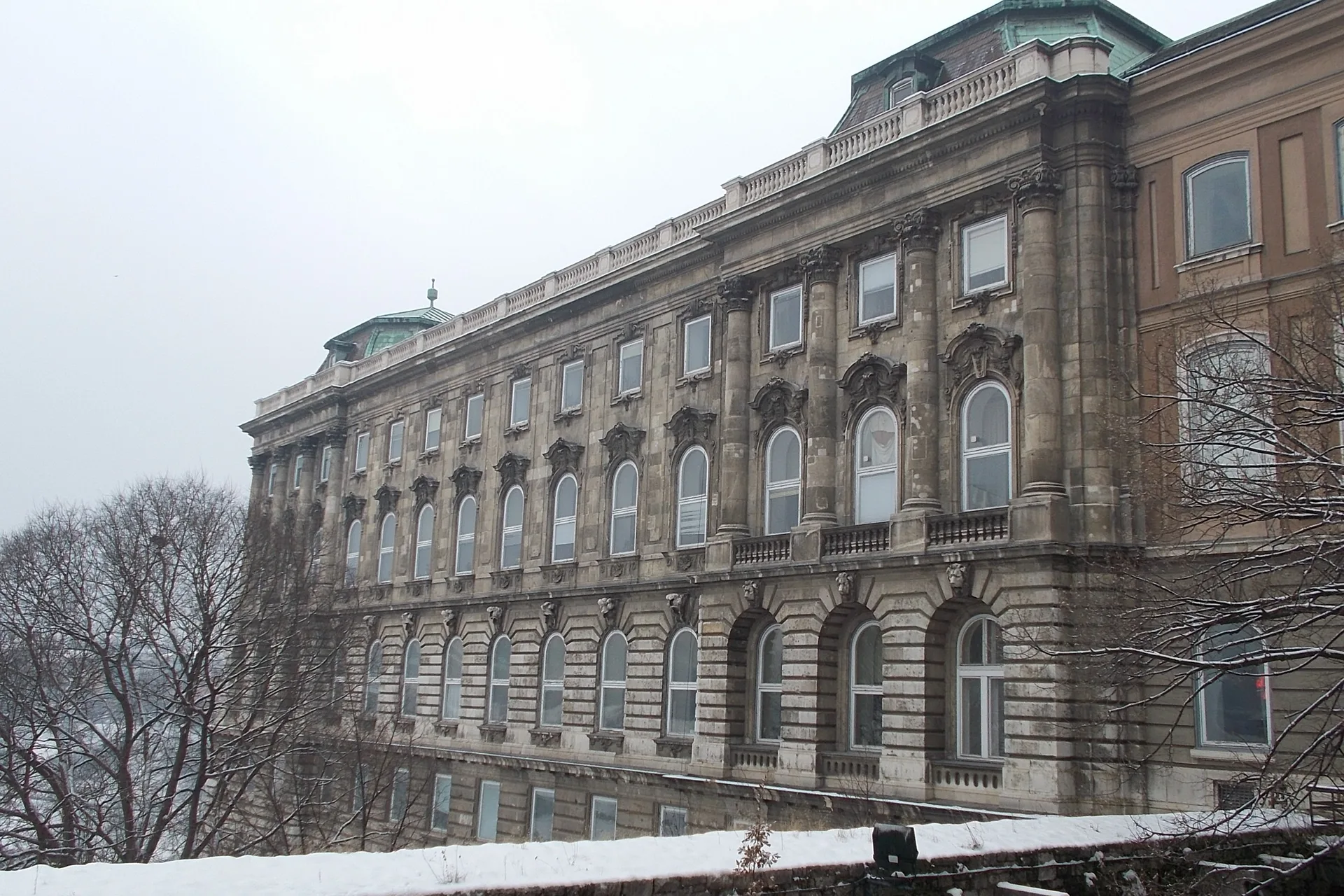
National Széchényi Library
Hungary's national library, holding over 8 million items inside a wing of Buda Castle — visit its exhibitions and reading rooms with a simple day pass, no research credentials needed.
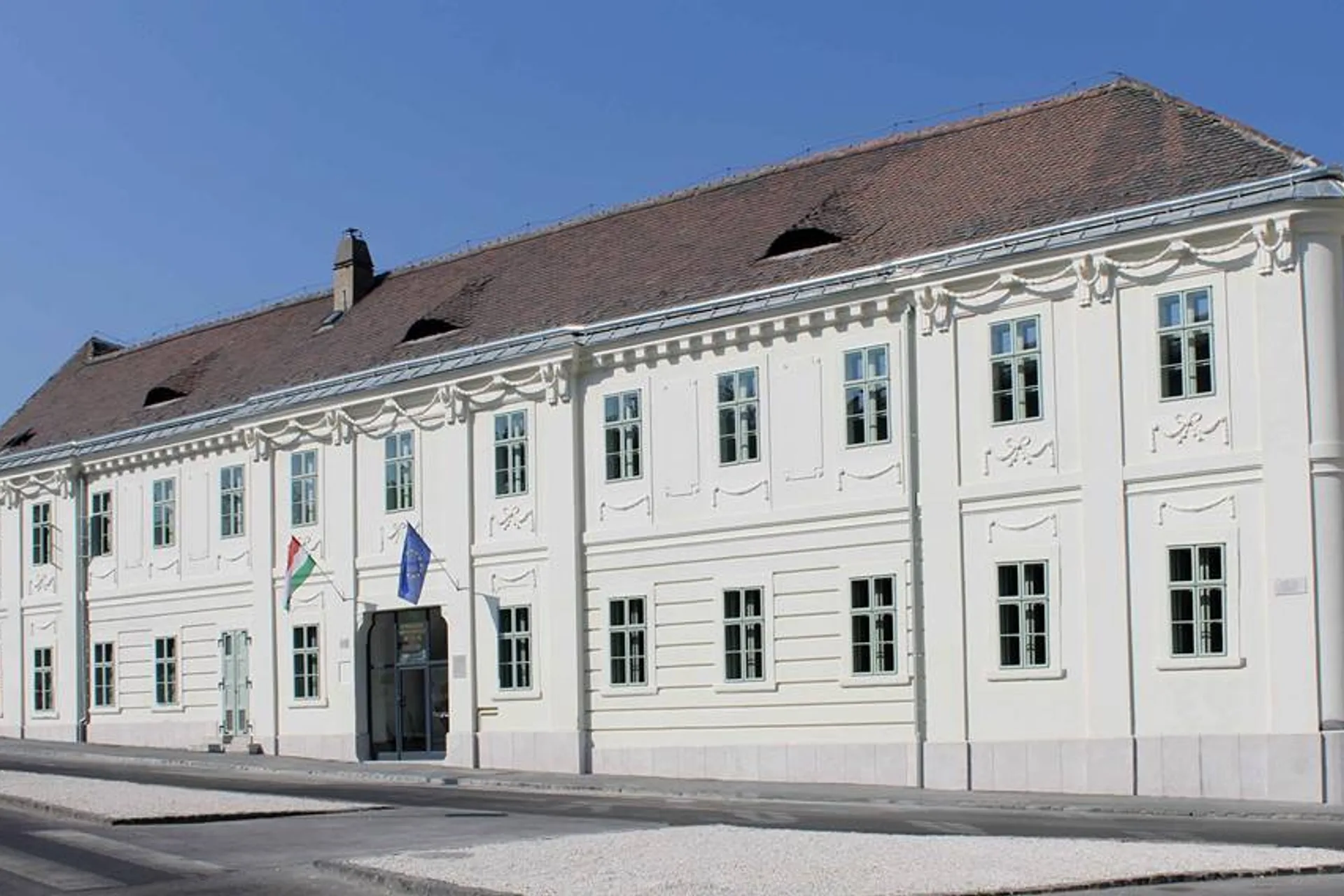
Semmelweis Museum of Medical History
A small medical history museum inside the birthplace of Ignác Semmelweis — the 19th-century doctor who discovered handwashing prevents infection, and was ridiculed for it in his lifetime.
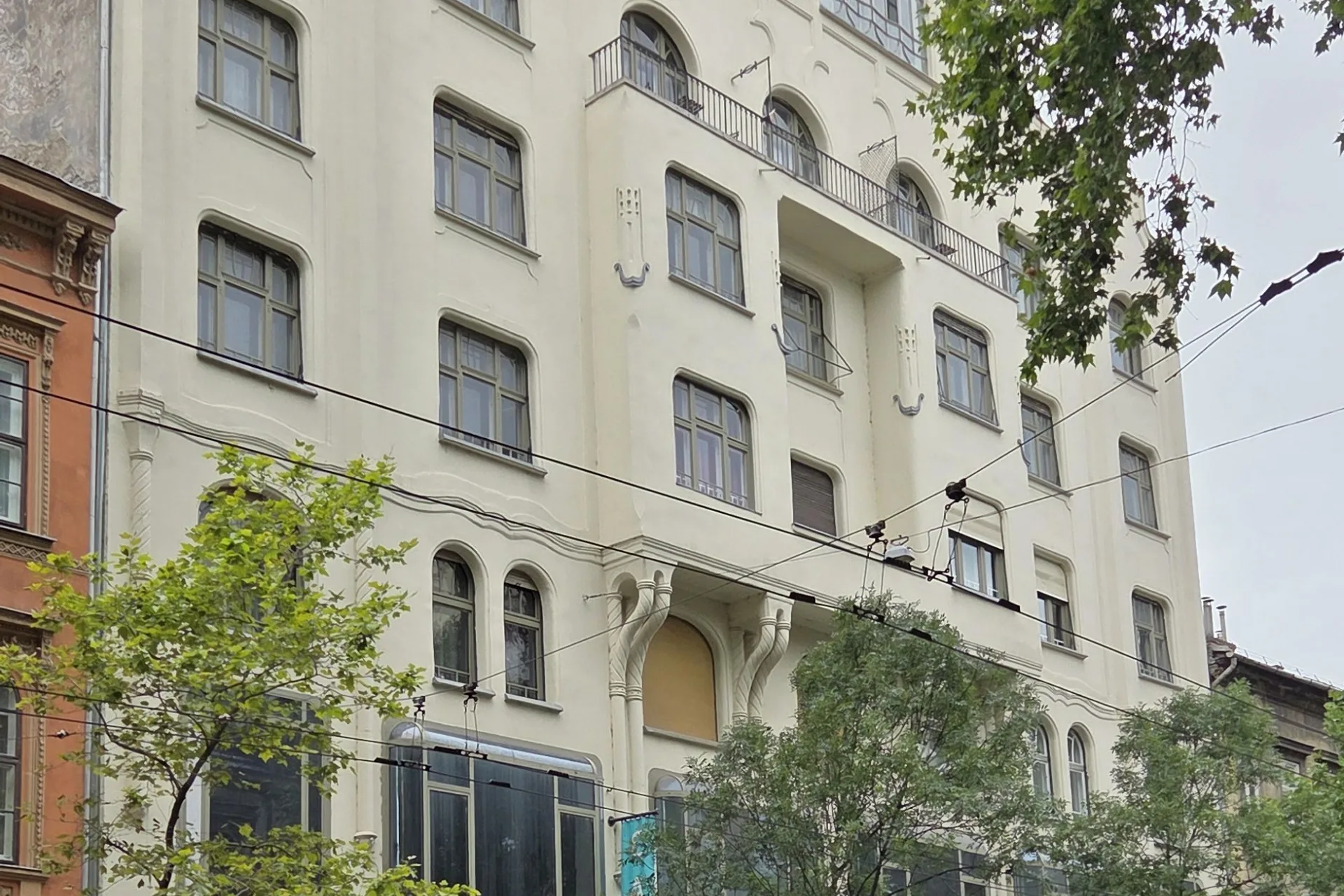
Robert Capa Contemporary Photography Center
A dedicated photography gallery named for the Hungarian-born war photographer Robert Capa, showing rotating contemporary photography exhibitions just off Andrássy Avenue.
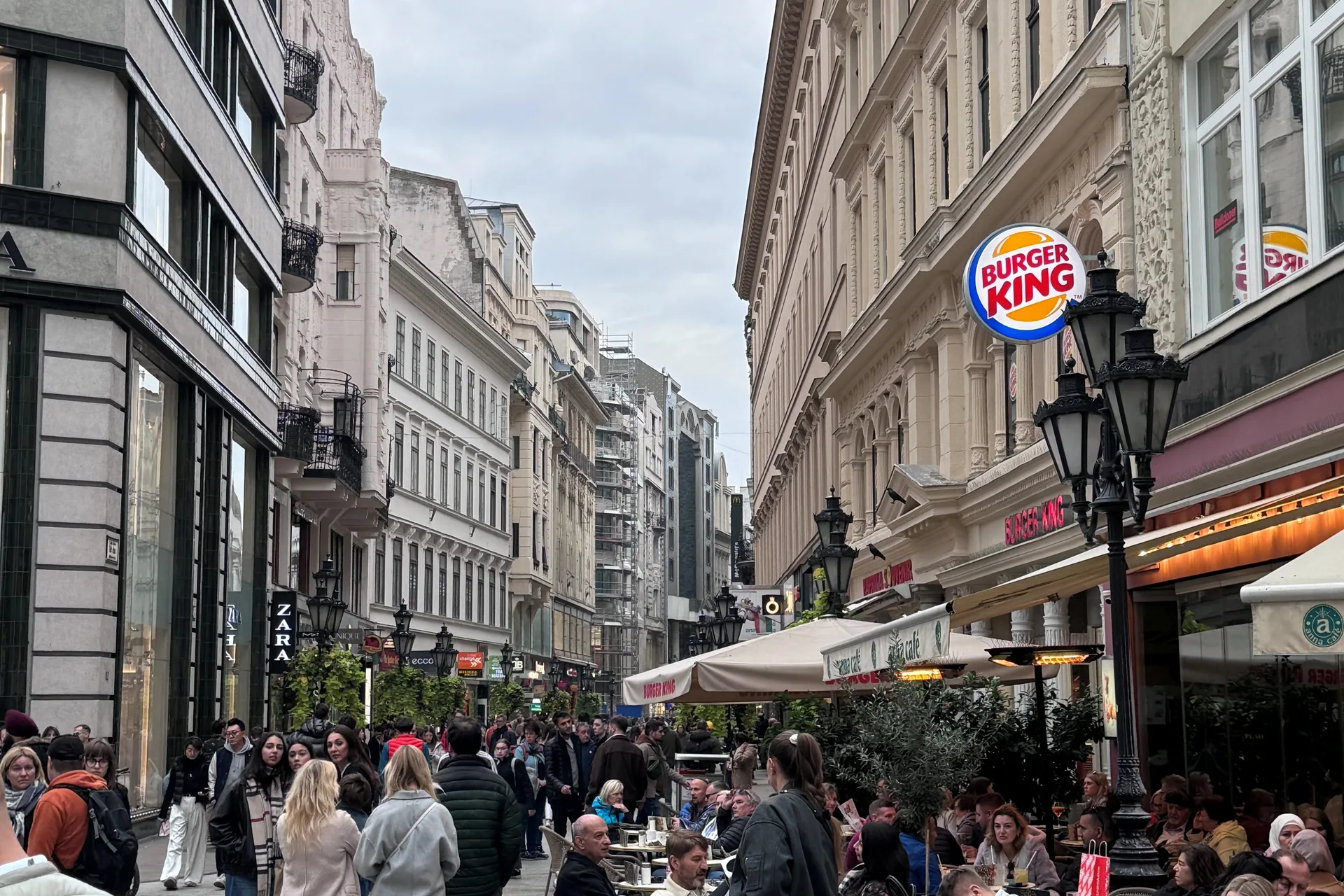
Váci Street
Budapest's main pedestrian shopping street, running 1.2km from Vörösmarty Square to the Great Market Hall — international brands, souvenir shops and cafés inside 19th-century facades.
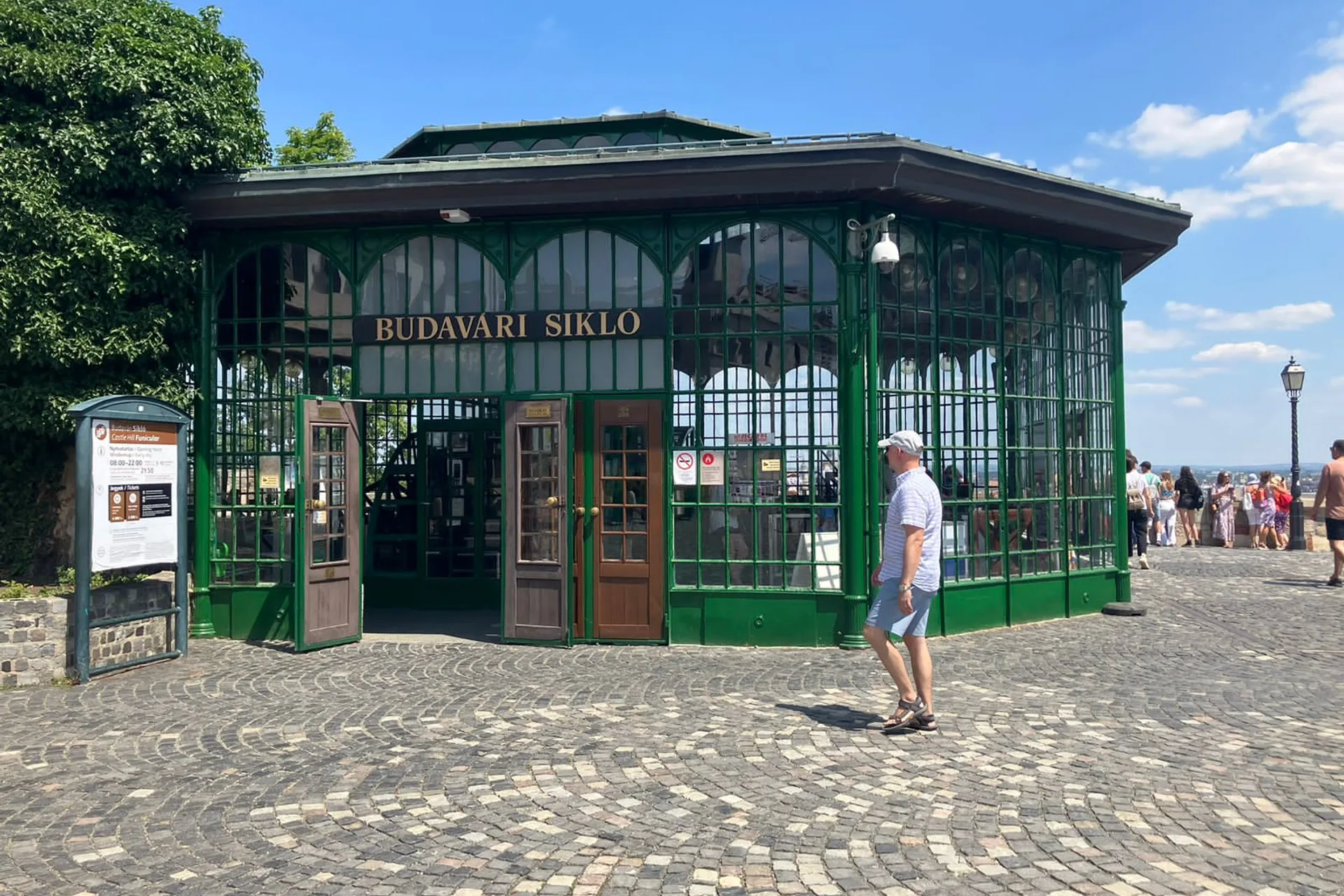
Buda Castle Funicular
A short, scenic 1870 funicular railway climbing Castle Hill from Chain Bridge — a fun 90-second ride, though walking up is free and only slightly slower.
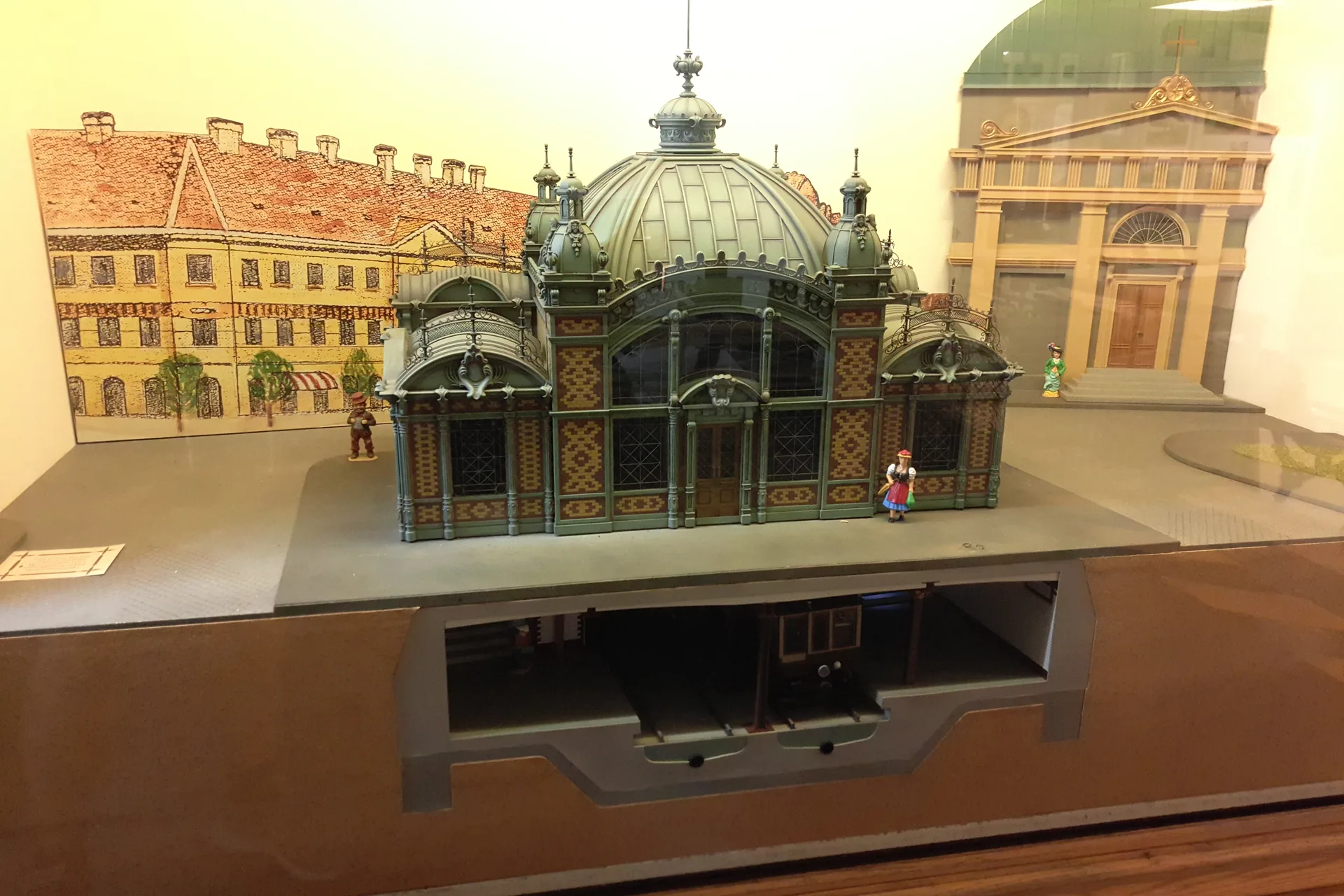
Millennium Underground Railway Museum
A tiny museum inside a disused stretch of tunnel at Deák Ferenc tér, celebrating the M1 — continental Europe's first underground railway, opened in 1896 and still running today.
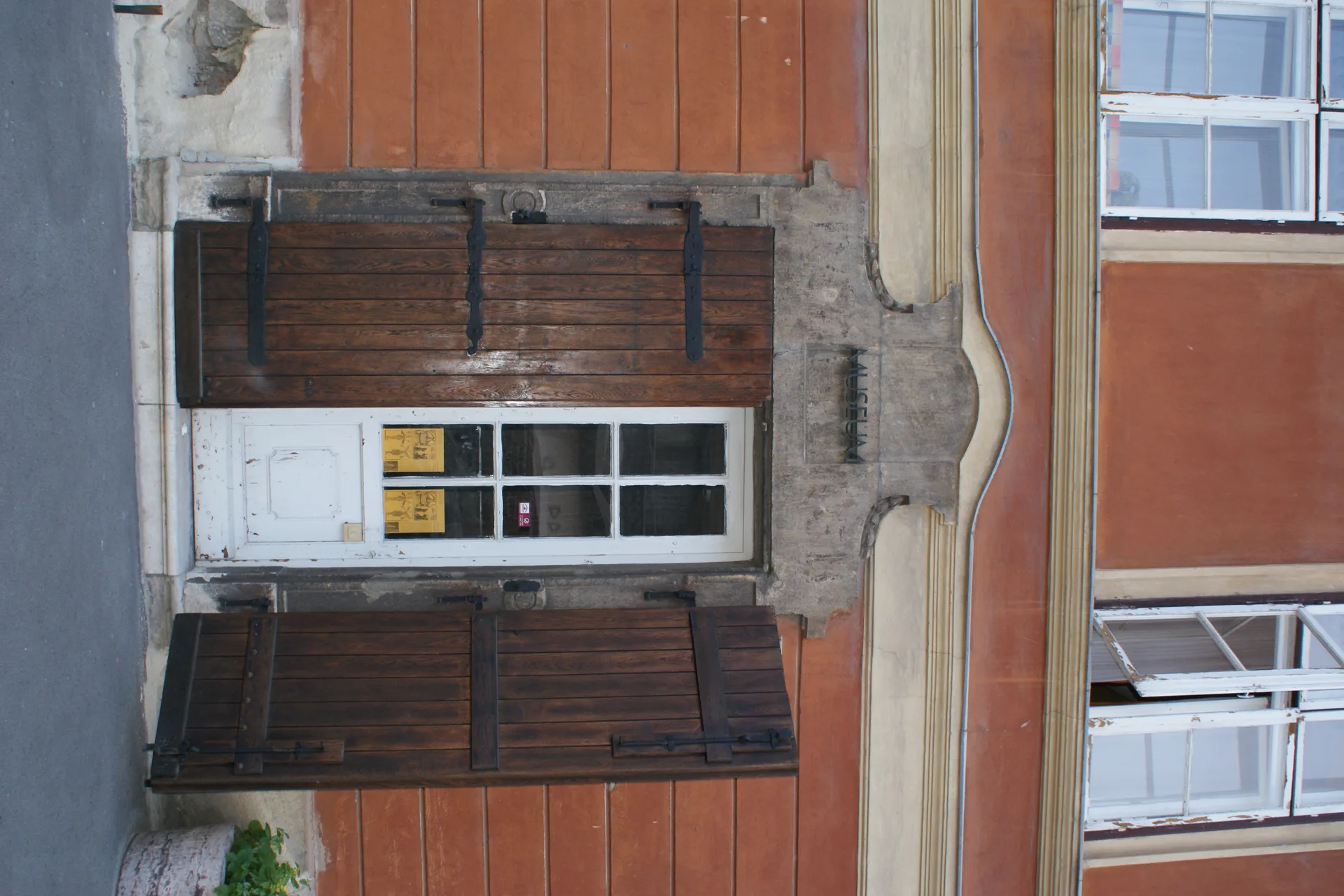
Golden Eagle Pharmacy Museum
A tiny, atmospheric museum inside a genuine 17th-century Castle Hill pharmacy — alchemist's lab reconstructions, Renaissance and Baroque medical equipment, and a mummified crocodile.
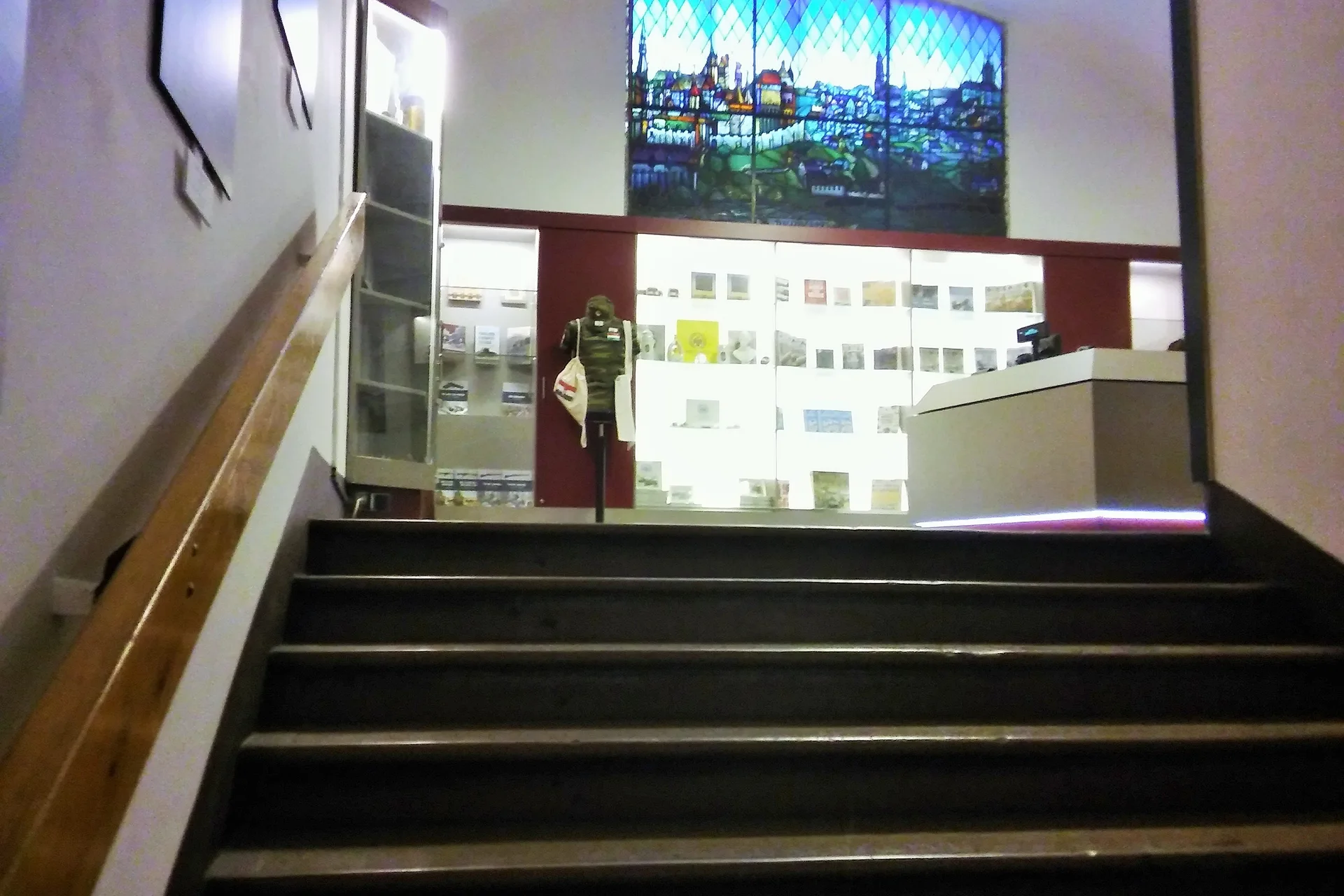
Museum of Military History
Hungary's military history collection, currently relocating from Castle Hill to a new home on Dísz Square — in the meantime, exhibits are on show at the Bálna riverside building near the Market Hall.
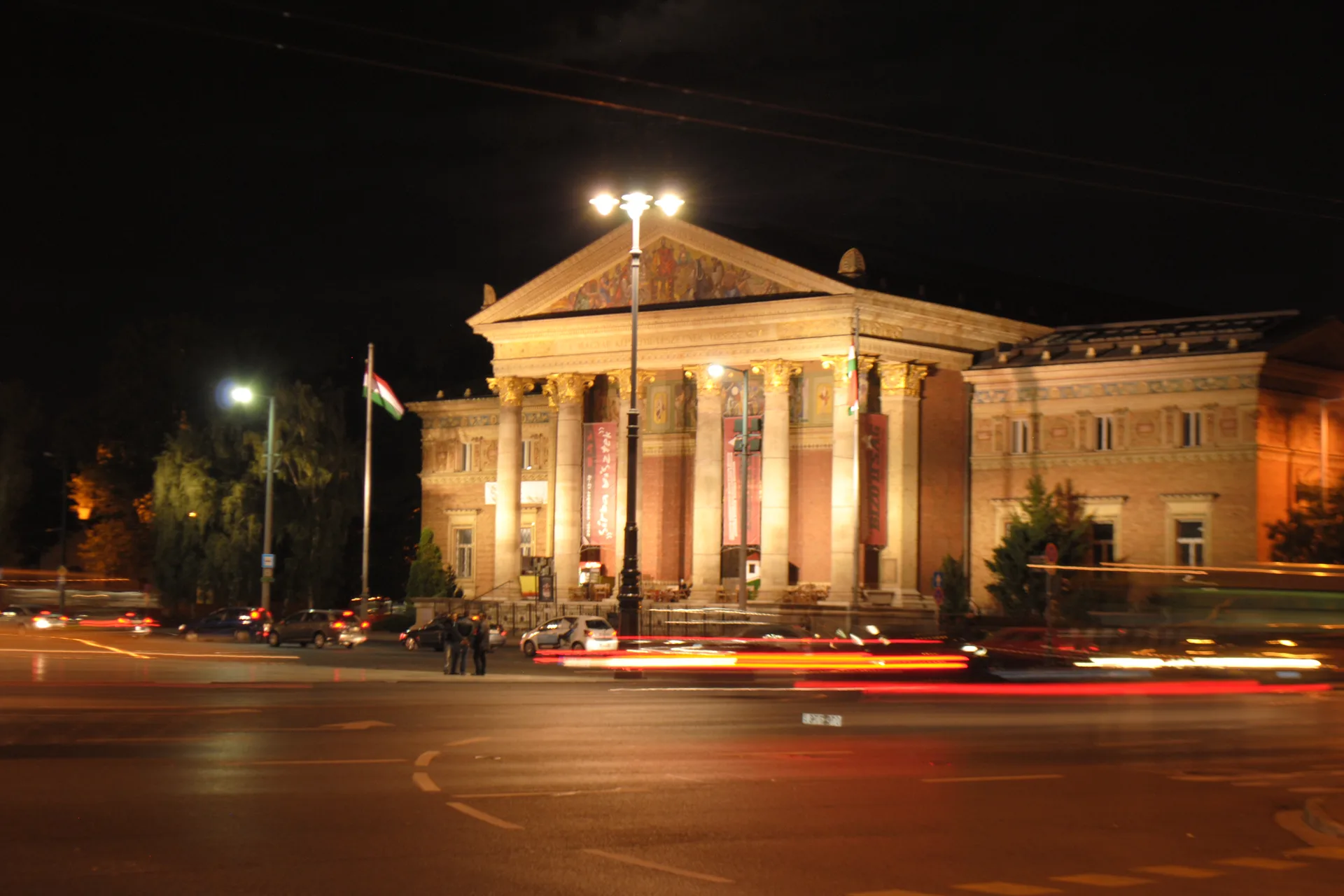
Kunsthalle Budapest (Műcsarnok)
A grand Neoclassical exhibition hall on Heroes' Square with no permanent collection — purely rotating contemporary Hungarian and international art, painting to multimedia installations.
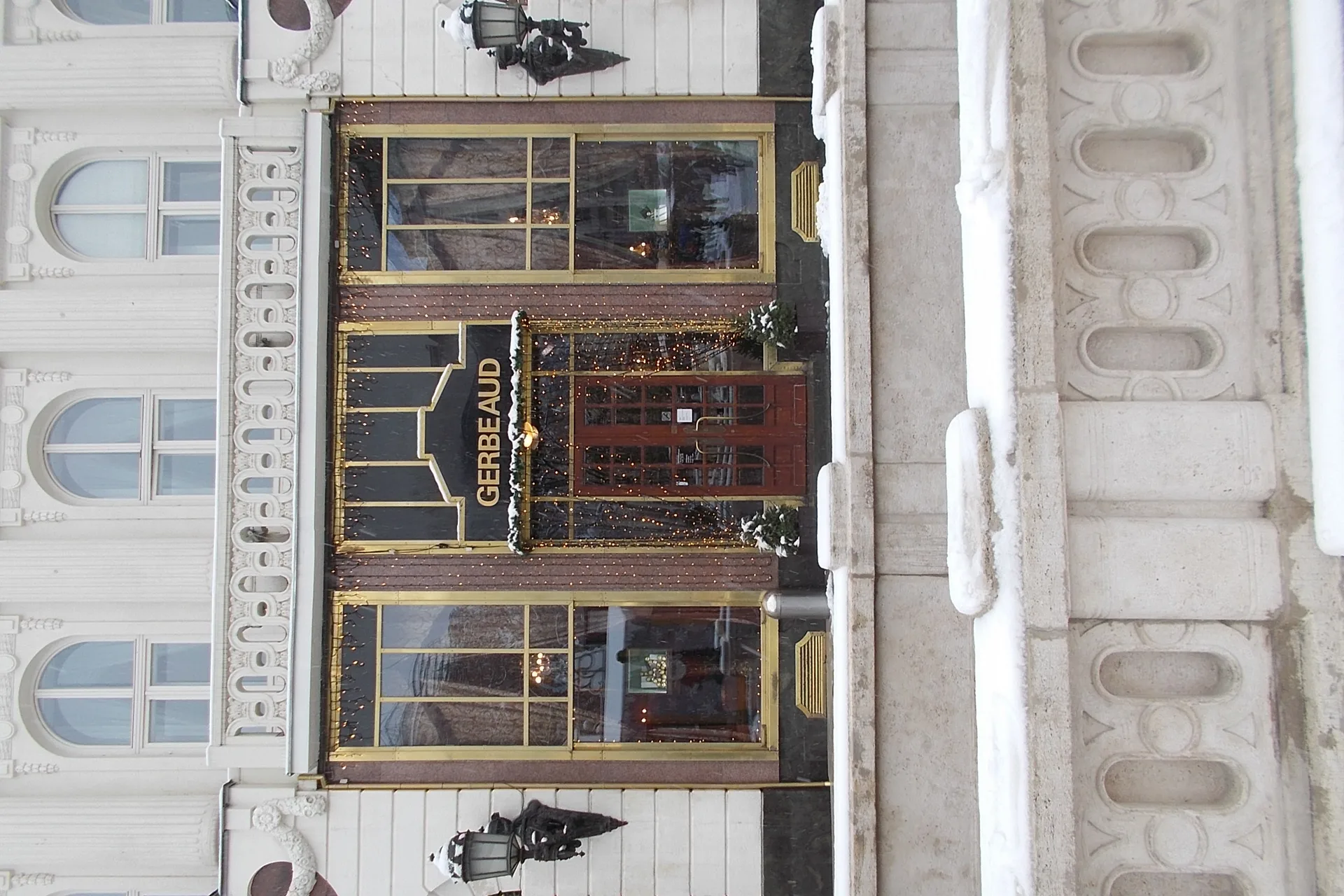
Gerbeaud Café, Vörösmarty Square
Budapest's most historic coffeehouse, open since 1858 on the city's grandest square — Empress Sisi's favourite, still serving the same style of elaborate Central European cakes today.
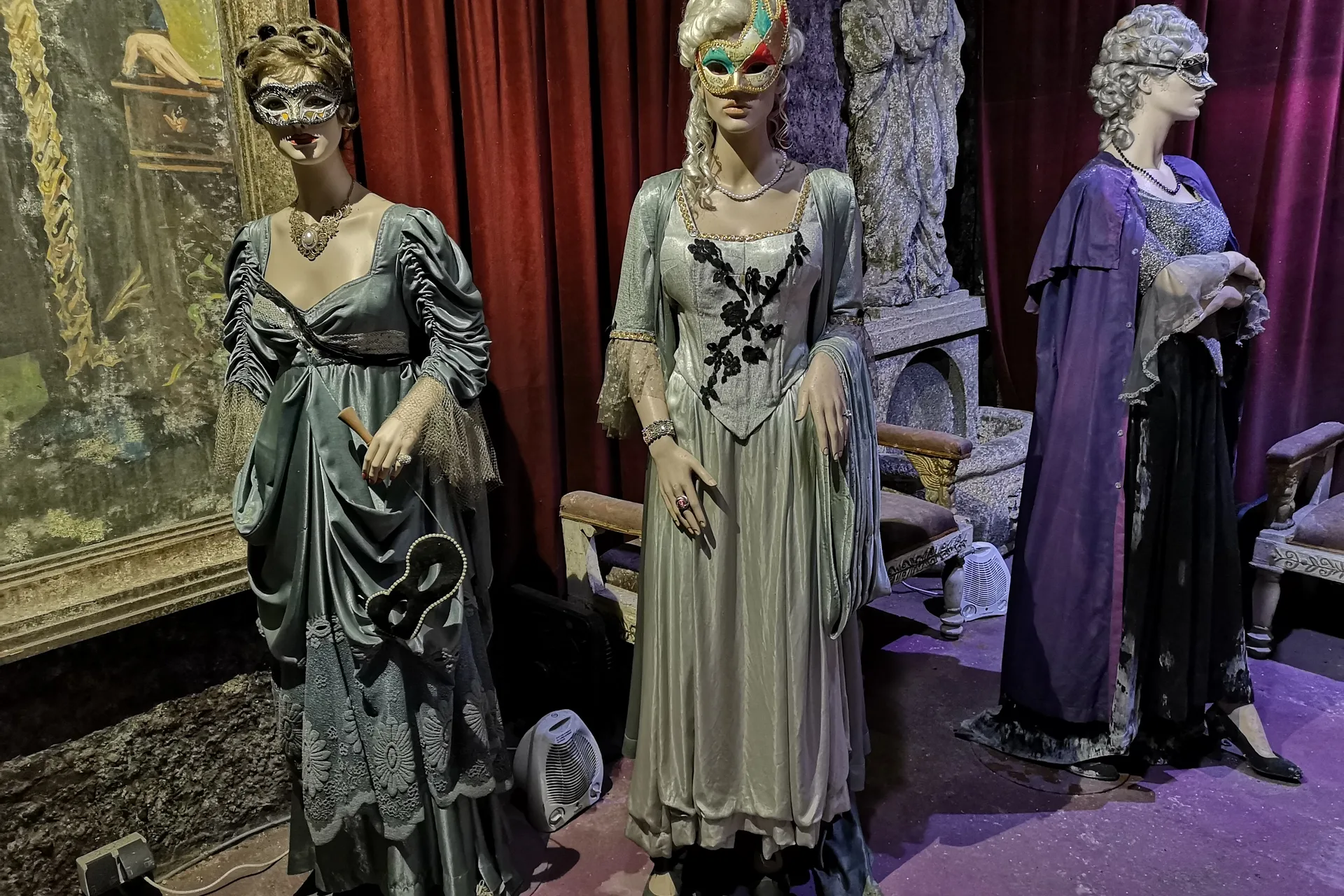
Labyrinth of Buda Castle
A network of natural caves and cellars beneath Castle Hill, used across history as wine cellars, a WWII shelter and even a prison — now a moodily lit, self-guided walk-through attraction.
Free Entry in Budapest
15 places with no admission charge
Frequently Asked Questions
Everything you need to know before you visit.
How many days do you need in Budapest?+−
Which Budapest thermal bath should I visit?+−
Do I need to book Parliament tickets in advance?+−
Is Buda or Pest better to stay in?+−
What are ruin bars, and is Szimpla Kert worth it?+−
Is Budapest good value compared to Vienna or Prague?+−
Where to stay
Hotels in Budapest
Compare prices across hundreds of hotels near this attraction — from budget hostels to luxury stays. Free cancellation on most rooms.
Affiliate disclosure — we may earn a commission at no extra cost to you. Powered by Booking.com.