
Rome's two giants need different tactics. The Colosseum (with the Forum and Palatine on the same ticket) sells timed, name-bound tickets through the official channel only — third-party resellers charge more for the same entry, so book direct and early, especially for the Underground. The Vatican Museums are the other campaign: book the official timed slot, go at opening or late afternoon, and remember they're closed Sundays — except the last Sunday of the month, which is free and correspondingly overwhelming.
The counterweight to the queues is that Rome's best moments are free and unbooked: the Pantheon (now a small entry fee, still the most perfect building in the city), Trevi at 7am before the crowds, the view through the Aventine Keyhole, the Orange Garden at sunset, and simply crossing the river to Trastevere for dinner. Alternate the heavyweight sites with the piazzas and the city stops feeling like a checklist.
When to visit: April–May and October are the classic windows — warm without the July–August furnace, when queuing at the Forum in 35°C becomes genuinely punishing. Rome in winter is underrated: short queues, low light on the ruins, and the city to yourself by Roman standards. Whatever the season, the fountain-water taps (nasoni) are drinkable, the cobbles punish bad shoes, and the best gelato is never next to a major monument.
Don't Miss
Highest-rated in Rome
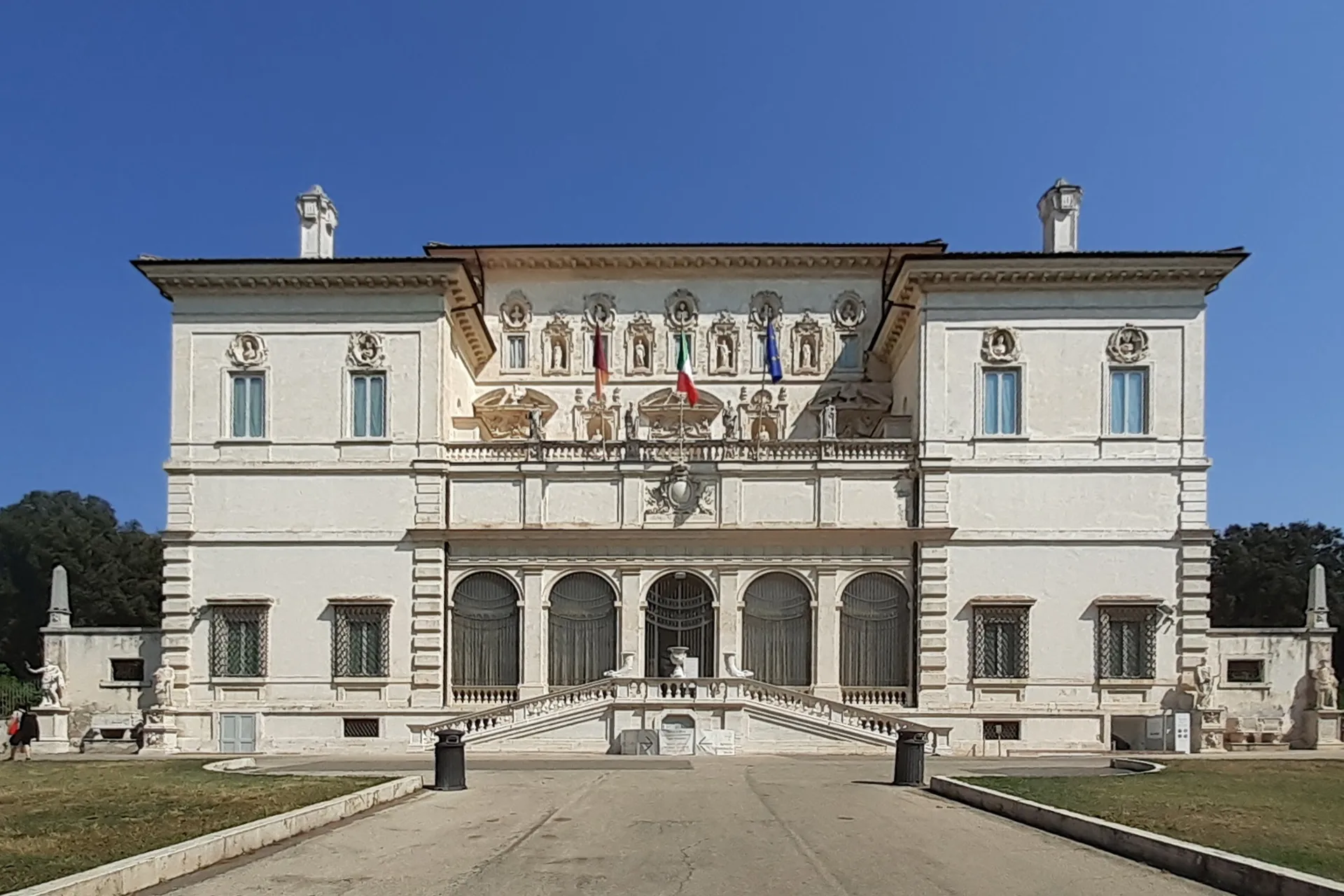
Galleria Borghese
A small, strictly-timed museum holding one of the greatest private art collections ever assembled — Bernini's most dramatic sculptures and Caravaggio paintings, inside a 17th-century villa in its own park.
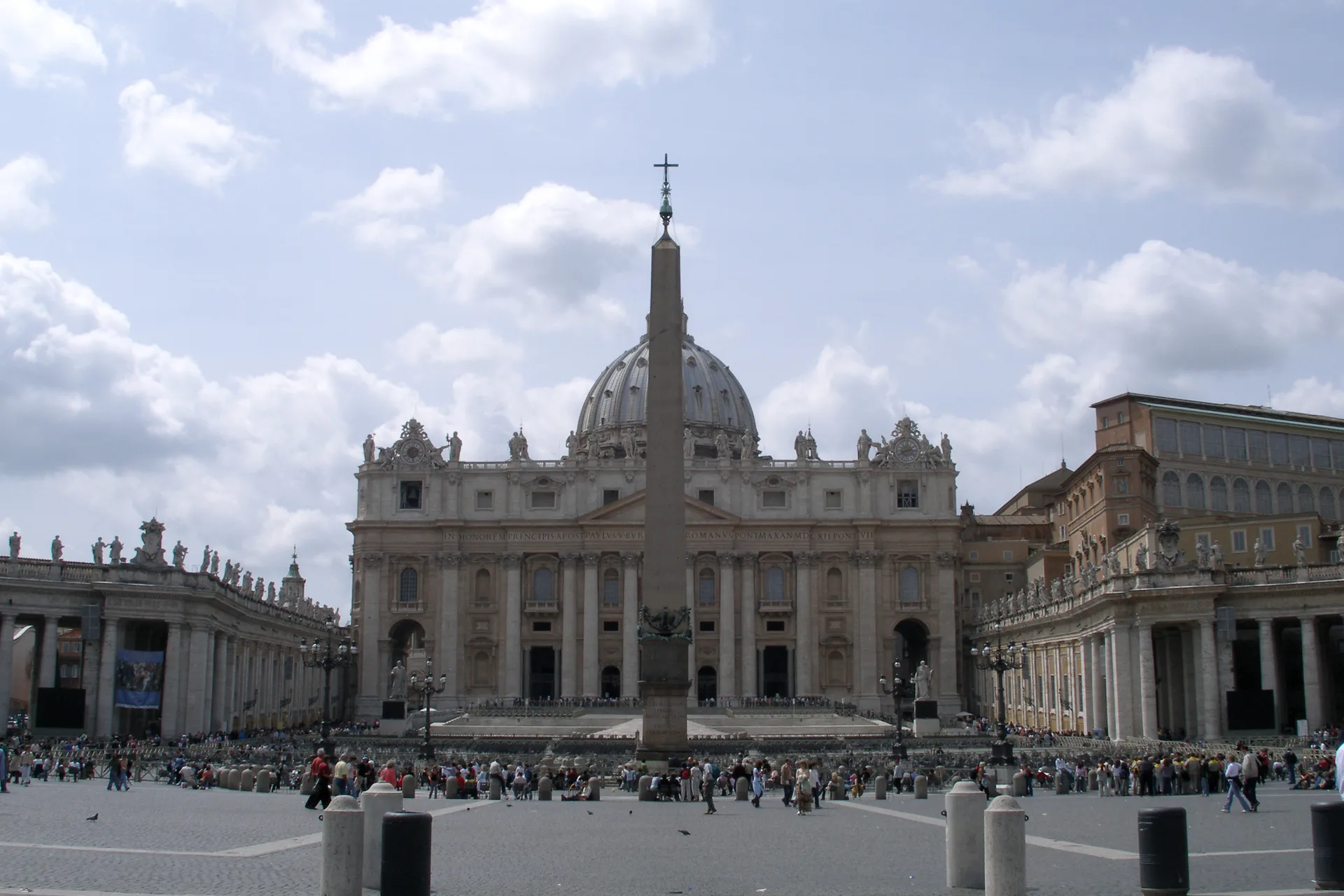
St. Peter's Basilica
The largest church in the Christian world, built over the traditional burial site of Saint Peter — free to enter, with Michelangelo's Pietà inside and a paid climb to the top of his dome outside.
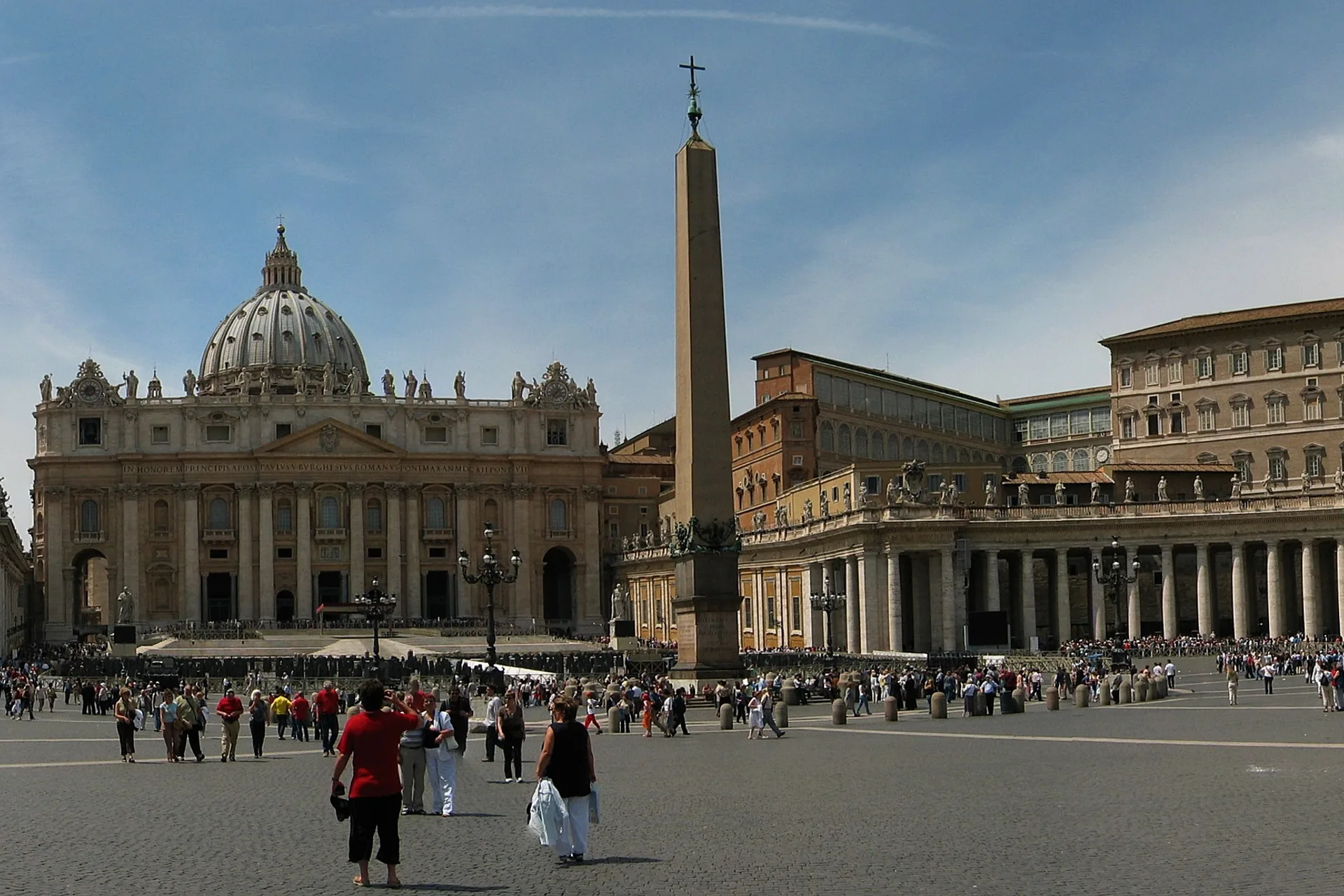
St. Peter's Square
Bernini's vast elliptical piazza in front of St. Peter's Basilica, embraced by a 284-column colonnade designed to feel like open arms welcoming the world — free, open-air, and the site of papal audiences.
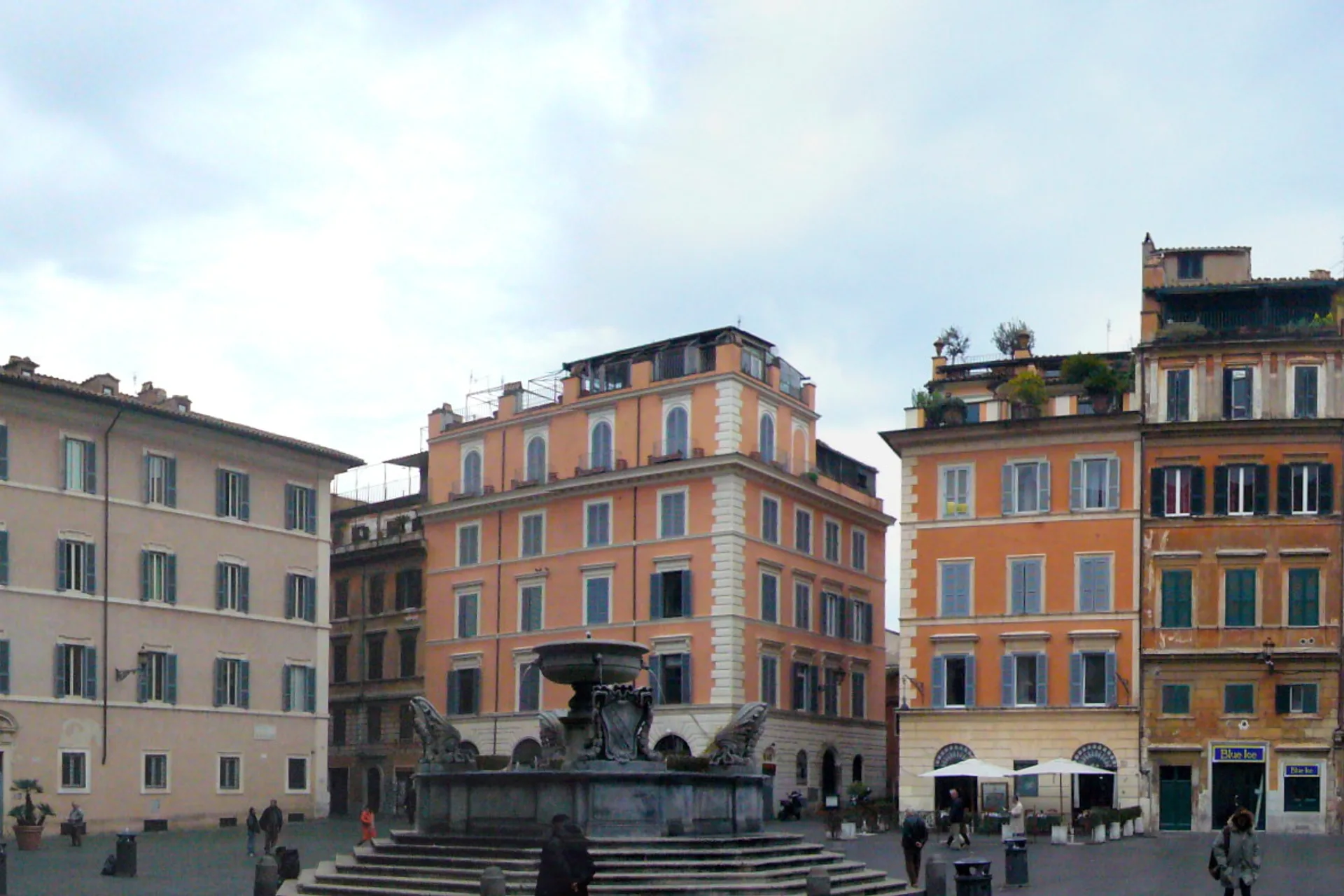
Trastevere Food & Wine Walking Tour
A small-group evening tasting walk through Trastevere's back streets — cheese, pizza, pasta and wine at local-favourite spots, guided by someone who knows which unmarked doors actually matter.
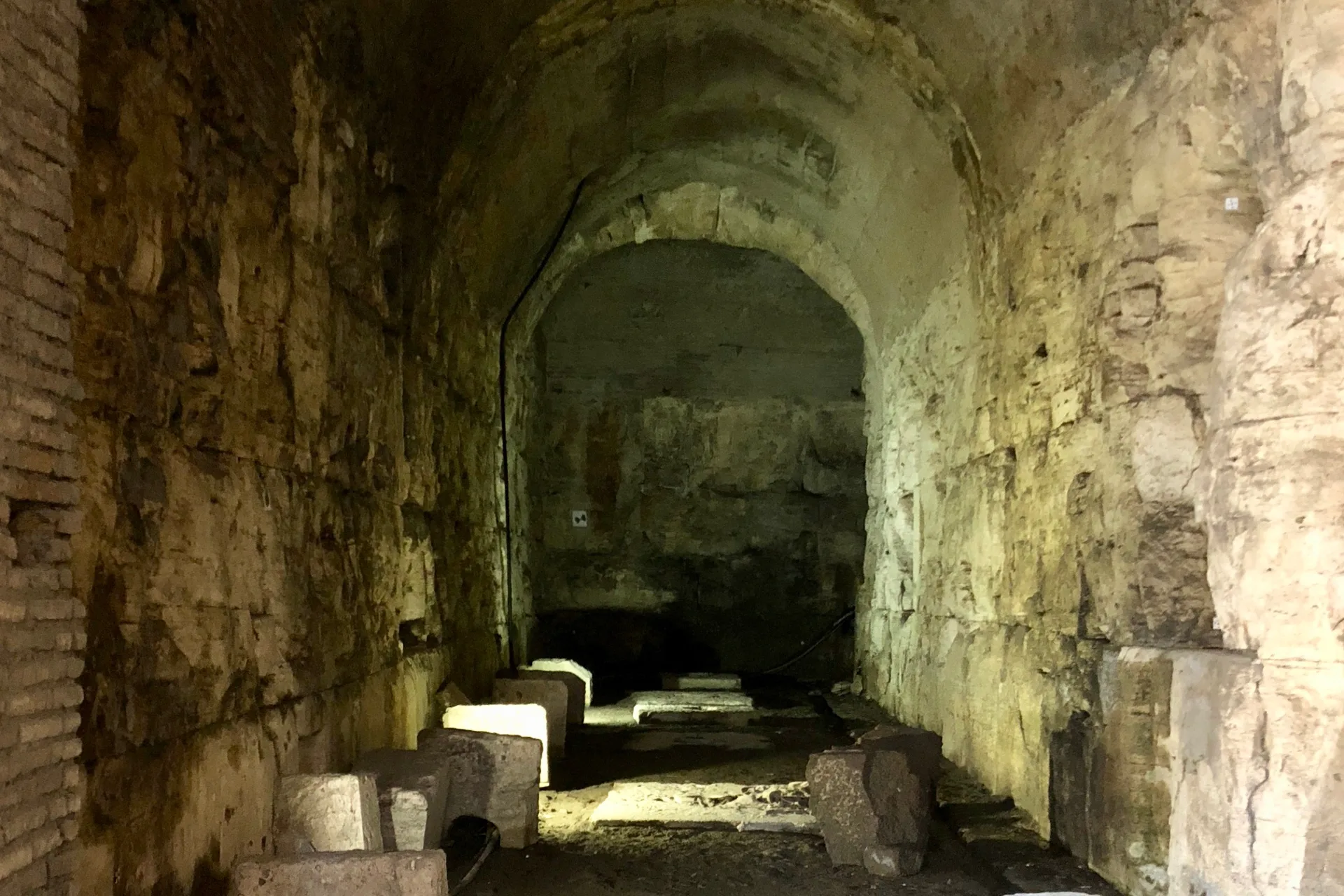
Colosseum Underground & Arena Floor Tour
A restricted-access guided tour into the Colosseum's hypogeum tunnels and reconstructed arena floor — the two areas standard tickets don't reach, and the closest most visitors get to standing where gladiators actually stood.
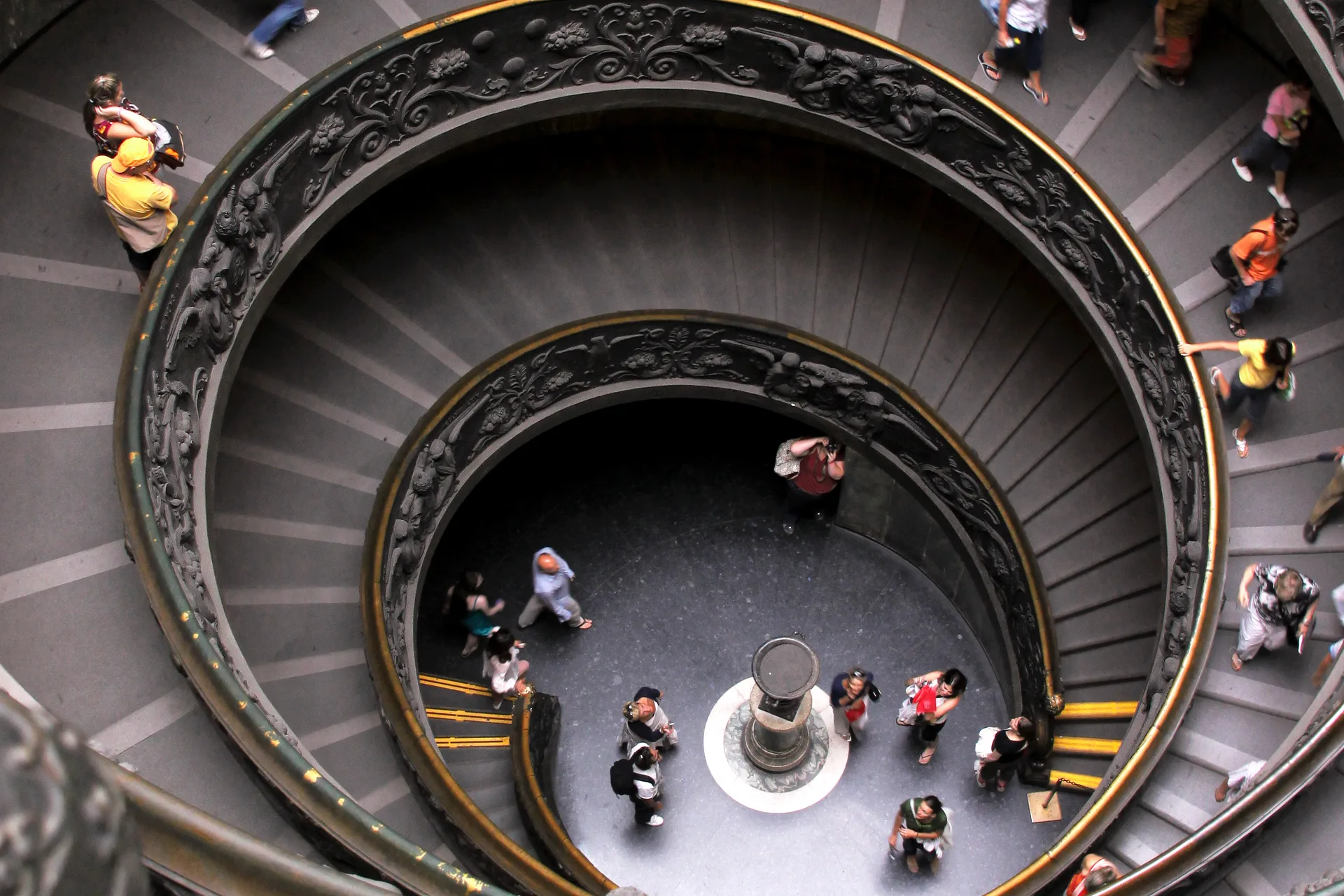
Vatican Museums Early Access Tour
A small-group tour that gets you inside the Vatican Museums before the general public, reaching the Sistine Chapel while it's still genuinely quiet — the single biggest upgrade available over a standard ticket.
All Things to Do in Rome
57 places, all reviewed and rated
Galleria Borghese
A small, strictly-timed museum holding one of the greatest private art collections ever assembled — Bernini's most dramatic sculptures and Caravaggio paintings, inside a 17th-century villa in its own park.
St. Peter's Basilica
The largest church in the Christian world, built over the traditional burial site of Saint Peter — free to enter, with Michelangelo's Pietà inside and a paid climb to the top of his dome outside.
St. Peter's Square
Bernini's vast elliptical piazza in front of St. Peter's Basilica, embraced by a 284-column colonnade designed to feel like open arms welcoming the world — free, open-air, and the site of papal audiences.
Trastevere Food & Wine Walking Tour
A small-group evening tasting walk through Trastevere's back streets — cheese, pizza, pasta and wine at local-favourite spots, guided by someone who knows which unmarked doors actually matter.
Colosseum Underground & Arena Floor Tour
A restricted-access guided tour into the Colosseum's hypogeum tunnels and reconstructed arena floor — the two areas standard tickets don't reach, and the closest most visitors get to standing where gladiators actually stood.
Vatican Museums Early Access Tour
A small-group tour that gets you inside the Vatican Museums before the general public, reaching the Sistine Chapel while it's still genuinely quiet — the single biggest upgrade available over a standard ticket.
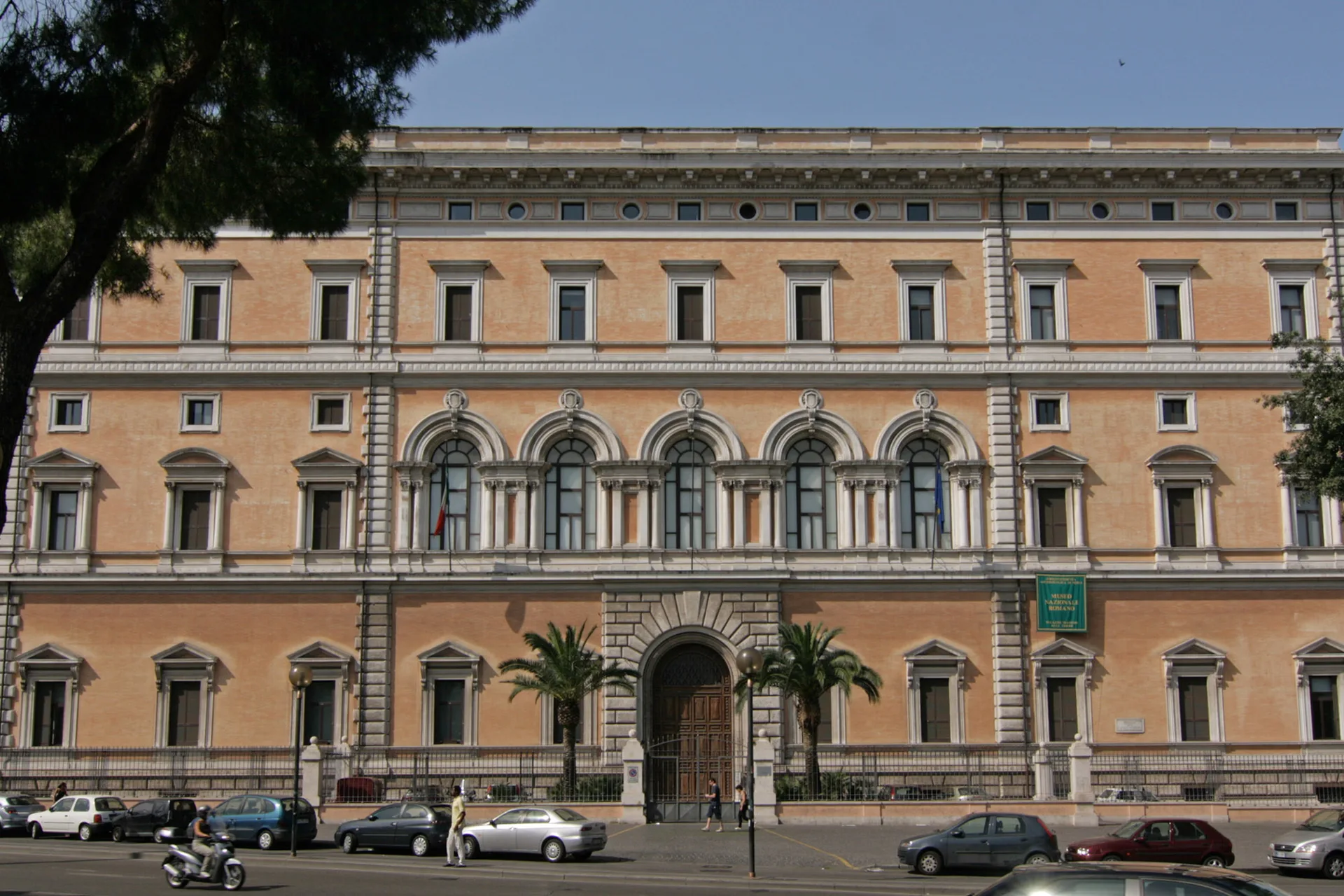
Palazzo Massimo alle Terme
The best classical sculpture collection in Rome that most tourists never visit — including the world-famous Discobolus and startlingly vivid ancient Roman frescoes, two minutes from Termini station.
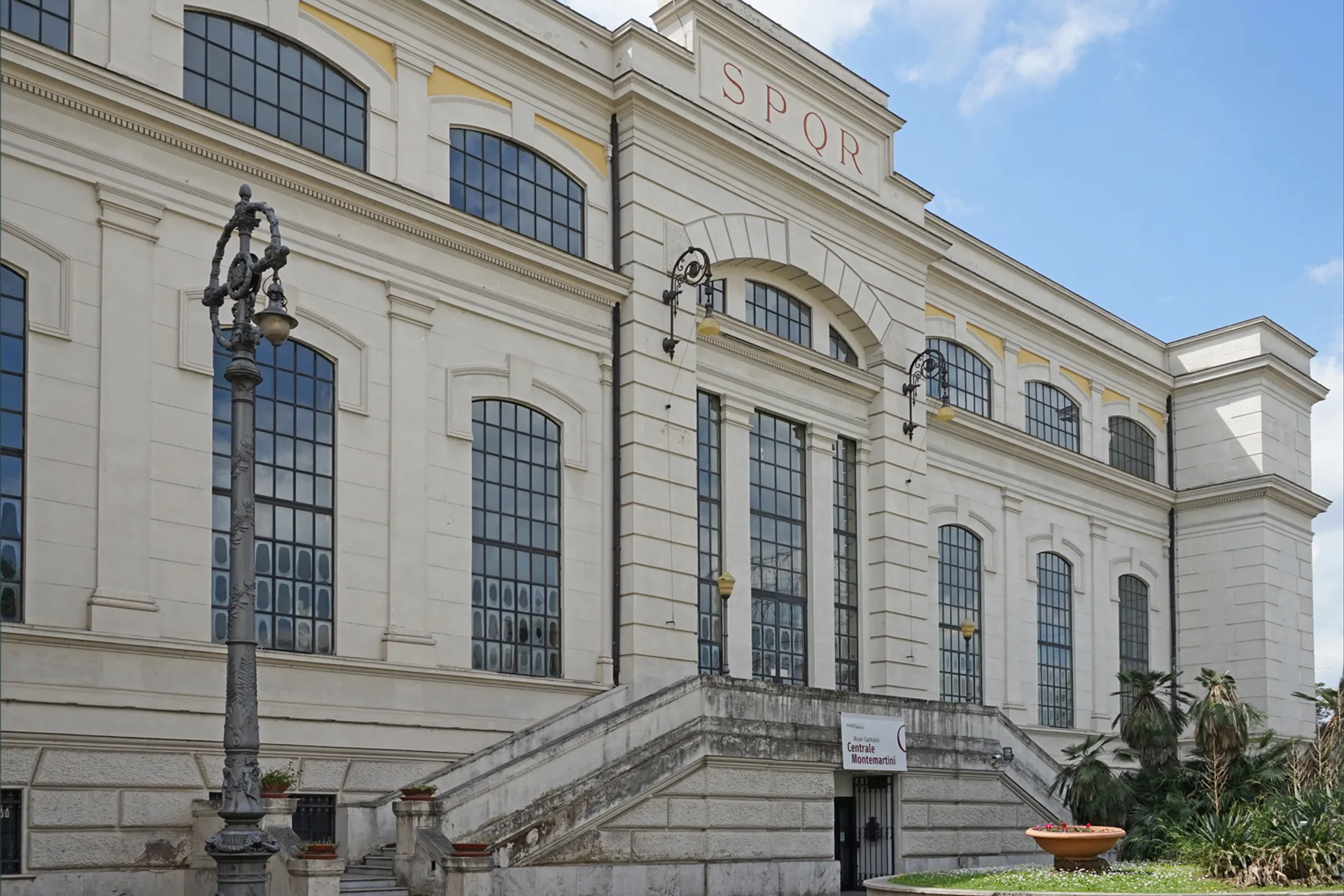
Centrale Montemartini
Ancient Roman marble statues displayed among the silent turbines and boilers of Rome's first public power plant — the city's strangest and most striking museum juxtaposition.
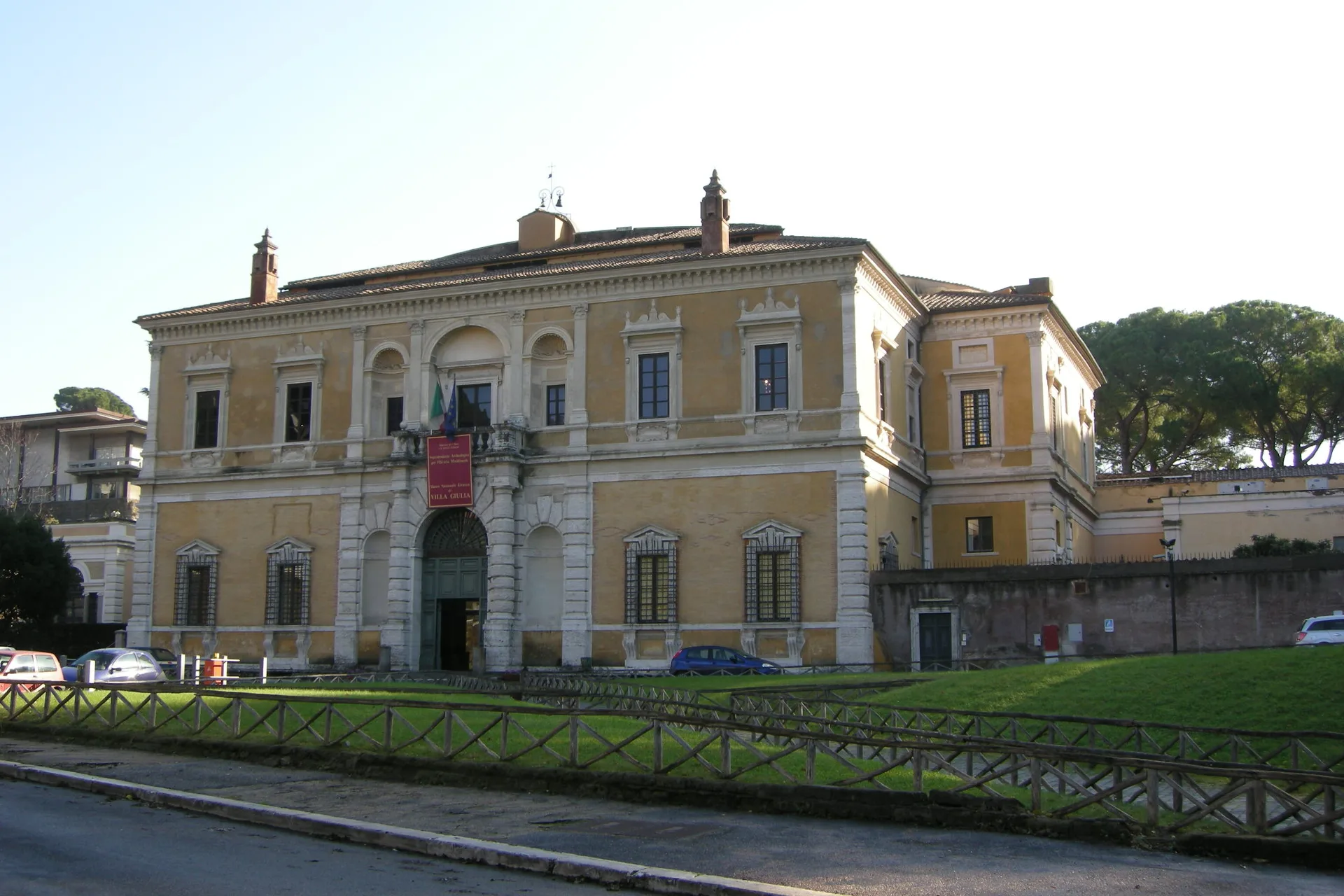
Villa Giulia — National Etruscan Museum
The world's best collection of Etruscan art and artefacts, inside a 16th-century papal pleasure villa — a chance to meet the civilization Rome grew out of and then largely erased from its own founding story.
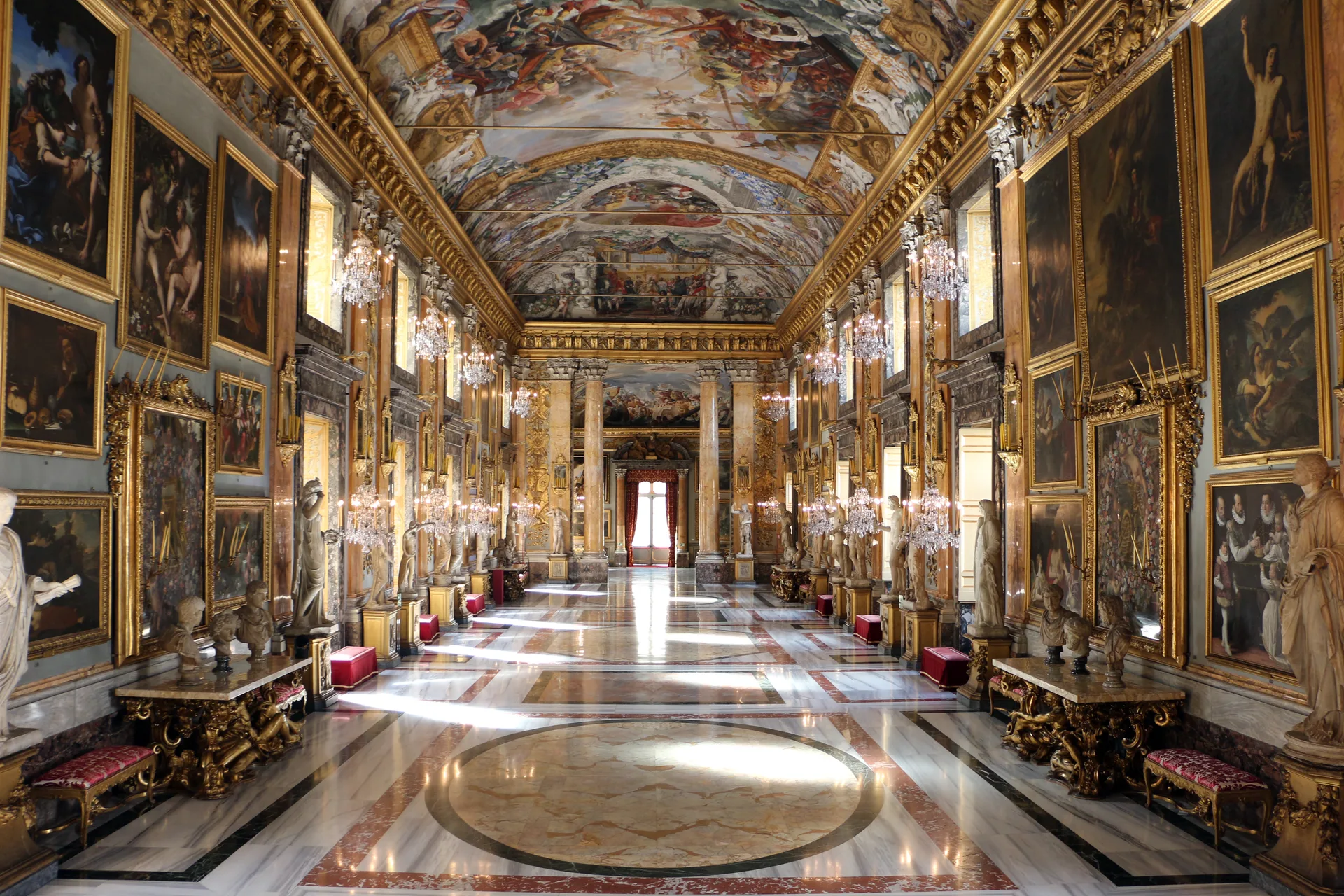
Galleria Colonna
One of Rome's grandest private palace galleries, open to the public only two mornings a week — a Baroque great hall so lavish it appeared in the closing scene of Roman Holiday.
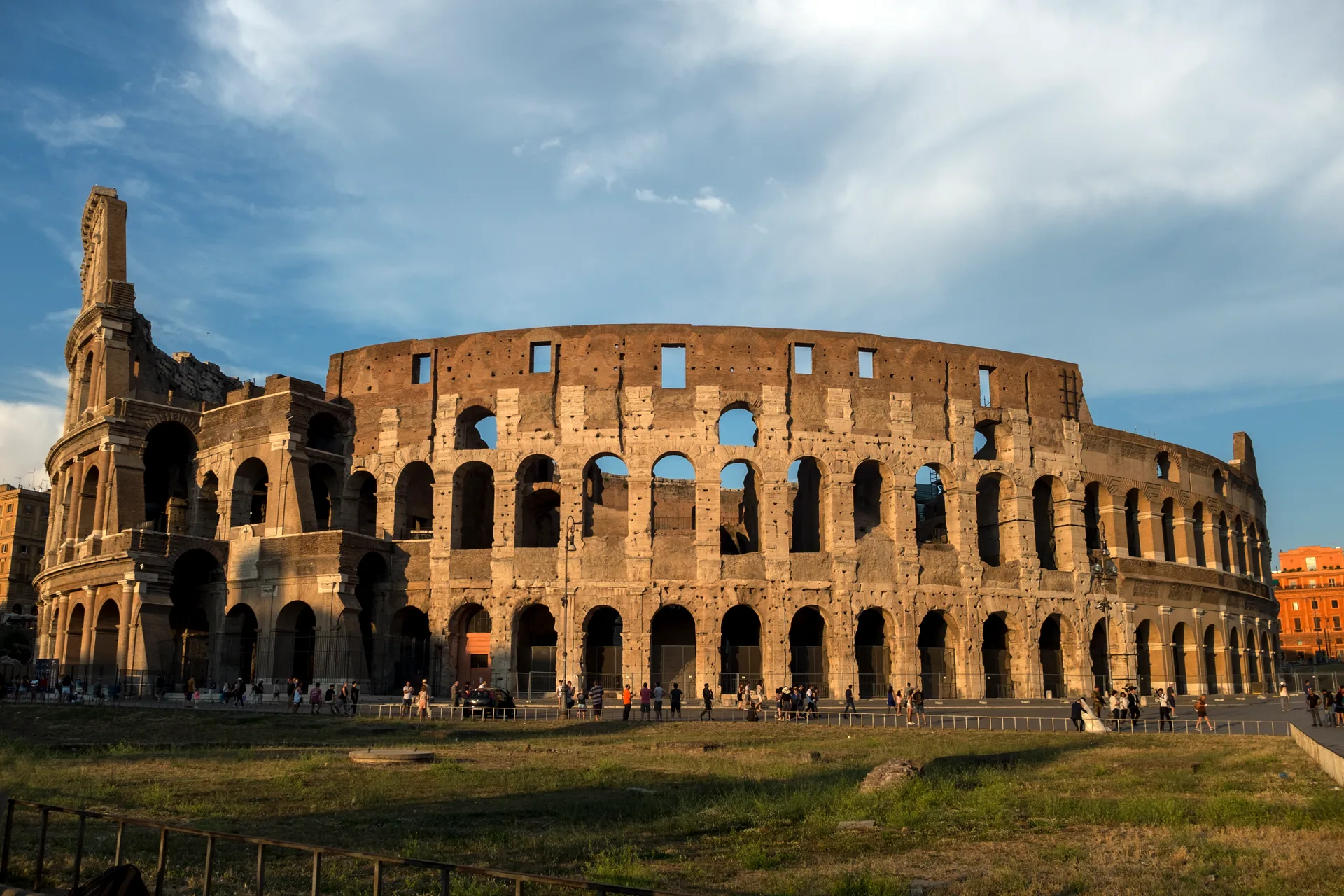
Colosseum
The largest amphitheatre ever built by the Romans and the single most recognisable structure on earth from antiquity — book an official timed ticket weeks ahead or risk not getting in at all.
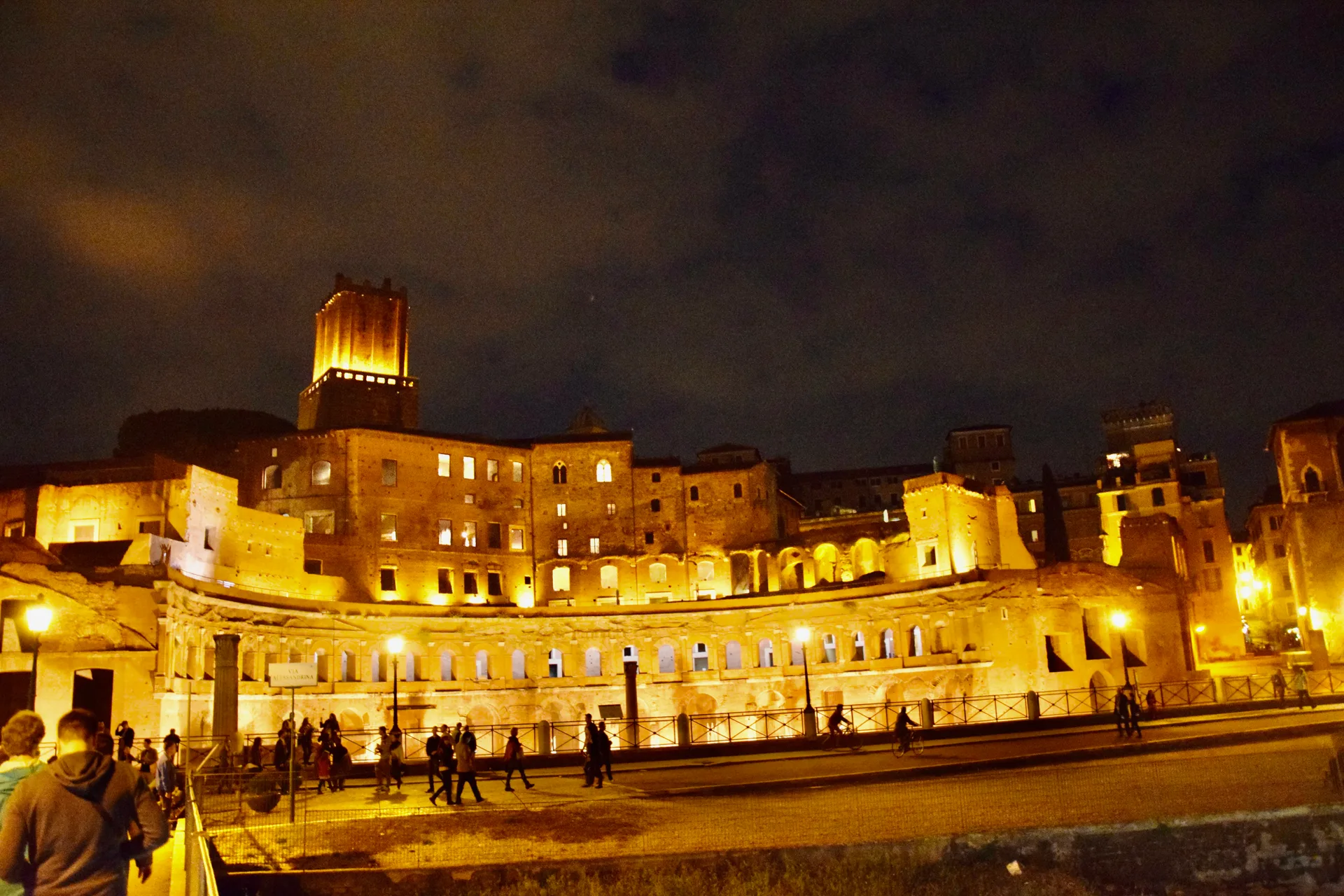
Roman Forum & Palatine Hill
The political, religious and commercial heart of ancient Rome for over a thousand years, plus the hill above it where emperors actually lived — vast, fragmentary, and best appreciated with at least some context going in.
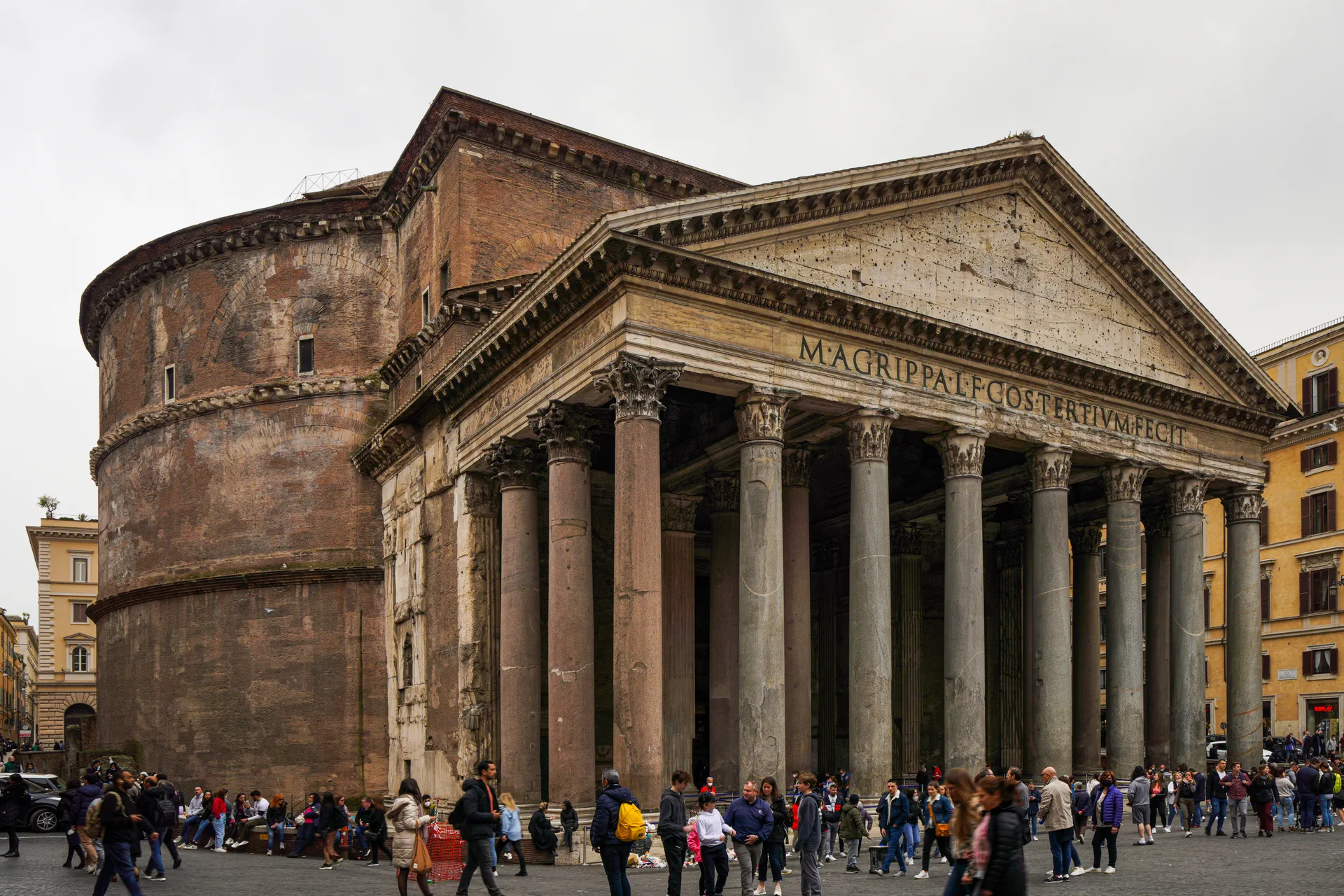
Pantheon
The best-preserved building from ancient Rome and still, nineteen centuries on, the world's largest unreinforced concrete dome — free to marvel at from outside, a small fee to step inside since 2023.
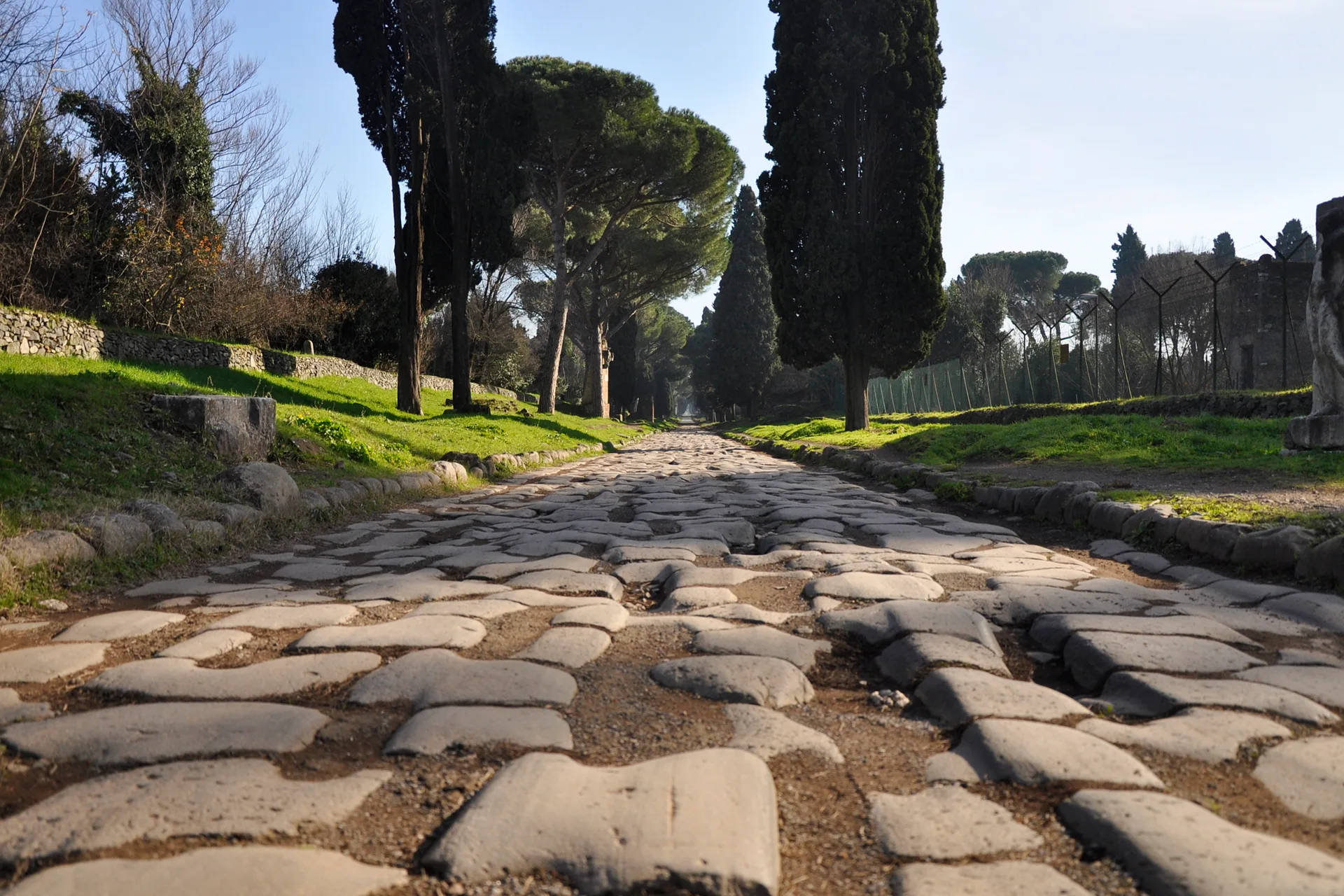
Appian Way (Via Appia Antica)
The 'Queen of Roads,' Rome's oldest and most strategically important highway, now a protected regional park where you can walk or cycle on the same basalt paving stones legionaries marched on 2,300 years ago.
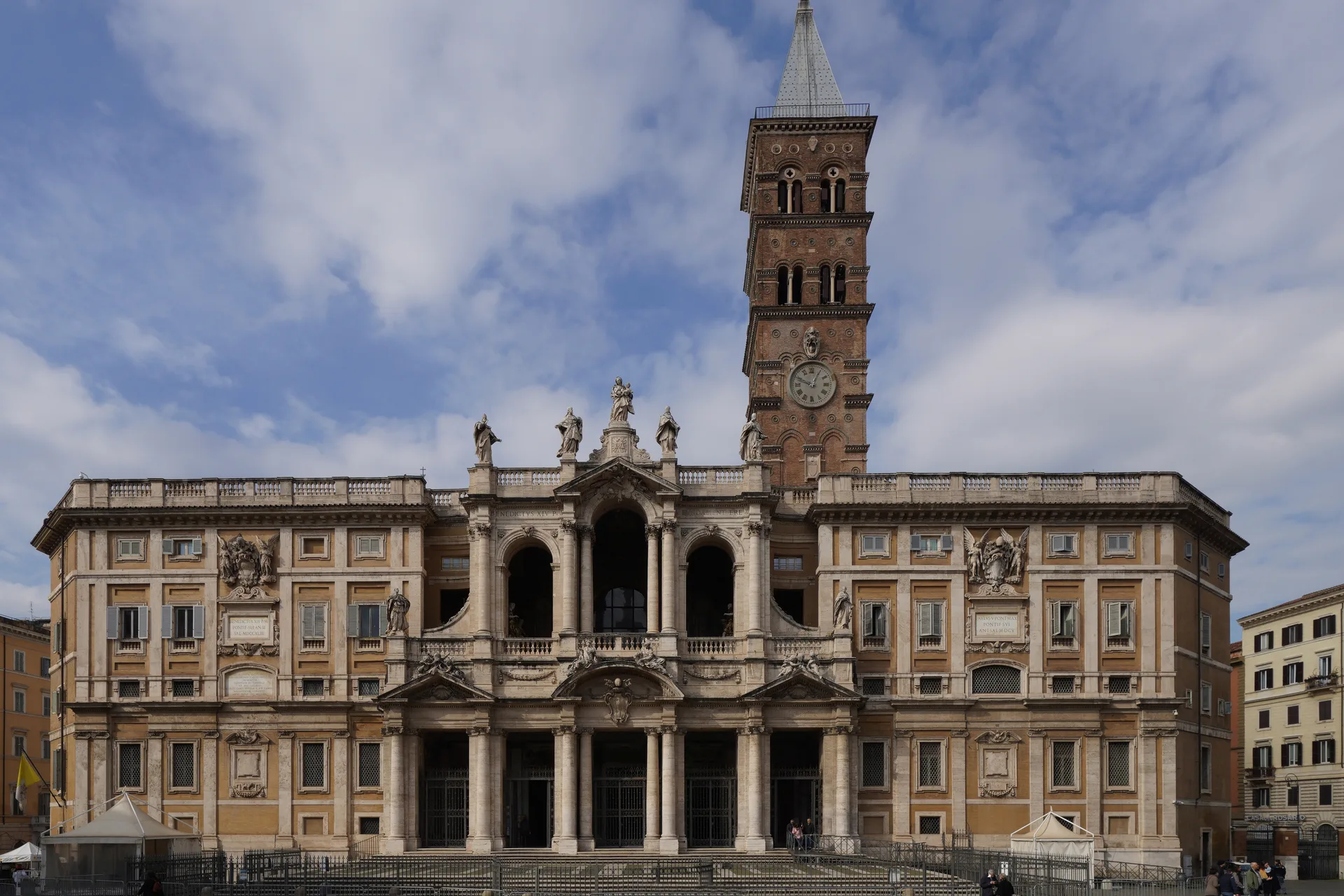
Basilica di Santa Maria Maggiore
One of Rome's four major papal basilicas, said to mark a miraculous August snowfall — free to enter, with 5th-century mosaics, Bernini's tomb, and a paid loggia and museum route above.
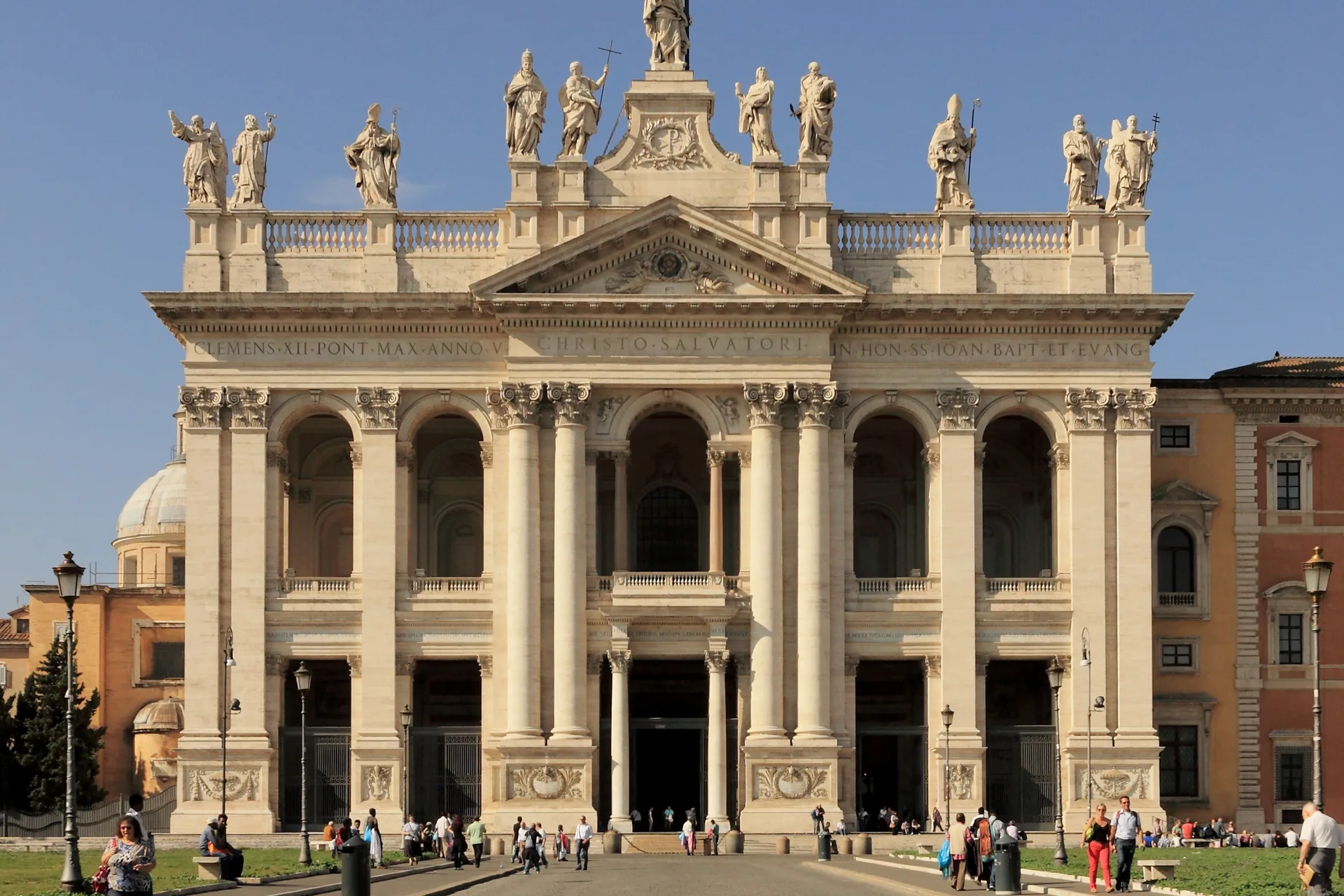
Basilica di San Giovanni in Laterano
Rome's official cathedral and the oldest of the four papal basilicas — technically outranks St. Peter's in ceremonial precedence, with a medieval cloister most visitors never realise is there.
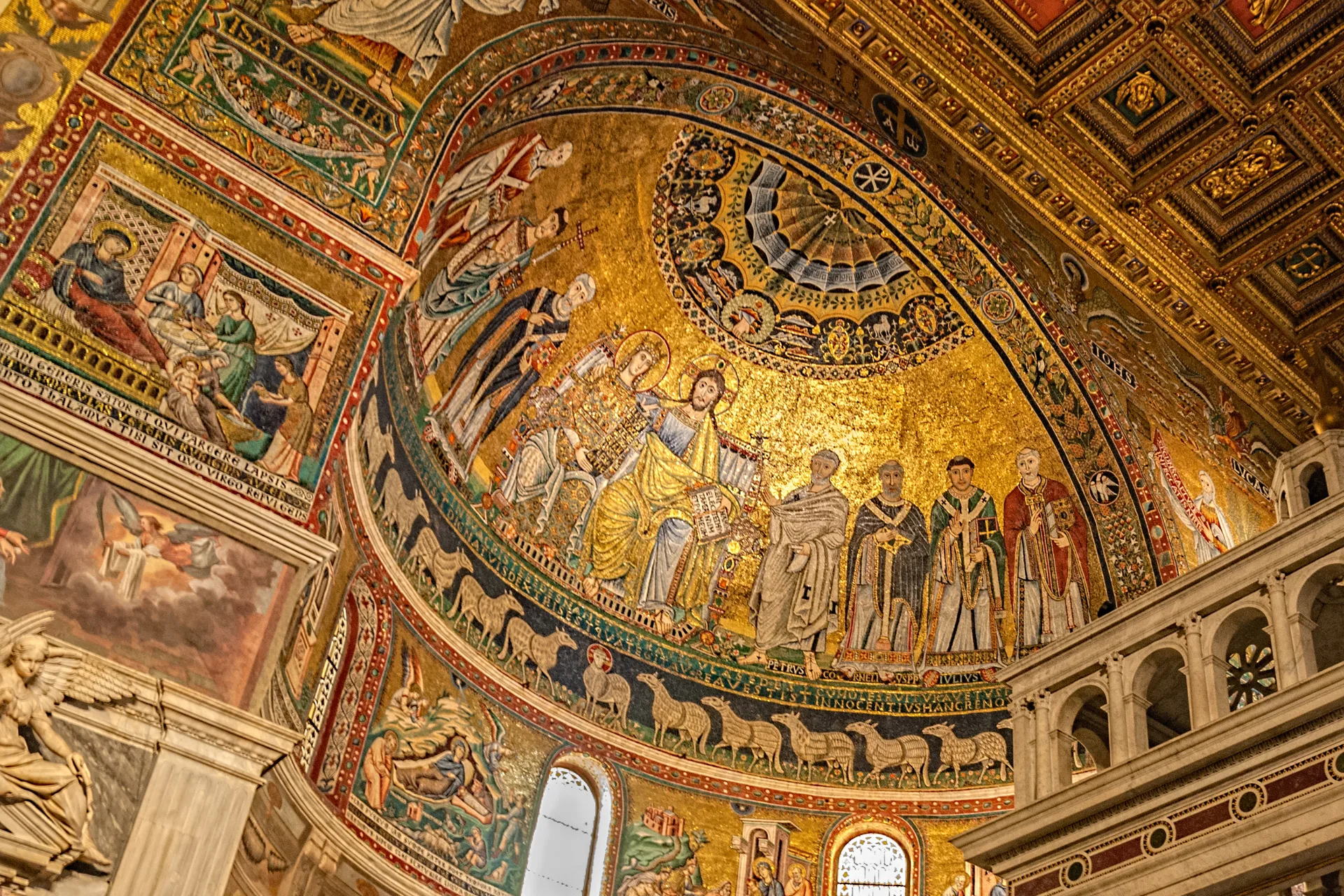
Basilica di Santa Maria in Trastevere
One of Rome's oldest churches, possibly the first place Christian worship was legally permitted in the city — free to enter, with dazzling 12th-century gold mosaics that anchor Trastevere's prettiest piazza.
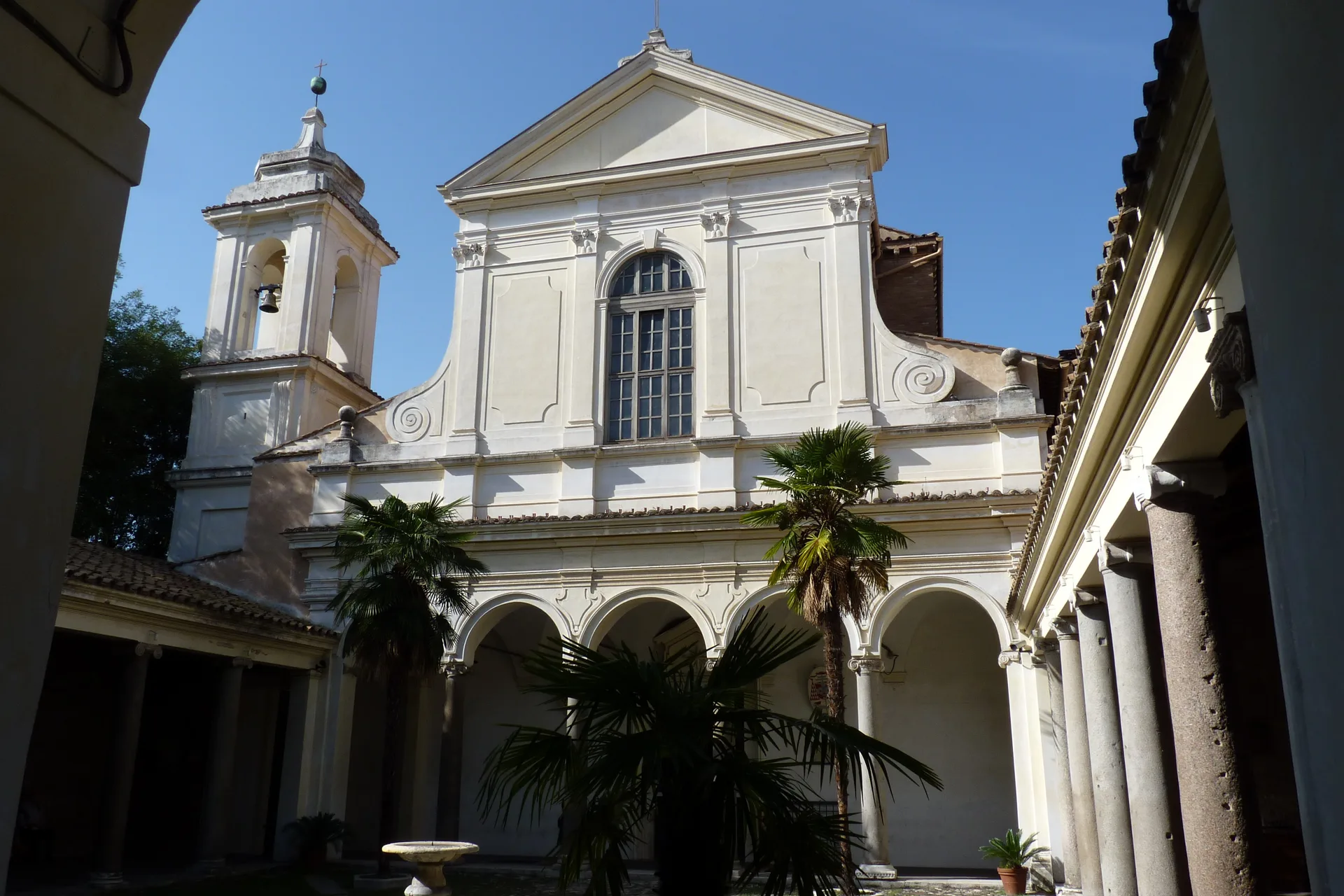
Basilica di San Clemente
A layer-cake of Roman history under one roof — a 12th-century church built over a 4th-century church, built over a 1st-century Roman house and an underground temple to Mithras, all open to walk through.
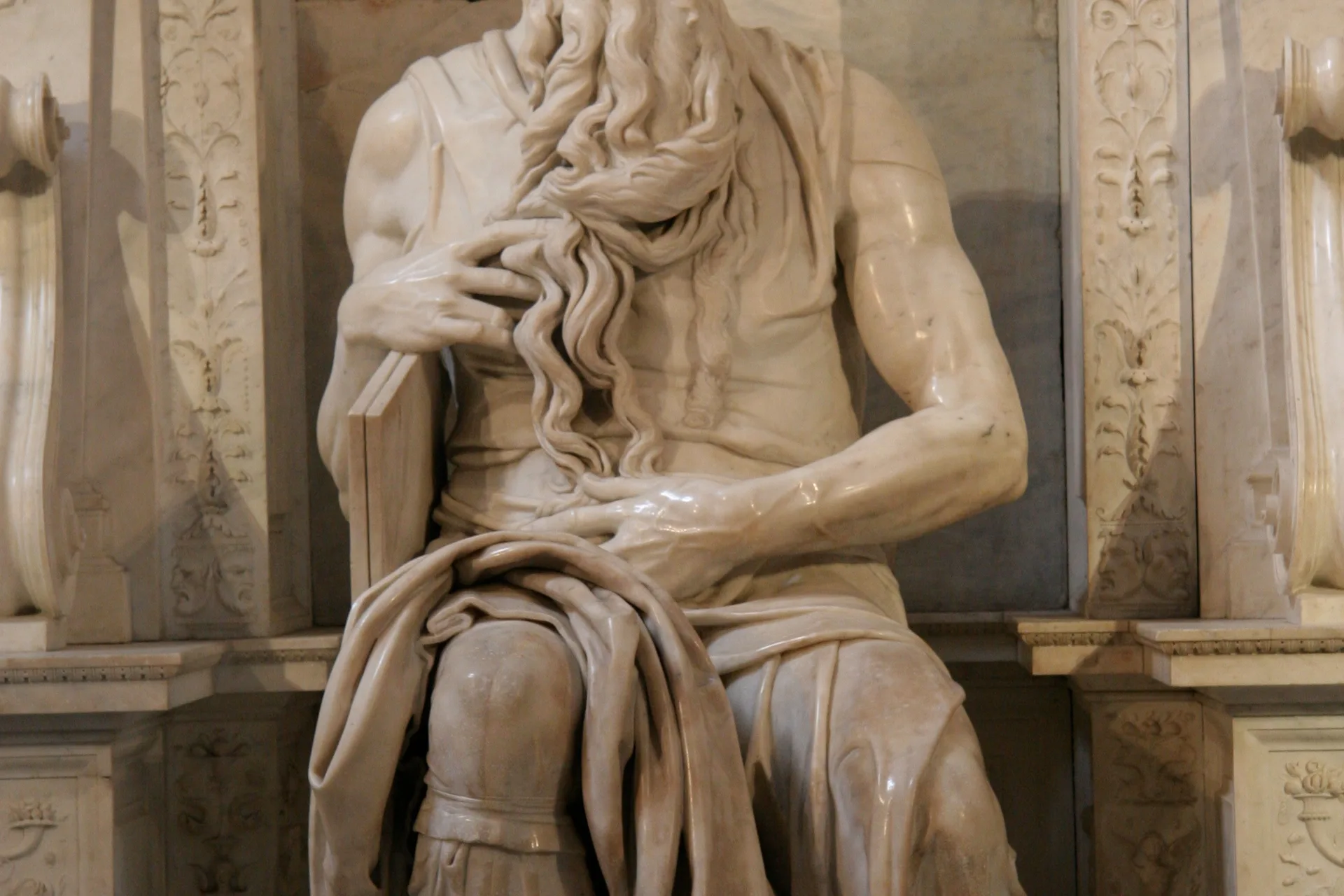
San Pietro in Vincoli (Moses by Michelangelo)
A modest church holding one of Michelangelo's most powerful sculptures — his monumental, brooding Moses, carved for a tomb that was never finished as originally planned — completely free to see.
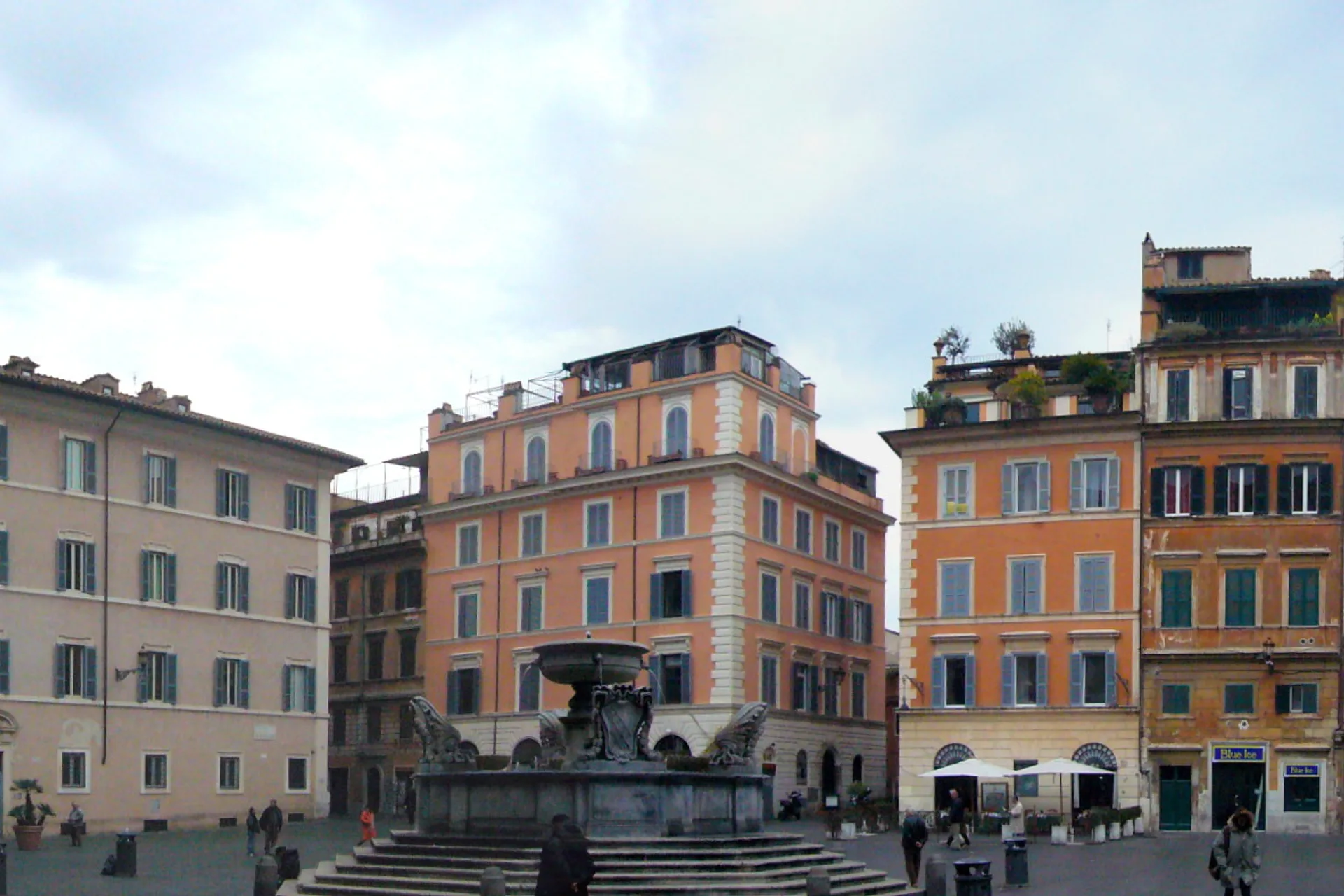
Trastevere Neighbourhood
Rome's most atmospheric neighbourhood — cobbled medieval lanes, ivy-draped facades, and the city's liveliest evening restaurant and bar scene, on the 'other side' of the Tiber that gives it its name.
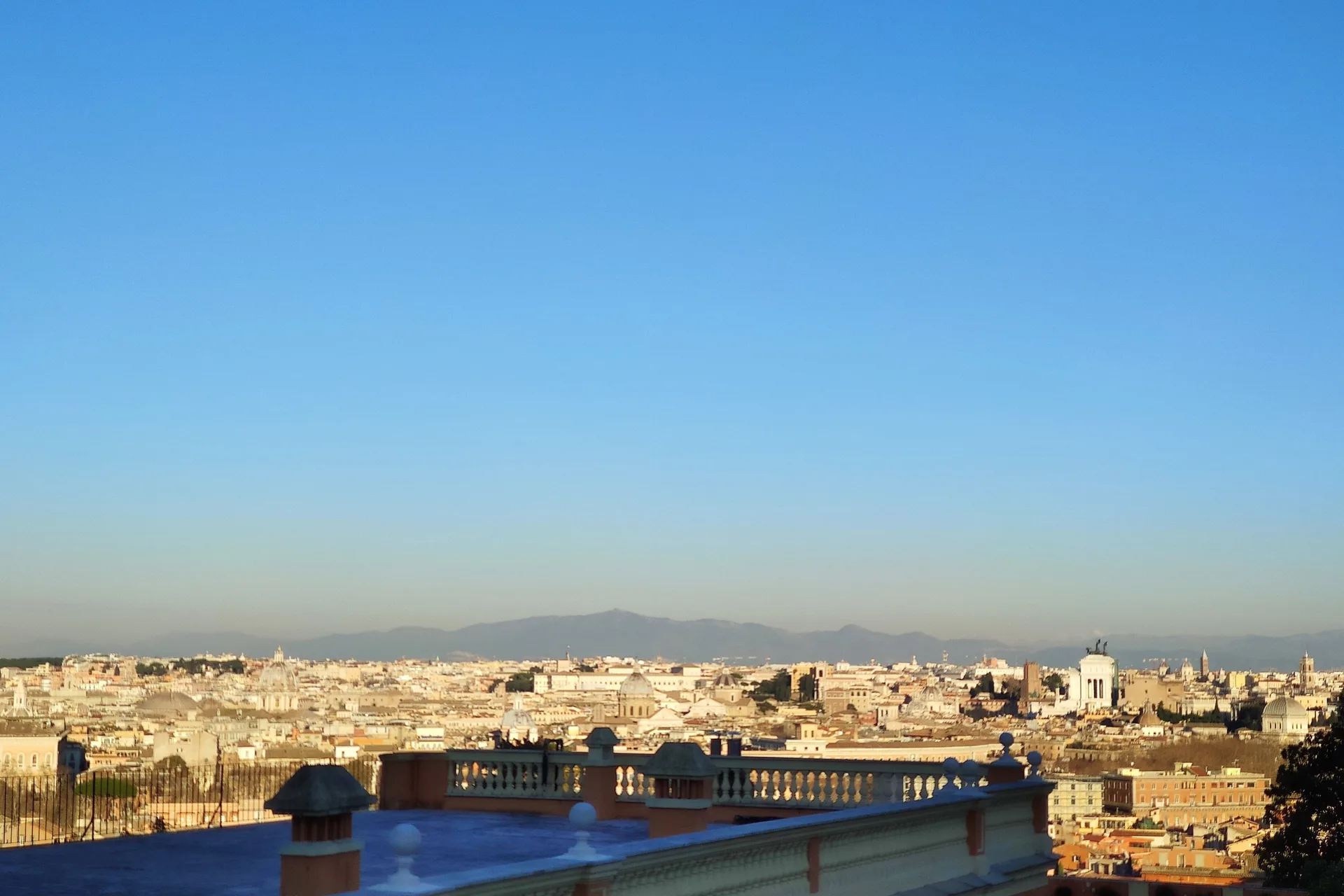
Janiculum Hill (Gianicolo)
Rome's finest free panoramic viewpoint, on a hill just outside the ancient city boundary — a daily noon cannon blast, equestrian monuments to Garibaldi, and the whole historic centre laid out below.
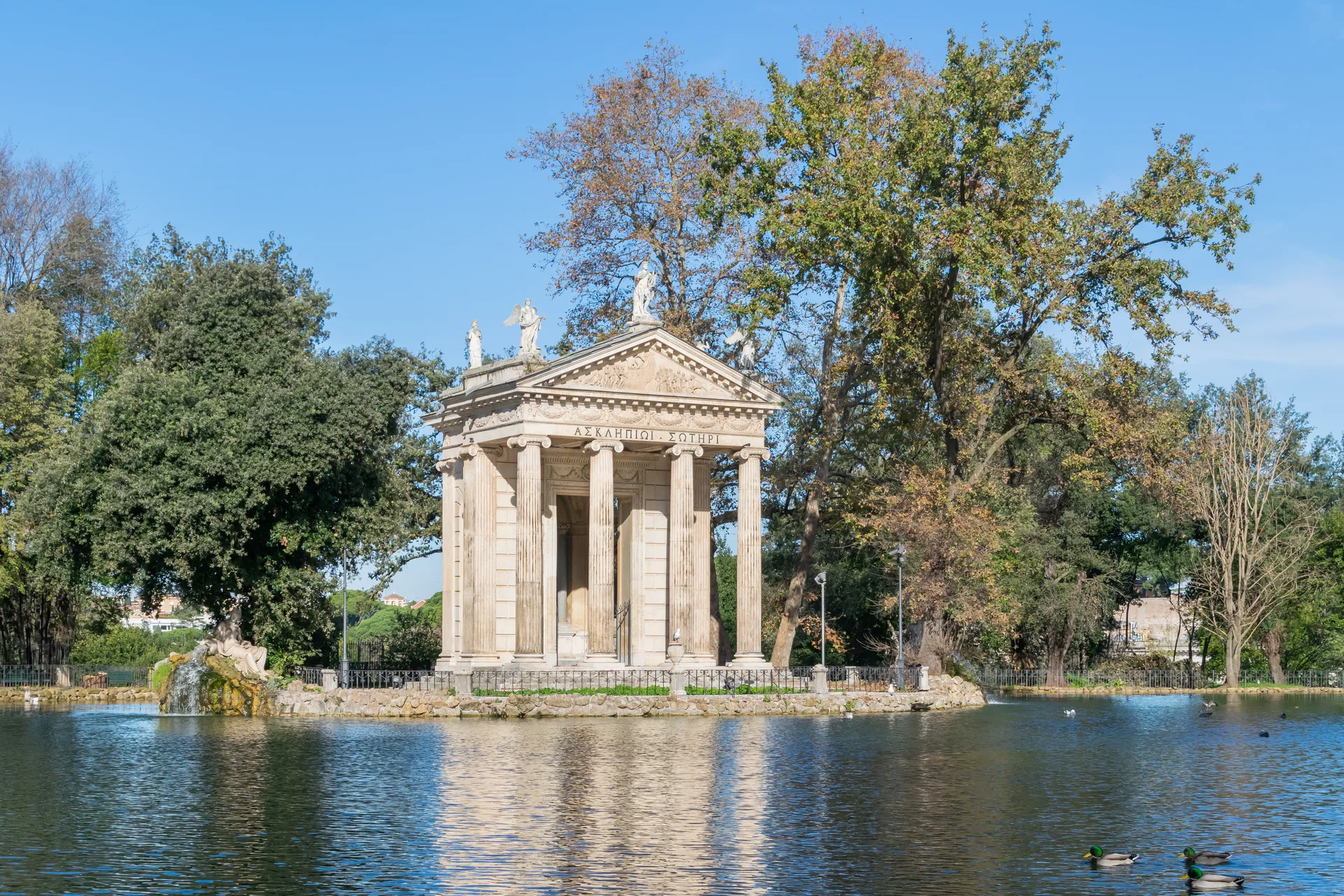
Villa Borghese Park
Rome's central green lung — 80 hectares of gardens, lakes and museums laid out by Cardinal Scipione Borghese in the 17th century, now the city's most popular park for a picnic, a rowboat, or an escape from the ruins.
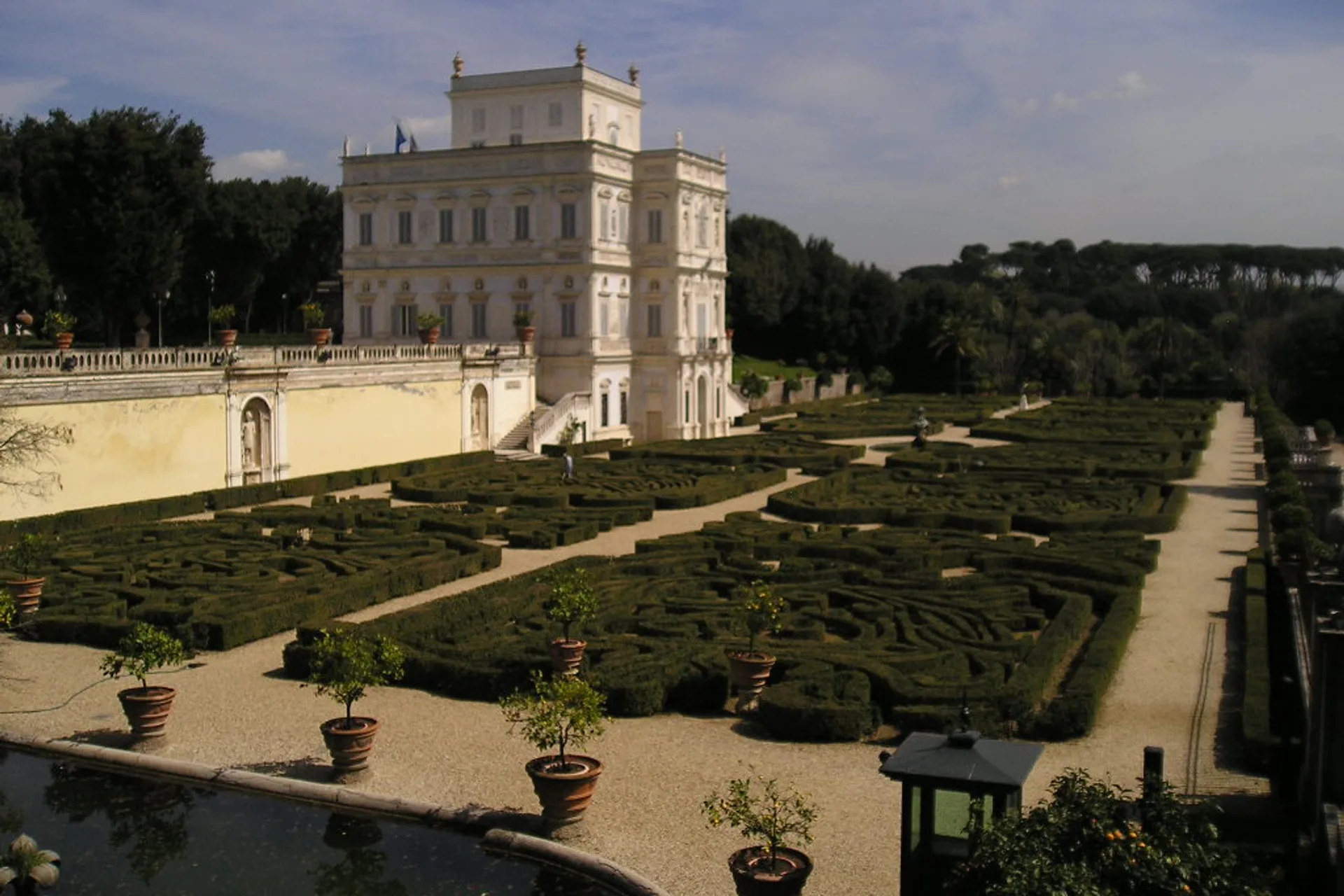
Villa Doria Pamphili Park
Rome's largest park by far, a genuinely local (rather than touristy) green space of pine-lined avenues, a small lake and a 17th-century villa — the place Romans themselves go to escape the crowds.
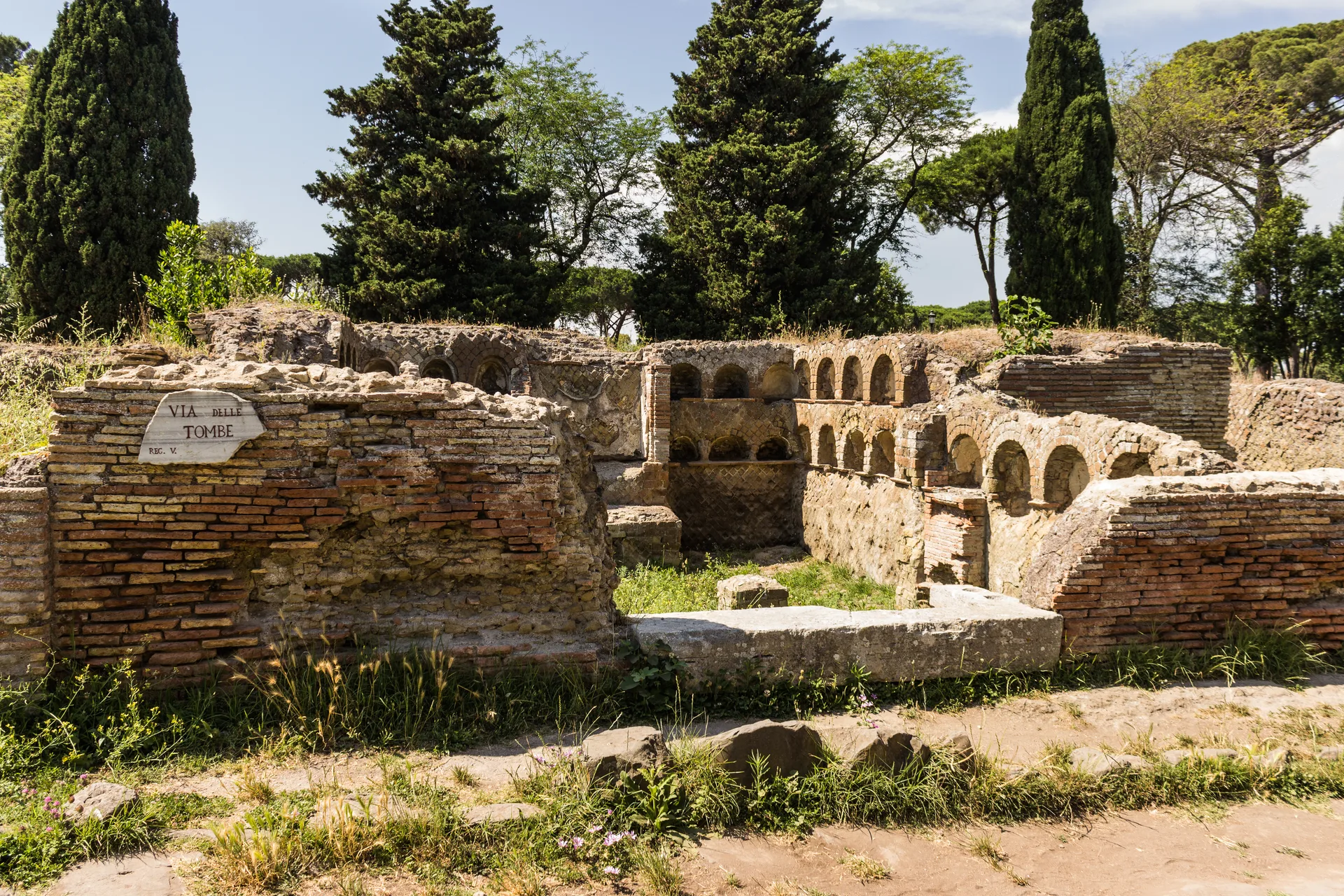
Ostia Antica
Rome's answer to Pompeii, minus the volcano — a genuinely vast, well-preserved ancient Roman port city, a 40-minute train ride away and dramatically less crowded than the Forum.
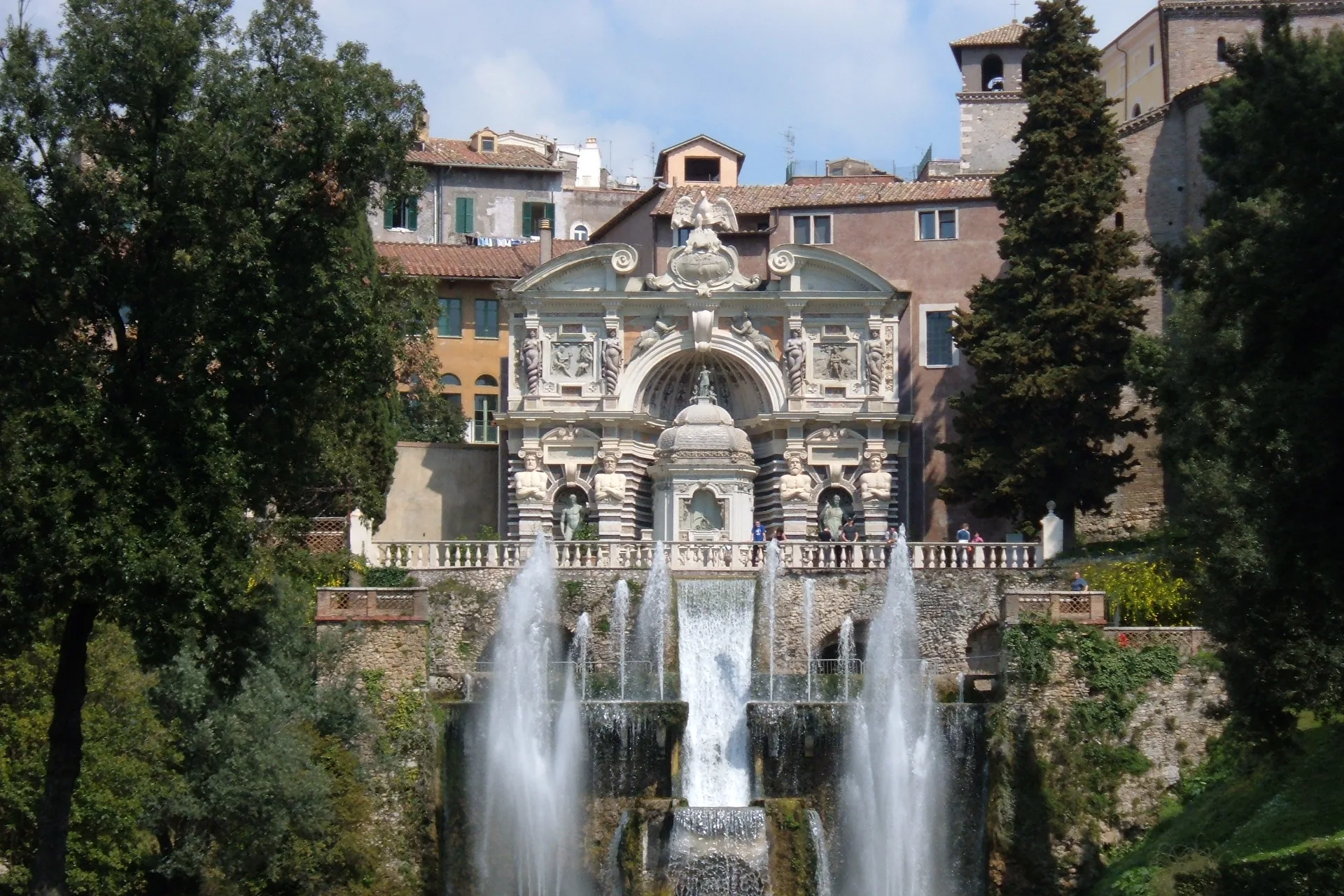
Tivoli Day Trip — Villa d'Este & Hadrian's Villa
Two UNESCO World Heritage sites in one hill town outside Rome — a Renaissance cardinal's fountain-filled pleasure garden and an emperor's sprawling private retreat, best done as a full-day guided trip.
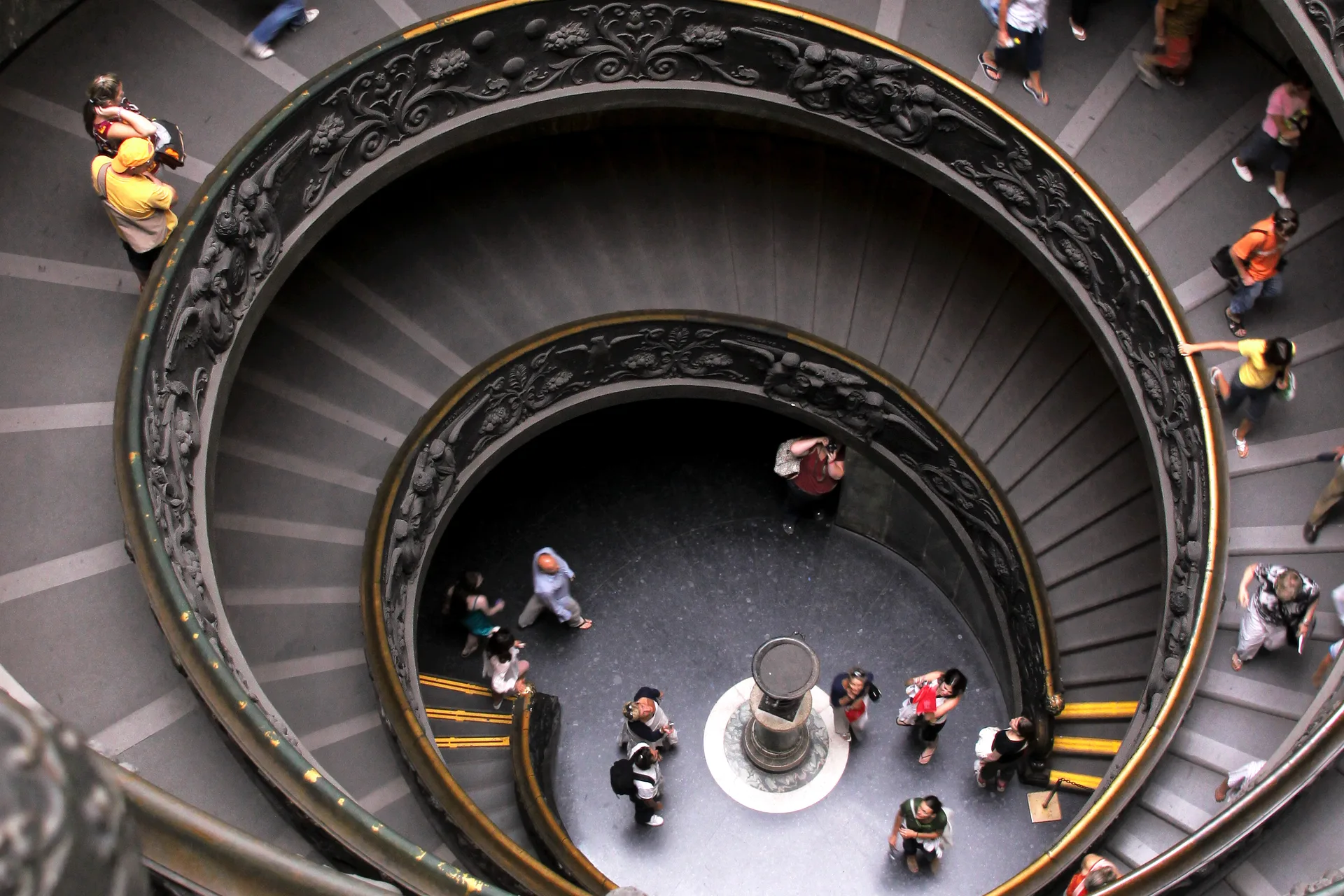
Vatican Museums & Sistine Chapel
One of the largest and richest museum complexes on earth — miles of papal collections leading to Michelangelo's Sistine Chapel ceiling, the single most-visited work of art in the world.
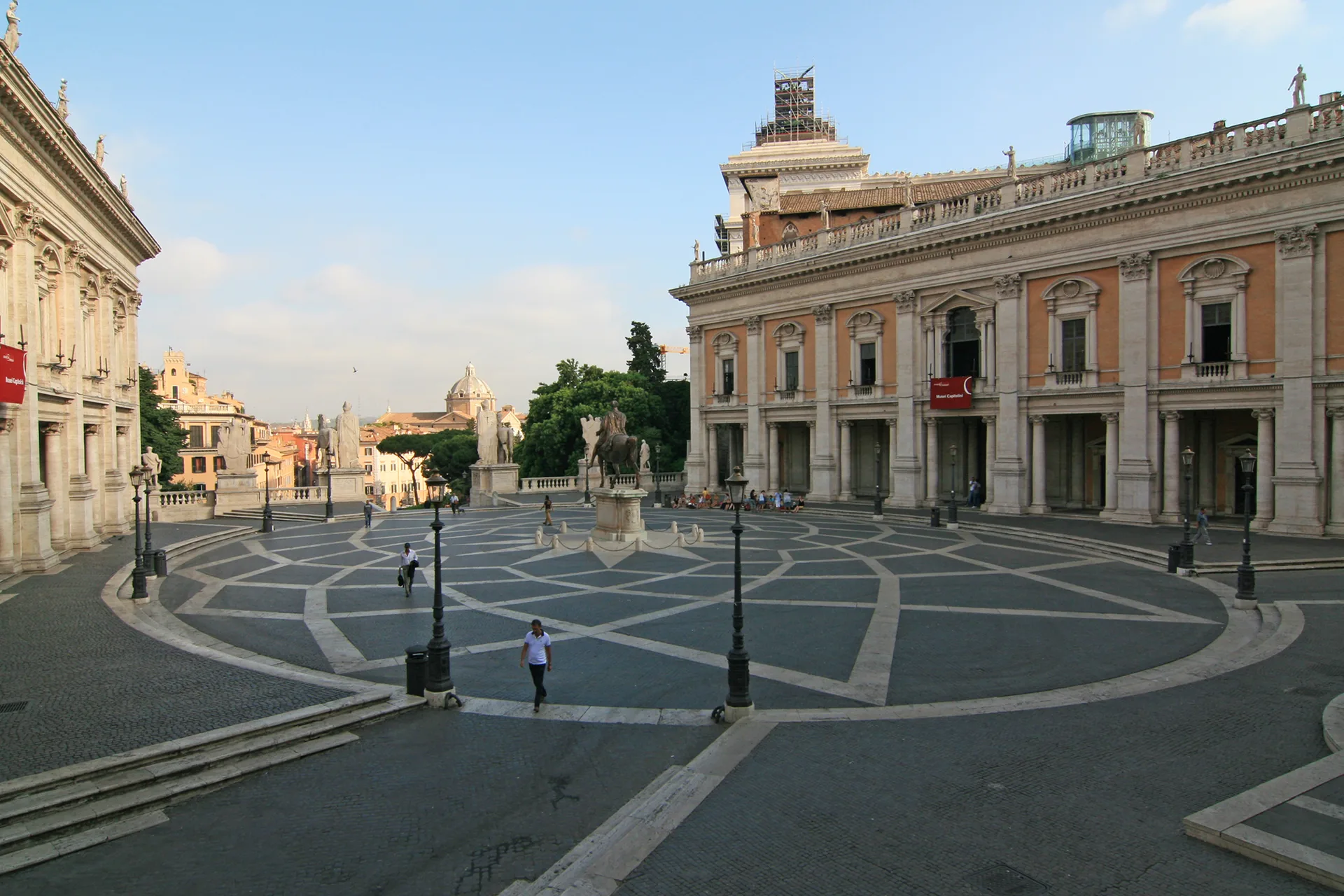
Capitoline Museums
The world's oldest public museum, opened in 1471 on the Capitoline Hill — home to the Capitoline Wolf, Marcus Aurelius's original bronze equestrian statue, and a room overlooking the Roman Forum.
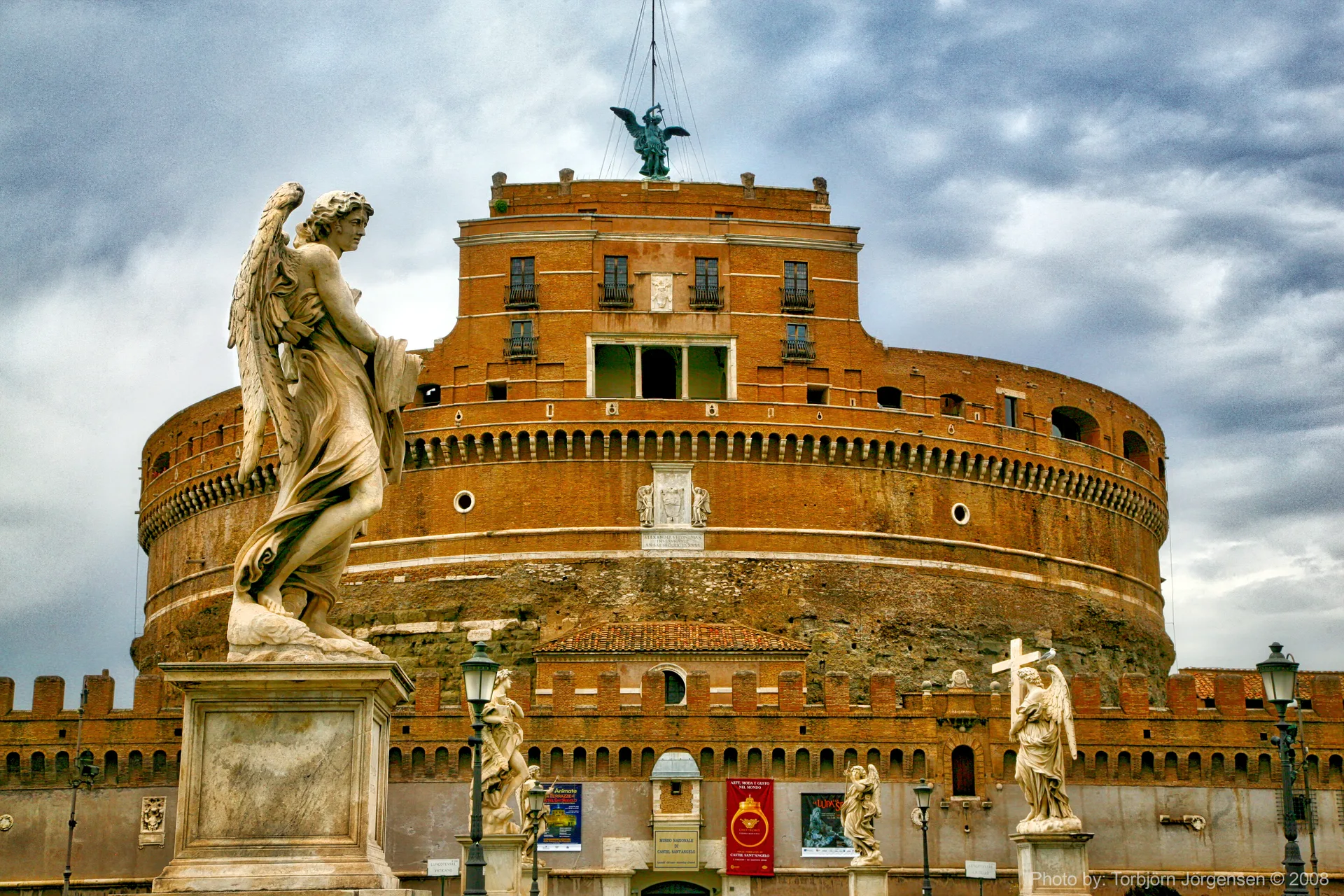
Castel Sant'Angelo
A cylindrical Roman mausoleum turned papal fortress and prison, connected to the Vatican by a secret elevated passage — climb to the rooftop for one of the best panoramic views in Rome.
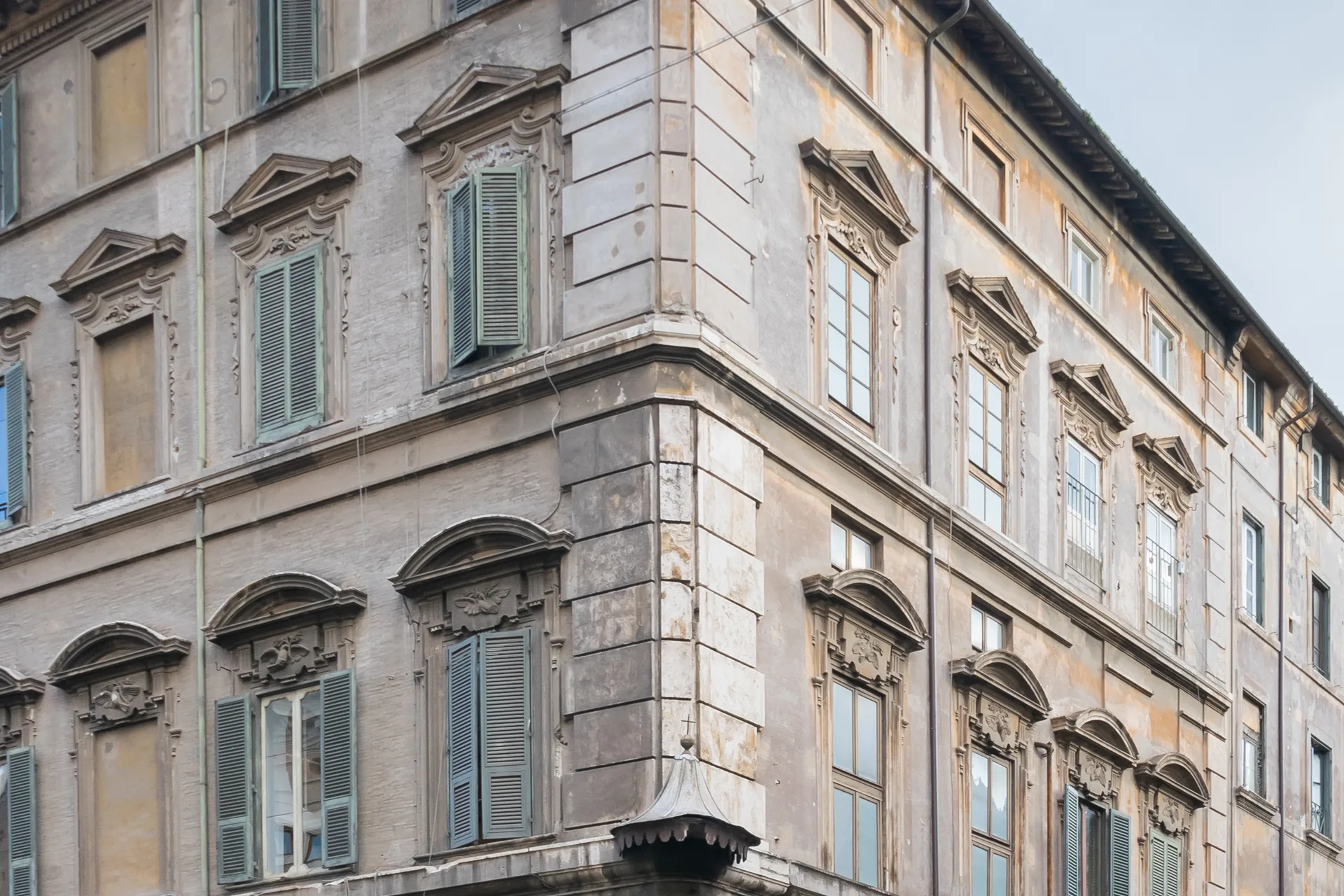
Galleria Doria Pamphilj
A private noble family's palace and art collection, still lived in and owned by their descendants — Velázquez's portrait of Pope Innocent X and Caravaggio's Rest on the Flight into Egypt among 400 years of accumulated masterpieces.
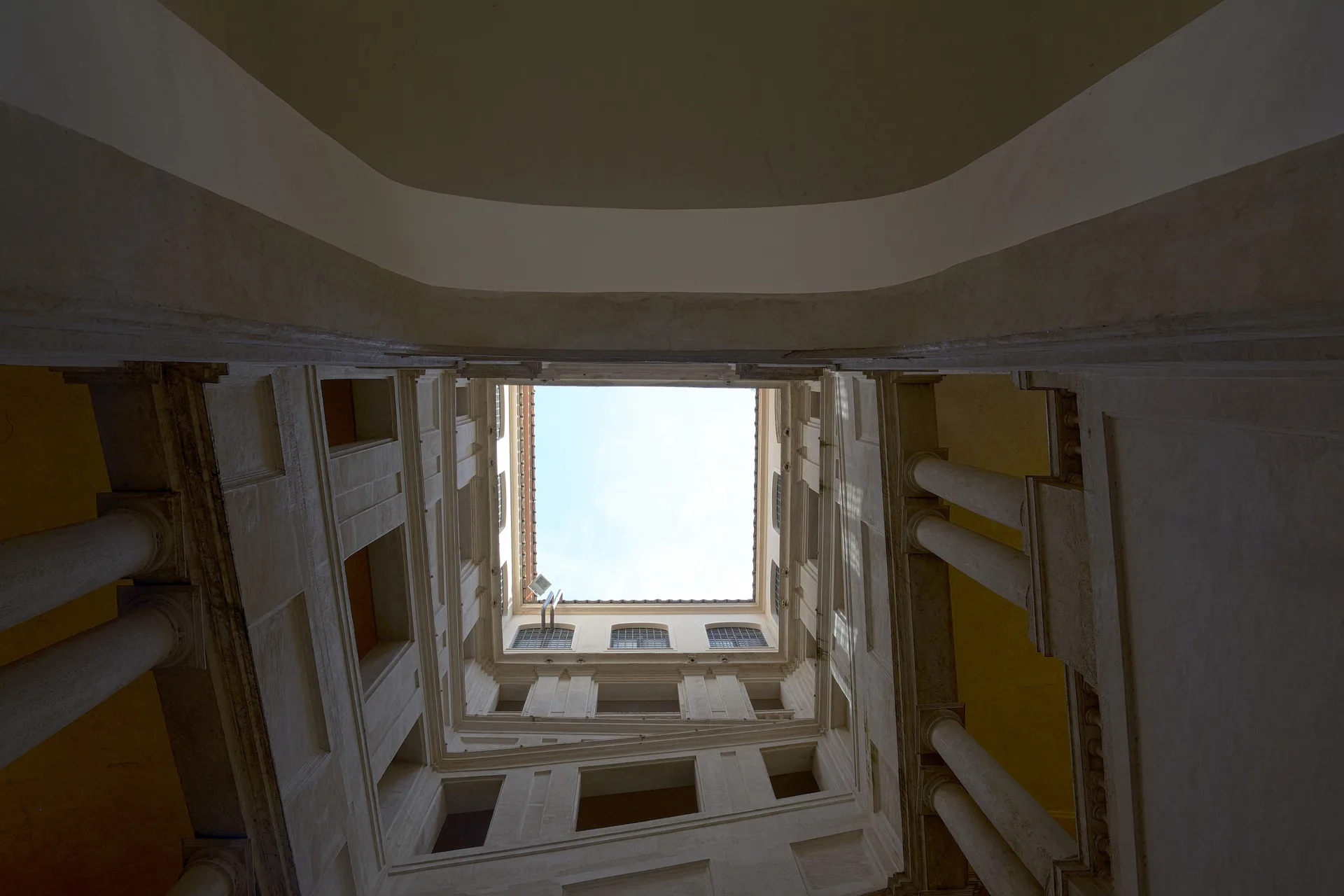
Palazzo Barberini
Rome's national gallery of old masters, inside a Baroque palace with two competing grand staircases by Bernini and Borromini — Caravaggio's Judith Beheading Holofernes and Raphael's La Fornarina under a ceiling fresco that swallows the whole room.
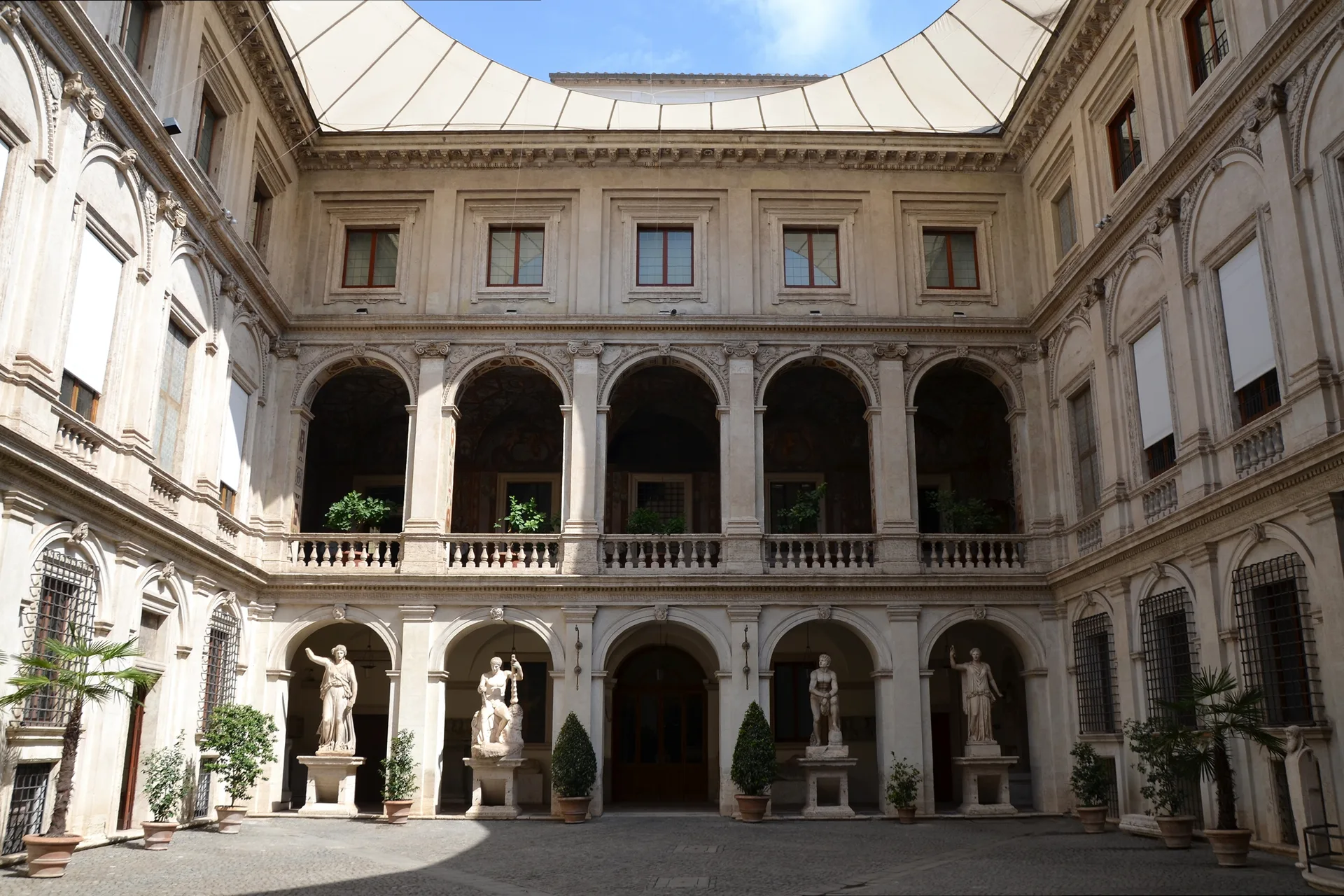
Palazzo Altemps
A quiet Renaissance palace near Piazza Navona holding some of the finest classical sculpture in the Museo Nazionale Romano collection, including the dramatically restored Ludovisi Throne and Galata Suicide.
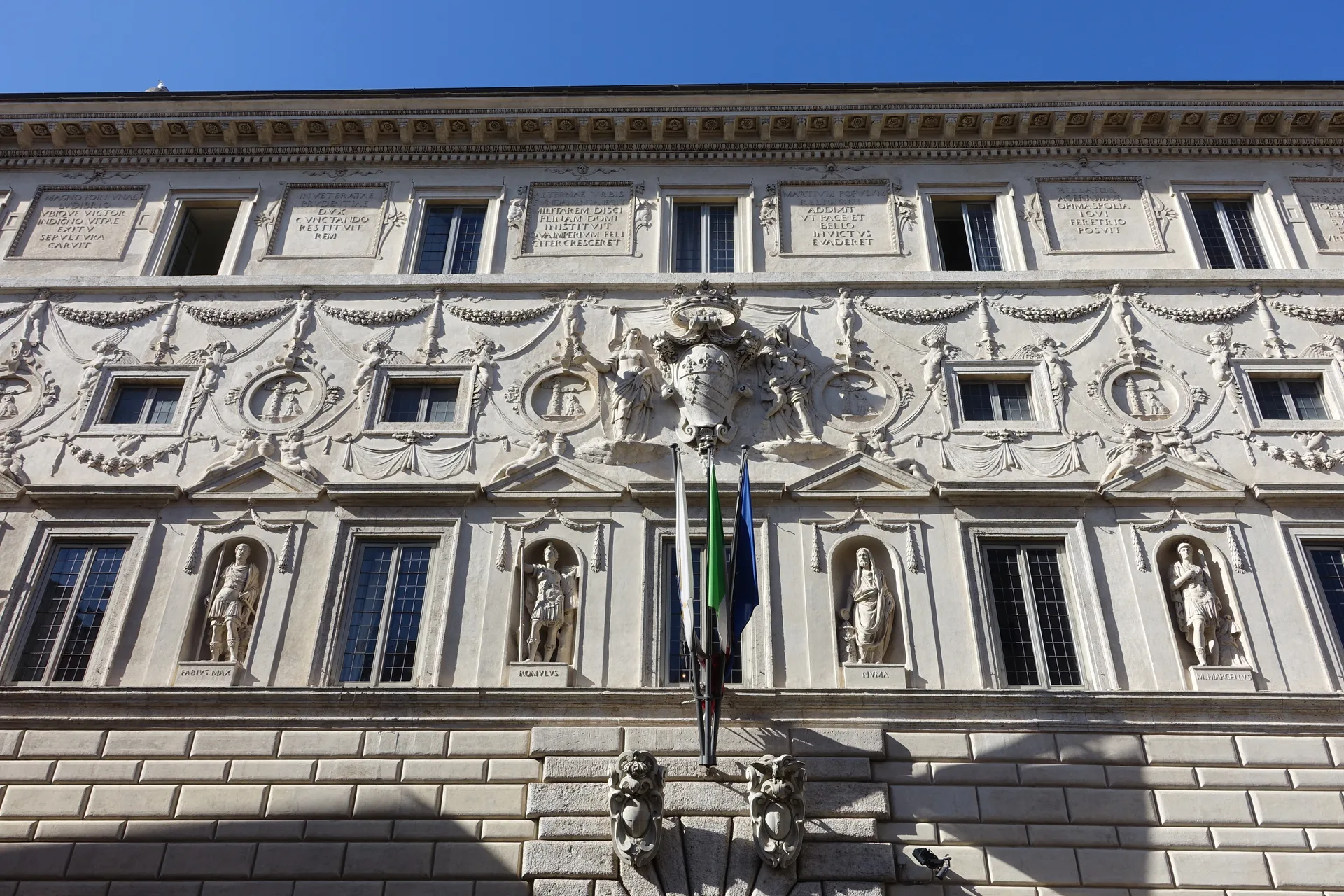
Galleria Spada
A small Baroque palace collection famous for one architectural trick — Borromini's forced-perspective corridor, an 8-metre passage engineered to look four times longer than it really is.
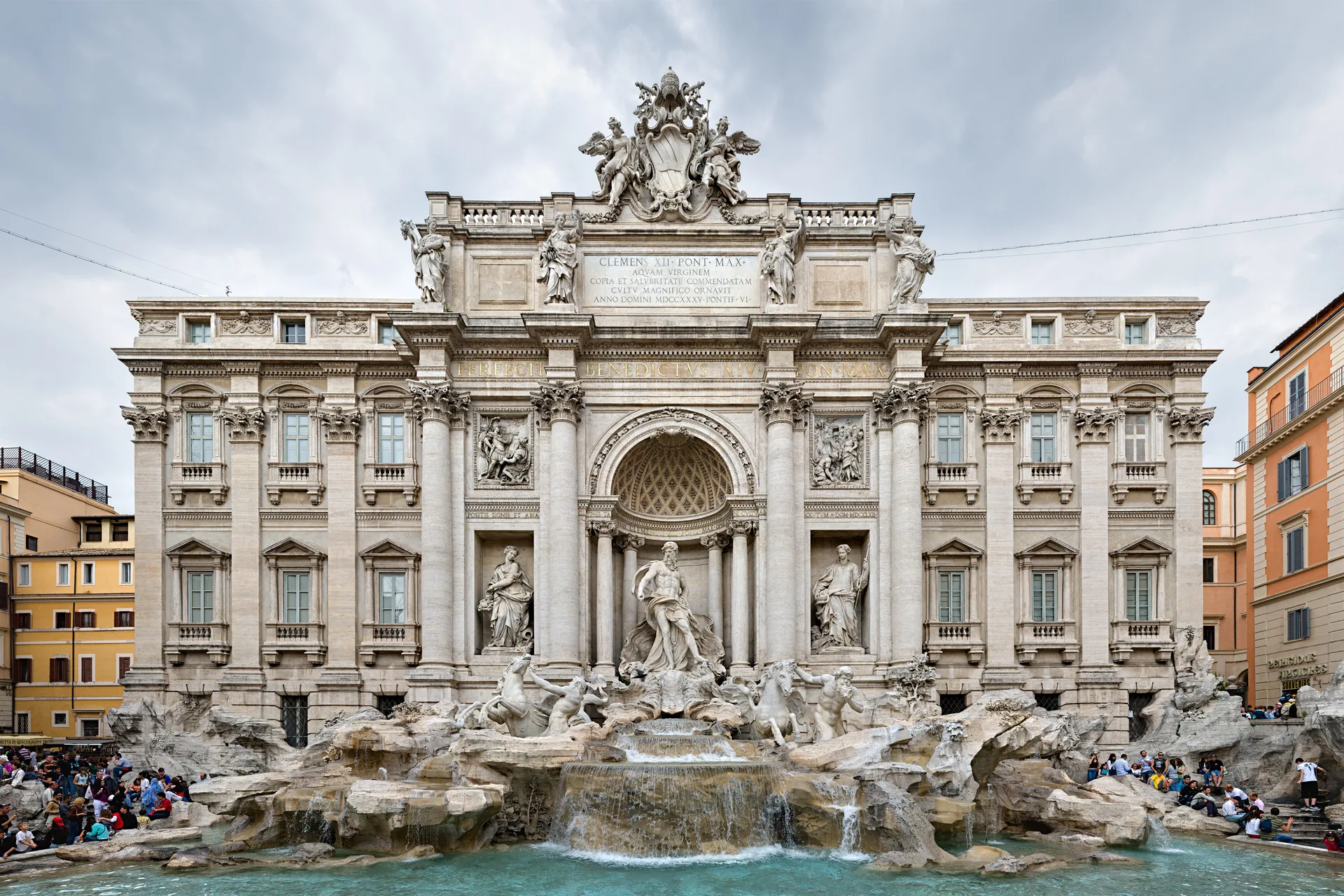
Trevi Fountain
Rome's largest and most theatrical Baroque fountain, where the tradition of throwing a coin over your shoulder to guarantee a return trip began — free to view, small fee to reach the closest railing.
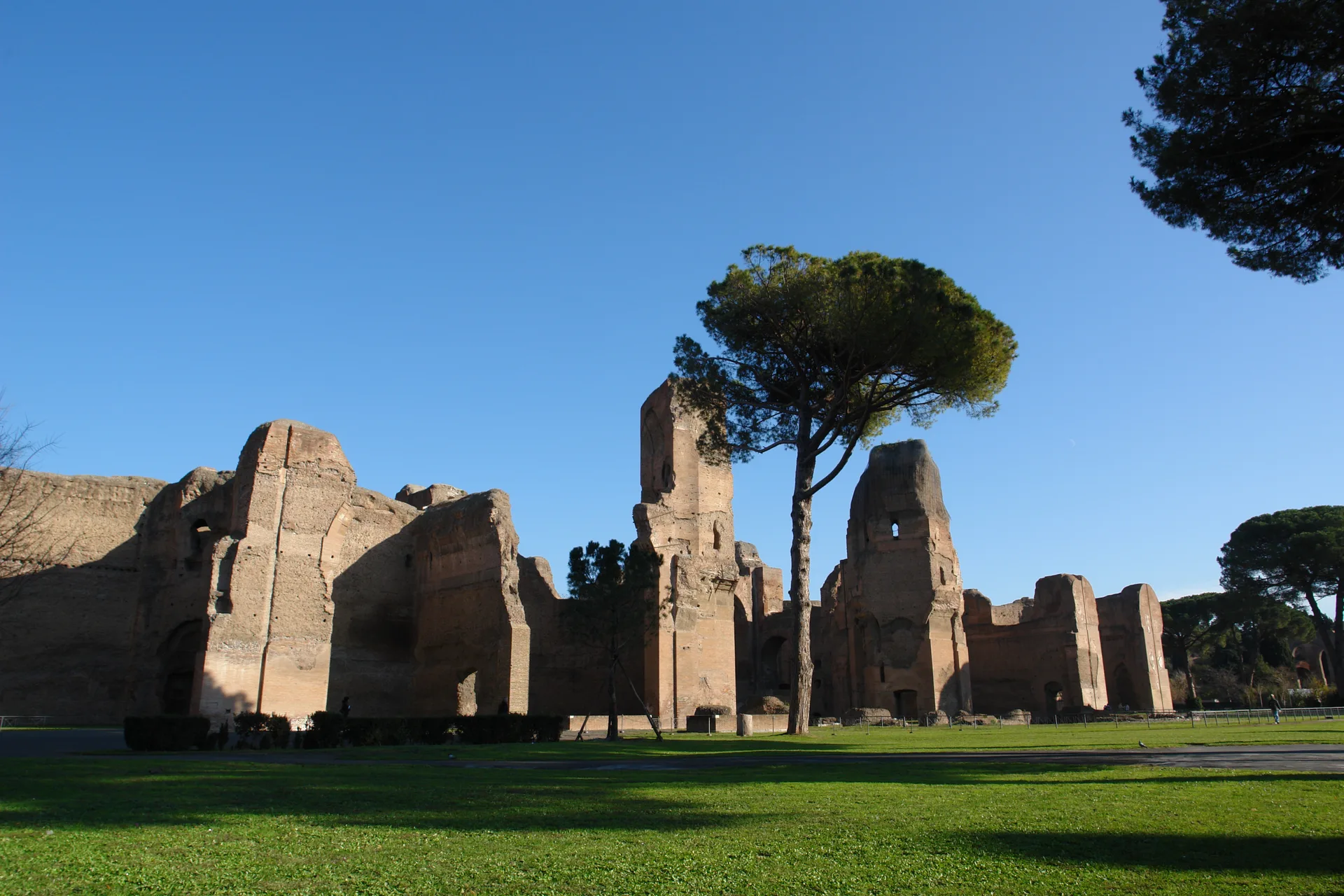
Baths of Caracalla
The best-preserved of ancient Rome's giant public bath complexes — soaring brick ruins that once held a library, gymnasiums and pools for up to 8,000 daily bathers, still used today as an opera stage in summer.
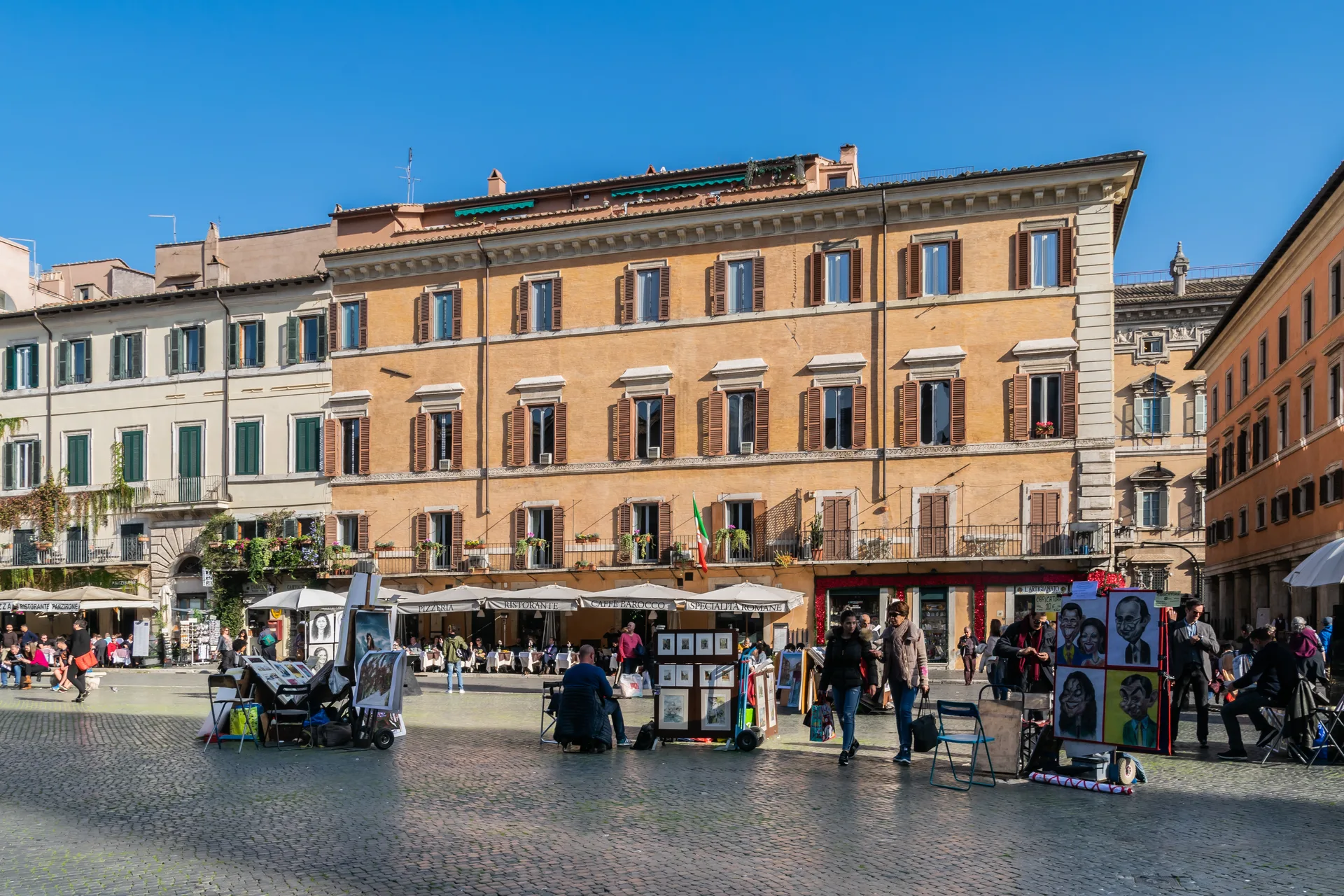
Piazza Navona
Rome's grandest Baroque piazza, shaped like the ancient stadium it was built over, anchored by Bernini's Fountain of the Four Rivers — free, open all hours, and one of the liveliest squares in the city after dark.
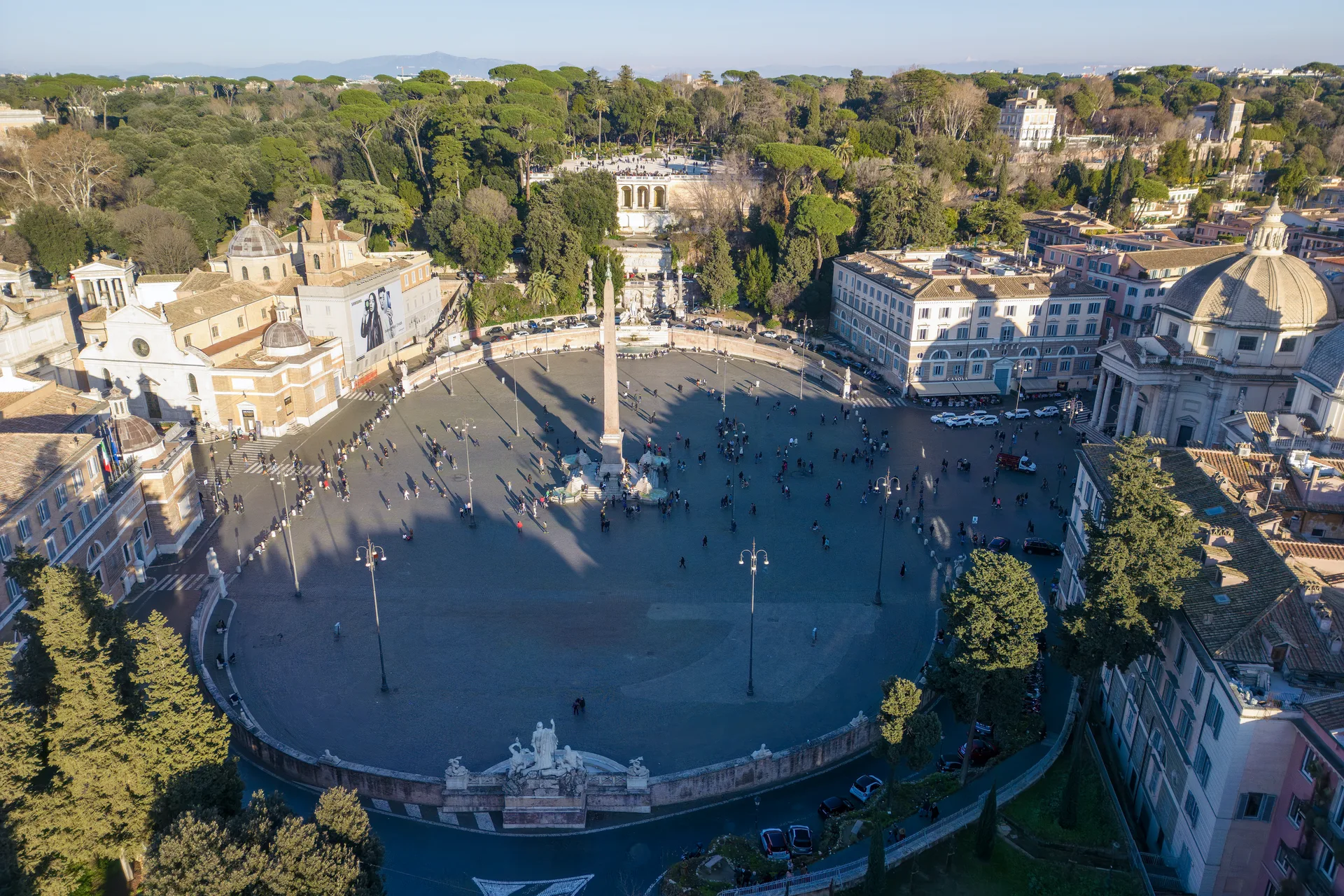
Piazza del Popolo
A vast neoclassical piazza at Rome's northern gate, marking the start of the ancient Via Flaminia — an Egyptian obelisk, twin Baroque churches, and one of the best free sunset viewpoints in the city just above it.
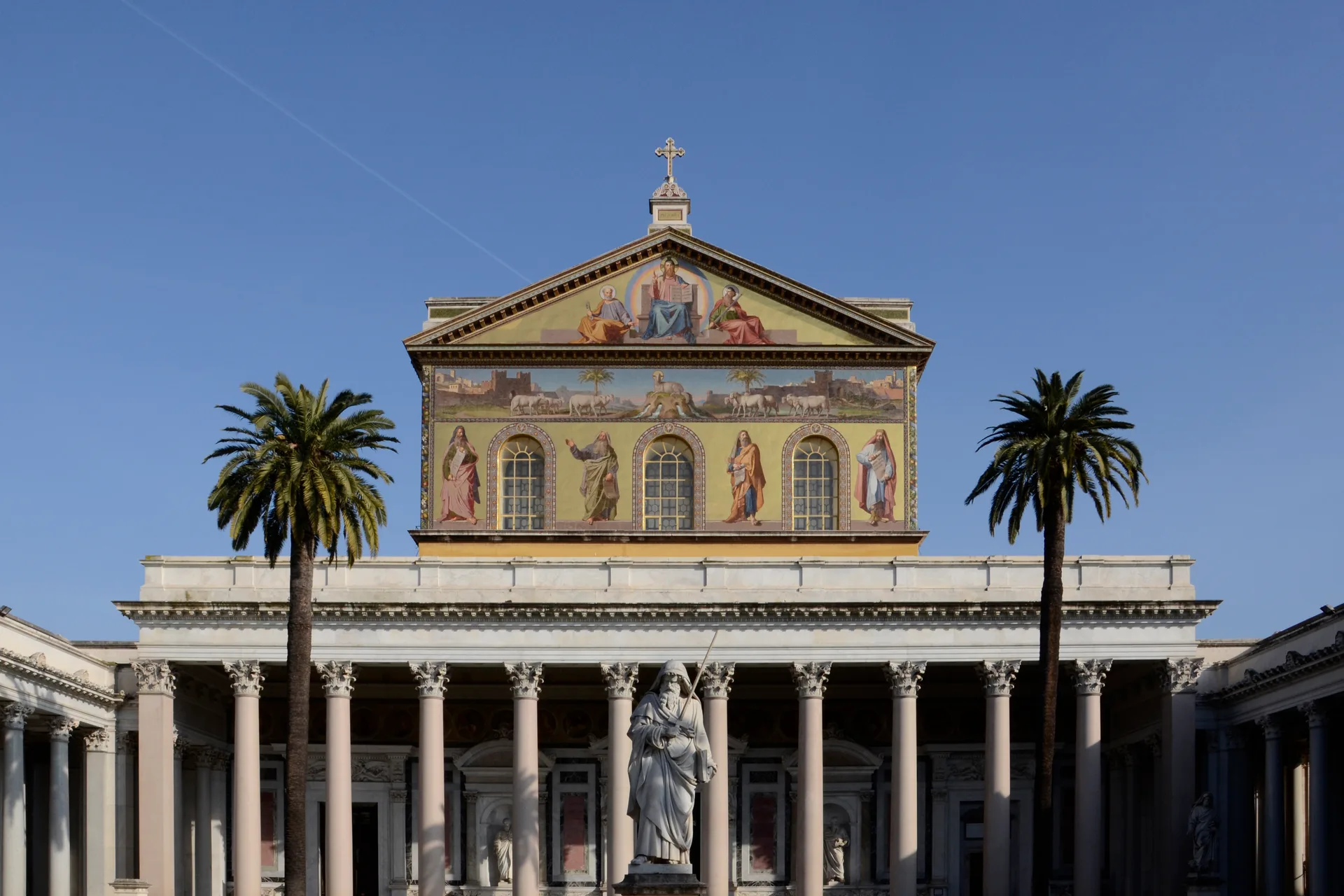
Basilica di San Paolo Fuori le Mura
St. Paul Outside the Walls — the second-largest church in Rome after St. Peter's, rebuilt after a devastating 1823 fire, with mosaic portraits of every pope in history ringing the nave.
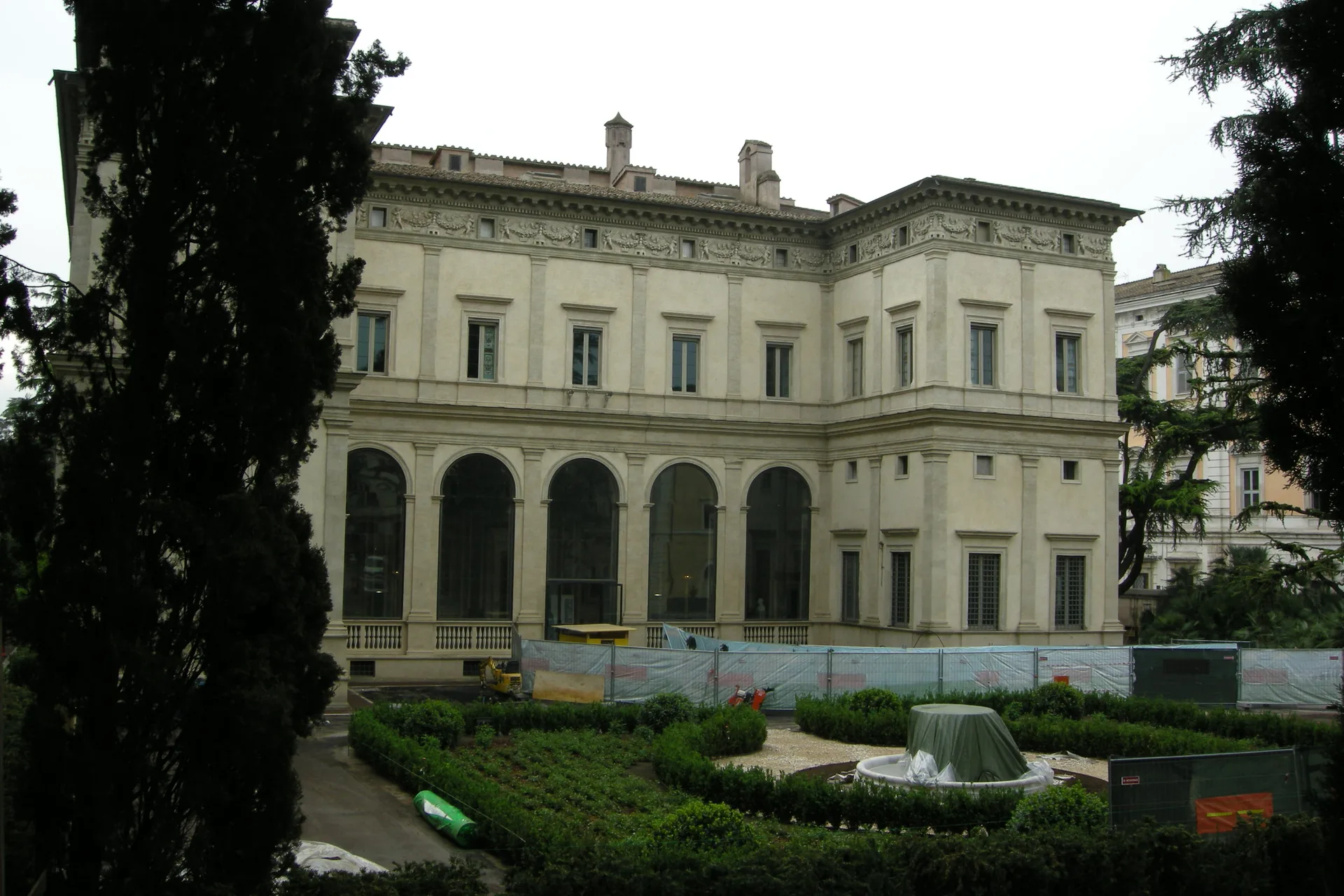
Villa Farnesina
A Renaissance banker's pleasure villa in Trastevere, frescoed by Raphael and his workshop — one of Rome's best Renaissance interiors and, by wide agreement, one of its least crowded.
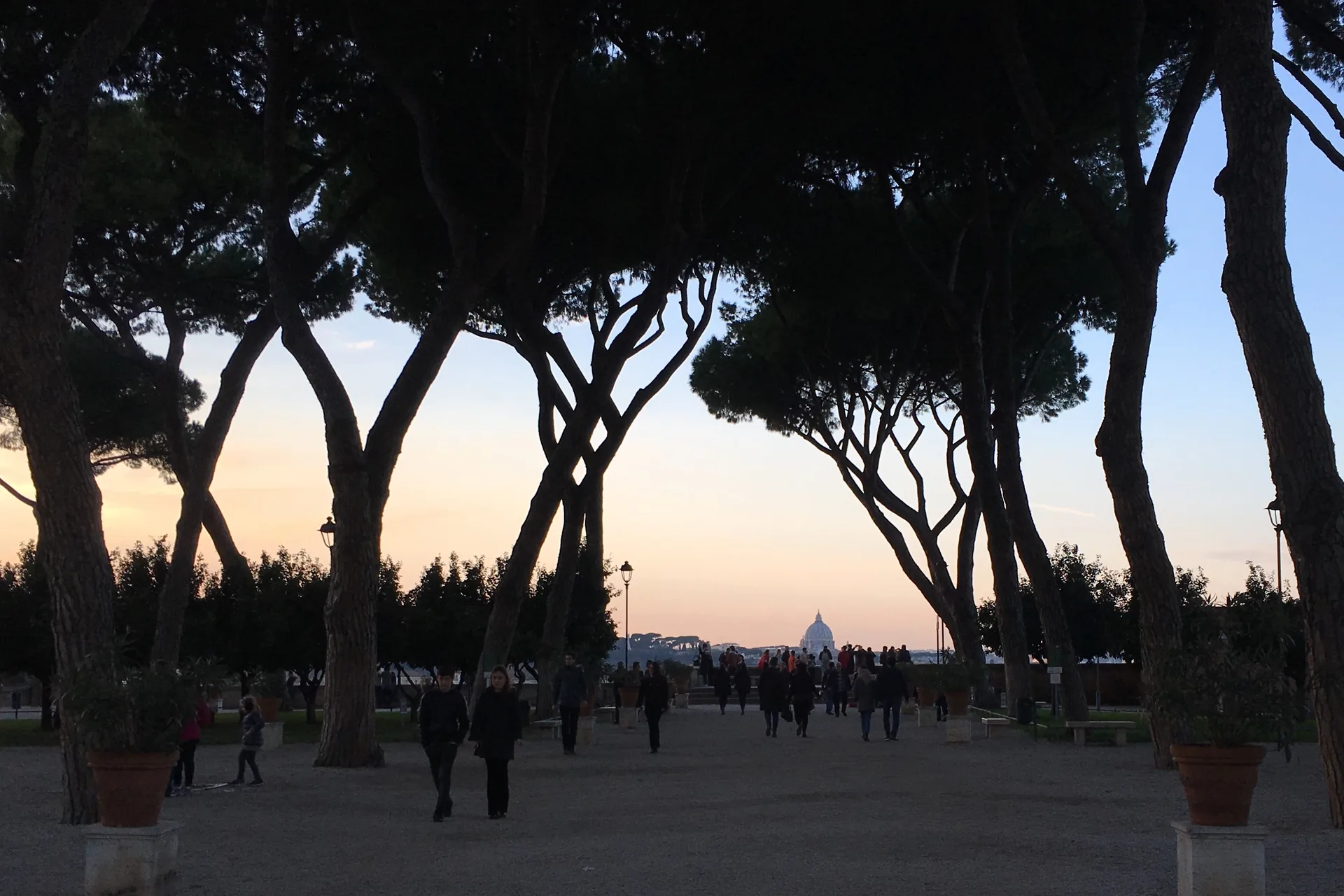
Aventine Keyhole & Orange Garden
A tiny, world-famous keyhole framing a perfectly centred view of St. Peter's dome through a garden hedge, paired with one of Rome's best free sunset viewpoints just a few steps away.
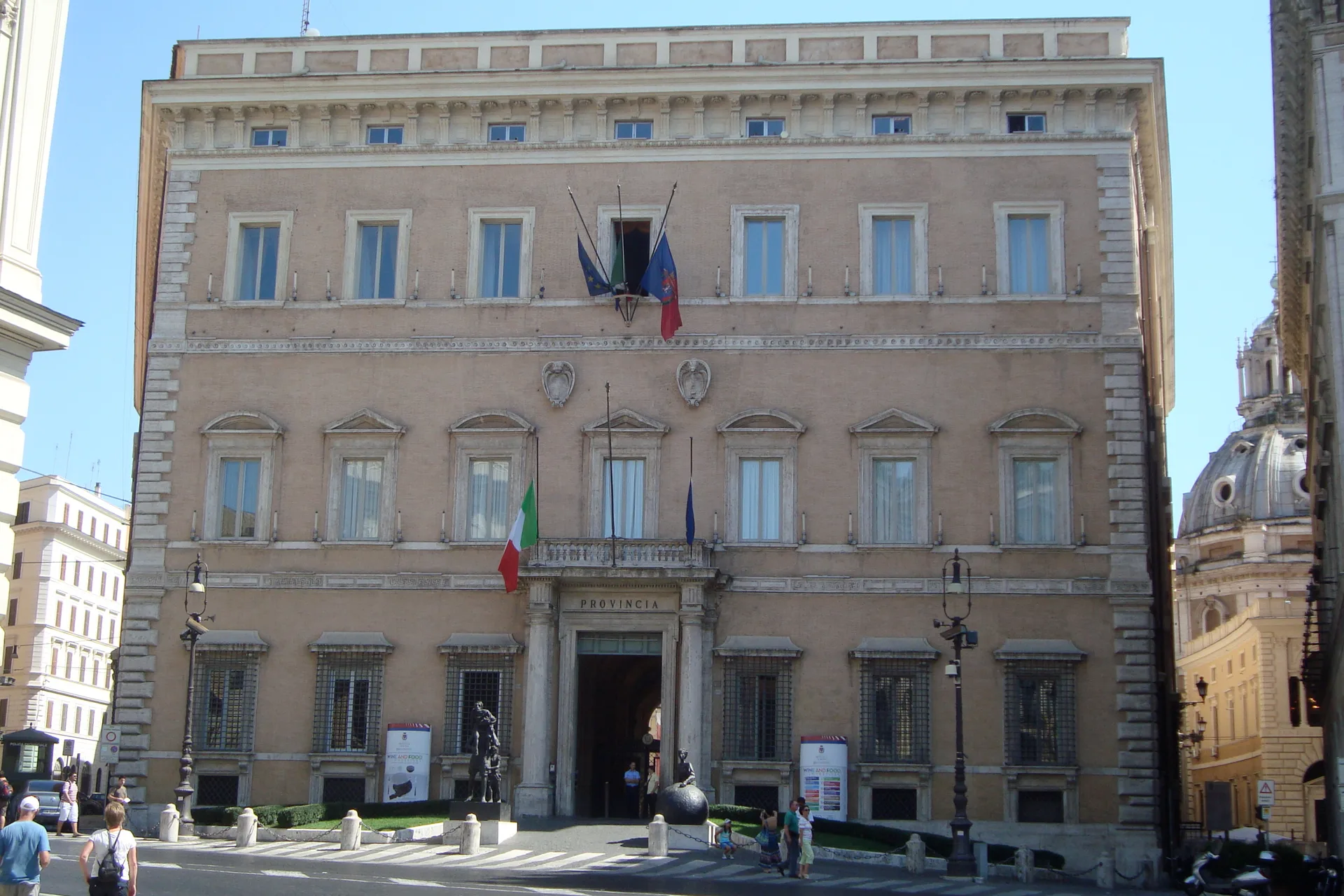
Domus Romane di Palazzo Valentini
Ancient Roman noble houses discovered beneath a Renaissance government palace, brought to life with a striking multimedia light-and-sound reconstruction rather than static ropes and labels.
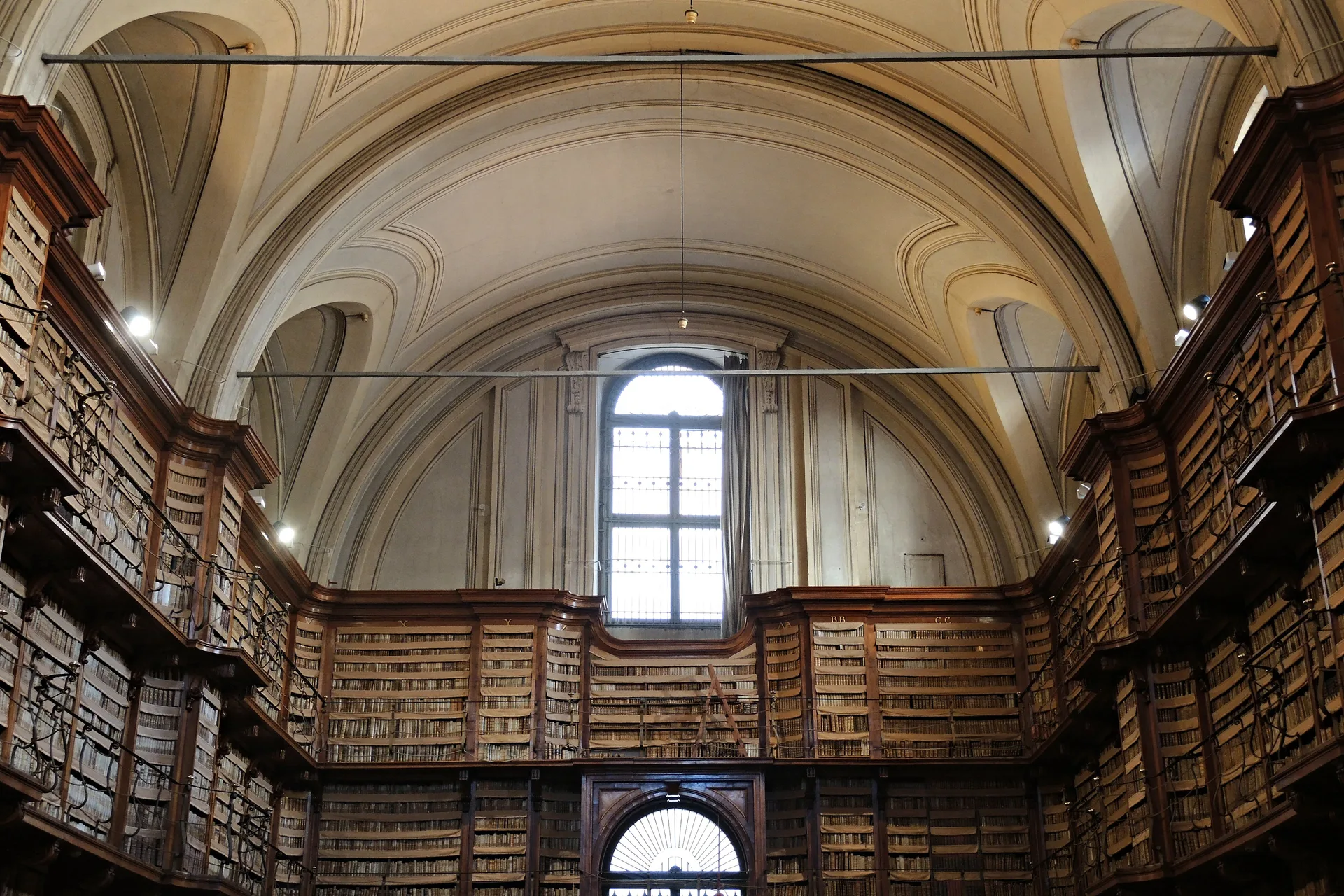
Biblioteca Angelica
Europe's oldest public library, founded in 1604 with a genuinely radical idea for its time — free access to books for anyone, regardless of class — still a working reading room today, near Piazza Navona.
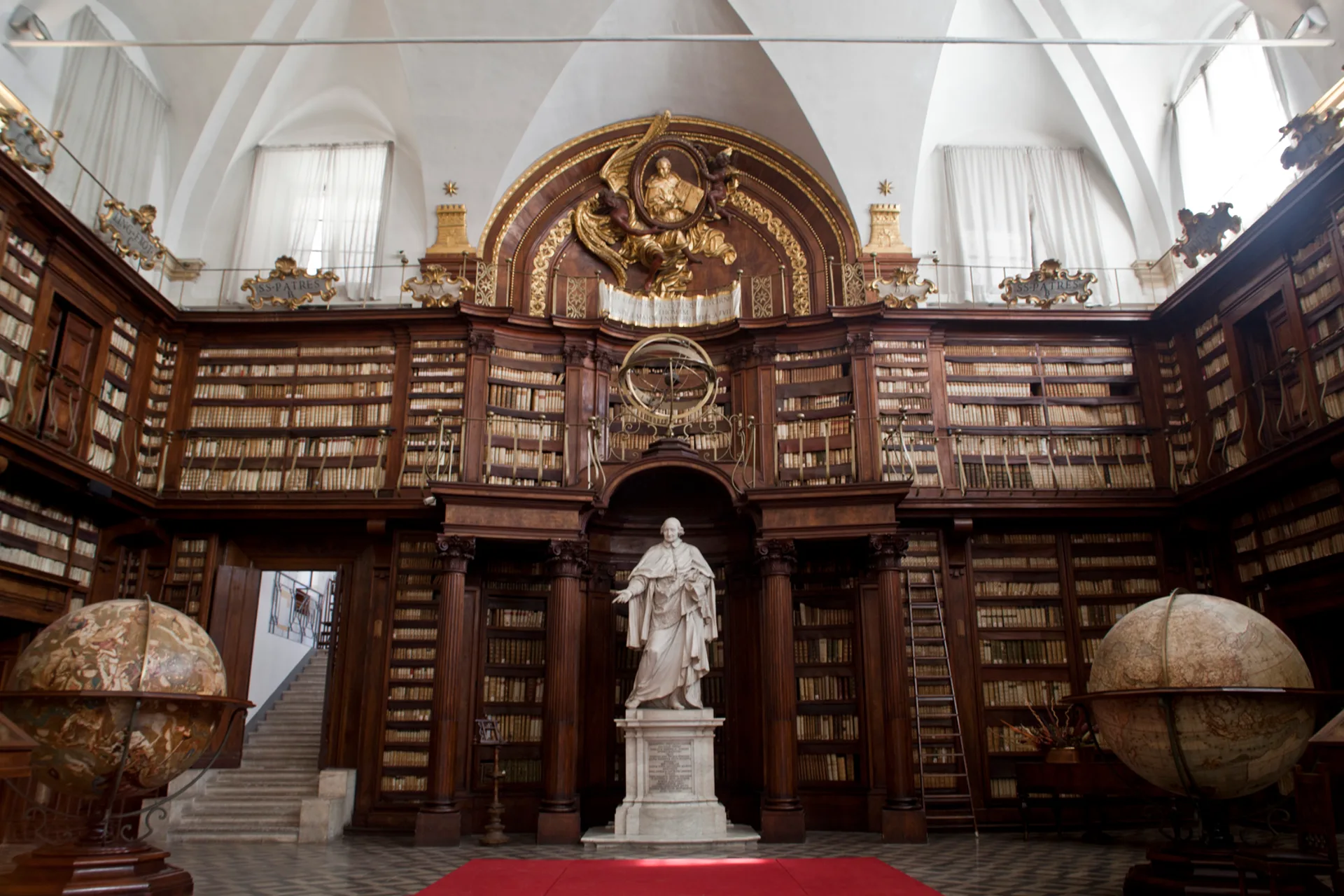
Biblioteca Casanatense
A grand 18th-century library founded on the personal collection of a cardinal, near the Pantheon — a monumental hall of frescoed ceilings and gilded shelving that reads as much as sculpture gallery as reading room.
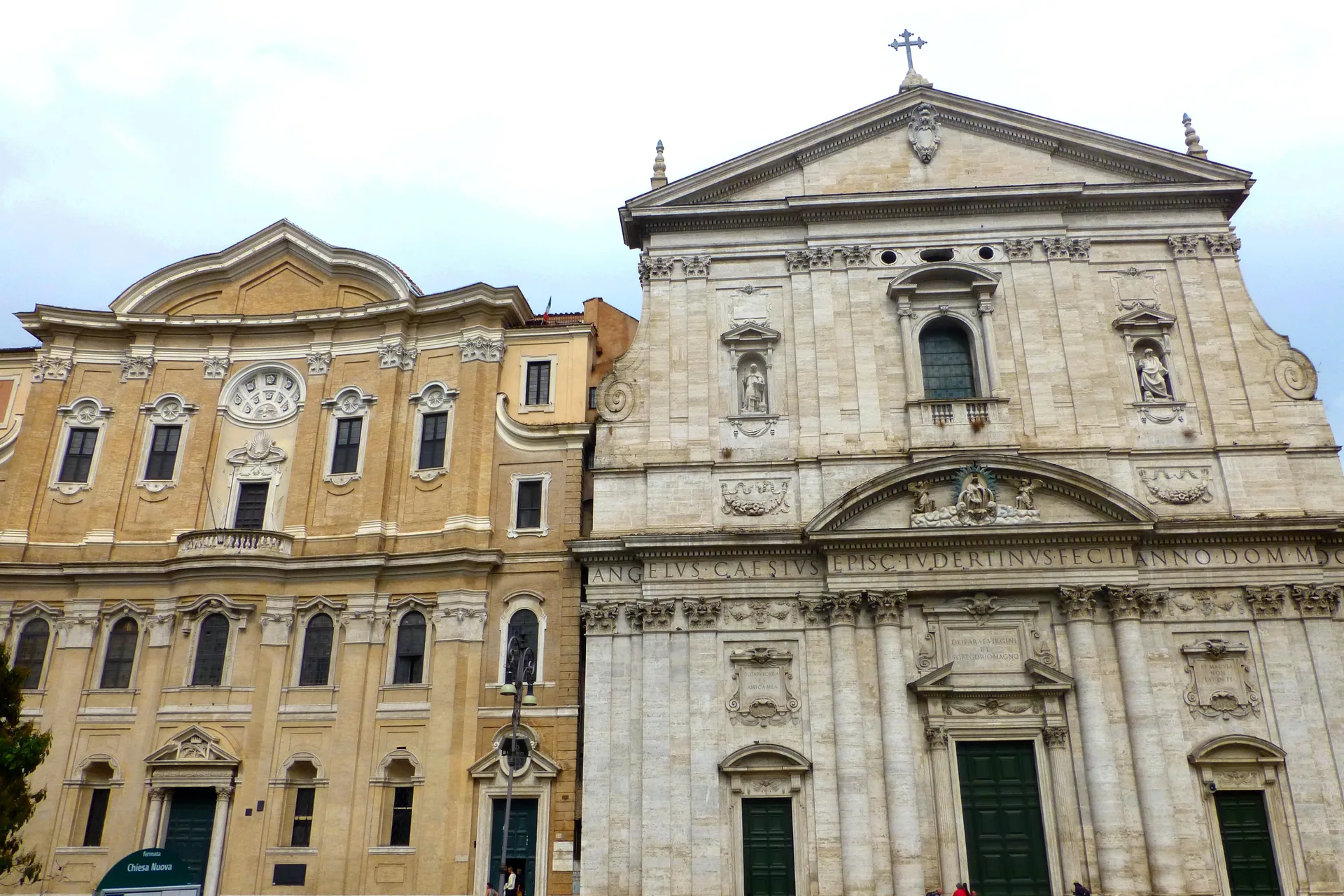
Biblioteca Vallicelliana
A Borromini-designed hall of manuscripts and rare books founded by a saint, tucked inside the Oratorio dei Filippini beside Chiesa Nuova — one of Rome's least-visited great library interiors.
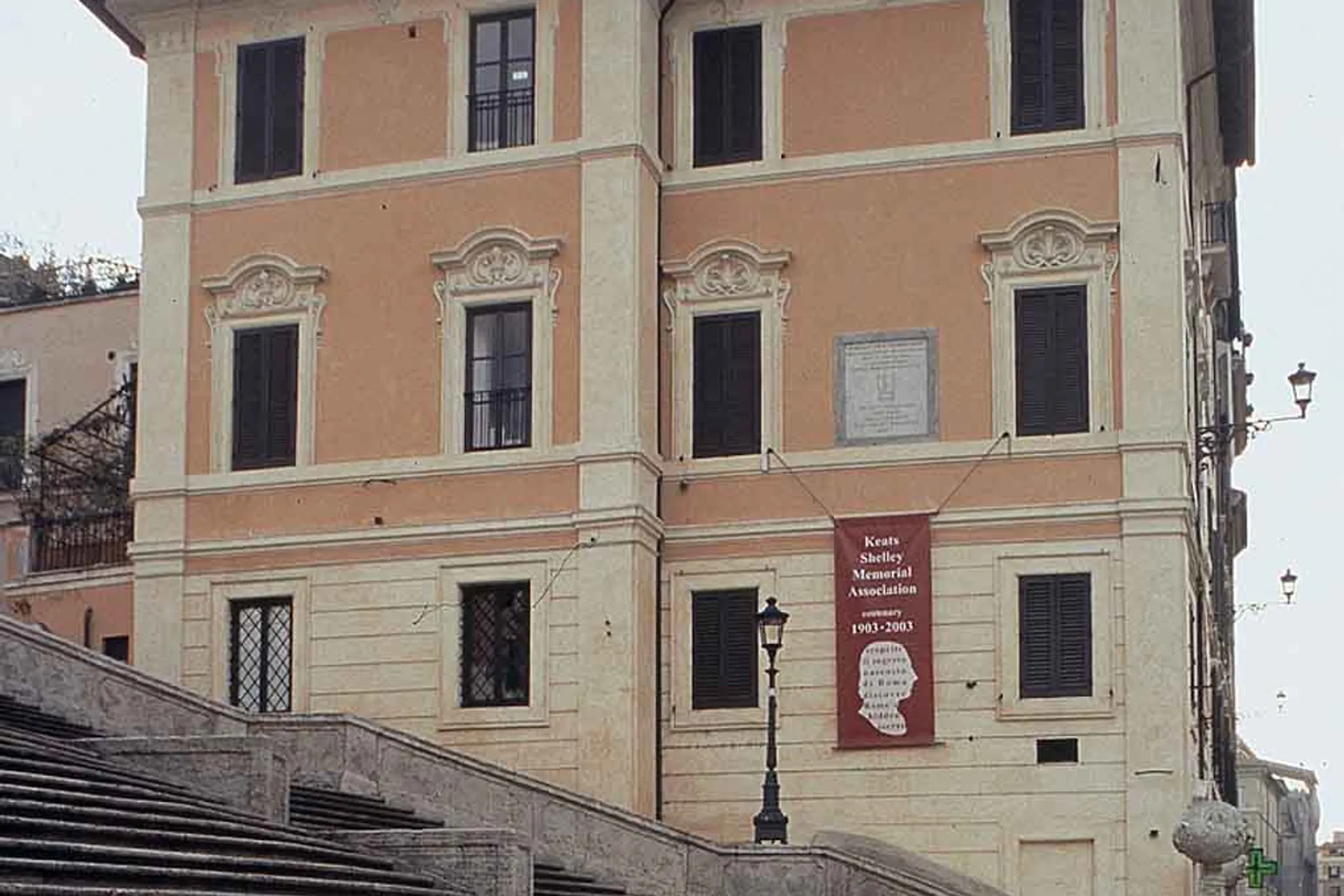
Keats-Shelley House
The small room beside the Spanish Steps where poet John Keats died in 1821, aged 25 — now a compact literary museum honouring the English Romantic poets' deep, complicated relationship with Rome.
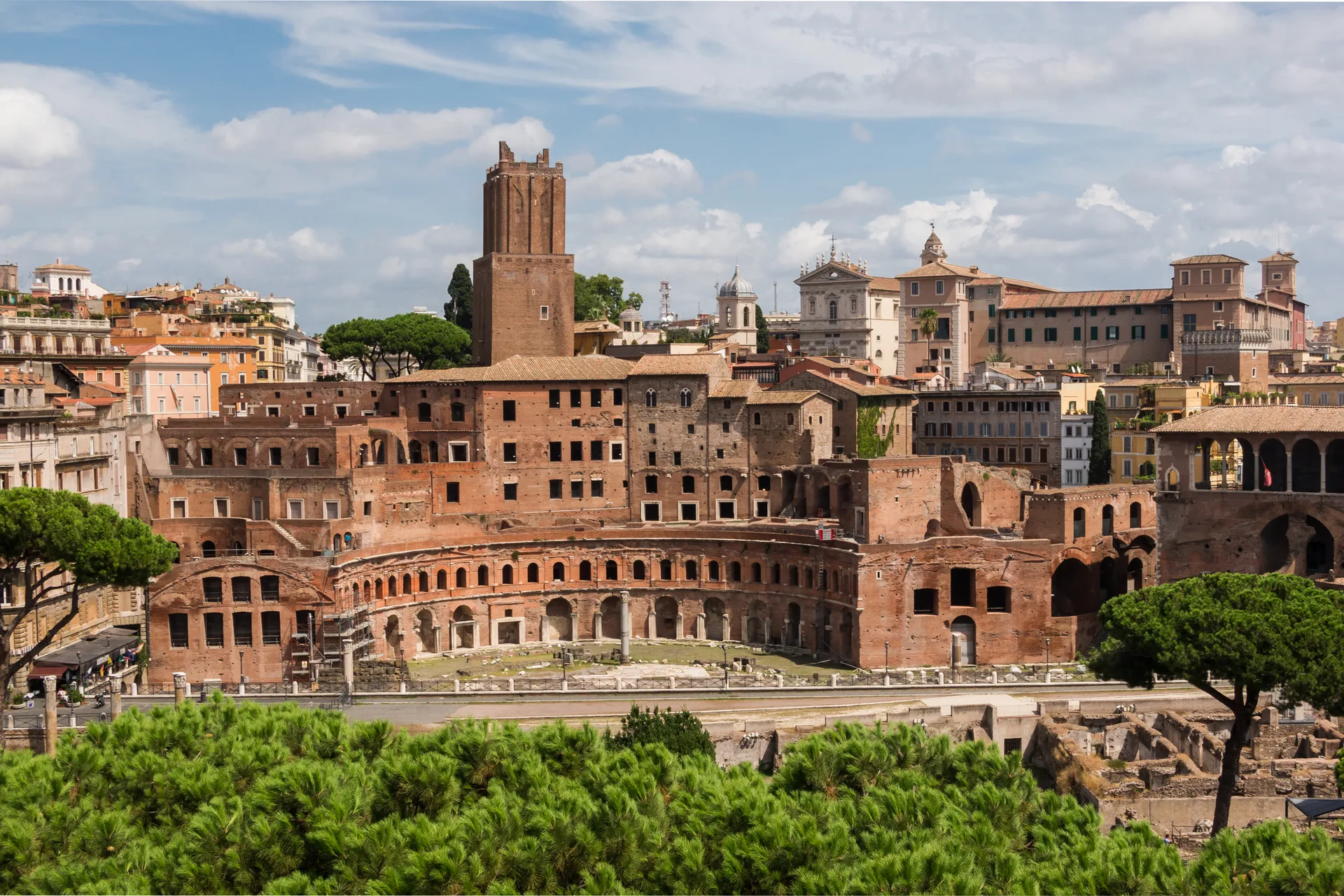
Trajan's Market & Museum of the Imperial Forums
Often called the world's oldest shopping mall — a multi-level complex of ancient brick-and-concrete shop units and halls built into the hillside above Trajan's Forum, now a museum of the Imperial Forums.
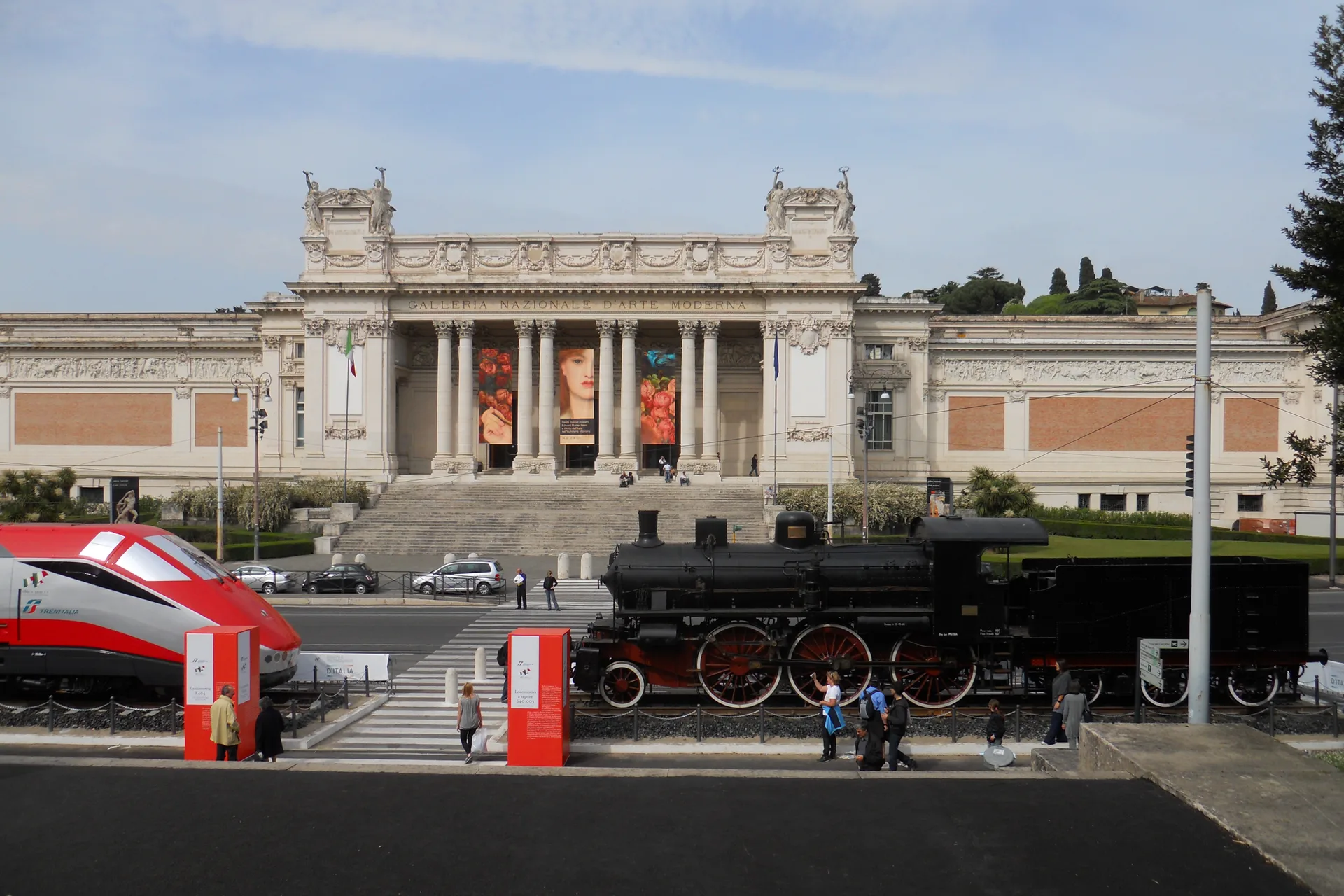
Galleria Nazionale d'Arte Moderna (GNAM)
Italy's national gallery of 19th- and 20th-century art, inside a grand neoclassical building at the edge of Villa Borghese — Canova, Boccioni's Futurism, De Chirico, Klimt and Van Gogh under one roof, with barely any crowds.
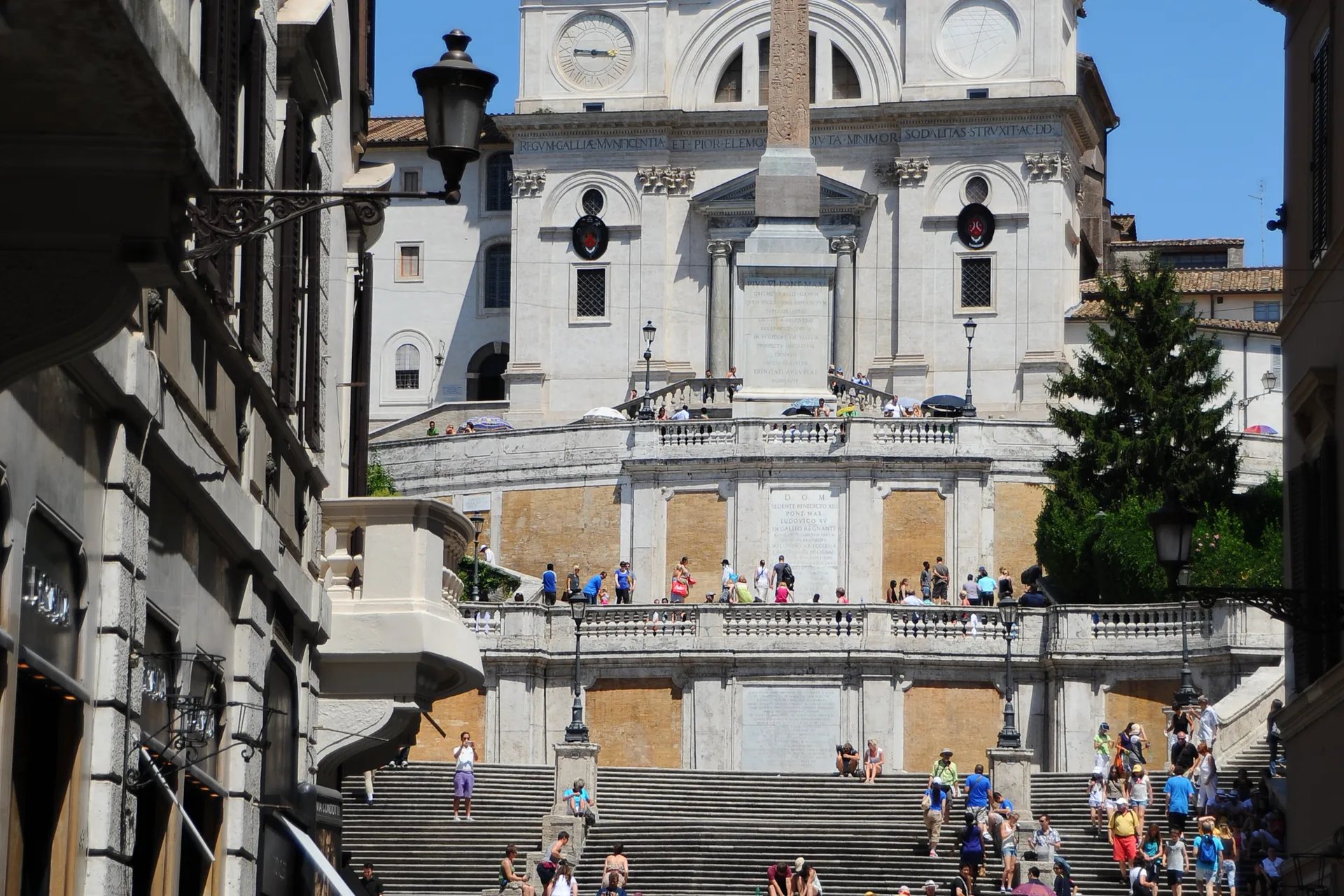
Spanish Steps
Europe's longest and widest outdoor staircase, connecting a French-funded piazza to a French church, named for a Spanish embassy — 135 steps of pure 18th-century Roman theatre.
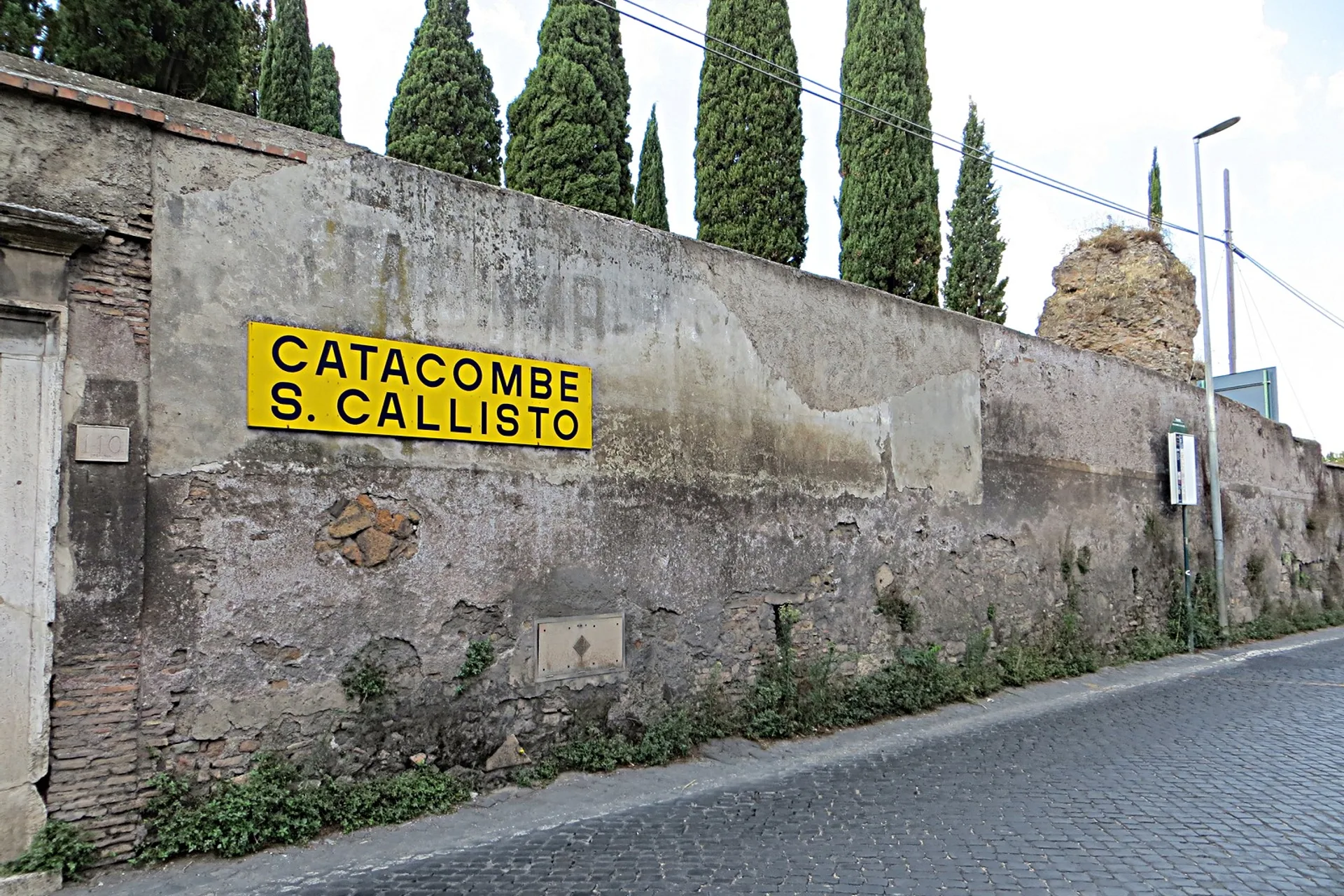
Catacombs of San Callisto
The largest and most important of Rome's Christian catacombs, burial place of numerous early popes — visited only by mandatory guided tour, roughly 20 kilometres of tunnels carved into soft volcanic rock.
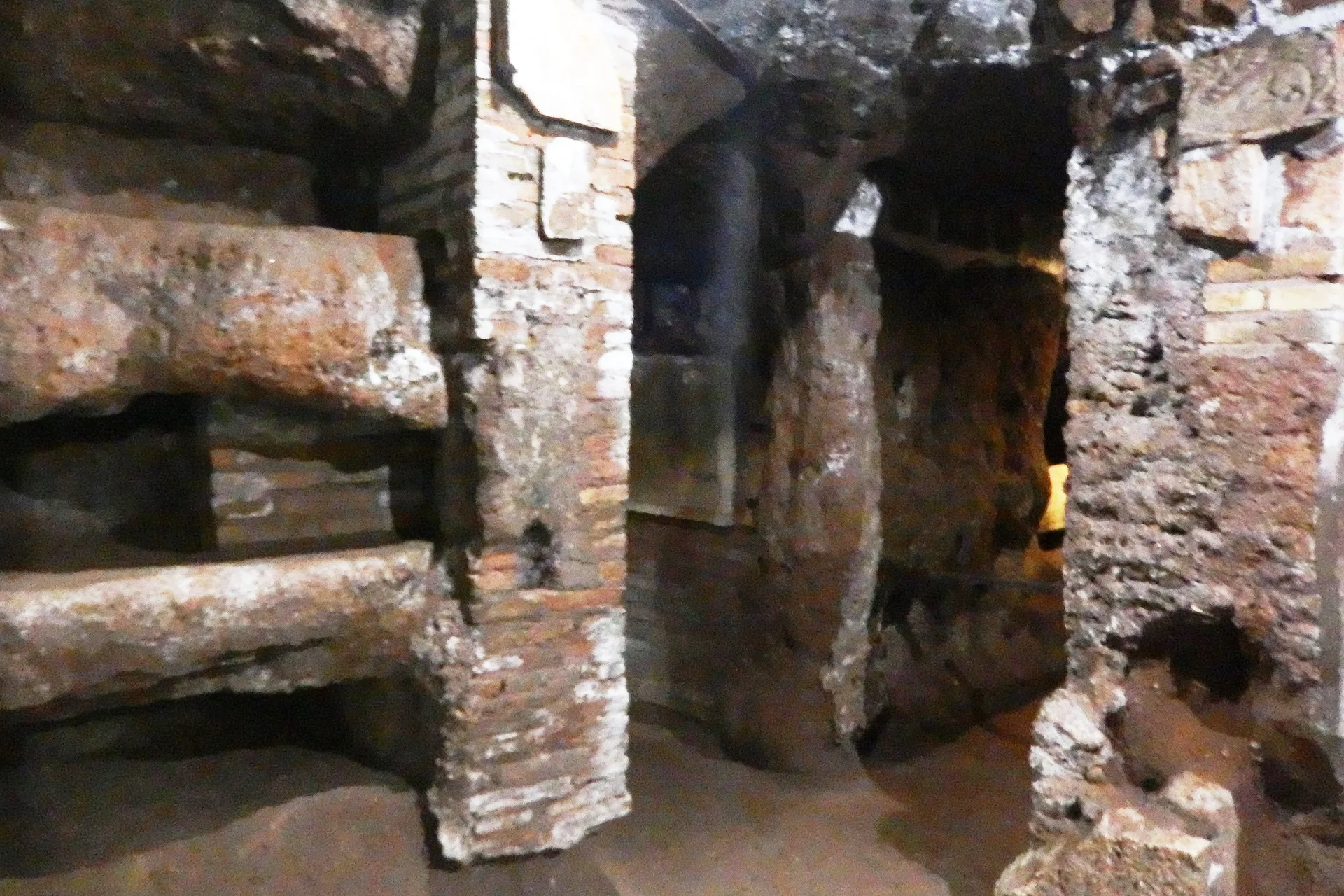
Catacombs of San Sebastiano
The only Roman catacombs to keep their name continuously since antiquity — four levels of tunnels beneath a basilica said to have briefly sheltered the remains of Saints Peter and Paul.
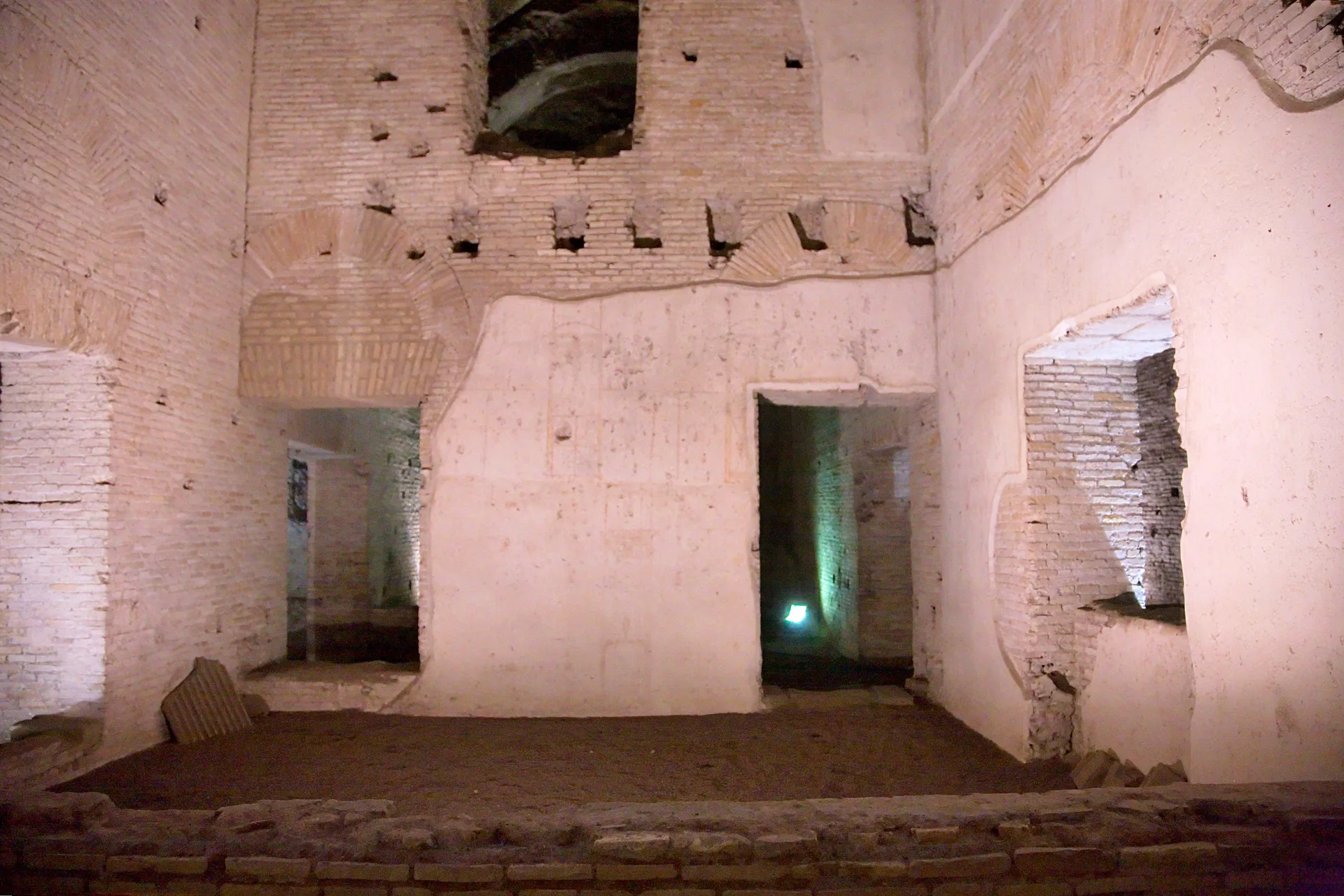
Domus Aurea
Emperor Nero's vast, scandalous 'Golden House' — a still-being-excavated underground ruin, open weekends only, viewed by mandatory guided tour with a hard hat and often a VR headset.
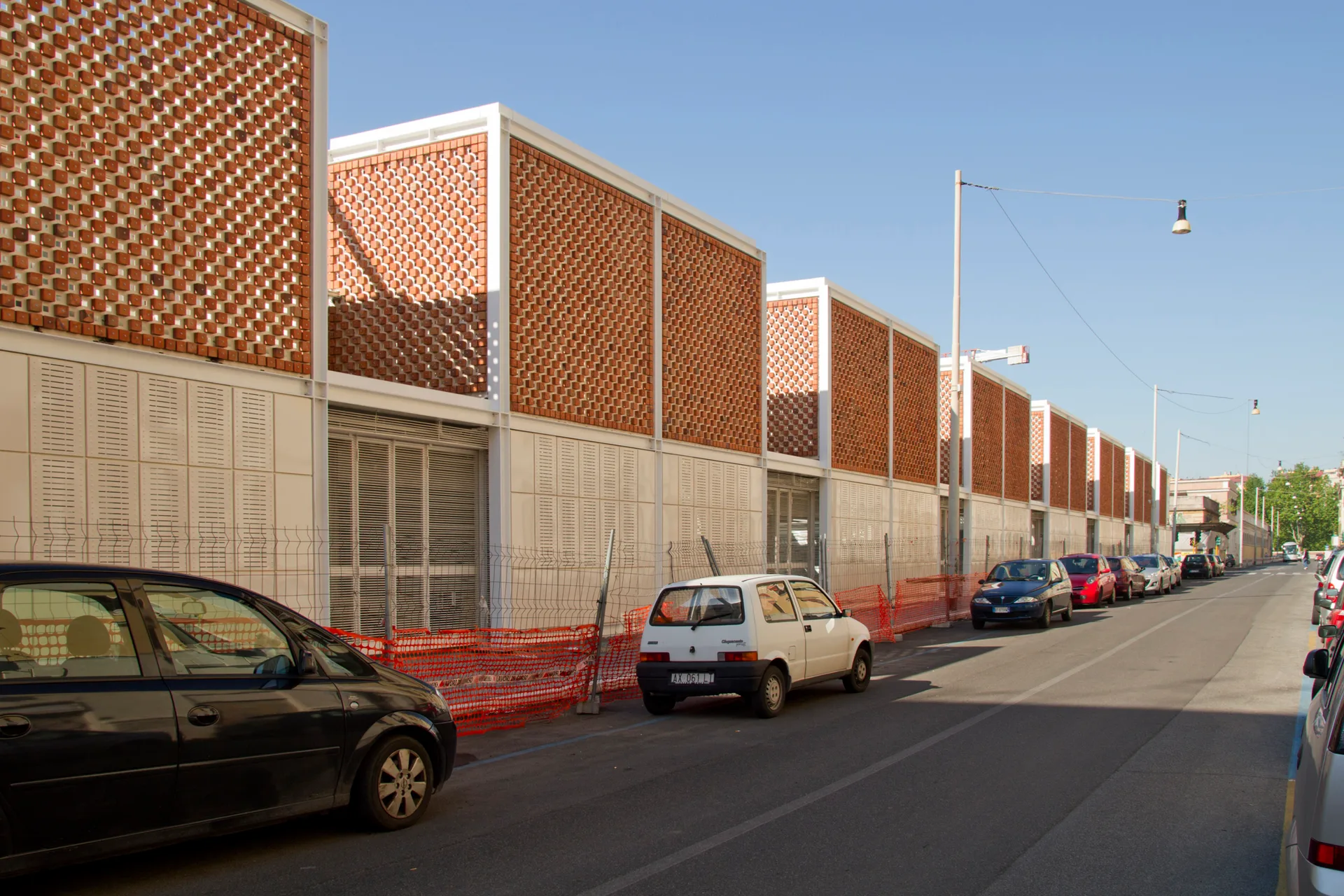
Testaccio Market
A modern covered market in Rome's historic working-class food and slaughterhouse district — the most reliably authentic, least touristy food market in the city, and the birthplace of Roman offal cuisine.
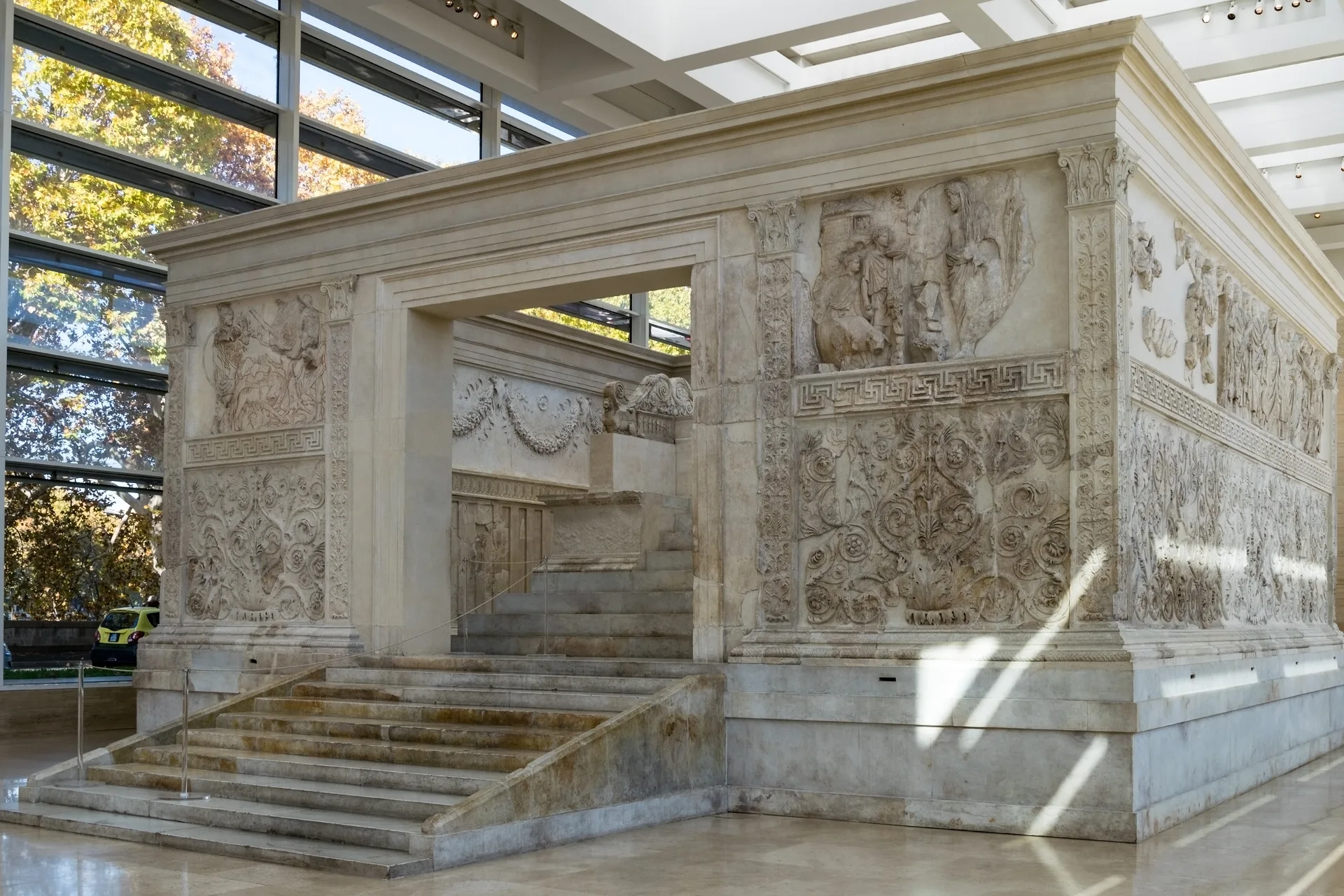
Ara Pacis Museum
Augustus's Altar of Peace, one of the finest surviving works of Roman relief sculpture, housed inside a controversial glass-and-travertine pavilion by architect Richard Meier.
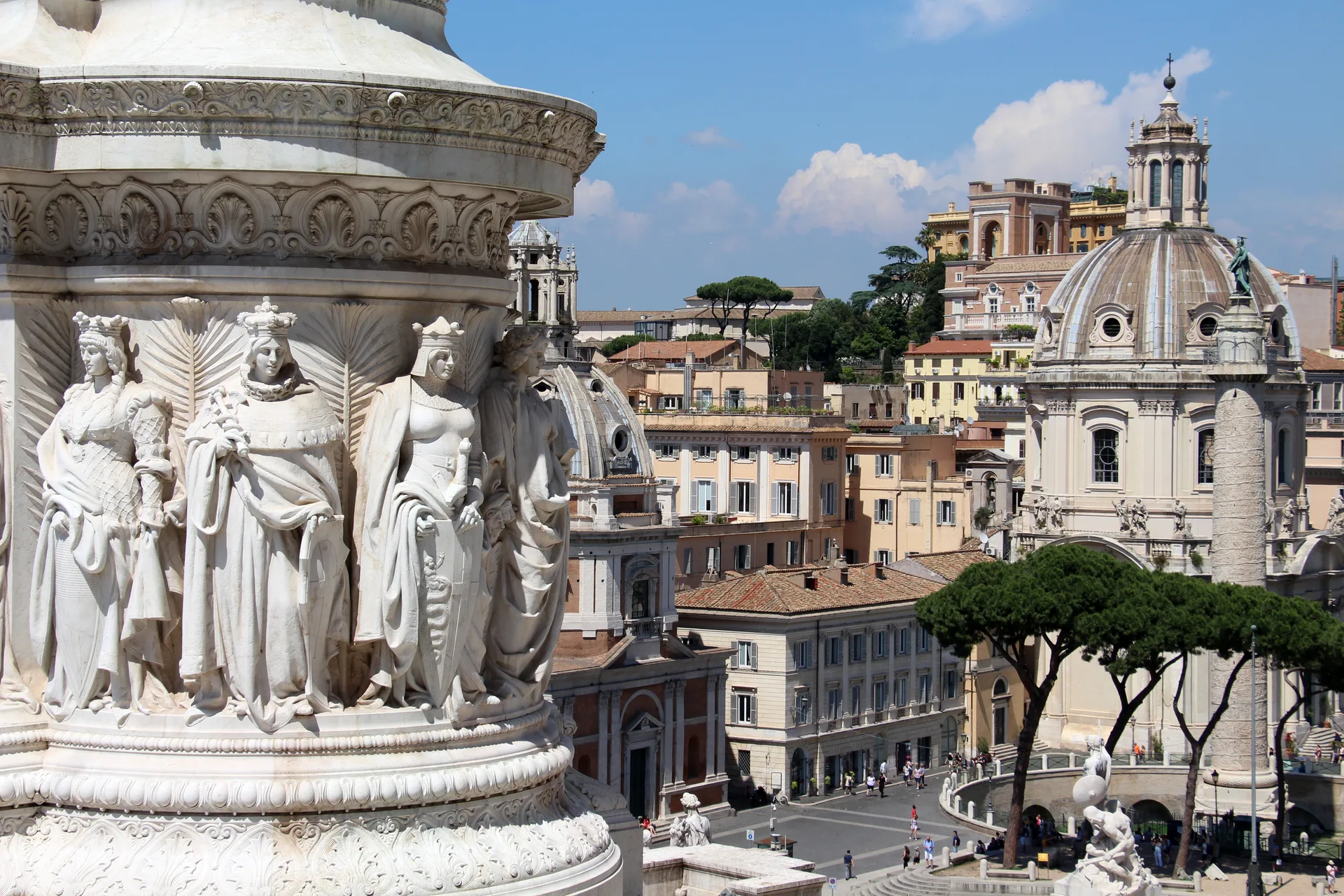
Vittoriano (Altare della Patria)
The gleaming white marble monument dominating Piazza Venezia, built to honour Italy's first king and unification — Romans call it 'the typewriter' or 'the wedding cake,' and rarely mean it kindly.
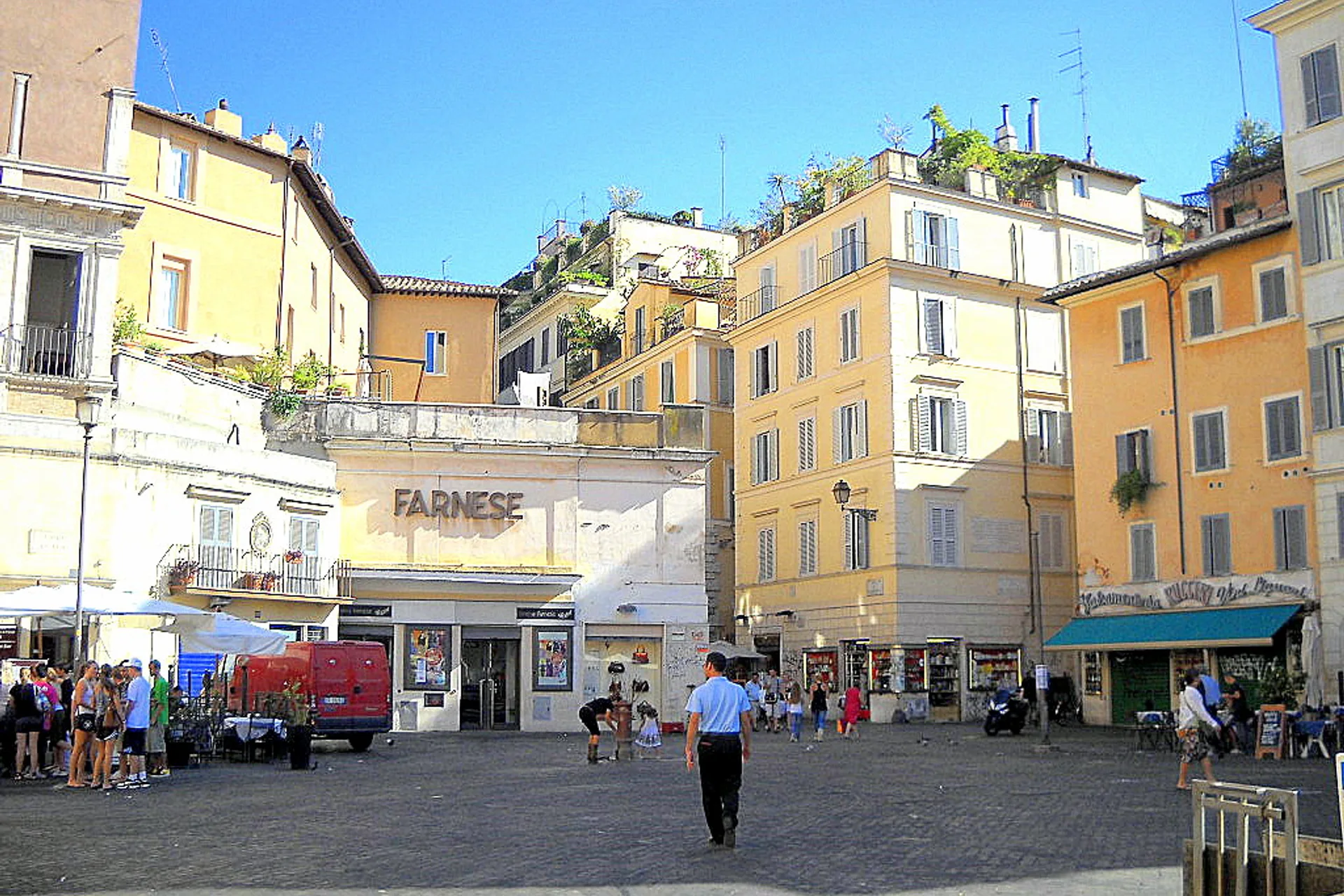
Campo de' Fiori Market
Rome's oldest and liveliest morning market, in a square that doubled as a public execution site — fruit, flowers and street food by day, one of the centre's busiest bar squares by night.
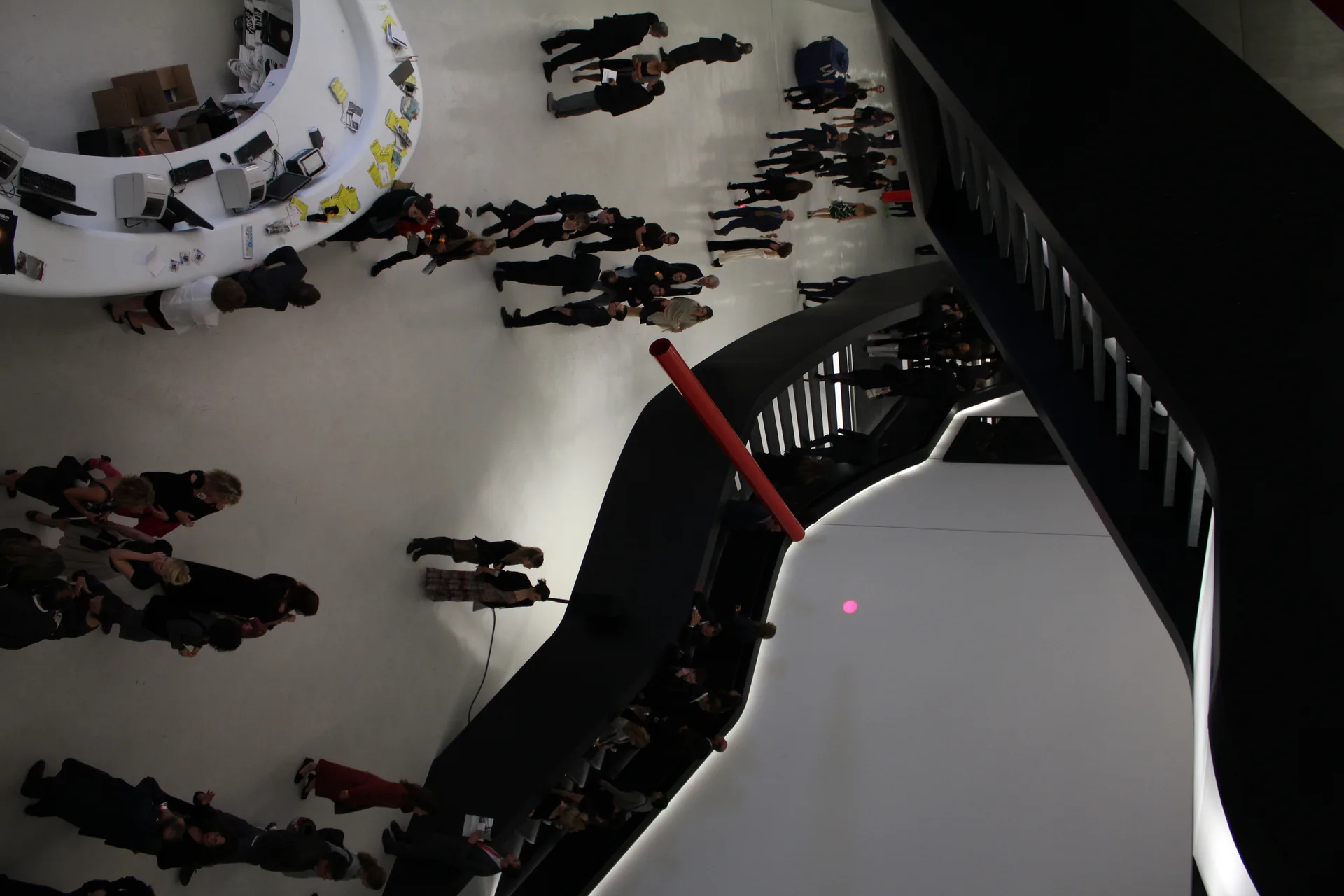
MAXXI — National Museum of 21st Century Arts
Zaha Hadid's swooping concrete museum of contemporary art and architecture — the building itself is usually the main event, more than any single exhibition inside it.
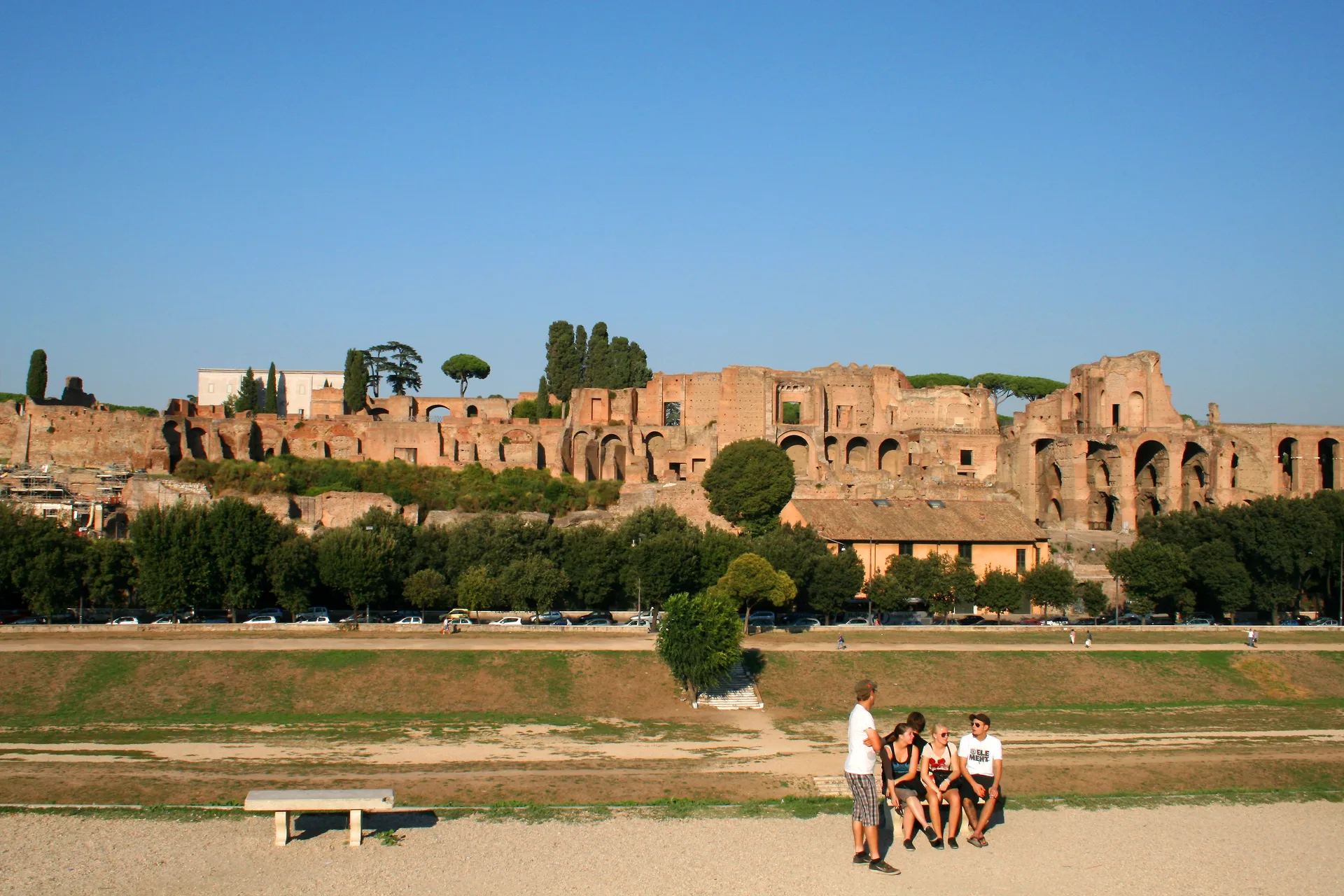
Circus Maximus
Ancient Rome's giant chariot-racing stadium, now a free open grass park in the valley between the Palatine and Aventine Hills — bring imagination, since almost nothing structural survives above ground.
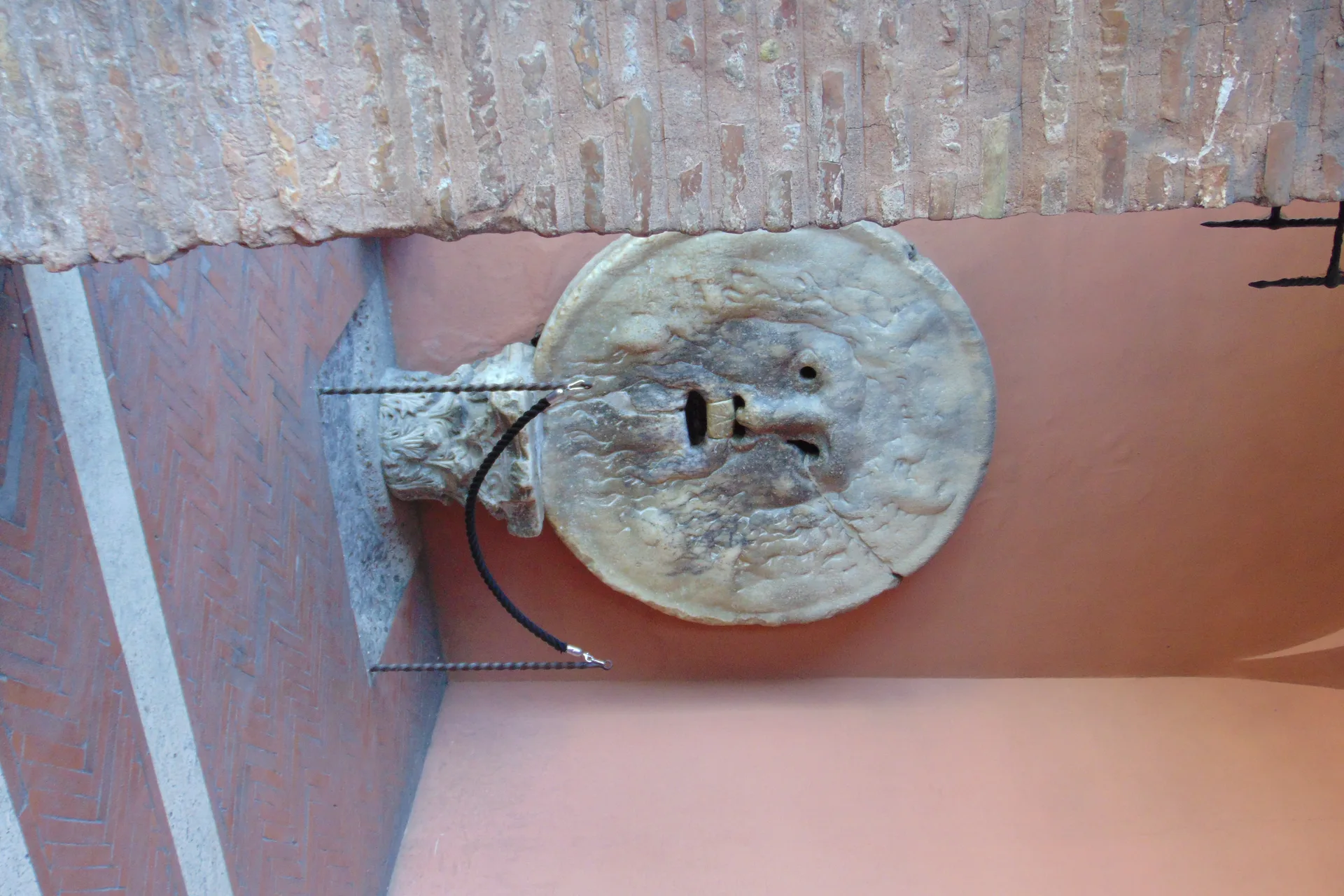
Bocca della Verità (Mouth of Truth)
A 1st-century marble drain cover turned medieval lie-detector legend — stick your hand in its mouth and, tradition says, it bites liars. Free, quick, and a genuine Roman Holiday film location.
Free Entry in Rome
26 places with no admission charge
Frequently Asked Questions
Everything you need to know before you visit.
How many days do you need in Rome?+−
How do I buy Colosseum tickets without getting ripped off?+−
Do I need to book the Vatican Museums in advance?+−
Is the Borghese Gallery worth the booking hassle?+−
Does the Pantheon cost money now?+−
Is Rome walkable, or do I need transport?+−
Where to stay
Hotels in Rome
Compare prices across hundreds of hotels near this attraction — from budget hostels to luxury stays. Free cancellation on most rooms.
Affiliate disclosure — we may earn a commission at no extra cost to you. Powered by Booking.com.