
Barcelona's must-sees are genuinely must-see — the Sagrada Família is the single most extraordinary building in Europe, and Park Güell, Casa Batlló and La Pedrera earn their fame. The catch is that everyone knows it: the Gaudí sites sell out days ahead in season, and walk-up tickets barely exist anymore. The one non-negotiable piece of Barcelona planning is booking the Sagrada Família and Park Güell before you arrive.
Beyond Gaudí, the city rewards wandering more than ticking. The Gothic Quarter and El Born are best without a plan — Roman walls, medieval squares and the Picasso Museum folded into the alleys. Montjuïc hill packs the MNAC, the Miró Foundation, the Magic Fountain and castle views into one cable-car-connected day. And the beach is right there: Barceloneta is a 20-minute walk from the cathedral.
When to visit: May–June and September–October are ideal — warm, swimmable and less crushed than July–August, when the city is at full tourist capacity and the humidity climbs. Winter is mild (rarely below 10°C) and the Gaudí sites are dramatically easier to book. One warning that belongs in every honest Barcelona guide: pickpocketing on La Rambla, the metro and the beach is a real problem — keep phones zipped and bags in front.
Don't Miss
Highest-rated in Barcelona
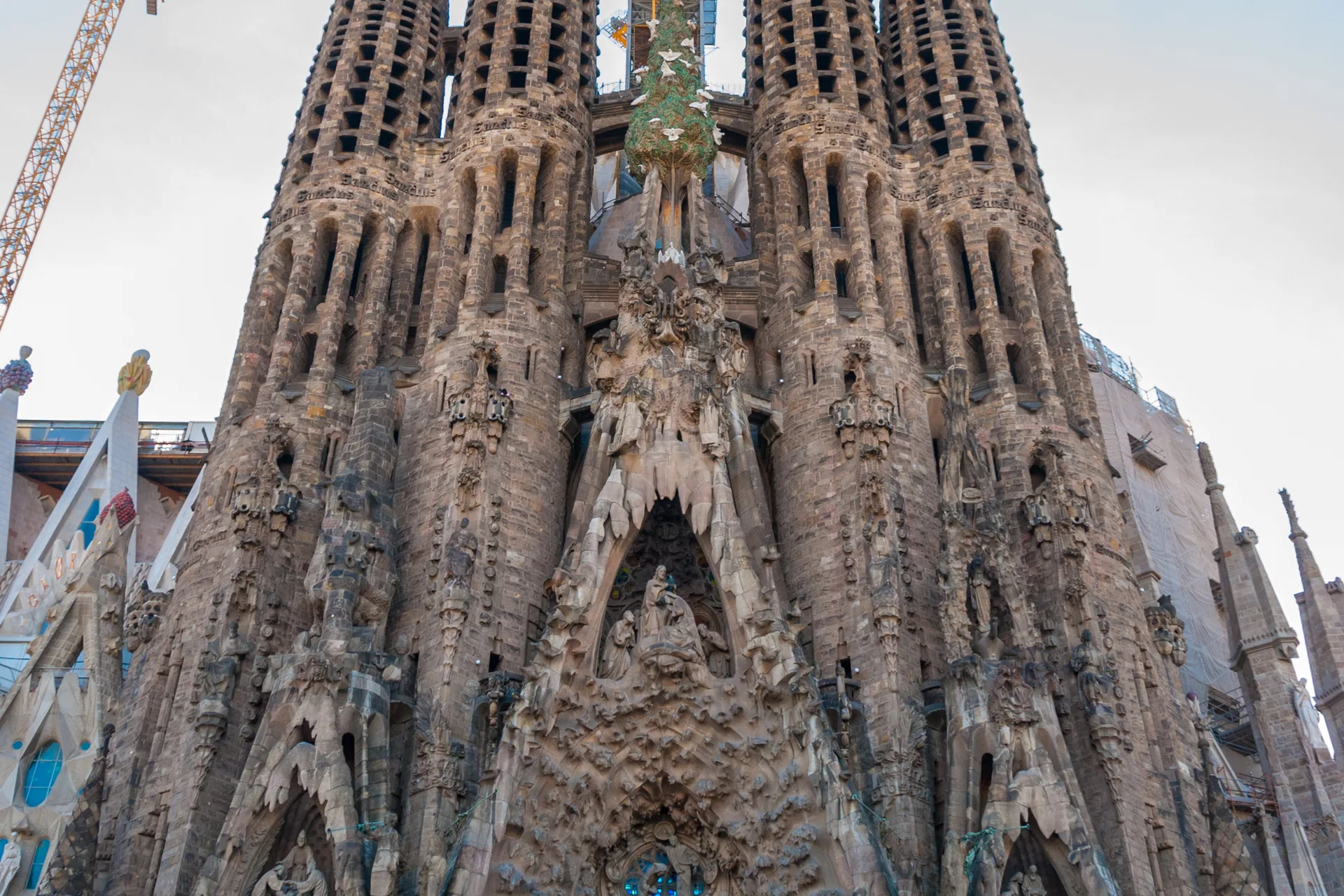
Sagrada Família
Gaudí's still-unfinished basilica — begun in 1882 and still under construction — is Barcelona's defining sight and one of the most original buildings on earth.
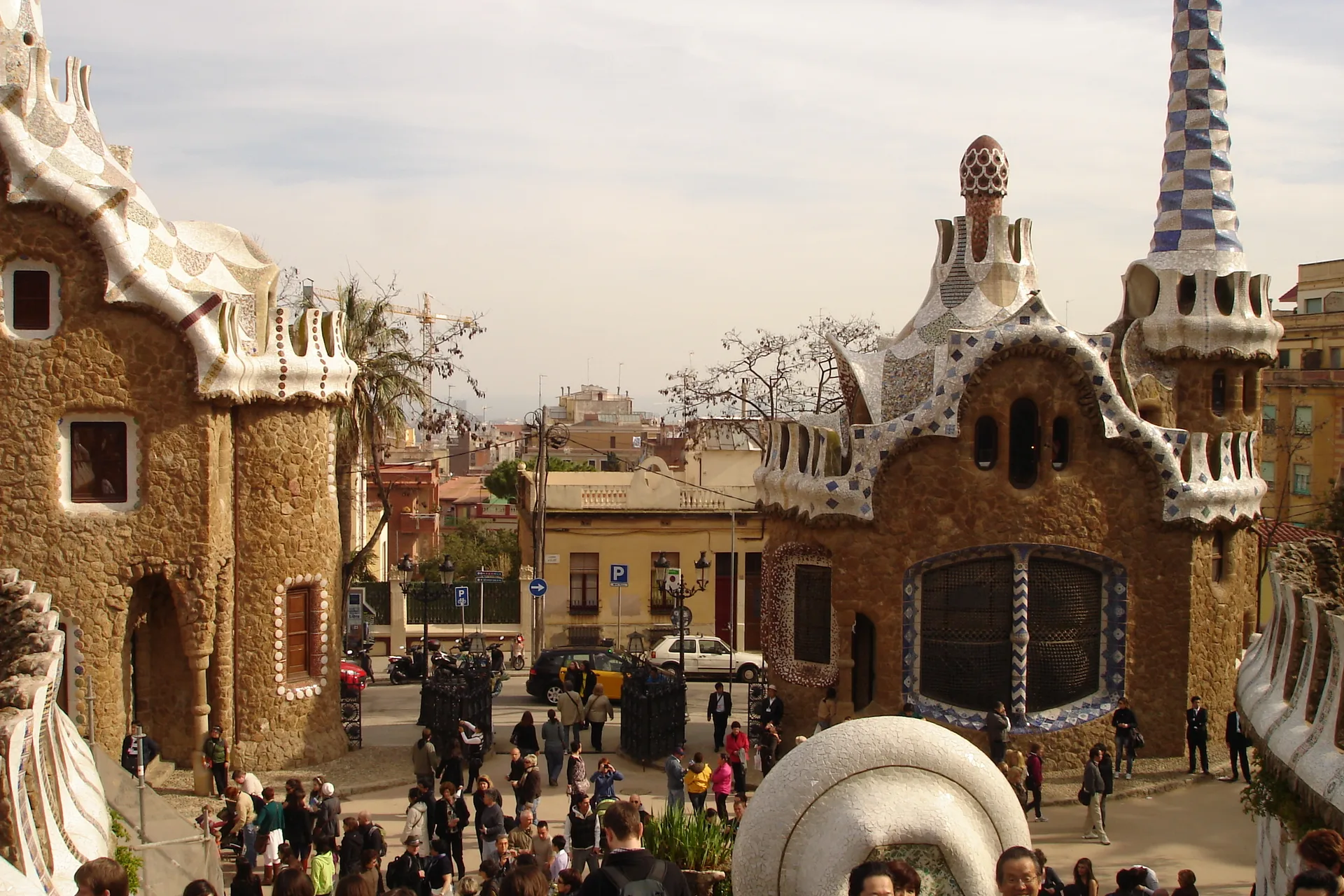
Park Güell
Gaudí's fantastical public park — mosaic lizards, wave-shaped benches and a hilltop terrace with the city's best free-standing view over Barcelona.
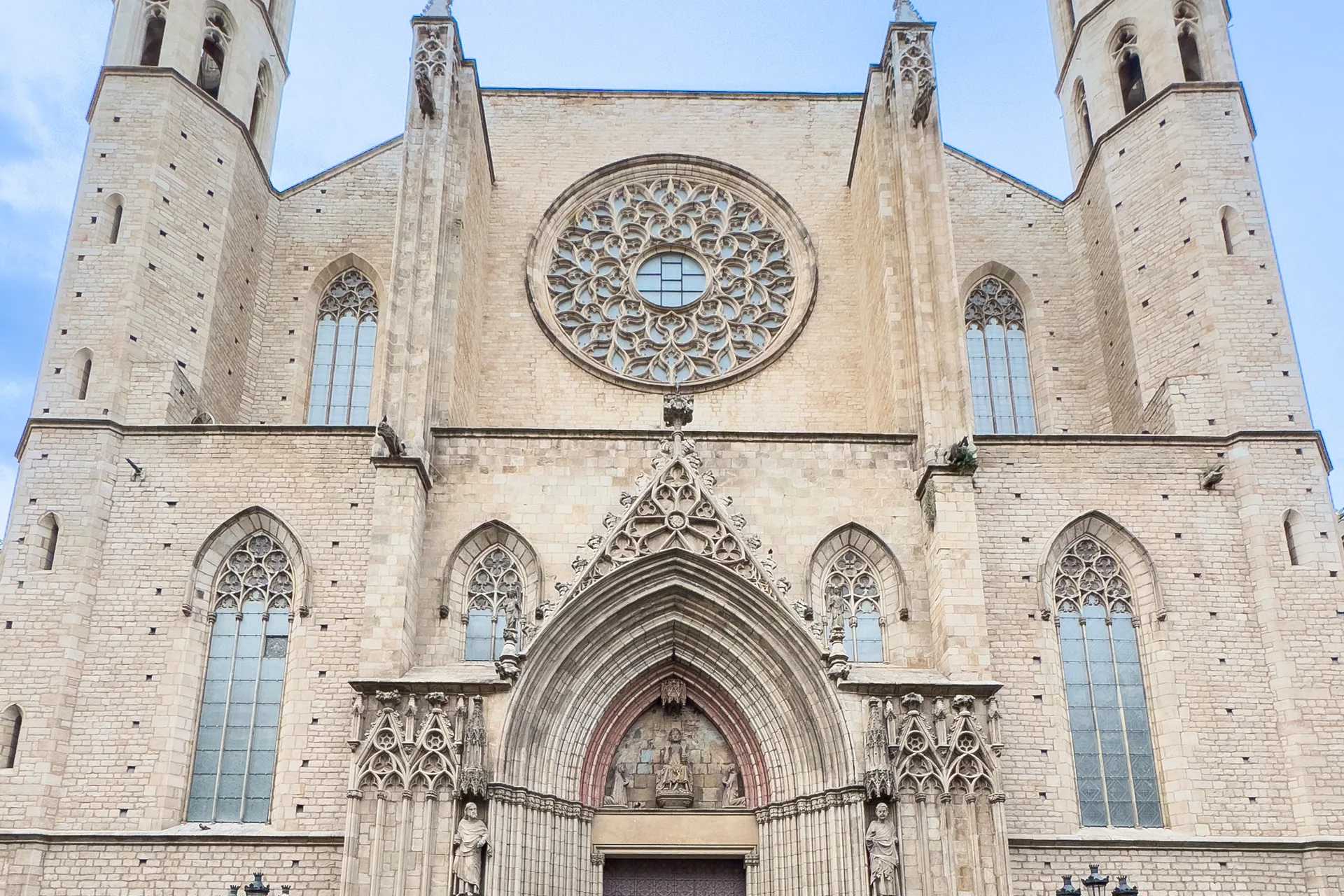
Santa Maria del Mar
A soaring, austere Catalan Gothic basilica built by the working people of El Born in just 59 years — widely considered the purest Gothic church in Barcelona.
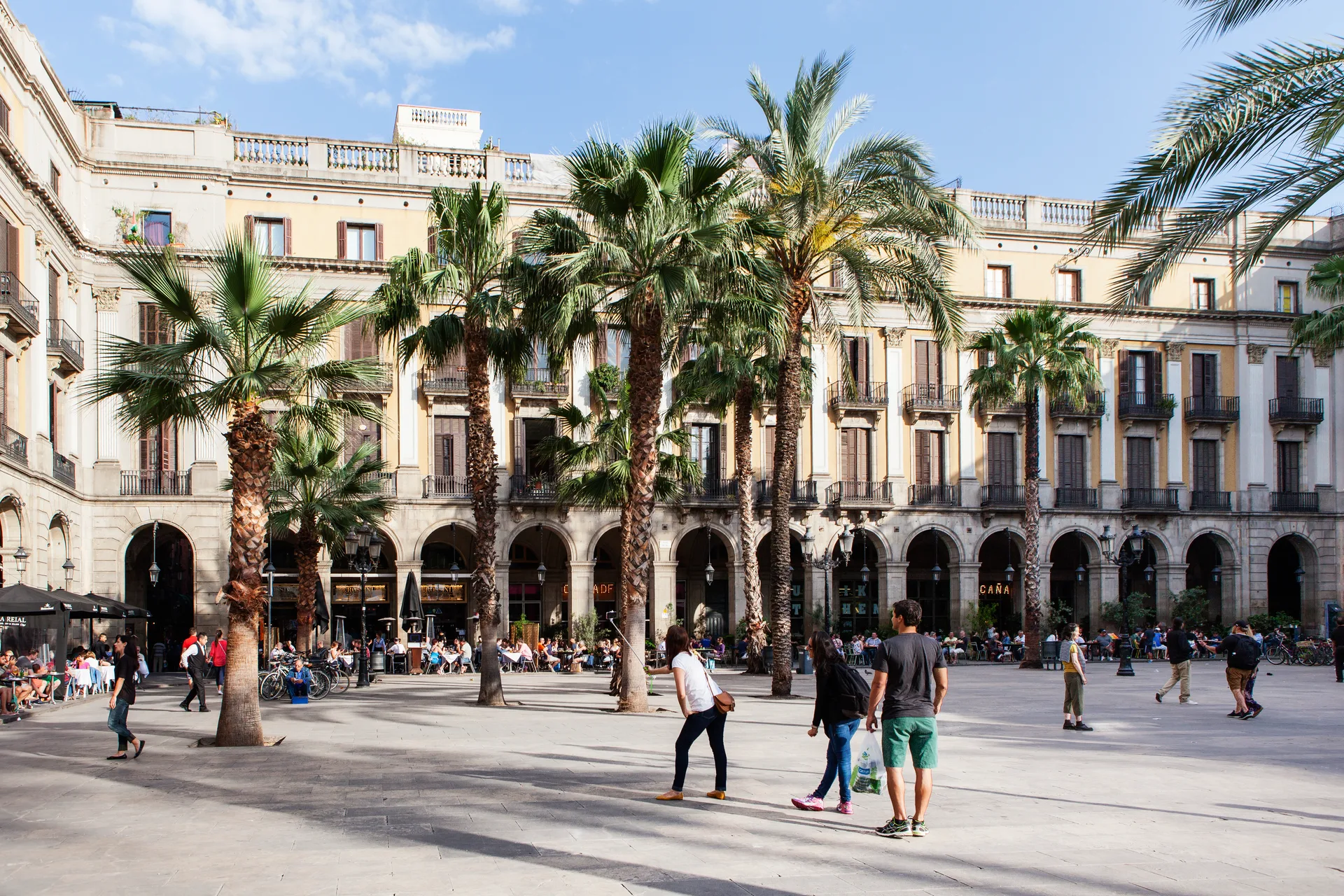
Gothic Quarter (Barri Gòtic)
Barcelona's medieval old town — a dense maze of narrow stone streets, Roman remains and hidden squares wedged between La Rambla and the harbour.
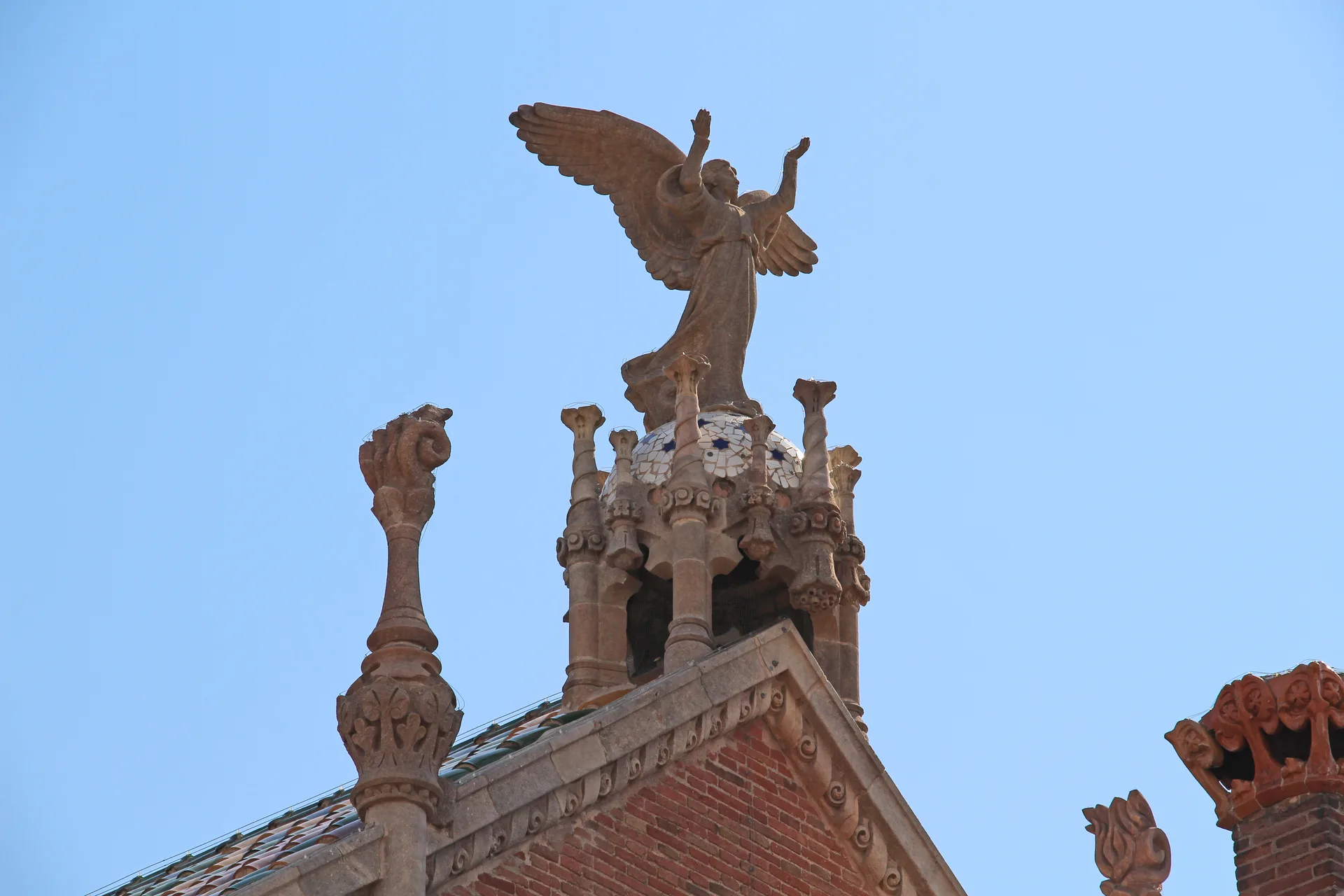
Hospital de Sant Pau (Recinte Modernista)
A working hospital until 2009, rebuilt as one of the world's largest Art Nouveau complexes — 27 pavilions of tiled domes and mosaics designed so patients would heal amid beauty rather than institutional grimness.
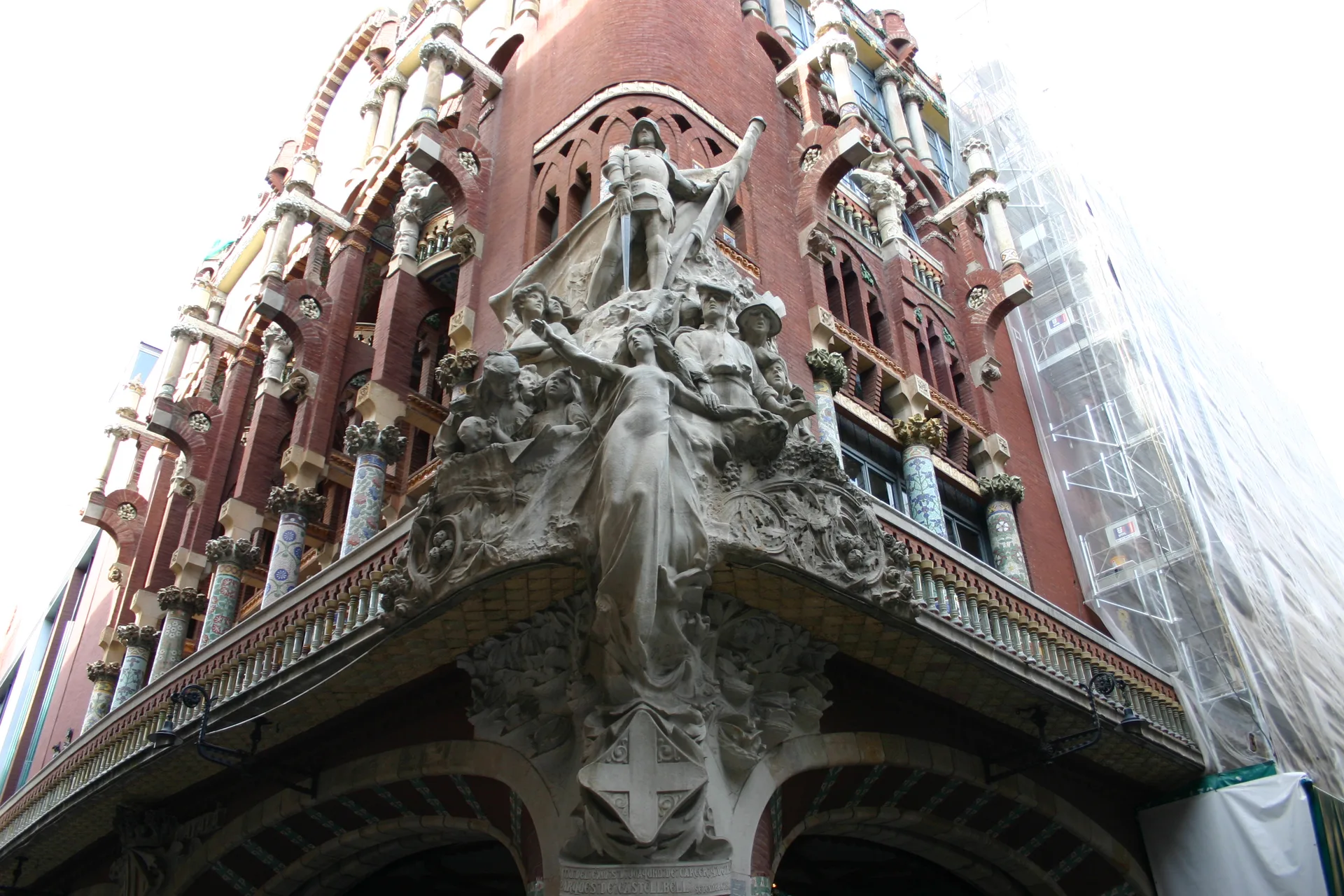
Palau de la Música Catalana
An almost impossibly ornate concert hall wedged into a narrow medieval street — a stained-glass skylight, sculpted muses and one of the most photographed interiors in Barcelona.
All Things to Do in Barcelona
47 places, all reviewed and rated
Sagrada Família
Gaudí's still-unfinished basilica — begun in 1882 and still under construction — is Barcelona's defining sight and one of the most original buildings on earth.
Park Güell
Gaudí's fantastical public park — mosaic lizards, wave-shaped benches and a hilltop terrace with the city's best free-standing view over Barcelona.
Santa Maria del Mar
A soaring, austere Catalan Gothic basilica built by the working people of El Born in just 59 years — widely considered the purest Gothic church in Barcelona.
Gothic Quarter (Barri Gòtic)
Barcelona's medieval old town — a dense maze of narrow stone streets, Roman remains and hidden squares wedged between La Rambla and the harbour.
Hospital de Sant Pau (Recinte Modernista)
A working hospital until 2009, rebuilt as one of the world's largest Art Nouveau complexes — 27 pavilions of tiled domes and mosaics designed so patients would heal amid beauty rather than institutional grimness.
Palau de la Música Catalana
An almost impossibly ornate concert hall wedged into a narrow medieval street — a stained-glass skylight, sculpted muses and one of the most photographed interiors in Barcelona.
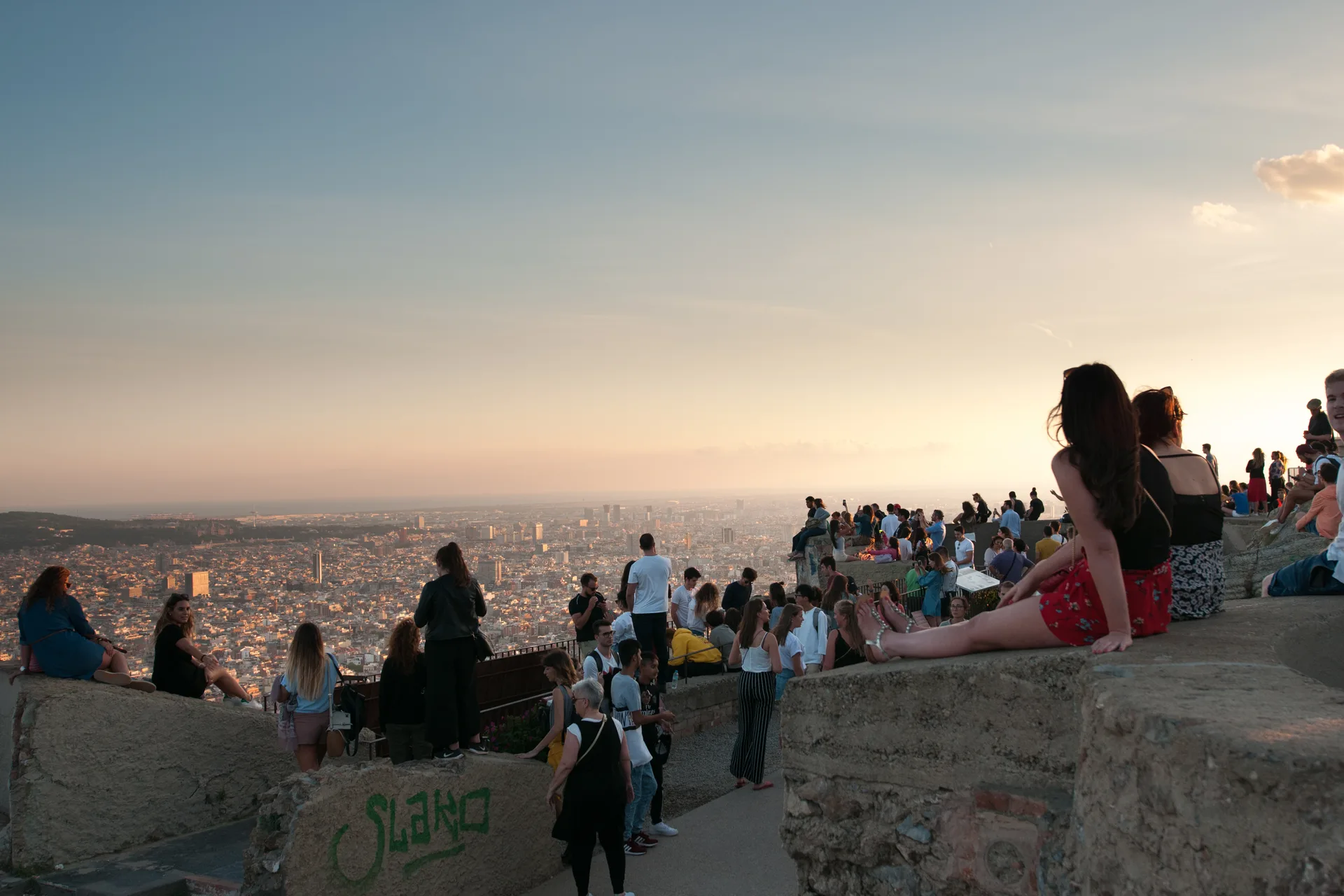
Bunkers del Carmel
Free 360-degree views over Barcelona from a hilltop Civil War anti-aircraft battery, and the city's favourite spot for a beer at sunset.
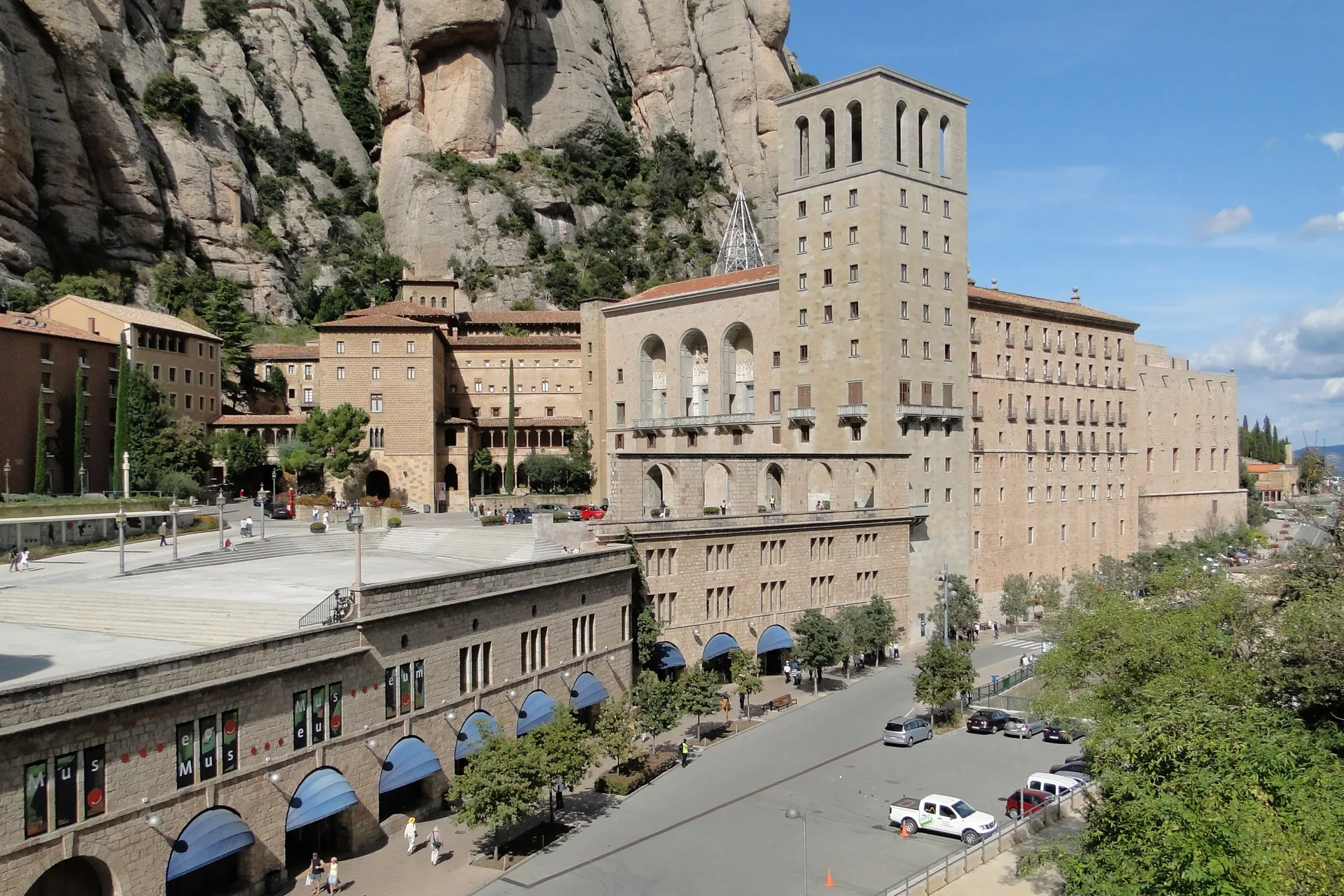
Montserrat Day Trip
A half-day or full-day trip to a Benedictine monastery built into a jagged mountain an hour from Barcelona — home to Catalonia's revered Black Madonna and its own boys' choir.
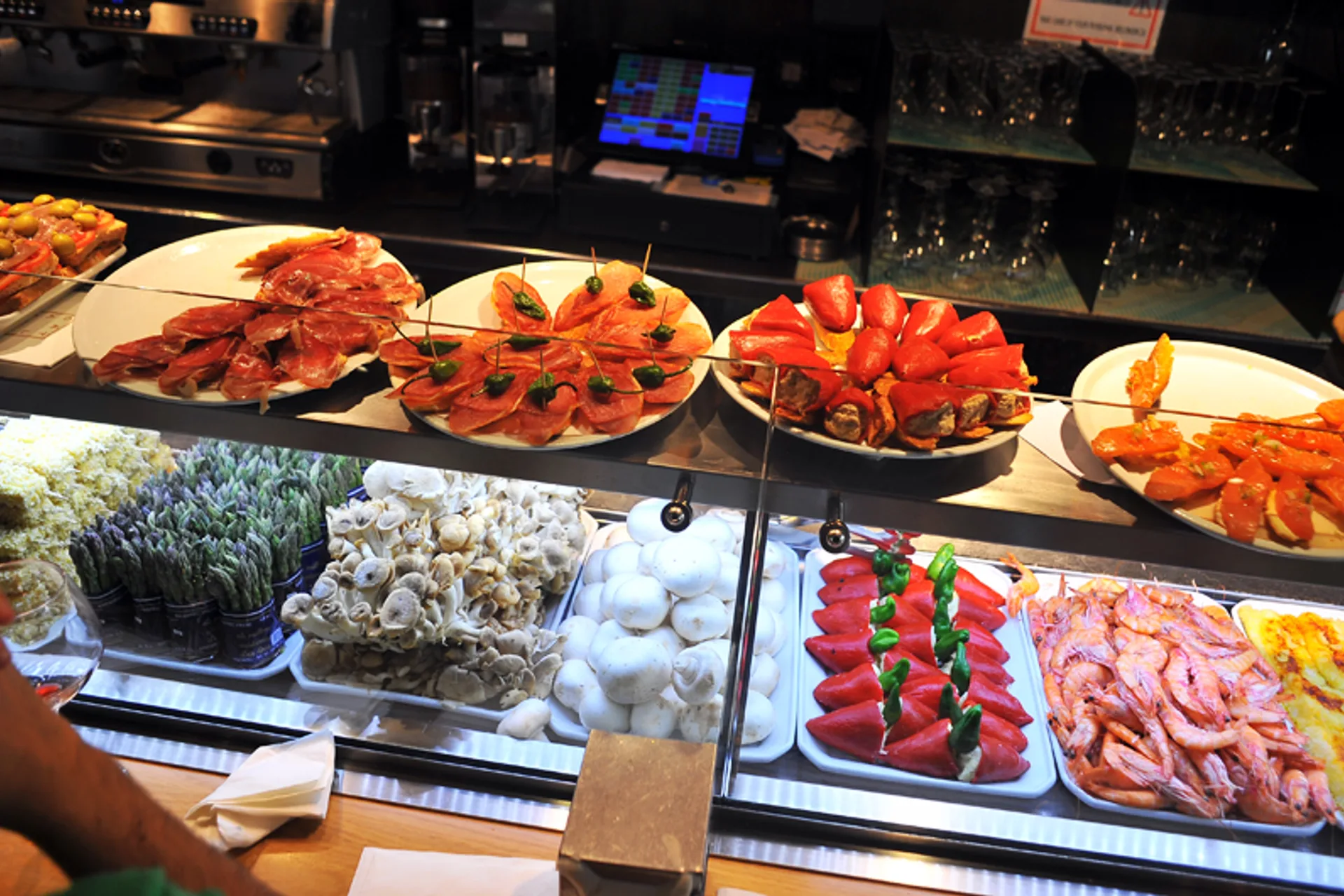
Barcelona Tapas & Food Walking Tour
A guided evening or midday walk through the Gothic Quarter or El Born's tapas bars — jamón, cheese, wine and vermouth with a local guide explaining what you're eating.
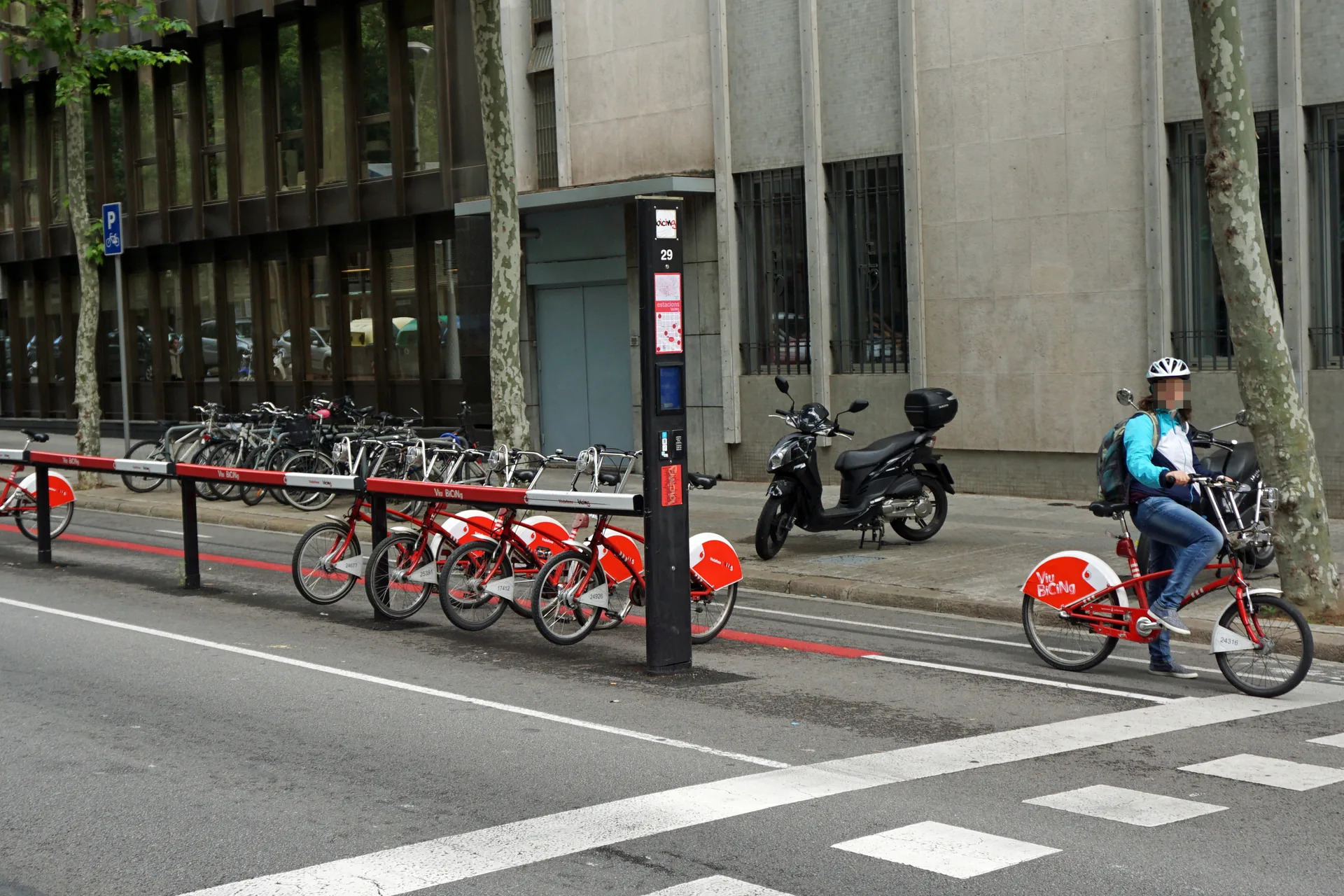
Barcelona Bike Tour
A guided bike ride covering more of Barcelona's spread-out sights in a few hours than walking allows — Gothic Quarter, seafront and Eixample landmarks in one loop.
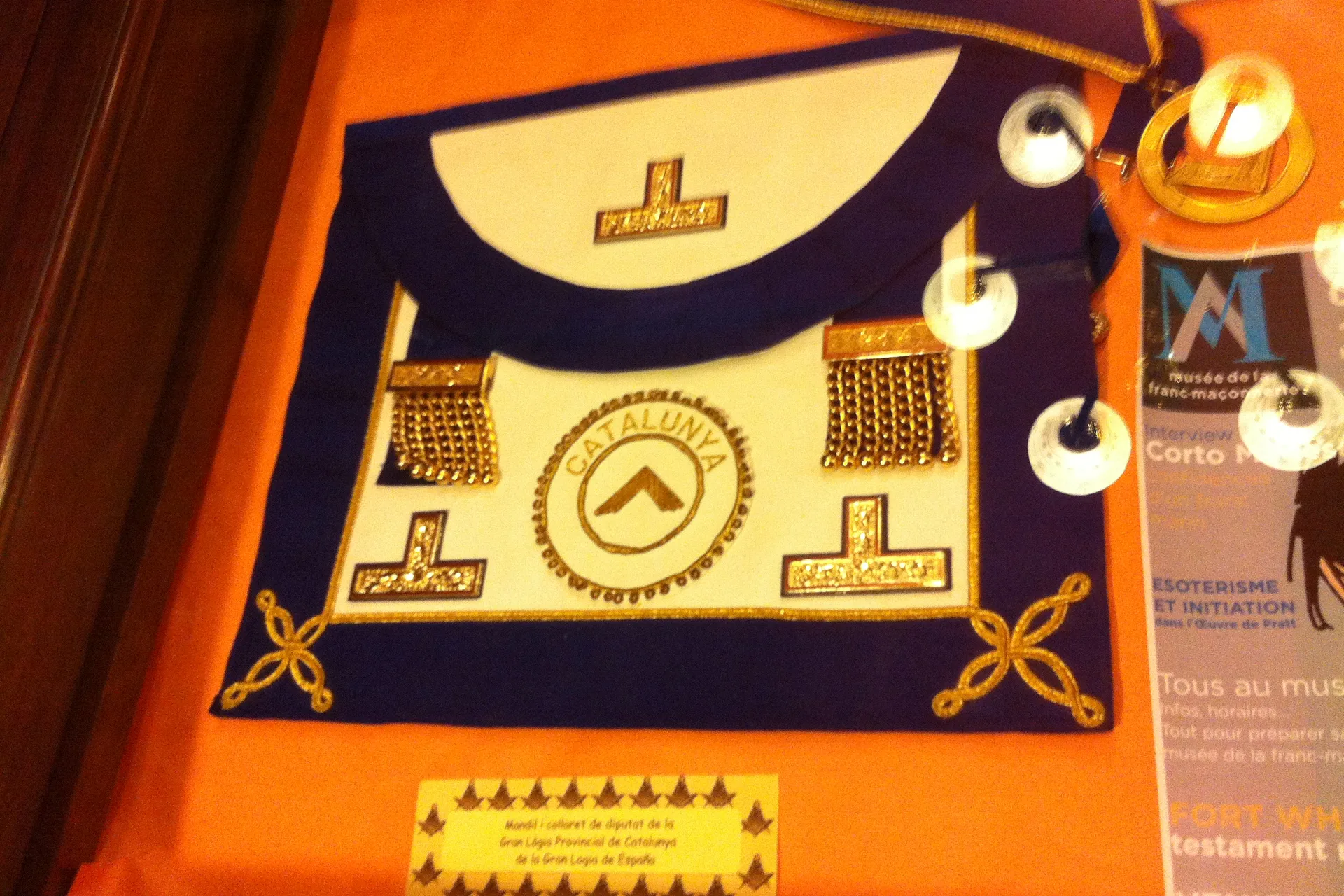
Biblioteca Pública Arús
A quirky 1895 public library founded by a freemason and playwright, specialising in freemasonry, anarchism and — genuinely — one of Europe's best Sherlock Holmes collections.
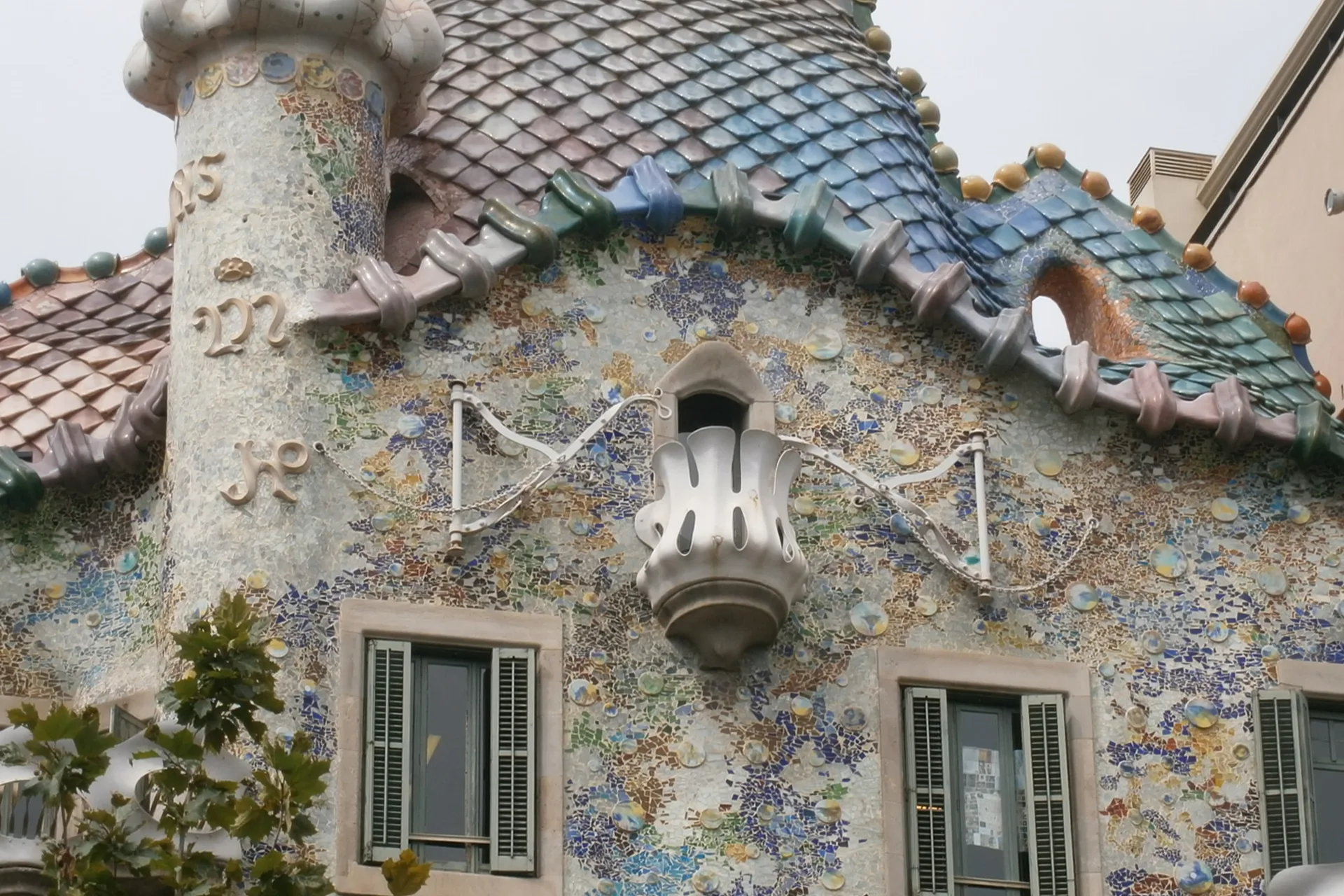
Casa Batlló
Gaudí's most theatrical facelift of an existing building — a bone-and-scale facade nicknamed the "House of Bones" or "Dragon House," with an interior built almost without straight lines.
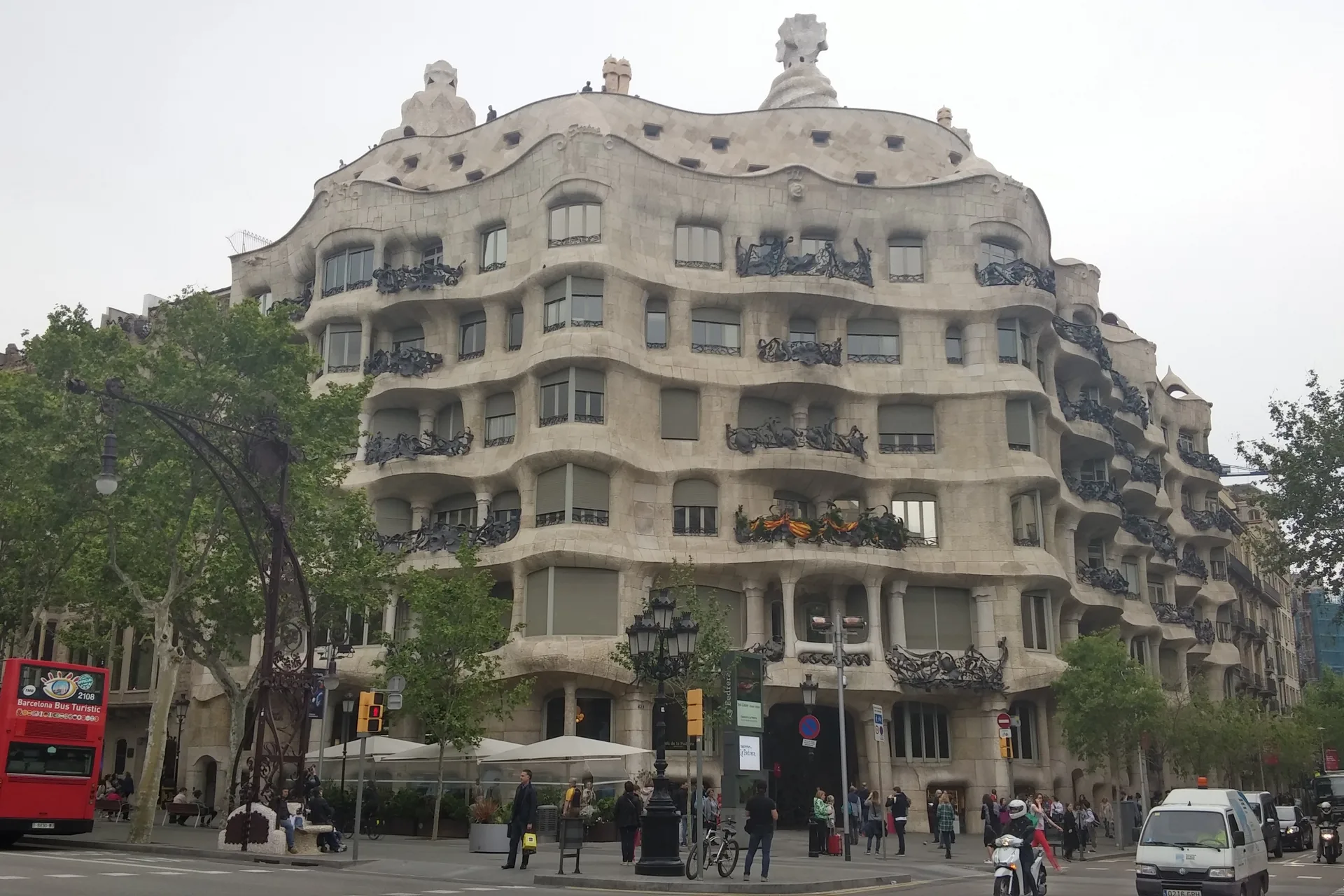
La Pedrera (Casa Milà)
Gaudí's last civil work — a rippling stone apartment building with no straight structural walls, topped by a rooftop of surreal, armour-like chimneys.
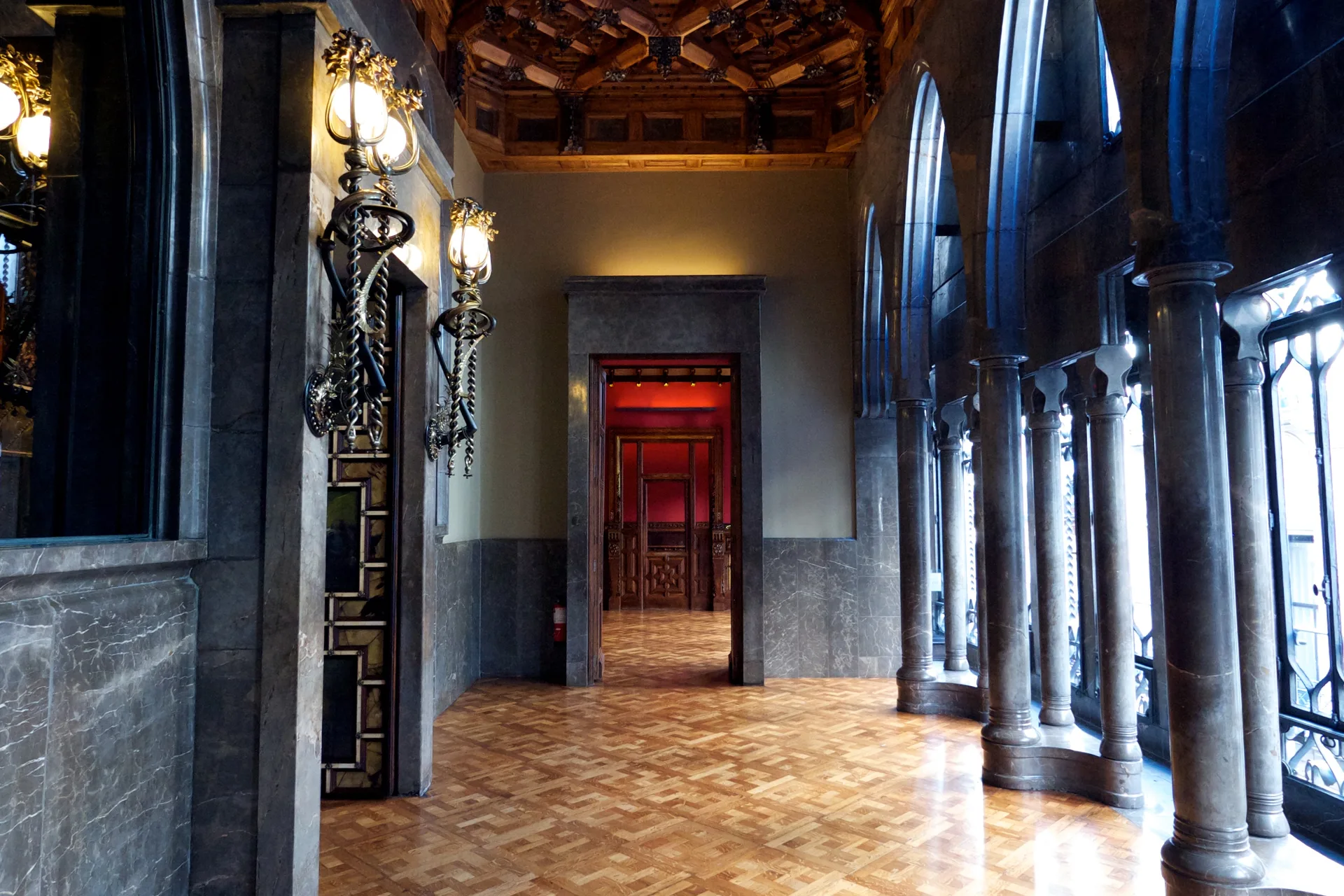
Palau Güell
A dark, dense early Gaudí mansion just off La Rambla, built for his lifelong patron Eusebi Güell — with a rooftop forest of tiled chimneys that preview everything he'd do later.
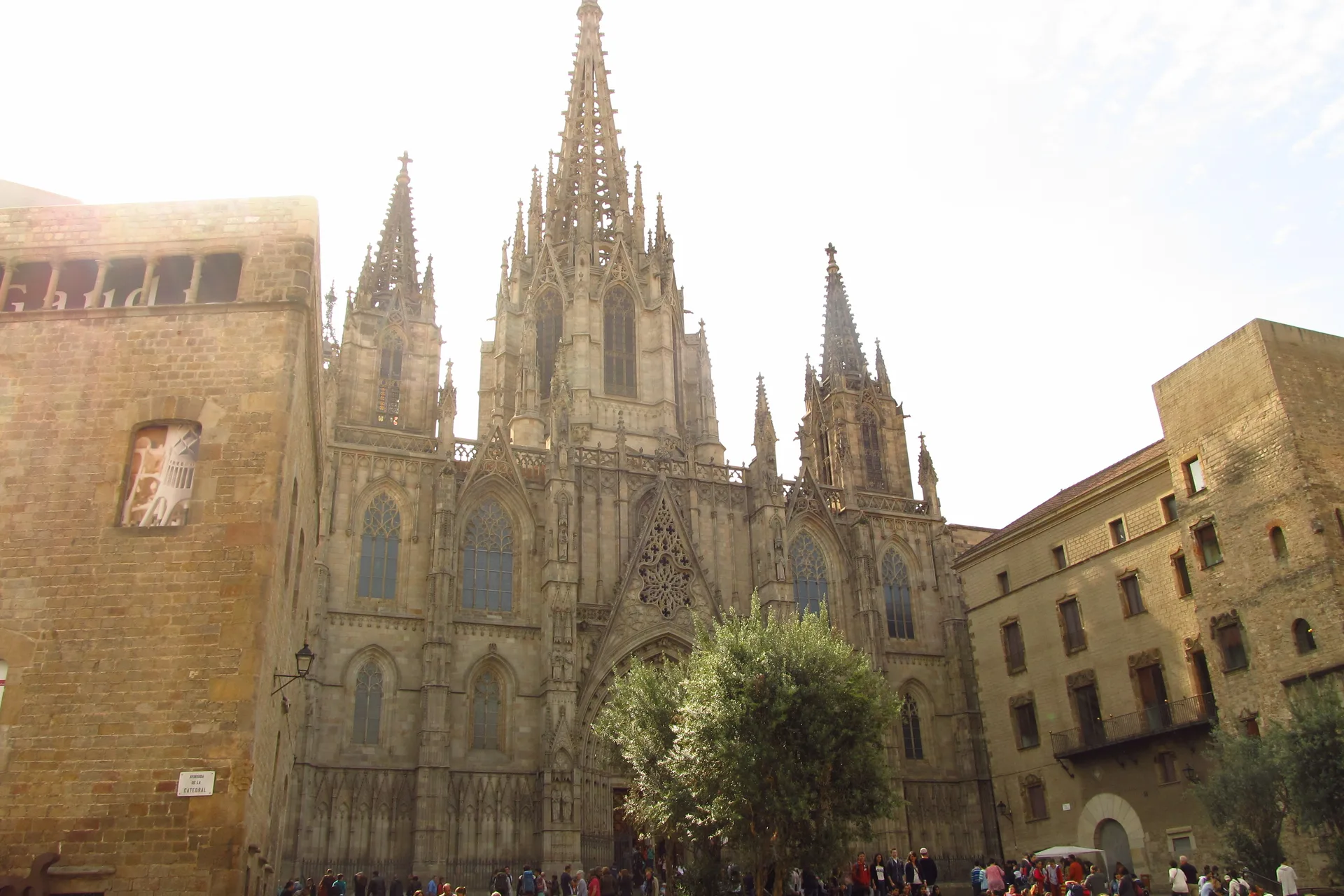
Barcelona Cathedral
The Gothic Quarter's towering Gothic cathedral, home to 13 white geese in its cloister and free evening entry outside the tourist-visit hours.
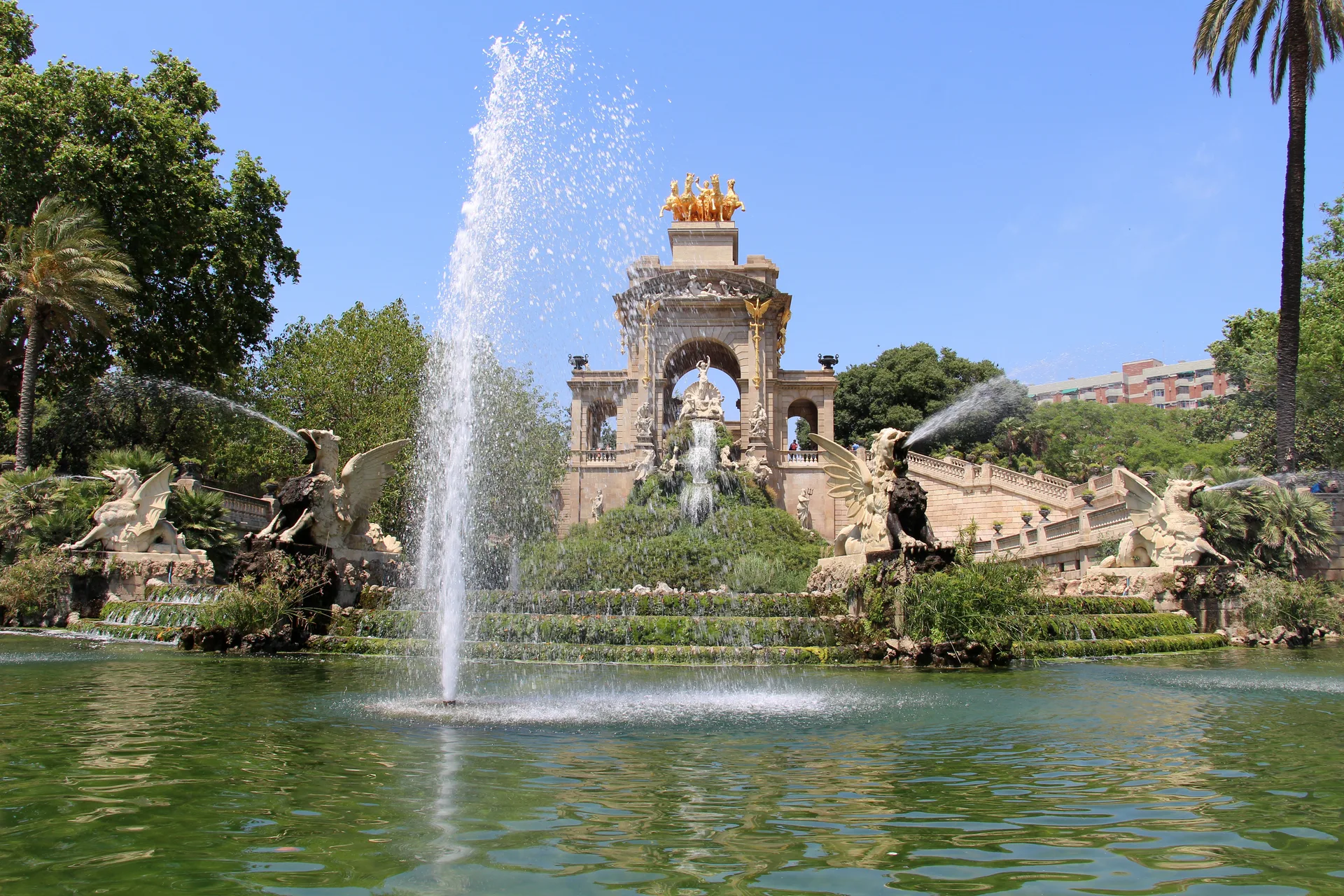
Ciutadella Park
A former military fortress turned Barcelona's grandest public park — a monumental fountain co-designed by a young Gaudí, a zoo, a lake and the Catalan Parliament building.
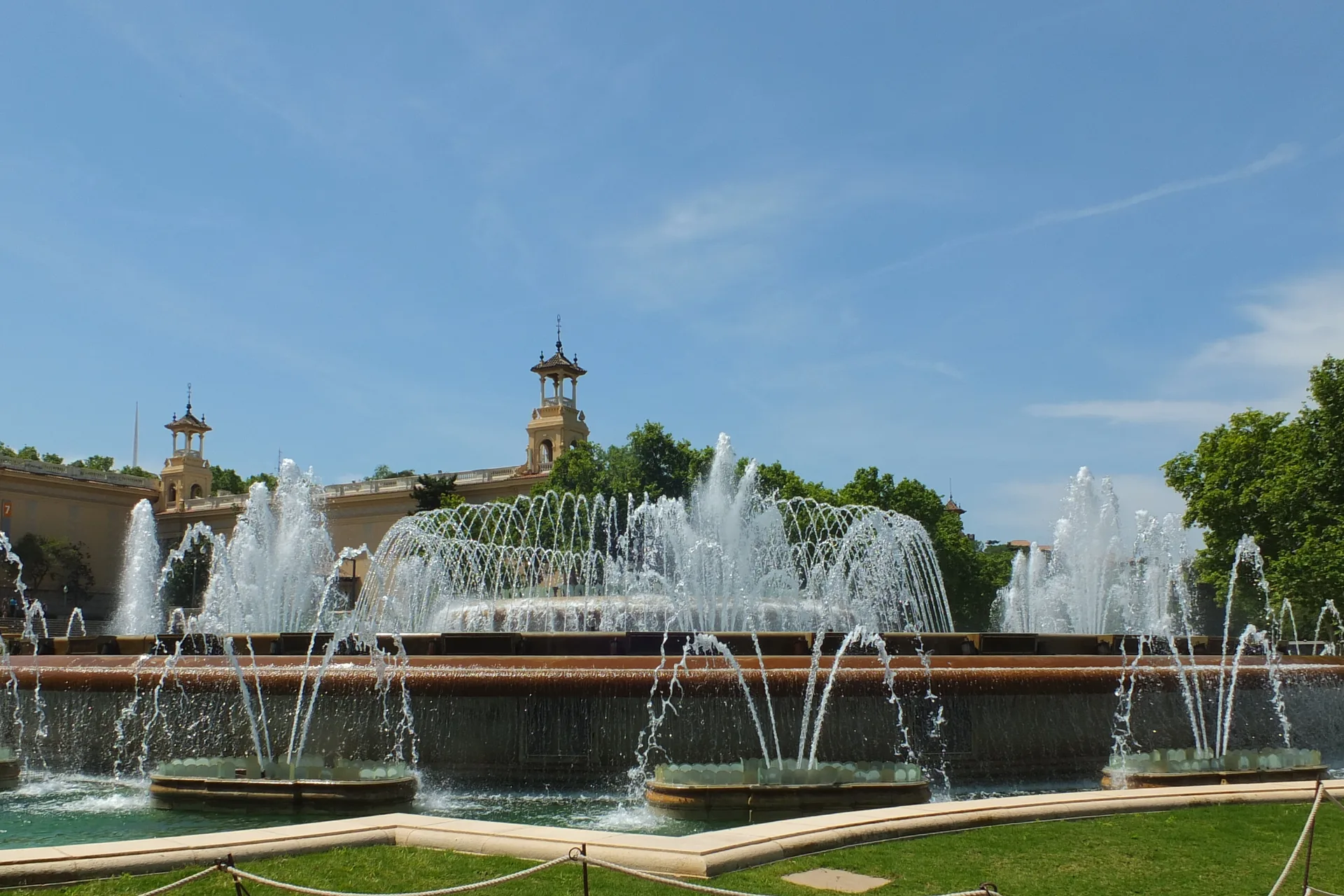
Magic Fountain of Montjuïc
A free evening sound-and-light fountain show below the National Art Museum — Barcelona's most popular free entertainment, running several nights a week.
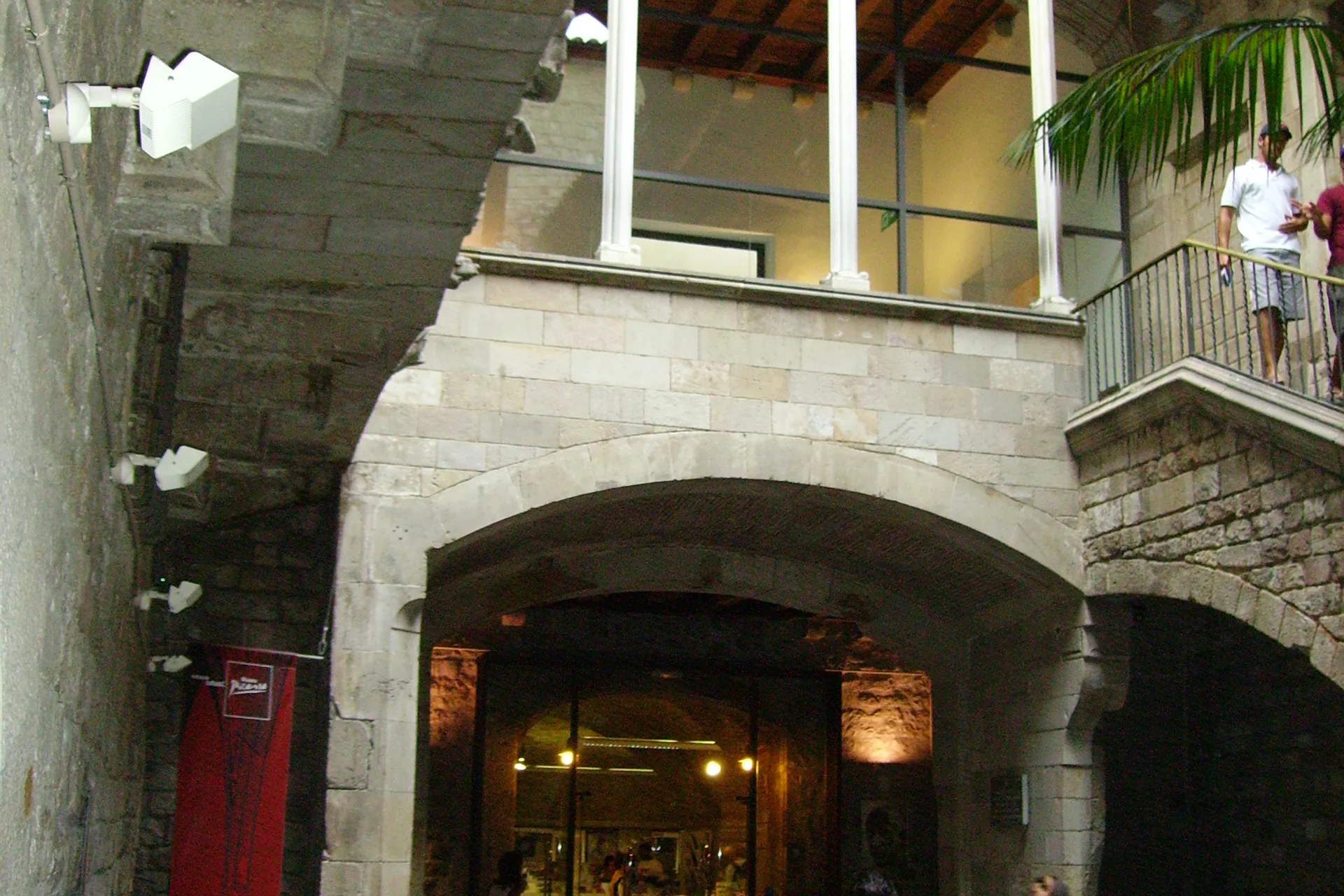
Picasso Museum Barcelona
The world's most extensive collection of Picasso's early work, tracing his formative years in Barcelona through five connected medieval palaces in El Born.
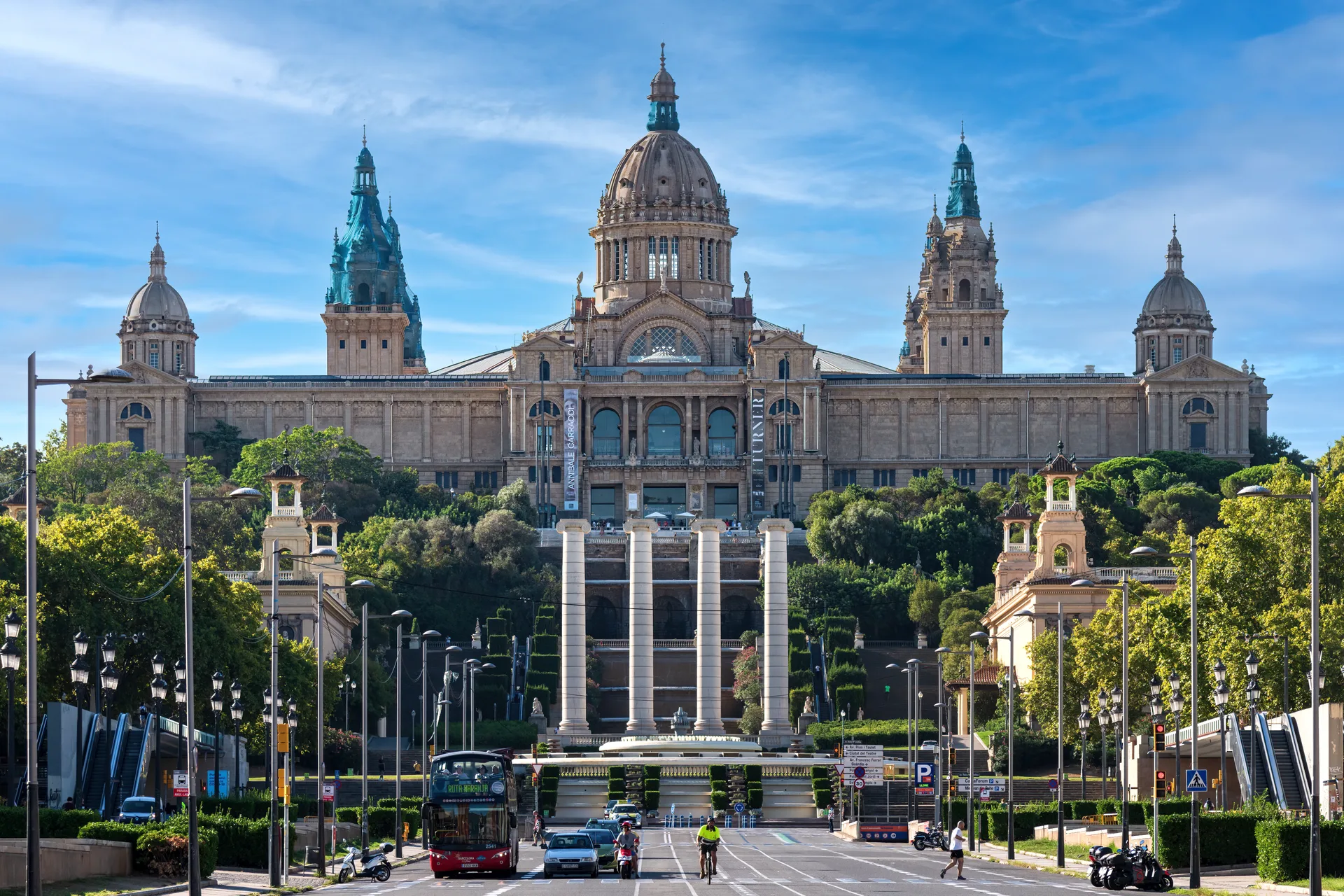
Museu Nacional d'Art de Catalunya (MNAC)
Catalonia's national art museum, housed in the domed Palau Nacional above Montjuïc — the world's finest collection of Romanesque church murals under one roof.
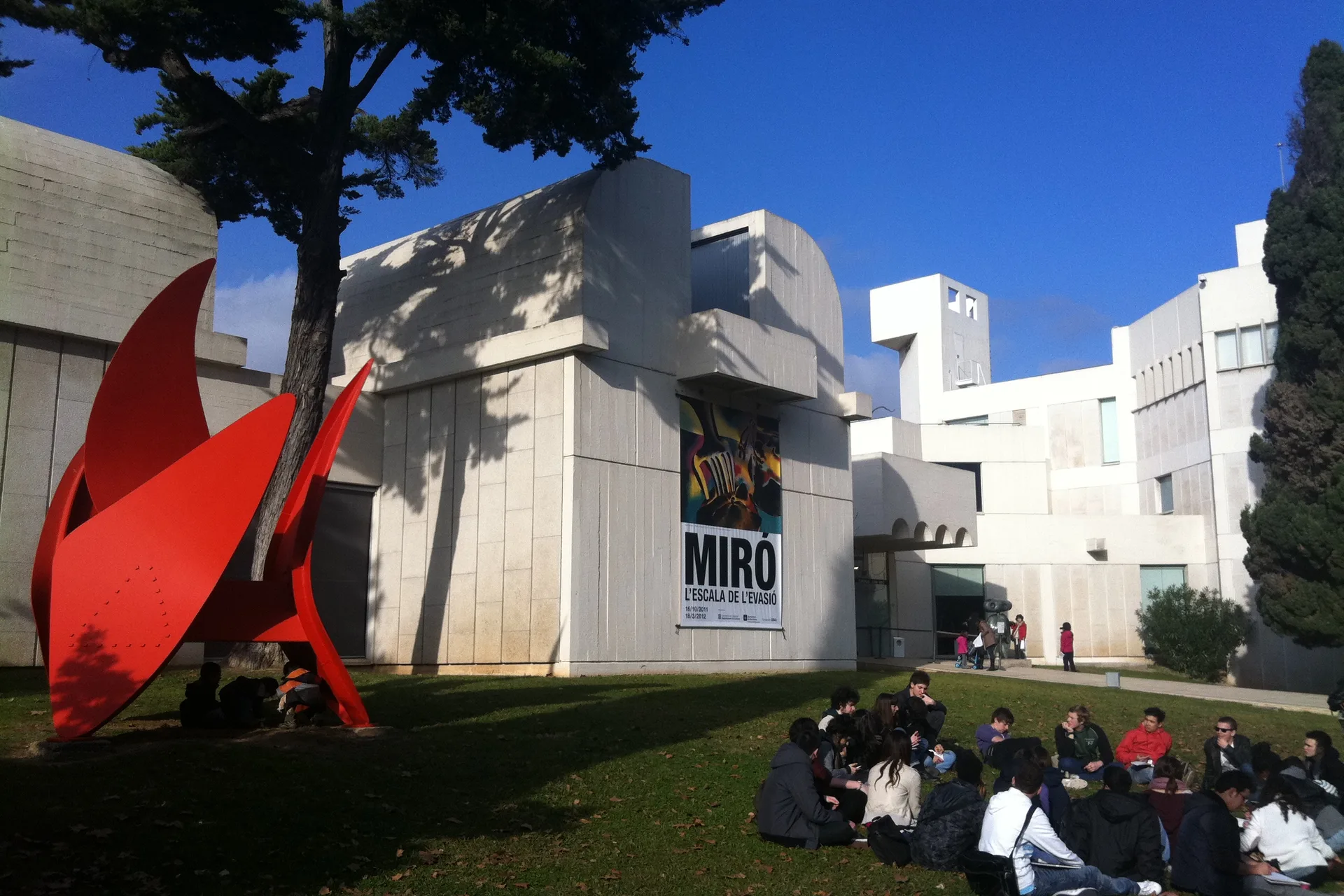
Fundació Joan Miró
The world's largest collection of Joan Miró's work, in a bright white Modernist building on Montjuïc that the artist himself helped design as a gift to his home city.
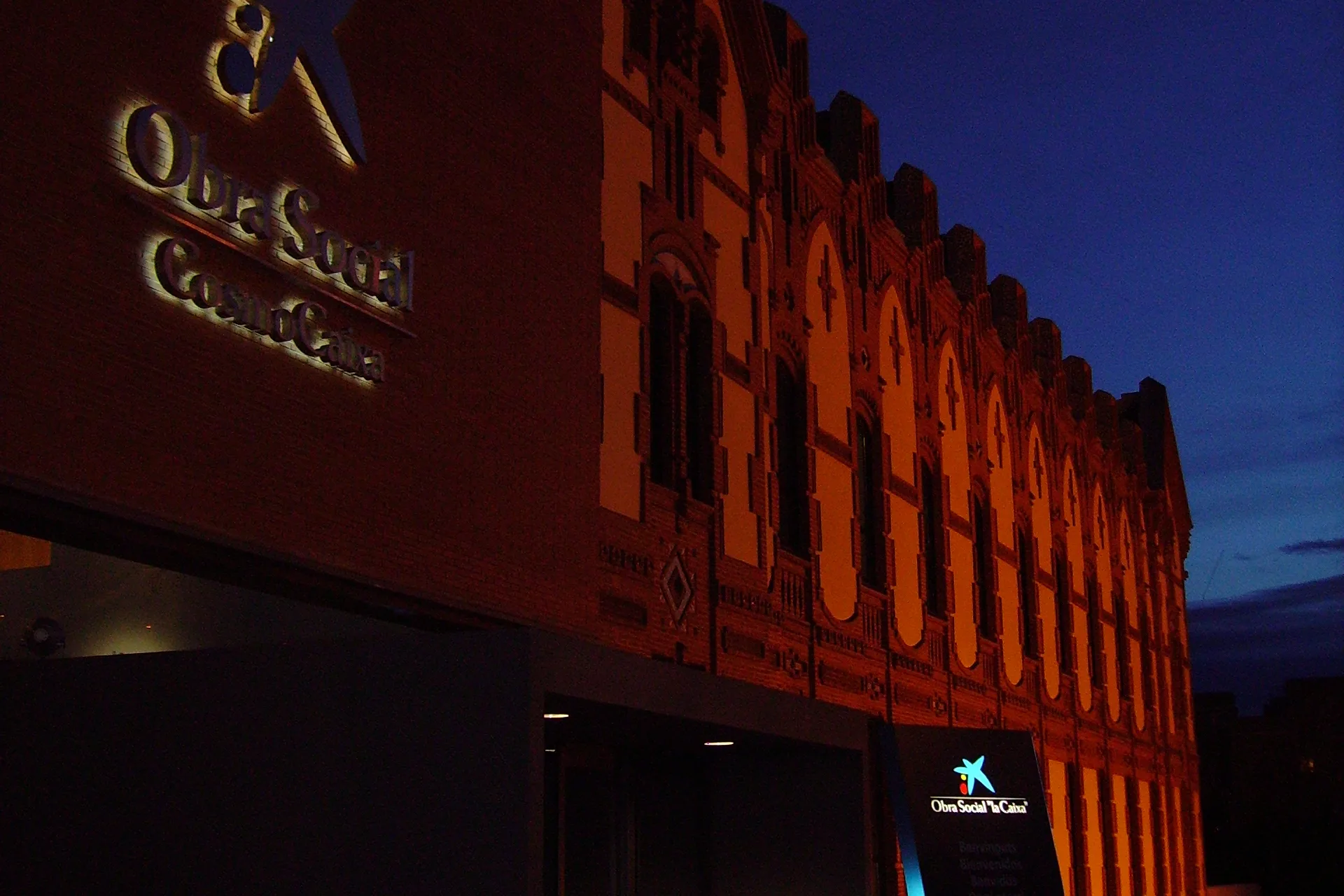
CosmoCaixa Barcelona
A hands-on science museum in a restored Modernist building, with an indoor recreated flooded Amazon rainforest and one of Europe's biggest Foucault pendulums.
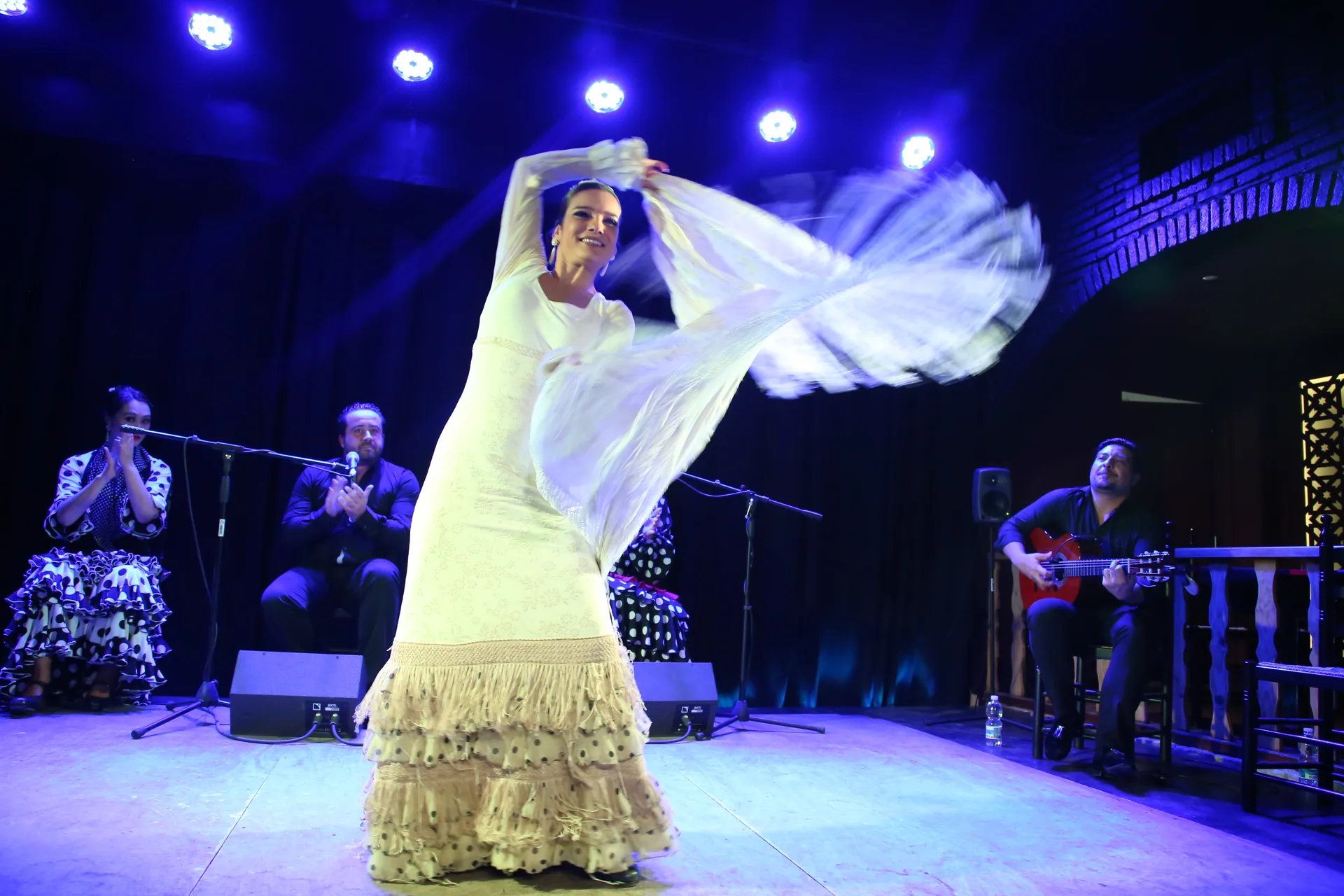
Flamenco Show at Tablao Cordobés
An intimate, decades-old flamenco venue right on La Rambla — worth knowing flamenco is an Andalusian, not Catalan, tradition, imported rather than local.
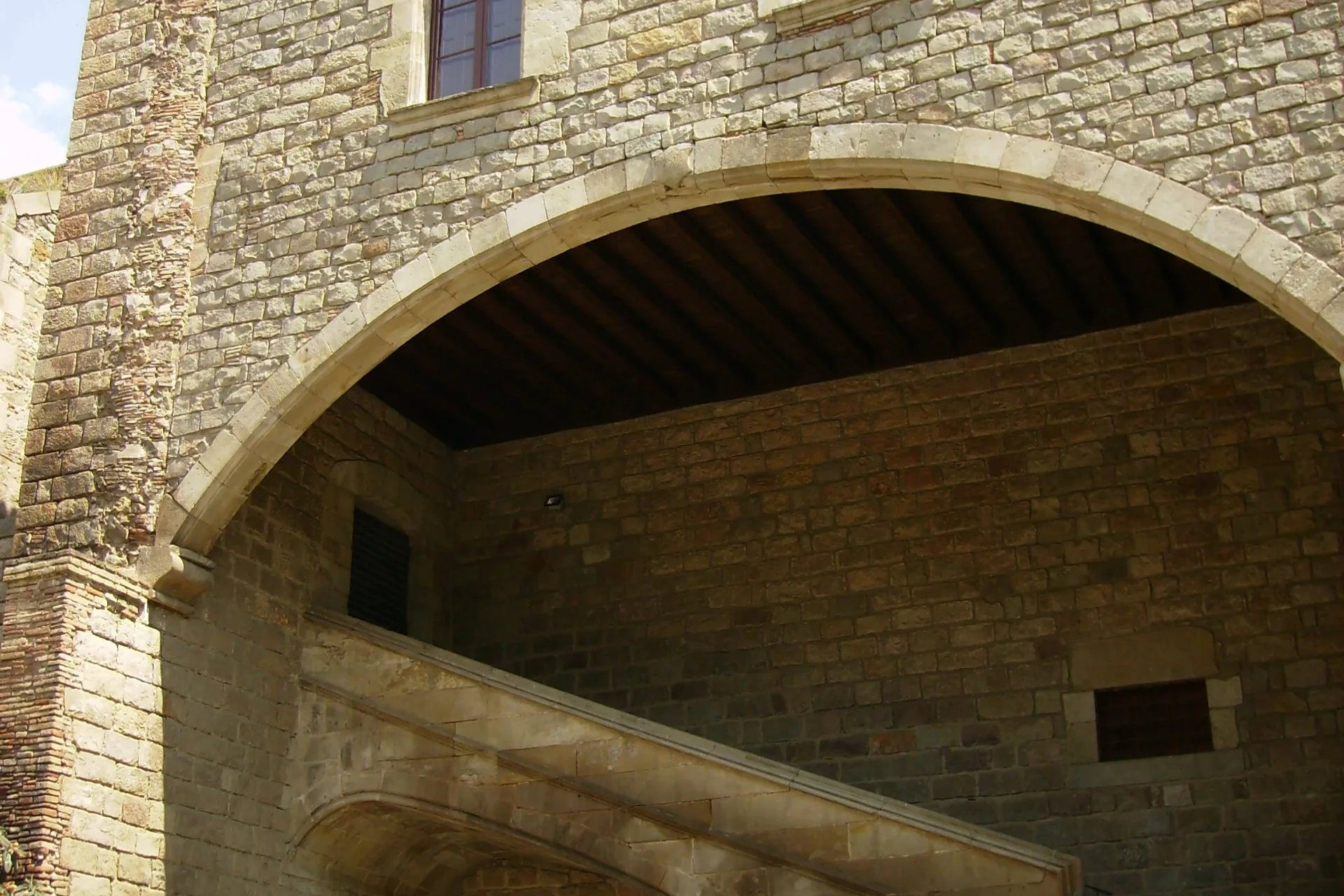
Biblioteca de Catalunya
Catalonia's national library, housed inside a 15th-century Gothic former hospital — one of the most atmospheric library reading rooms in Spain.
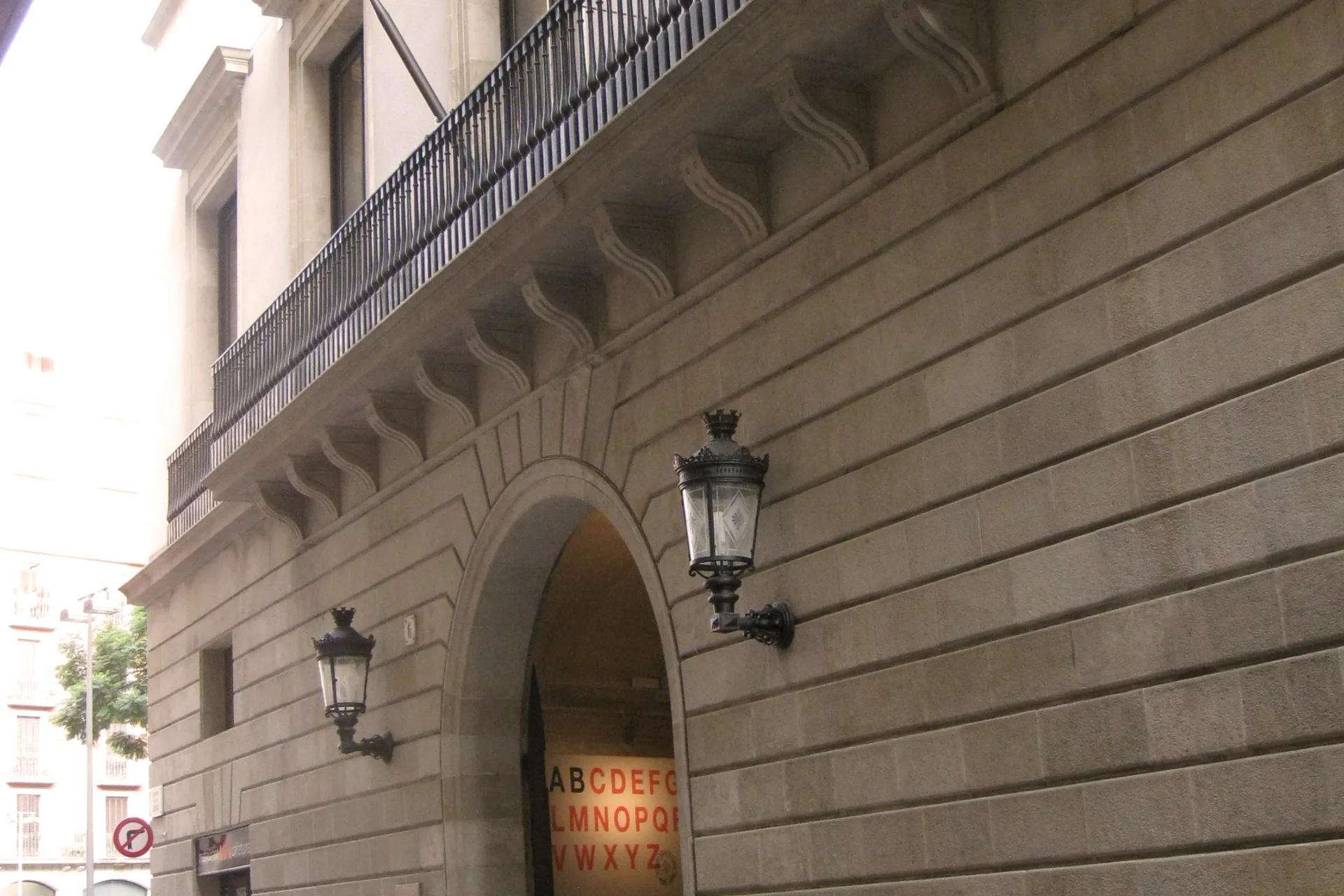
Ateneu Barcelonès
A private cultural society since 1860, housed in a neoclassical palace with one of Barcelona's most beautiful private libraries — open to the public via guided tours.
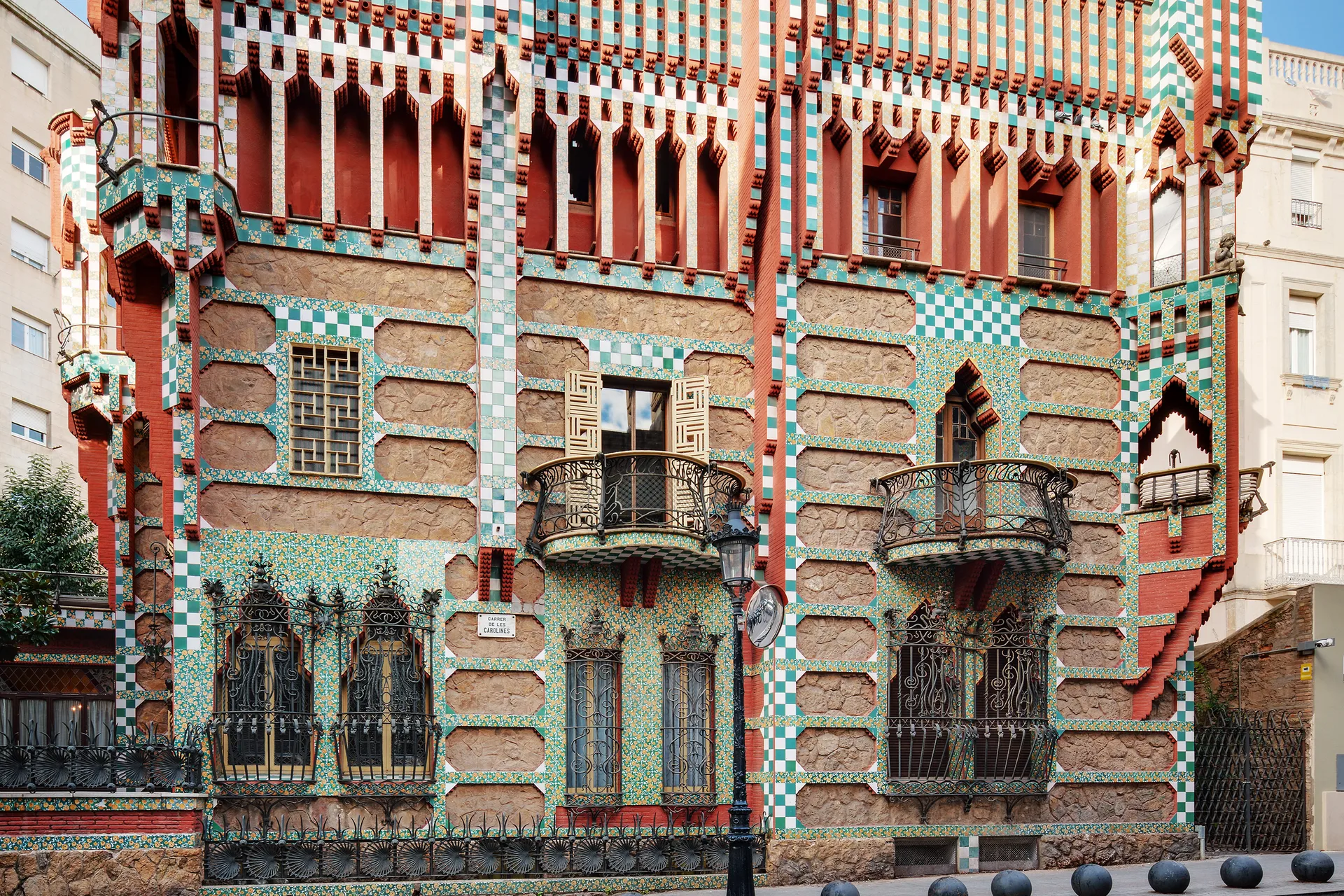
Casa Vicens
Gaudí's very first major commission — a Moorish-influenced, ceramic-tiled summer house in Gràcia, less visited than his later work but arguably more surprising.
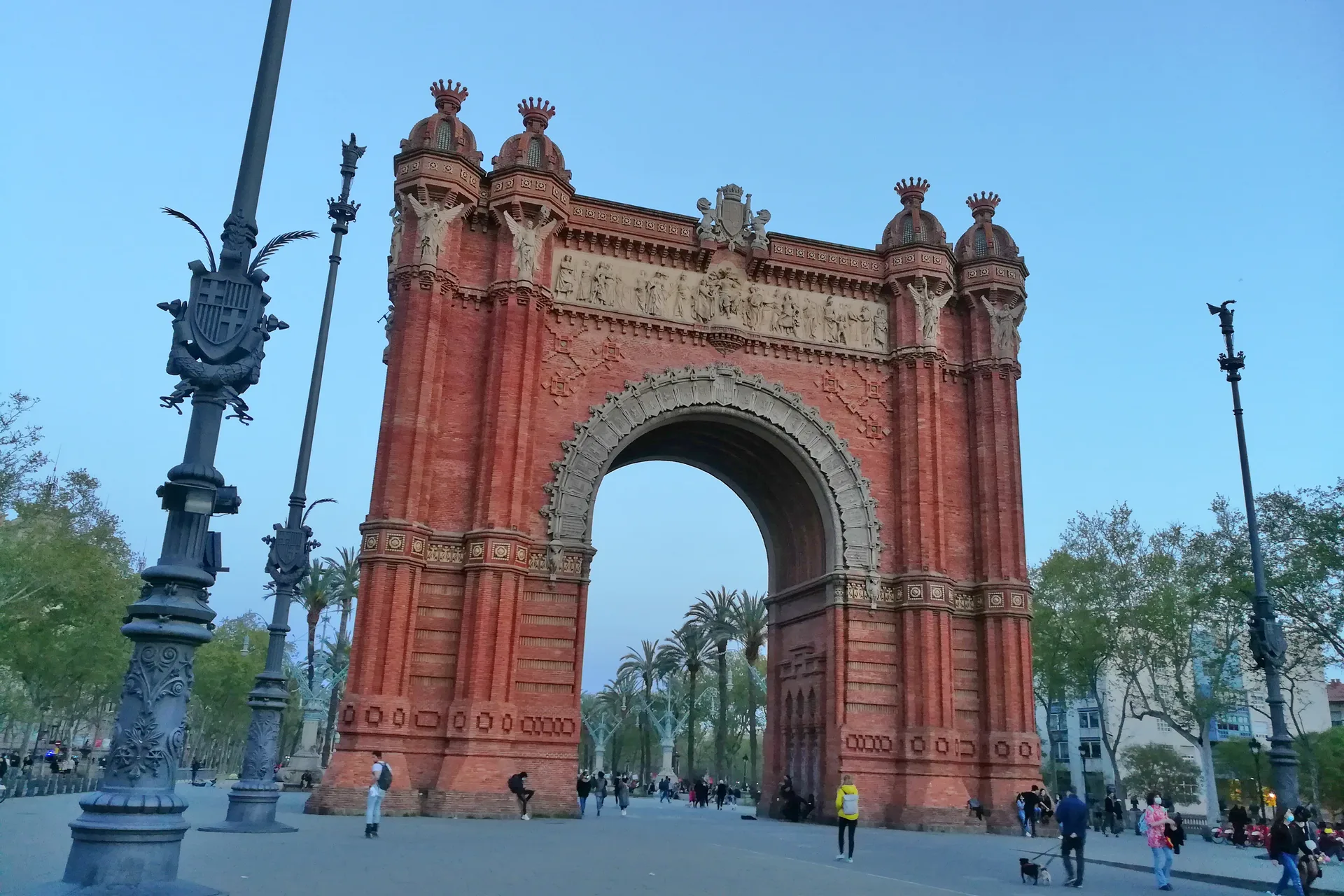
Arc de Triomf
A grand red-brick Neo-Mudéjar arch built as the ceremonial entrance to the 1888 Barcelona World Fair — free to view, at the head of a wide tree-lined promenade.
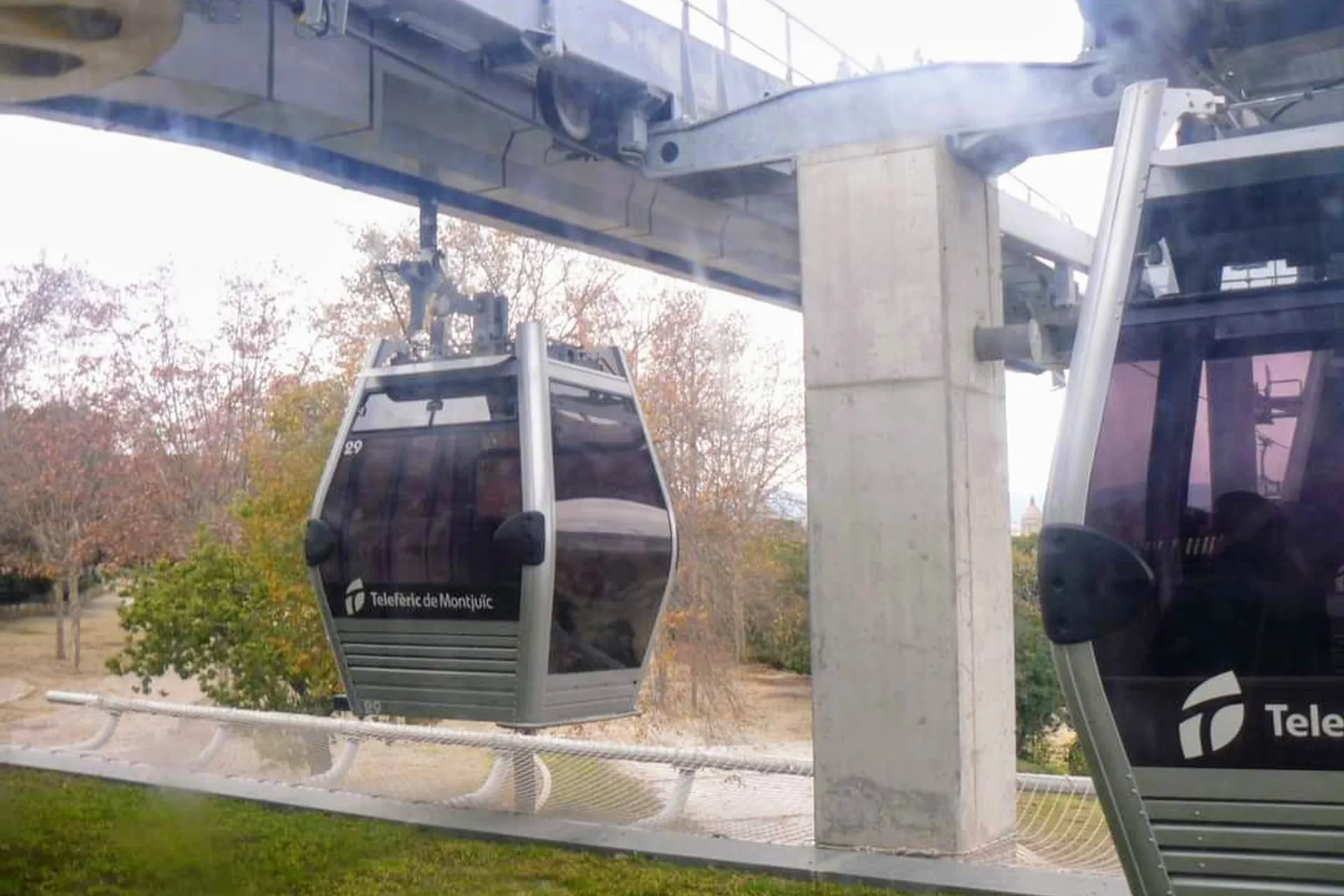
Montjuïc Cable Car (Telefèric de Montjuïc)
A scenic gondola ride from the middle of Montjuïc hill up to the castle, with sweeping views over the port and city on the way.
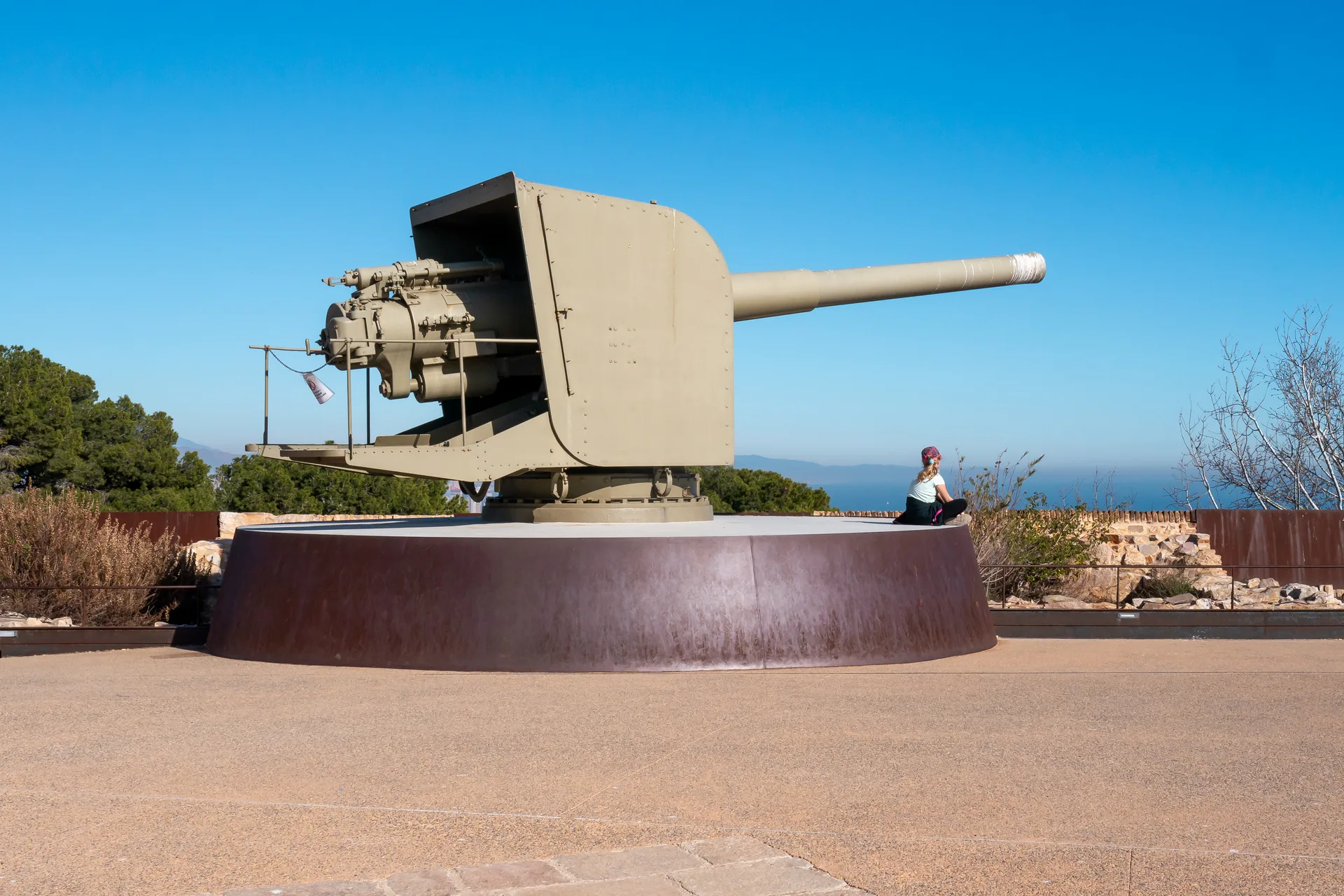
Montjuïc Castle
An 18th-century hilltop fortress with a dark political history as a prison and execution site, now a museum and free public viewpoint over the harbour.
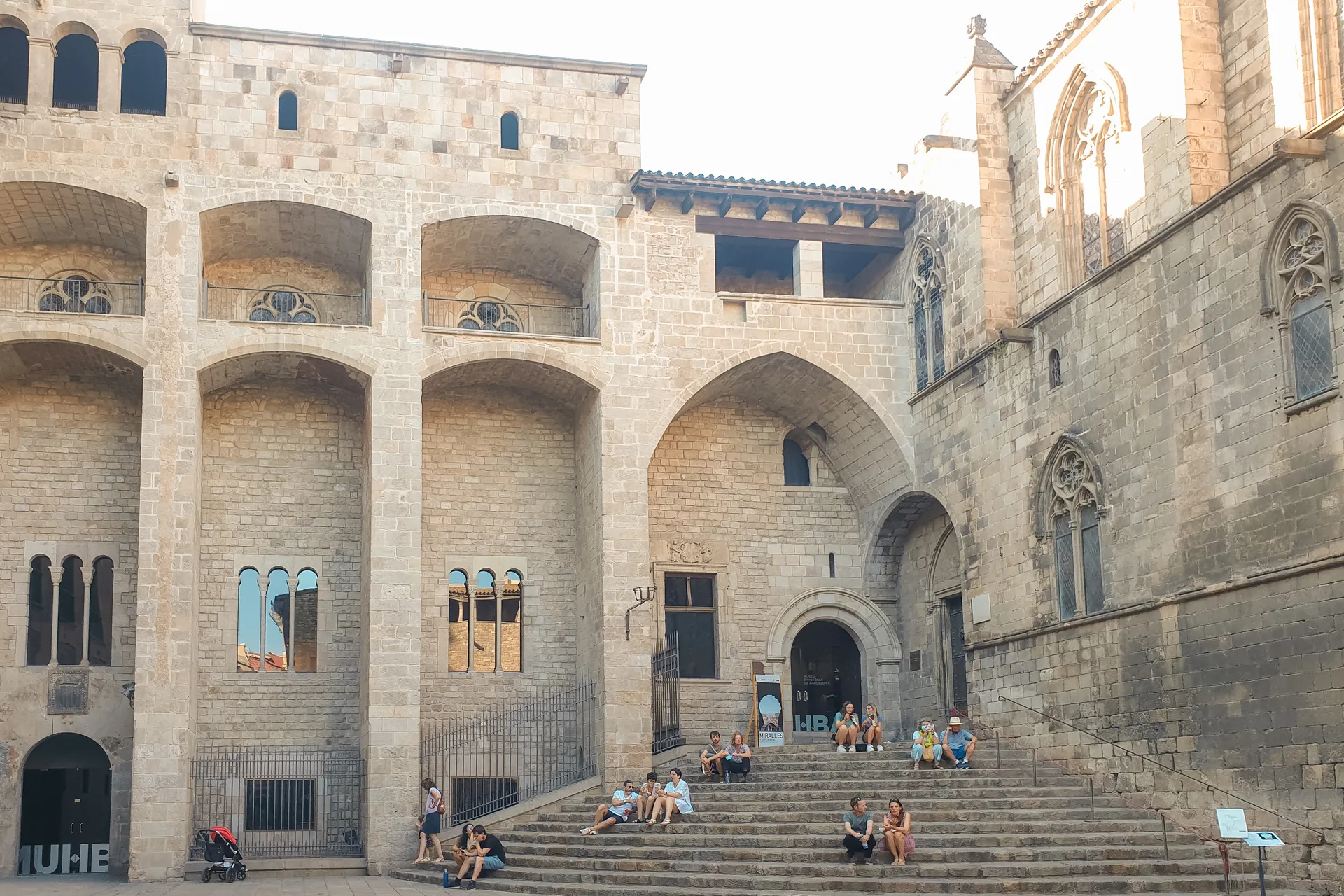
Barcelona History Museum (MUHBA, Plaça del Rei)
Walk beneath medieval Barcelona directly onto the Roman streets and workshops of Barcino, preserved intact under a 14th-century royal square.
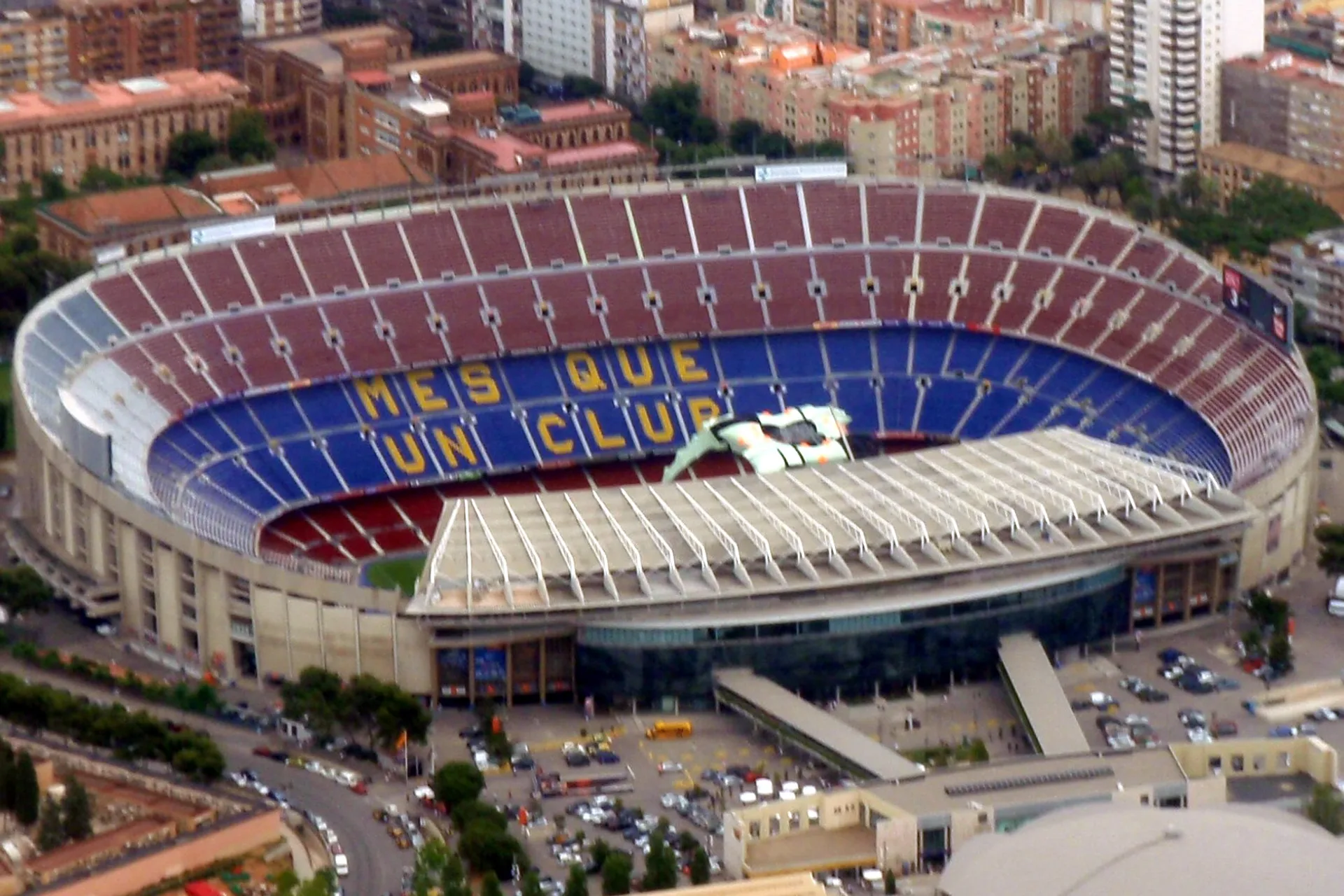
Camp Nou Experience (FC Barcelona Museum)
FC Barcelona's stadium and museum tour — trophy halls, the players' tunnel and (renovation permitting) pitch-side access at one of the world's largest football grounds.
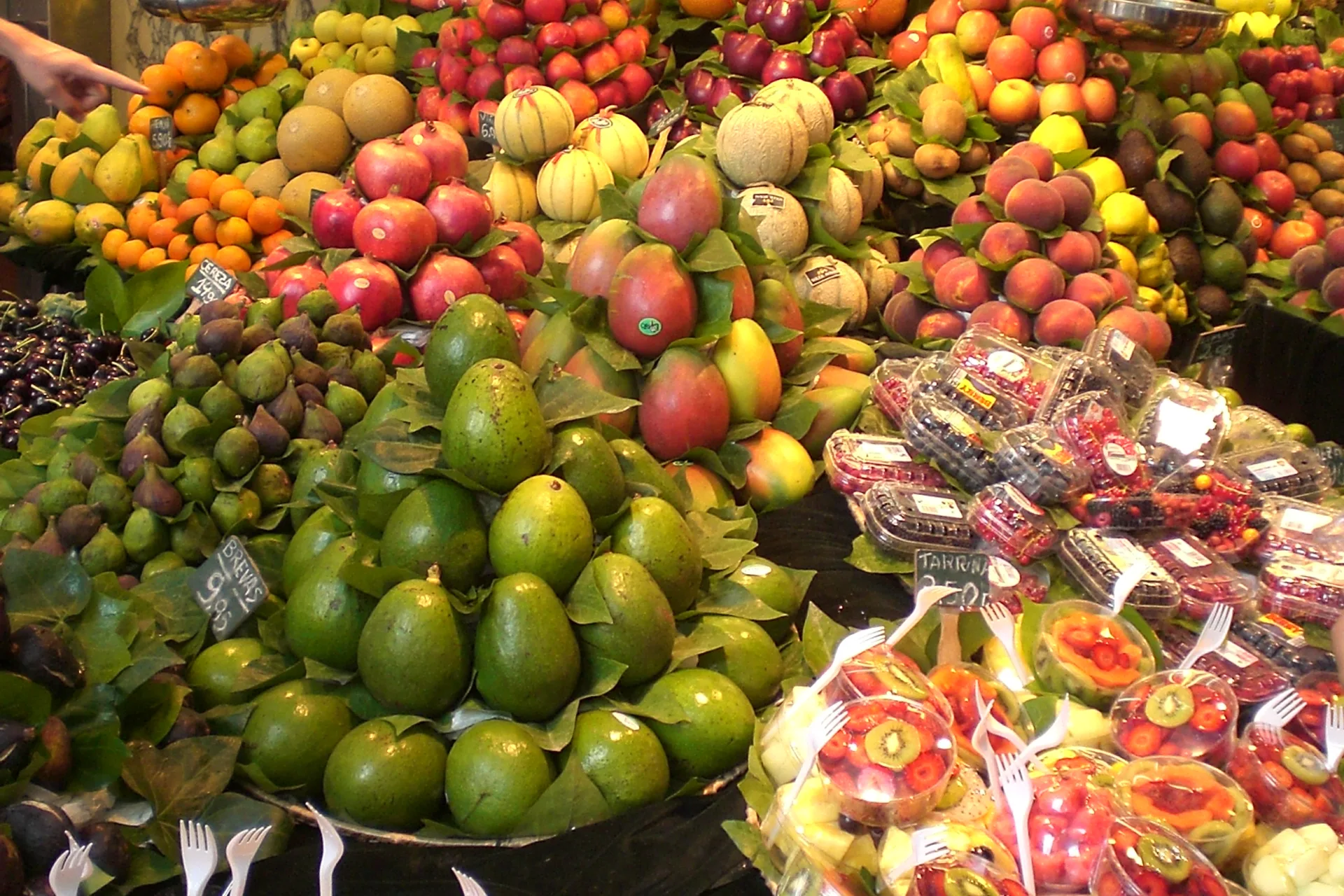
La Boqueria Market
Barcelona's largest and most famous food market, spilling off La Rambla with 300+ stalls of jamón, fresh fish, fruit and cheap juice — best visited before midday.
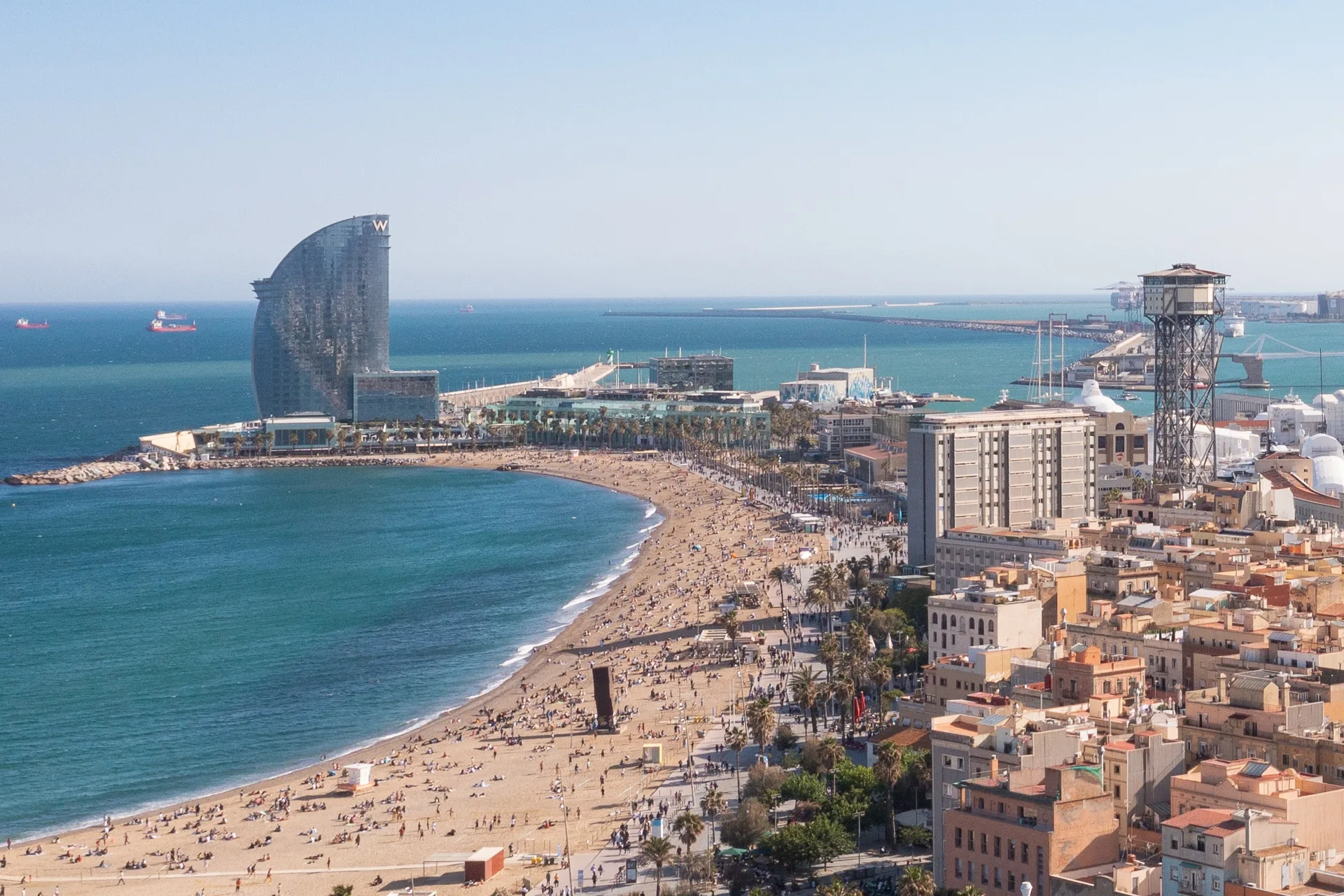
Barceloneta Beach
Barcelona's most central city beach — built from scratch for the 1992 Olympics on a former industrial waterfront, now backed by a lively fishing-quarter neighbourhood.
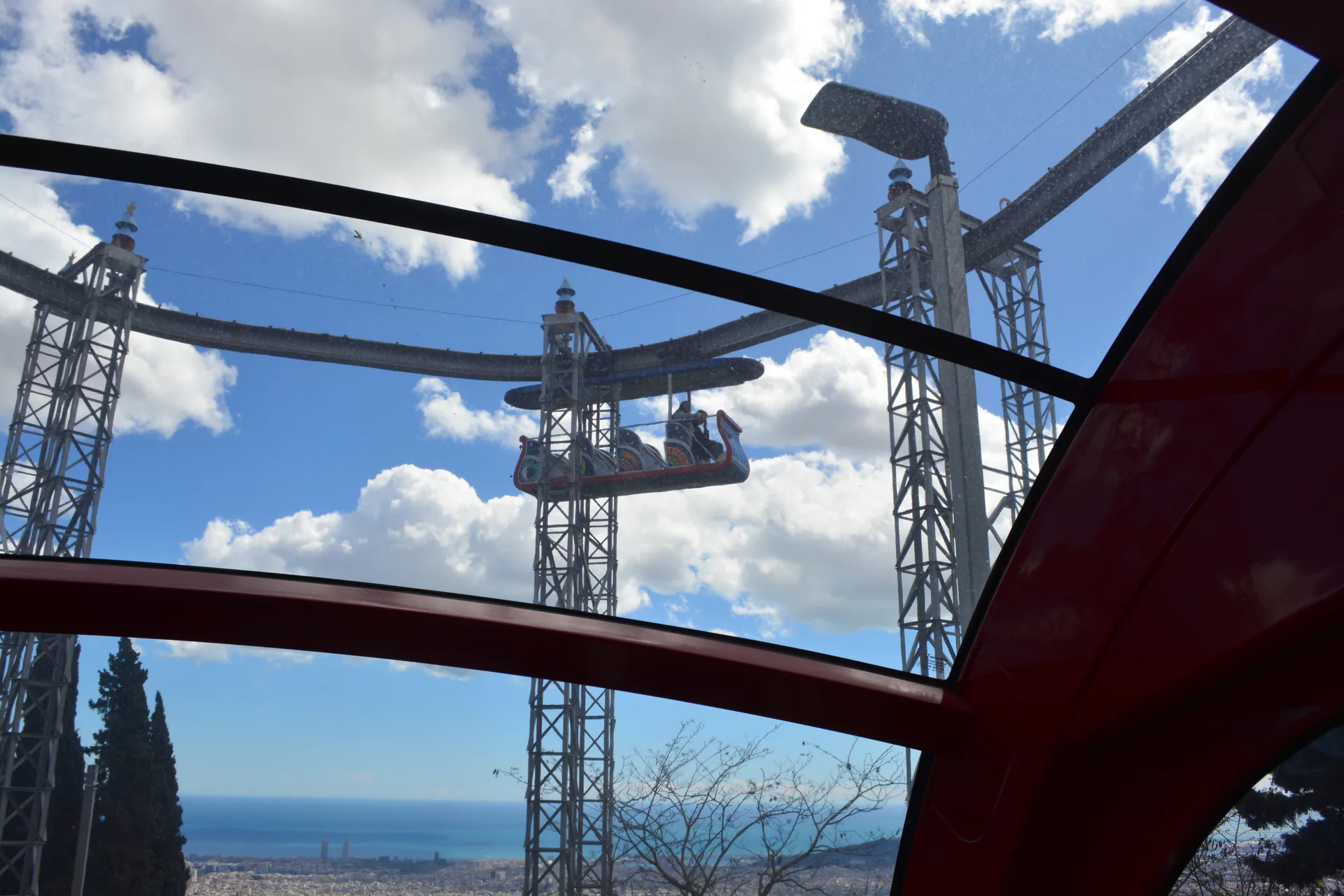
Tibidabo Amusement Park
A century-old amusement park on Barcelona's highest hill, reached by a vintage funicular, with vintage rides and the best all-round view of the city.
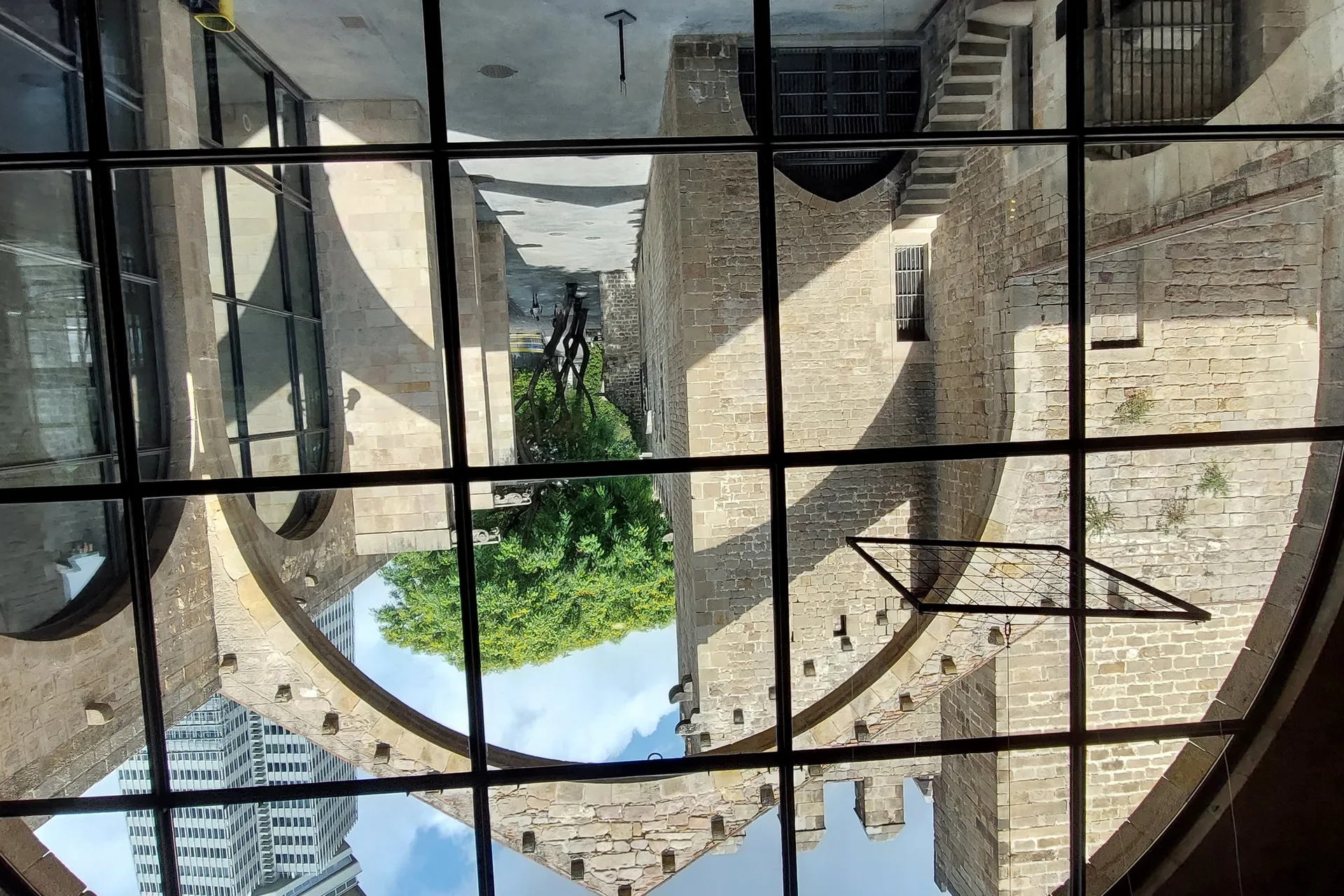
Museu Marítim (Maritime Museum)
Barcelona's medieval royal shipyard, where Mediterranean war galleys were built for 500 years, now a maritime museum with a full-size galley replica.
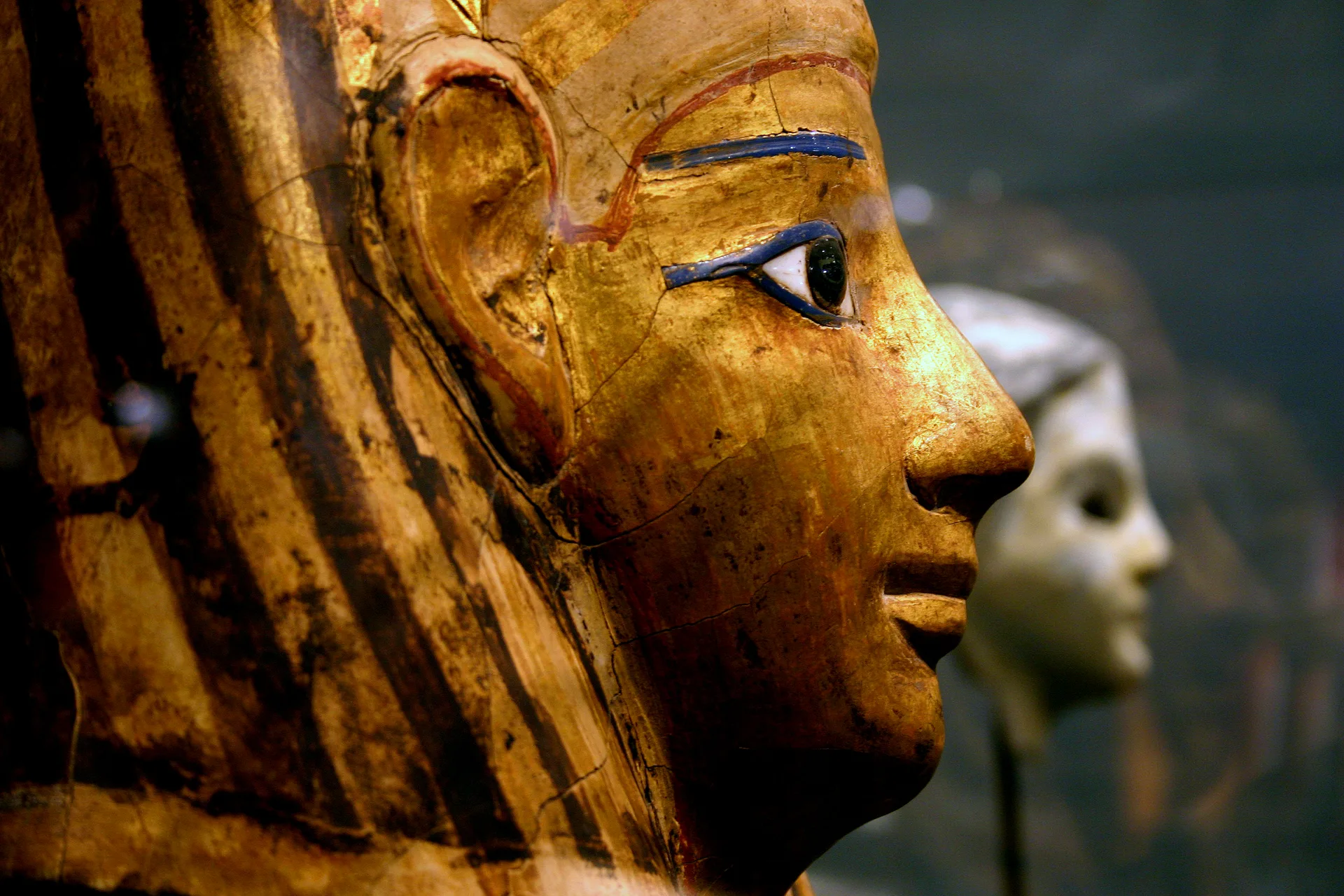
Museu Egipci de Barcelona (Egyptian Museum)
A private collection of over 1,000 ancient Egyptian artefacts on the Eixample's grand shopping street, built from one hotelier's decades of personal acquisition.
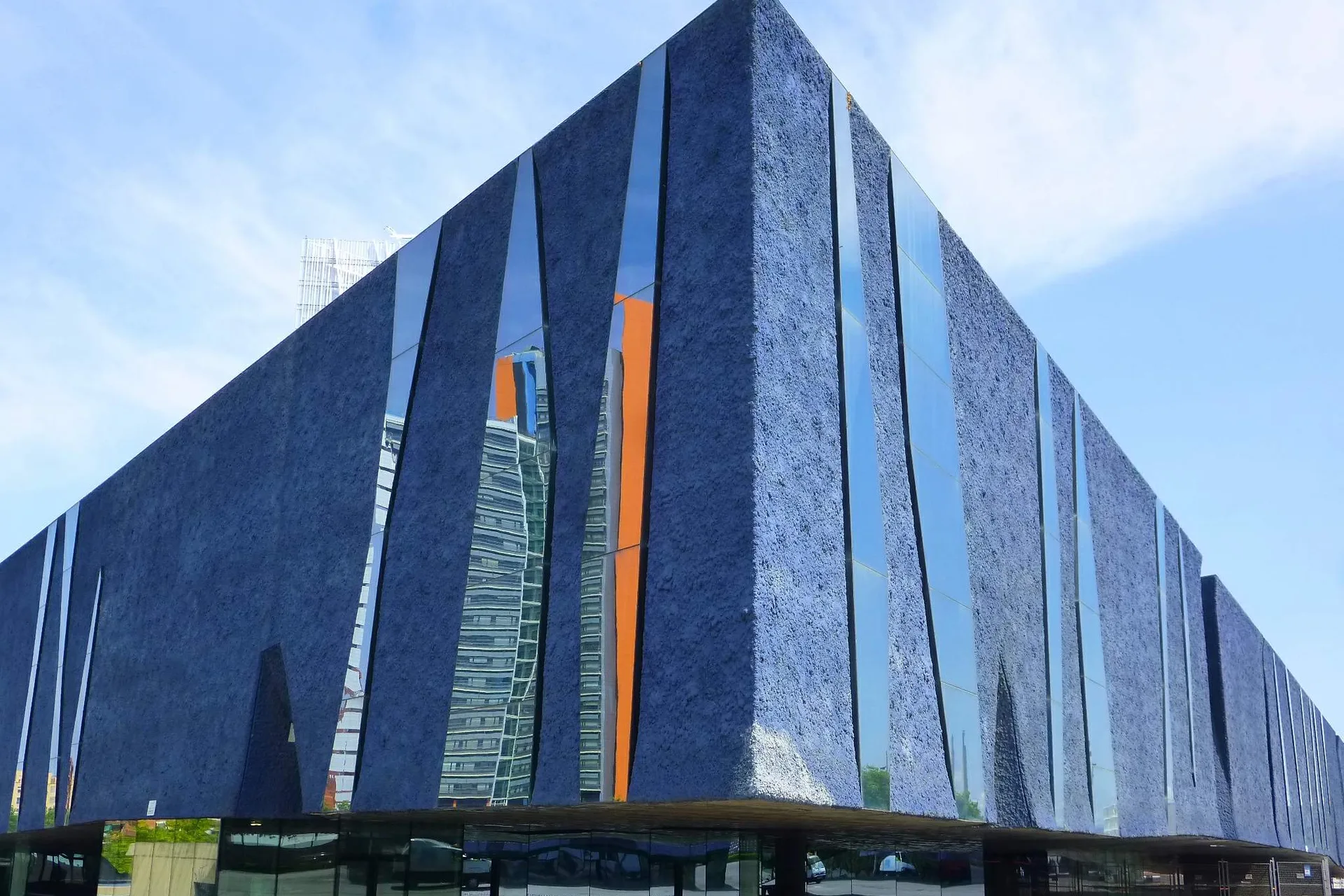
Museu Blau (Natural Sciences Museum)
Barcelona's natural history museum in a dramatic geometric building at the Fòrum waterfront, covering the history of life on Earth from minerals to dinosaurs.
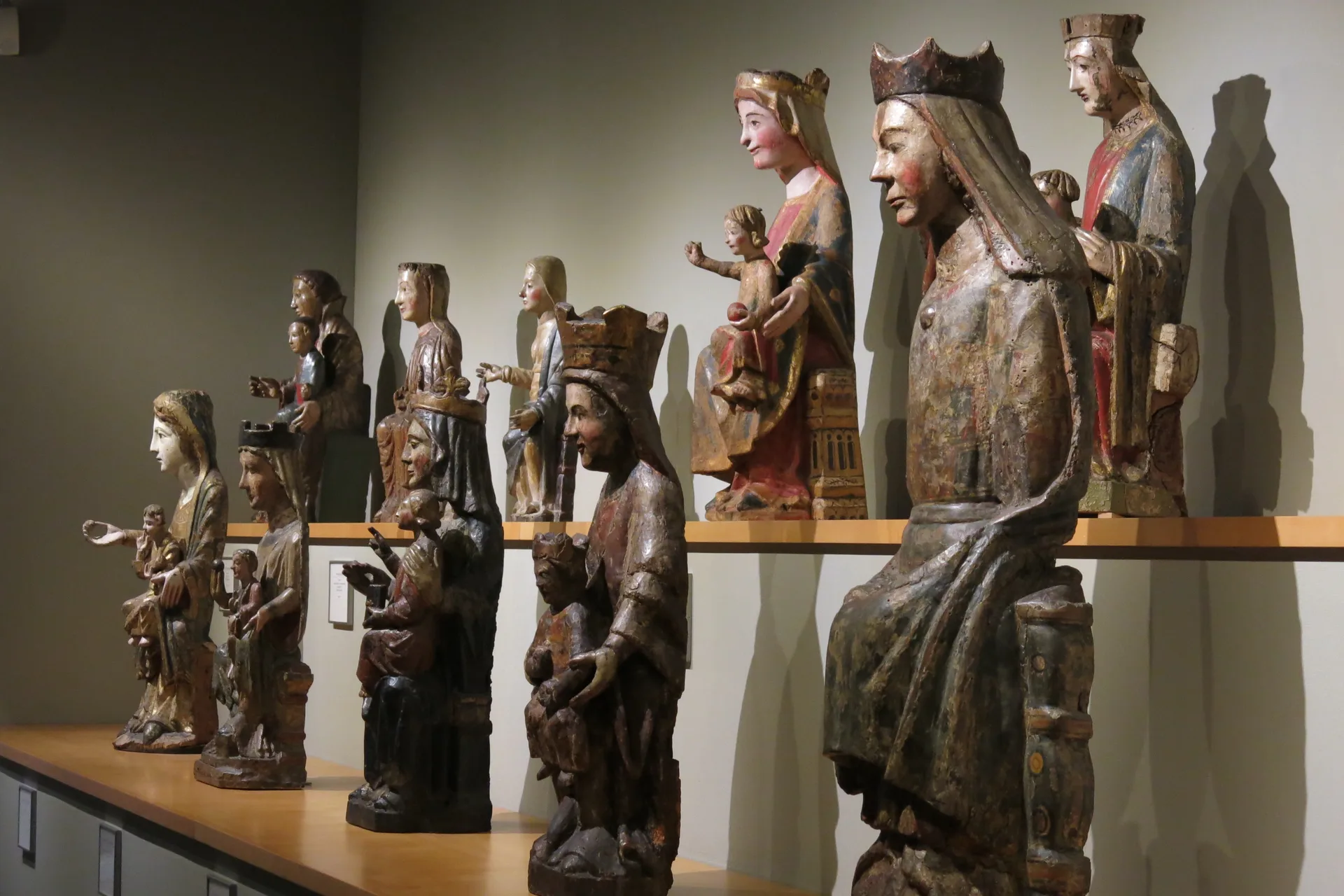
Museu Frederic Marès
A sculptor's own eclectic hoarding turned museum — medieval religious carvings downstairs, a startling collection of 19th-century everyday objects and curios above.
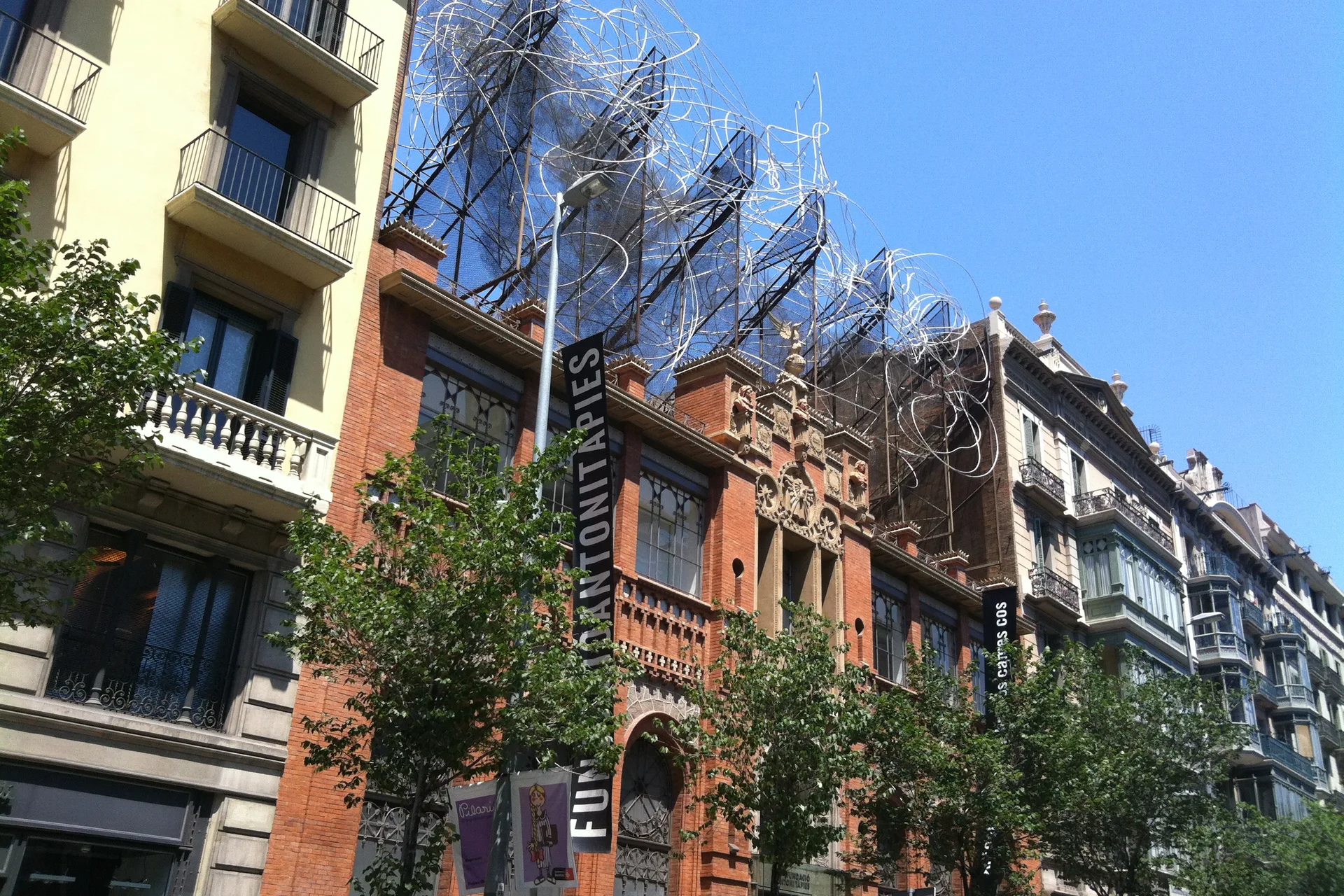
Fundació Antoni Tàpies
Barcelona's leading contemporary art foundation, in a restored 19th-century publishing house crowned by Tàpies's own tangled wire sculpture on the roof.
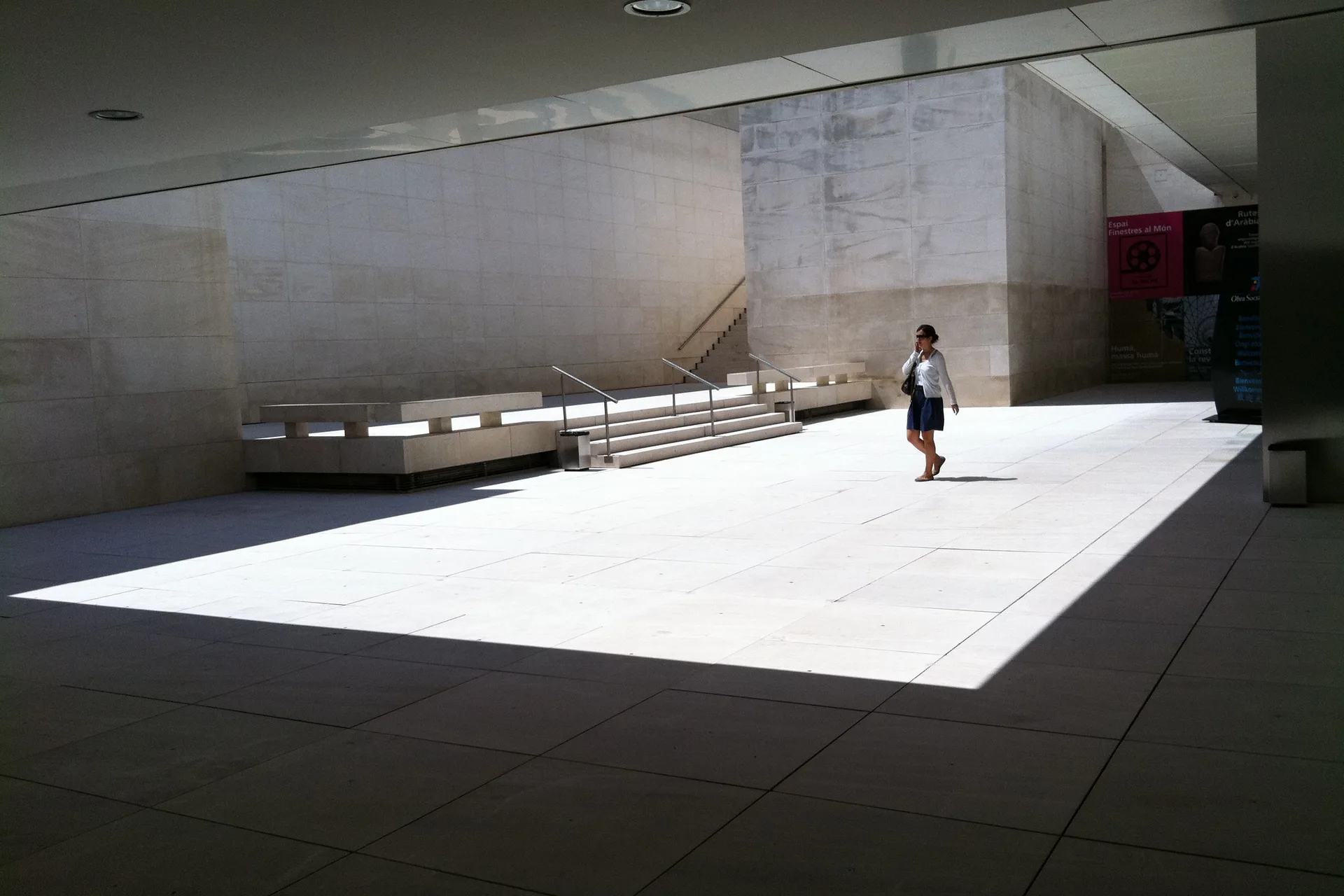
CaixaForum Barcelona
A former textile factory turned major cultural centre at the foot of Montjuïc, with rotating world-class art and photography exhibitions.
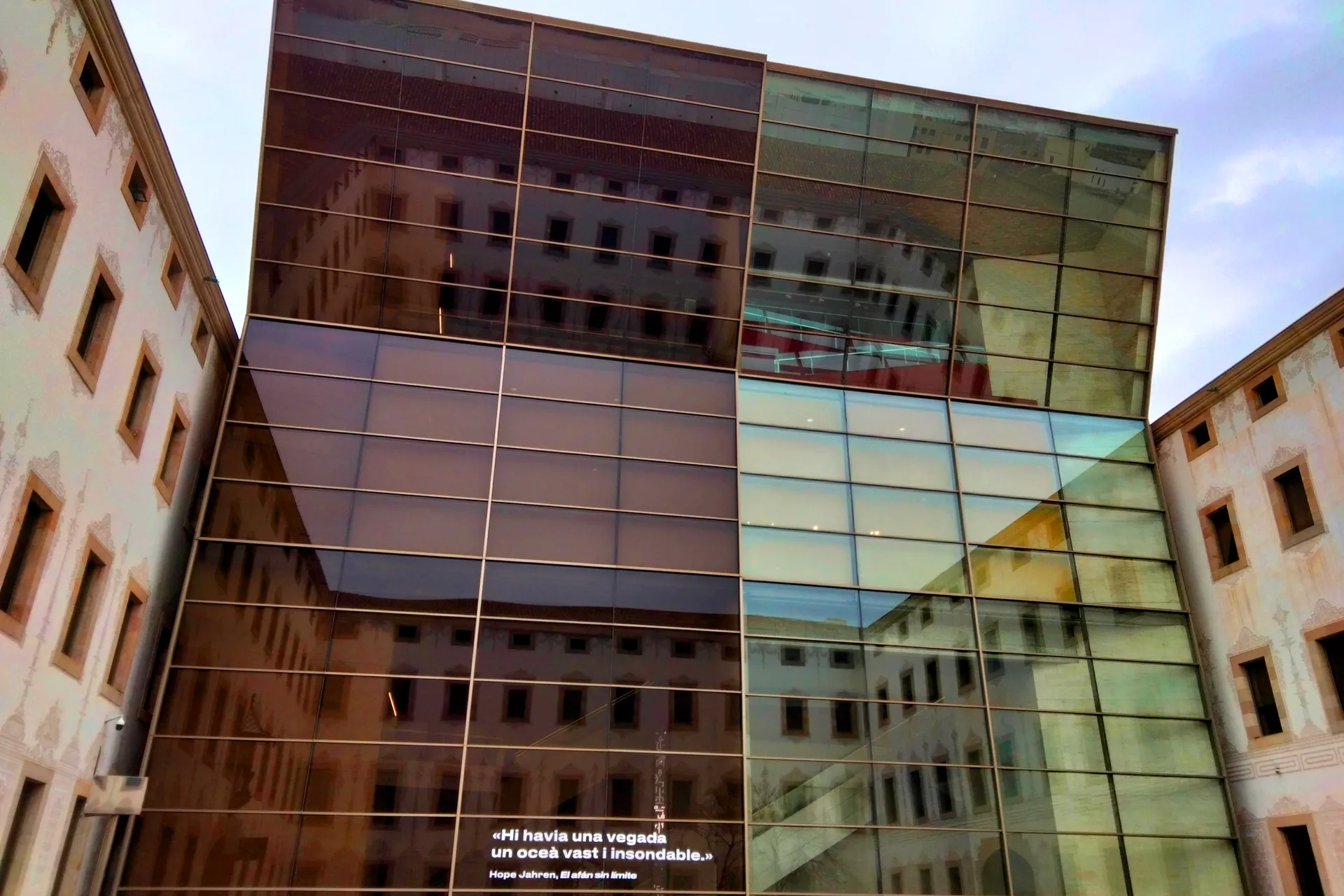
CCCB (Centre de Cultura Contemporània de Barcelona)
A former 18th-century charity hospice reborn as a contemporary culture centre, its glass-walled courtyard framing city views alongside urbanism and photography exhibitions.
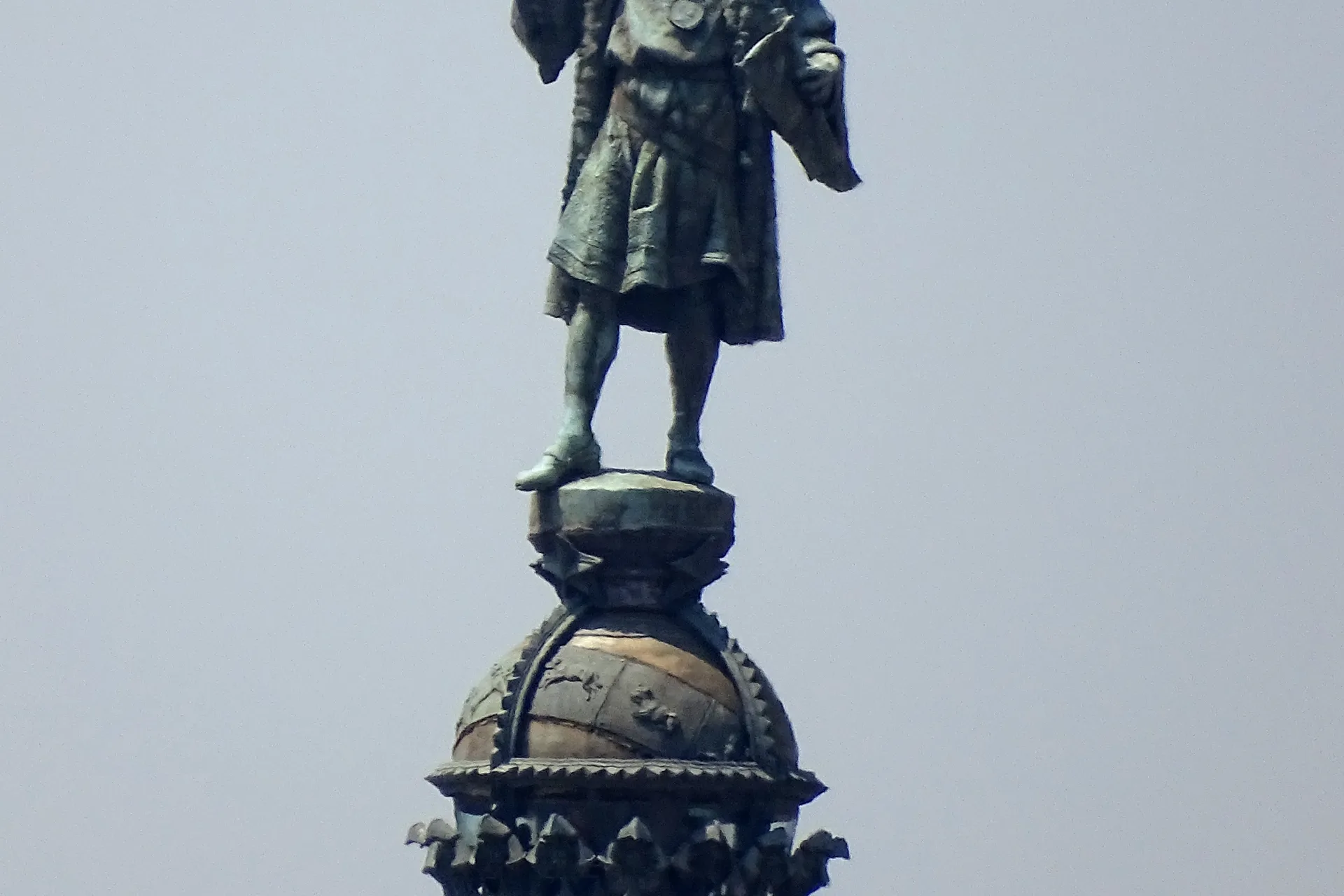
Columbus Monument (Mirador de Colom)
A 60-metre column at the harbour end of La Rambla, topped by a statue of Columbus and an elevator-accessed viewing platform over the port.
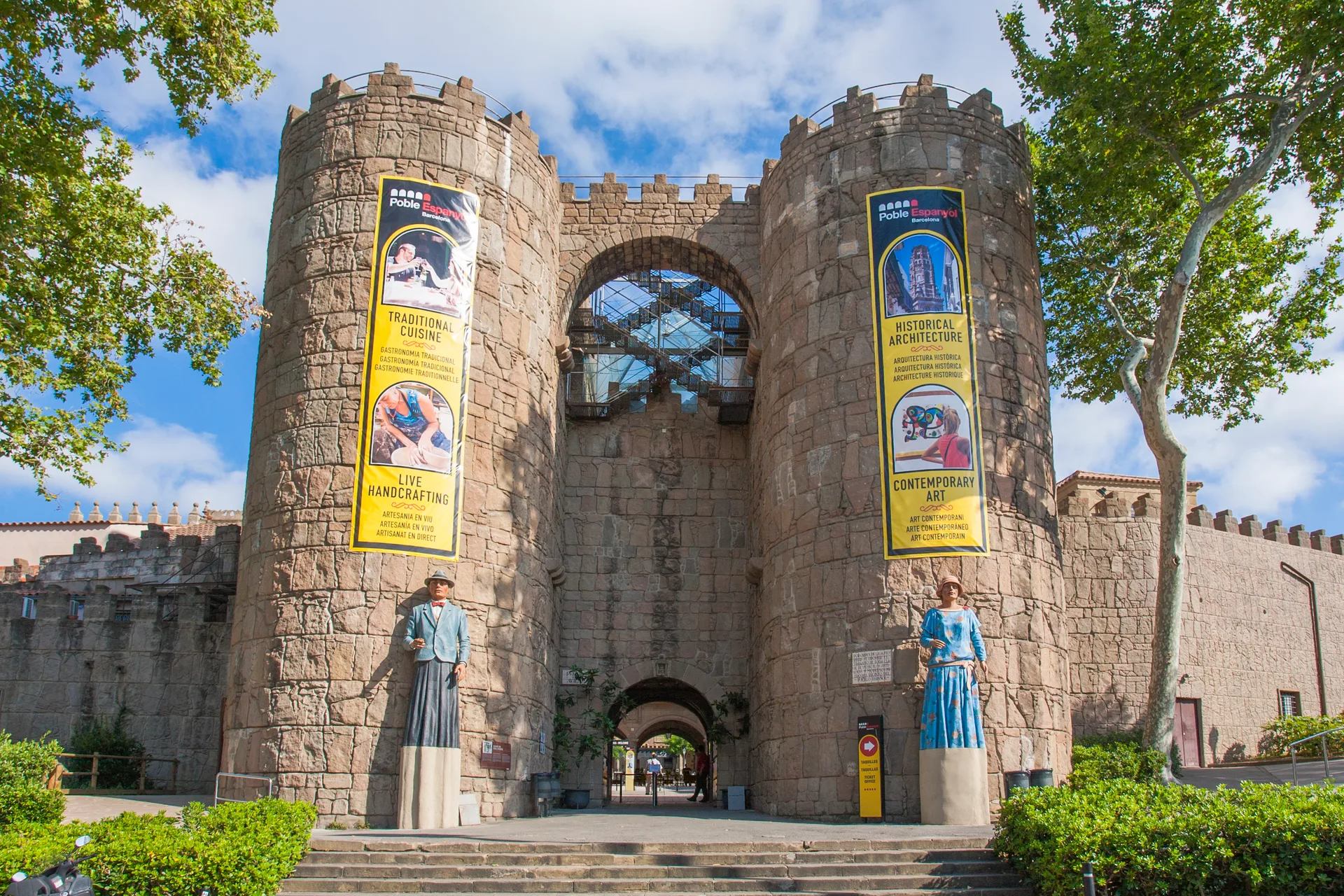
Poble Espanyol
An open-air "Spanish village" built for the 1929 International Exhibition — 117 full-scale replica buildings from every Spanish region in one walkable Montjuïc site.
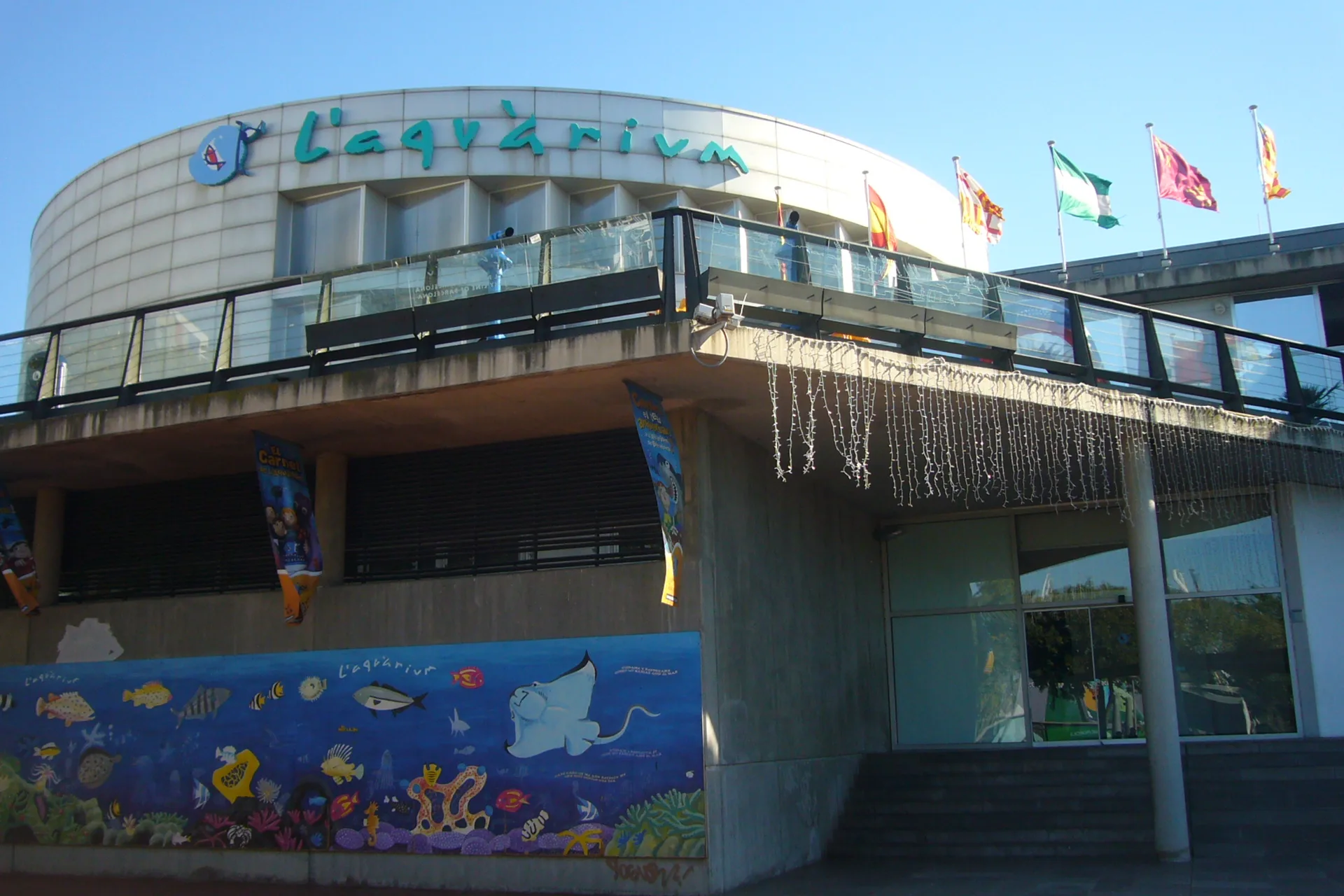
Barcelona Aquarium (L'Aquàrium)
One of Europe's largest aquariums, right on the Port Vell waterfront, with an 80-metre shark tunnel and around 11,000 animals from 450 species.
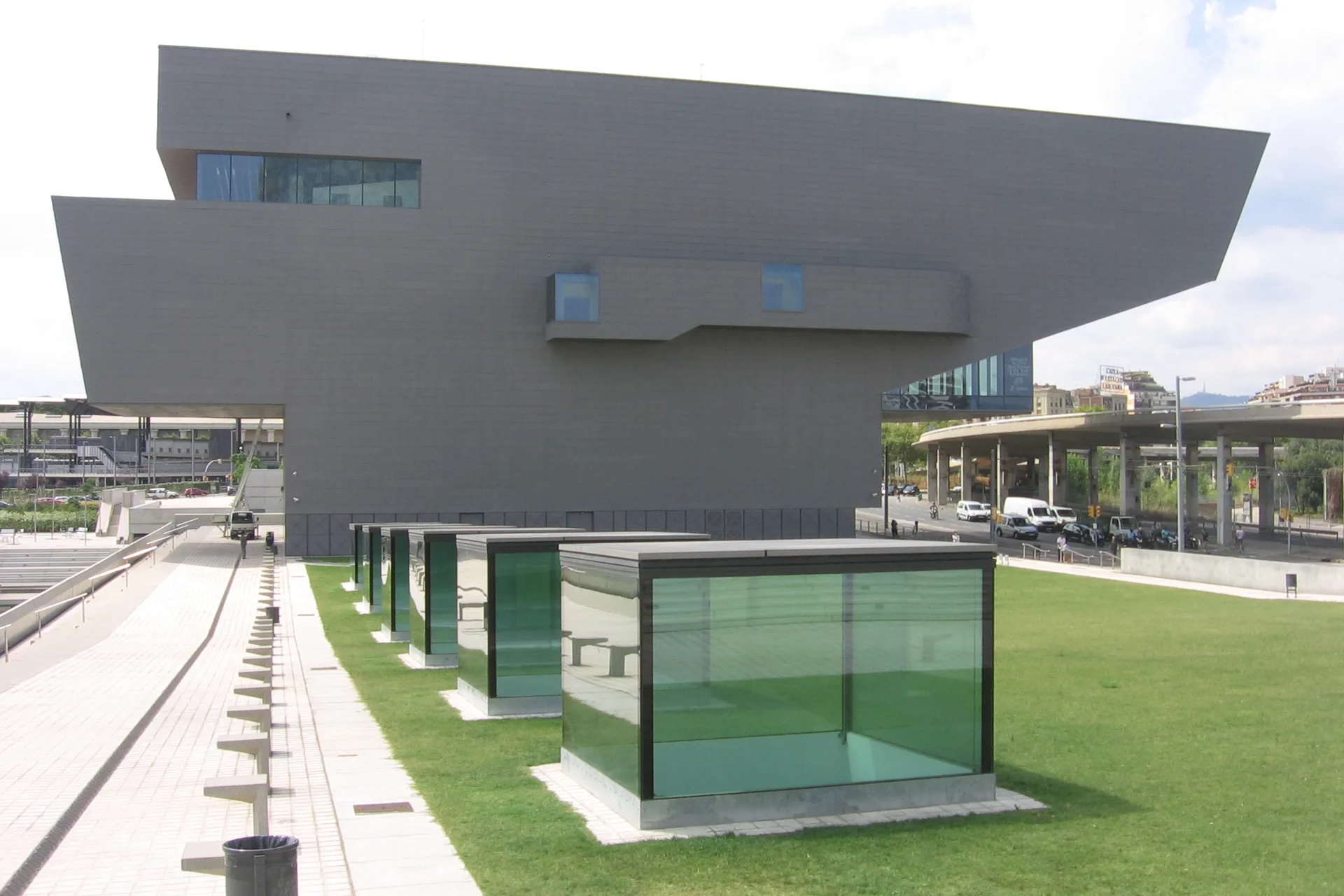
Disseny Hub Barcelona (Design Museum)
A striking angular building at Plaça de les Glòries combining four historic design, textile, ceramics and graphic-arts collections under one roof.
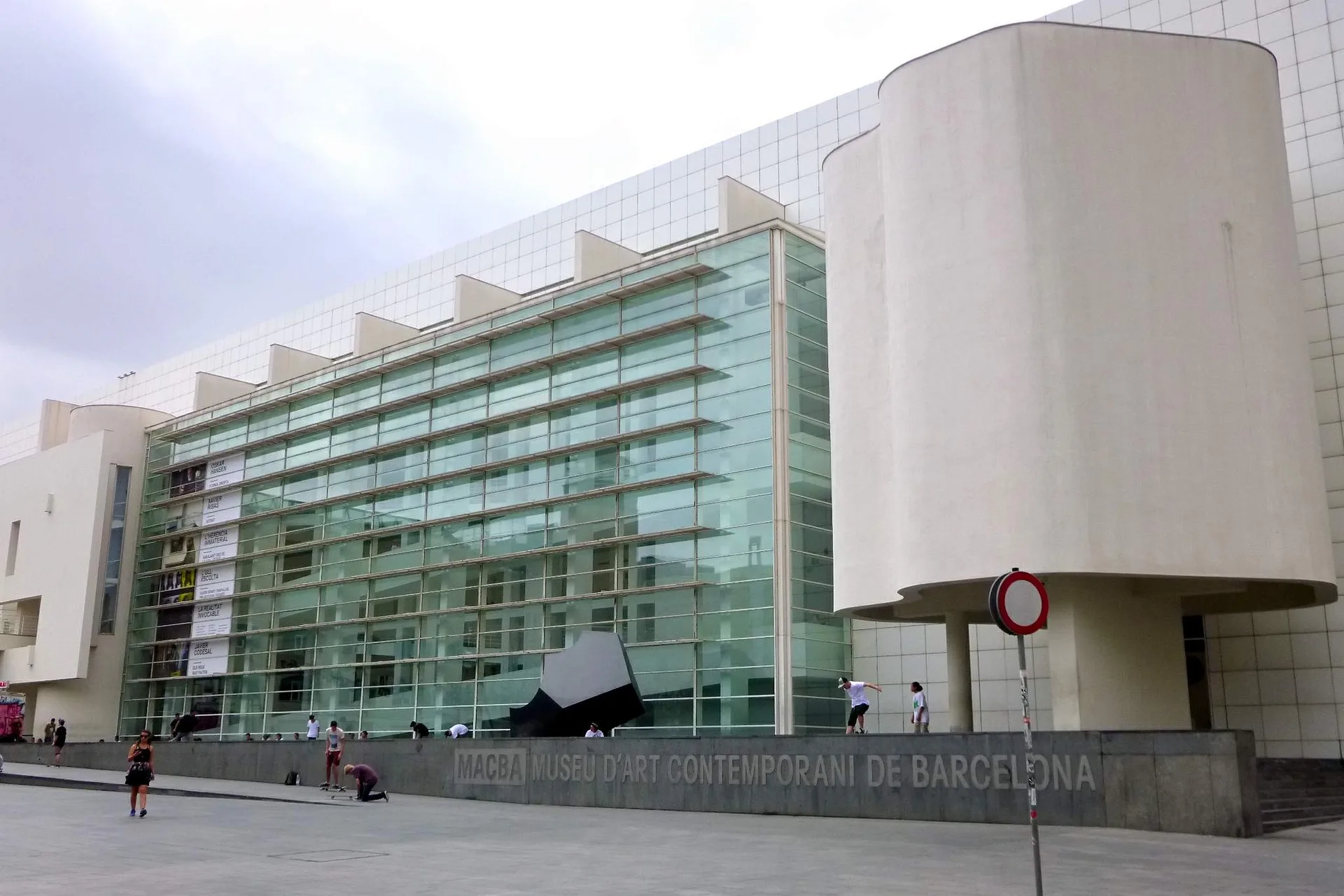
MACBA (Barcelona Museum of Contemporary Art)
A stark white Richard Meier building in the Raval, ringed by skateboarders, holding Spain's leading collection of post-1945 contemporary art.
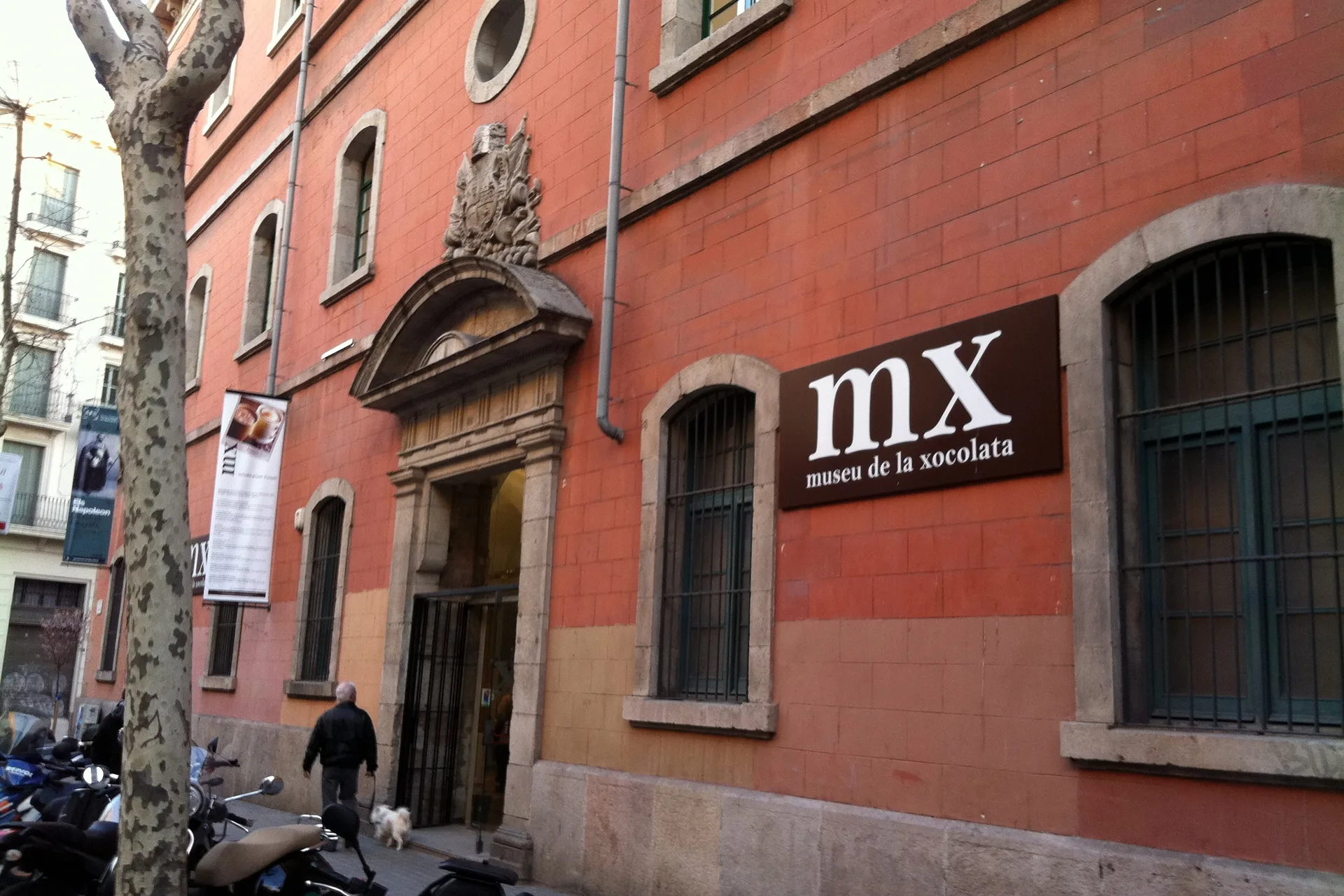
Museu de la Xocolata (Chocolate Museum)
A small, playful museum on chocolate's history in a former convent — full-size chocolate sculptures included, with a working pastry school upstairs.
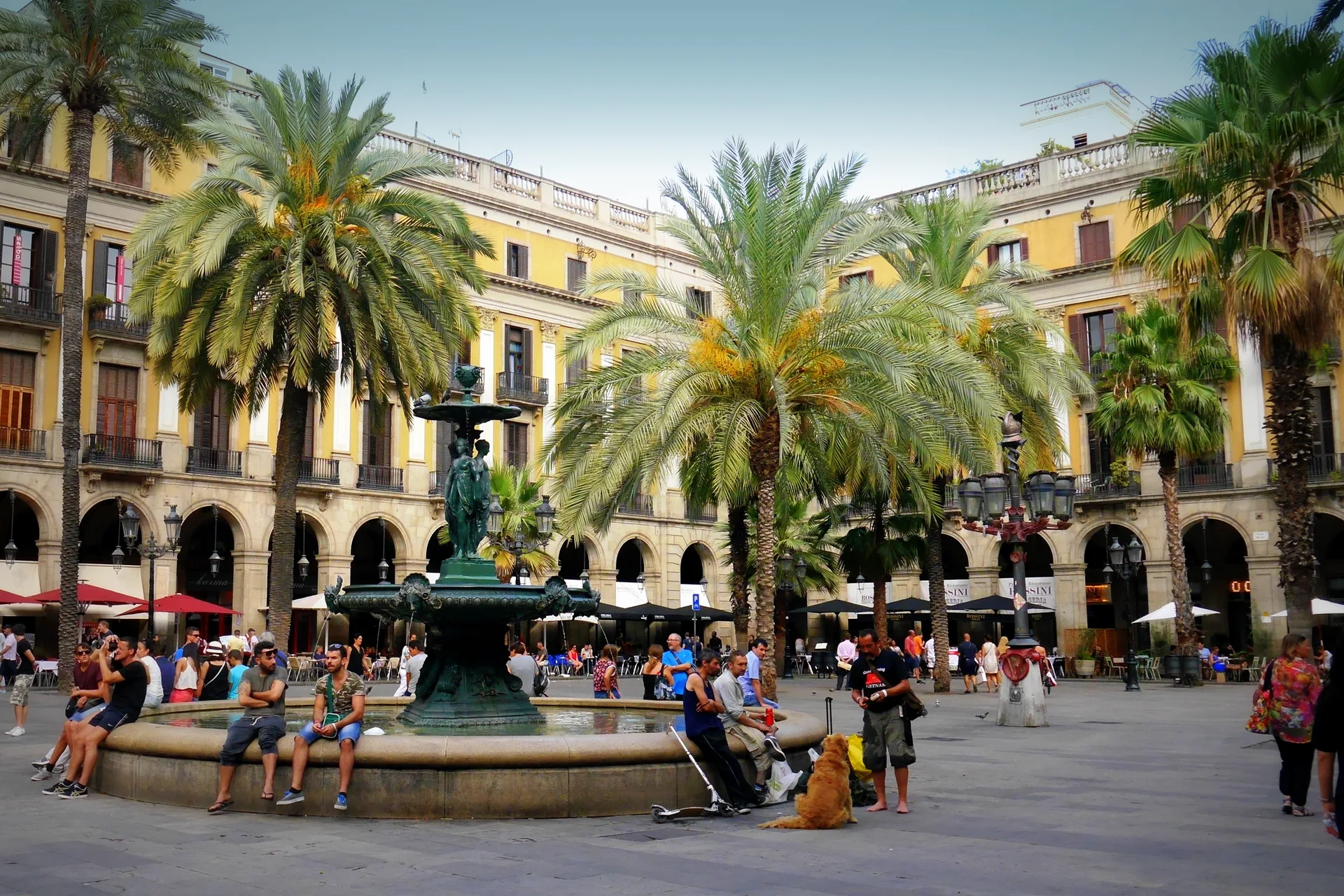
Las Ramblas
Barcelona's famous 1.2km pedestrian boulevard linking Plaça Catalunya to the harbour — genuinely essential to walk once, best enjoyed without high expectations of an authentic local experience today.
Free Entry in Barcelona
12 places with no admission charge
Frequently Asked Questions
Everything you need to know before you visit.
How many days do you need in Barcelona?+−
Do I need to book the Sagrada Família in advance?+−
Is Park Güell worth it?+−
Is Barcelona safe for tourists?+−
What is the best area to stay in Barcelona?+−
Is the Montserrat day trip worth it?+−
Where to stay
Hotels in Barcelona
Compare prices across hundreds of hotels near this attraction — from budget hostels to luxury stays. Free cancellation on most rooms.
Affiliate disclosure — we may earn a commission at no extra cost to you. Powered by Booking.com.