
Best for
Fans of psychology, history buffs, anyone curious about Freud's life
Time needed
1–1.5 hours
Worth it?
Yes for interested visitors — a genuinely moving, well-curated biographical museum
Skip if
You have no particular interest in Freud or psychoanalysis
About Sigmund Freud Museum
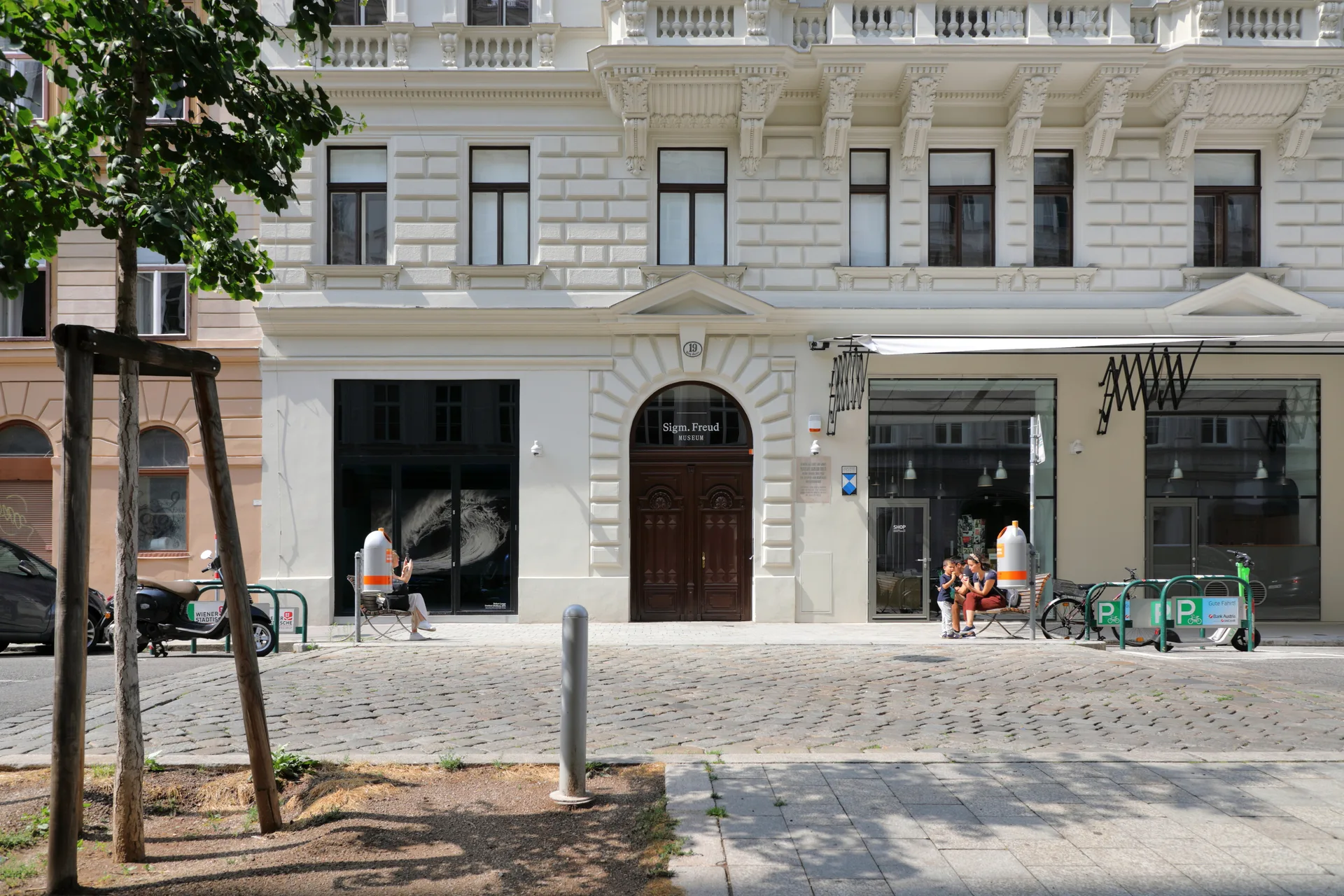
Sigmund Freud lived and practised at Berggasse 19 from 1891 until June 1938, when he was forced to flee Nazi-annexed Austria for London, dying in exile a year later. It was here, in the waiting room now open to visitors, that his famous Wednesday psychological discussion group first met, and here that he wrote The Interpretation of Dreams and much of the work that founded psychoanalysis.
The museum, founded in 1971, underwent a major renovation completed in 2020 that nearly doubled the exhibition space to around 550 square metres and — for the first time — opened the family's private rooms to visitors alongside the professional spaces. Freud's own furniture and the couch didn't survive his emigration (they went with him to London, where they remain at the Freud Museum there), so what's on display leans on photographs, letters, original doors and fittings, and a thoughtful reconstruction of the world he and his family inhabited.
Read the full storyShow less
It's a quieter, more contemplative visit than Vienna's blockbuster museums — more about atmosphere and biography than spectacle — and rewards visitors with some genuine interest in Freud's life and ideas rather than casual sightseers.
What to See: Highlights
- 1Freud's original waiting room and consulting spaces
- 2Family's private apartments, opened to the public since the 2020 renovation
- 3Original letters, photographs and personal artefacts
- 4Context on the founding of psychoanalysis and Freud's 1938 flight from Vienna
- 5The Wednesday Society meeting room where psychoanalysis's first circle gathered
Skip the Queue — Book Tickets Online
Same admission, instant confirmation. Compare prices across platforms.
Affiliate disclosure — we may earn a commission at no extra cost to you.
Insider Tips
Don't expect the original couch — it went with Freud to London and is on display there
Allow more time than you'd think — the renovated exhibition is denser than the old museum
A quieter, more atmospheric alternative to Vienna's crowded blockbuster museums
Good option if you're staying in the Alsergrund/university district
Closed Tuesdays — plan around it
Book a Guided Tour
Get the most from your visit with a local expert guide.
Affiliate disclosure — we may earn a commission at no extra cost to you.
Getting There
Berggasse 19, 1090 Wien
Open in Google Maps →- 1U-Bahn U2 to Schottentor, then a 5-minute walk. Tram 37, 38, 40, 41, 42 to Schwarzspanierstraße.
Where to stay
Hotels in Vienna
Compare prices across hundreds of hotels near this attraction — from budget hostels to luxury stays. Free cancellation on most rooms.
Affiliate disclosure — we may earn a commission at no extra cost to you. Powered by Booking.com.
Frequently Asked Questions
Everything you need to know before you visit.
Is Sigmund Freud Museum worth visiting?+−
How long does a visit to Sigmund Freud Museum take?+−
Who is Sigmund Freud Museum best for?+−
Do I need to book tickets in advance for Sigmund Freud Museum?+−
Is Sigmund Freud Museum included with the Vienna city pass?+−
Should You Visit?
Visit if...
- You're interested in the history of psychology or psychoanalysis
- You want to see where Freud actually lived and worked
- You appreciate quieter, biography-driven museums over blockbuster collections
- You're already in the Alsergrund district near the university
Skip if...
- You have no interest in Freud or the history of psychology
- You're expecting to see his original couch and furniture (it's in London)
- You're very tight on time and prioritising central landmarks
Ready to Book Your Visit?
More to See in Vienna
Votivkirche
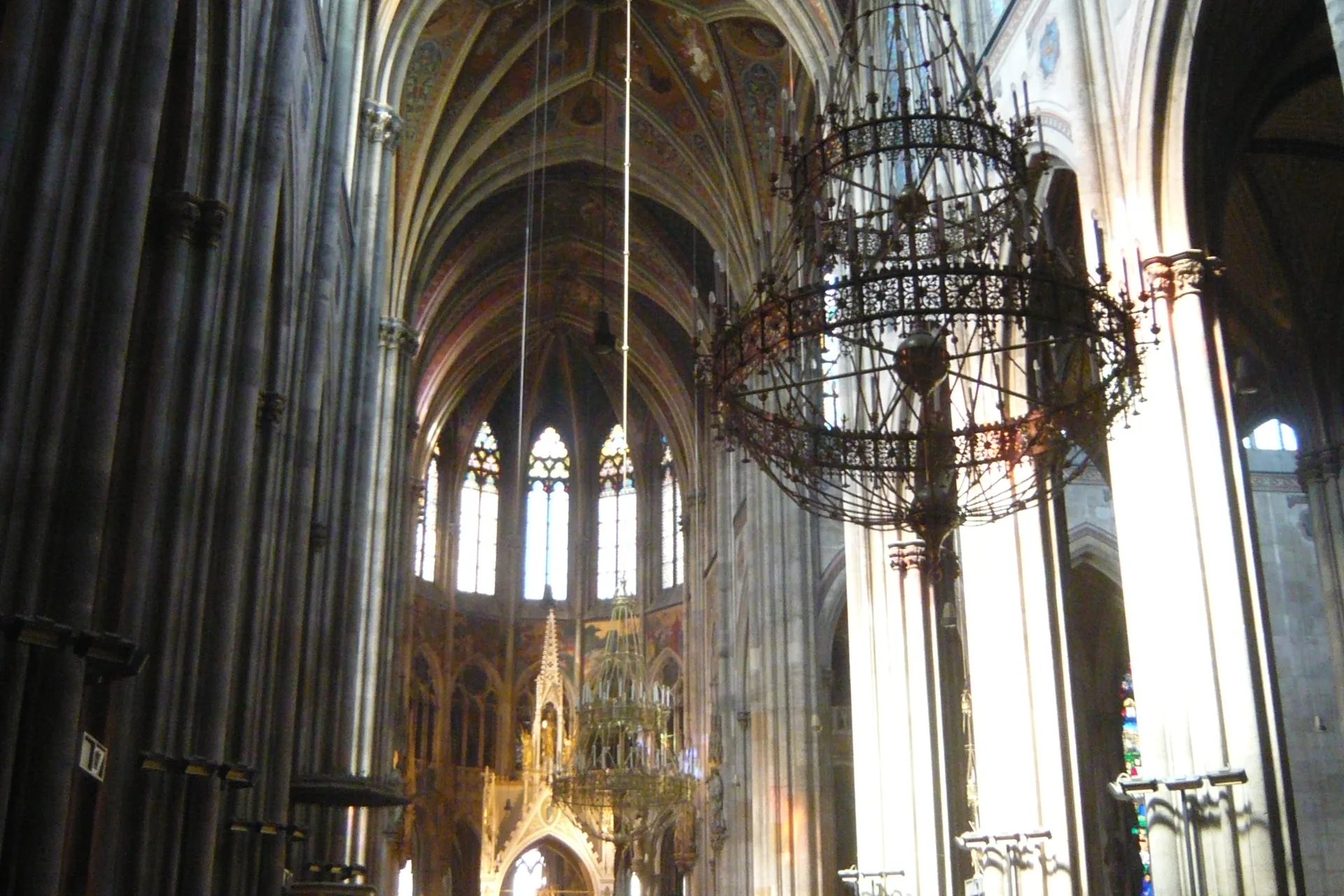
A soaring neo-Gothic church built to thank God after Emperor Franz Joseph survived an assassination attempt — free to enter, with striking stained glass and twin spires visible across the Ringstrasse.
Austrian National Library — Prunksaal (State Hall)
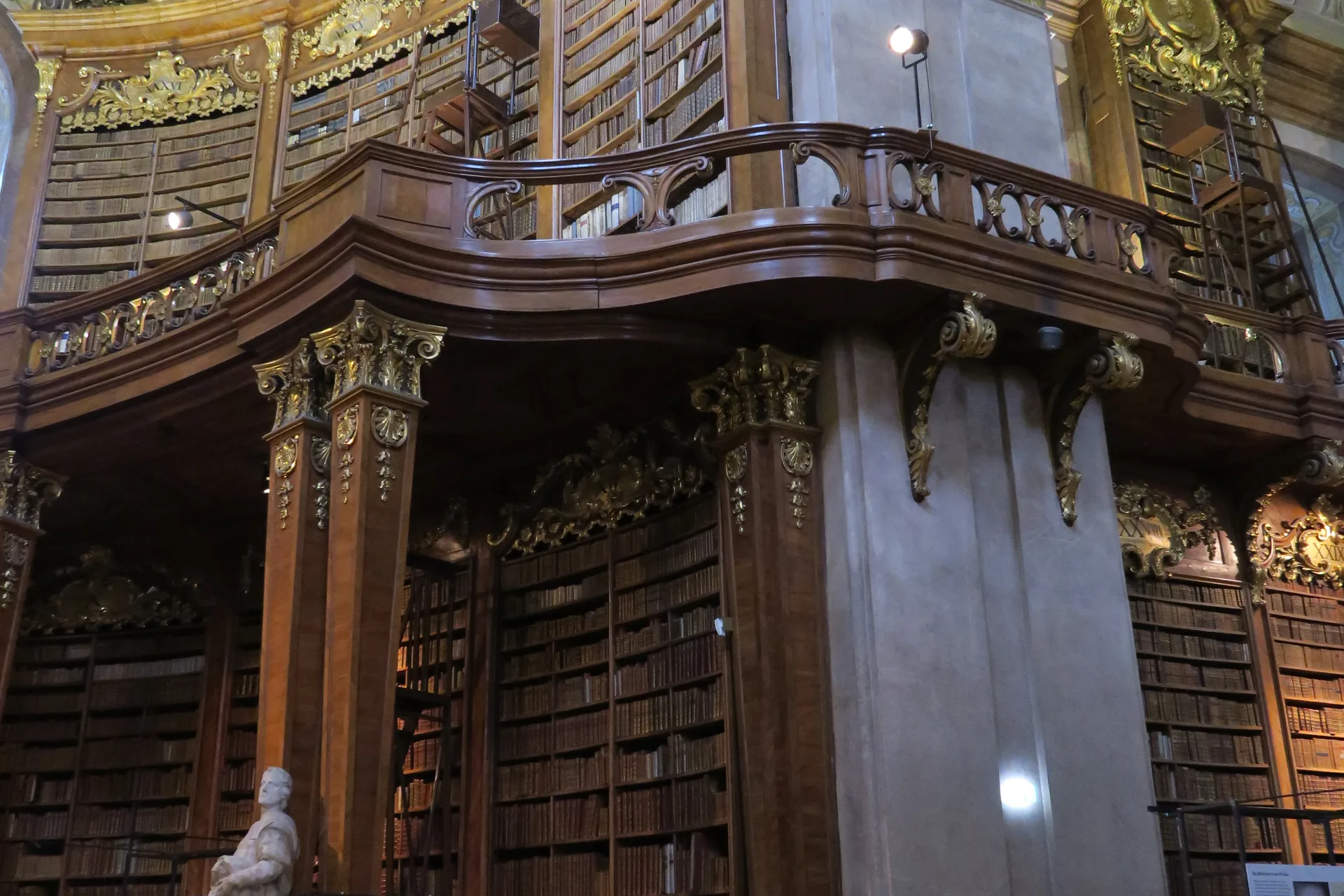
One of the most beautiful libraries in the world — an 80-metre Baroque hall of gilded shelving, marble statues and a ceiling fresco, built to hold 200,000 historic volumes.