
Best for
Photographers, anyone walking between the Champs-Élysées and Eiffel Tower areas
Time needed
15–30 minutes
Worth it?
Yes — free and one of the most photogenic spots in Paris
Skip if
You're not passing through the area and have no reason to make a special trip
About Pont Alexandre III
Built between 1896 and 1900 for the same World's Fair that produced the Grand and Petit Palais, Pont Alexandre III was named for Tsar Alexander III of Russia to mark the 1892 Franco-Russian Alliance; his son, Nicholas II, laid the foundation stone in 1896. Engineers deliberately designed a single steel arch spanning the Seine without a central pier, a genuine engineering achievement for the time that kept the view along the river unobstructed.
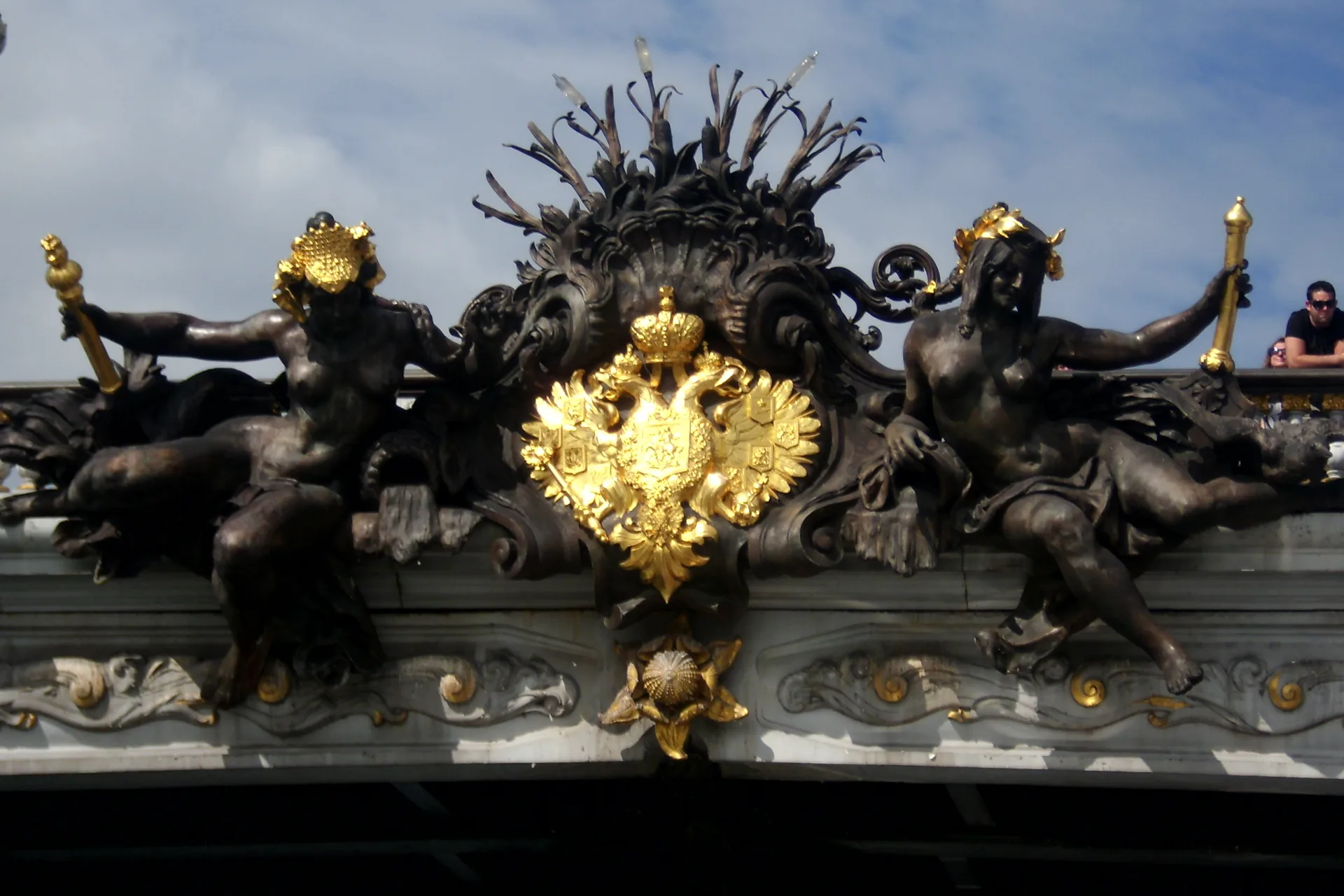
What makes the bridge unmistakable, though, is its decoration: gilded bronze nymphs and winged horses (Fames) at each end, ornate Art Nouveau lampposts, cherubs and garlands covering nearly every surface — a level of ornamentation the city's more restrained bridges elsewhere on the Seine don't attempt, reflecting the exuberant, showcase spirit of the 1900 Exposition it was built for.
Read the full storyShow less
The bridge offers one of the best sightline views in Paris: looking one direction toward the golden dome of Les Invalides, and the other toward the Grand Palais and, further on, the Champs-Élysées and Arc de Triomphe — a single vantage point taking in several of the city's grandest set pieces at once.
Completely free and open at all times, it's a natural stop on a walk between the Champs-Élysées area and the Eiffel Tower or Invalides, and it's especially striking at dusk, when its lamps and gilding catch the last light.
What to See: Highlights
- 1Gilded bronze nymphs and winged horses (Fames) at each end
- 2A single steel arch spanning the Seine without a central pier
- 3Sightlines toward Les Invalides' dome in one direction, the Grand Palais in the other
- 4Ornate Art Nouveau lampposts and decoration throughout
- 5Especially striking at dusk when the gilding catches the light
Insider Tips
Visit at dusk or just after dark for the best lighting on the gilded decoration
It's free and open 24 hours — no ticket or timing constraints
Combine with the Grand Palais, Petit Palais or a walk toward Les Invalides
The bridge gets busy with photographers at golden hour — plan accordingly
It's a natural crossing point on a Seine-side walk from the Champs-Élysées to the Eiffel Tower area
Getting There
Pont Alexandre III, 75008 Paris
Open in Google Maps →- 1Metro 1, 8 or 13 to Invalides or Champs-Élysées–Clemenceau, both a short walk to either end of the bridge.
Where to stay
Hotels in Paris
Compare prices across hundreds of hotels near this attraction — from budget hostels to luxury stays. Free cancellation on most rooms.
Affiliate disclosure — we may earn a commission at no extra cost to you. Powered by Booking.com.
Frequently Asked Questions
Everything you need to know before you visit.
Is Pont Alexandre III worth visiting?+−
How long does a visit to Pont Alexandre III take?+−
Who is Pont Alexandre III best for?+−
Do I need to book anything in advance to visit Pont Alexandre III?+−
Is Pont Alexandre III included with the Paris city pass?+−
Should You Visit?
Visit if...
- You want the classic gilded-bridge Paris photo
- You're walking between the Champs-Élysées, Invalides or Eiffel Tower areas
- You appreciate Art Nouveau decorative detail
- You're out at dusk looking for a scenic spot
Skip if...
- You're not in the vicinity and have no reason to detour
- You've already crossed it and don't need to return
- Your itinerary doesn't pass near the 7th/8th arrondissement border
More to See in Paris
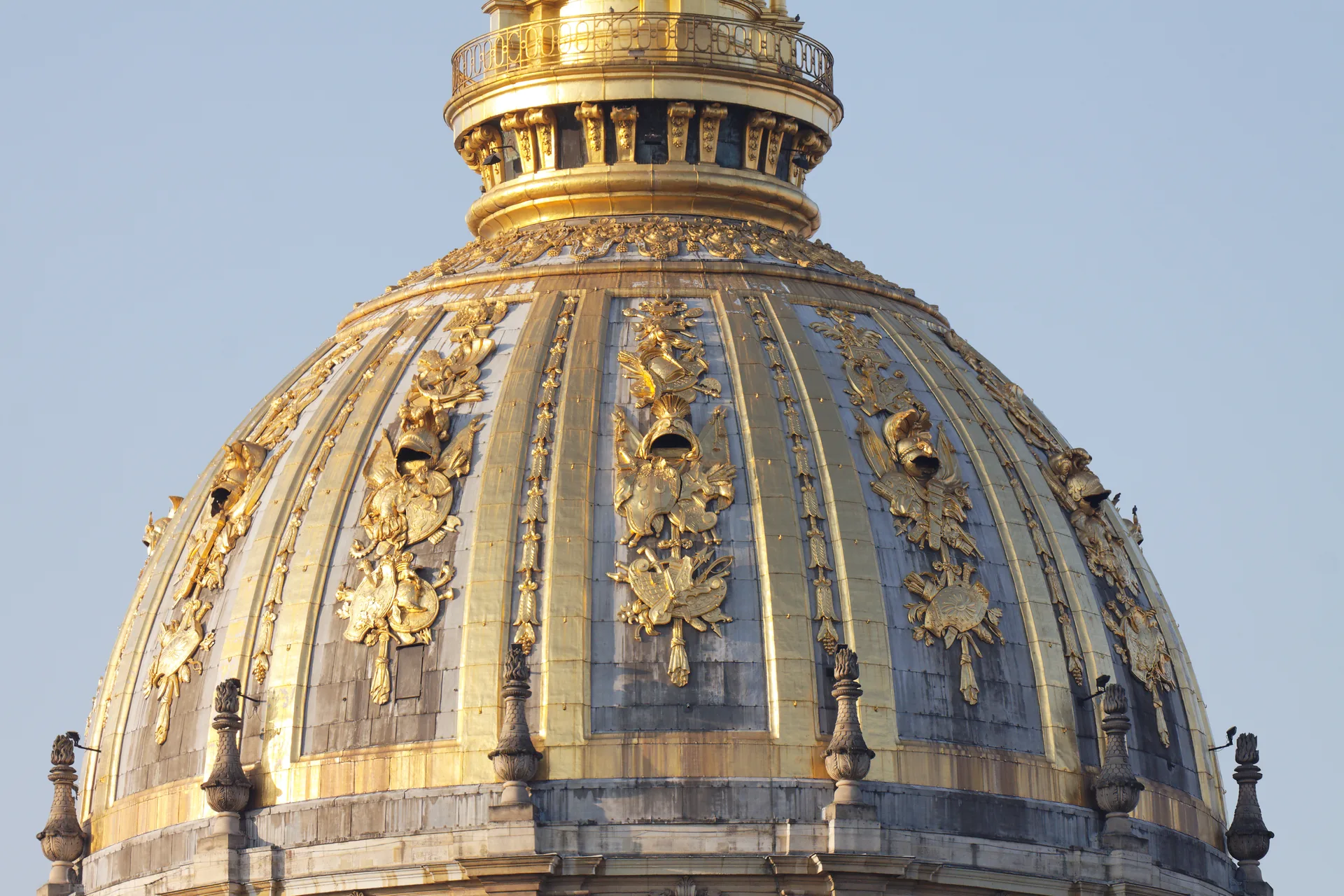
Musée de l'Armée — Les Invalides & Napoleon's Tomb
France's national military history museum, sharing the vast Hôtel des Invalides complex with Napoleon Bonaparte's monumental tomb beneath its golden dome.
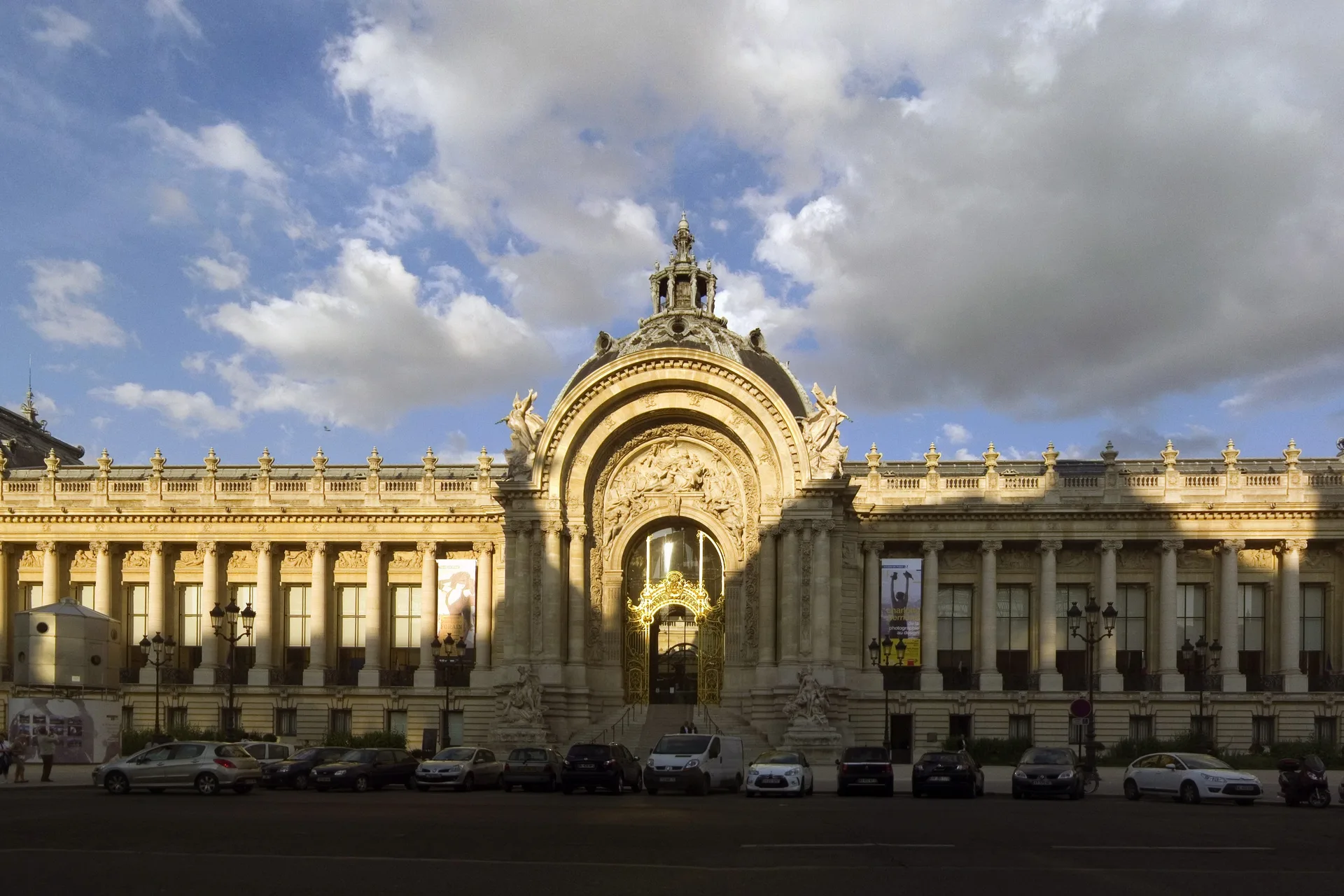
Petit Palais
Paris's free fine arts museum, built for the 1900 World's Fair, holding a broad collection from antiquity through the 19th century inside an elegant Beaux-Arts palace with its own interior garden.
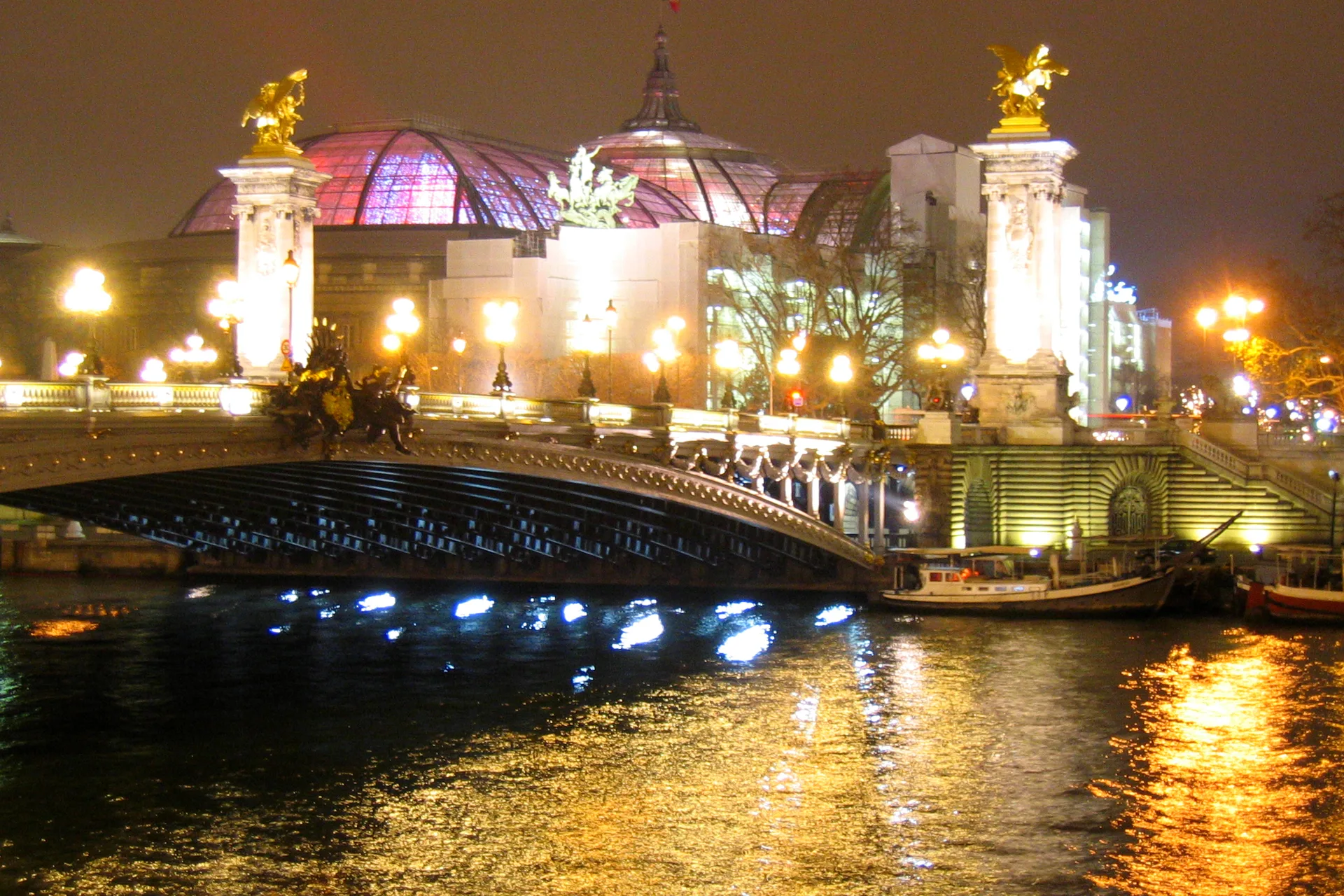
Grand Palais
A vast Beaux-Arts glass-and-iron exhibition hall built for the 1900 World's Fair, reopened in 2025 after renovation and now hosting major art exhibitions, including works from the closed Centre Pompidou's collection.