
Best for
Anthropology and evolutionary biology enthusiasts, families with curious older kids
Time needed
1.5–2 hours
Worth it?
Yes for anyone with a genuine interest in human origins
Skip if
You're only in the Trocadéro area for the Eiffel Tower photo and nothing else
About Musée de l'Homme
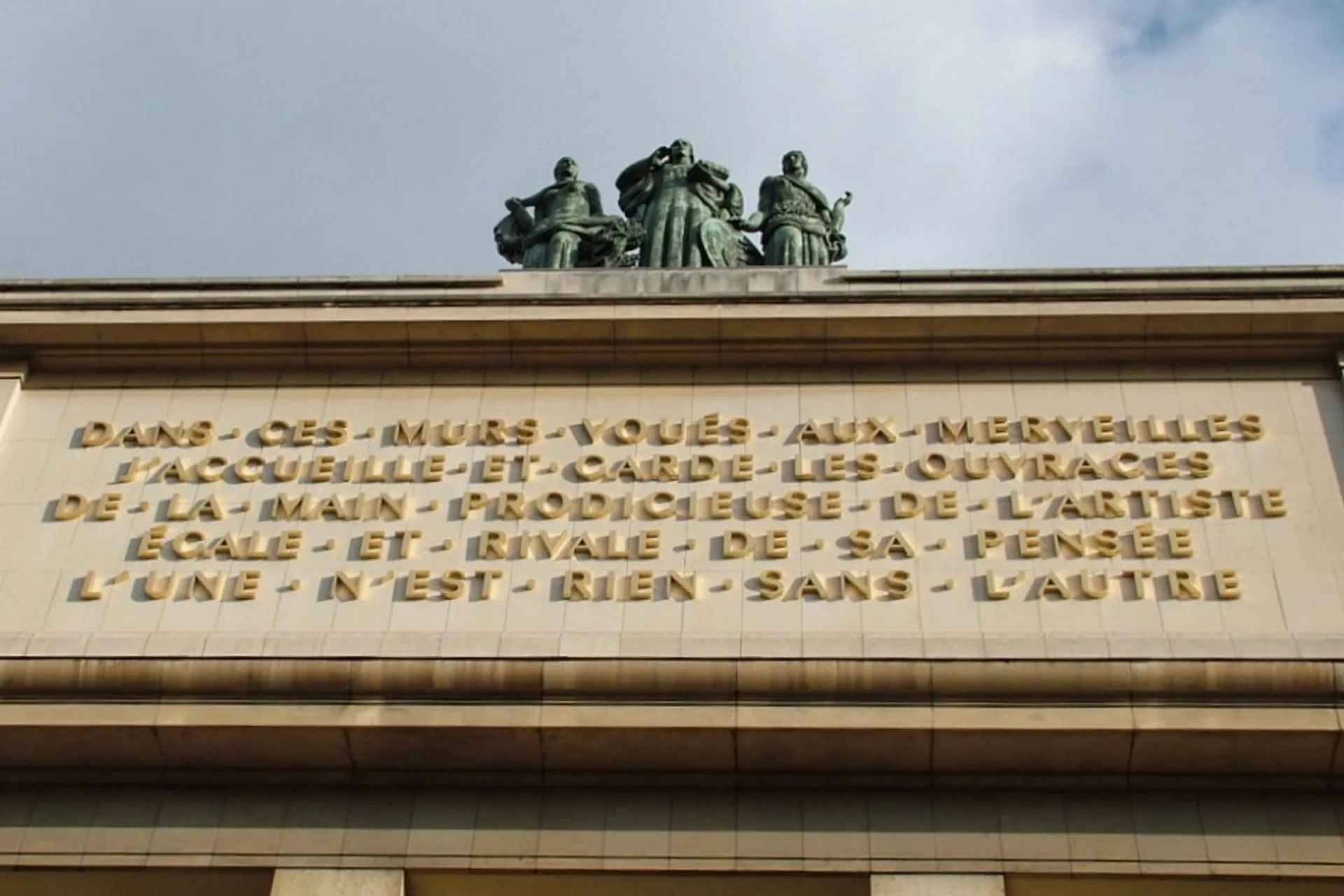
Founded in 1937 as part of the Palais de Chaillot complex built for that year's International Exposition, the Musée de l'Homme (Museum of Mankind) grew out of France's older ethnographic and natural history collections, consolidating physical anthropology, prehistory and cultural anthropology under one roof at a moment when those fields were being reorganised across French museums — much of its non-European ethnographic material has since moved to the Musée du Quai Branly, leaving this museum focused more squarely on human evolution, genetics and biological and cultural diversity.
After a major renovation completed in 2015, the museum reopened with a redesigned permanent exhibition built around three core questions — who are we, where do we come from, where are we going — using genuine fossil casts, skeletal remains and interactive displays to trace human evolutionary and cultural history from early hominids to contemporary global society.
Read the full storyShow less
The museum occupies the Trocadéro wing of the Palais de Chaillot, meaning its terrace and approach share the same famous view across the Seine to the Eiffel Tower enjoyed by visitors to the esplanade outside — a genuine advantage for anyone combining the two.
Less visited than the blockbuster museums nearby, it rewards visitors with a serious interest in human origins, evolutionary biology or anthropology, and its Trocadéro location makes it easy to fold into an Eiffel Tower-area itinerary.
What to See: Highlights
- 1A redesigned permanent exhibition on human evolution, genetics and cultural diversity
- 2Genuine fossil casts and skeletal remains tracing human origins
- 3Located in the Trocadéro wing of the Palais de Chaillot, opposite the Eiffel Tower
- 4A 2015 renovation brought the displays fully up to date
- 5Far quieter than the Eiffel Tower viewpoint just outside
Skip the Queue — Book Tickets Online
Same admission, instant confirmation. Compare prices across platforms.
Affiliate disclosure — we may earn a commission at no extra cost to you.
Insider Tips
Combine directly with the Trocadéro Esplanade and its Eiffel Tower view
The museum's own terrace offers a similar view without the esplanade crowds
Good option for a rainy day in the Trocadéro area
Check current pricing directly given some rate ambiguity across sources
Allow 1.5–2 hours for a proper visit
Book a Guided Tour
Get the most from your visit with a local expert guide.
Affiliate disclosure — we may earn a commission at no extra cost to you.
Getting There
17 Place du Trocadéro et du 11 Novembre, 75116 Paris
Open in Google Maps →- 1Metro 6 or 9 to Trocadéro, right outside the Palais de Chaillot.
Where to stay
Hotels in Paris
Compare prices across hundreds of hotels near this attraction — from budget hostels to luxury stays. Free cancellation on most rooms.
Affiliate disclosure — we may earn a commission at no extra cost to you. Powered by Booking.com.
Frequently Asked Questions
Everything you need to know before you visit.
Is Musée de l'Homme worth visiting?+−
How long does a visit to Musée de l'Homme take?+−
Who is Musée de l'Homme best for?+−
Do I need to book tickets in advance for Musée de l'Homme?+−
Is Musée de l'Homme included with the Paris city pass?+−
Should You Visit?
Visit if...
- You're interested in human evolution or anthropology
- You're already at Trocadéro for the Eiffel Tower view
- You want a quieter museum alternative to the crowded esplanade
- You're travelling with older children curious about science
Skip if...
- You're only visiting Trocadéro for photos and have no museum time
- Anthropology or evolutionary biology doesn't interest you
- Your schedule in the 16th arrondissement is already full
Ready to Book Your Visit?
More to See in Paris
Musée du Quai Branly — Jacques Chirac
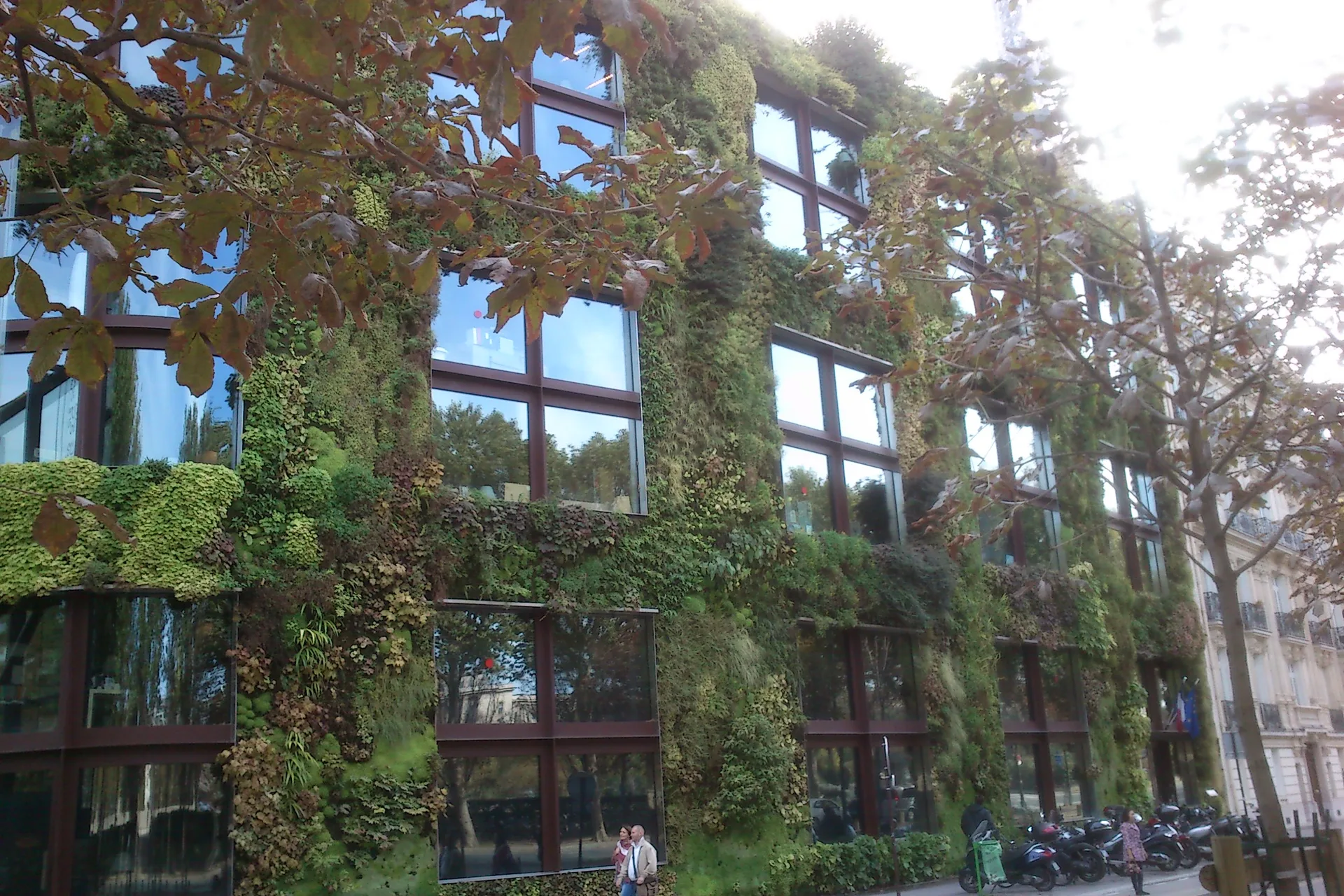
A striking Jean Nouvel-designed museum of indigenous and non-Western art from Africa, Asia, Oceania and the Americas, wrapped in a living wall of vegetation near the Eiffel Tower.
Eiffel Tower
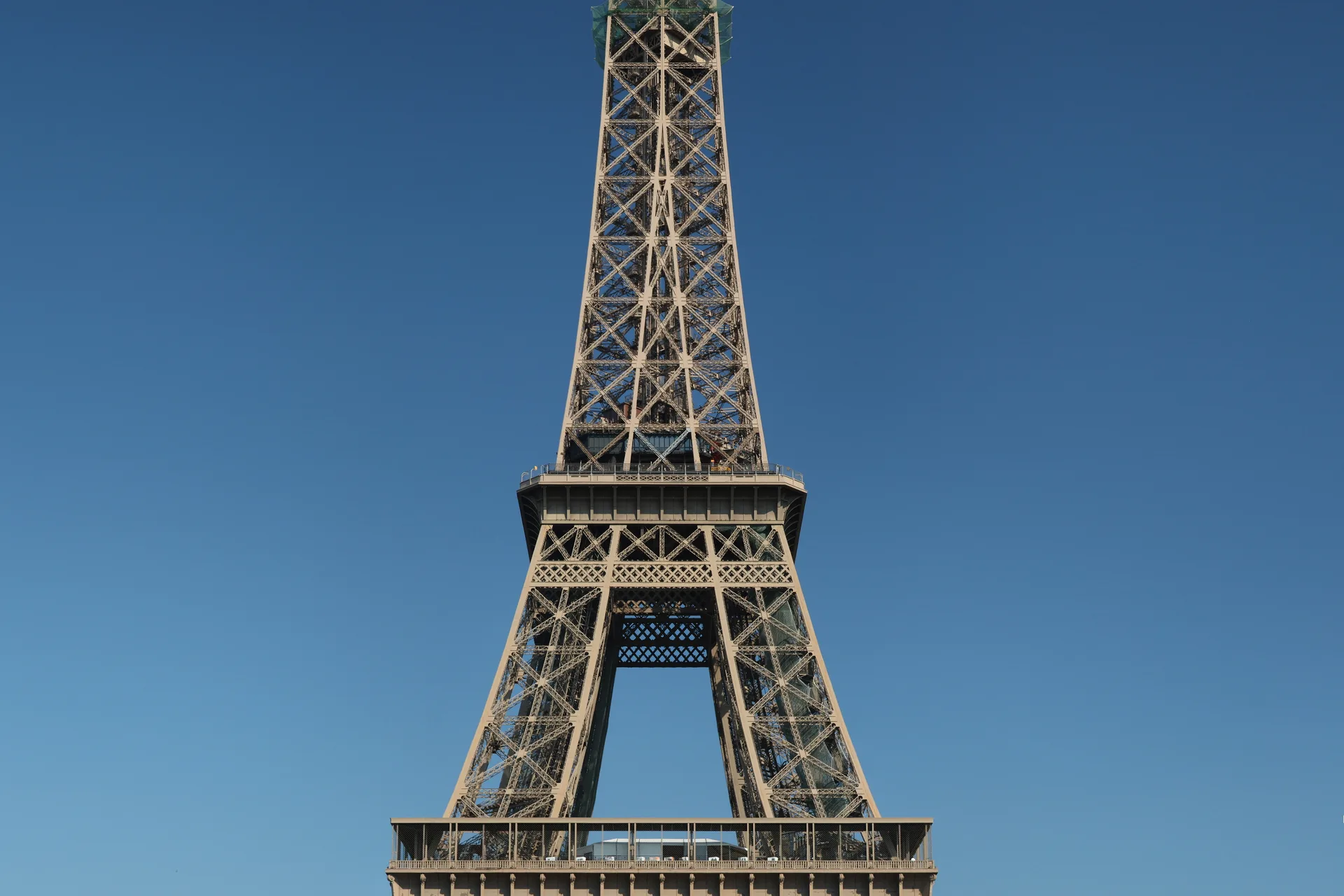
Gustave Eiffel's 1889 iron tower — still the tallest structure in Paris and the single most recognisable landmark in the world — with three visitable levels and a summit view stretching up to 60 kilometres on a clear day.
Trocadéro Esplanade
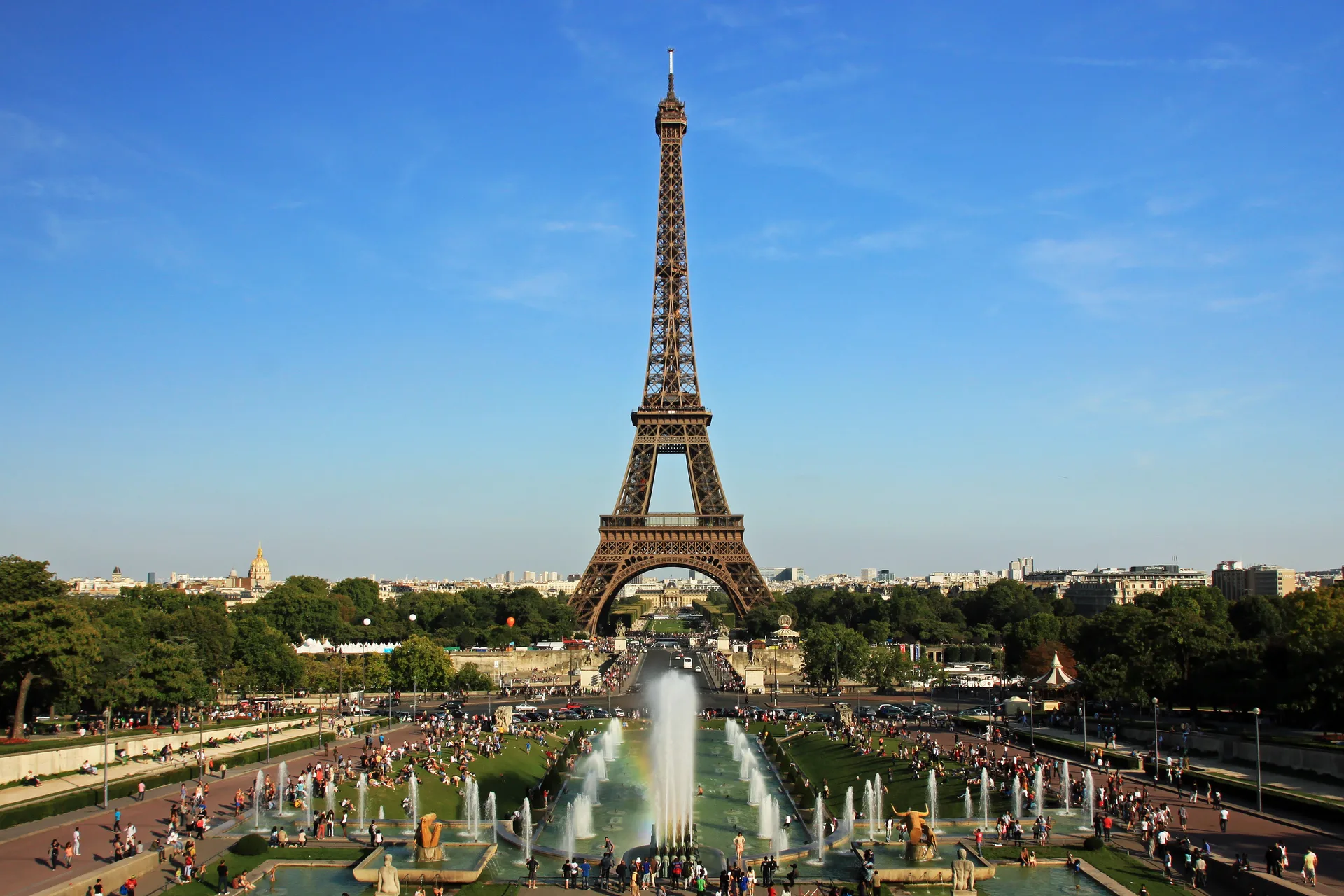
The Palais de Chaillot's grand esplanade across the Seine from the Eiffel Tower — the single best free viewpoint for photographing the tower in full.