
Best for
Families, dinosaur enthusiasts, natural history fans
Time needed
1.5–2.5 hours
Worth it?
Yes — the Giraffatitan skeleton alone justifies the visit
Skip if
Natural history genuinely doesn't interest you and time is very tight
About Museum für Naturkunde (Natural History Museum)
The Museum für Naturkunde opened in 1889 and has grown into one of the largest natural history museums in the world by object count, holding roughly 30 million specimens across zoology, palaeontology, mineralogy and geology — though only a fraction is on public display at any time.
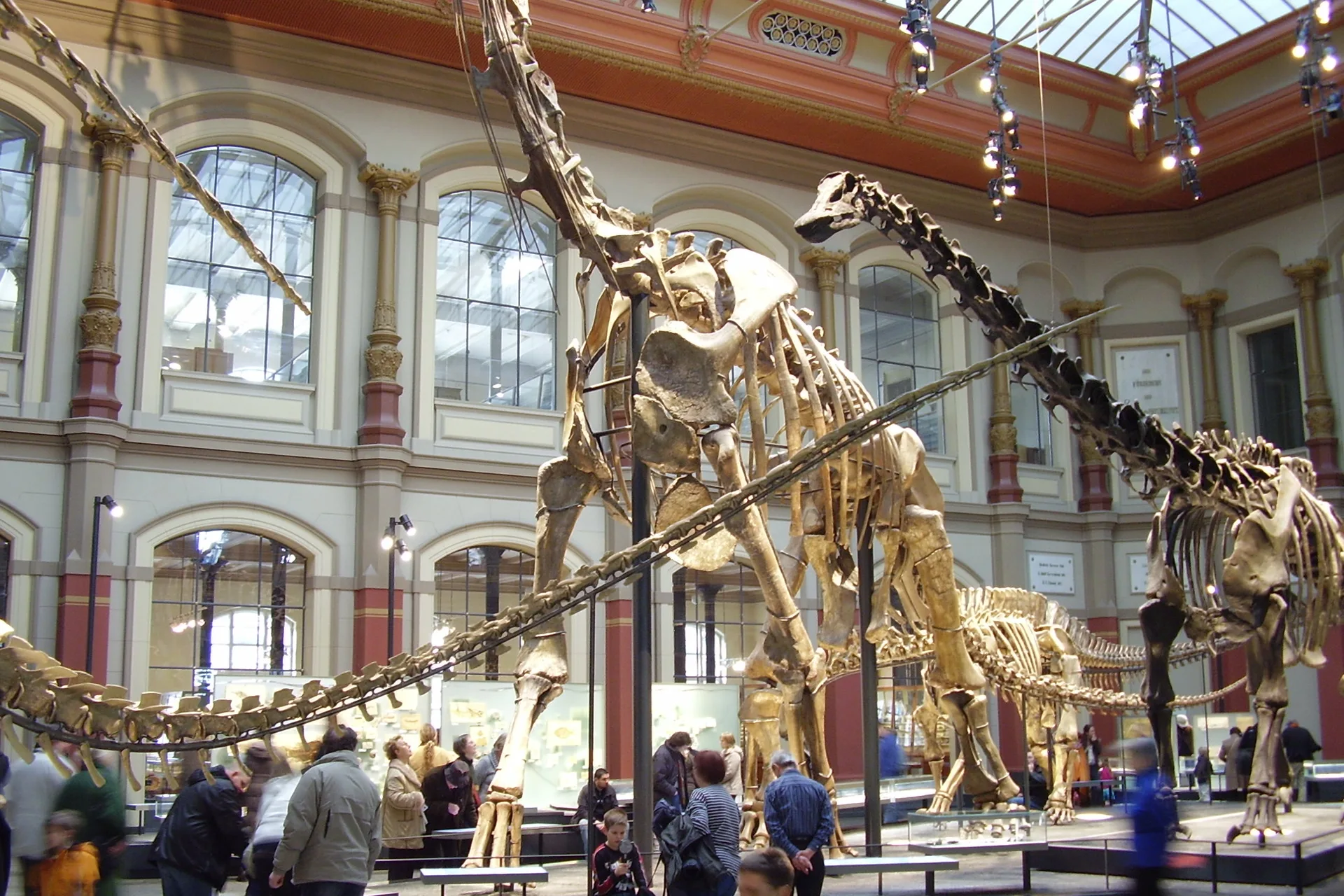
Its signature exhibit is the Giraffatitan brancai skeleton in the Dinosaur Hall, excavated in German East Africa (present-day Tanzania) in the early 20th century and mounted at just over 13 metres tall, making it the tallest mounted dinosaur skeleton anywhere in the world — a genuine Guinness-level record, not a marketing exaggeration. Sharing the hall is one of the finest surviving specimens of Archaeopteryx, the feathered dinosaur-bird transitional fossil that remains one of paleontology's most important single discoveries, alongside real dinosaur eggs and a Tyrannosaurus rex skeleton.
Read the full storyShow less
Beyond the dinosaurs, the museum's wet collection — jars upon jars of preserved specimens, some visible behind glass in a dedicated viewing gallery — represents one of the largest biological research collections in Europe, and the mineral and meteorite galleries include specimens with genuine scientific significance rather than purely decorative display value.
The museum works well for families thanks to the dinosaurs, but the depth of the research collections gives it real substance for adult visitors too — treat the Dinosaur Hall as the highlight, not the entirety, of a visit.
What to See: Highlights
- 1The Giraffatitan skeleton — the tallest mounted dinosaur in the world
- 2An original Archaeopteryx fossil, one of the finest known specimens
- 3A Tyrannosaurus rex skeleton and genuine dinosaur eggs
- 4One of Europe's largest wet-collection research archives, partly on public view
- 5Extensive mineral and meteorite galleries
Skip the Queue — Book Tickets Online
Same admission, instant confirmation. Compare prices across platforms.
Affiliate disclosure — we may earn a commission at no extra cost to you.
Insider Tips
Book tickets online — they're released up to 14 days in advance and can sell out on weekends
The Dinosaur Hall is the highlight but only a fraction of the full museum — allow extra time
Free entry on the first Sunday of the month
Genuinely strong for families with kids of dinosaur-loving age
Combine with Hamburger Bahnhof, a short walk away
Book a Guided Tour
Get the most from your visit with a local expert guide.
Affiliate disclosure — we may earn a commission at no extra cost to you.
Getting There
Invalidenstraße 43, 10115 Berlin
Open in Google Maps →- 1U-Bahn Naturkundemuseum (U6), right outside. S-Bahn Nordbahnhof (S1, S2, S25, S26) is a 10-minute walk.
Where to stay
Hotels in Berlin
Compare prices across hundreds of hotels near this attraction — from budget hostels to luxury stays. Free cancellation on most rooms.
Affiliate disclosure — we may earn a commission at no extra cost to you. Powered by Booking.com.
Frequently Asked Questions
Everything you need to know before you visit.
Is Museum für Naturkunde (Natural History Museum) worth visiting?+−
How long does a visit to Museum für Naturkunde (Natural History Museum) take?+−
Who is Museum für Naturkunde (Natural History Museum) best for?+−
Do I need to book tickets in advance for Museum für Naturkunde (Natural History Museum)?+−
Is Museum für Naturkunde (Natural History Museum) included with the Berlin city pass?+−
Should You Visit?
Visit if...
- You're travelling with kids or are a dinosaur enthusiast yourself
- You want to see the tallest mounted dinosaur skeleton in the world
- You're interested in the Archaeopteryx transitional fossil
- You have at least 90 minutes free in northern Mitte
Skip if...
- Natural history and paleontology don't interest you
- You're extremely pressed for time on a Museum Island-focused itinerary
- You've recently visited a comparably major natural history museum elsewhere
Ready to Book Your Visit?
More to See in Berlin
Deutsches Technikmuseum (German Museum of Technology)
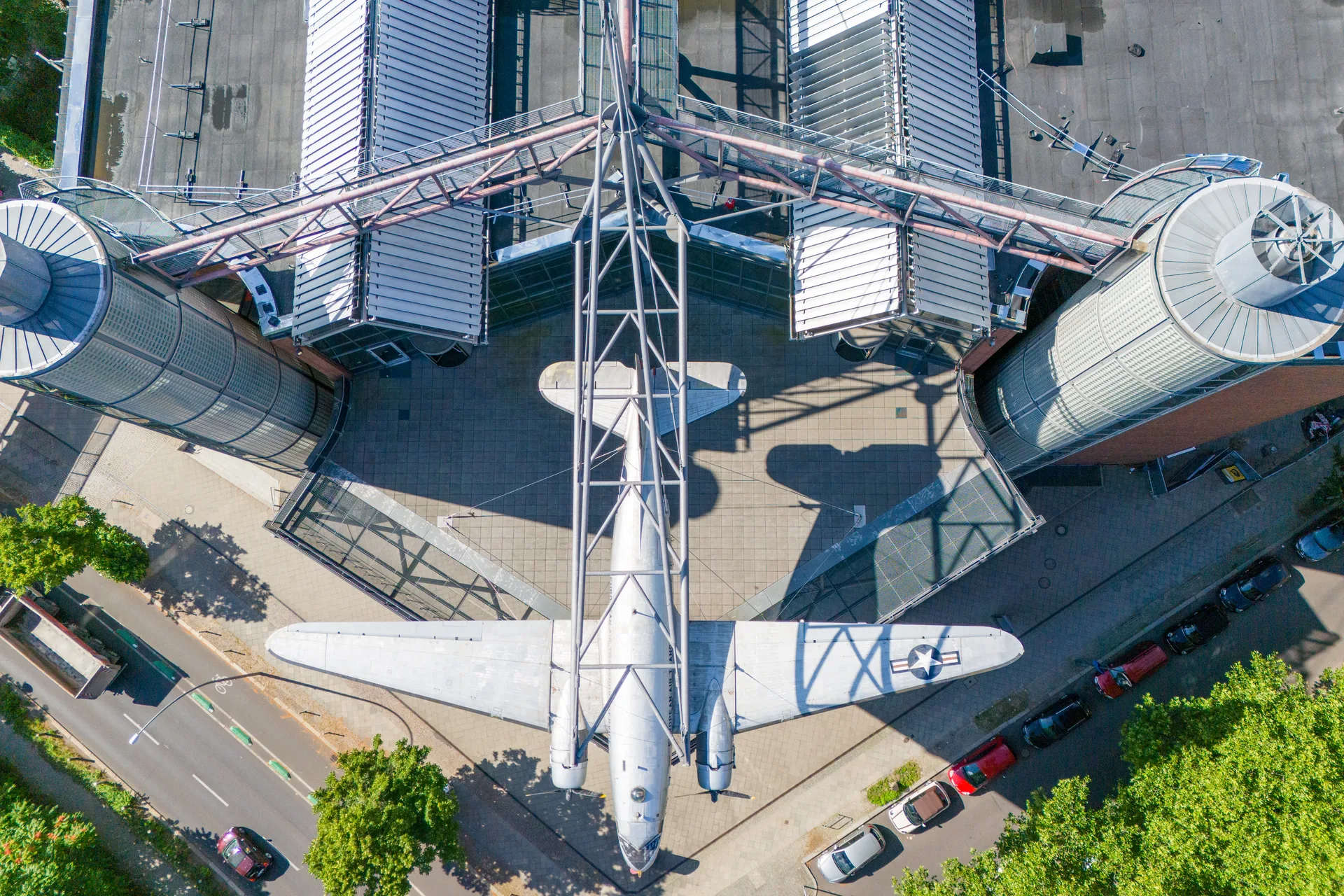
A sprawling technology museum built on a former railway freight yard — real locomotives, historic aircraft including a Berlin Airlift 'Candy Bomber', ships, computers and a hands-on Science Center.
Computerspielemuseum (Computer Games Museum)
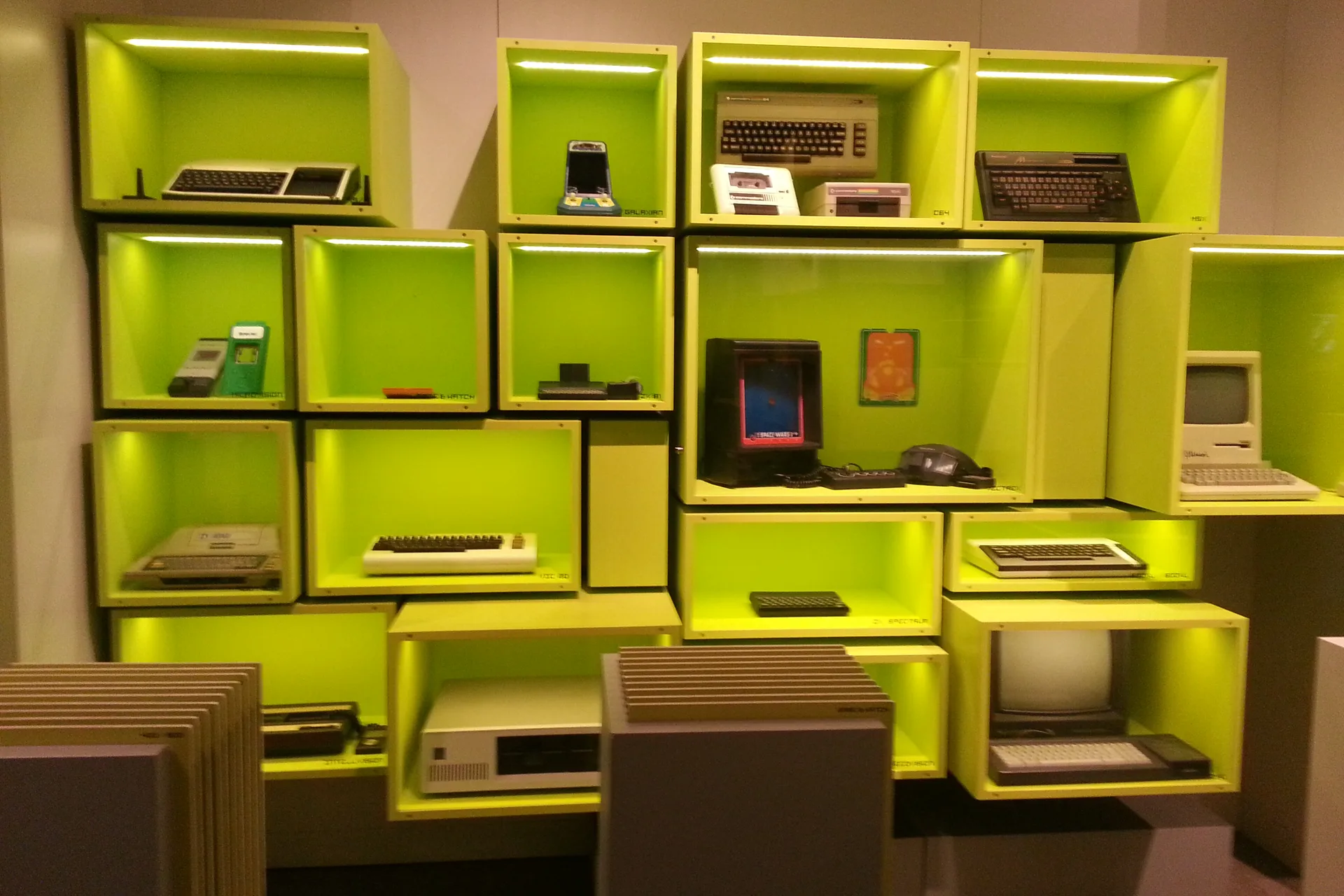
A playable museum of video game history — from 1970s arcade cabinets to VR headsets — with most exhibits set up so visitors can actually pick up the controller, not just look through glass.
Hamburger Bahnhof – Museum für Gegenwart
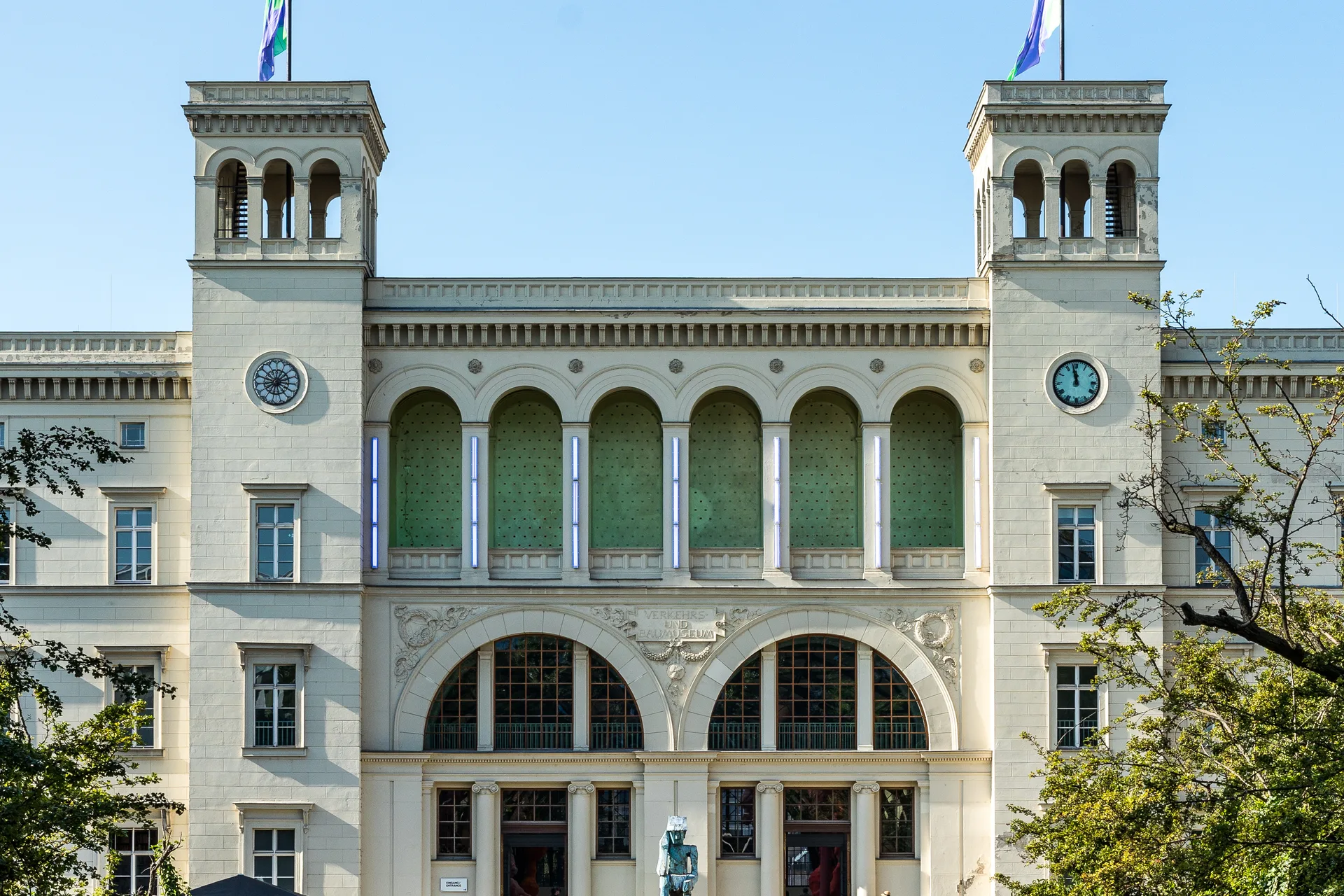
Berlin's contemporary art museum inside a converted 1847 railway terminus — Warhol, Beuys, Rauschenberg and Anselm Kiefer housed in a soaring former train shed near the Museum für Naturkunde.