
Best for
A quick photo stop and tulip-bulb souvenir shopping
Time needed
10–20 minutes
Worth it?
Yes as a brief stop — not worth a dedicated trip
Skip if
You're not interested in souvenir shopping and have limited time
About Bloemenmarkt
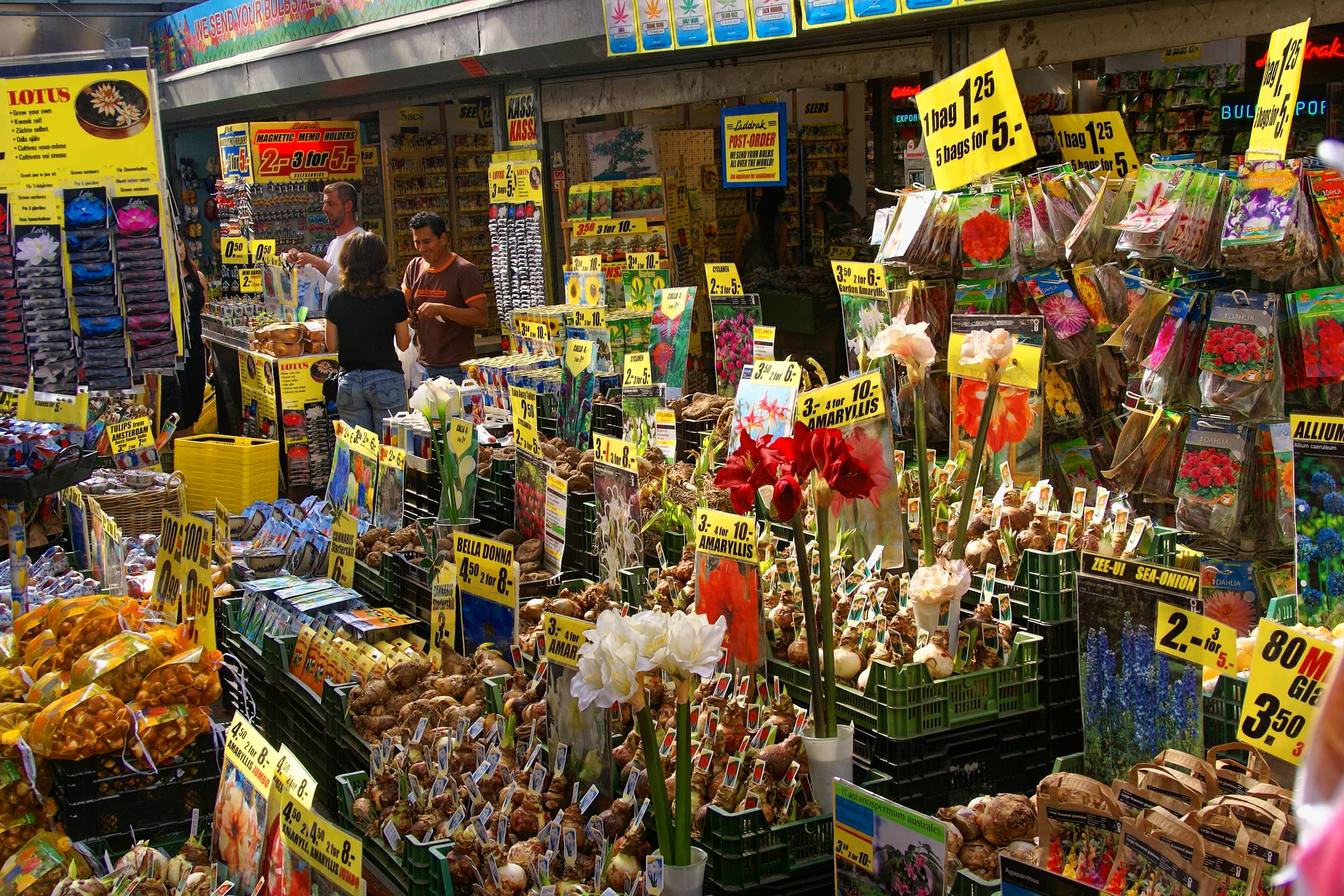
The Bloemenmarkt has operated on the Singel canal, between Muntplein and Koningsplein, since 1862, when growers from the surrounding countryside would sail flowers and plants directly into the city centre by barge to sell each morning. The floating format survives today largely as tradition and tourist draw rather than practical necessity — the stalls sit permanently moored, built up to look like ordinary shopfronts, but they're still technically barges on the water beneath.
It remains the only floating flower market in the world, a fact worth pausing on given how ordinary it can look from the street — dozens of stalls in a row selling tulip bulbs (properly certified for export, useful to know if you want to actually bring them home), cut flowers, seeds, and the inevitable wooden tulip and clog souvenirs aimed squarely at visitors.
Read the full storyShow less
Only a handful of the market's roughly fifteen stalls still function as genuine flower and bulb sellers; the rest have shifted heavily toward souvenirs, a reasonable reflection of how tourism has changed the market's economics over 160-plus years without erasing its original function entirely.
It's a five-minute stop rather than a destination in itself, but sits directly on the walking route between Museumplein and Dam Square, making it an easy, free add-on rather than something to plan a special trip for.
What to See: Highlights
- 1The world's only floating flower market, on barges since 1862
- 2Export-certified tulip bulbs you can legally take home
- 3Cut flowers, seeds and classic wooden-tulip souvenirs
- 4Directly on the walking route between Museumplein and Dam Square
- 5A quick, free five-minute stop rather than a dedicated destination
Skip the Queue — Book Tickets Online
Same admission, instant confirmation. Compare prices across platforms.
Affiliate disclosure — we may earn a commission at no extra cost to you.
Insider Tips
Look for the export certification sticker if buying bulbs to take home
Prices lean touristy — don't expect local-market bargains
It's a five-minute stop, not worth a special detour on its own
Combine with Bloemenmarkt as a stop on the walk between Museumplein and Dam Square
Best light for photos is mid-morning before large tour groups arrive
Book a Guided Tour
Get the most from your visit with a local expert guide.
Affiliate disclosure — we may earn a commission at no extra cost to you.
Getting There
Singel, between Muntplein and Koningsplein, 1012 DH Amsterdam
Open in Google Maps →- 1Tram 1, 2, 4 or 5 to Koningsplein or Muntplein.
Where to stay
Hotels in Amsterdam
Compare prices across hundreds of hotels near this attraction — from budget hostels to luxury stays. Free cancellation on most rooms.
Affiliate disclosure — we may earn a commission at no extra cost to you. Powered by Booking.com.
Frequently Asked Questions
Everything you need to know before you visit.
Is Bloemenmarkt worth visiting?+−
How long does a visit to Bloemenmarkt take?+−
Who is Bloemenmarkt best for?+−
Do I need to book anything in advance to visit Bloemenmarkt?+−
Is Bloemenmarkt included with the Amsterdam city pass?+−
Should You Visit?
Visit if...
- You want export-certified tulip bulbs to take home
- You're walking between Museumplein and Dam Square anyway
- You want a quick, free photo stop
- You're curious about the world's only floating flower market
Skip if...
- You have no interest in souvenir shopping
- You're very tight on time and it's not on your walking route
Ready to Book Your Visit?
More to See in Amsterdam
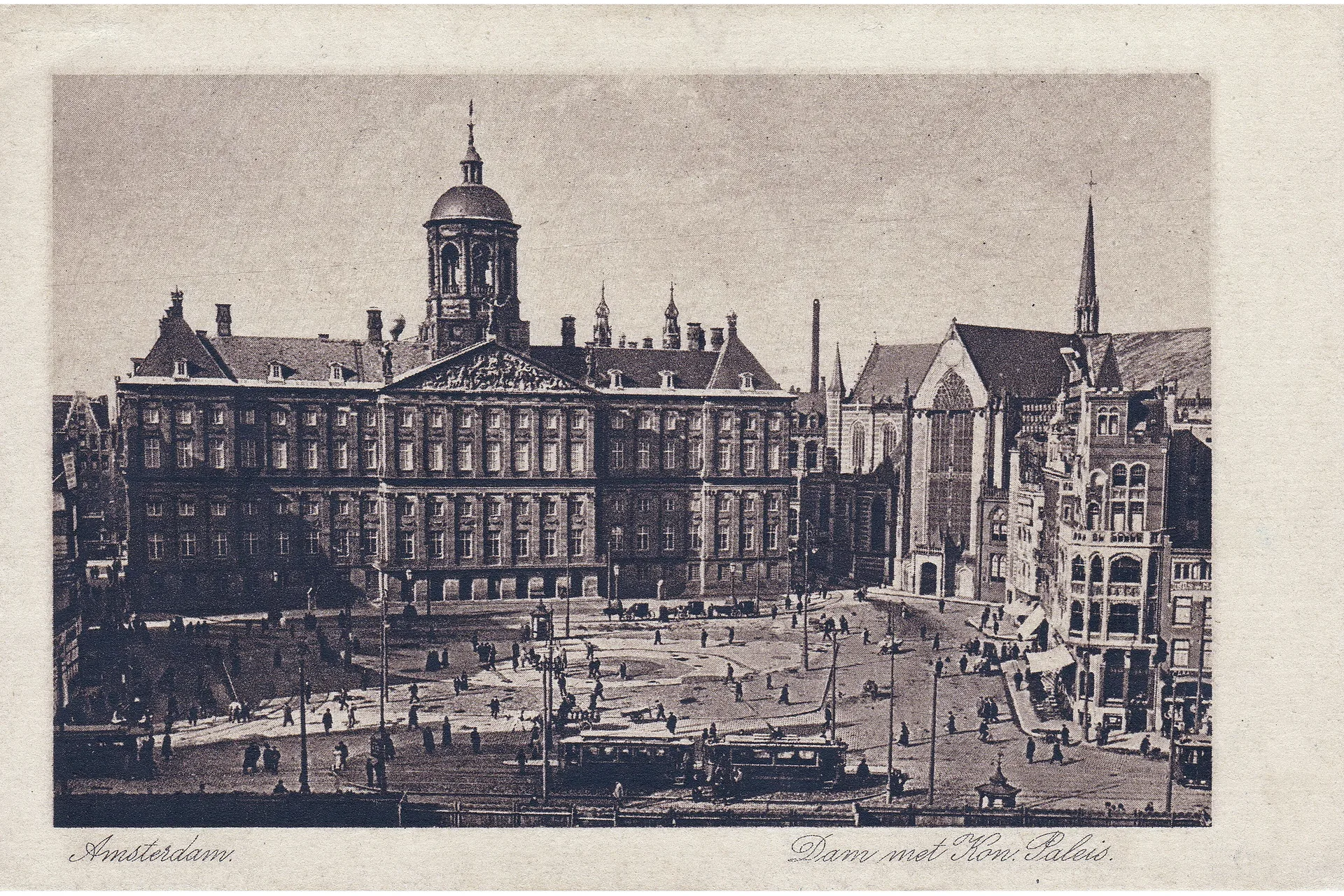
Royal Palace Amsterdam
A 17th-century former city hall, built at the height of Amsterdam's Golden Age wealth and still used today by the Dutch royal family for state functions.
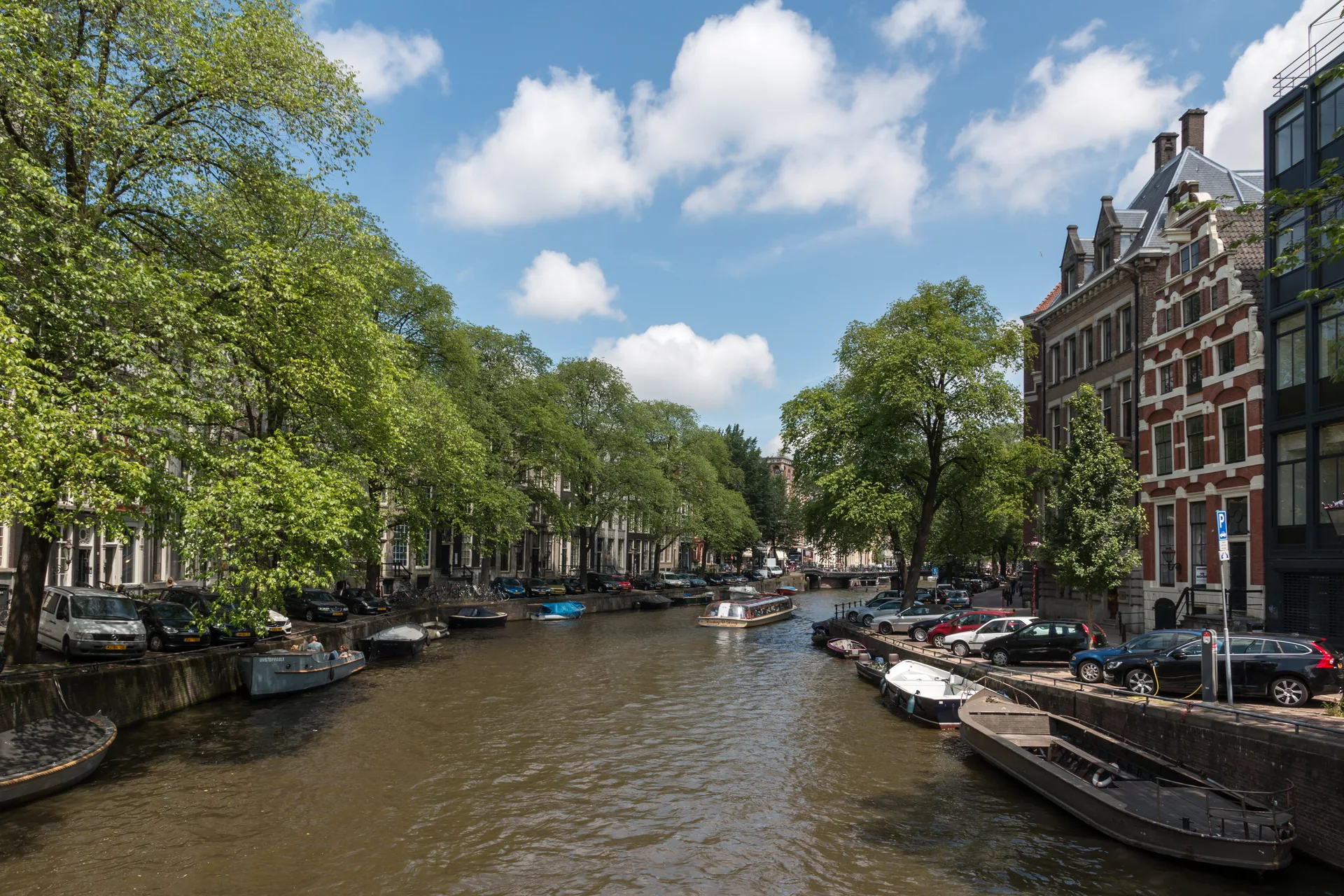
Amsterdam Canal Ring (Grachtengordel)
The UNESCO-listed 17th-century belt of concentric canals — Singel, Herengracht, Keizersgracht and Prinsengracht — that defines Amsterdam's shape and remains the largest coordinated urban planning project of its era.