
Best for
Anyone who enjoys aimless wandering, photography, café culture
Time needed
1.5–3 hours
Worth it?
Yes — one of Amsterdam's most rewarding areas to simply walk
Skip if
You strongly prefer ticketed sights over open-ended neighbourhood wandering
About Jordaan
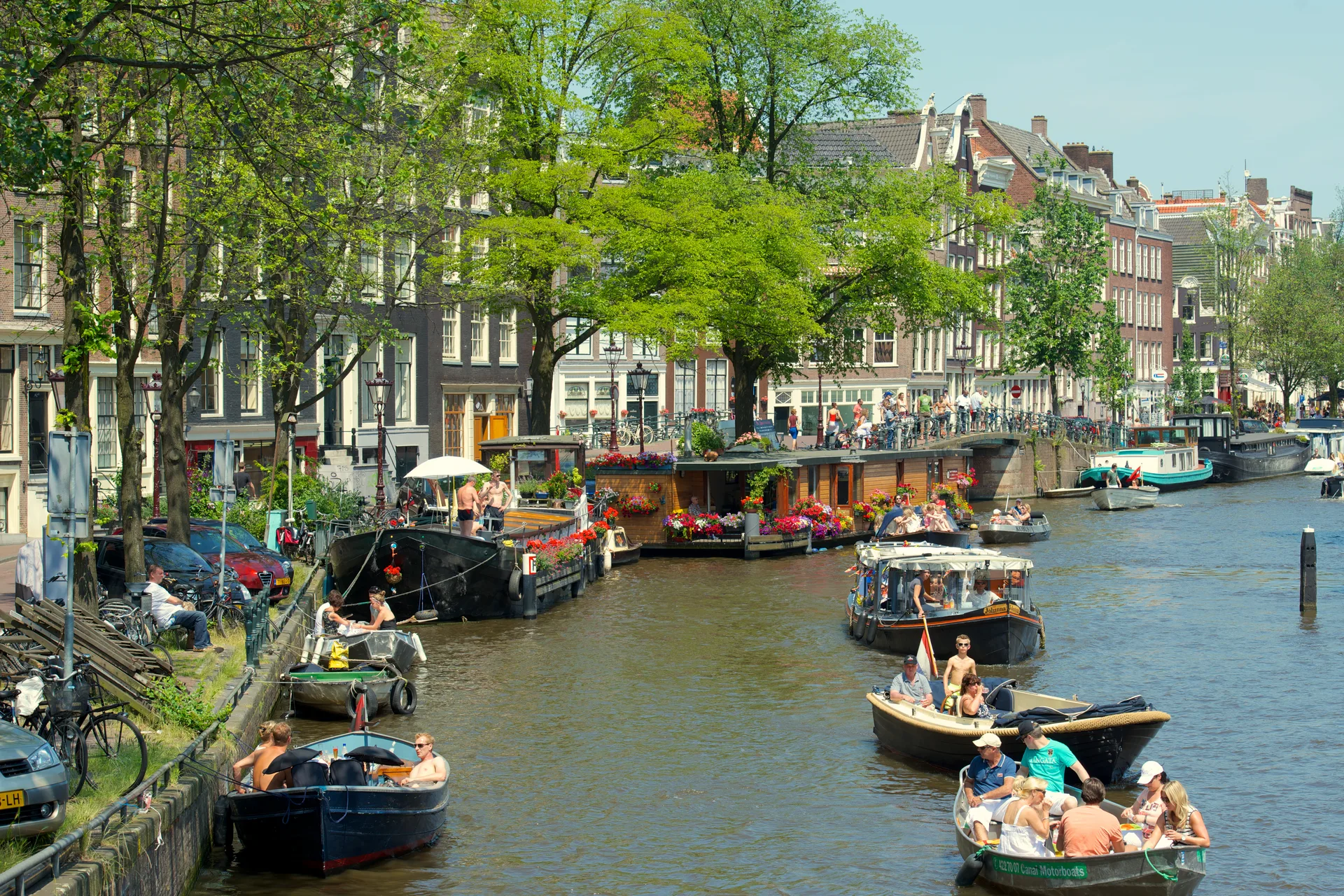
The Jordaan was laid out between 1613 and 1625 just outside the grand canal ring, built to house the working class, craftspeople and religious refugees the wealthy Herengracht residents didn't want as neighbours. Living conditions were rough for centuries — open sewers, overcrowding, families of eight or ten crammed into single rooms — and the district developed a famously rebellious streak, from 19th-century anarchist and socialist organising to a 1934 rent strike led by local women against Depression-era benefit cuts.
That gritty history has almost entirely inverted: since the 1960s the Jordaan has gentrified into one of Amsterdam's most sought-after and expensive addresses, prized for exactly the narrow-street, low-rise, canal-laced character that once marked it as a slum. It holds more hofjes (almshouse courtyards) than any other Amsterdam district — 21 in total, though not all are publicly accessible — along with small independent galleries, vintage shops, brown cafés and the Saturday Noordermarkt organic and antiques market.
Read the full storyShow less
Many house facades still carry carved stone tablets showing the trade or origin of the original 17th-century residents — a butcher's pig, a baker's loaf — small details easy to miss without deliberately looking up as you walk.
There's no single sight to tick off here; the Jordaan rewards slow, aimless wandering along Prinsengracht, Bloemgracht and the smaller side streets more than any specific itinerary, and pairs naturally with the Anne Frank House and Westerkerk on its eastern edge.
What to See: Highlights
- 1Narrow canal streets built for 17th-century working-class residents
- 221 hofjes (almshouse courtyards), the most of any Amsterdam district
- 3Carved stone trade tablets on many house facades
- 4The Saturday Noordermarkt organic and antiques market
- 5Independent galleries, vintage shops and classic brown cafés
Skip the Queue — Book Tickets Online
Same admission, instant confirmation. Compare prices across platforms.
Affiliate disclosure — we may earn a commission at no extra cost to you.
Insider Tips
Visit on a Saturday to catch the Noordermarkt market
Look up — many facades have carved stone trade tablets worth spotting
Combine with the Anne Frank House and Westerkerk on the district's eastern edge
Wander without a fixed route — the charm is in the small streets, not one landmark
Weekday mornings are quietest if you want an uncrowded stroll
Book a Guided Tour
Get the most from your visit with a local expert guide.
Affiliate disclosure — we may earn a commission at no extra cost to you.
Getting There
Jordaan district, bounded roughly by Prinsengracht, Brouwersgracht, Lijnbaansgracht and Leidsegracht
Open in Google Maps →- 1Tram 13, 14 or 17 to Westermarkt, or a 15-minute walk from Centraal Station.
Where to stay
Hotels in Amsterdam
Compare prices across hundreds of hotels near this attraction — from budget hostels to luxury stays. Free cancellation on most rooms.
Affiliate disclosure — we may earn a commission at no extra cost to you. Powered by Booking.com.
Frequently Asked Questions
Everything you need to know before you visit.
Is Jordaan worth visiting?+−
How long does a visit to Jordaan take?+−
Who is Jordaan best for?+−
Do I need to book anything in advance to visit Jordaan?+−
Is Jordaan included with the Amsterdam city pass?+−
Should You Visit?
Visit if...
- You enjoy wandering historic streets without a fixed itinerary
- You want to see Amsterdam's residential, less touristy side
- You're visiting on a Saturday and can catch the Noordermarkt
- You're already near the Anne Frank House or Westerkerk
Skip if...
- You strongly prefer structured, ticketed sights to open exploration
- You have very limited time and need to prioritise major museums instead
Ready to Book Your Visit?
More to See in Amsterdam
Anne Frank House
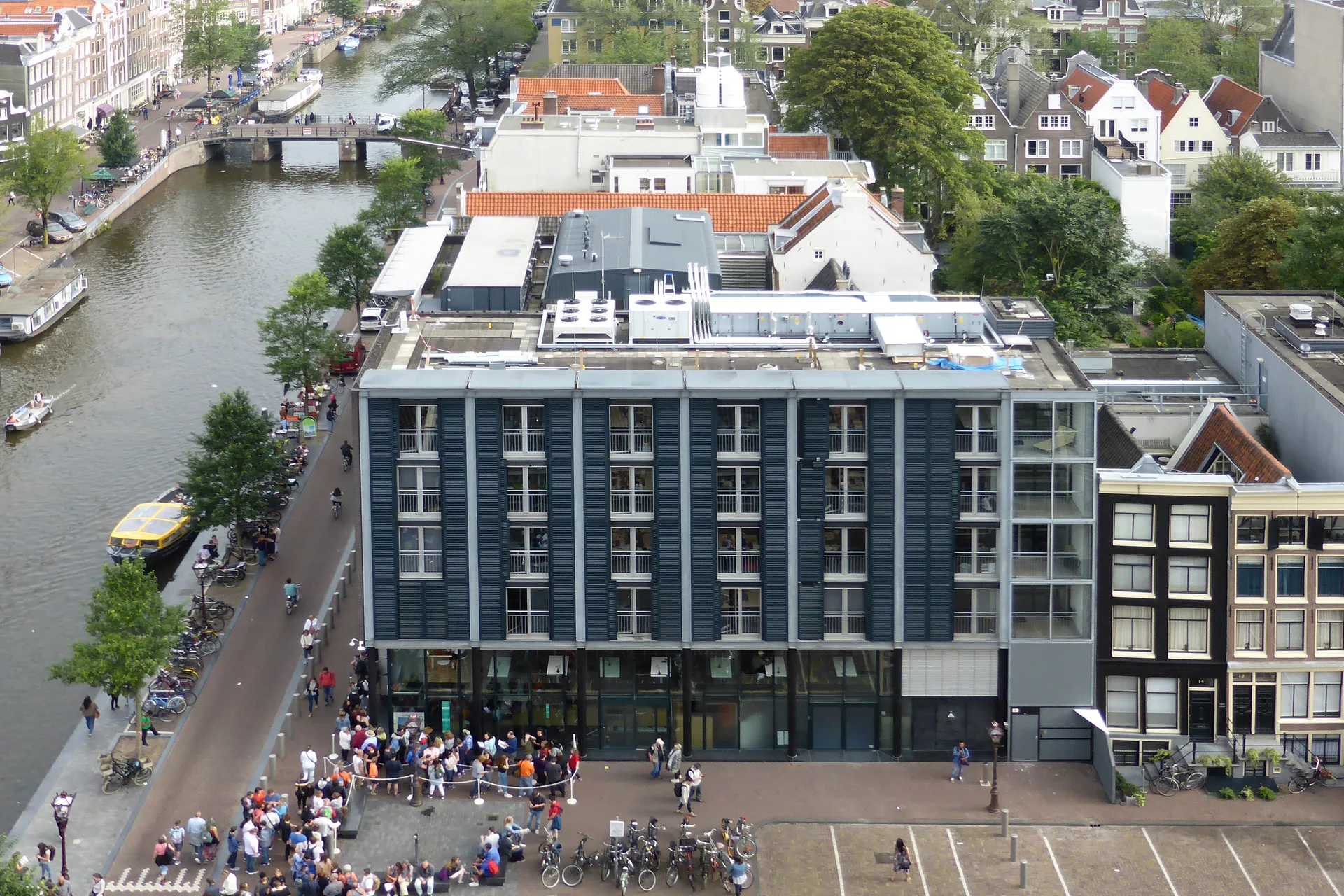
The canal house where Anne Frank and seven others hid from the Nazis for over two years — the single most emotionally powerful museum visit in Amsterdam, and the hardest ticket to get.
Westerkerk
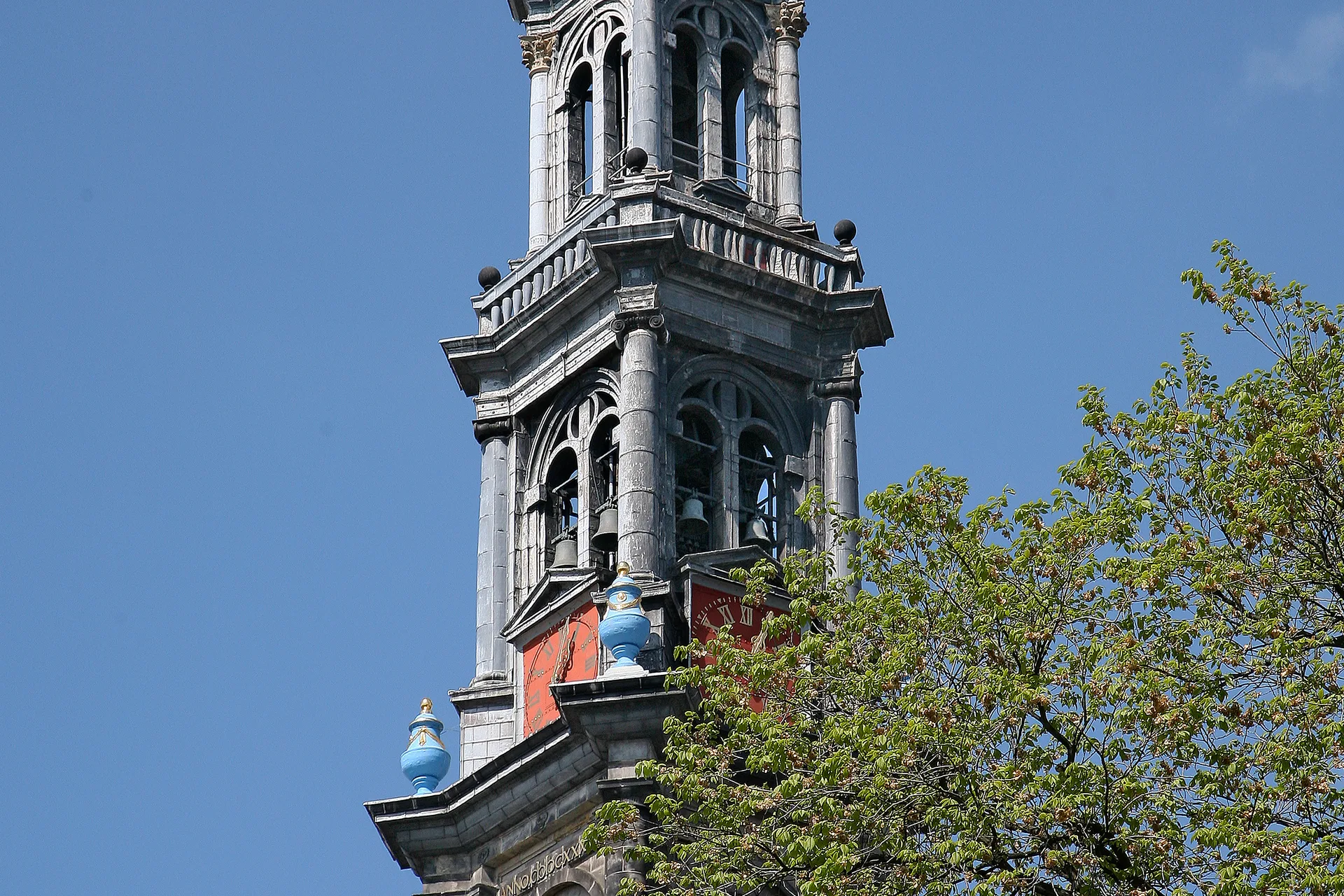
Amsterdam's largest Protestant church, its 85-metre tower the tallest in the city — Rembrandt is buried somewhere within, and Anne Frank could hear its bells from her hiding place nearby.
Amsterdam Canal Ring (Grachtengordel)
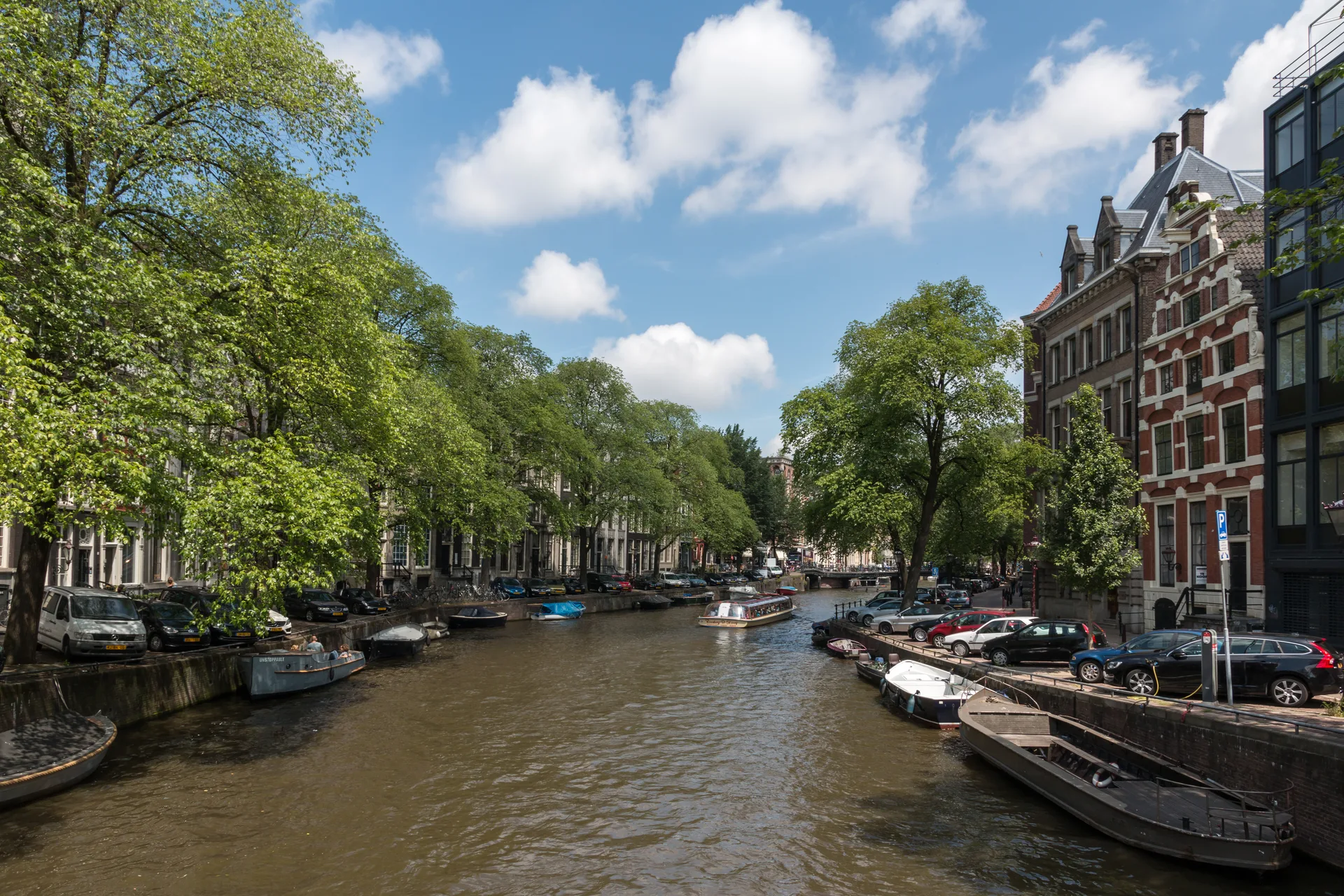
The UNESCO-listed 17th-century belt of concentric canals — Singel, Herengracht, Keizersgracht and Prinsengracht — that defines Amsterdam's shape and remains the largest coordinated urban planning project of its era.