
Best for
Maritime history fans, Mjøsa road-trippers, anyone visiting in the narrow June–August window
Time needed
3–10 hours depending on route (half-day to full-day round trip)
Worth it?
Yes if your dates line up — a genuinely rare, one-of-a-kind experience
Skip if
You're visiting outside 23 June–16 August, or on a Monday — it simply won't be running
About DS Skibladner
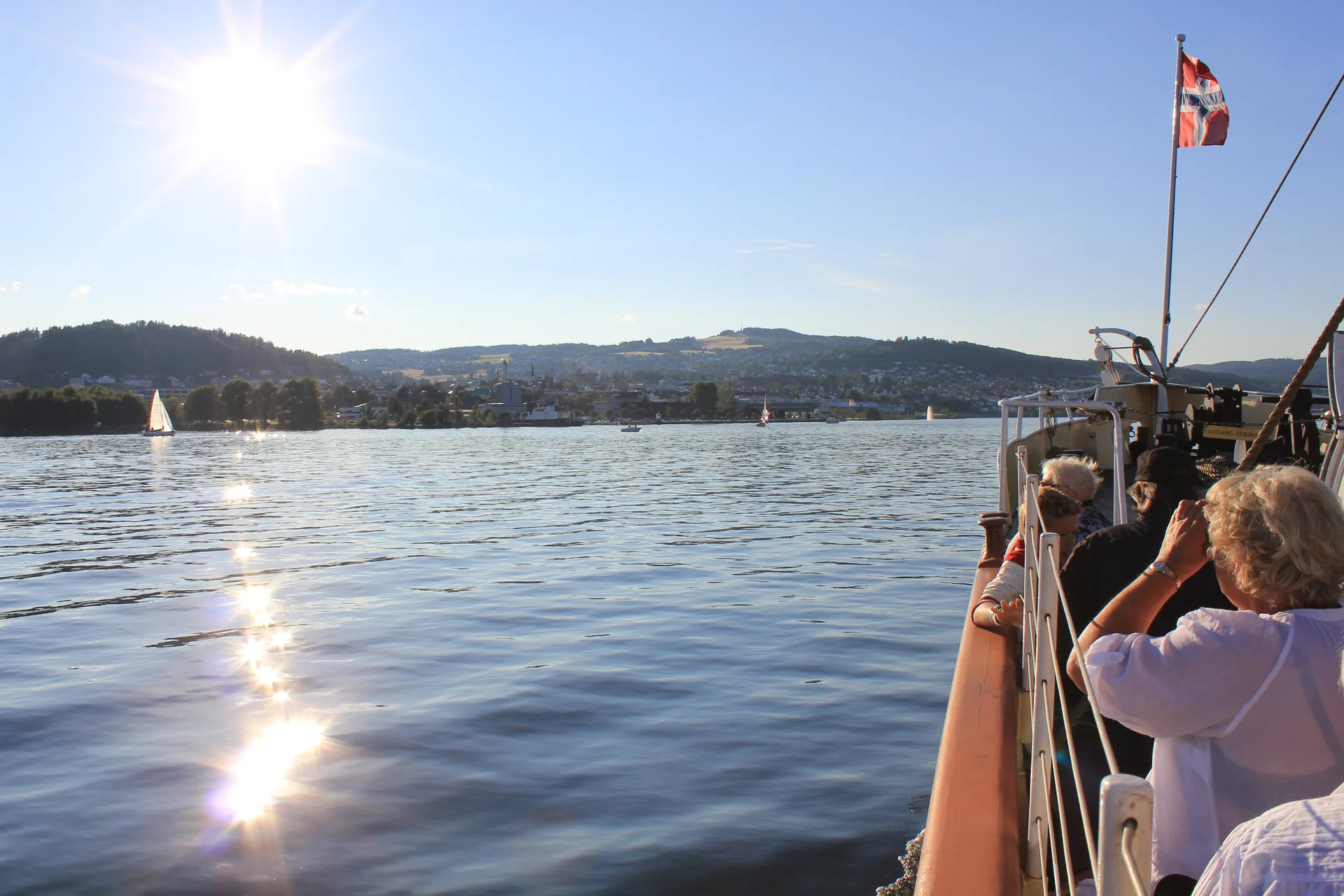
DS Skibladner has been sailing Lake Mjøsa since 1856, which makes it, by a wide margin, the oldest paddle steamer in the world still running to a timetable rather than sitting preserved in a museum. Built in Sweden and assembled on the lakeshore, it earned the nickname 'Mjøsas hvite svane' ('the white swan of Mjøsa') and has been carrying passengers up and down the lake for close to 170 years — the ship marks that anniversary in 2026.
Gjøvik is one of Skibladner's home ports, and from here the steamer runs three rotating routes through the short summer season: north to Lillehammer via Hamar and Moelv, a central run to Nes via Brumunddal and Hamar, and south to Eidsvoll via Kapp, Hamar and Evjua — each departing Gjøvik around 09:30 and returning the same day. Onboard there's a restaurant serving a proper sit-down lunch as the shoreline slides past, which is arguably as much the point of the trip as the ports themselves.
Read the full storyShow less
The experience trades on exactly what you'd expect from a 19th-century coal- (now oil-) fired paddle steamer: it's slow, genuinely creaky in places, and unmistakably a working piece of maritime history rather than a polished tourist boat — which is precisely its appeal. Watching the paddle wheels churn and the engine room's brass and iron machinery in motion is the highlight for most visitors, more than any single port of call.
The critical planning point: this is not a year-round or even a long-summer operation. The 2026 timetabled season runs from 23 June to 16 August only, with sailings Tuesday through Sunday (no Monday service), and outside that roughly eight-week window the ship isn't running its regular routes at all. If a Gjøvik visit falls outside that window, Skibladner simply isn't an option — plan the rest of the trip accordingly rather than counting on it.
What to See: Highlights
- 1World's oldest paddle steamer still in scheduled service, built 1856
- 2170th anniversary sailings in 2026
- 3Three rotating routes from Gjøvik: to Lillehammer, to Nes, and to Eidsvoll
- 4Onboard restaurant serving lunch during the crossing
- 5Working steam-era engine room and paddle-wheel machinery visible in motion
- 6Children under 12 travel free
Insider Tips
Strictly seasonal — 23 June to 16 August only in 2026, and closed Mondays even then
Book ahead if you want the restaurant seating, especially in peak July weeks
Check in at least 15 minutes before departure at the Gjøvik pier
Dress warmer than you'd expect — it's breezy on an open lake even in summer
Consider a shorter round trip rather than the full route if travelling with young kids
Getting There
Skibladnerkaia, Strandgata 28A, 2821 Gjøvik
Open in Google Maps →- 1Skibladnerkaia pier is a 5-minute walk from Gjøvik town centre and Gjøvik stasjon, right on the waterfront.
Where to stay
Hotels in Gjøvik
Compare prices across hundreds of hotels near this attraction — from budget hostels to luxury stays. Free cancellation on most rooms.
Affiliate disclosure — we may earn a commission at no extra cost to you. Powered by Booking.com.
Frequently Asked Questions
Everything you need to know before you visit.
Is DS Skibladner worth visiting?+−
How long does a visit to DS Skibladner take?+−
Who is DS Skibladner best for?+−
Do I need to book tickets in advance for DS Skibladner?+−
Is DS Skibladner included with the Gjøvik city pass?+−
Should You Visit?
Visit if...
- Your Gjøvik visit falls within the 23 June–16 August 2026 season
- You're interested in maritime or industrial history
- You're doing a wider Mjøsa road trip and want to link towns by water instead of car
- You have most of a day free for a proper round trip
Skip if...
- You're visiting outside the summer timetable window — there is no other option
- You get seasick easily or dislike slower travel
- You only have a couple of spare hours, not most of a day
More to See in Gjøvik
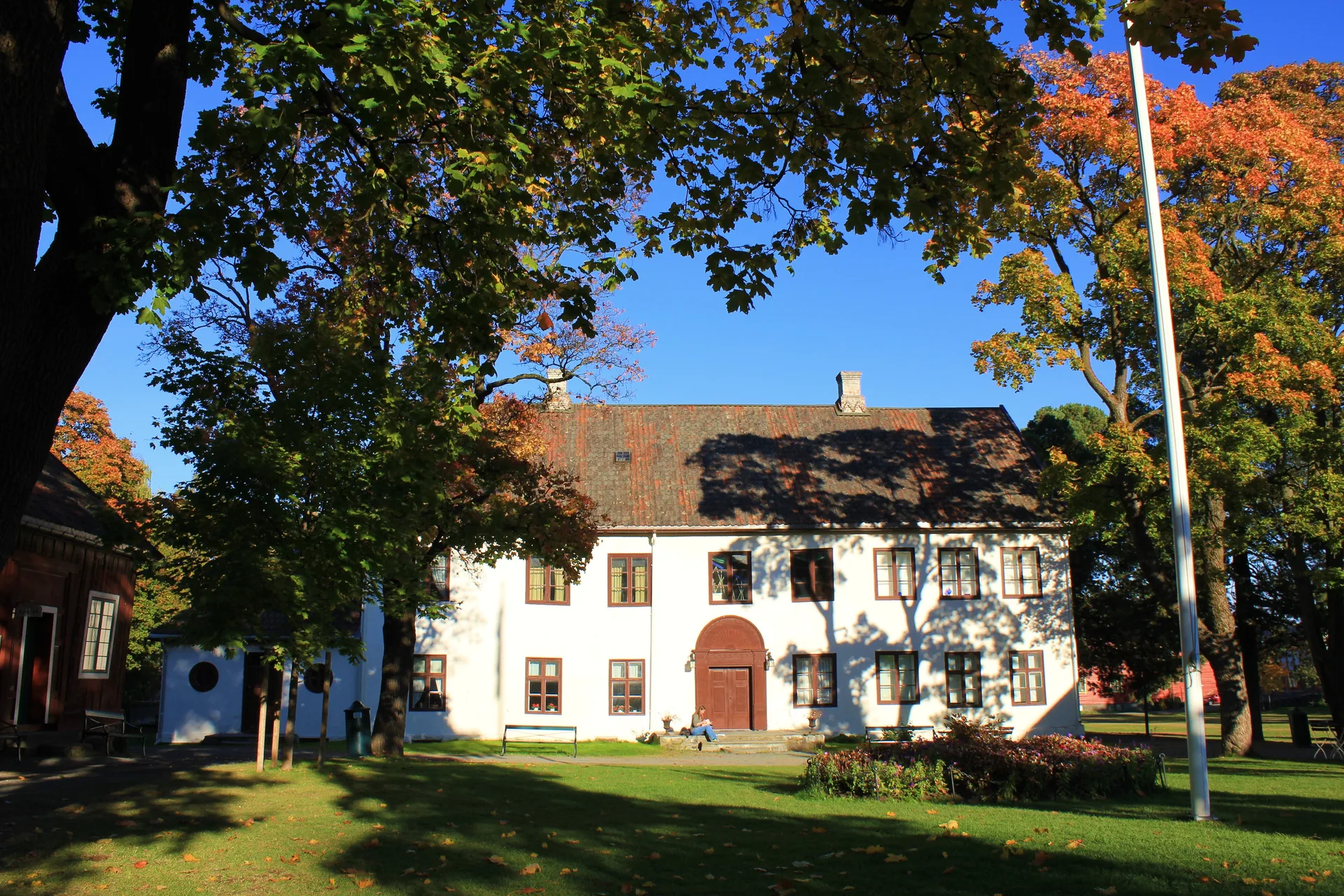
Gjøvik Gård (Mjøsmuseet)
The manor house that founded Gjøvik — a preserved early-1800s estate with period interiors, parkland gardens and one of the world's oldest working electric cars, run as a summer museum by Mjøsmuseet.
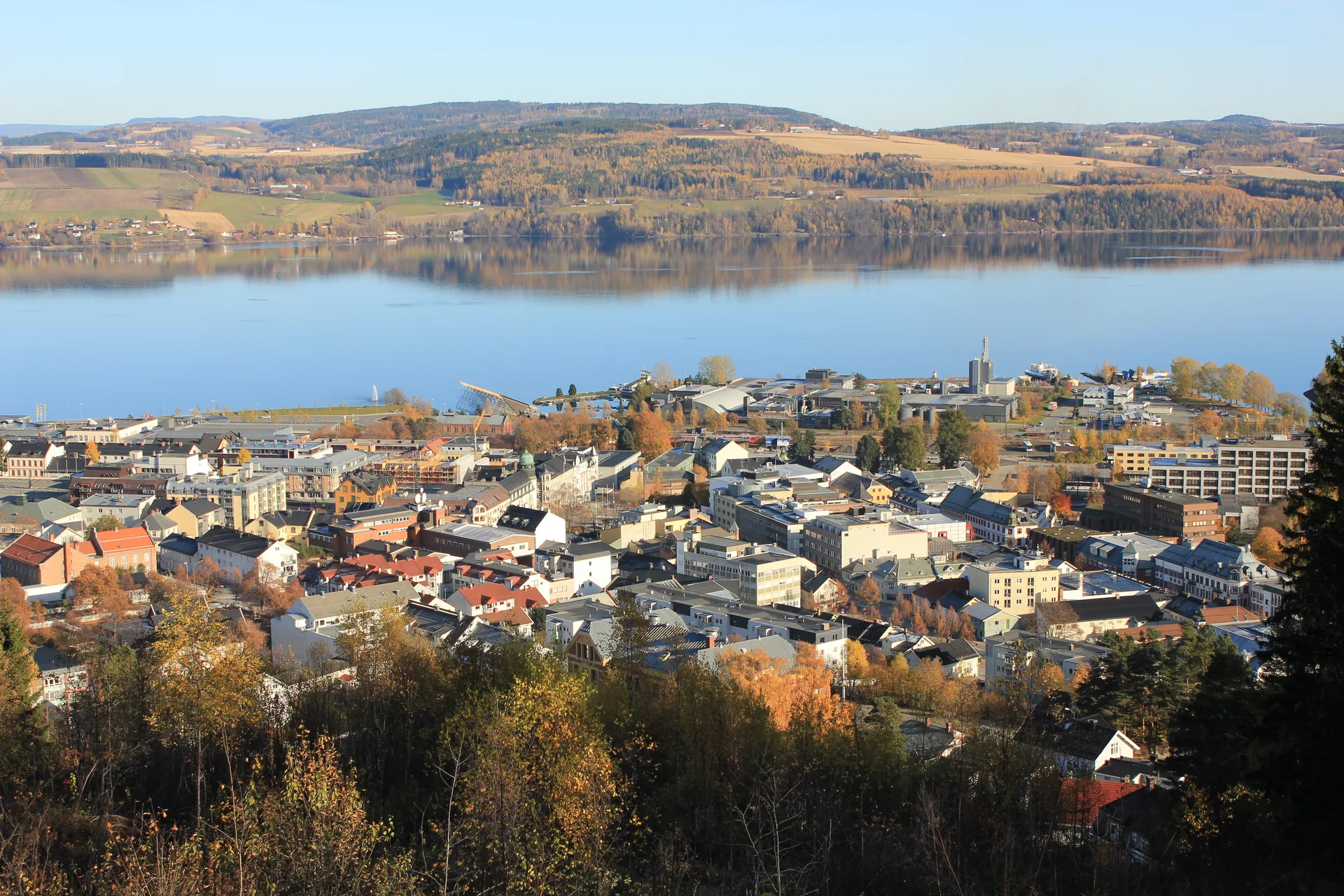
Hovdetoppen
The free viewpoint hill directly above Gjøvik's town centre — a short, well-marked walk to ruins of a burnt-down restaurant and the best panoramic view over the town and Lake Mjøsa.