
Best for
Local-history enthusiasts, genealogy researchers, art association exhibition followers
Time needed
20–30 minutes
Worth it?
Worth a look if your visit lands on a Wednesday and you're already doing the Mjøsmuseet sites
Skip if
You're not visiting on a Wednesday, or visiting in July
About Kauffeldtgården
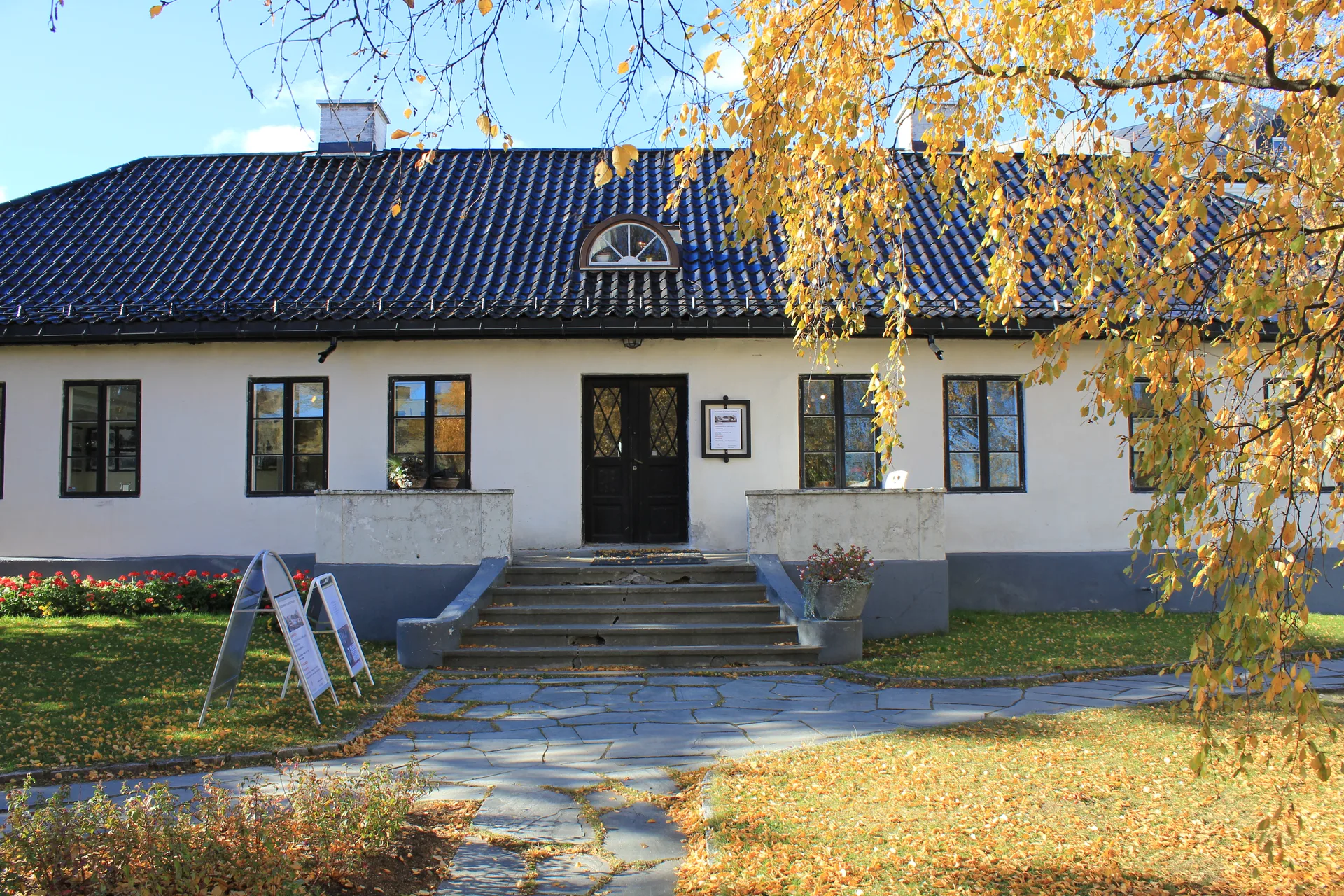
Kauffeldtgården is one of the oldest surviving buildings in central Gjøvik, put up in the early 1800s by Caspar Kauffeldt — the same man who built Gjøvik Gård and founded the town's short-lived glassworks. Its own history since then has been quietly eventful: a home for a tanner, then a general store, then decades as the base for Gjøvik's newspaper and printing business under the Lange family from 1877 until 1965, when the municipality bought it.
Protected as a listed historic building in 1985, Kauffeldtgården today is shared between Mjøsmuseet, the Gjøvik Historical Society (Gjøvik historielag) and the Gjøvik Art Association (Gjøvik kunstforening). It functions less as a formal museum with a fixed collection and more as a working cultural space — offices, a local-history bookshop, and rotating small exhibitions from the art association.
Read the full storyShow less
It's a modest visit by design: this is a genuinely small building with genuinely small opening hours, and it rewards people who are already interested in Gjøvik's history rather than casual walk-ins expecting a full museum experience. What it does offer is a rare chance to stand inside one of the very few buildings old enough to remember Gjøvik before Gjøvik was a town.
Given how limited the hours are, treat this as a bonus stop to slot in on a Wednesday if the timing lines up with a wider Mjøsmuseet day, rather than something to build an itinerary around.
What to See: Highlights
- 1One of the oldest surviving buildings in central Gjøvik, built c. early 1800s
- 2Built by Caspar Kauffeldt, founder of Gjøvik Gård and the town's original glassworks
- 3Protected historic building status since 1985
- 4Shared home of Gjøvik Historical Society and Gjøvik Art Association
- 5Rotating small art exhibitions and a local-history bookshop
Insider Tips
Only open Wednesdays 10:00–15:00, and closed entirely in July — plan around it, not around it
This is a small, low-key stop — set expectations accordingly
Ask about current exhibitions; the art association rotates shows regularly
Combine with Gjøvik Gård, a short walk away, on the same day
Good for genealogy/local-history researchers specifically, beyond the casual visitor
Getting There
Kirkegata / central Gjøvik (managed by Mjøsmuseet) — see mjosmuseet.no for exact entrance
Open in Google Maps →- 15-minute walk from Gjøvik town centre / Gjøvik stasjon.
Where to stay
Hotels in Gjøvik
Compare prices across hundreds of hotels near this attraction — from budget hostels to luxury stays. Free cancellation on most rooms.
Affiliate disclosure — we may earn a commission at no extra cost to you. Powered by Booking.com.
Frequently Asked Questions
Everything you need to know before you visit.
Is Kauffeldtgården worth visiting?+−
How long does a visit to Kauffeldtgården take?+−
Who is Kauffeldtgården best for?+−
Do I need to book anything in advance to visit Kauffeldtgården?+−
Is Kauffeldtgården included with the Gjøvik city pass?+−
Should You Visit?
Visit if...
- Your visit happens to fall on a Wednesday between 10:00 and 15:00
- You're already touring Gjøvik Gård and want one more short historic stop nearby
- You're researching Gjøvik local history or genealogy
- You appreciate small, unpolished, genuinely local cultural spaces over polished museums
Skip if...
- Your visit doesn't line up with the narrow Wednesday opening window
- You're visiting in July, when it's closed
- You're short on time and need to prioritise the bigger sites
More to See in Gjøvik
Gjøvik Gård (Mjøsmuseet)
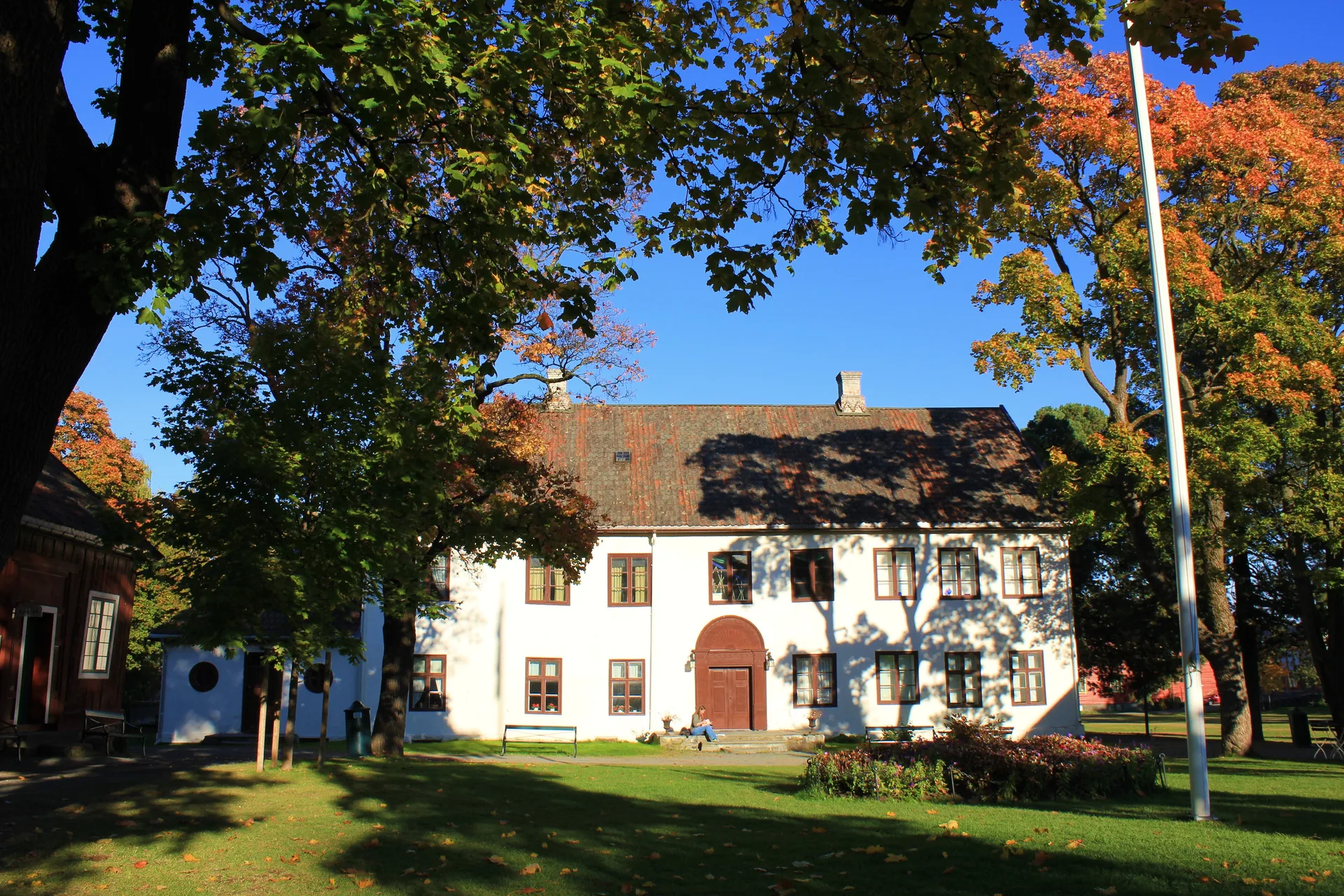
The manor house that founded Gjøvik — a preserved early-1800s estate with period interiors, parkland gardens and one of the world's oldest working electric cars, run as a summer museum by Mjøsmuseet.
Eiktunet Open-Air Museum
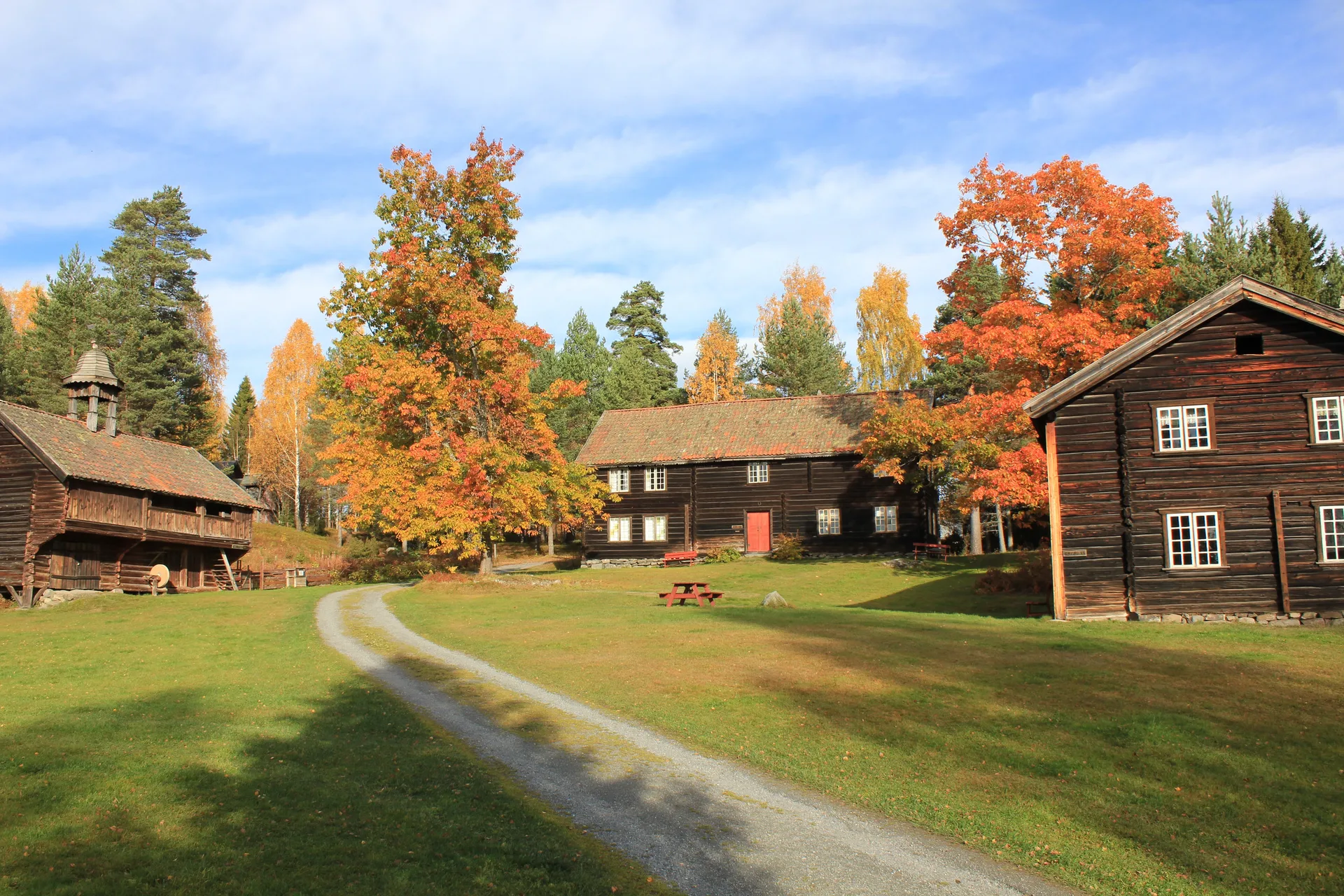
A hillside village of 33 relocated 18th- and 19th-century farm buildings above Gjøvik, with sweeping views over Lake Mjøsa — grounds are open around the clock, interiors only during scheduled events.