
Best for
Young travellers, coffee lovers, shoppers, foodies, those wanting authentic local Oslo
Time needed
2–4 hours
Worth it?
Absolutely — Oslo's most vibrant and liveable neighbourhood
Skip if
Not interested in independent shops, cafés, or wandering
About Grünerløkka
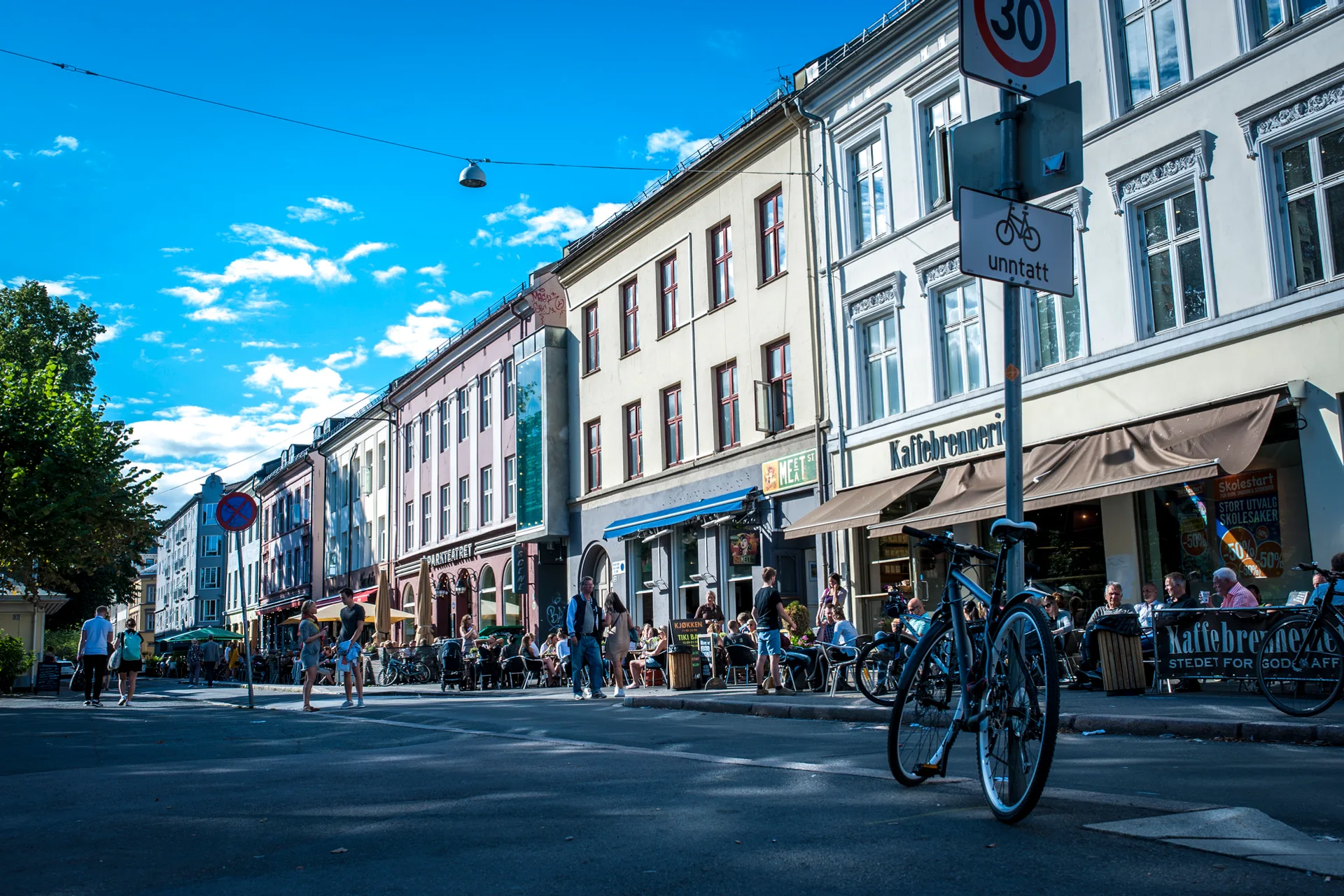
Grünerløkka is Oslo's most characterful neighbourhood — a dense grid of late 19th-century brick tenement blocks on the east bank of the Akerselva river, transformed over the past three decades from a working-class district into the cultural and social heart of the city. If you want to understand what Oslo actually feels like for the people who live there — rather than what it looks like from the tourist circuit — Grünerløkka is the place to come.
The neighbourhood was built in the 1870s and 1880s to house the workers of the factories that lined the Akerselva. The tenements were dense, poorly ventilated, and crowded — four or five families per floor, shared outhouses, no running water. The factories closed through the 20th century; the district emptied; and through the 1980s and 1990s, low rents attracted artists, students, and eventually the cafés, record shops, design studios, and independent boutiques that define it today.
Read the full storyShow less
The coffee culture here is exceptional. Oslo is one of the great coffee cities in the world, and Grünerløkka is where Norwegian specialty coffee effectively began. Tim Wendelboe's small roastery and café on Grüners gate set the standard for the Scandinavian third-wave coffee movement. Fuglen, just south of the neighbourhood on the border with Frogner, is another landmark. Several other roasters and cafés are scattered through the streets — the density of genuinely excellent coffee within a 10-minute walk is probably unmatched in Scandinavia.
Thorvald Meyers gate is the commercial spine — a long, slightly curved pedestrian street lined with restaurants, bars, vintage shops, bookshops, and food vendors. The Saturday and Sunday flea markets along the Akerselva are Oslo's best, mixing furniture, clothing, records, and kitchen equipment. The covered Birkelunden park at the top of the street is where neighbourhood life concentrates on warm summer days.
The restaurant and bar scene is the best in Oslo. Grünerløkka has anchored the city's food reputation for two decades, from the classic Norwegian smørbrød (open sandwiches) at Smalhans to the craft beer bars to the Vietnamese and Middle Eastern restaurants that reflect the neighbourhood's immigrant history. The music venue Blå, on the Akerselva, is the best small venue in the city for jazz, electronic music, and indie.
Walk from the city centre via the Akerselva river path (about 20 minutes) or take the 11, 12, or 13 tram to Olaf Ryes plass or Birkelunden. The neighbourhood is best visited mid-morning to evening; weekend mornings are particularly lively with the markets and café culture.
What to See: Highlights
- 1Thorvald Meyers Gate — the main bar and restaurant strip
- 2Birkelunden Park — popular with locals for picnics and events
- 3Vintage shops, record stores, and independent bookshops
- 4Oslo's best specialty coffee (Tim Wendelboe, Fuglen, Java)
- 5Vibrant street art and murals throughout the district
- 6Weekend farmers markets and flea markets
Skip the Queue — Book Tickets Online
Same admission, instant confirmation. Compare prices across platforms.
Affiliate disclosure — we may earn a commission at no extra cost to you.
Insider Tips
Tim Wendelboe on Grüners gate is a world-famous specialty coffee roaster
Best on a weekend afternoon when markets and shops are busy
Walk from Grünerløkka to Mathallen via Akerselva river for a scenic route
Many great brunch spots on weekends — expect queues at popular ones
Book a Guided Tour
Get the most from your visit with a local expert guide.
Affiliate disclosure — we may earn a commission at no extra cost to you.
Getting There
Thorvald Meyers gate, Grünerløkka, Oslo
Open in Google Maps →- 1Tram 12 or 13 to Olaf Ryes Plass (heart of Grünerløkka)
- 2Tram 11, 12, or 13 to various stops along Thorvald Meyers Gate
- 3Bus 34 or 37 through the neighbourhood
- 4Walk from Oslo Central Station: 25 minutes north
- 5Cycling: 15 minutes from the city centre — popular with locals
Where to stay
Hotels in Oslo
Compare prices across hundreds of hotels near this attraction — from budget hostels to luxury stays. Free cancellation on most rooms.
Affiliate disclosure — we may earn a commission at no extra cost to you. Powered by Booking.com.
Frequently Asked Questions
Everything you need to know before you visit.
Is Grünerløkka worth visiting?+−
How long does a visit to Grünerløkka take?+−
Who is Grünerløkka best for?+−
Do I need to book anything in advance to visit Grünerløkka?+−
Is Grünerløkka included with the Oslo city pass?+−
Should You Visit?
Visit if...
- You want to experience Oslo like a local
- You love specialty coffee, independent shops, and street food
- You're combining with Mathallen Oslo (10 min walk)
- You want a break from museums
Skip if...
- Strictly focused on formal sightseeing and museums
- Not interested in neighbourhood wandering or café culture
Ready to Book Your Visit?
More to See in Oslo
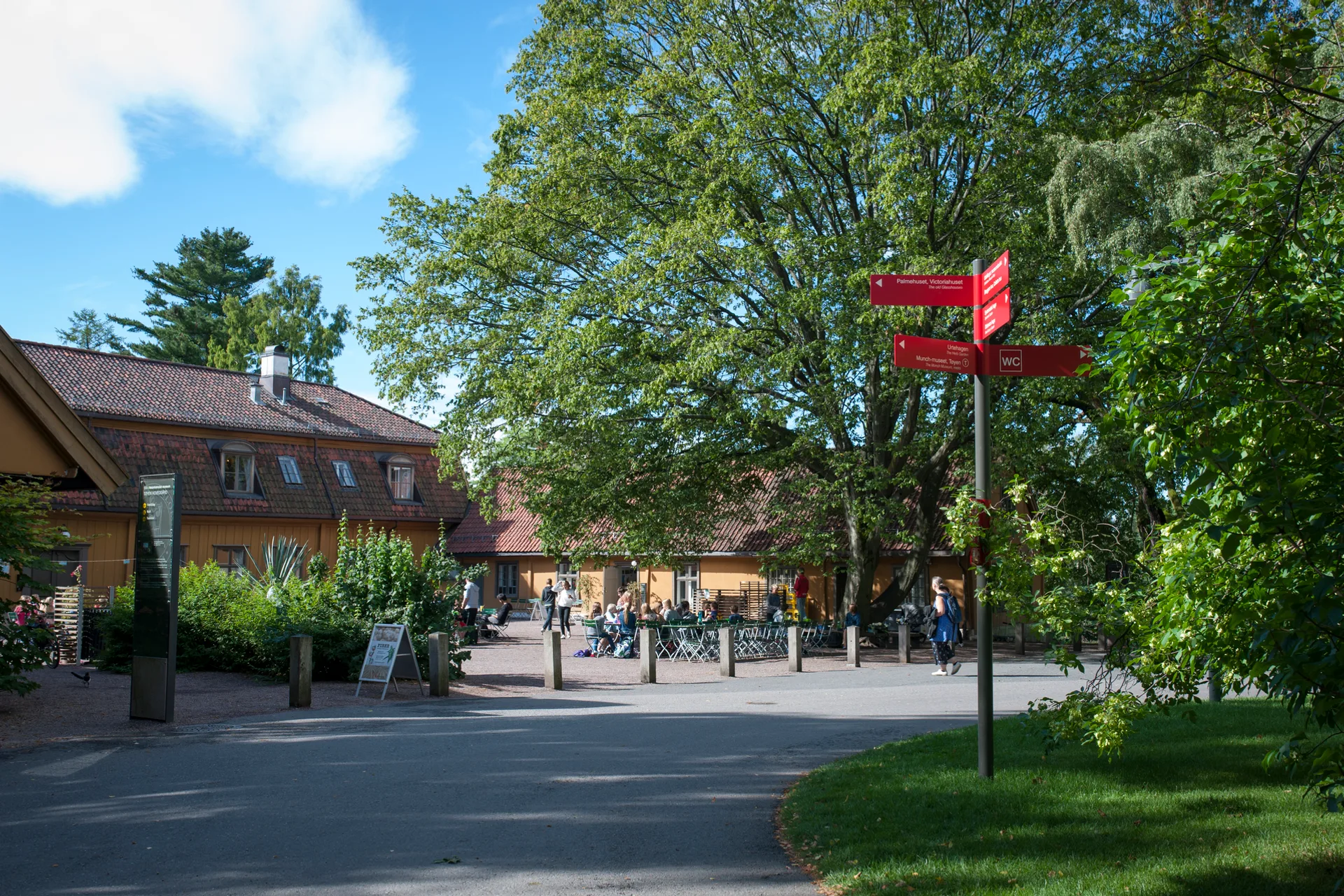
Oslo Botanical Garden
Free outdoor garden with 7,500 plant species, a rose garden, and Norway's oldest botanical collection — peaceful and beautiful in summer.
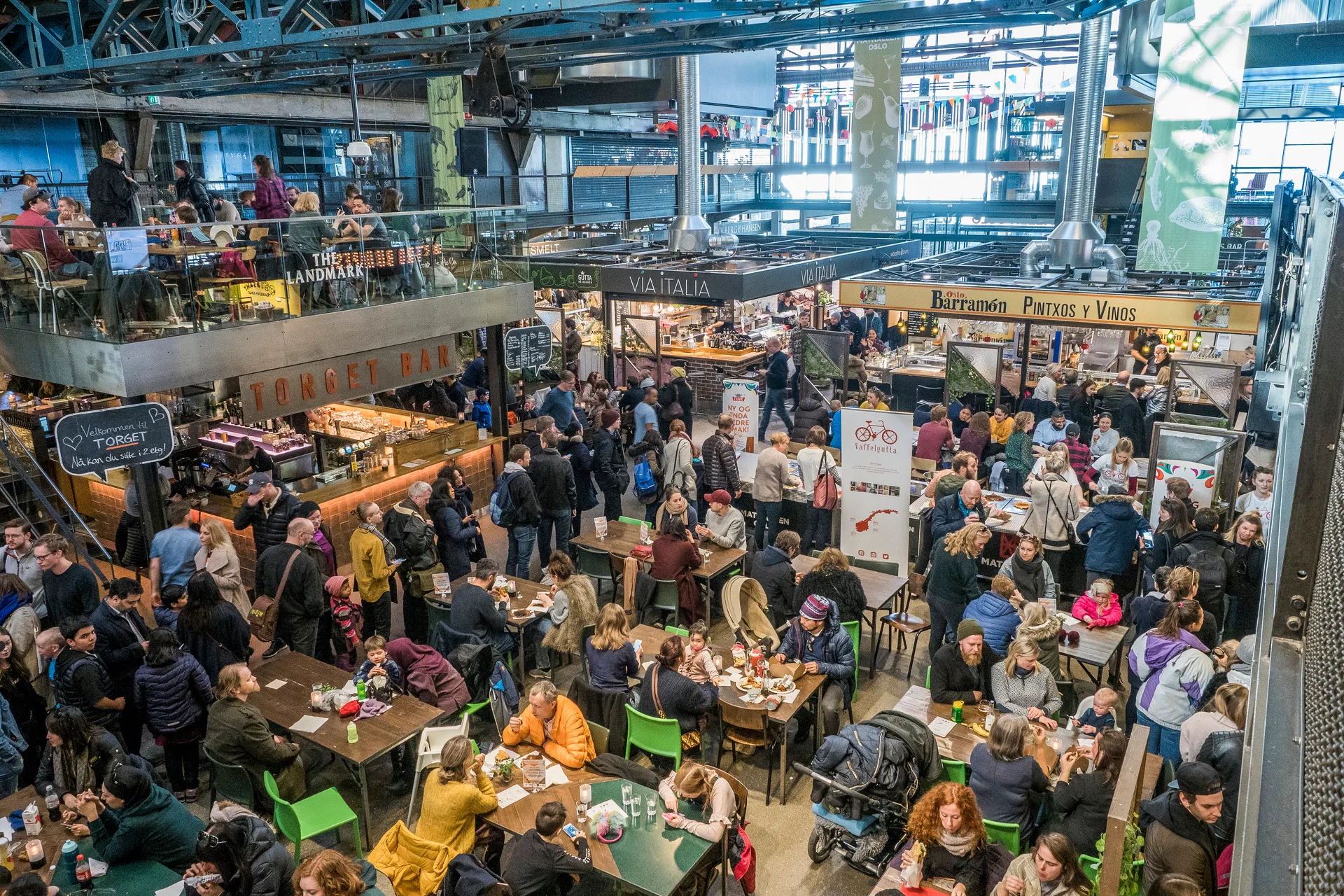
Mathallen Oslo
Oslo's best food market — 30+ artisan vendors under one Victorian-industrial roof in the Vulkan district, free to enter.
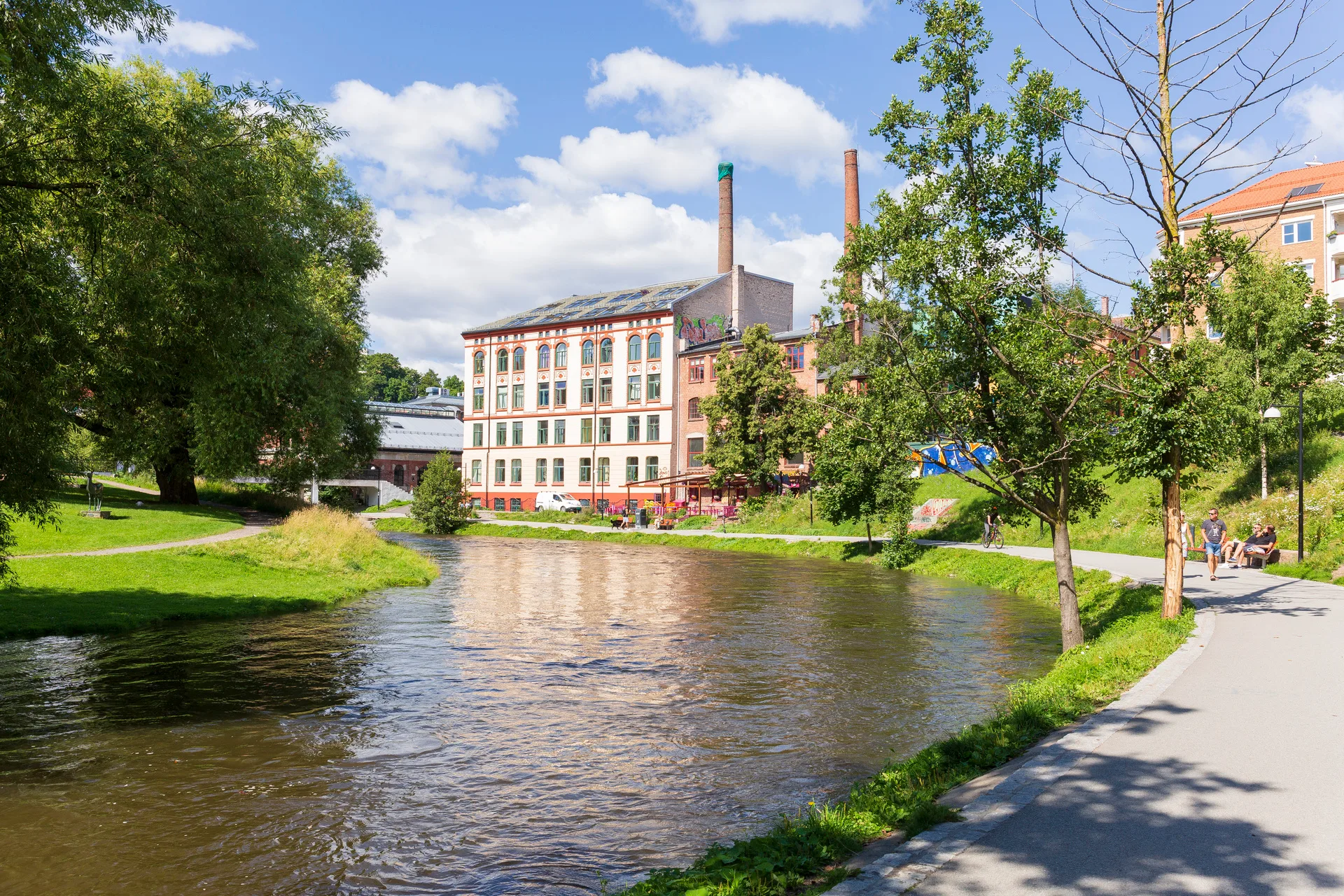
Akerselva River Walk
Oslo's most scenic urban walk — 10 km along the Akerselva river through Grünerløkka, past waterfalls, old mills, and street art.