
Best for
All visitors — the essential Oslo introduction
Time needed
1–2 hours
Worth it?
Absolutely — the essential Oslo boulevard everyone walks
Skip if
Nothing to skip — it connects the station to the palace and you'll walk it anyway
About Karl Johans Gate
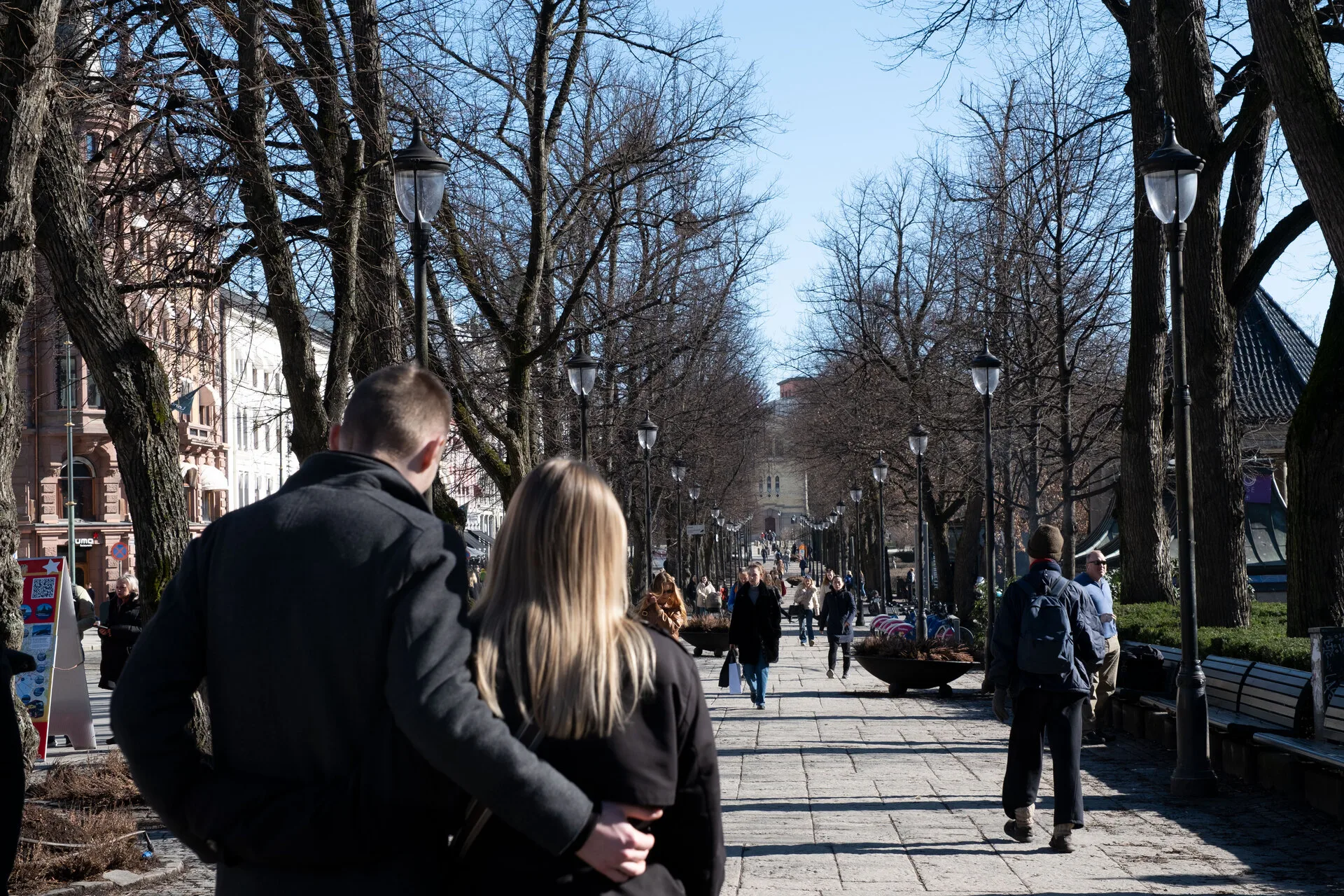
Karl Johans Gate is the spine of Oslo — a 1.5-kilometre pedestrian boulevard running straight from Oslo Central Station in the east to the Royal Palace in the west. Every visitor to Oslo walks it at least once. Named after King Karl Johan (the former French marshal Jean-Baptiste Bernadotte, who became King of Norway and Sweden in 1818), the street was laid out in the 1840s as the symbolic axis of a city that was defining itself as a modern European capital.
The streetscape is formally composed and largely intact from the 19th century. The Royal Palace closes the western view, sitting at the top of a gentle hill with the palace park (Slottsparken) on either side. The National Theatre, the University of Oslo buildings, the Parliament (Stortinget), and the Cathedral mark the major civic institutions that were deliberately sited along this axis in the years after Norwegian independence in 1814. Walking Karl Johans Gate is, in a very direct sense, walking through the physical expression of Norwegian nationhood.
Read the full storyShow less
The eastern half of the street, from the station to the Parliament, is the most commercial — shops, cafés, and fast food at street level, with the historic buildings of the University quarter just off to the north on Frederiks gate. The university's main building — a neoclassical complex designed in the 1840s — includes the Aula (great hall), which is decorated with enormous murals by Edvard Munch and serves as the venue for the Nobel Peace Prize lecture each December.
The western half, from the Parliament to the Palace, is more formal. The National Theatre (Nationaltheatret) — Norway's flagship theatre, opened in 1899 in a French Empire style with busts of Ibsen and Bjørnstjerne Bjørnson flanking the entrance — is the architectural highlight. The park in front of the theatre is one of the most pleasant lunch spots in the city centre in summer.
The street is pedestrianised for most of its length and is lively at all hours. In December it becomes a Christmas market corridor; in May 17 (Norwegian Constitution Day) it becomes the route of Oslo's famous children's parade, watched by the royal family from the Palace balcony. Buskers, flower vendors, and occasional political demonstrations are part of the daily texture.
There is no entry fee for Karl Johans Gate or the surrounding civic buildings. Guided walking tours of the route depart from the Tourist Information office near City Hall; self-guided exploration with a good map is equally rewarding.
What to See: Highlights
- 1Oslo's main pedestrian boulevard connecting Central Station to the Royal Palace
- 2Street performers, outdoor cafés, and Oslo city life on display
- 3Stortinget (Parliament) midway on the left
- 4National Theatre (Nationaltheatret) at the midpoint
- 5Grand Hotel — where Nobel Peace Prize winners stay during Nobel Week
- 6Oslo Cathedral at the eastern end
Skip the Queue — Book Tickets Online
Same admission, instant confirmation. Compare prices across platforms.
Affiliate disclosure — we may earn a commission at no extra cost to you.
Insider Tips
Walk the full 1.5 km length at least once — it's the spine of the city
Stop at Grand Café at the Grand Hotel — Nobel tradition since 1874
Best in summer when street performers fill the boulevard
Evening walks on the illuminated boulevard are atmospheric
Book a Guided Tour
Get the most from your visit with a local expert guide.
Affiliate disclosure — we may earn a commission at no extra cost to you.
Getting There
Karl Johans gate, Oslo
Open in Google Maps →- 1Eastern end: Oslo Central Station (direct start of the street)
- 2Midpoint: T-bane or tram to Stortinget or Nationaltheatret
- 3Western end: T-bane to Nationaltheatret, then 10-minute walk
- 4The entire street is pedestrianised — no car access
- 5All city trams and many buses connect to the street
Where to stay
Hotels in Oslo
Compare prices across hundreds of hotels near this attraction — from budget hostels to luxury stays. Free cancellation on most rooms.
Affiliate disclosure — we may earn a commission at no extra cost to you. Powered by Booking.com.
Frequently Asked Questions
Everything you need to know before you visit.
Is Karl Johans Gate worth visiting?+−
How long does a visit to Karl Johans Gate take?+−
Who is Karl Johans Gate best for?+−
Do I need to book anything in advance to visit Karl Johans Gate?+−
Is Karl Johans Gate included with the Oslo city pass?+−
Should You Visit?
Visit if...
- You want to experience the heart of Oslo
- You're walking from Central Station to the Royal Palace
- You want to see the Parliament, National Theatre, and Cathedral in one stroll
- Always free, always open
Skip if...
- Nothing to skip — you will walk it regardless
Ready to Book Your Visit?
More to See in Oslo
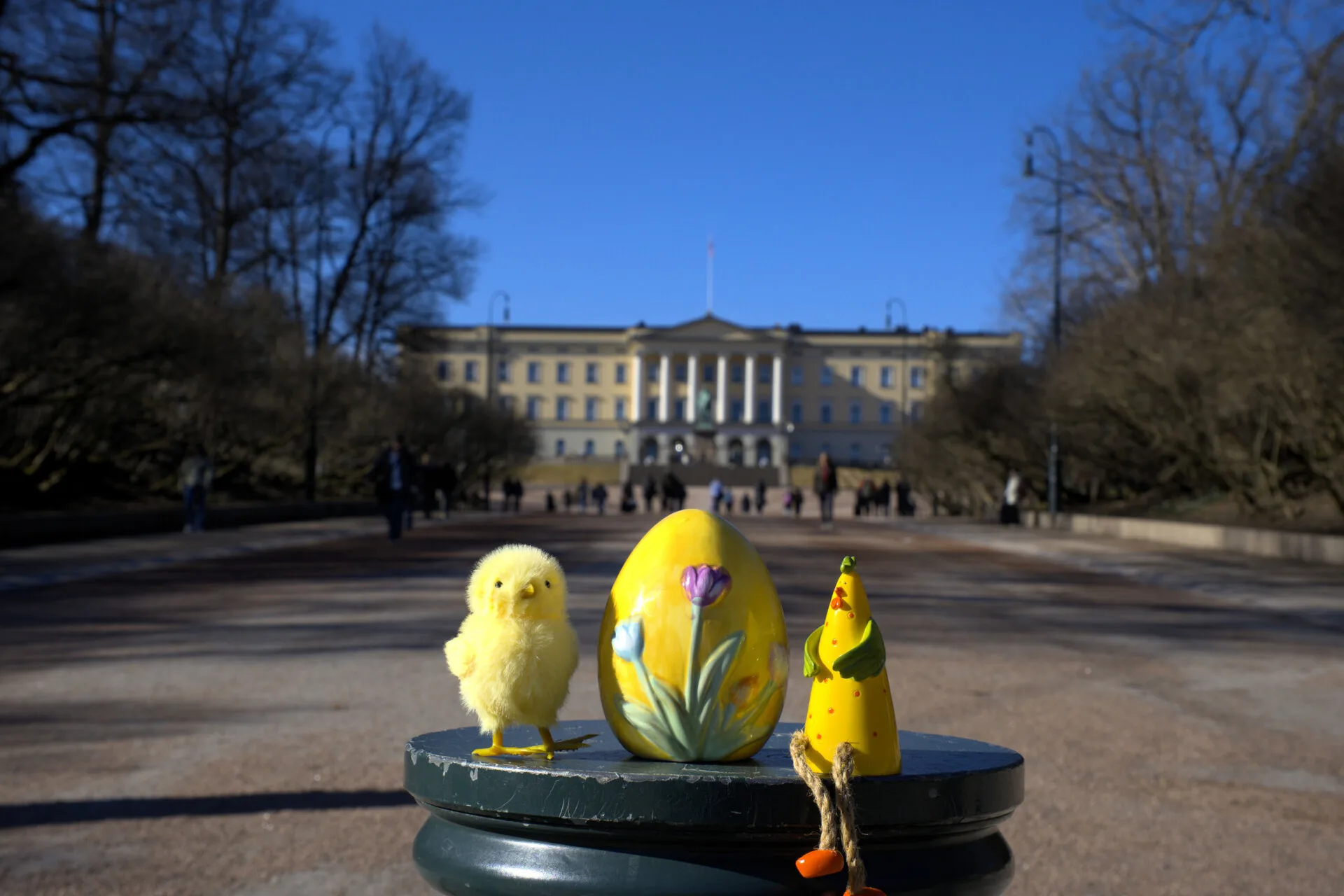
Royal Palace & Slottsparken
Oslo's iconic yellow palace at the top of Karl Johans Gate — free park, daily Changing of the Guard at 13:30, and summer tours of the royal apartments.
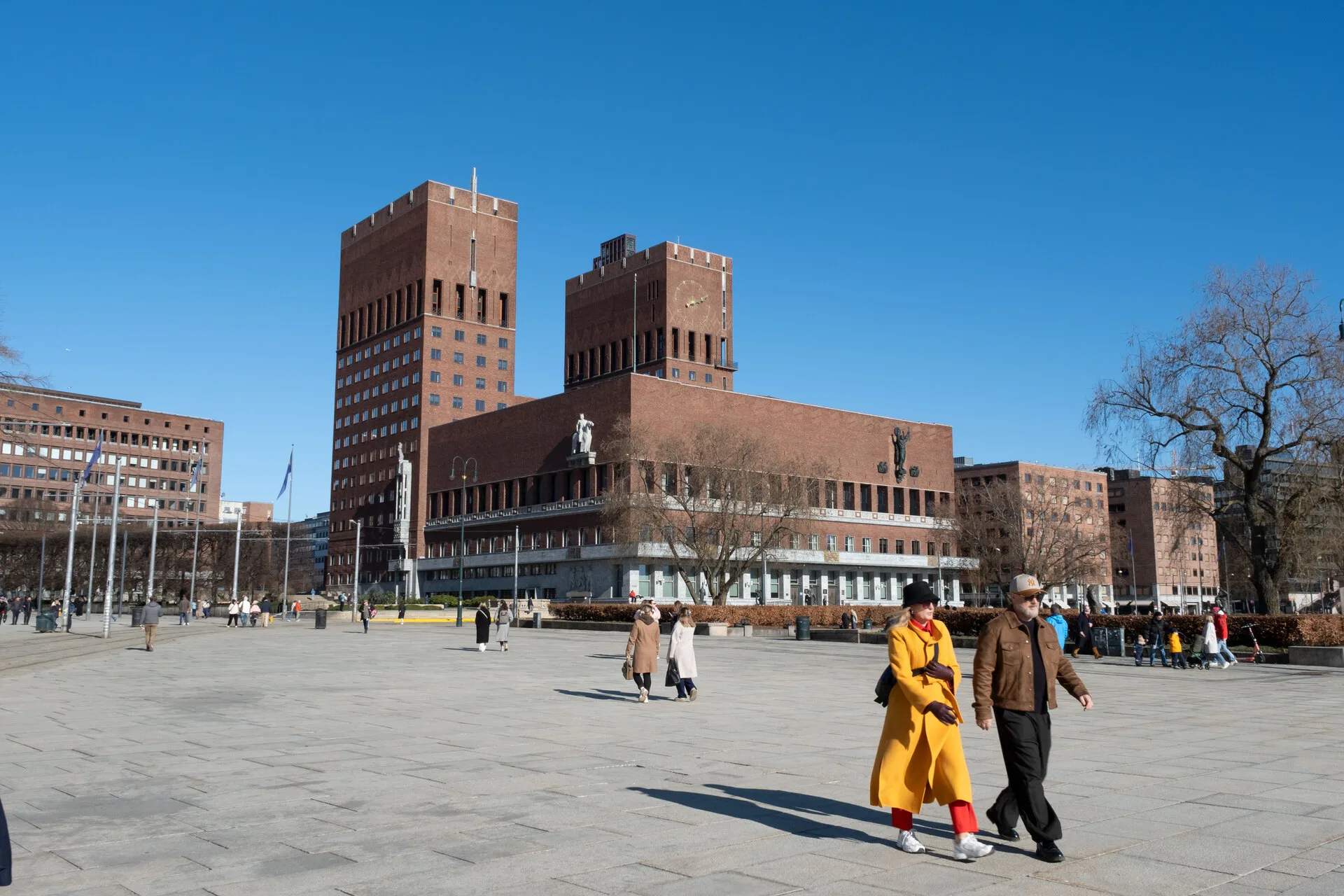
Oslo City Hall
Where the Nobel Peace Prize is awarded every December — free entry, with floor-to-ceiling murals by Norwegian masters and a prime waterfront location.
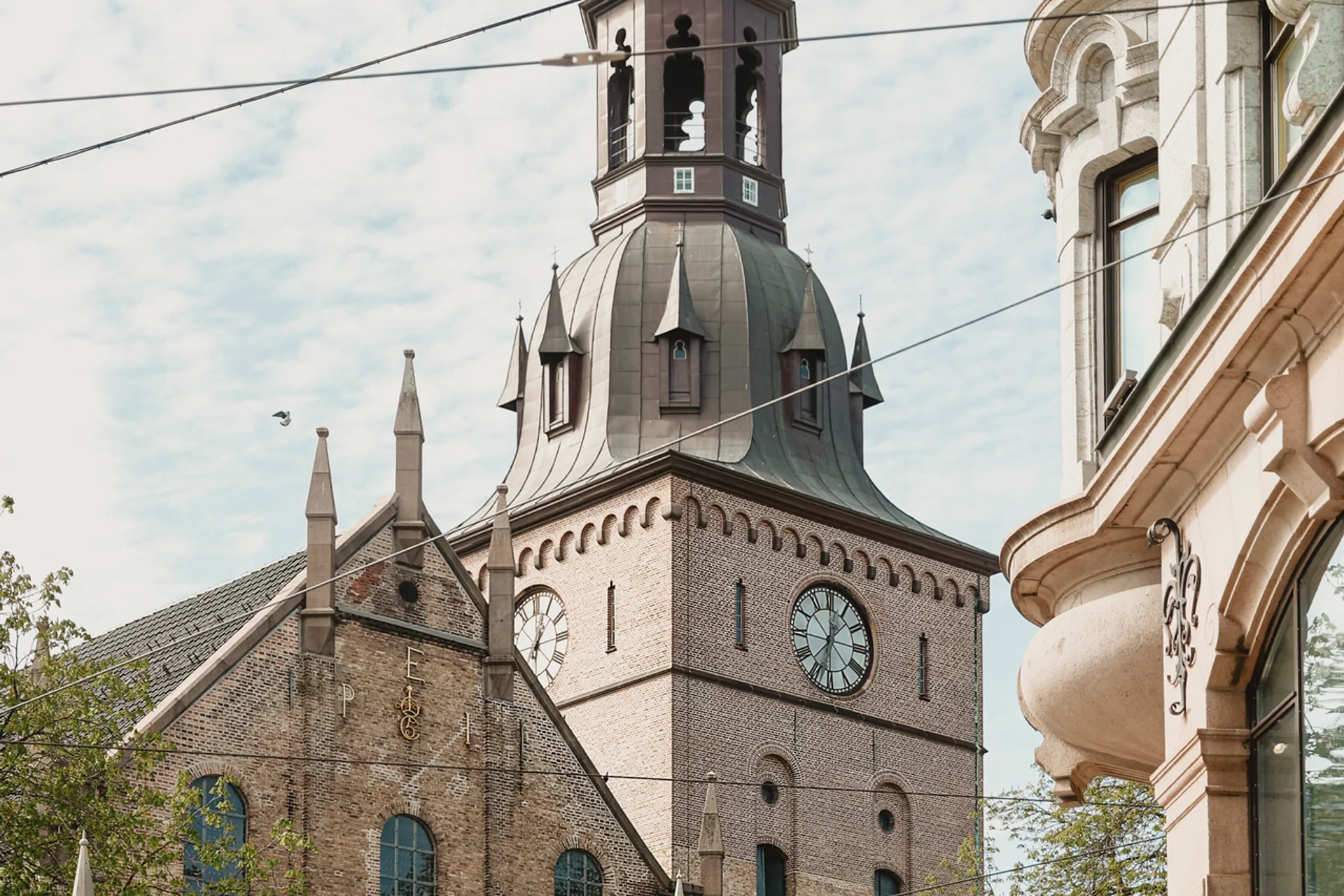
Oslo Cathedral
Norwegian baroque cathedral from 1697 on Karl Johans Gate — free entry, with spectacular stained glass windows by Emanuel Vigeland.
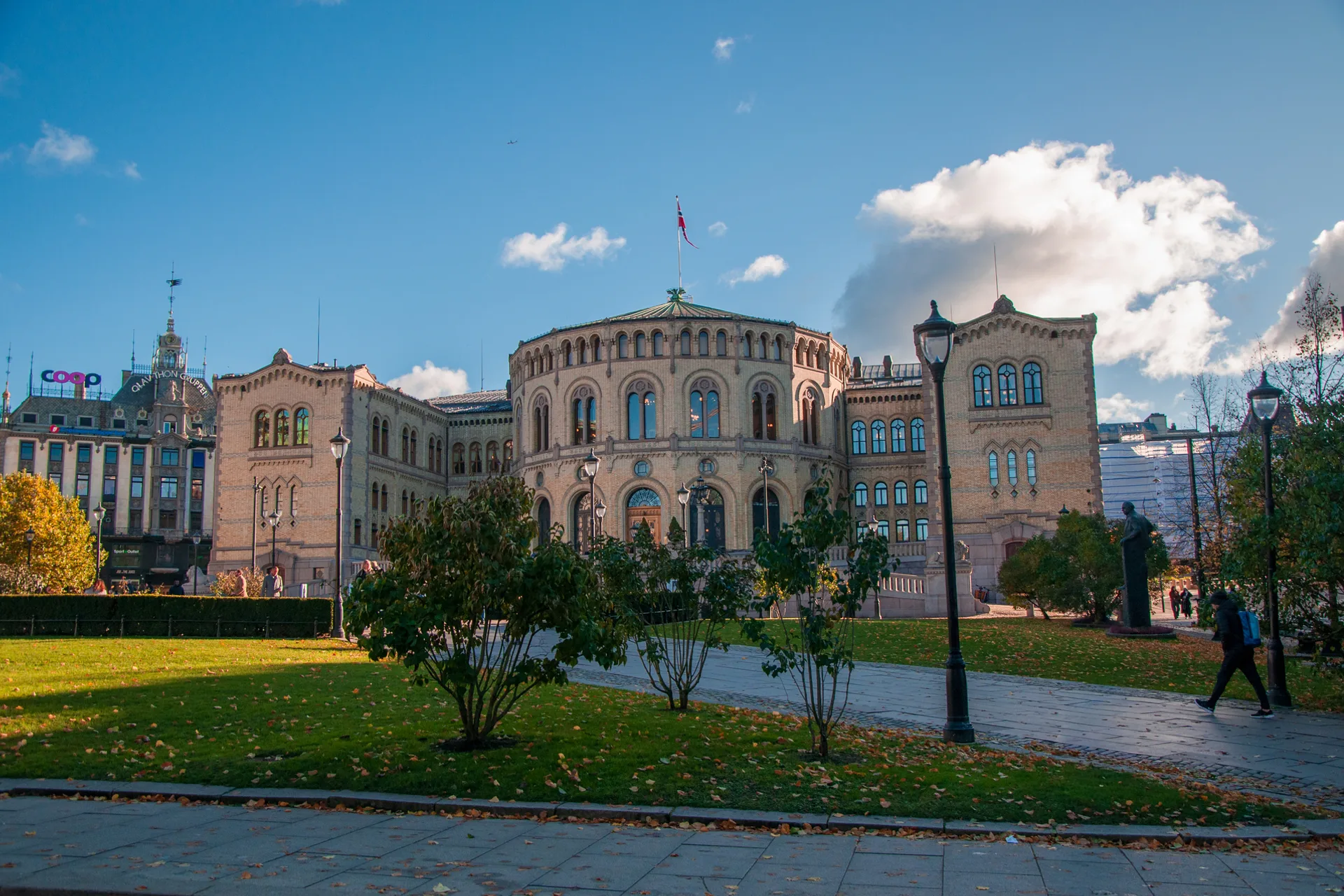
Stortinget (Norwegian Parliament)
Free guided tours of Norway's national parliament — one of Europe's oldest continuous democracies, in a classical 1866 building on Karl Johans Gate.