
Best for
History fans, Viking enthusiasts, archaeology lovers
Time needed
1.5–2.5 hours
Worth it?
Yes — great Viking and medieval collection at a very reasonable price
Skip if
Already saturated on history museums — but this has the best Viking jewellery in Oslo
About Cultural History Museum
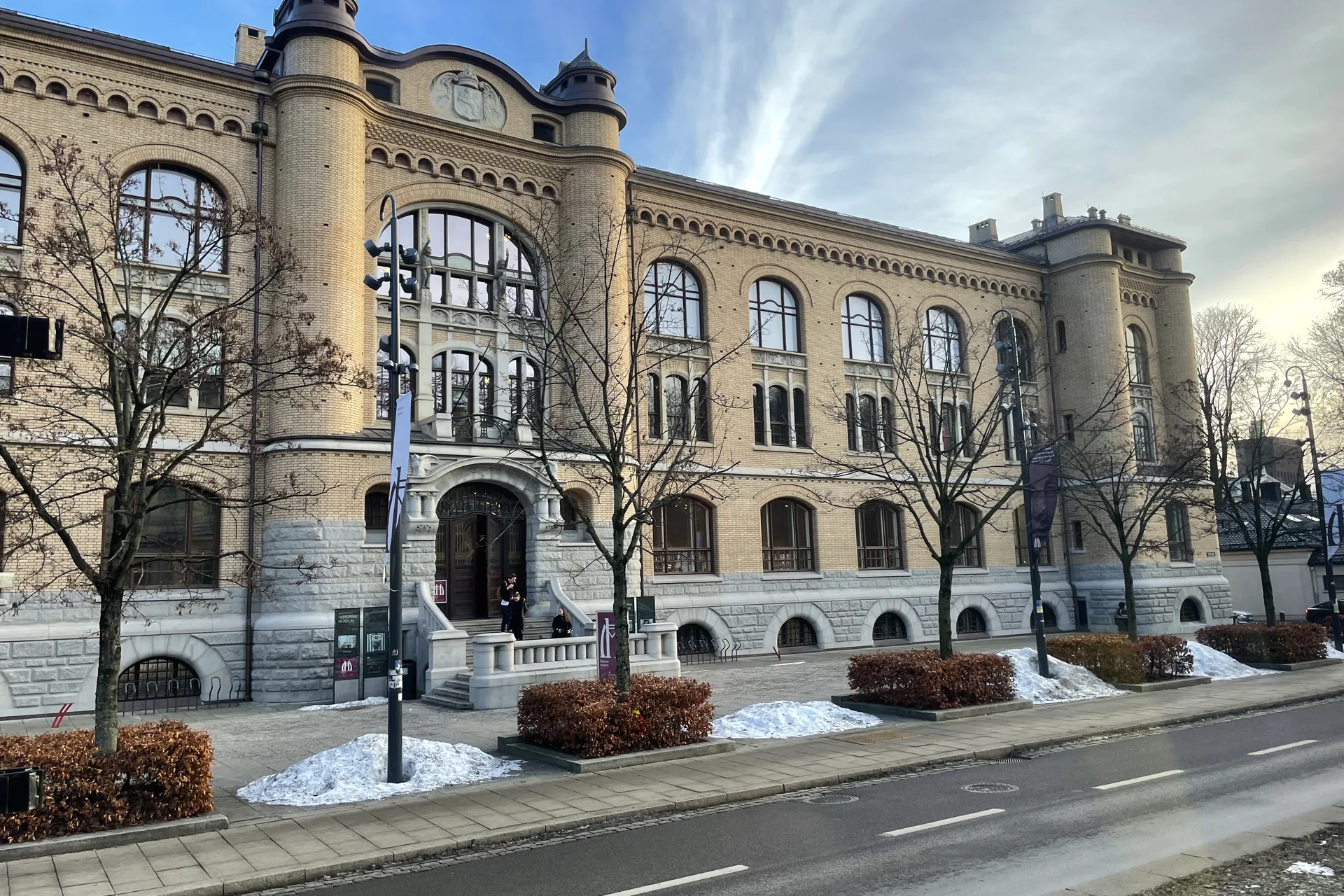
The Cultural History Museum (Kulturhistorisk Museum) is the oldest and most diverse of Oslo's major museums, occupying a grand neo-Gothic building at the edge of the University of Oslo campus. Its collections span an astonishing range: Viking-age gold and jewellery, Norwegian medieval church art, Egyptian mummies, Greek vases, Central American ethnography, and Arctic artefacts — all under one roof, and free to enter.
The Viking-age collection is the museum's crown jewel and one of the finest in the world. The gold room on the ground floor displays dozens of extraordinary objects from the Migration Period and Viking age: gold and silver brooches, arm rings, neck rings, coins, and belt fittings that represent both the craftsmanship of early medieval Scandinavia and the wide-ranging trade networks that brought gold from as far as Byzantium and Central Asia to Norwegian workshops. The display is relatively small but exceptionally high in quality.
Read the full storyShow less
For Viking material more broadly, the National Museum – Architecture and the Norwegian Folk Museum complement this collection, but for the concentrated artistry of Viking-age metalwork, the Cultural History Museum is unmatched in Oslo. Note that the Viking Ship Museum on Bygdøy — which holds the actual ships — is separate and currently undergoing major renovation and expansion.
The medieval section is equally impressive. Norway's wooden stave churches produced some of the finest early medieval art in northern Europe, and when many of the old stave churches were demolished or replaced in the 19th century, their carved portals, painted panels, and sculpture were preserved here. The carved Urnes-style portals from the 12th century — intricate interlacing animal designs of extraordinary refinement — are among the most important objects in Norwegian cultural heritage.
The Egyptian collection is more modest but includes genuine mummies, coffins, and grave goods from several periods. The Asian, African, and Central American collections reflect Norway's 19th-century engagement with ethnographic collecting, presented with contemporary contextual framing that acknowledges the colonial context of many acquisitions.
The museum is part of the University of Oslo and occupies a building completed in 1902, designed in a richly detailed historicist style with red brick and carved stone ornament. The interior spaces — particularly the main hall with its gallery of Viking material — are among the most atmospheric in Oslo.
Free entry makes this an excellent choice for rainy days, for visitors with broad interests, and for those who want Viking material without the ferry trip to Bygdøy. Allow at least 2 hours, more if the medieval or ethnographic collections interest you.
What to See: Highlights
- 1Spectacular Viking-age gold and silver jewellery collection
- 2Norwegian rune stones and medieval church art
- 3Egyptian mummies and ancient Mediterranean antiquities
- 4Carved portal from Ål Stave Church (c. 1150 AD)
- 5Medieval religious artefacts from across Norway
- 6University of Oslo campus setting
Skip the Queue — Book Tickets Online
Same admission, instant confirmation. Compare prices across platforms.
Affiliate disclosure — we may earn a commission at no extra cost to you.
Included with the Oslo Pass
Cultural History Museum is included with the Oslo Pass — a city card that covers entry to 30+ attractions, unlimited public transport, and discounts across Oslo. It can represent serious savings if you plan to visit multiple museums.
Insider Tips
The Viking gold and jewellery room is the highlight — budget extra time
Less crowded than the Folk Museum or Munch Museum
Combine with a walk to the Royal Palace gardens (10 min)
The Egyptian collection is an underrated highlight
Book a Guided Tour
Get the most from your visit with a local expert guide.
Affiliate disclosure — we may earn a commission at no extra cost to you.
Getting There
Frederiks gate 2, 0164 Oslo
Open in Google Maps →- 1Walk from Nationaltheatret T-bane: 10 minutes east along Karl Johans Gate, then north on Frederiks gate
- 2Tram to Nationaltheatret, then walk
- 3Bus 37 to Frederiks gate stop
- 4Walk from Royal Palace: 12 minutes southeast
- 5Oslo Pass covers all public transport
Where to stay
Hotels in Oslo
Compare prices across hundreds of hotels near this attraction — from budget hostels to luxury stays. Free cancellation on most rooms.
Affiliate disclosure — we may earn a commission at no extra cost to you. Powered by Booking.com.
Frequently Asked Questions
Everything you need to know before you visit.
Is Cultural History Museum worth visiting?+−
How long does a visit to Cultural History Museum take?+−
Who is Cultural History Museum best for?+−
Do I need to book tickets in advance for Cultural History Museum?+−
Is Cultural History Museum included with the Oslo city pass?+−
Should You Visit?
Visit if...
- You want to see exceptional Viking-age gold and jewellery
- You're interested in medieval Norwegian history
- You enjoy archaeological collections
- You have the Oslo Pass
Skip if...
- Already visited several history museums and running low on time
- Short on time — National Museum has more breadth
Ready to Book Your Visit?
More to See in Oslo
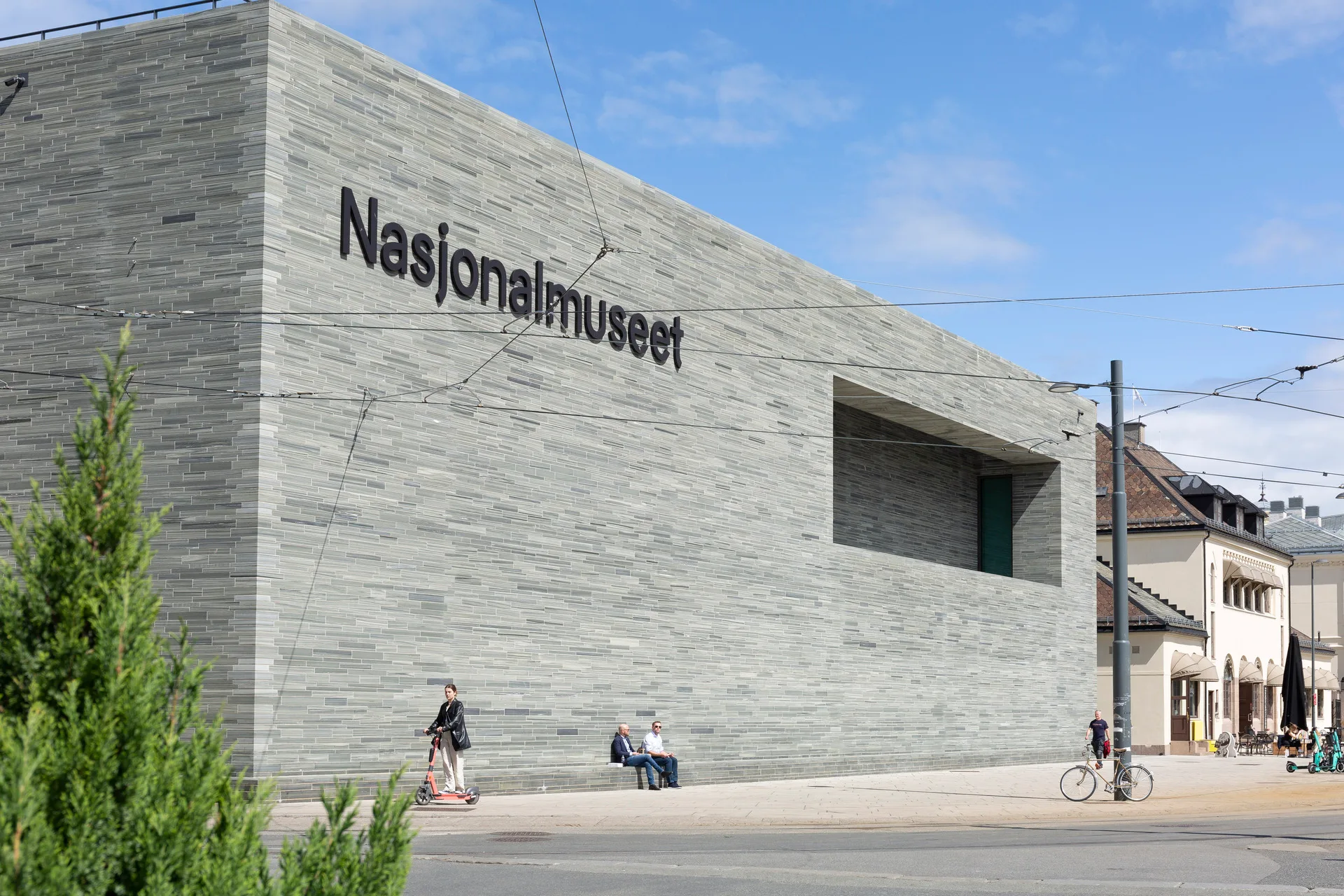
National Museum
Norway's largest art museum — successor to the original National Gallery — home to Munch's The Scream and 7,000 years of Nordic and European art.
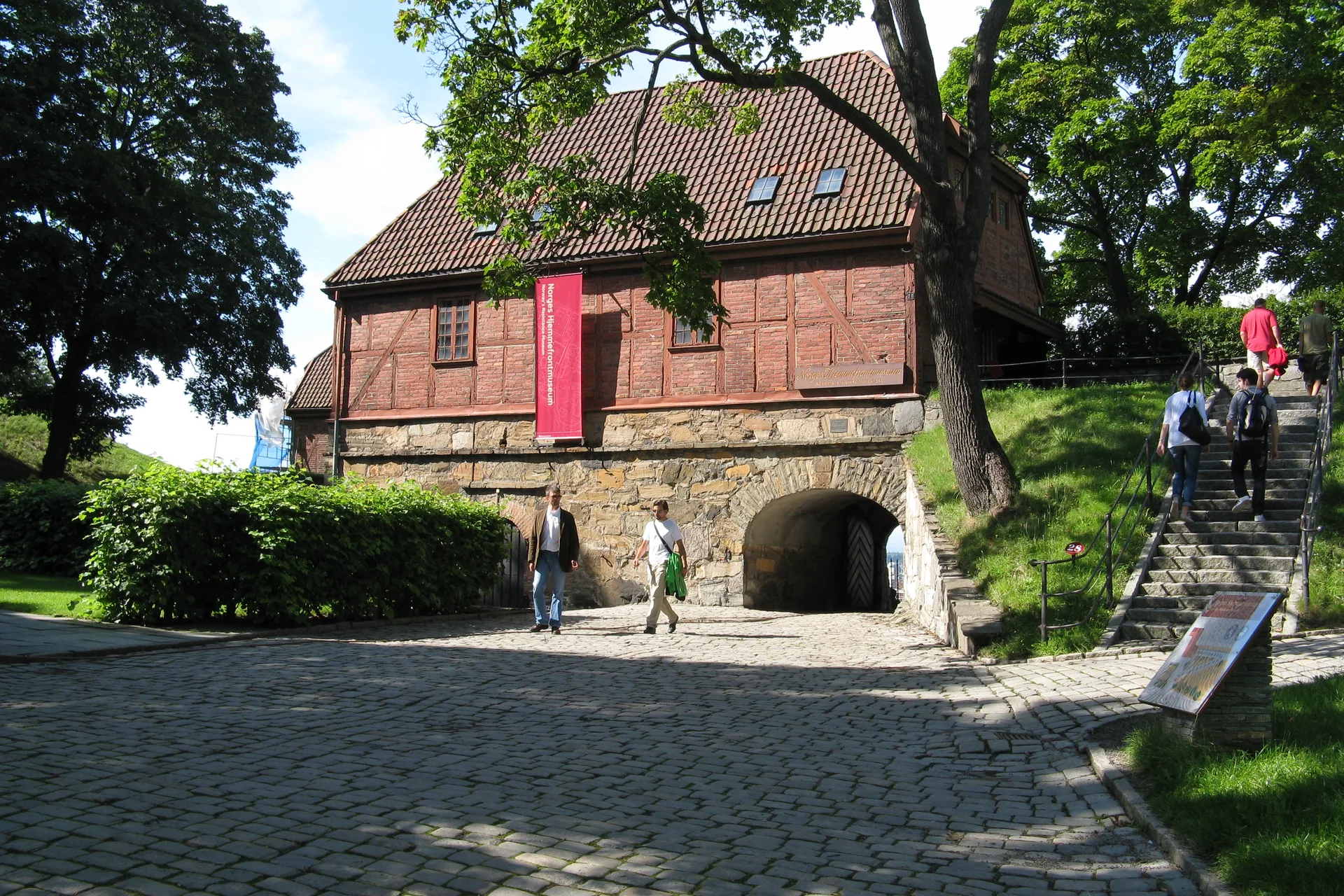
Norwegian Resistance Museum
A powerful museum inside Akershus Fortress documenting Norway's Nazi occupation, the resistance movement, and the liberation of 1945.
Ibsen Museum
Step inside the preserved apartment where Henrik Ibsen lived and wrote until his death in 1906 — frozen in time, exactly as he left it.
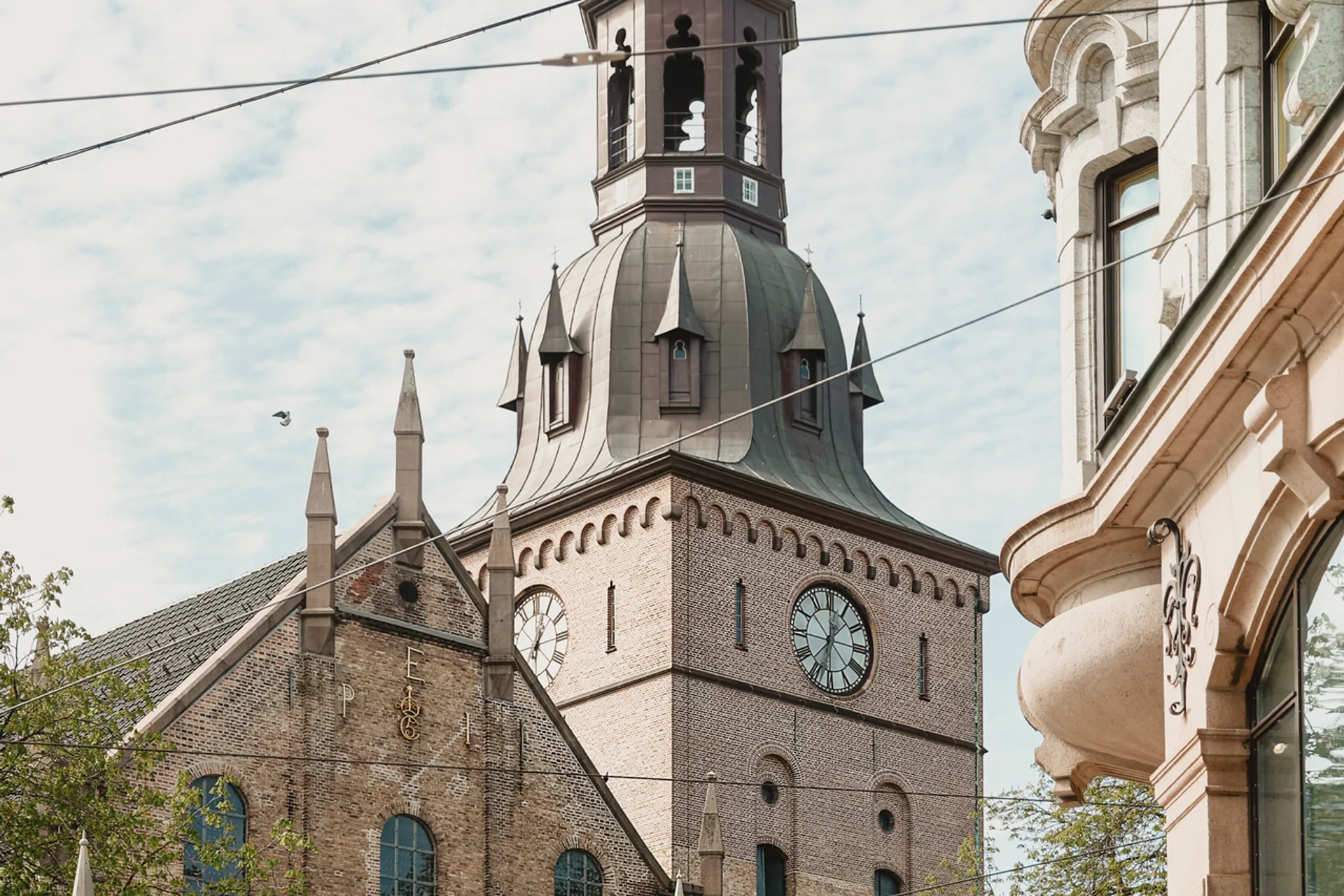
Oslo Cathedral
Norwegian baroque cathedral from 1697 on Karl Johans Gate — free entry, with spectacular stained glass windows by Emanuel Vigeland.