
Best for
Families, cultural travellers, history fans
Time needed
2–4 hours
Worth it?
Yes — best in summer with live activities
Skip if
Visiting in deep winter (limited outdoor access)
About Norwegian Folk Museum
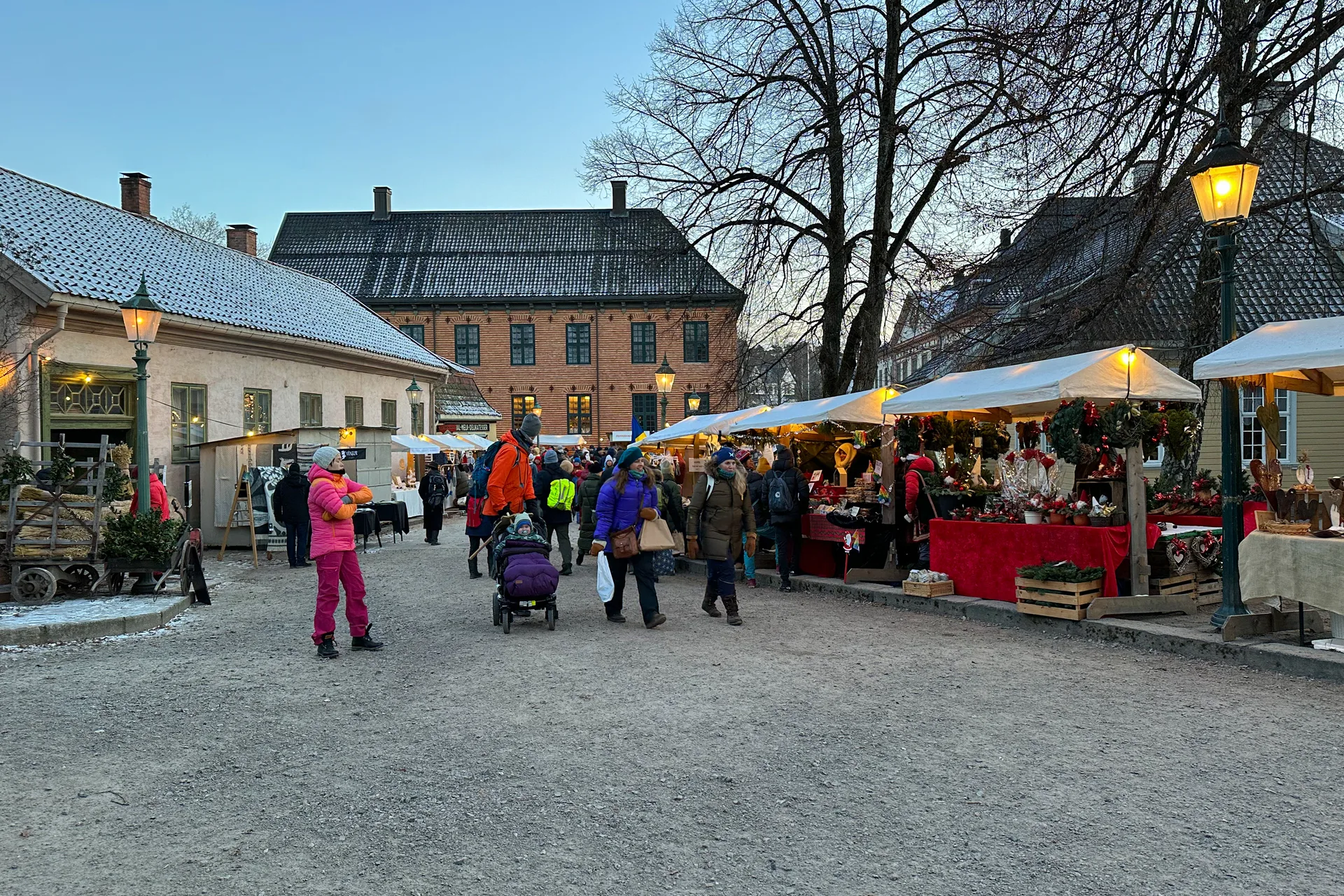
The Norwegian Folk Museum (Norsk Folkemuseum) is Scandinavia's largest open-air museum — a 14-hectare site on the Bygdøy peninsula where 160 historic buildings from across Norway have been relocated, restored, and brought to life. It is the definitive place to understand how Norwegians have lived over the past six centuries, from medieval farm culture to 20th-century urban life.
The collection was assembled from 1894 onward, when the idea that historic rural buildings should be preserved before Norway's rapid industrialisation destroyed them entirely was just gaining traction across Scandinavia. Farmhouses, storehouses, barns, a stave church, a market town, fisherman's cottages, and entire farm complexes were carefully dismantled, transported, and reassembled on Bygdøy. Today the site represents all of Norway's regions and building traditions, with the oldest structures dating from the medieval period.
Read the full storyShow less
The centrepiece of the collection is the Gol Stave Church — one of only 28 surviving stave churches in Norway, built around 1150 in Hallingdal and moved to Bygdøy in 1884. The church is a masterpiece of medieval timber construction: the stave technique uses upright posts (staves) socketed into a sill and into each other, creating a structurally stable building from wood alone. The carved doorway, the proportions of the nave and chancel, and the painted interior (restored to its medieval appearance) make this one of the most important architectural experiences in Oslo.
The farmsteads are organised by region — Telemark, Valdres, Setesdal, the coast — and staffed in summer by costumed interpreters who demonstrate traditional crafts, cook over open fires, and explain the daily rhythms of pre-industrial Norwegian life. The black cattle, the sheep, and the farm animals that wander the grounds are breeds that have been maintained on the site for decades.
The urban history section, housed partly in indoor galleries, covers Oslo's development from the 18th century through the 20th, with reconstructed shop fronts, apartment interiors, and a working pharmacy from the 1800s. The Sami collection is one of the finest in Norway outside the Sami homeland.
The museum is on the Bygdøy peninsula — a 15-minute ferry ride from Aker Brygge (Pier 3) in summer, or a 15-minute bus ride from the National Theatre year-round. The Oslo Pass covers admission. Allow a full half-day; serious visitors often spend the entire day.
What to See: Highlights
- 1Gol Stave Church (c. 1200 AD)
- 2160 relocated historic buildings
- 3Sami culture exhibition
- 4Traditional folk costumes (bunad)
- 5Summer living history demonstrations
Skip the Queue — Book Tickets Online
Same admission, instant confirmation. Compare prices across platforms.
Affiliate disclosure — we may earn a commission at no extra cost to you.
Included with the Oslo Pass
Norwegian Folk Museum is included with the Oslo Pass — a city card that covers entry to 30+ attractions, unlimited public transport, and discounts across Oslo. It can represent serious savings if you plan to visit multiple museums.
Insider Tips
Visit in summer (June–August) for the living history demonstrations and costumed guides
The stave church is the highlight — allow time to go inside
Wear comfortable shoes — it's a large outdoor site
Combine with Fram Museum (1.5 km away)
Book a Guided Tour
Get the most from your visit with a local expert guide.
Affiliate disclosure — we may earn a commission at no extra cost to you.
Getting There
Museumsveien 10, 0287 Oslo
Open in Google Maps →- 1Bus 30 → Norsk Folkemuseum stop — directly outside the entrance
- 2Summer ferry (May–Sep): Rådhusbrygge 3 → Bygdøy — then 1.5 km walk or bus
- 3Cycling: ~25 minutes from central Oslo
- 4The Fram and Kon-Tiki Museums are 1.5 km away — easy to combine
Where to stay
Hotels in Oslo
Compare prices across hundreds of hotels near this attraction — from budget hostels to luxury stays. Free cancellation on most rooms.
Affiliate disclosure — we may earn a commission at no extra cost to you. Powered by Booking.com.
Frequently Asked Questions
Everything you need to know before you visit.
Is Norwegian Folk Museum worth visiting?+−
How long does a visit to Norwegian Folk Museum take?+−
Who is Norwegian Folk Museum best for?+−
Do I need to book tickets in advance for Norwegian Folk Museum?+−
Is Norwegian Folk Museum included with the Oslo city pass?+−
Should You Visit?
Visit if...
- You want to experience Scandinavian rural life and history
- You're visiting with children in summer (living history events)
- You want to see a genuine 800-year-old stave church
- You have the Oslo Pass (entry included)
Skip if...
- You're visiting in January–February (many buildings closed, cold)
- You're short on time — this museum deserves at least 2–3 hours
Ready to Book Your Visit?
More to See in Oslo
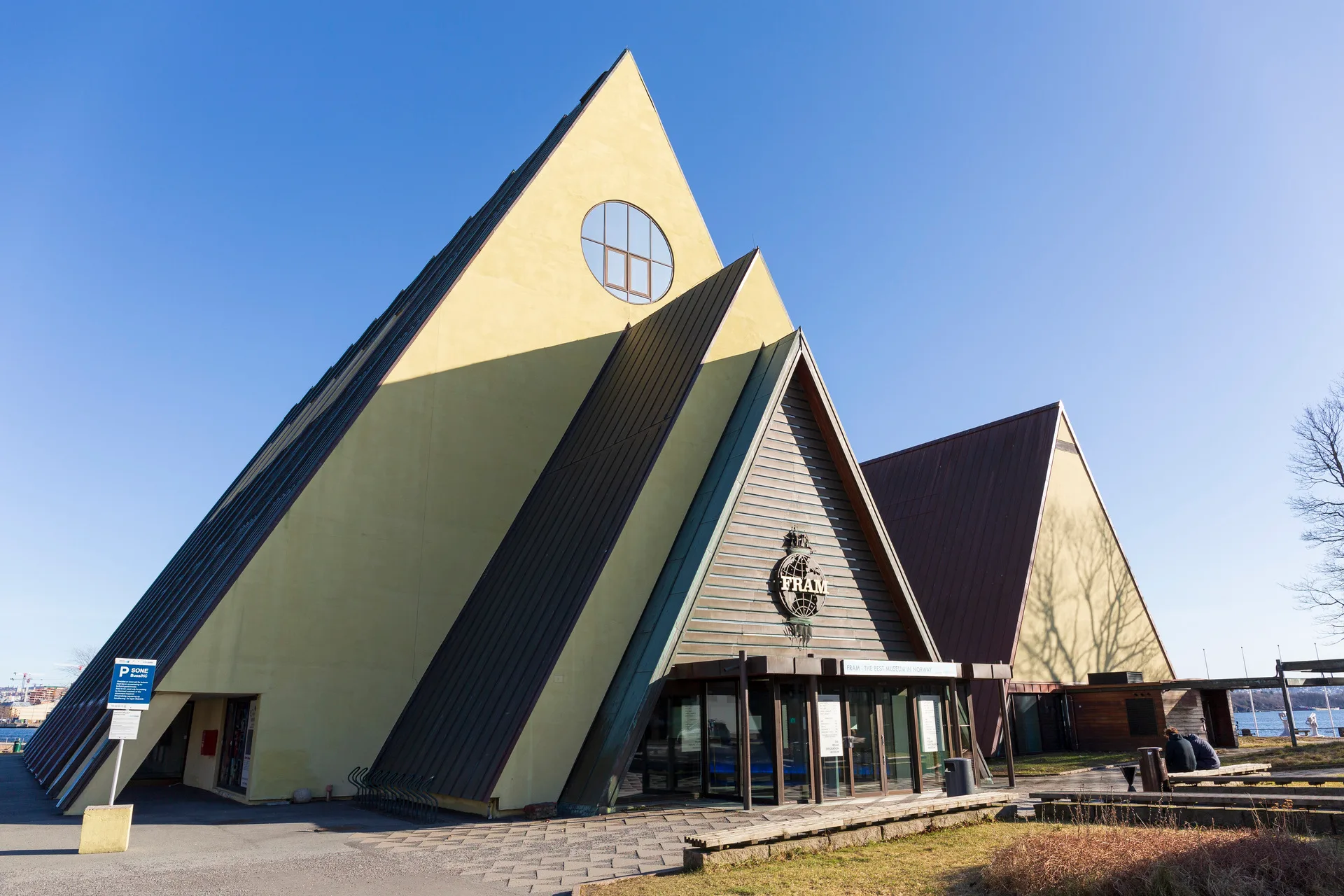
Fram Museum
Go aboard the world's strongest wooden ship and relive Norway's heroic polar expeditions to the Arctic and Antarctic.
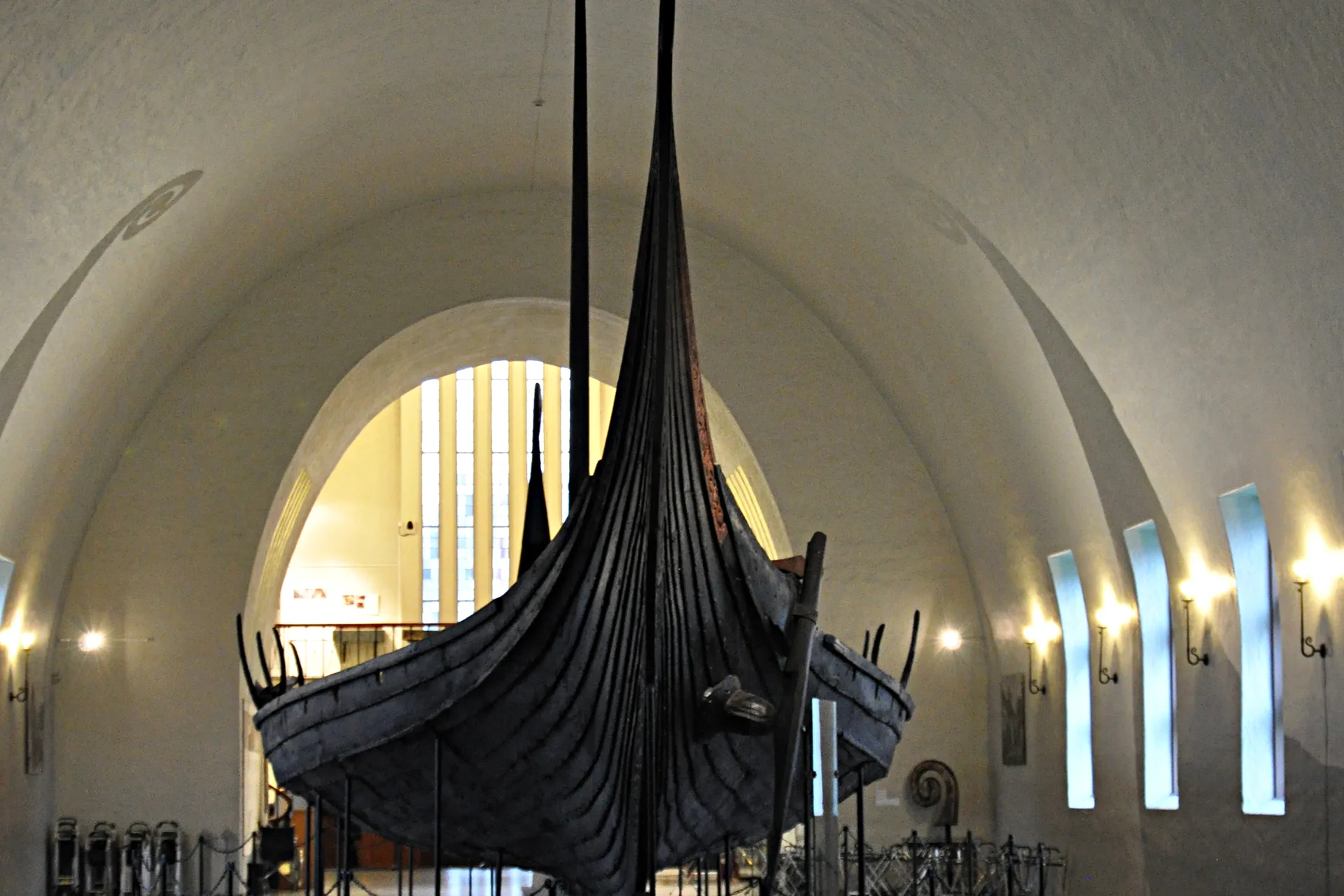
Viking Ship Museum
Home to the Oseberg and Gokstad ships — the world's best-preserved Viking vessels. Currently closed for reconstruction, reopening as the Museum of the Viking Age in 2027.
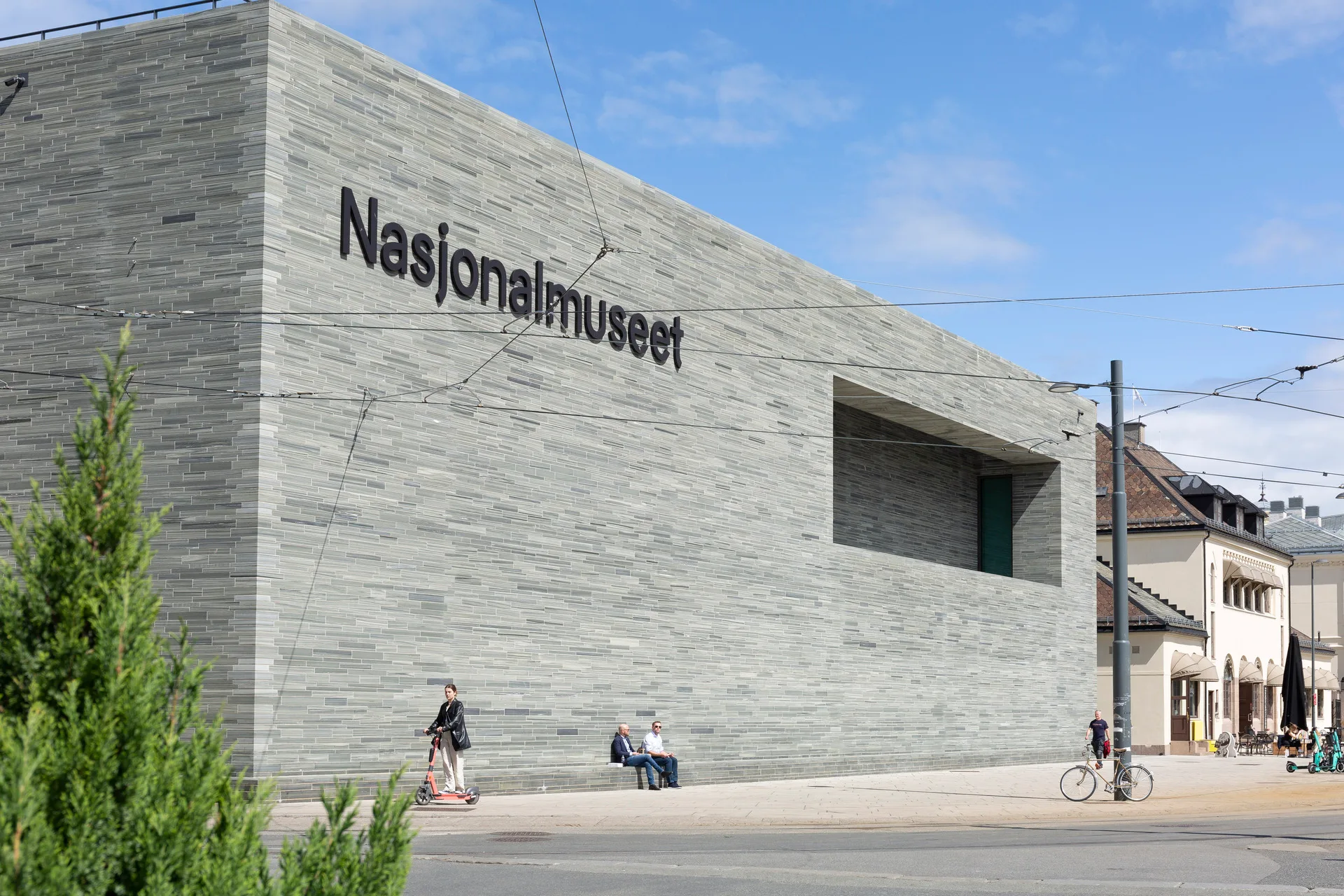
National Museum
Norway's largest art museum — successor to the original National Gallery — home to Munch's The Scream and 7,000 years of Nordic and European art.
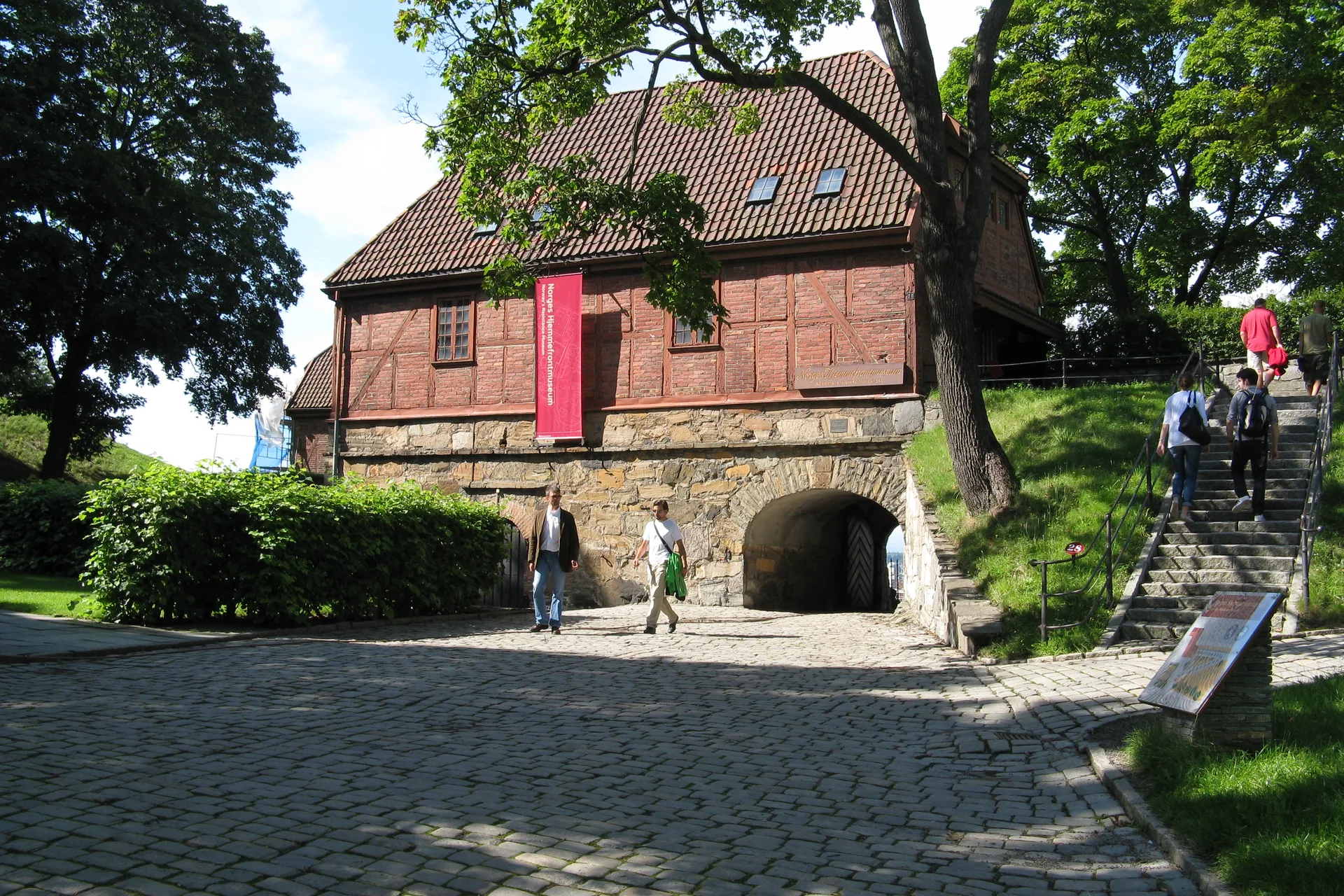
Norwegian Resistance Museum
A powerful museum inside Akershus Fortress documenting Norway's Nazi occupation, the resistance movement, and the liberation of 1945.