
Best for
History enthusiasts wanting to understand Oslo's development
Time needed
1–1.5 hours
Worth it?
Good if nearby — free and informative
Skip if
Short on time — the major museums offer more impact per hour
About Oslo City Museum
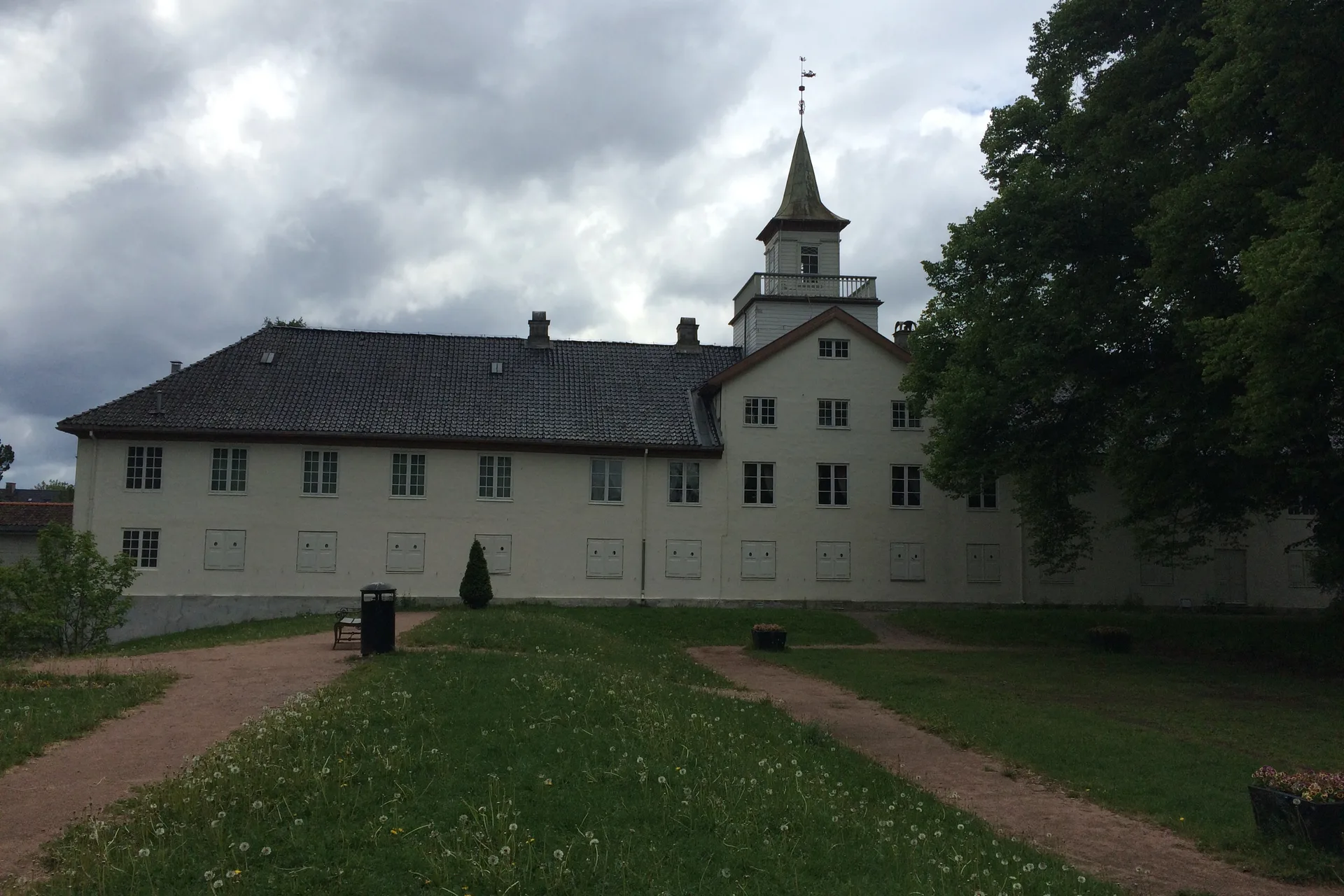
The Oslo City Museum (Oslo Bymuseum) occupies Frogner Manor (Frogner Hovedgård), a historic 18th-century estate in the heart of Frognerparken — directly adjacent to the Vigeland Sculpture Park, which surrounds it. The manor house, a graceful yellow building dating from the 1790s, is one of the best-preserved aristocratic estates in Oslo and an ideal setting for a museum dedicated to the city's own history.
Oslo's history is more eventful than most visitors realise. The city was known as Christiania from 1624 to 1925 (and spelled Kristiania after 1877), renamed by King Christian IV after a catastrophic fire destroyed the medieval city of Oslo in 1624. Christian IV rebuilt the city to the west of the original site, within the walls of Akershus Fortress, and it grew steadily through the 17th and 18th centuries as Norway's administrative capital within the Danish kingdom.
Read the full storyShow less
The 19th century brought the decisive transformation: Norwegian independence in 1814, a new constitution and parliament, the construction of Karl Johans Gate and the Royal Palace, and the beginning of rapid industrialisation that changed both the physical city and its social composition within a few decades. The population of 10,000 in 1800 grew to 250,000 by 1900 — a rate of change that produced genuine social crisis alongside the prosperity and architectural splendour.
The museum's permanent collection presents this history through objects, maps, photographs, models, and reconstructed interiors. The 17th and 18th-century rooms cover the Christiania period in detail, including the domestic life of both the elite and the working population. The 19th-century industrial sections address the factory system, working conditions, immigrant waves from rural Norway, and the political movements — including the early labour movement — that grew from this environment.
The 20th-century sections cover Oslo's development into a modern Scandinavian capital, including the dramatic architectural expansion of the interwar period and the postwar rebuilding that followed the German occupation. The urban planning decisions of the 1950s and 1960s — including the demolition of several historic areas — are presented critically rather than celebratorily.
Free entry and a beautiful setting make this a pleasant addition to a Frognerparken and Vigeland Park visit. Open Tuesday through Sunday; closed Mondays.
What to See: Highlights
- 1Oslo's history from Bronze Age to the modern Scandinavian capital
- 2Collection of historic Oslo photographs from the 1800s and 1900s
- 3Historic Frogner Manor house with beautiful gardens
- 4Oslo's transformation from small Viking town to major city
- 5Temporary exhibitions on Oslo's neighbourhoods and communities
Insider Tips
Free admission — easy to combine with Vigeland Sculpture Park next door
The Frogner Manor building itself is beautiful
Good context on Oslo's urban development
Less crowded than the major museums
Getting There
Frognerveien 67, 0266 Oslo
Open in Google Maps →- 1Tram 12 to Vigeland Park stop, then 5-minute walk through the park
- 2Bus 20 to Frogner Plass, then walk
- 3Same tram route as Vigeland Sculpture Park — visit both on the same trip
- 4Walk from Majorstuen T-bane: 15 minutes through Frognerparken
- 5Oslo Pass covers all public transport
Where to stay
Hotels in Oslo
Compare prices across hundreds of hotels near this attraction — from budget hostels to luxury stays. Free cancellation on most rooms.
Affiliate disclosure — we may earn a commission at no extra cost to you. Powered by Booking.com.
Frequently Asked Questions
Everything you need to know before you visit.
Is Oslo City Museum worth visiting?+−
How long does a visit to Oslo City Museum take?+−
Who is Oslo City Museum best for?+−
Do I need to book anything in advance to visit Oslo City Museum?+−
Is Oslo City Museum included with the Oslo city pass?+−
Should You Visit?
Visit if...
- You're already visiting Vigeland Sculpture Park
- You want to understand how Oslo developed over centuries
- Free entry — no Oslo Pass needed
Skip if...
- Short on time — prioritise National Museum or Munch Museum instead
Ready to Book Your Visit?
More to See in Oslo
National Museum
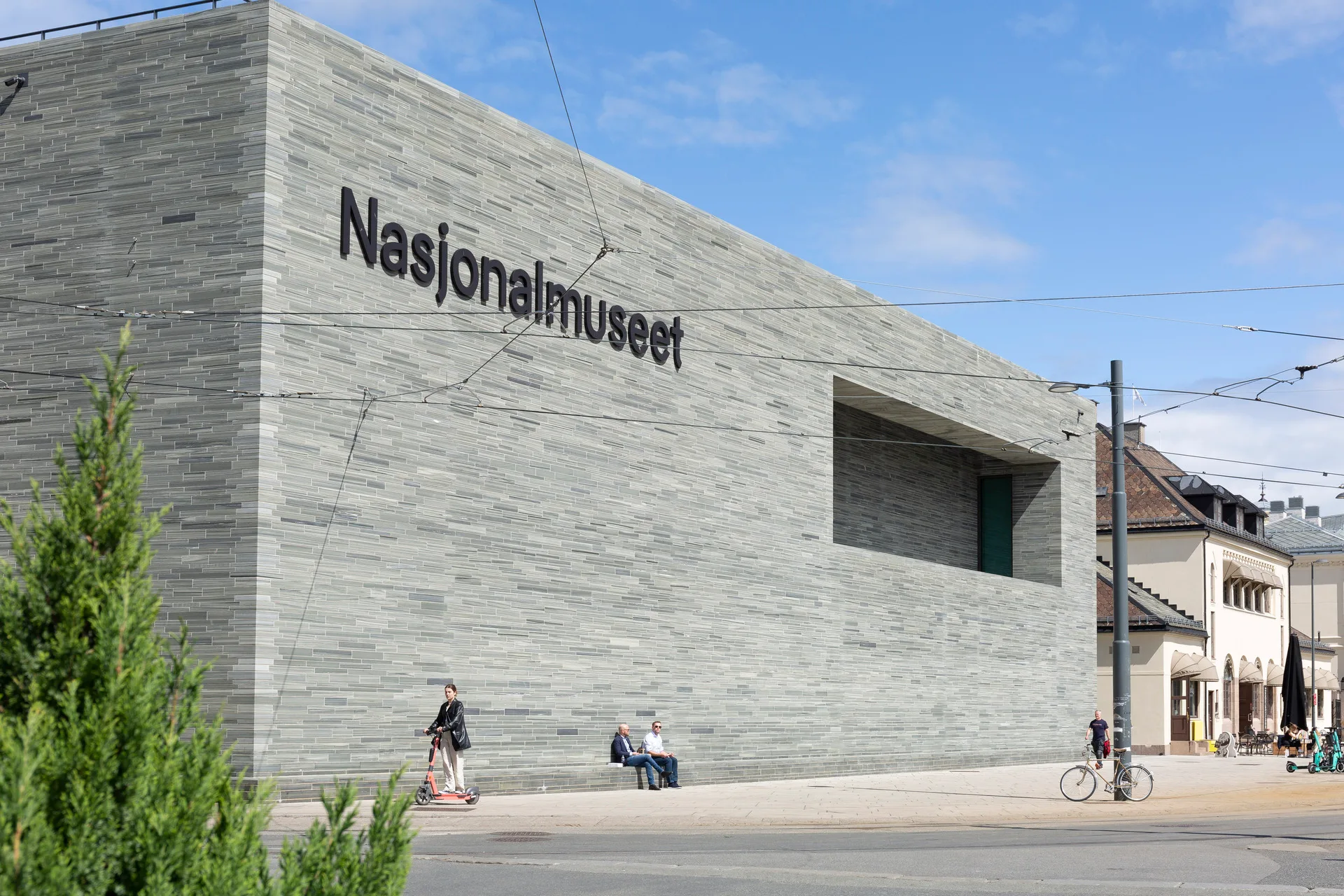
Norway's largest art museum — successor to the original National Gallery — home to Munch's The Scream and 7,000 years of Nordic and European art.
Vigeland Sculpture Park
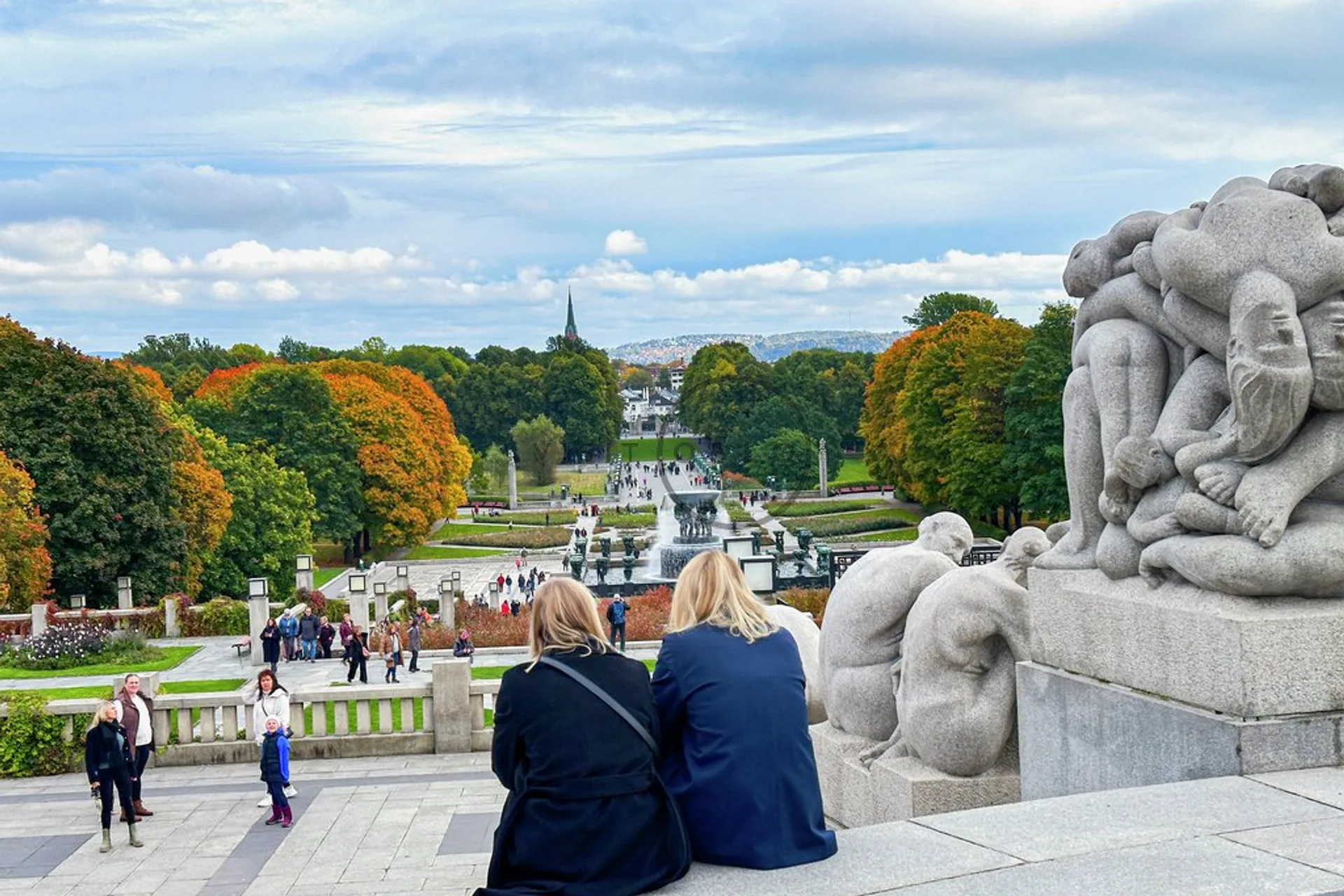
Free outdoor park with 212 bronze and granite sculptures by Gustav Vigeland — the most visited attraction in Norway.
Vigeland Museum
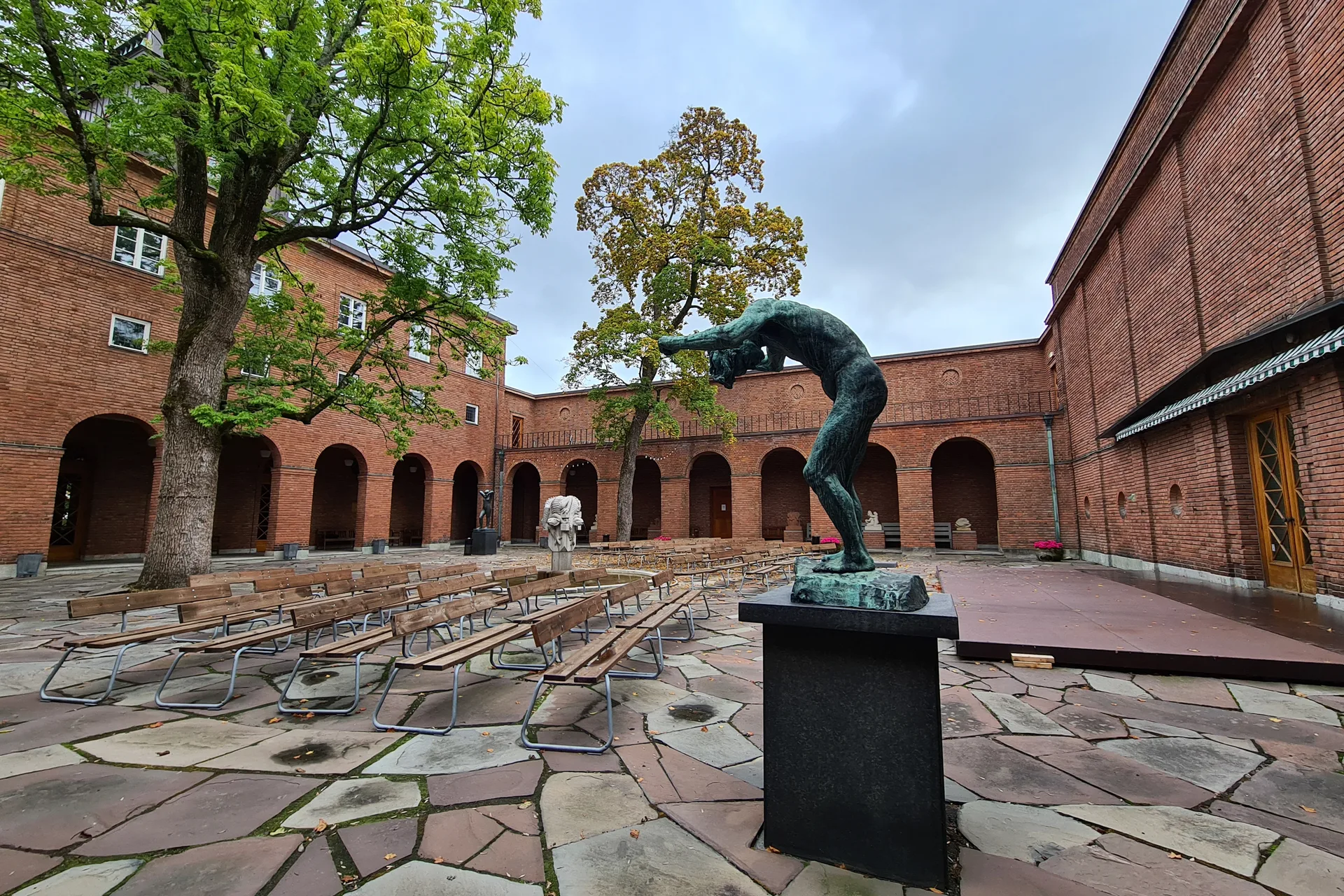
Gustav Vigeland's preserved studio — original plaster models for all the Vigeland Park sculptures, 200m from the park itself.