
Best for
History buffs, first-time visitors, anyone visiting the Alcazaba
Time needed
20–40 minutes
Worth it?
Yes — it's free, fascinating, and beautifully located
Skip if
Skip if you have zero interest in ancient history
About Teatro Romano
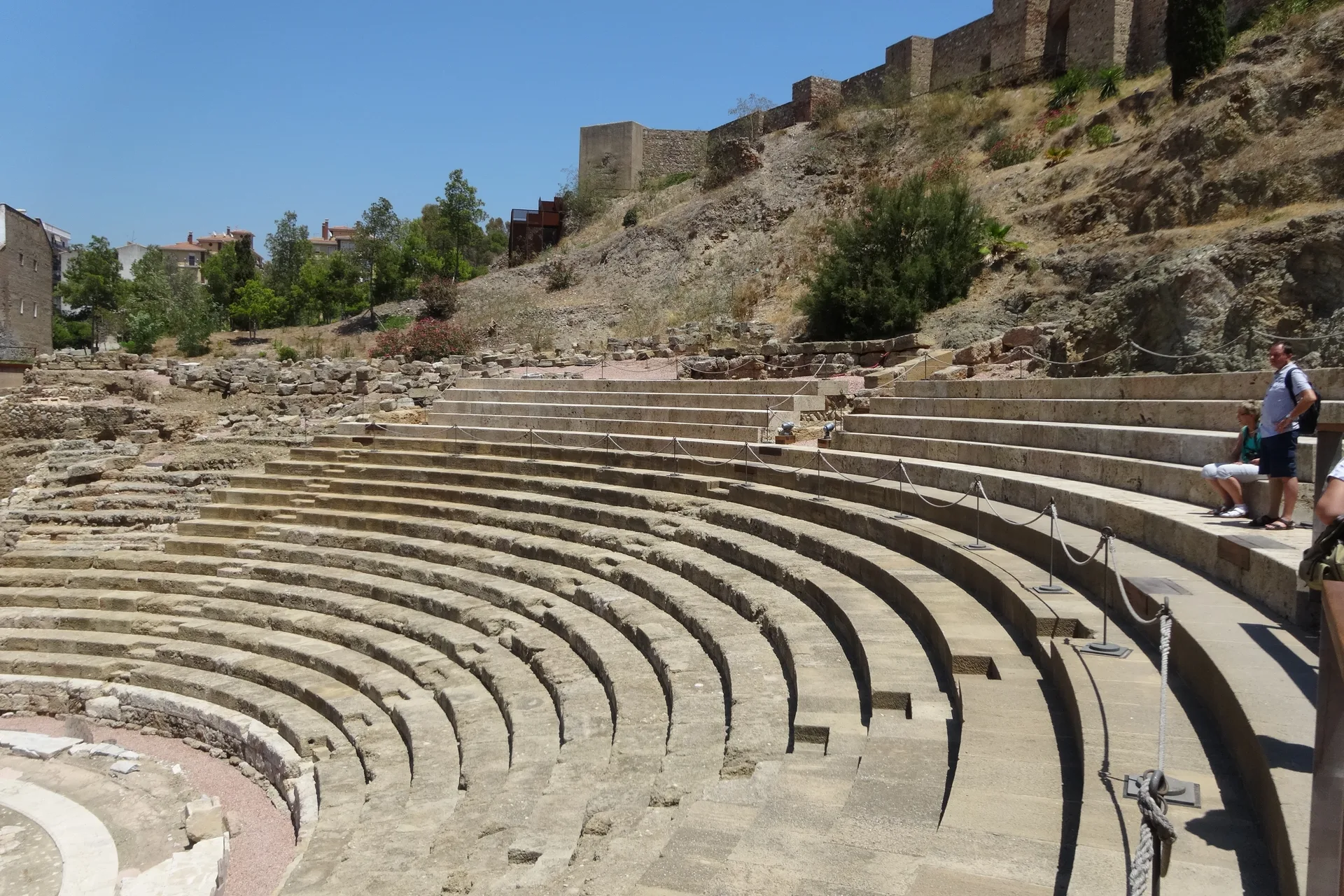
The Teatro Romano de Málaga is one of the most significant Roman ruins in southern Spain and a vivid reminder that Málaga — known to the Romans as Malaca — was an important port city more than two thousand years ago. Dating from the 1st century BC during the reign of Augustus, the theatre was in use for performances until the 3rd century AD, after which it was partially dismantled and its stones reused in the construction of the Alcazaba above.
Remarkably, the theatre was only rediscovered in 1951 during construction work on the Casa de la Cultura, which was built directly on top of it. The modern building was eventually demolished in the 1990s and the theatre fully excavated and restored, revealing a semicircular auditorium (cavea) that could seat around 600 spectators, a well-preserved orchestra section, and remnants of the proscenium (stage building).
Read the full storyShow less
The free interpretation centre adjacent to the theatre is small but excellent — it explains the theatre's history and construction with clear panels, models, and artefacts found during excavation, including pottery, coins, and decorative elements.
The theatre sits at the base of the Alcazaba hill, directly below the fortress entrance. Looking up from the Roman seats through the Moorish walls to the Gibralfaro castle at the summit, you see three thousand years of Málaga's history stacked in one view — it is one of the most photogenic spots in the city.
What to See: Highlights
- 1Remarkably well-preserved 1st-century BC Roman theatre
- 2Free to visit — no ticket required
- 3Excellent free interpretation centre
- 4Stunning location at the foot of the Alcazaba
- 5One of the most photogenic spots in the city — layers of history
- 6Combine naturally with Alcazaba visit just above
Insider Tips
Completely free — just walk in during opening hours
The interpretation centre closes earlier than the outdoor ruins
Best photographed in morning light when the Alcazaba is lit from the east
Combine with the Alcazaba — the entrance is directly above
Allow 20–30 minutes for the theatre plus interpretation centre
Where to stay
Hotels in Málaga
Compare prices across hundreds of hotels near this attraction — from budget hostels to luxury stays. Free cancellation on most rooms.
Affiliate disclosure — we may earn a commission at no extra cost to you. Powered by Booking.com.
Frequently Asked Questions
Everything you need to know before you visit.
Is Teatro Romano worth visiting?+−
How long does a visit to Teatro Romano take?+−
Who is Teatro Romano best for?+−
Do I need to book anything in advance to visit Teatro Romano?+−
Is Teatro Romano included with the Málaga city pass?+−
Should You Visit?
Visit if...
- You're already visiting the Alcazaba — it's right below the entrance
- You enjoy Roman history and archaeology
- You want a free attraction in the city centre
- You're a photographer — the layered historical views are exceptional
Skip if...
- You're visiting on a Monday — the interpretation centre is closed
- You have very limited time and must choose between this and paid attractions
More to See in Málaga
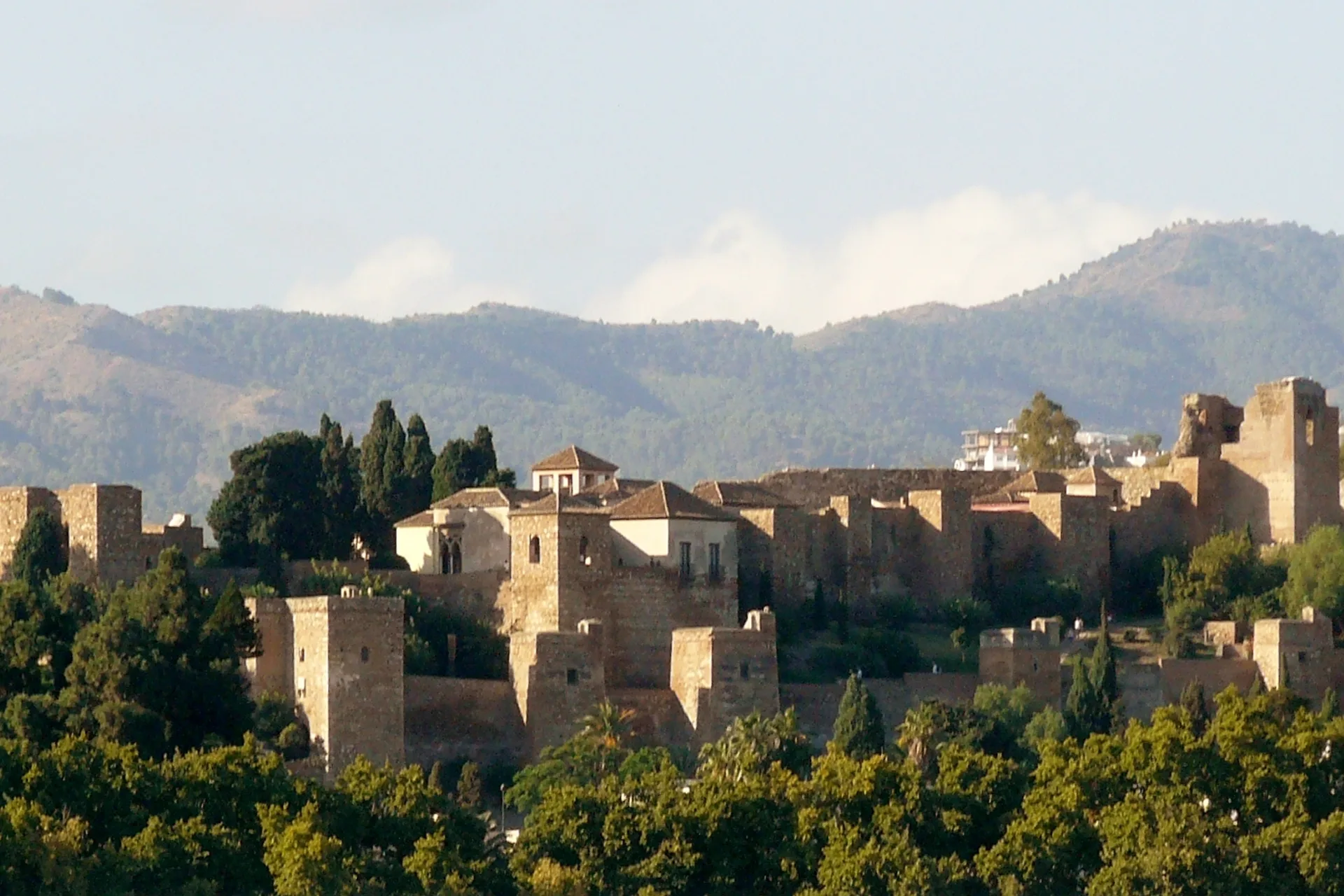
Alcazaba de Málaga
Málaga's stunning 11th-century Moorish palace-fortress — one of the best-preserved in Spain, set into the hillside above the city centre with beautiful gardens and panoramic views.
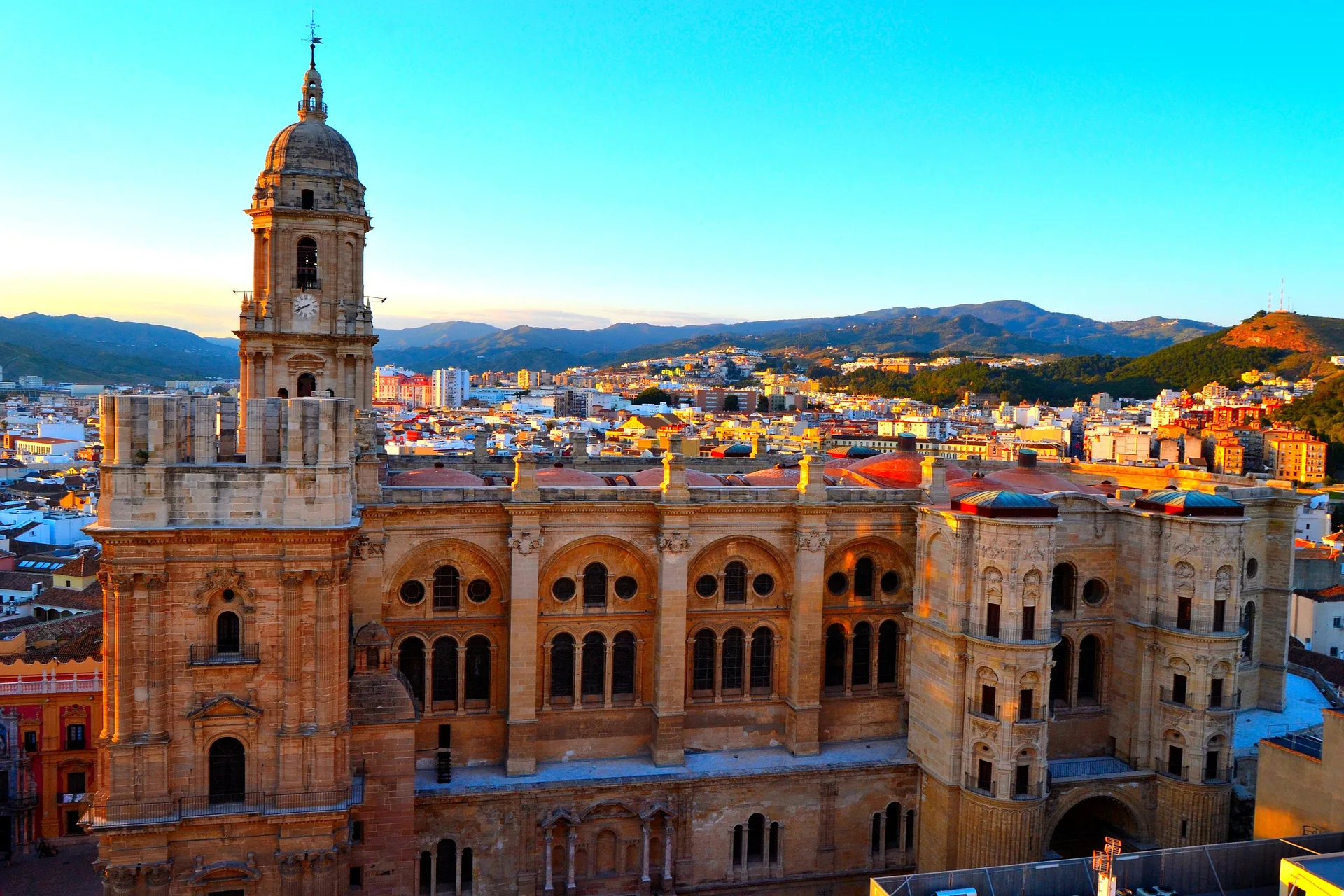
Málaga Cathedral
Málaga's magnificent Renaissance cathedral — nicknamed "La Manquita" (the one-armed lady) because its south tower was never completed. A stunning interior of soaring vaulted ceilings, baroque choir stalls, and Pedro de Mena sculptures.
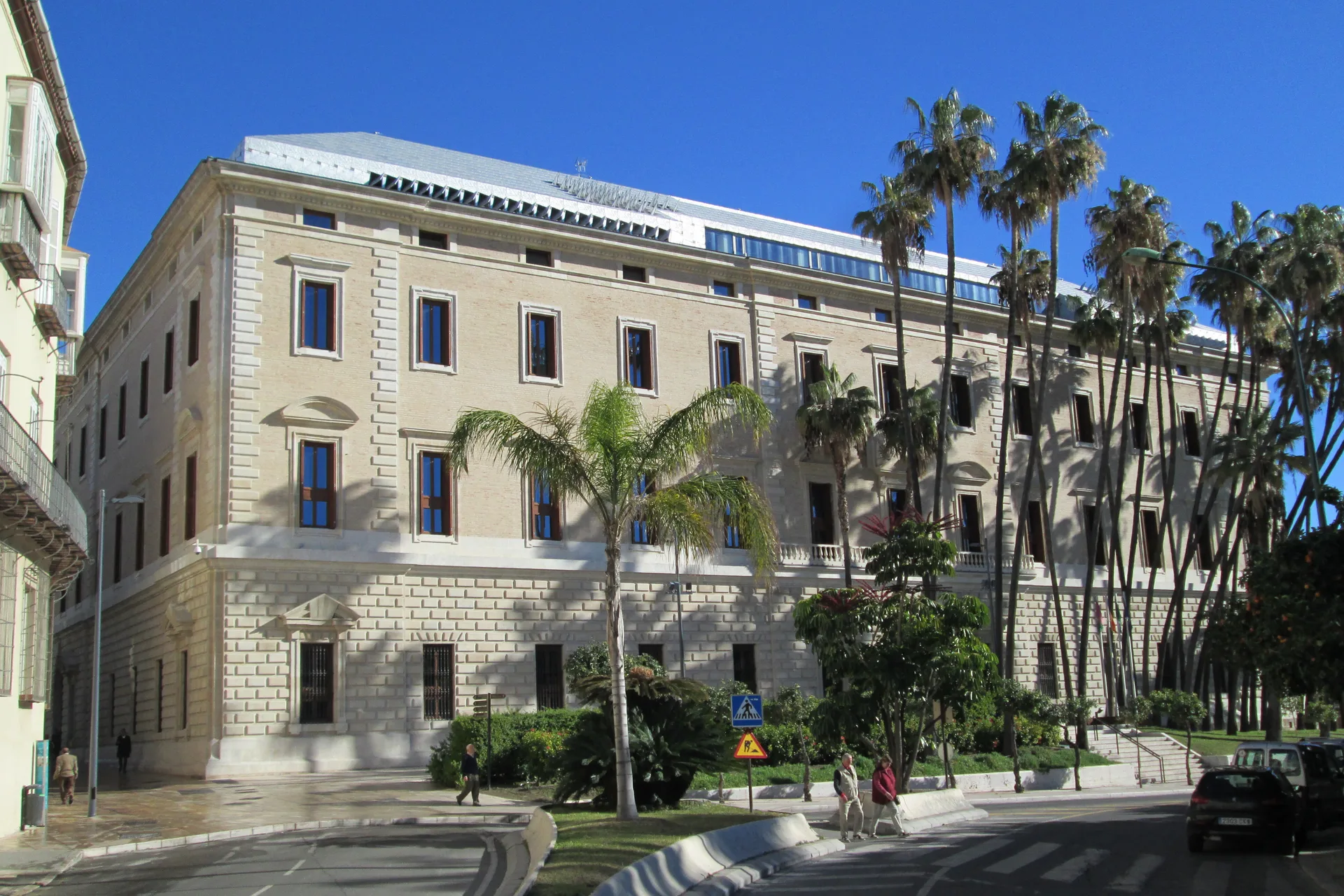
Museo de Málaga
Málaga's largest museum — archaeology and fine art united in the magnificent 18th-century Palacio de la Aduana. Free for EU citizens, with collections spanning Phoenician artefacts to 20th-century Spanish painting.