
The Munch Museum blew me away — and I almost skipped it
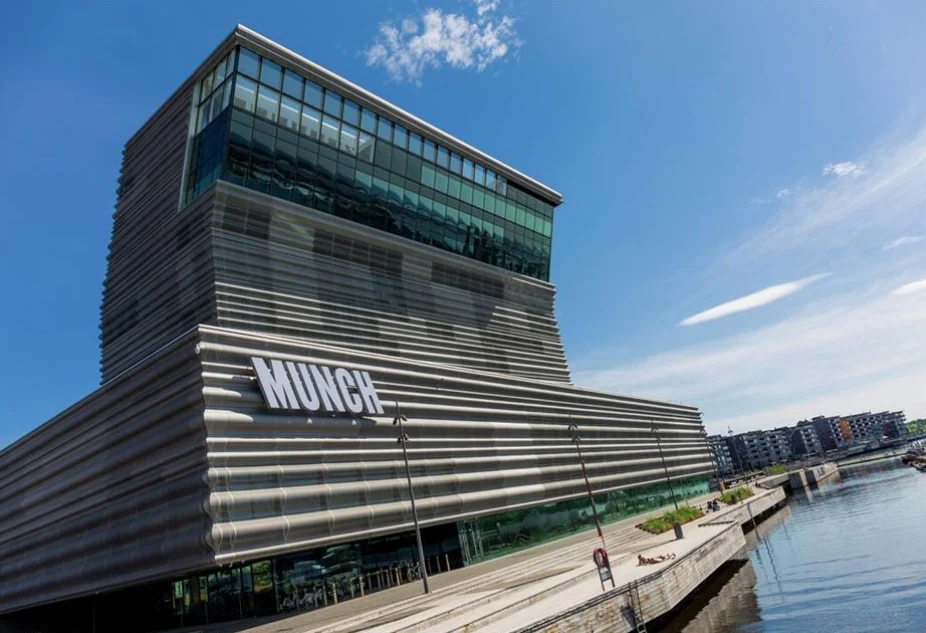
I'll be honest: I almost didn't go. I had two days in Oslo, a list of twelve things to see, and the Munch Museum felt like the obvious tourist trap I should skip in favour of something more "local." My Norwegian friend even raised an eyebrow when I mentioned it. "It's just The Scream," she said. She was wrong, and so was I.
We arrived at 10am on a Tuesday, which I later learned is the single best time to visit — the tour groups don't arrive until 11, and the school groups are mercifully rare mid-week. The building itself stopped me in my tracks before I even got inside. It's a 13-storey cantilevered tower that leans out over the Bjørvika waterfront like it's about to fall into the fjord. Dramatic, strange, and completely unlike any museum I'd visited before.
Photos from this trip(3)
Click any photo to view full size
Inside, the scale of the collection is genuinely staggering. I knew Munch painted The Scream. I did not know he painted four versions of it, or that the museum holds over 26,000 works — paintings, prints, letters, diaries — donated by Munch himself. The man was obsessive, prolific, and fascinatingly troubled, and the museum tells that story beautifully across multiple floors without ever feeling like a lecture.
Full guide & tickets
Munch Museum
Opening hours · prices · booking tips →
The Scream itself — the 1910 tempera version — is displayed in a darkened room with controlled lighting. There's something about seeing it in person that no reproduction prepares you for. It's smaller than you expect, and more vivid. The brushwork is almost violent up close. I stood there for about ten minutes, which felt slightly embarrassing until I noticed everyone else was doing the same.
What I didn't expect: the rooftop terrace. Take the lift to the top floor, walk outside, and you get a 360-degree view of the Oslo Fjord, the Opera House roofline, Akershus Fortress, and the city skyline. It's completely free once you're inside, and on a clear day it's one of the best views in Oslo. We stayed up there for half an hour drinking coffee from the café and watching ferries cross the fjord.
Practical notes for anyone planning a visit: buy tickets online the night before — not because it sells out (it rarely does on weekdays), but because the ticket machines at the entrance have a queue and the online process takes 30 seconds. We used the Oslo Pass, which covers entry and saved us 360 NOK for two adults. If you're visiting more than two or three paid attractions in a day, the Pass pays for itself.
Allow at least two hours. We planned for ninety minutes and stayed for nearly three. The permanent collection alone could fill a day if you read every label, and there are usually one or two temporary exhibitions running alongside it. The café on the lower floors is decent — open sandwiches, good coffee, reasonable prices by Oslo standards.
One thing nobody told me: the museum has a cinema. A proper one, showing films related to Munch's life and work. We caught a 25-minute documentary that reframed everything we'd just seen. Completely worth the extra time.
Would I go back? Yes, and I already have — I returned on my next Oslo trip with my sister, who is even less of an art person than I am, and she loved it too. That, more than anything, tells you what you need to know.
Plan your trip
Ready to visit Oslo?
We may earn a small commission if you book through these links — at no extra cost to you.
Want the full story?
Sara Lindqvist has the complete version on their blog.
Read full post on Sara Lindqvist's blog →Places mentioned in this story
Have your own travel story to share?
Write your story — it's free