
Best for
Architecture enthusiasts, book lovers, fans of Brutalist design
Time needed
20–40 minutes
Worth it?
Yes as a quick architectural detour — a genuine working library, not a polished sight
Skip if
You're not interested in Brutalist architecture or public library spaces
About Barbican Library
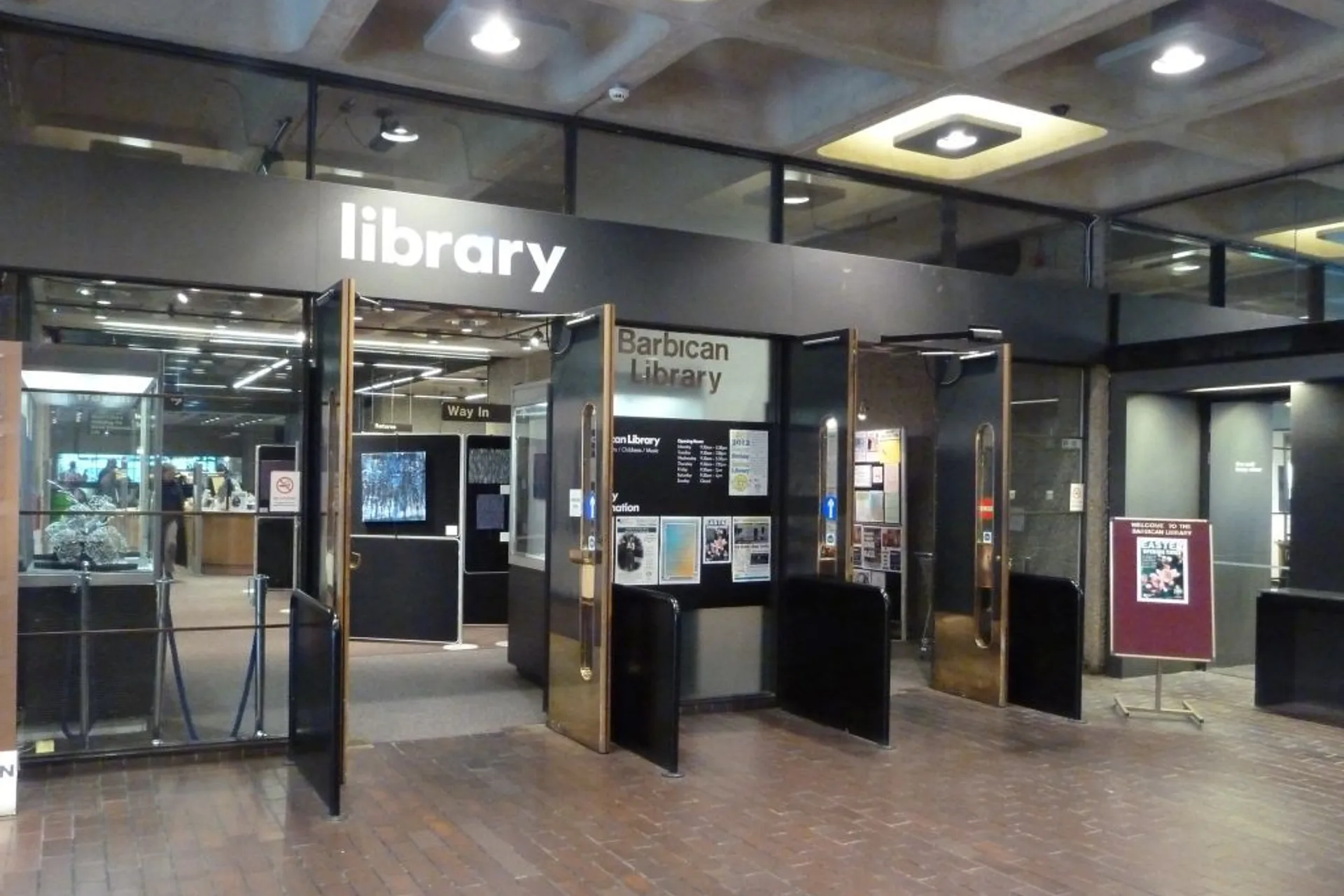
Opened in 1982 as part of the wider Barbican Centre — Europe's largest multi-arts and conference venue, built on a site devastated by WWII bombing and developed as a self-contained residential and cultural estate through the 1960s and 70s in the City of London's distinctive Brutalist style — Barbican Library is the largest public lending library in the City of London Corporation's network.
The library holds a general lending collection alongside particularly strong music and children's sections (reflecting the Barbican Centre's role as home to the London Symphony Orchestra), and its physical setting inside the raw concrete, multi-level Barbican complex is arguably as much a draw as the books themselves for visitors interested in Brutalist architecture.
Read the full storyShow less
While borrowing requires membership generally reserved for those who live, work or study in the City of London, casual visitors are welcome to browse the space, sit and read, and explore the surrounding Barbican Centre's public areas, conservatory (on selected open days) and lakeside walkways.
It's a genuine working public library rather than a polished tourist sight, which is part of its appeal for anyone wanting to see a slice of everyday London life inside one of the city's most architecturally significant post-war buildings.
What to See: Highlights
- 1A striking 1980s Brutalist architectural setting inside the Barbican Centre
- 2Strong music and children's library collections
- 3Free to browse and sit and read, even without membership
- 4Direct connection to the wider Barbican Centre's arts venues and conservatory
- 5The largest public lending library in the City of London
- 6A genuine everyday-life counterpoint to London's more tourist-focused sights
Insider Tips
Borrowing requires membership (City of London residents, workers or students) — casual visitors can browse and sit freely
Combine with the Barbican Conservatory, one of London's largest indoor gardens, on its limited public open days
The Barbican Centre's Brutalist walkways are worth exploring beyond just the library itself
It's a working library, so keep noise to a minimum
Nearby Guildhall and the Museum of London Archaeology site are a short walk away
Getting There
Level 2, Barbican Centre, Silk Street, London EC2Y 8DS
Open in Google Maps →- 1Barbican (Circle, Hammersmith & City, Metropolitan lines) or Moorgate (several lines) — both a 5-minute walk.
Where to stay
Hotels in London
Compare prices across hundreds of hotels near this attraction — from budget hostels to luxury stays. Free cancellation on most rooms.
Affiliate disclosure — we may earn a commission at no extra cost to you. Powered by Booking.com.
Frequently Asked Questions
Everything you need to know before you visit.
Is Barbican Library worth visiting?+−
How long does a visit to Barbican Library take?+−
Who is Barbican Library best for?+−
Do I need to book anything in advance to visit Barbican Library?+−
Is Barbican Library included with the London city pass?+−
Should You Visit?
Visit if...
- You're interested in Brutalist architecture and post-war London design
- You want to see a genuine working public library rather than a tourist-only sight
- You're already exploring the Barbican Centre for a concert or exhibition
- You enjoy quiet, low-key stops away from crowded attractions
Skip if...
- Brutalist architecture and library spaces don't interest you
- You're not planning to visit the wider Barbican Centre on this trip
More to See in London
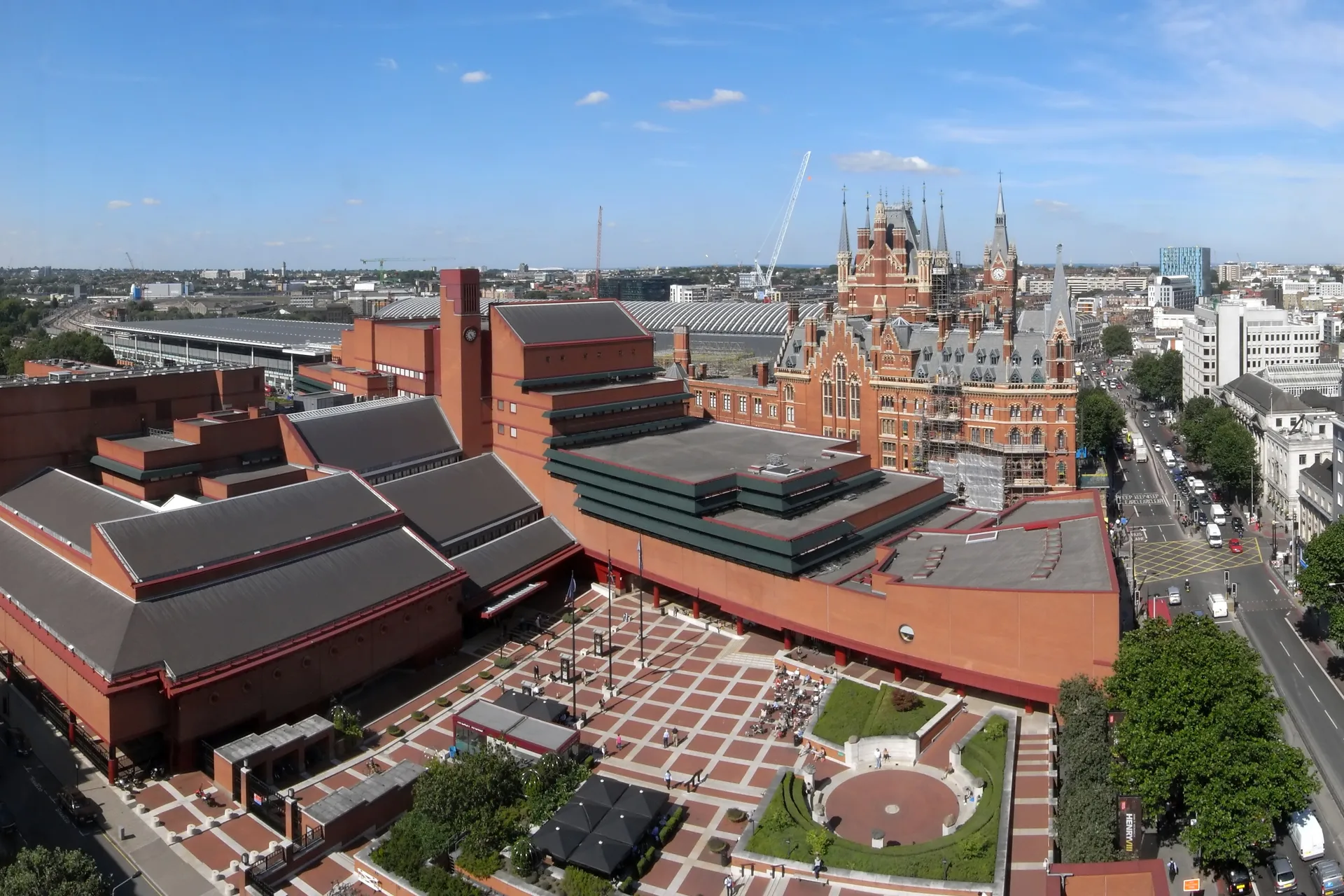
British Library
The UK's national library and one of the world's great research collections, with a free Treasures Gallery holding a Magna Carta, Beatles lyrics and Leonardo da Vinci's notebooks.
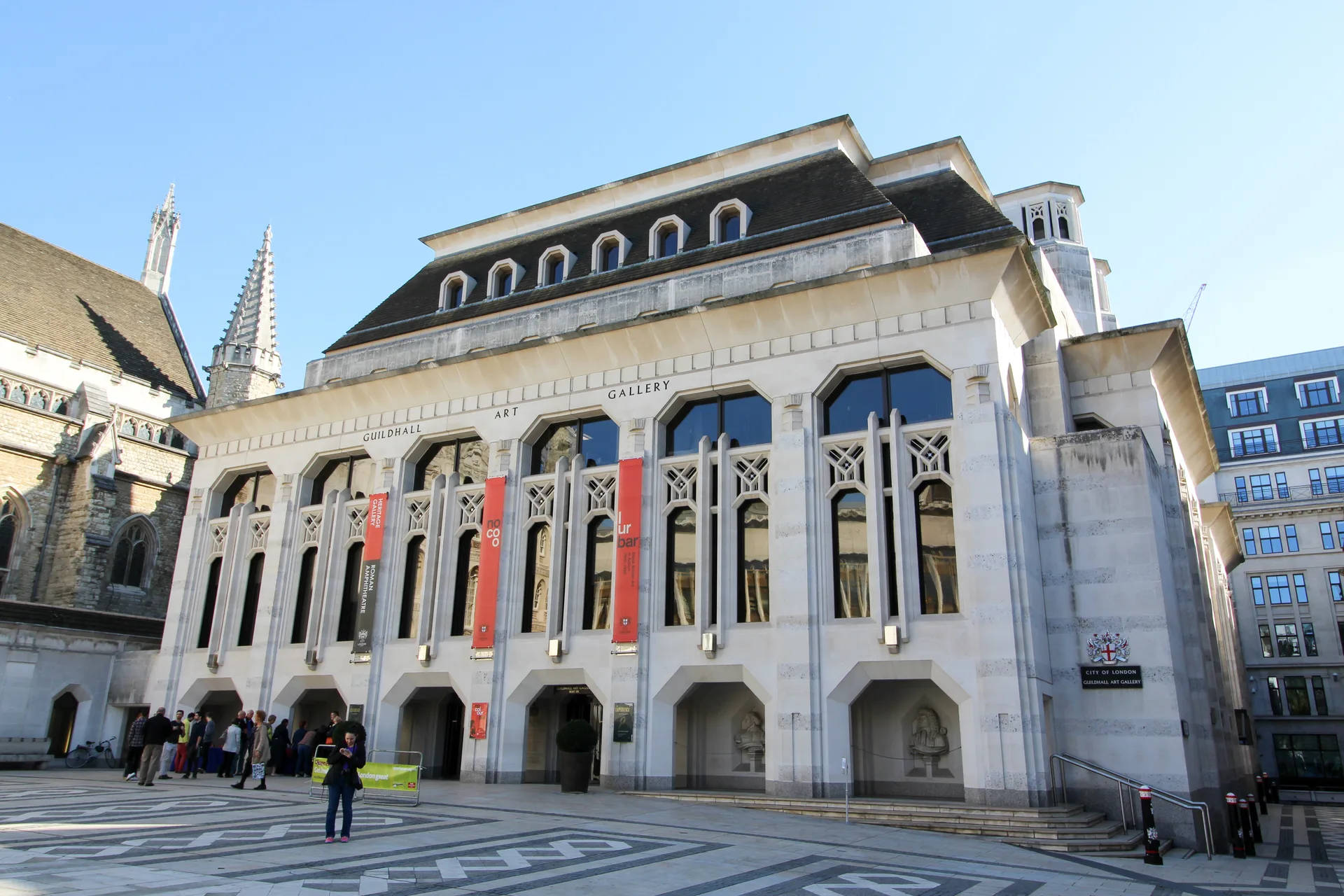
Guildhall Art Gallery
The City of London's free art collection above the surprise ruins of a Roman amphitheatre, discovered by archaeologists during the gallery's own construction in 1988.