
Best for
Modern and contemporary art fans, architecture enthusiasts
Time needed
1.5–3 hours
Worth it?
Yes — a major collection, striking building, and free viewpoint, all at no cost
Skip if
Modern and contemporary art isn't your thing
About Tate Modern
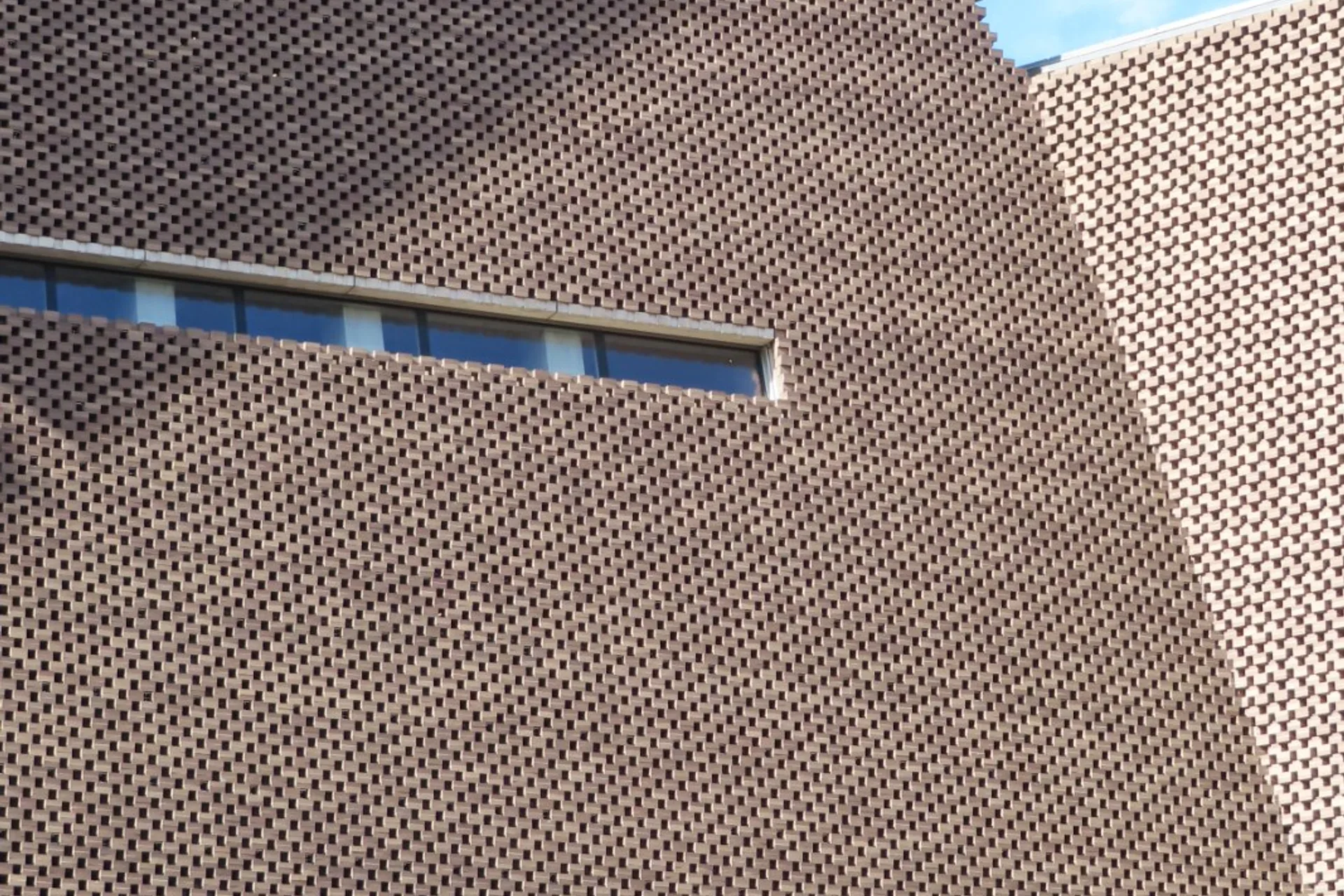
Tate Modern opened in 2000 inside the decommissioned Bankside Power Station, a brutalist 1950s building designed by Sir Giles Gilbert Scott (who also designed the classic British red telephone box). The conversion, by architects Herzog & de Meuron, deliberately kept the industrial bones of the building intact — the result is one of the most striking gallery spaces in the world before you even reach the art.
The centrepiece is the Turbine Hall, a cavernous former engine room five storeys high that has hosted a rotating series of ambitious, often room-filling commissions since 2000, from Olafur Eliasson's giant indoor sun to Ai Weiwei's field of hand-painted porcelain sunflower seeds. The permanent collection upstairs covers international modern and contemporary art from roughly 1900 onward — Matisse, Picasso, Rothko, Warhol and Dalí all feature, alongside a strong contemporary and global-art programme that goes well beyond the traditional Western modernist canon.
Read the full storyShow less
The 2016 Blavatnik Building extension added ten more storeys of gallery space and a public viewing terrace with 360-degree views over the City and South Bank — one of London's better free viewpoints, easily missed by visitors focused only on the art.
Entry to the permanent collection is free; major loan exhibitions (recent examples spanning single-artist retrospectives) are ticketed separately.
What to See: Highlights
- 1The Turbine Hall's rotating large-scale art commissions
- 2Permanent collection spanning Matisse, Picasso, Rothko and Warhol
- 3The Blavatnik Building's free 360-degree viewing terrace
- 4The building's raw, converted-power-station architecture
- 5Strong contemporary and non-Western art programming
- 6Free general admission year-round
Skip the Queue — Book Tickets Online
Same admission, instant confirmation. Compare prices across platforms.
Affiliate disclosure — we may earn a commission at no extra cost to you.
Insider Tips
Check what's currently in the Turbine Hall — the commission changes and is often the visual highlight
The free viewing terrace on the Blavatnik Building is easy to miss — don't skip it
Cross the Millennium Bridge from St Paul's Cathedral for the classic approach view
Friday and Saturday evening openings (until 21:00) are quieter than weekend daytime
Major loan exhibitions require separate paid, timed tickets — book ahead for popular shows
Book a Guided Tour
Get the most from your visit with a local expert guide.
Affiliate disclosure — we may earn a commission at no extra cost to you.
Getting There
Bankside, London SE1 9TG
Open in Google Maps →- 1Southwark or Blackfriars (both a 10-minute walk), or cross the Millennium Bridge on foot from St Paul's Cathedral.
Where to stay
Hotels in London
Compare prices across hundreds of hotels near this attraction — from budget hostels to luxury stays. Free cancellation on most rooms.
Affiliate disclosure — we may earn a commission at no extra cost to you. Powered by Booking.com.
Frequently Asked Questions
Everything you need to know before you visit.
Is Tate Modern worth visiting?+−
How long does a visit to Tate Modern take?+−
Who is Tate Modern best for?+−
Do I need to book anything in advance to visit Tate Modern?+−
Is Tate Modern included with the London city pass?+−
Should You Visit?
Visit if...
- You enjoy modern, contemporary or large-scale installation art
- You want a free rooftop view over the City and South Bank
- You appreciate industrial architecture repurposed as gallery space
- You're walking the South Bank and want a free stop along the way
Skip if...
- You strongly prefer classical or pre-20th-century art — the National Gallery suits that better
- You've limited time and Tate Britain or the National Gallery is a higher priority
- Large installation art doesn't appeal to you
Ready to Book Your Visit?
More to See in London
Tate Britain
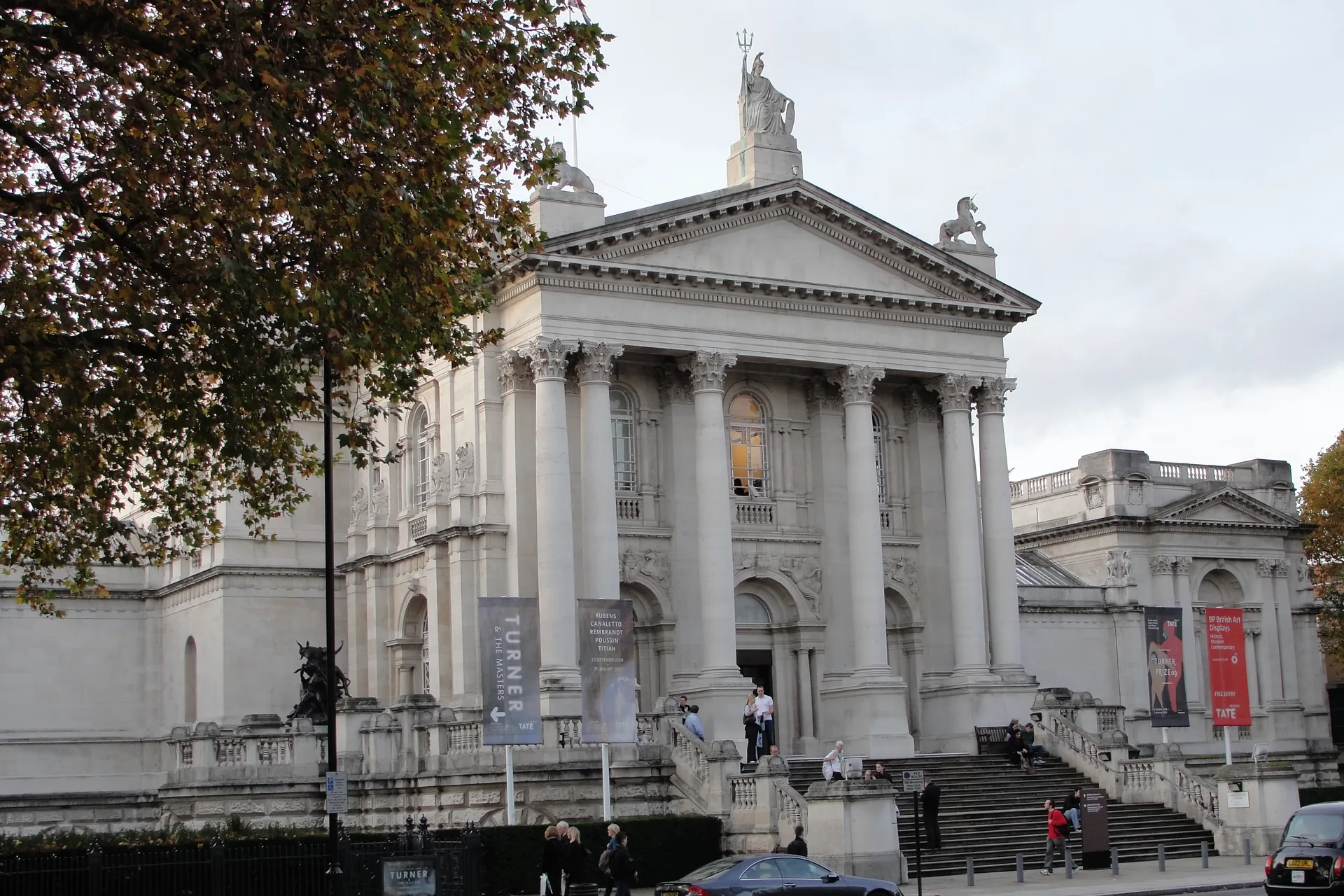
The story of British art from 1500 to today in one riverside neoclassical building — Turner, Constable, the Pre-Raphaelites and Hockney, with far smaller crowds than its Bankside sibling.
St Paul's Cathedral
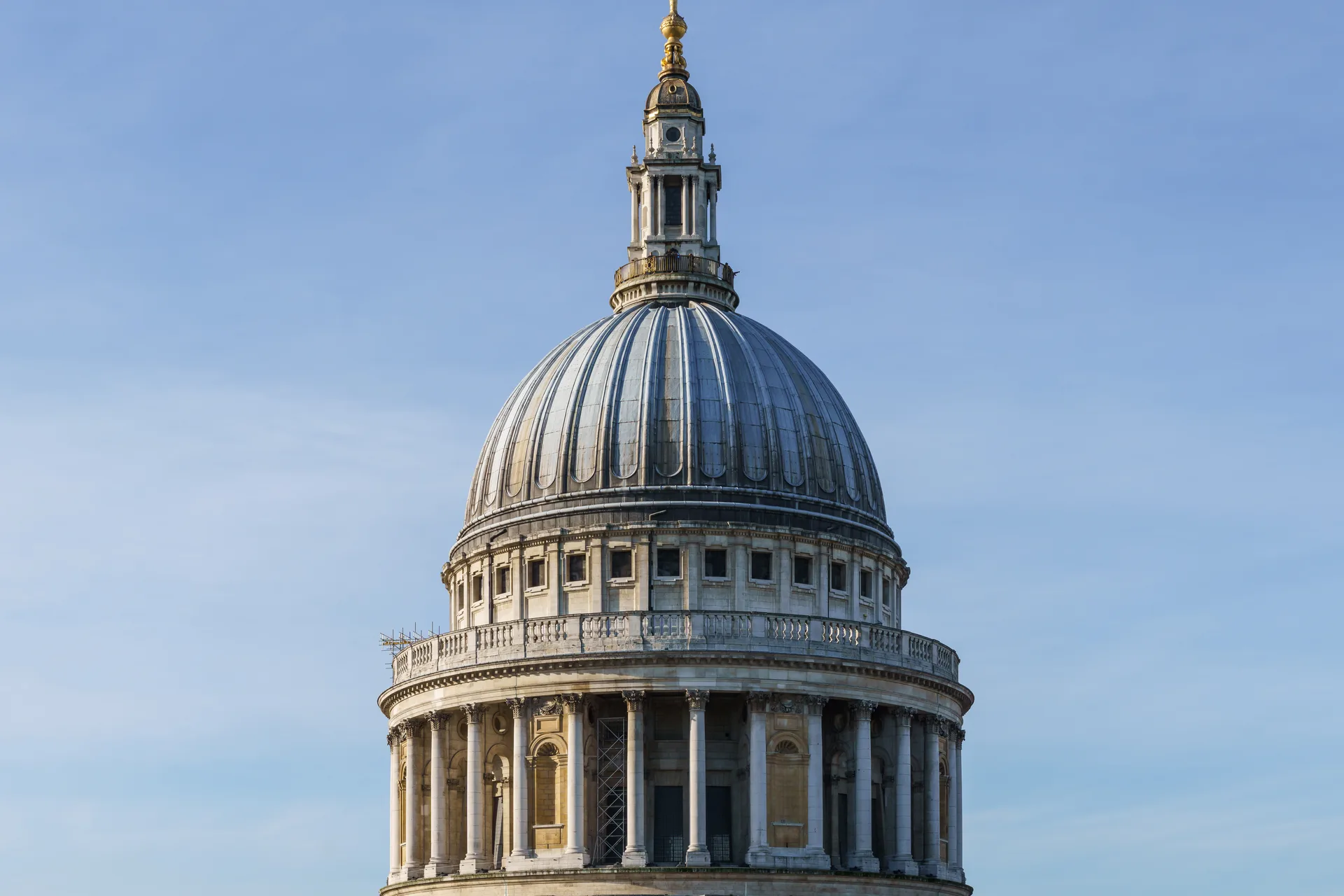
Christopher Wren's Baroque masterpiece and dome, rebuilt after the Great Fire of 1666, offering a Whispering Gallery, a crypt with Nelson's and Wellington's tombs, and 360-degree city views from the top.
Borough Market
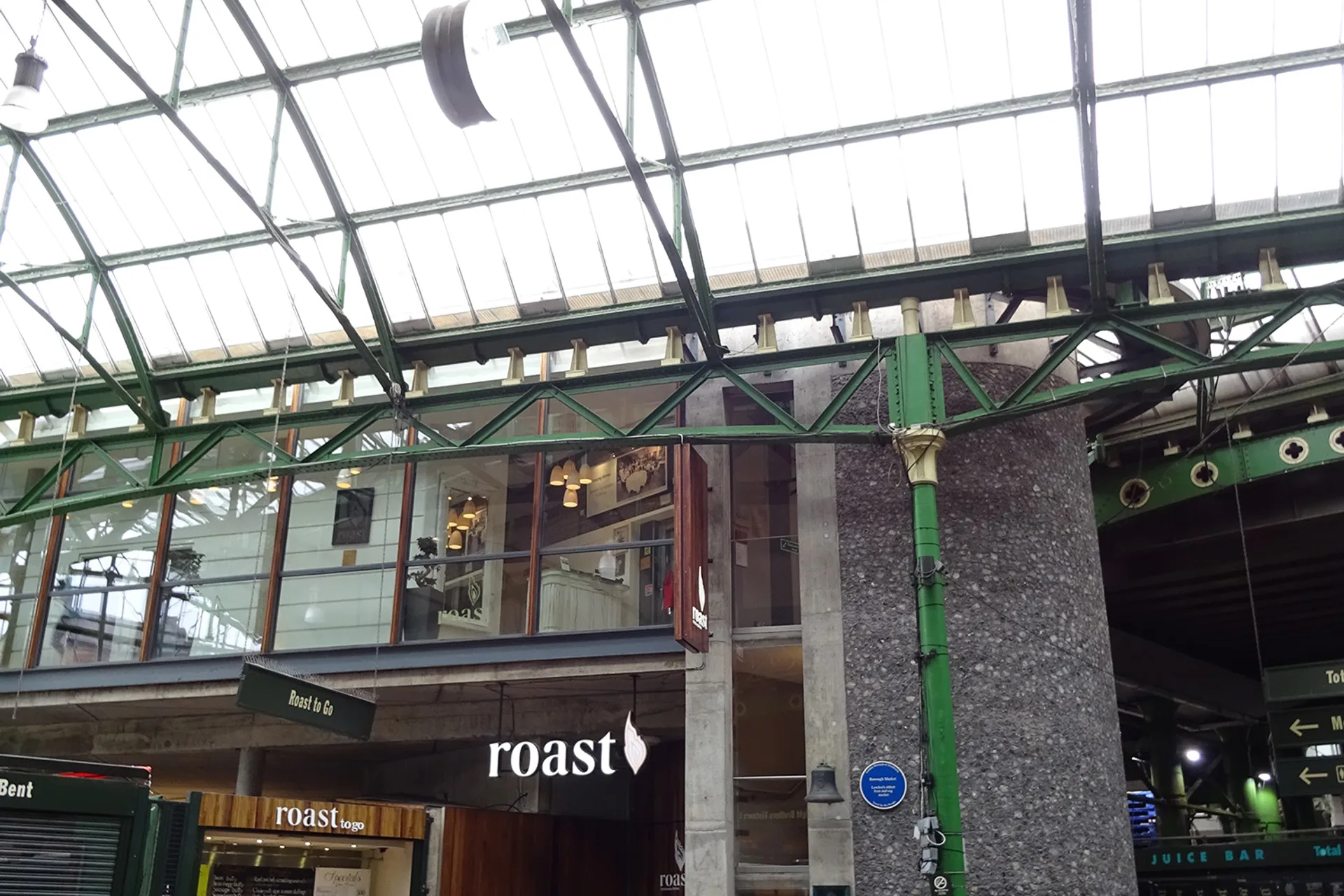
London's oldest food market, trading in some form since at least 1014, now a dense warren of artisan food stalls, cheesemongers and street-food vendors under Victorian ironwork by London Bridge.