
Best for
First-time visitors, evening walkers, West End theatre-goers
Time needed
10–20 minutes
Worth it?
Yes as a quick stop and hub for exploring Soho and the West End
Skip if
You dislike crowded, high-traffic tourist junctions
About Piccadilly Circus
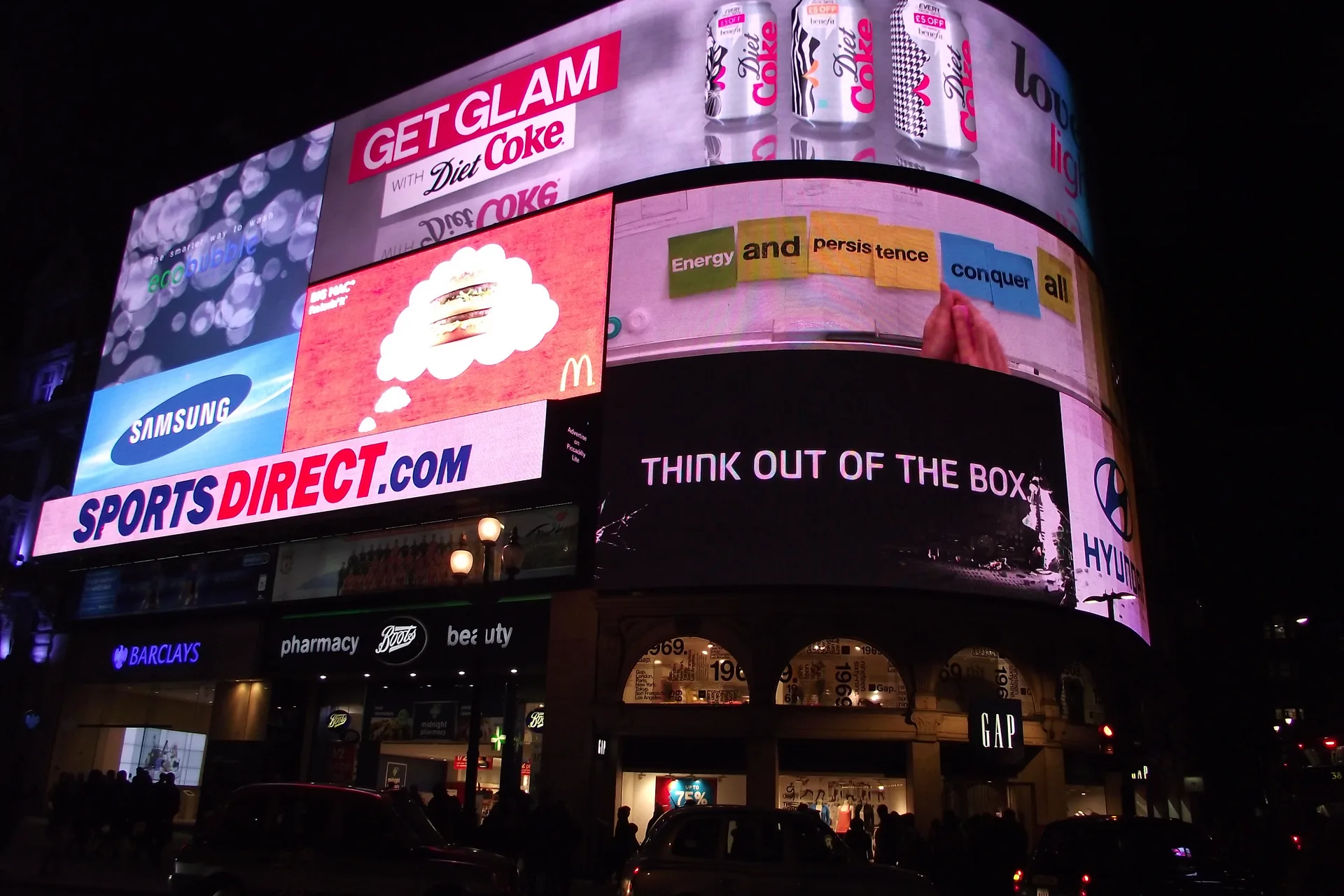
Built in 1819 to connect the newly created Regent Street with the fashionable shopping street of Piccadilly, the junction takes its name from "piccadills," the stiff ruffled collars sold nearby by a 17th-century tailor whose fortune, the story goes, funded the area's early development. It quickly became one of London's principal gathering points, its position at the junction of Shaftesbury Avenue, Regent Street, Piccadilly, Coventry Street and Glasshouse Street ensuring constant footfall from the surrounding West End theatre district.
The curved building on the northern corner has carried large illuminated advertisements since 1908, evolving into today's digital screen — one continuous LED display since 2017, among the most valuable advertising sites in Europe. At its centre stands the Shaftesbury Memorial Fountain, commonly (and technically incorrectly) called "Eros": the winged aluminium figure by Sir Alfred Gilbert actually depicts Anteros, god of requited love, and was erected in 1893 to commemorate the philanthropist Earl of Shaftesbury.
Read the full storyShow less
The statue has been moved and returned several times over its history, including relocation during both World Wars for its own protection, always drawing crowds on its return.
It's a landmark best experienced after dark, when the illuminated screens are at their most striking, and works well as a starting point for exploring Soho, Chinatown or the wider West End theatre district on foot.
What to See: Highlights
- 1The continuous illuminated LED advertising screens, lit since 1908
- 2The Shaftesbury Memorial Fountain, commonly known as "Eros"
- 3A junction of five major West End streets, always full of life
- 4Instant access to Soho, Chinatown and the West End theatre district
- 5One of London's most photographed corners after dark
- 6Free, open 24 hours, no ticket required
Skip the Queue — Book Tickets Online
Same admission, instant confirmation. Compare prices across platforms.
Affiliate disclosure — we may earn a commission at no extra cost to you.
Insider Tips
Visit after dark for the full effect of the illuminated screens
It's a hub, not a destination — plan to walk on to Soho or Chinatown from here
Watch your belongings; it's a known pickpocket hotspot due to constant crowds
The surrounding streets have some of the West End's best theatres if you want an evening show
It's an easy 5-minute walk to Leicester Square and Chinatown
Book a Guided Tour
Get the most from your visit with a local expert guide.
Affiliate disclosure — we may earn a commission at no extra cost to you.
Getting There
Piccadilly Circus, London W1J 9HS
Open in Google Maps →- 1Piccadilly Circus (Bakerloo, Piccadilly lines) — directly beneath the junction.
Where to stay
Hotels in London
Compare prices across hundreds of hotels near this attraction — from budget hostels to luxury stays. Free cancellation on most rooms.
Affiliate disclosure — we may earn a commission at no extra cost to you. Powered by Booking.com.
Frequently Asked Questions
Everything you need to know before you visit.
Is Piccadilly Circus worth visiting?+−
How long does a visit to Piccadilly Circus take?+−
Who is Piccadilly Circus best for?+−
Do I need to book anything in advance to visit Piccadilly Circus?+−
Is Piccadilly Circus included with the London city pass?+−
Should You Visit?
Visit if...
- You want the classic illuminated-screens photo, ideally after dark
- You're using it as a starting point for Soho, Chinatown or the West End
- You're seeing a West End show and it's on your route
- You want to see the Shaftesbury Memorial Fountain ("Eros")
Skip if...
- Busy, touristy road junctions aren't your thing
- You've already passed through en route to Soho or Leicester Square
Ready to Book Your Visit?
More to See in London
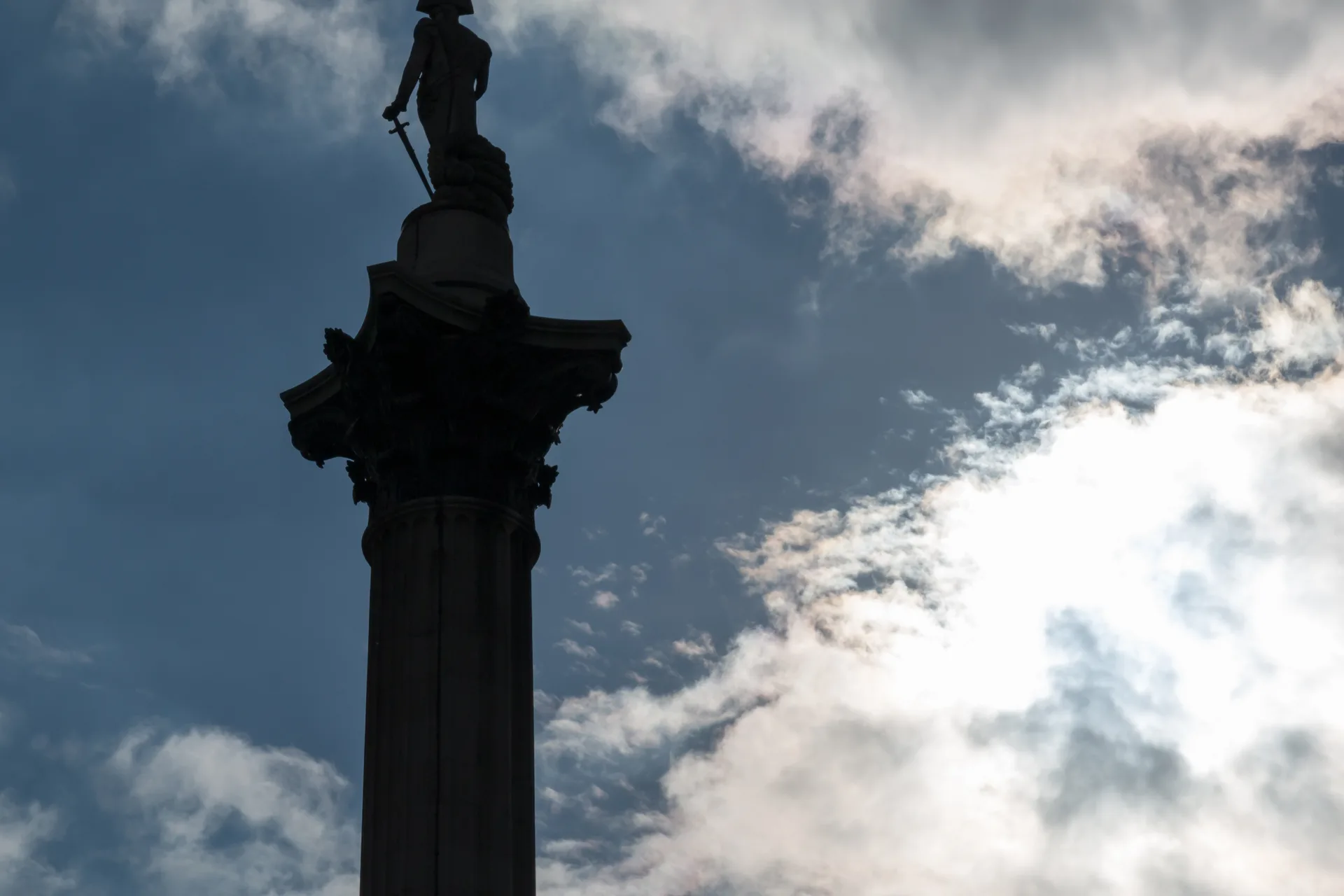
Trafalgar Square
London's grand ceremonial square, watched over by Nelson's Column and four bronze lions, fronted by the National Gallery — free, open 24/7, and the geographic heart of the city.
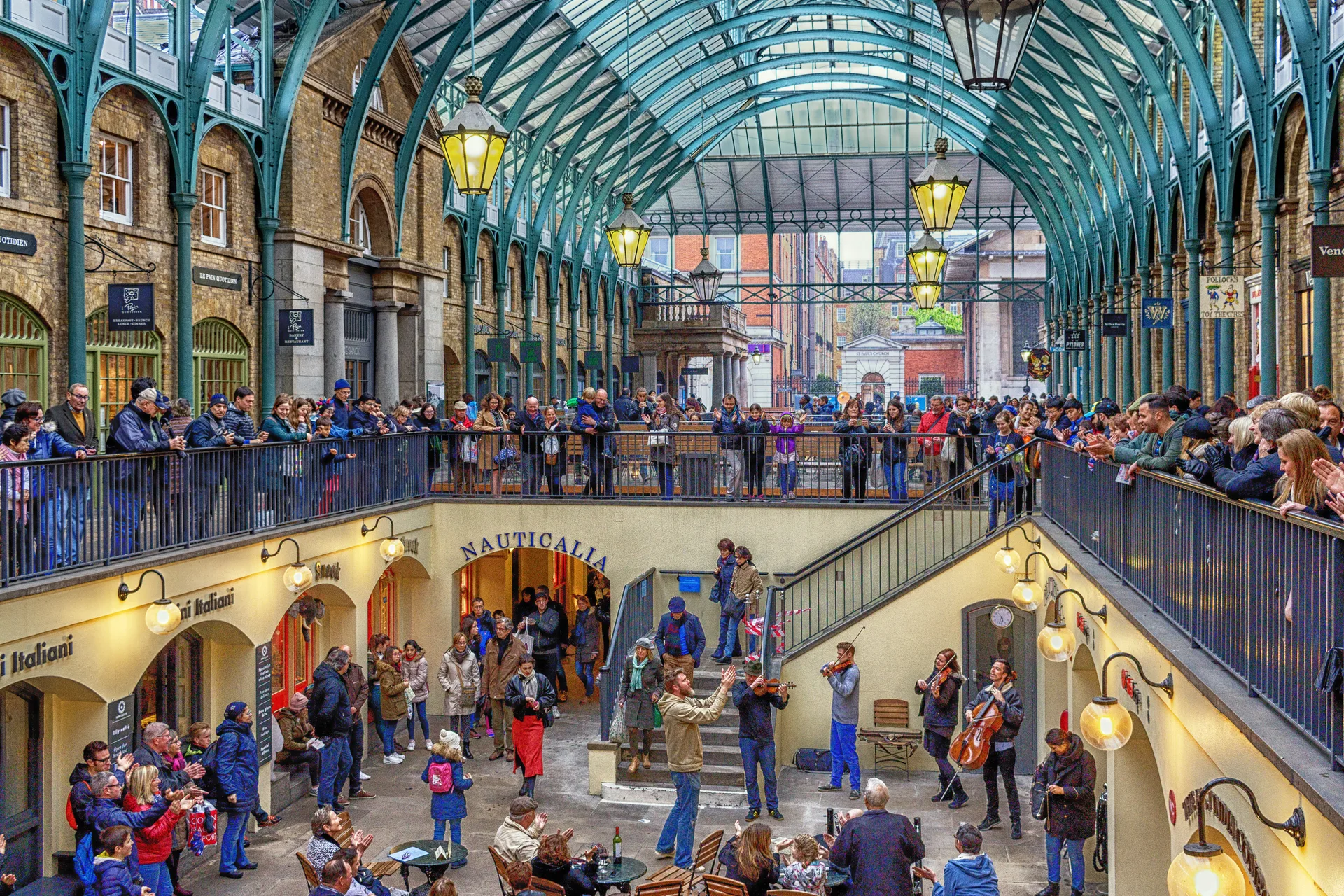
Covent Garden
London's original planned public square, now a lively piazza of street performers, an indoor Apple Market, the Royal Opera House and London's oldest working theatre.