
Best for
Klimt fans, art nouveau and Secession architecture enthusiasts
Time needed
30–60 minutes
Worth it?
Yes — the Beethoven Frieze in its original setting is genuinely special
Skip if
You've no interest in Klimt or Viennese Art Nouveau architecture
About Secession Building
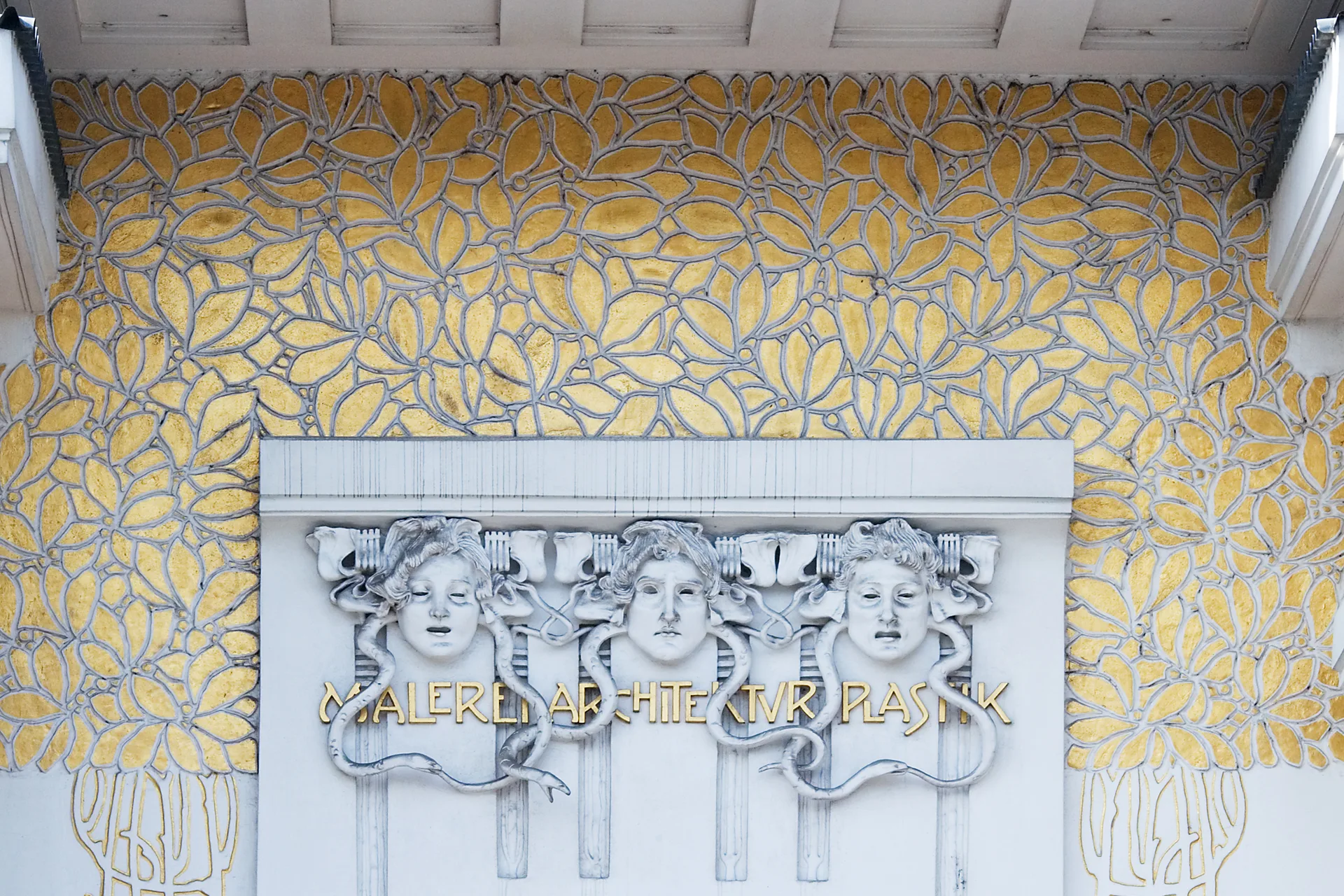
In 1897 a group of Vienna's most progressive artists, led by Gustav Klimt, broke away from the conservative official Künstlerhaus to found the Vienna Secession, declaring their intent with the motto still inscribed above the building's entrance: "To every age its art, to art its freedom." Architect Joseph Maria Olbrich designed their exhibition hall in under a year, completed in 1898 — a stark white cube topped by an extraordinary gilded dome of intertwined laurel leaves that Viennese wits nicknamed "the golden cabbage."
The building's must-see interior feature is Klimt's Beethoven Frieze, a 34-metre mural painted in 1902 for a Secession exhibition honouring Beethoven, intended to be temporary and nearly lost before being preserved and eventually returned to display in the building's basement — one of the most significant Klimt works still viewable in its original architectural context.
Read the full storyShow less
The Secession still functions as a working, artist-run exhibition space rather than a static museum, mounting rotating contemporary shows alongside the permanent Beethoven Frieze — a genuinely unusual combination of art-historical landmark and living contemporary institution.
What to See: Highlights
- 1Klimt's 34-metre Beethoven Frieze, displayed in its original context
- 2The gilded dome of laurel leaves ('the golden cabbage')
- 3Joseph Maria Olbrich's radical 1898 exhibition hall architecture
- 4Rotating contemporary art exhibitions in a working artist-run space
- 5Free entry on the first Wednesday of every month
Skip the Queue — Book Tickets Online
Same admission, instant confirmation. Compare prices across platforms.
Affiliate disclosure — we may earn a commission at no extra cost to you.
Insider Tips
Free admission on the first Wednesday of every month — check the current-year dates
The Beethoven Frieze is the highlight — don't skip the basement
It's a small building — 30–45 minutes covers it well
A 3-minute walk from Karlsplatz, easy to combine with the Wien Museum or Karlskirche
Photography of the Frieze is typically restricted — check current rules on-site
Book a Guided Tour
Get the most from your visit with a local expert guide.
Affiliate disclosure — we may earn a commission at no extra cost to you.
Getting There
Friedrichstraße 12, 1010 Wien
Open in Google Maps →- 1U-Bahn U1, U2, U4 to Karlsplatz, then a 3-minute walk.
Where to stay
Hotels in Vienna
Compare prices across hundreds of hotels near this attraction — from budget hostels to luxury stays. Free cancellation on most rooms.
Affiliate disclosure — we may earn a commission at no extra cost to you. Powered by Booking.com.
Frequently Asked Questions
Everything you need to know before you visit.
Is Secession Building worth visiting?+−
How long does a visit to Secession Building take?+−
Who is Secession Building best for?+−
Do I need to book tickets in advance for Secession Building?+−
Is Secession Building included with the Vienna city pass?+−
Should You Visit?
Visit if...
- You want to see Klimt's Beethoven Frieze in its original architectural home
- You're interested in Vienna Secession and Art Nouveau architecture
- You're near Karlsplatz with 30–60 minutes free
- You appreciate small, focused cultural landmarks over big museums
Skip if...
- You've no particular interest in Klimt or turn-of-the-century Vienna art
- You're extremely tight on time
- You've already seen extensive Klimt at the Belvedere and Leopold Museum
Ready to Book Your Visit?
More to See in Vienna
Leopold Museum
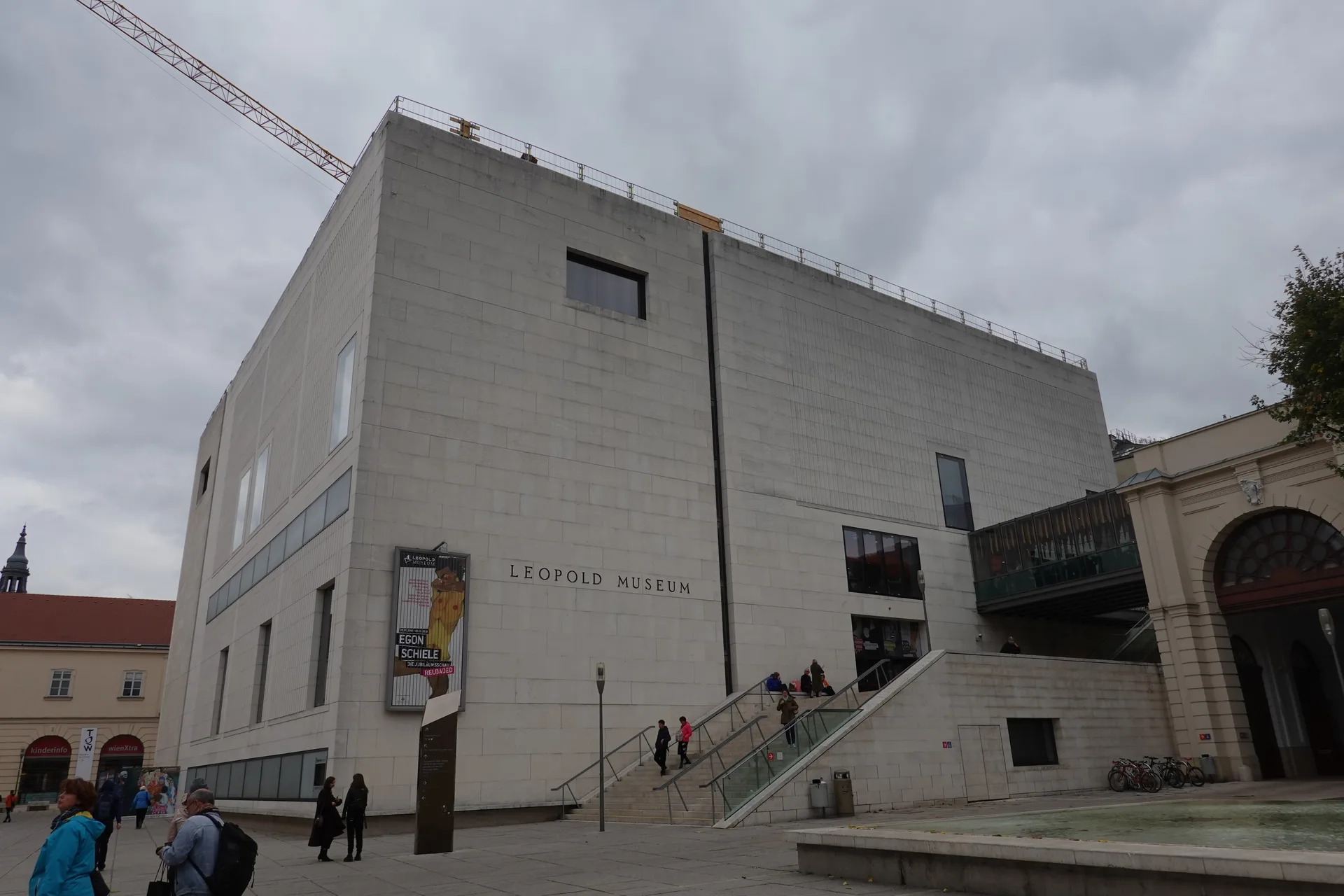
The world's largest Egon Schiele collection, plus major Klimt works, inside a stark white cube at the heart of the MuseumsQuartier.
Wien Museum
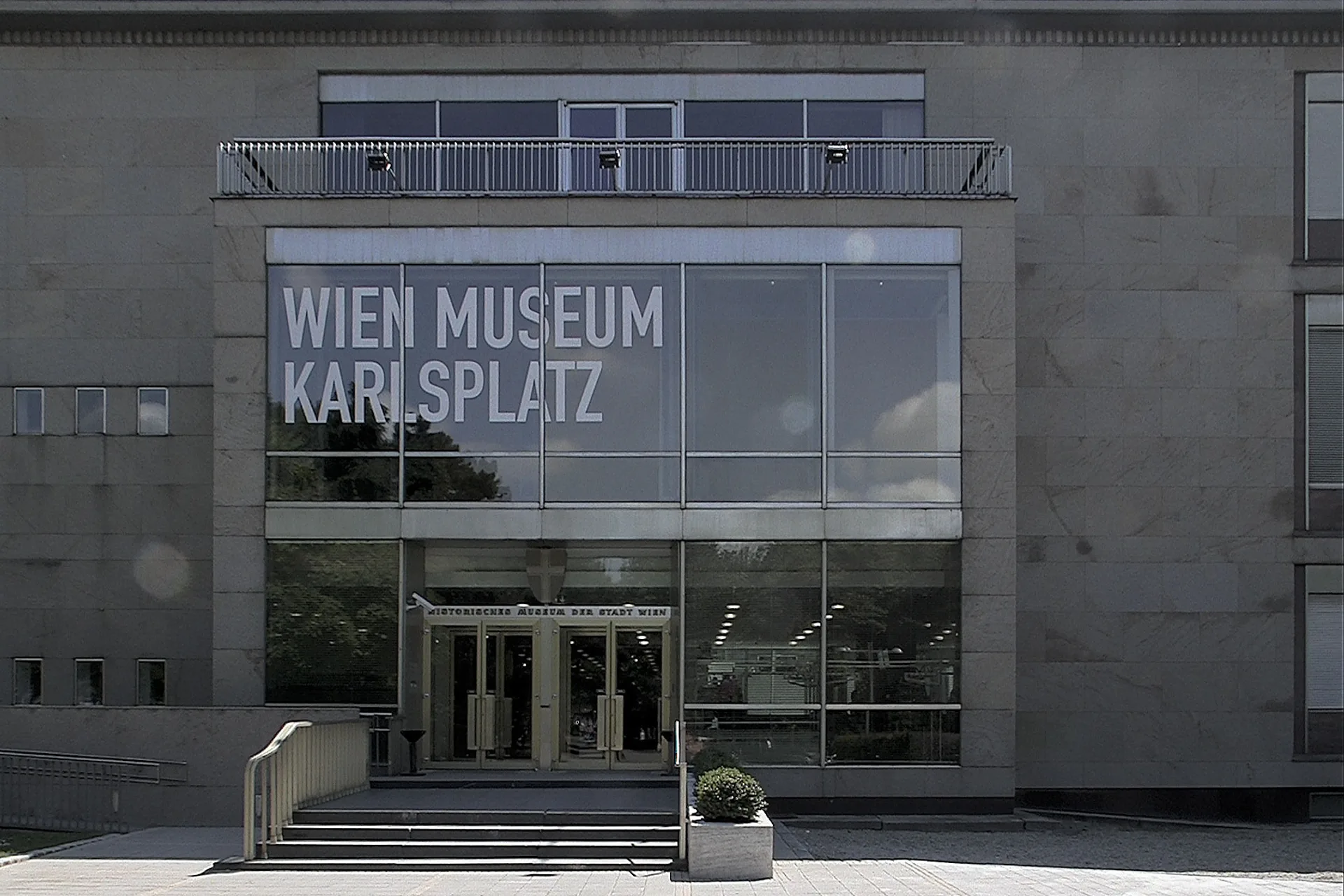
Vienna's own city-history museum on Karlsplatz — completely rebuilt and reopened in 2023, with a free permanent collection tracing 3,000 years of the city's story.
Belvedere (Upper Belvedere)
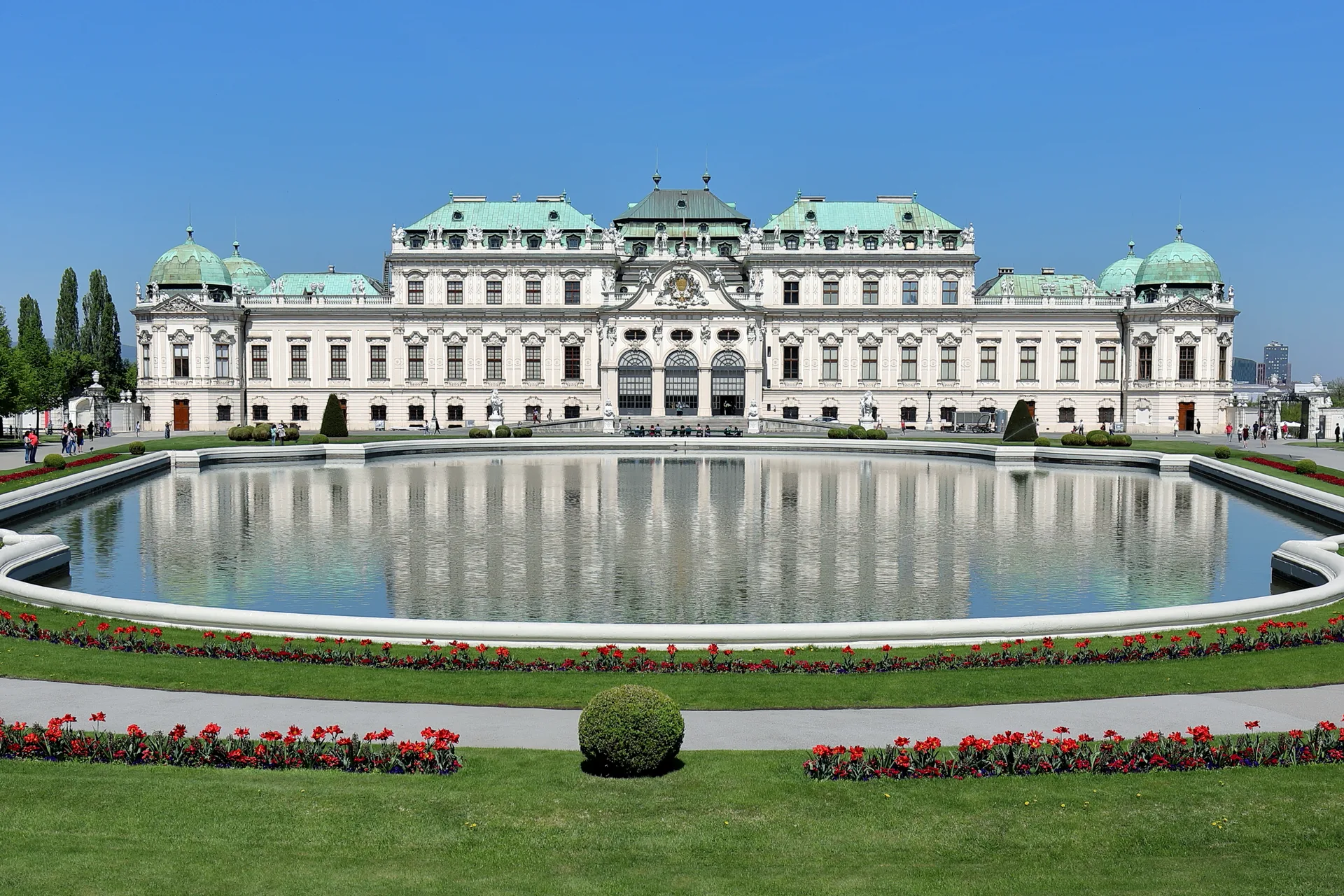
Prince Eugene's Baroque summer palace, now home to Gustav Klimt's The Kiss and the world's largest Klimt collection, with gardens sweeping down toward the Vienna skyline.