
Best for
Every art-interested visitor to Vienna — the essential Klimt stop
Time needed
2–3 hours
Worth it?
Yes — one of Vienna's unmissable sights
Skip if
You have under an hour and can't do it justice
About Belvedere (Upper Belvedere)
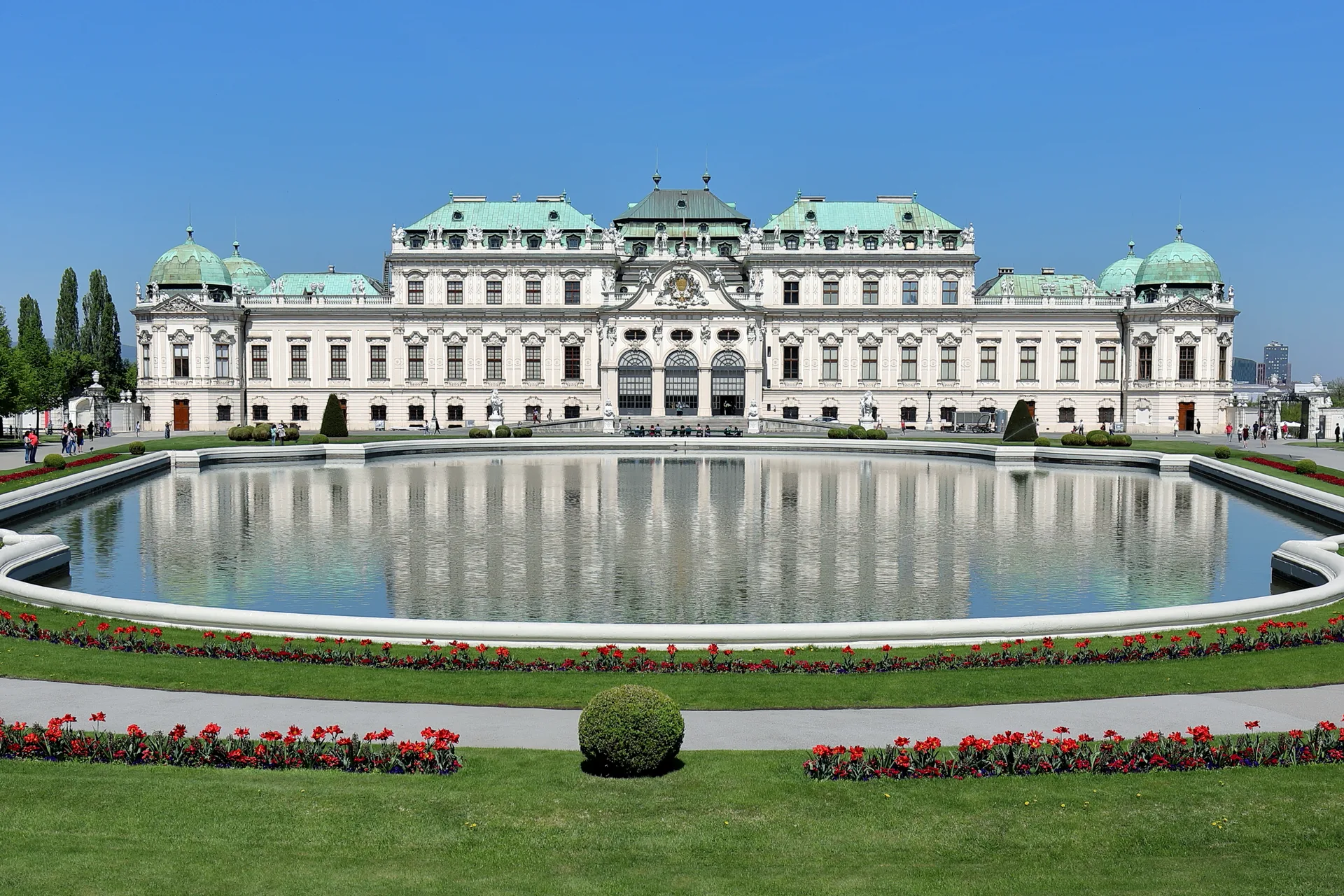
The Belvedere was built between 1714 and 1723 as the summer residence of Prince Eugene of Savoy, the military commander whose victories against the Ottomans made him one of the wealthiest and most powerful men in the Habsburg empire — wealthy enough to commission Johann Lucas von Hildebrandt to build not one but two palaces, Upper and Lower Belvedere, linked by a formal sloping garden that remains one of the great set pieces of Baroque landscape design in Europe.
Upper Belvedere today holds the Belvedere Museum's core collection, and its single most famous painting is Gustav Klimt's The Kiss (1908), the single most reproduced piece of Austrian art in existence, shown alongside the largest collection of Klimt paintings anywhere and major holdings of Egon Schiele, Oskar Kokoschka and the French Impressionists Monet and Van Gogh that Belvedere directors acquired early and presciently in the early 20th century.
Read the full storyShow less
The view from the garden's upper terrace — the palace behind you, the formal parterre descending in front, Vienna's skyline beyond — is one of the classic Vienna vistas, and free to enjoy even without a museum ticket.
What to See: Highlights
- 1Gustav Klimt's The Kiss — the world's most famous Austrian painting
- 2The largest Klimt collection anywhere
- 3Major Schiele, Kokoschka, Monet and Van Gogh holdings
- 4Prince Eugene of Savoy's Baroque state rooms
- 5The formal sloping garden with panoramic Vienna views
- 6Sweeping terrace view over the palace parterre toward the skyline
Skip the Queue — Book Tickets Online
Same admission, instant confirmation. Compare prices across platforms.
Affiliate disclosure — we may earn a commission at no extra cost to you.
Insider Tips
Book a timed-entry ticket online — it sells out, especially around The Kiss
The garden and terrace views are free even without a museum ticket
Visit Upper Belvedere for the Klimt collection; Lower Belvedere hosts temporary exhibitions
Combine with Belvedere 21 nearby for contemporary art on the same visit
Arrive early or late in the day to see The Kiss without a crowd around it
Book a Guided Tour
Get the most from your visit with a local expert guide.
Affiliate disclosure — we may earn a commission at no extra cost to you.
Getting There
Prinz Eugen-Straße 27, 1030 Wien
Open in Google Maps →- 1Tram D to Schloss Belvedere, or tram 18, 0 to Quartier Belvedere. Also a 10-minute walk from Südbahnhof/Hauptbahnhof.
Where to stay
Hotels in Vienna
Compare prices across hundreds of hotels near this attraction — from budget hostels to luxury stays. Free cancellation on most rooms.
Affiliate disclosure — we may earn a commission at no extra cost to you. Powered by Booking.com.
Frequently Asked Questions
Everything you need to know before you visit.
Is Belvedere (Upper Belvedere) worth visiting?+−
How long does a visit to Belvedere (Upper Belvedere) take?+−
Who is Belvedere (Upper Belvedere) best for?+−
Do I need to book tickets in advance for Belvedere (Upper Belvedere)?+−
Is Belvedere (Upper Belvedere) included with the Vienna city pass?+−
Should You Visit?
Visit if...
- You want to see Klimt's The Kiss in person
- You appreciate Baroque palace architecture and formal gardens
- You're building a Vienna art itinerary around Klimt and Schiele
- You want one of the best skyline views in the city, free from the garden terrace
Skip if...
- You have under an hour and would only see a fraction of the collection
- You've already seen enough Klimt at the Secession Building and Leopold Museum
- You're avoiding crowded, must-see attractions
Ready to Book Your Visit?
More to See in Vienna
Leopold Museum
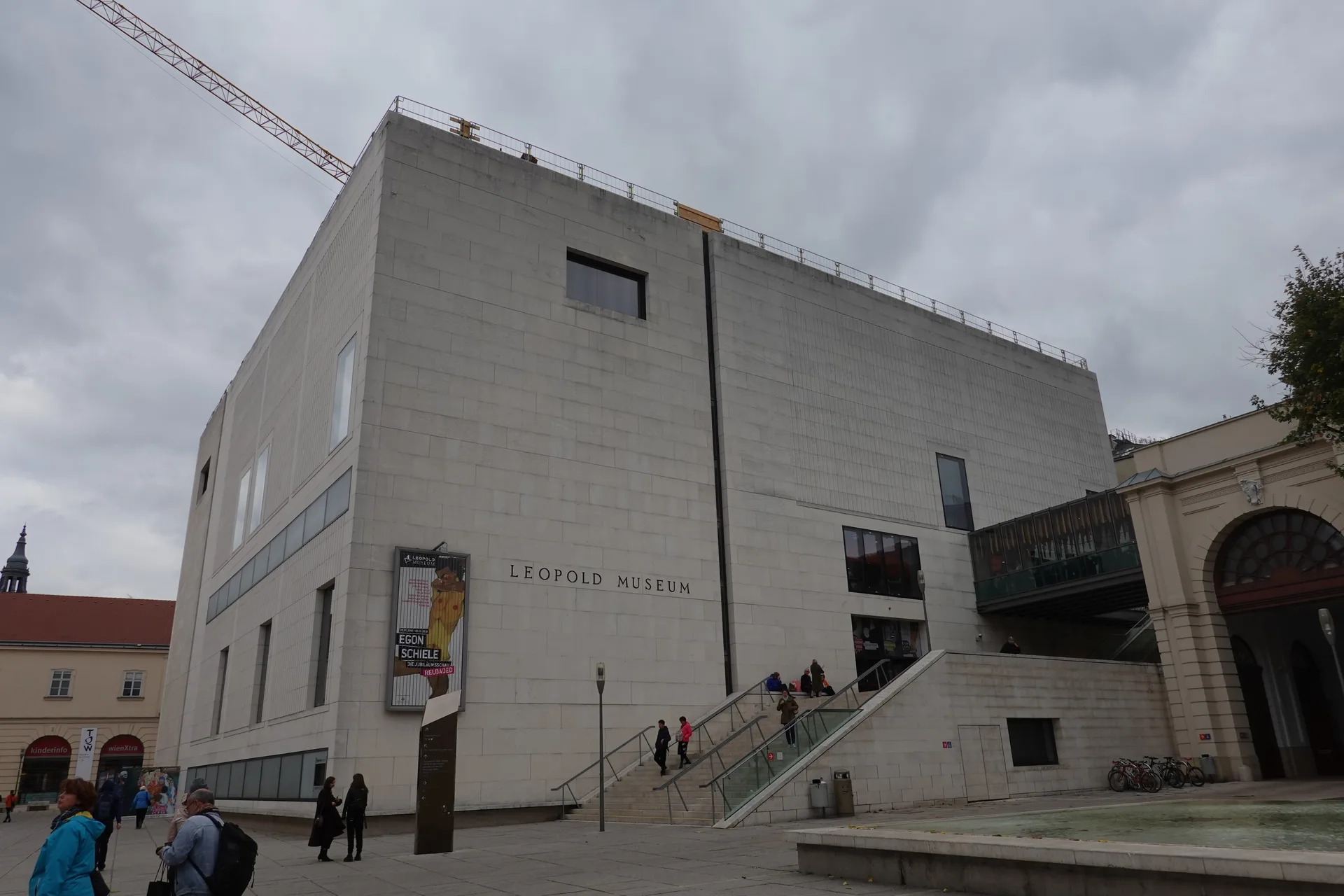
The world's largest Egon Schiele collection, plus major Klimt works, inside a stark white cube at the heart of the MuseumsQuartier.
Belvedere 21
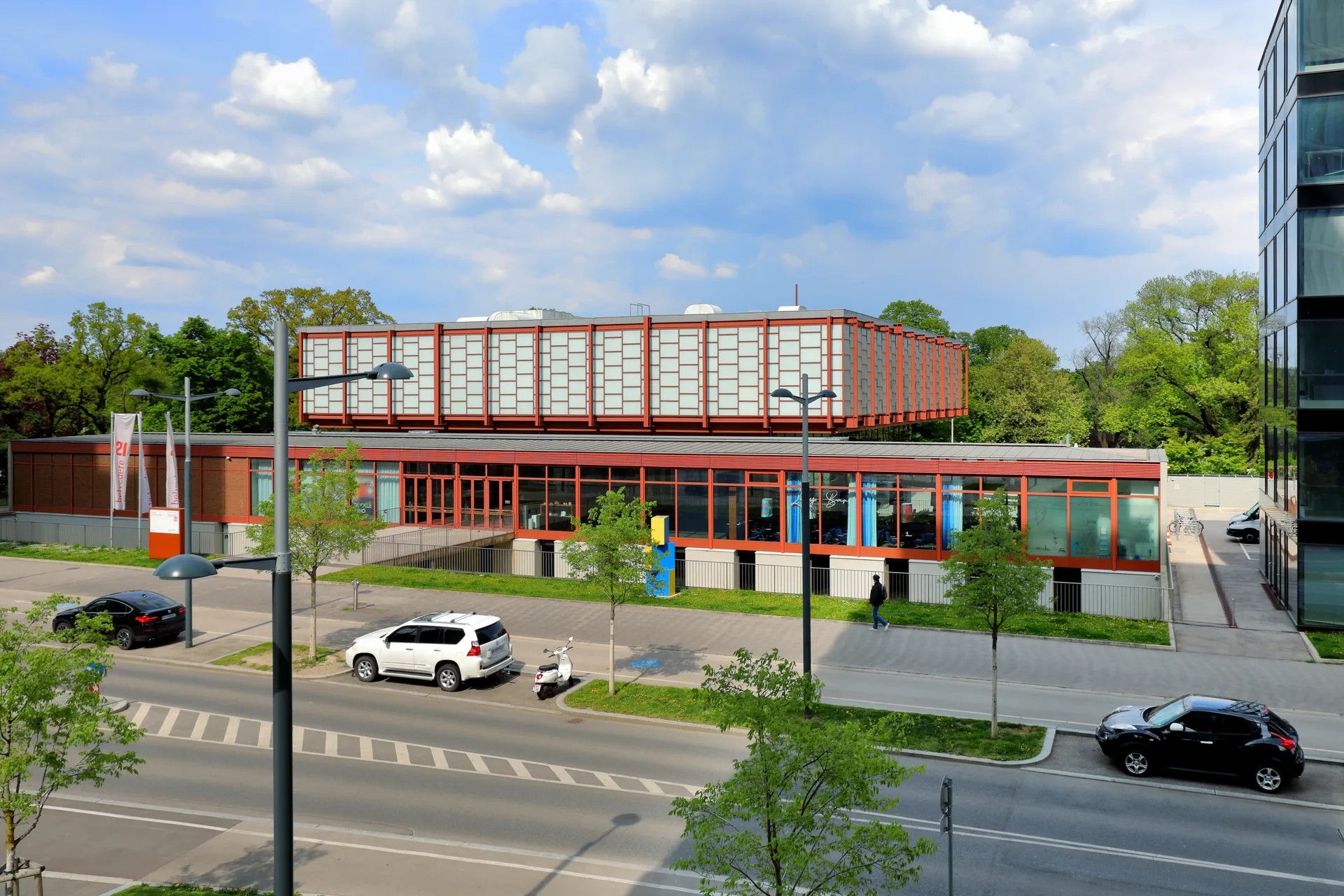
The Belvedere's contemporary art venue — Austrian and international contemporary art, film and music in a modernist glass-and-steel pavilion originally built for Expo 58.
Secession Building
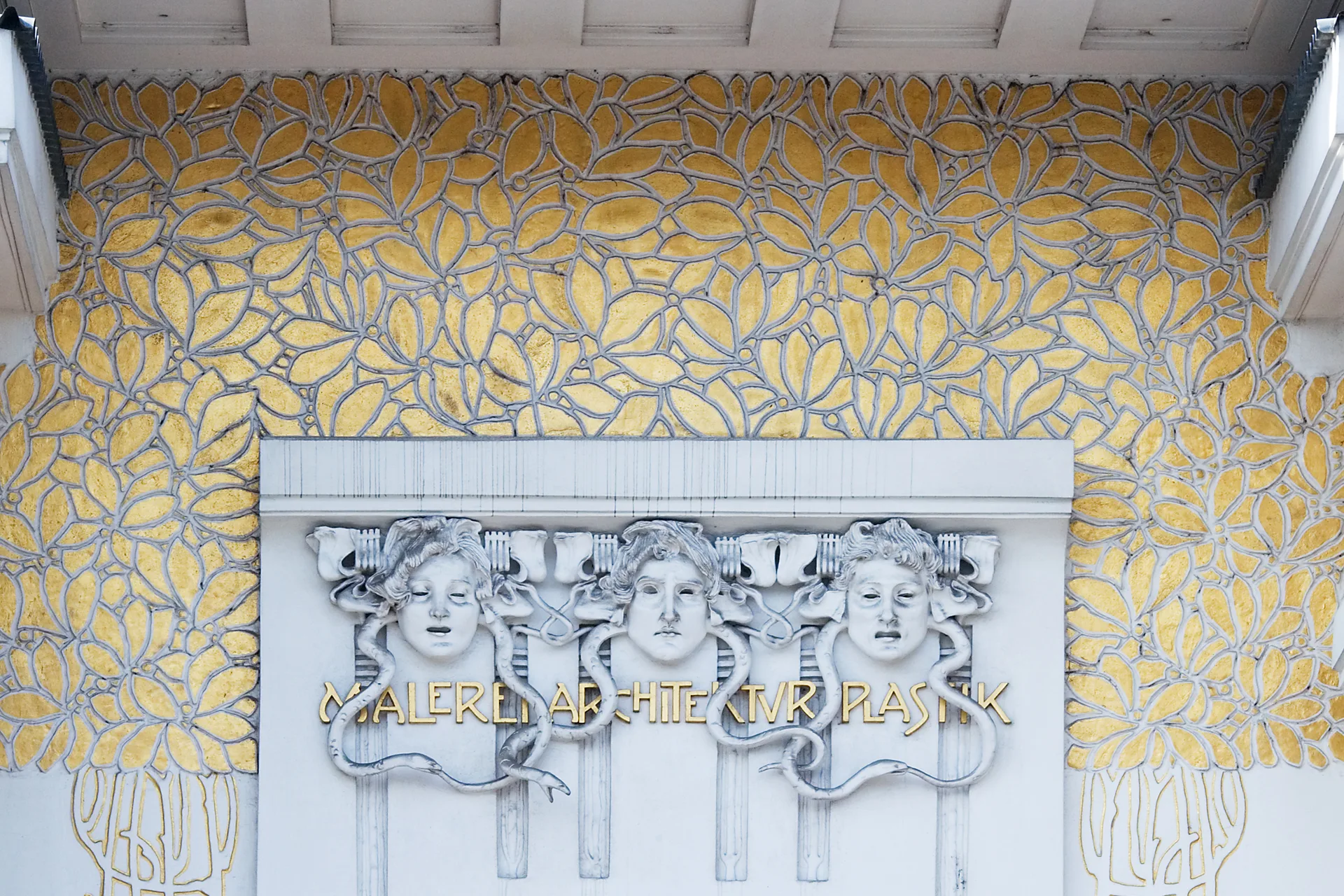
The 1898 exhibition hall built by rebel artists including Klimt, crowned with a gilded dome of laurel leaves — still home to Klimt's Beethoven Frieze in its basement.