
Best for
Architecture fans, Jugendstil/Art Nouveau enthusiasts
Time needed
20–40 minutes
Worth it?
Yes as a quick, well-preserved architectural stop on Karlsplatz
Skip if
You're not interested in architecture and have limited time on the square
About Karlsplatz Stadtbahn Pavilions
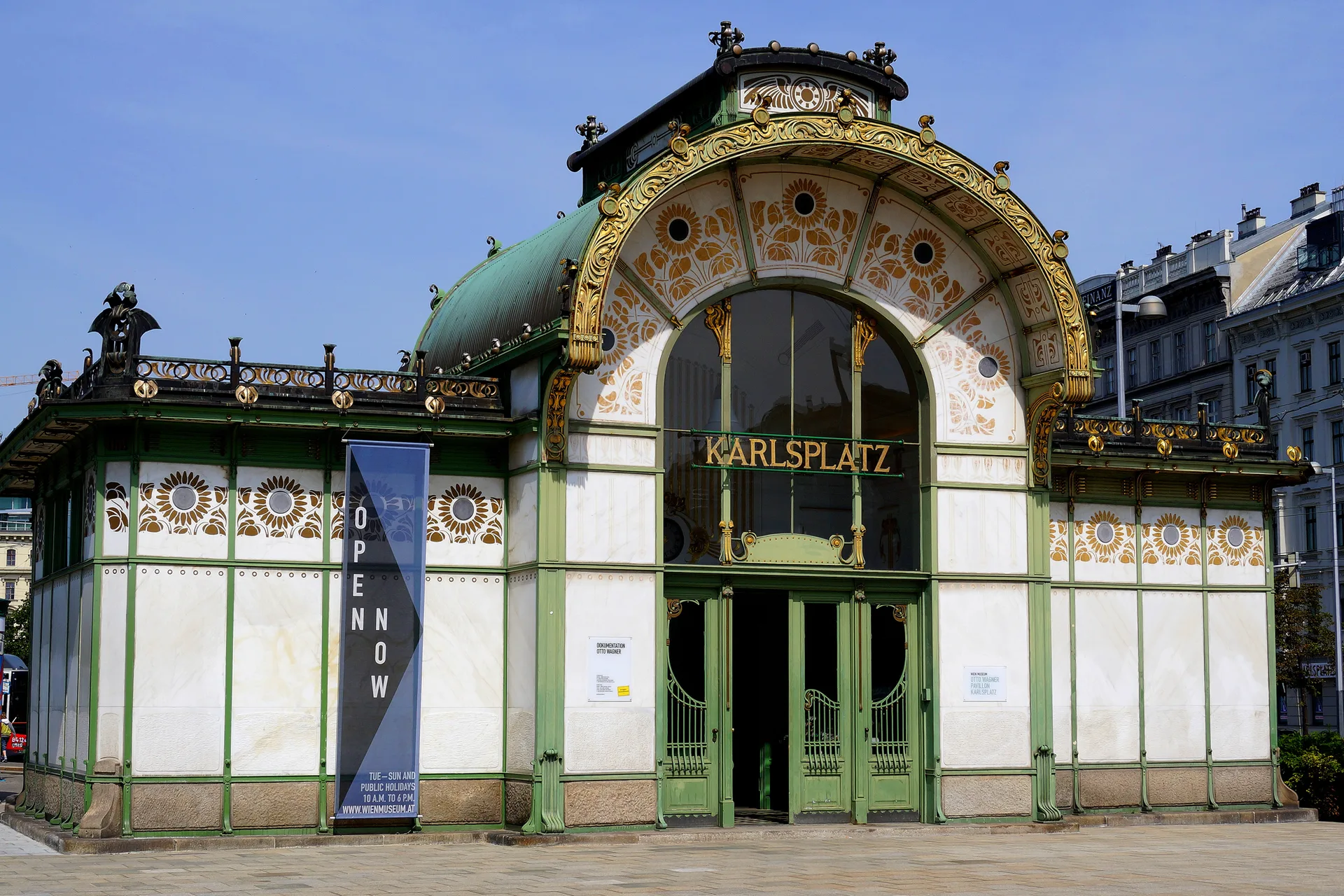
Between 1898 and 1901, Otto Wagner designed a complete set of stations for Vienna's new Stadtbahn urban railway, blending functional engineering with Jugendstil ornament — green-painted iron frames, gilded floral motifs, marble cladding — to prove that infrastructure could be beautiful. Most of the original stations have since been altered or demolished, but the two pavilions on Karlsplatz survive largely intact and are protected landmarks.
One pavilion now operates as a small museum dedicated to Wagner's life and work, giving useful context for his other Vienna buildings — the Kirche am Steinhof, the Postal Savings Bank and his broader Stadtbahn network. The other functions as a café, letting visitors experience the space as intended rather than just look at it from outside.
Read the full storyShow less
Sitting right on Karlsplatz alongside the Karlskirche and Wien Museum, the pavilions are one of the easiest ways to see a genuine, well-preserved piece of Vienna's Jugendstil infrastructure without travelling out to Steinhof.
What to See: Highlights
- 1Two surviving original Otto Wagner Stadtbahn station pavilions
- 2A small museum on Wagner's life and design philosophy
- 3One pavilion still functions as a working café
- 4Gilded Jugendstil ornament on green-painted iron structures
- 5Free first Sunday of the month
Skip the Queue — Book Tickets Online
Same admission, instant confirmation. Compare prices across platforms.
Affiliate disclosure — we may earn a commission at no extra cost to you.
Insider Tips
Combine with the Karlskirche and Wien Museum, all on the same square
Have a coffee in the working pavilion café for the full experience
The museum pavilion is small — 20–30 minutes covers it
Good primer before visiting Kirche am Steinhof, Wagner's other major work
Free on the first Sunday of the month, same as other Wien Museum sites
Book a Guided Tour
Get the most from your visit with a local expert guide.
Affiliate disclosure — we may earn a commission at no extra cost to you.
Getting There
Karlsplatz, 1010 Wien
Open in Google Maps →- 1U-Bahn U1, U2, U4 to Karlsplatz, directly at the exit.
Where to stay
Hotels in Vienna
Compare prices across hundreds of hotels near this attraction — from budget hostels to luxury stays. Free cancellation on most rooms.
Affiliate disclosure — we may earn a commission at no extra cost to you. Powered by Booking.com.
Frequently Asked Questions
Everything you need to know before you visit.
Is Karlsplatz Stadtbahn Pavilions worth visiting?+−
How long does a visit to Karlsplatz Stadtbahn Pavilions take?+−
Who is Karlsplatz Stadtbahn Pavilions best for?+−
Do I need to book tickets in advance for Karlsplatz Stadtbahn Pavilions?+−
Is Karlsplatz Stadtbahn Pavilions included with the Vienna city pass?+−
Should You Visit?
Visit if...
- You're interested in Otto Wagner and Vienna Jugendstil architecture
- You're already at Karlsplatz for the Karlskirche or Wien Museum
- You want context before visiting Kirche am Steinhof
- You'd like a coffee in a genuine piece of Art Nouveau infrastructure
Skip if...
- Architecture and design history aren't of particular interest
- You're very tight on time at Karlsplatz
- You've already covered Wagner's work at the Secession or Steinhof
Ready to Book Your Visit?
More to See in Vienna
Wien Museum
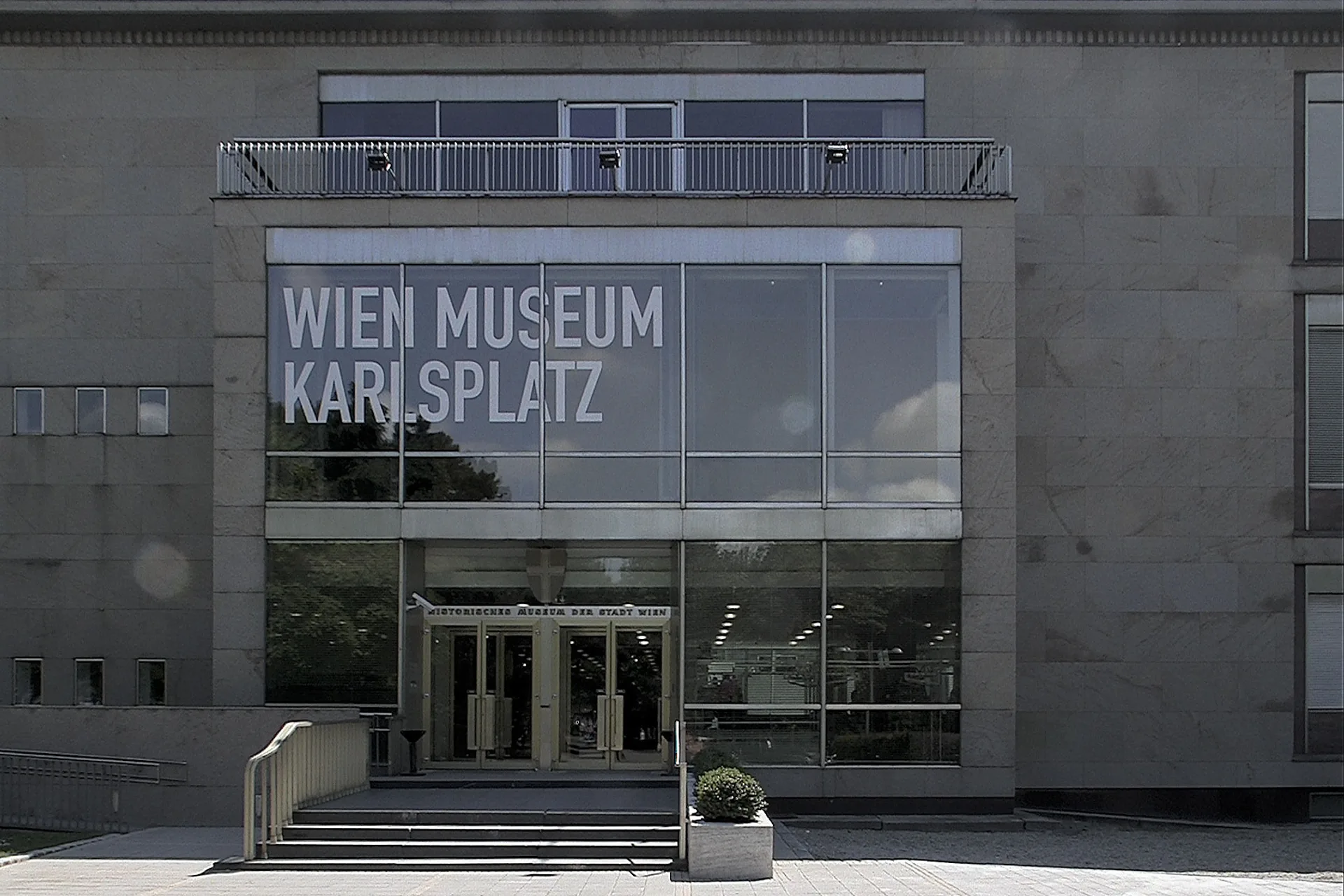
Vienna's own city-history museum on Karlsplatz — completely rebuilt and reopened in 2023, with a free permanent collection tracing 3,000 years of the city's story.
Karlskirche (St. Charles's Church)
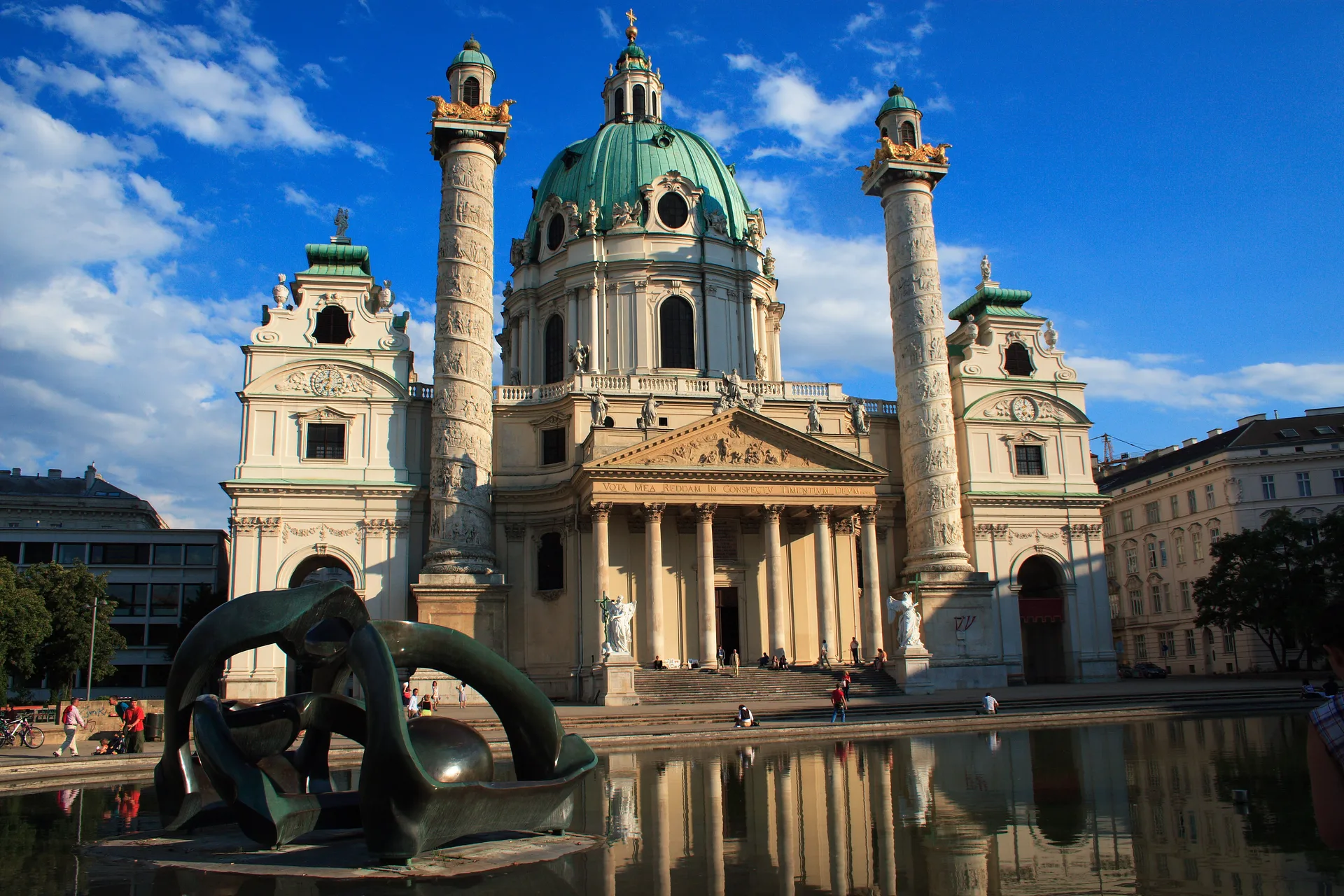
Vienna's greatest Baroque church, built as a plague-vow monument — a glass panorama lift takes you up to eye level with the ceiling frescoes 32 metres overhead.
Kirche am Steinhof (Otto Wagner Church)
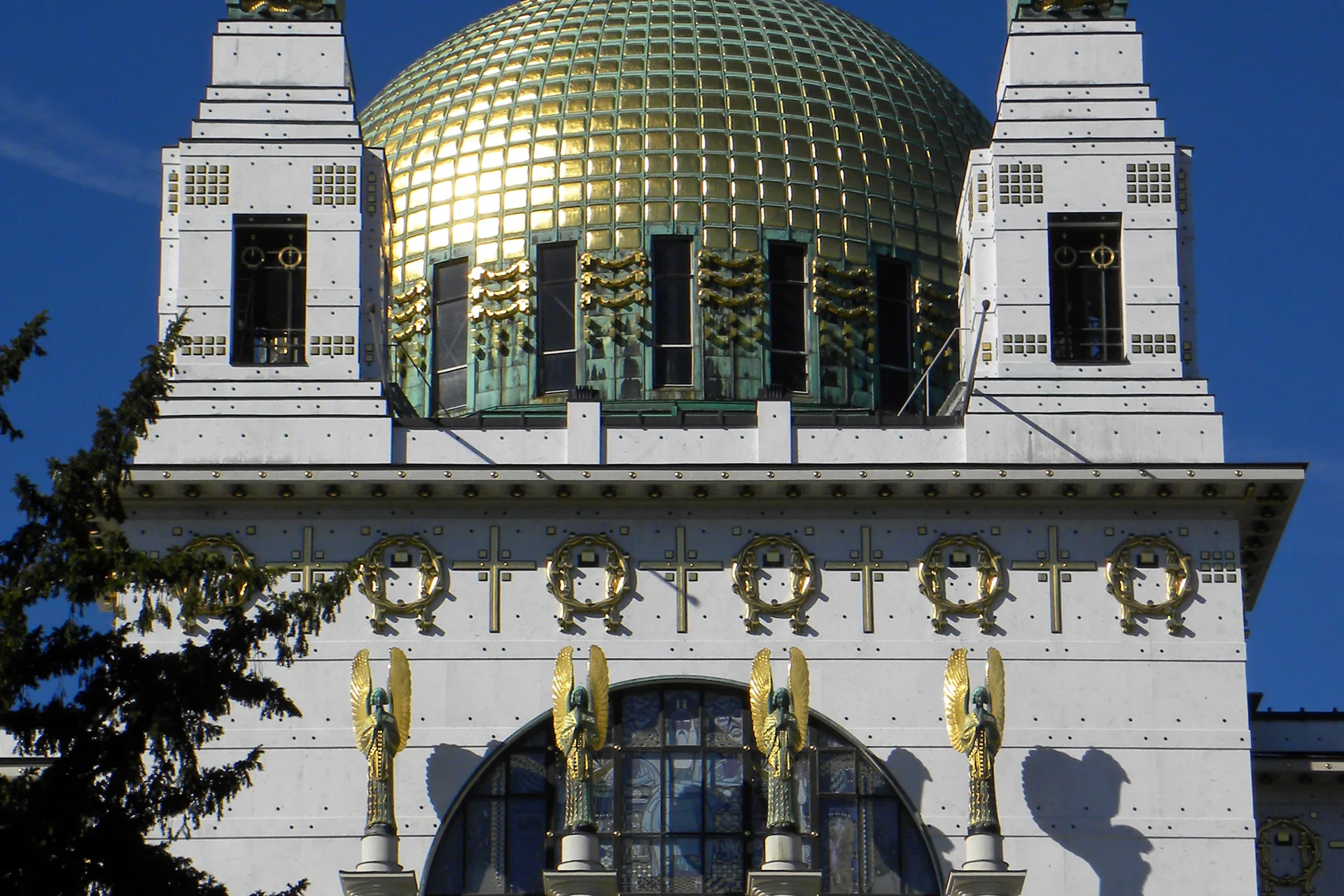
Otto Wagner's Art Nouveau masterpiece, built for a psychiatric hospital in 1907 — gold-domed, sensitively designed for patients, and widely considered the finest Jugendstil church in the world.