
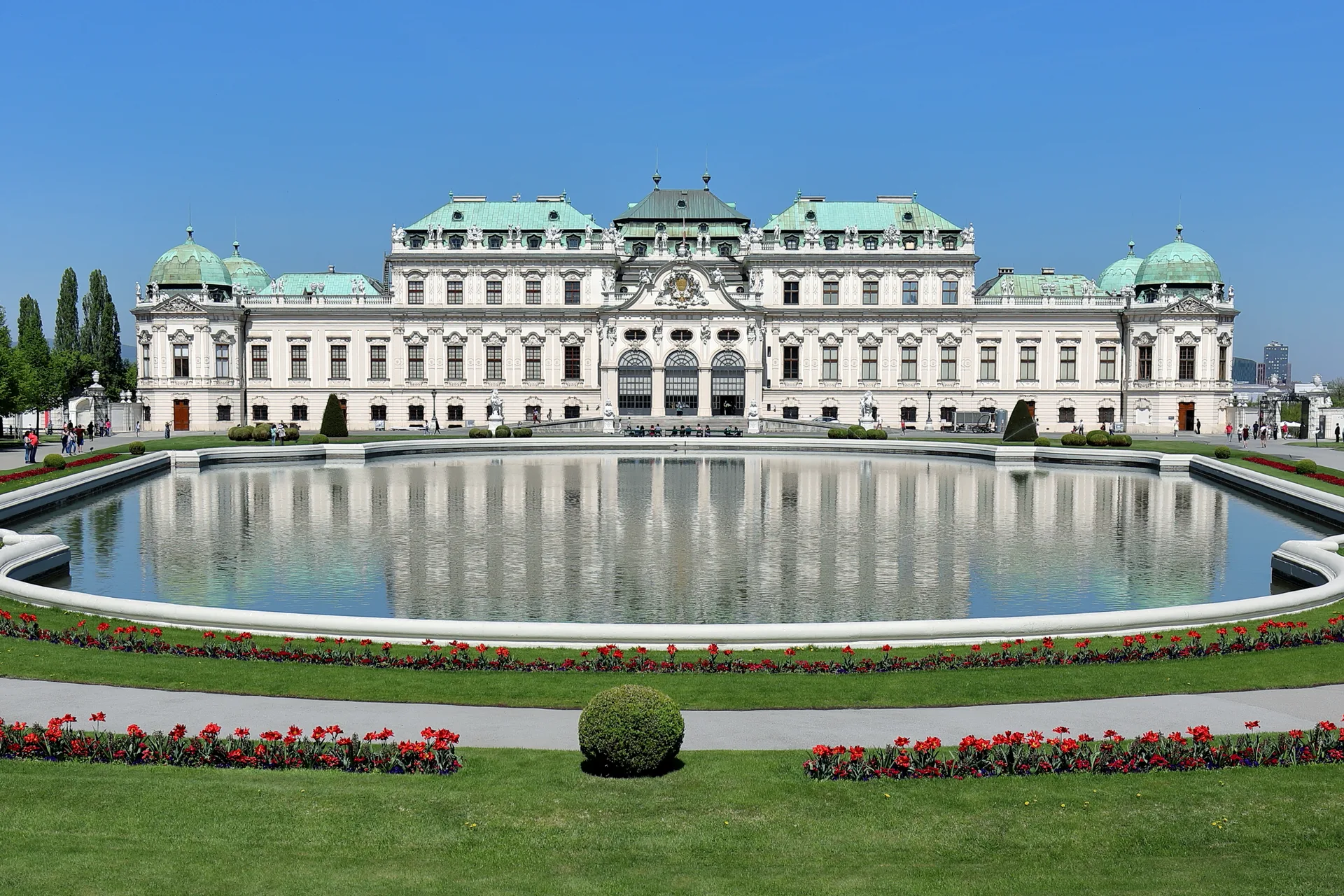
Belvedere (Upper Belvedere)
Prince Eugene's Baroque summer palace, now home to Gustav Klimt's The Kiss and the world's largest Klimt collection, with gardens sweeping down toward the Vienna skyline.
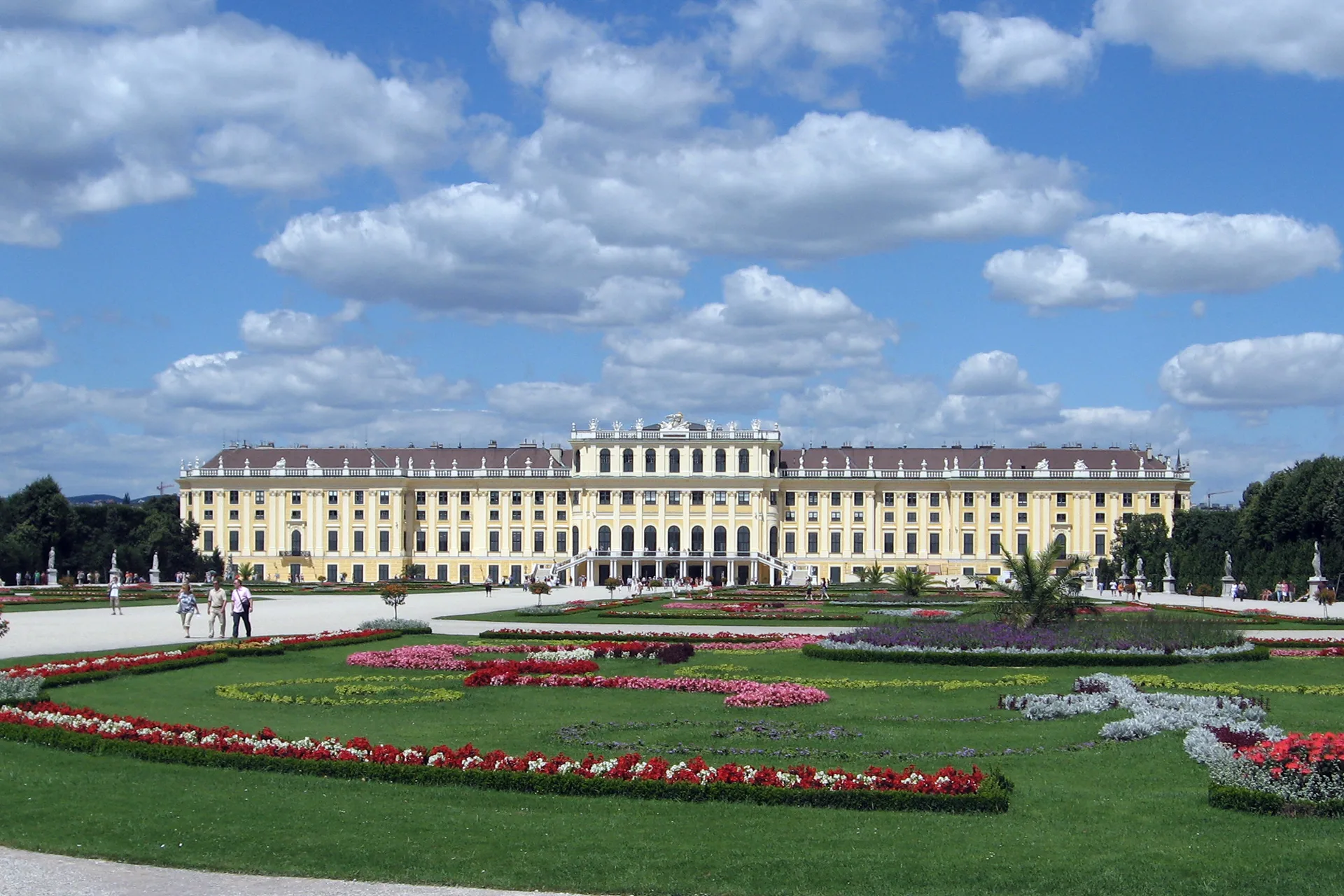
Schönbrunn Palace
The Habsburgs' vast Baroque summer palace — 1,441 rooms, gardens stretching to the Gloriette hilltop monument, and the residence where Maria Theresa raised 16 children and ran an empire.
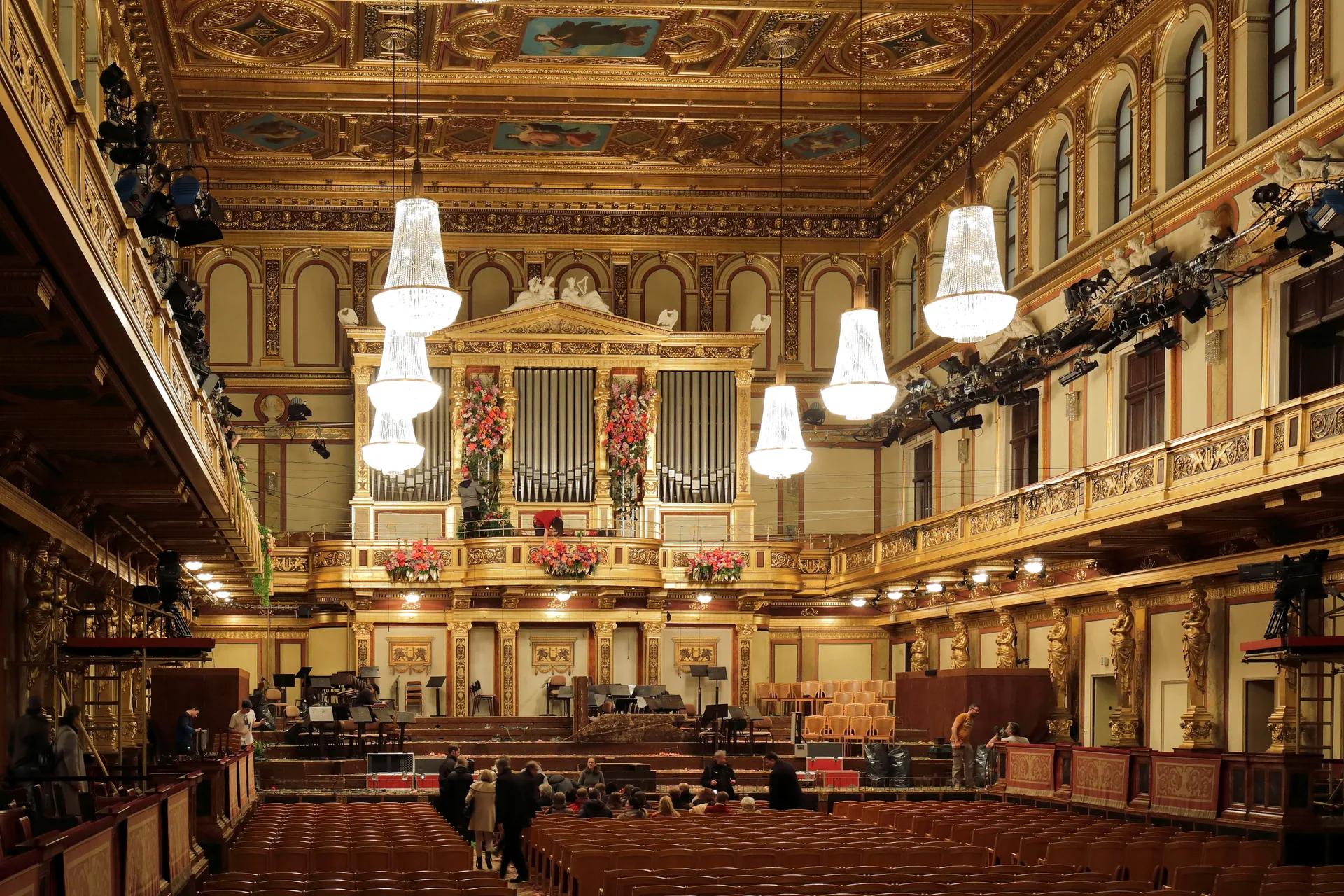
Musikverein
Home of the Vienna Philharmonic and the world-famous New Year's Concert — a Golden Hall ranked among the best-sounding concert halls anywhere.
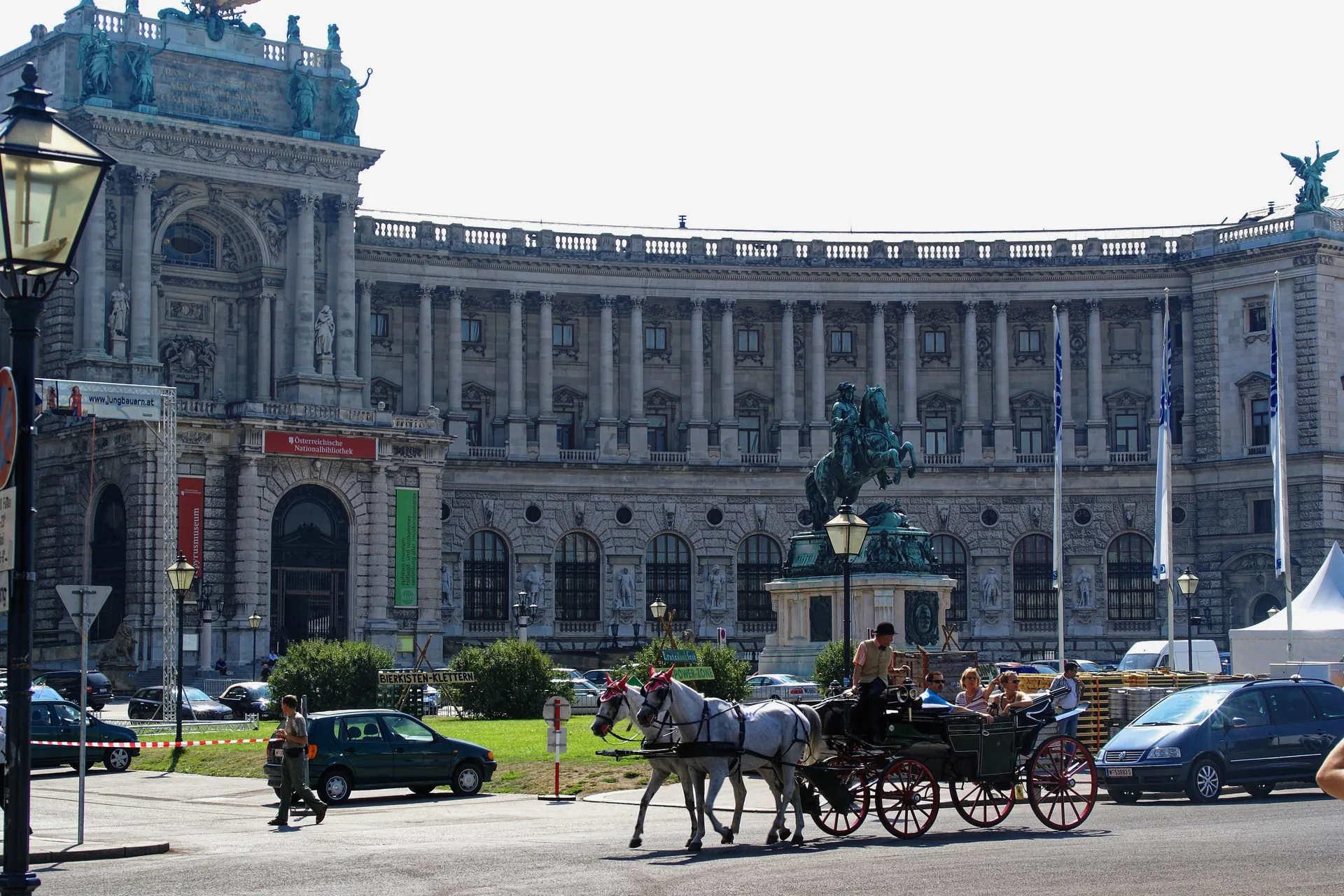
Hofburg Palace
The Habsburgs' winter residence and seat of power for over 600 years — now home to the Austrian president, the Sisi Museum, the Imperial Treasury and the National Library under one sprawling complex.
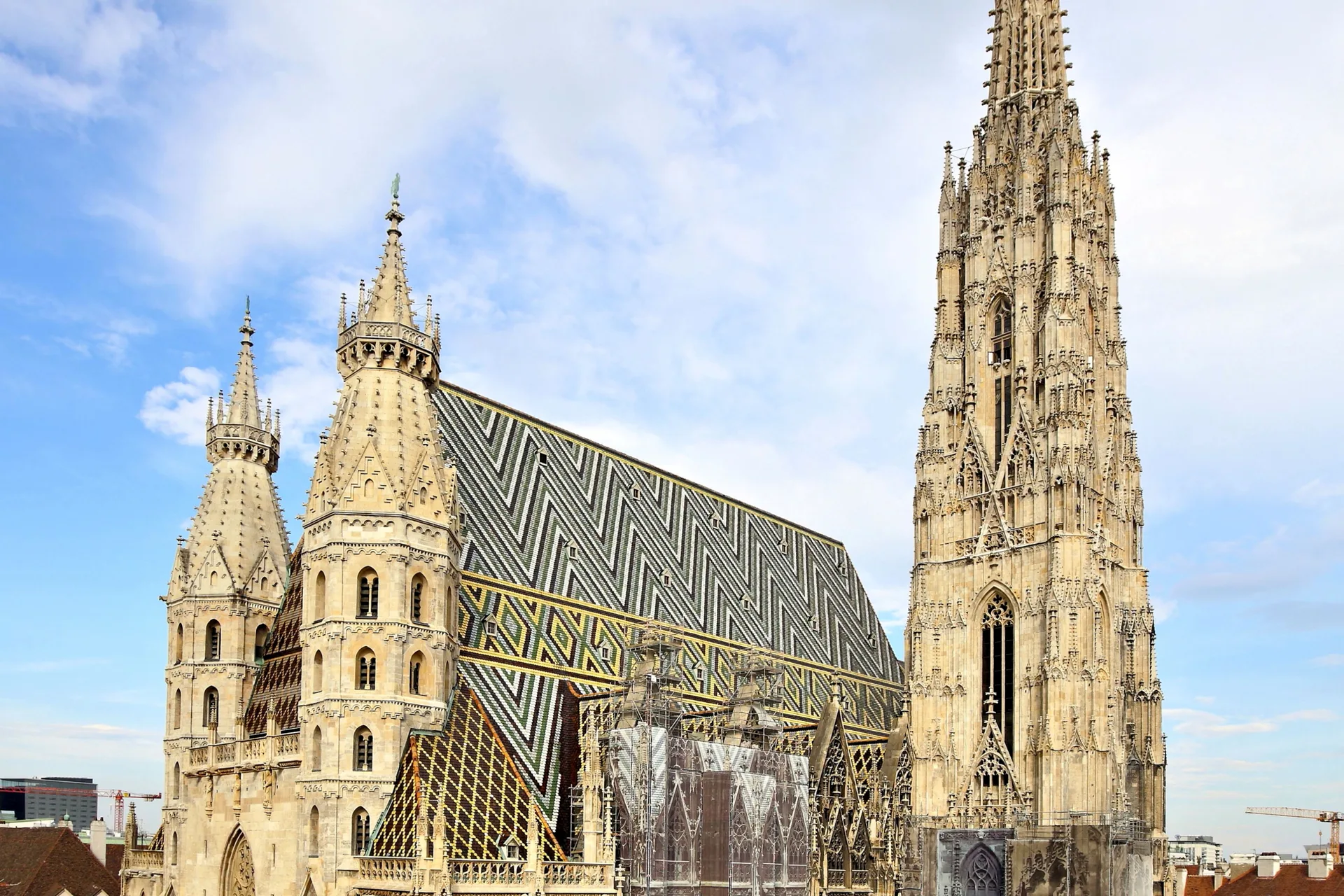
St. Stephen's Cathedral (Stephansdom)
Vienna's Gothic mother church and most recognisable symbol — a free nave, a 137-metre south tower to climb, and a colourfully tiled roof visible across the city.
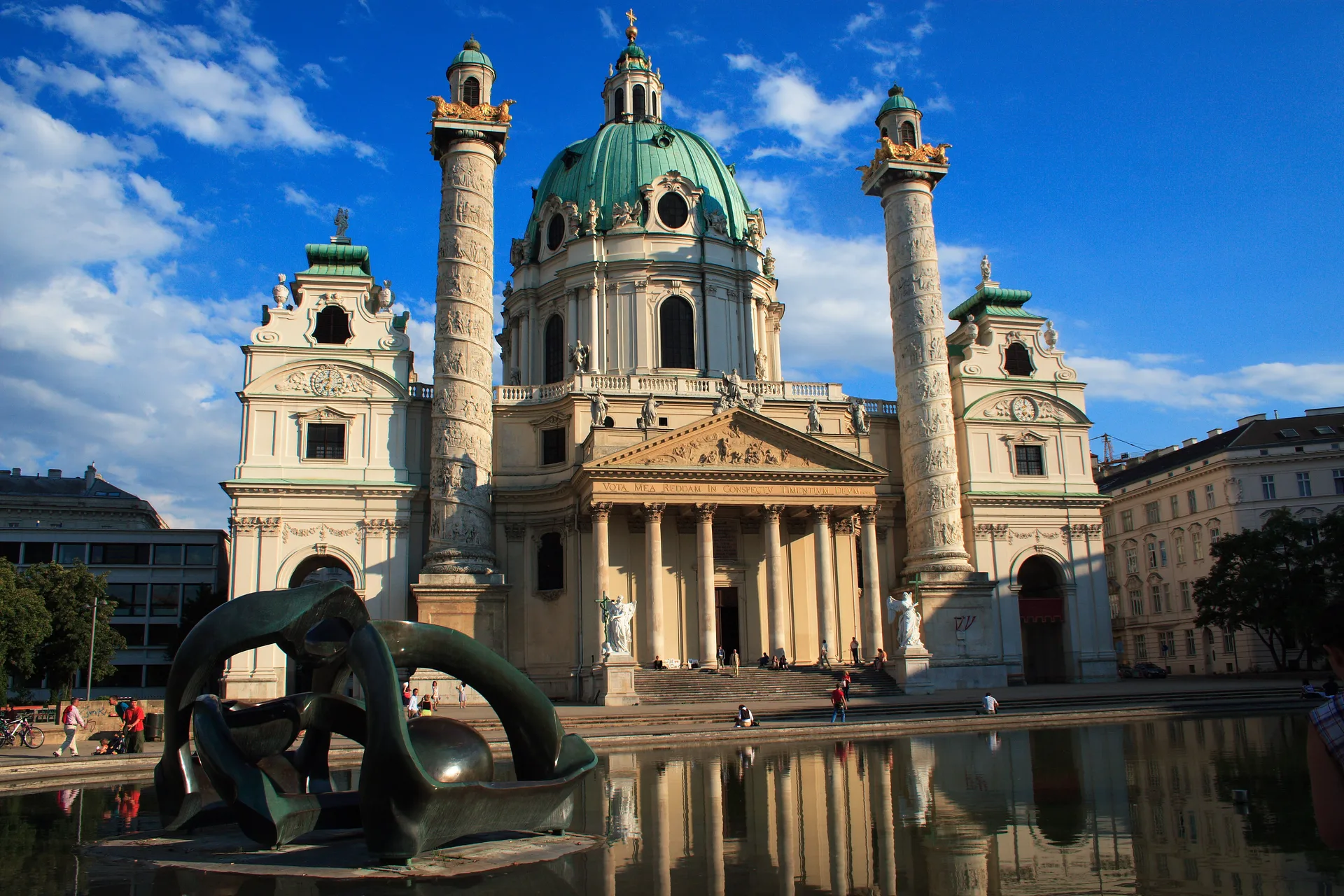
Karlskirche (St. Charles's Church)
Vienna's greatest Baroque church, built as a plague-vow monument — a glass panorama lift takes you up to eye level with the ceiling frescoes 32 metres overhead.
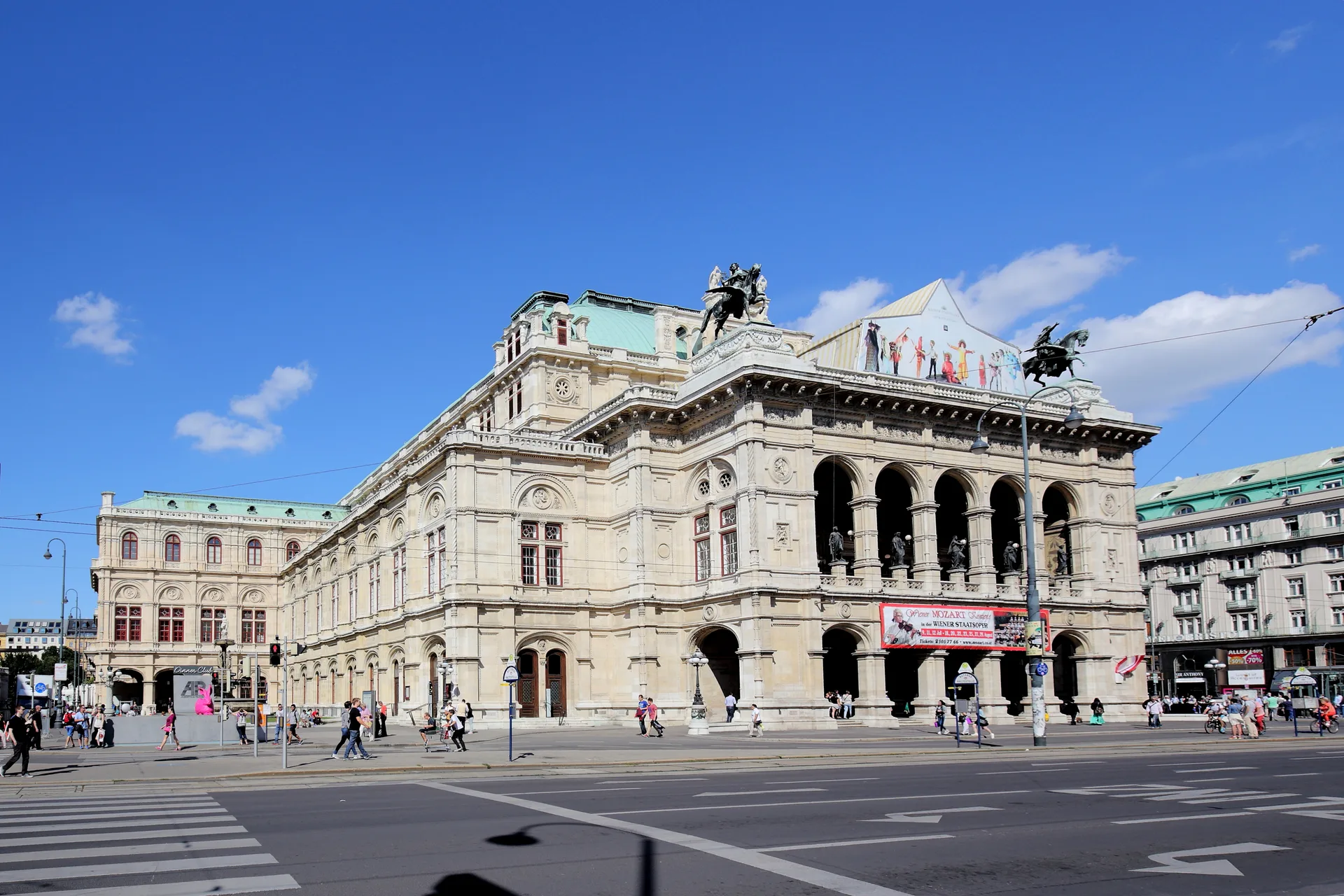
Vienna State Opera (Wiener Staatsoper)
One of the world's leading opera houses — a different production nearly every night of its roughly 300-show season, and standing-room tickets from a few euros for those who plan ahead.
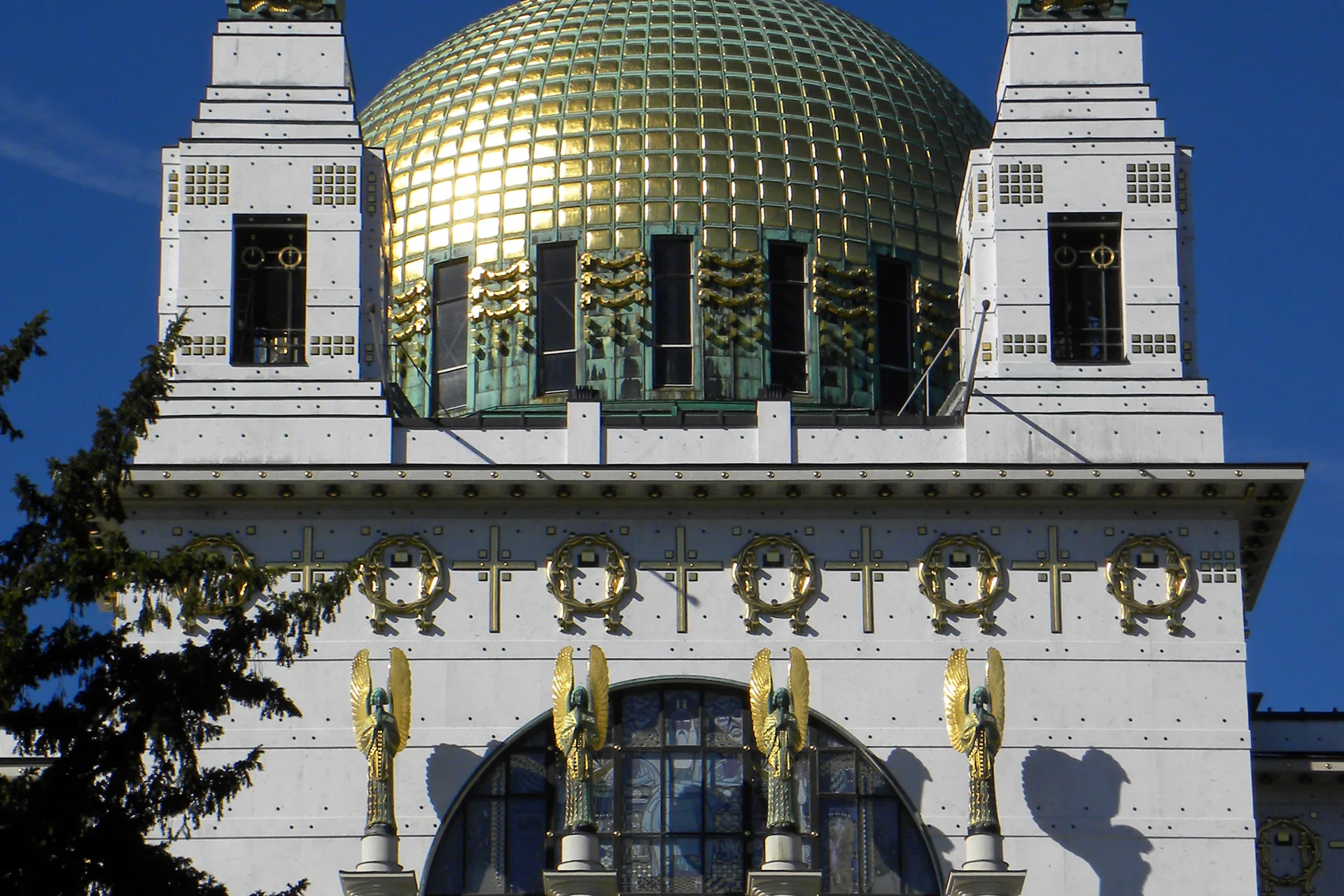
Kirche am Steinhof (Otto Wagner Church)
Otto Wagner's Art Nouveau masterpiece, built for a psychiatric hospital in 1907 — gold-domed, sensitively designed for patients, and widely considered the finest Jugendstil church in the world.
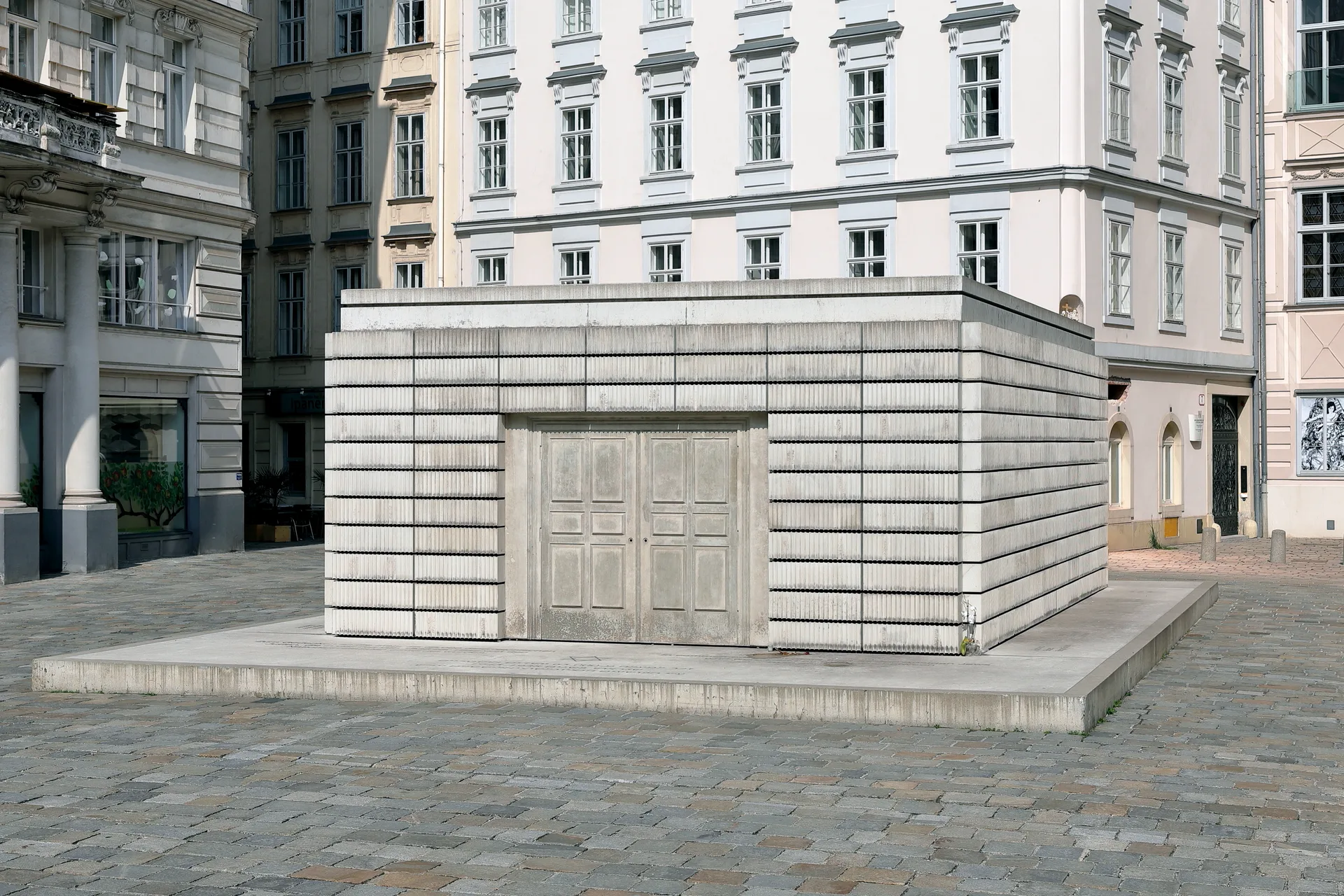
Judenplatz Holocaust Memorial
Rachel Whiteread's 'Nameless Library' — a concrete monument of inside-out book shelves on a quiet square, commemorating 65,000 Austrian Jews murdered in the Holocaust.
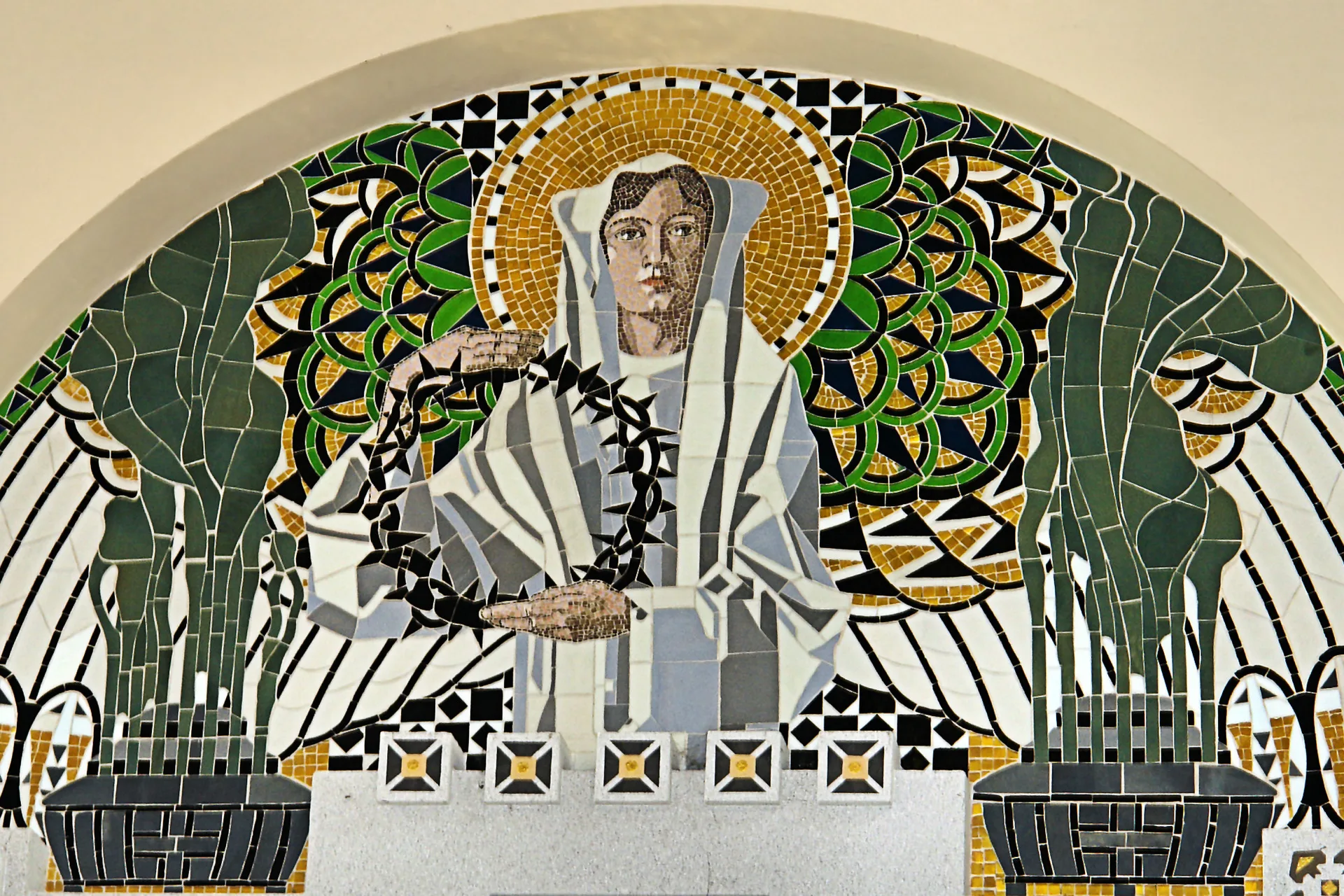
Zentralfriedhof (Vienna Central Cemetery)
One of Europe's largest cemeteries, and the final resting place of Beethoven, Schubert, Brahms and the Strauss family — free, green and surprisingly peaceful.
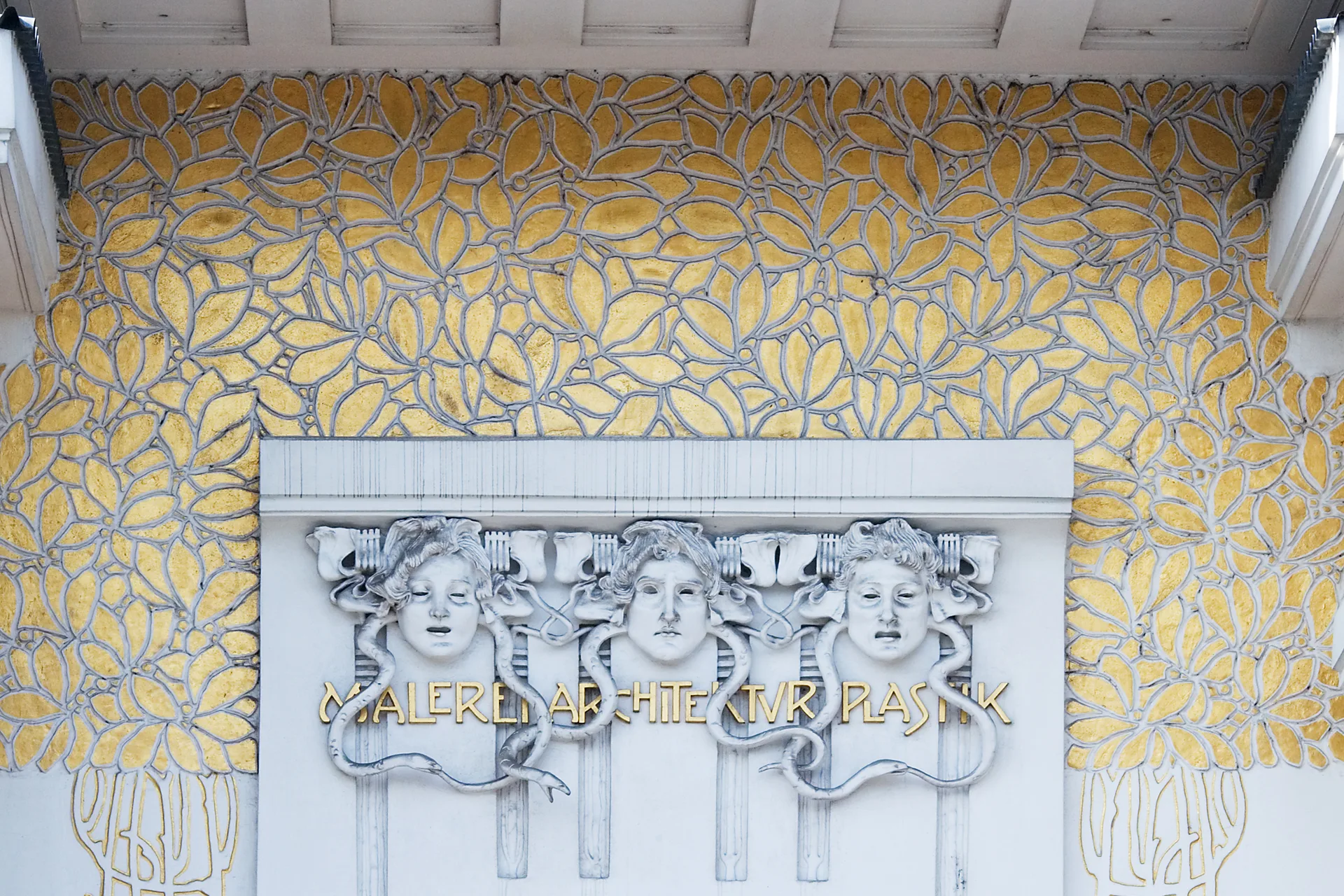
Secession Building
The 1898 exhibition hall built by rebel artists including Klimt, crowned with a gilded dome of laurel leaves — still home to Klimt's Beethoven Frieze in its basement.
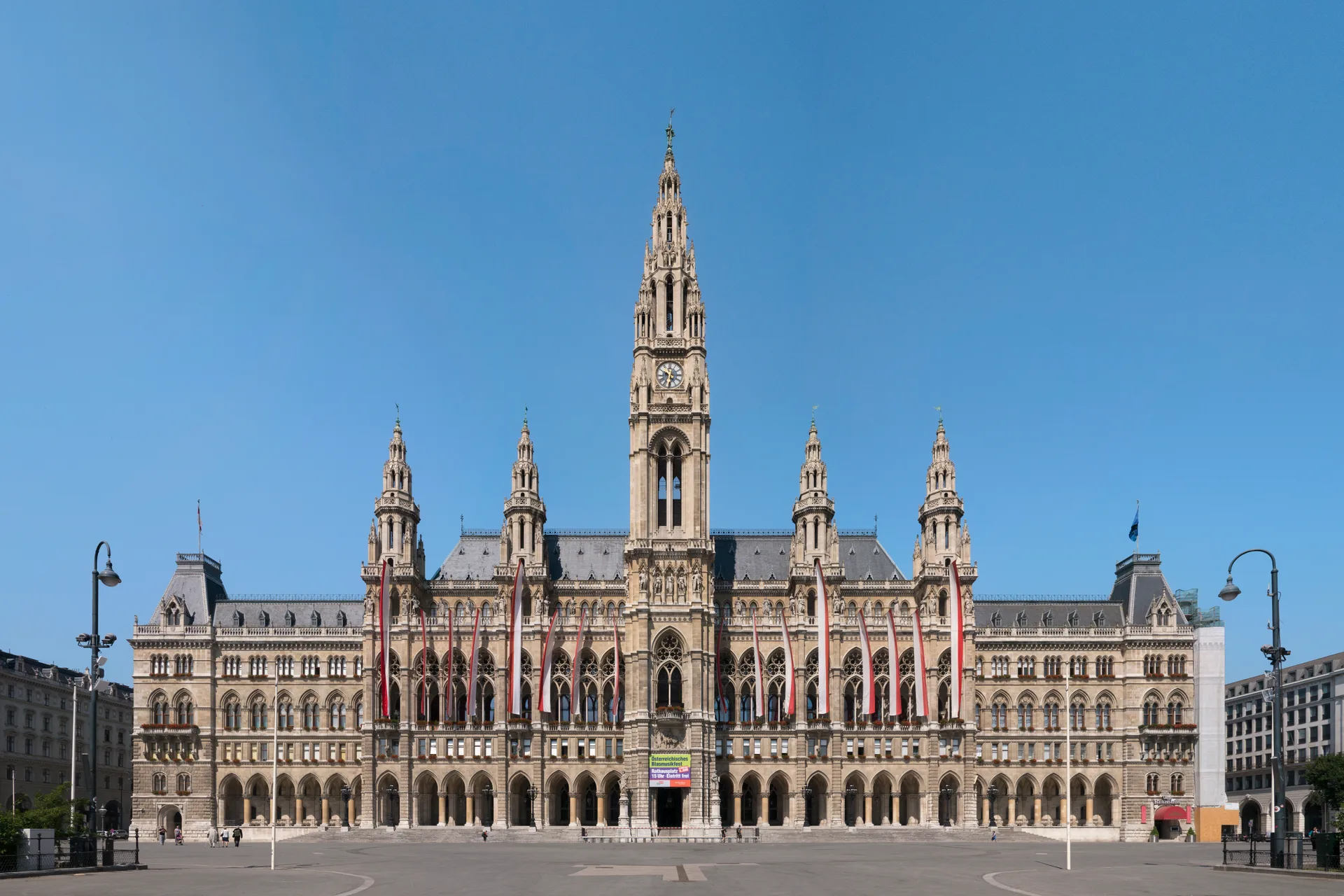
Vienna City Hall (Rathaus)
A vast neo-Gothic town hall on the Ringstrasse, its square hosting Vienna's Christmas market, summer film festival and ice-skating rink through the year — free guided tours three days a week.
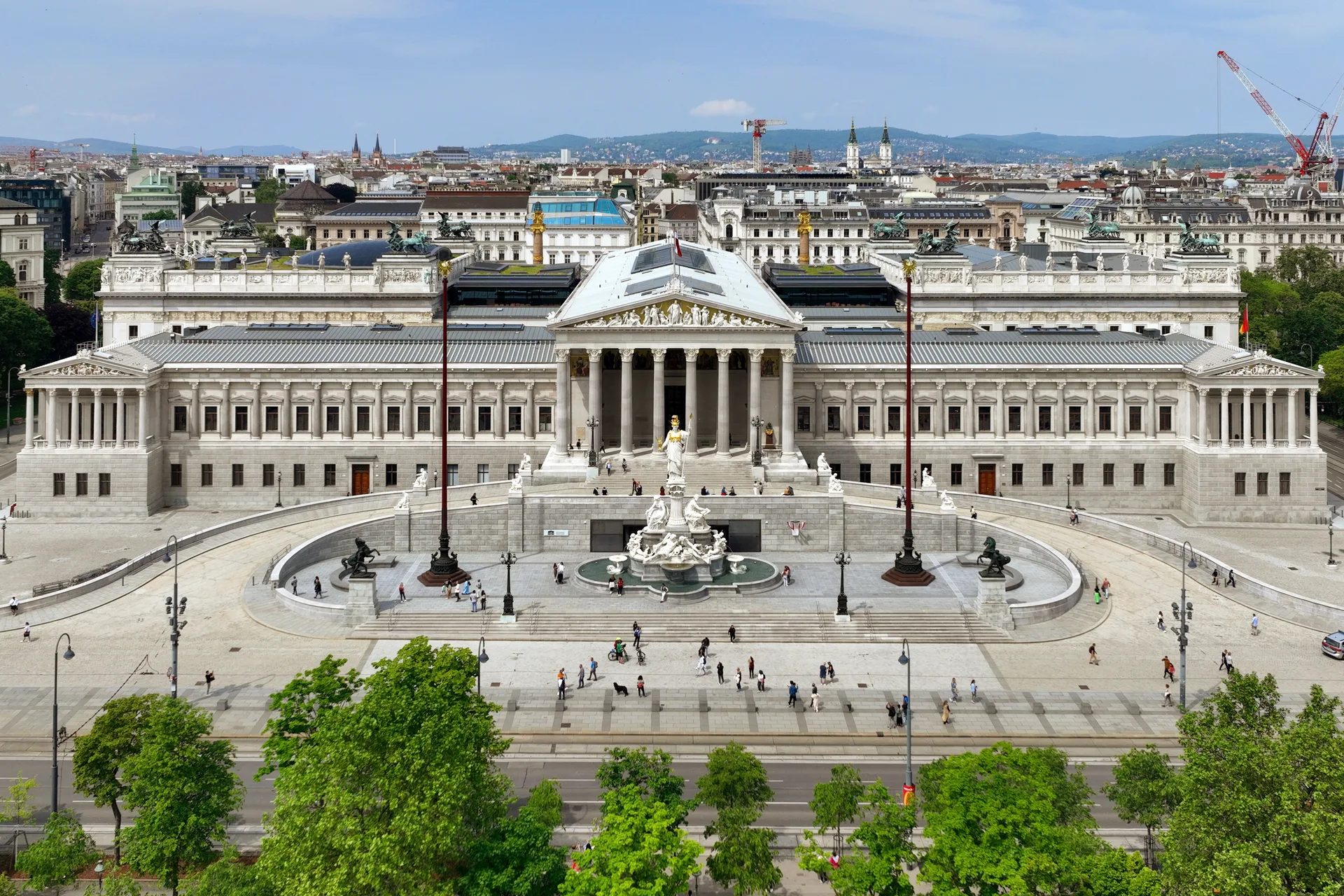
Austrian Parliament Building
A Greek-revival temple to democracy on the Ringstrasse, guarded by a monumental Athena fountain — free guided tours through the recently renovated interior.
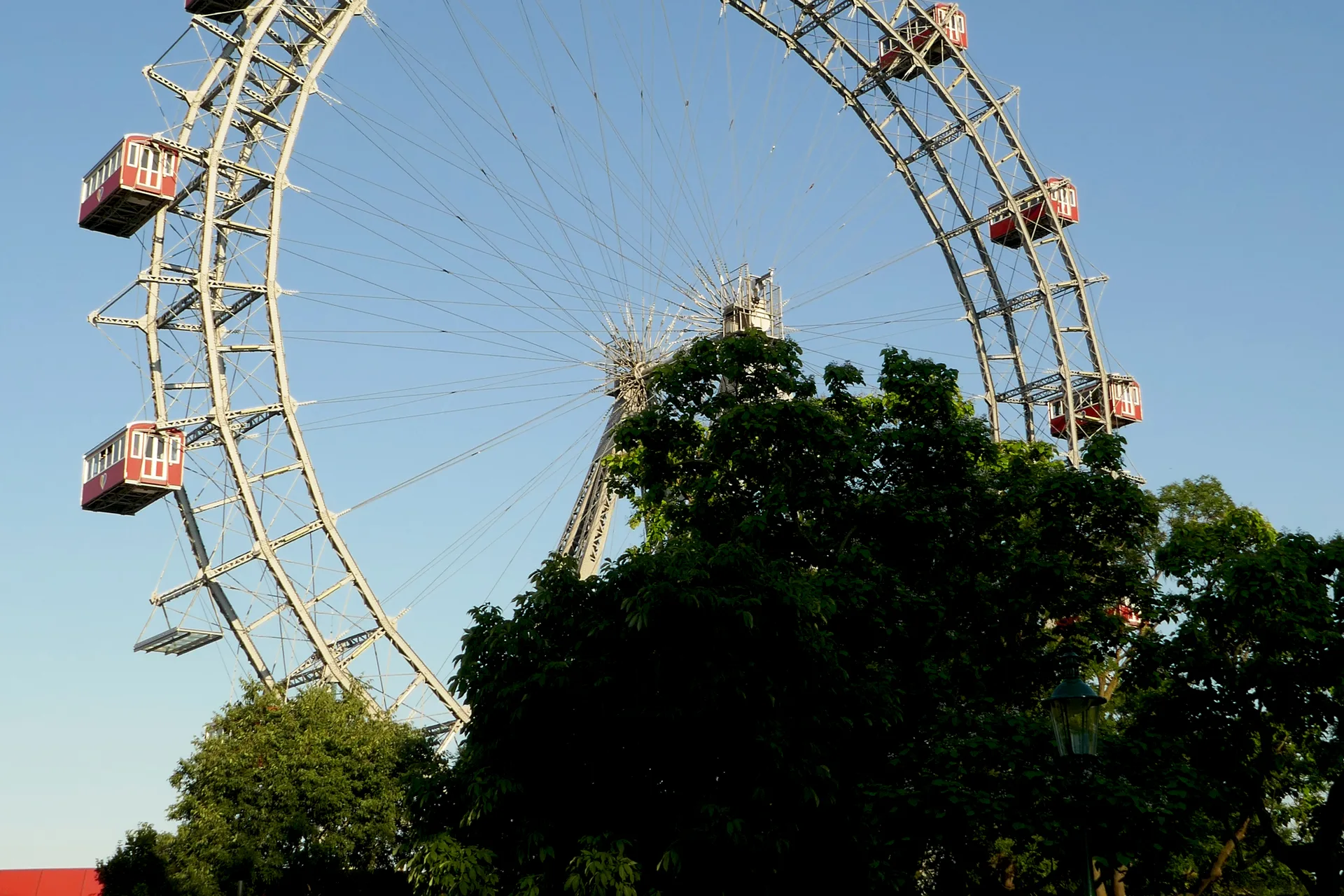
Riesenrad (Giant Ferris Wheel)
The 1897 Ferris wheel at the entrance to the Prater — a Vienna icon, a Third Man film location, and still one of the most recognisable landmarks in the city skyline.
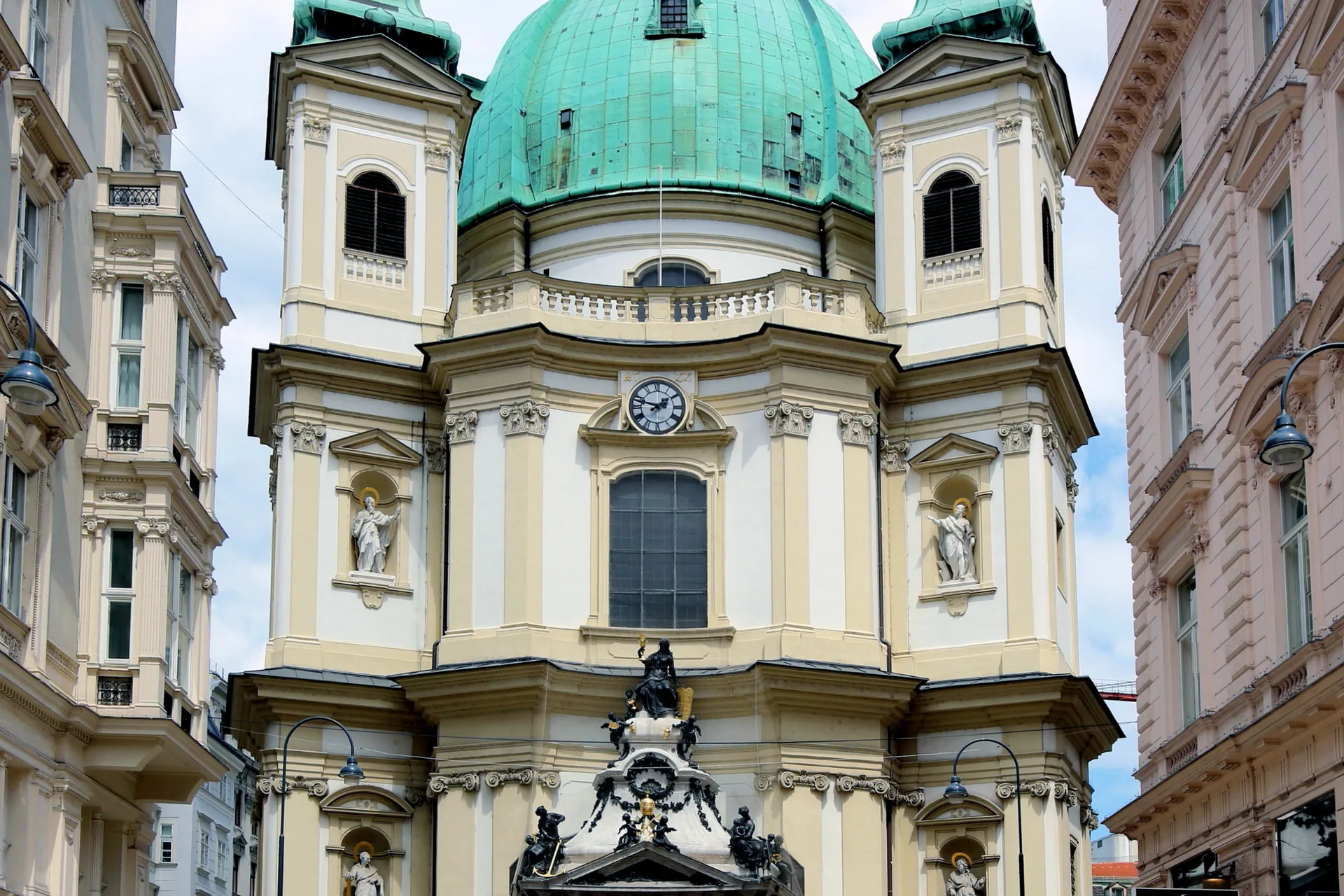
Peterskirche (St. Peter's Church)
A jewel-box Baroque church tucked just off the Graben — free, ornate, and one of Vienna's oldest Christian sites, with regular free organ concerts.
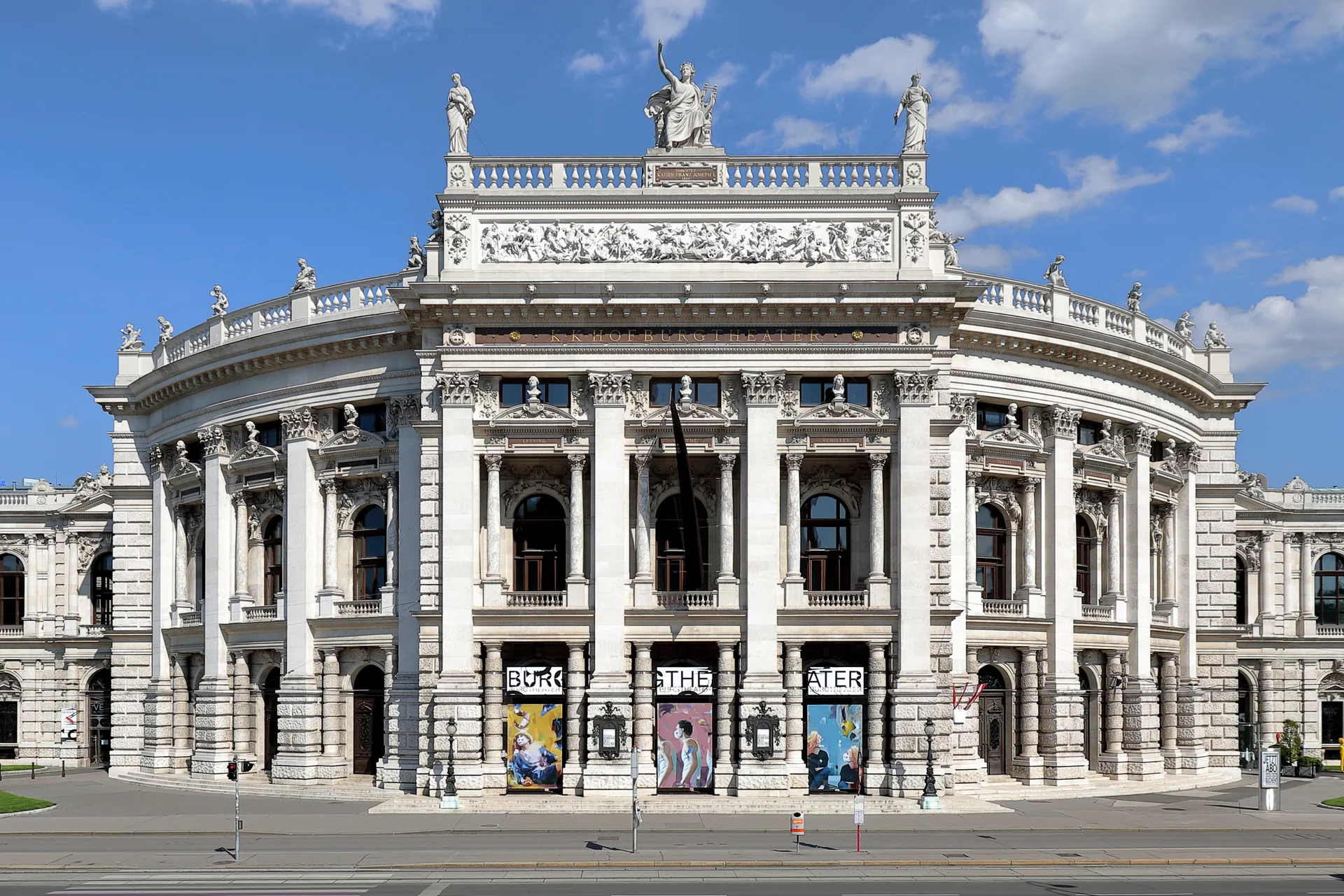
Burgtheater
Austria's national theatre and one of the German-speaking world's most prestigious stages — a grand Ringstrasse building with Klimt ceiling paintings above its staircases.
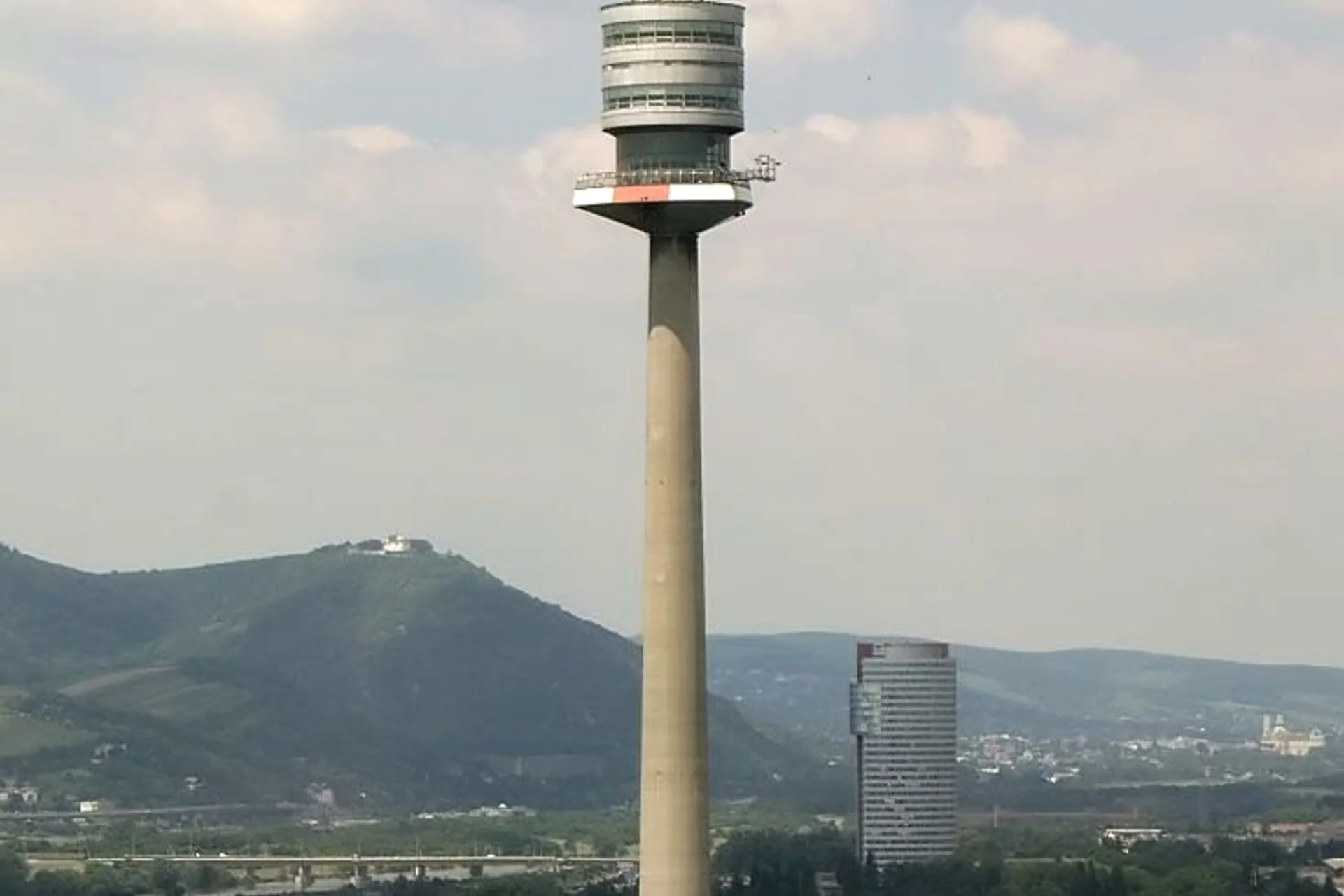
Danube Tower (Donauturm)
Austria's tallest structure at 252 metres — two viewing decks, a revolving restaurant and a 40-metre outdoor slide spiralling down from near the top.
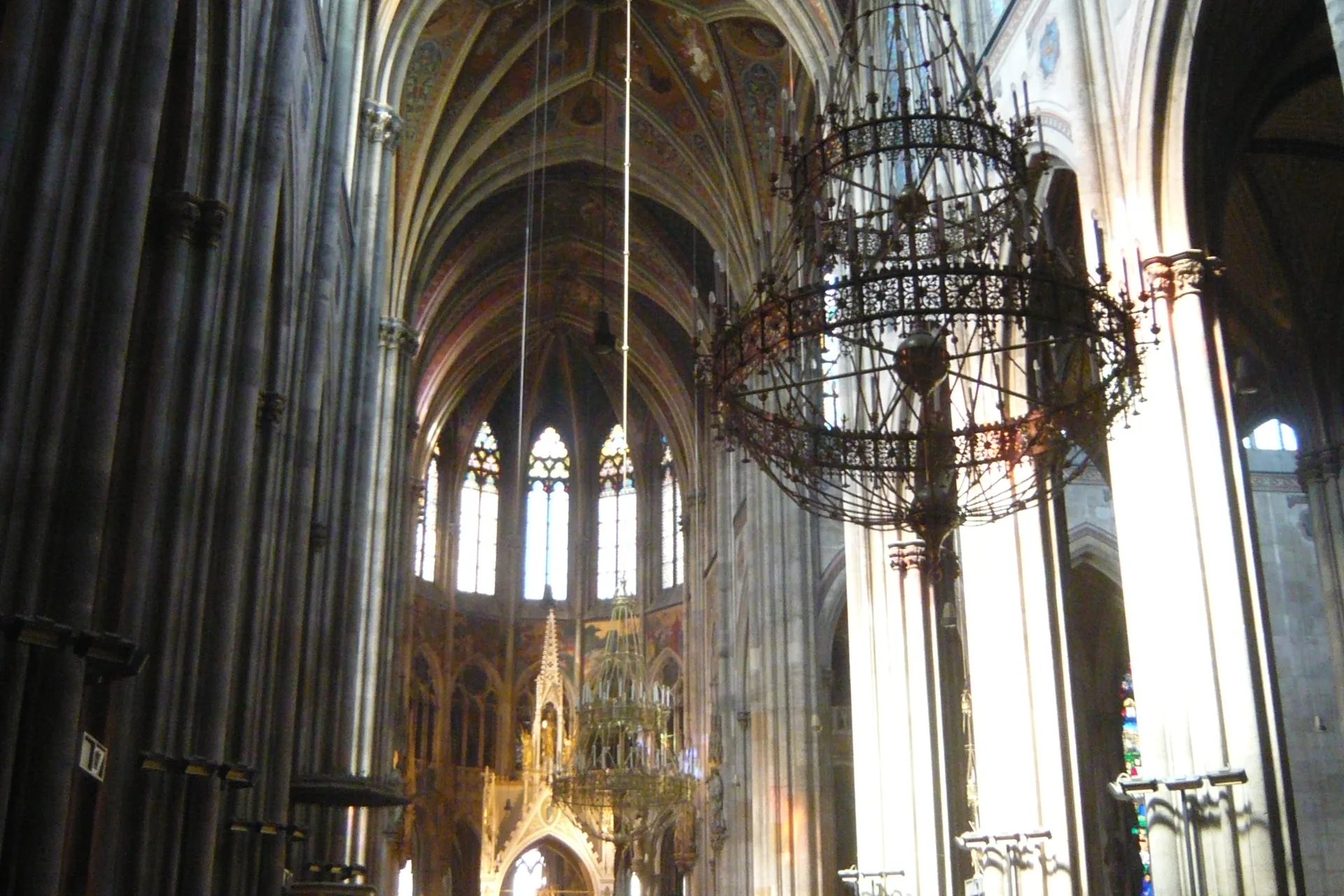
Votivkirche
A soaring neo-Gothic church built to thank God after Emperor Franz Joseph survived an assassination attempt — free to enter, with striking stained glass and twin spires visible across the Ringstrasse.
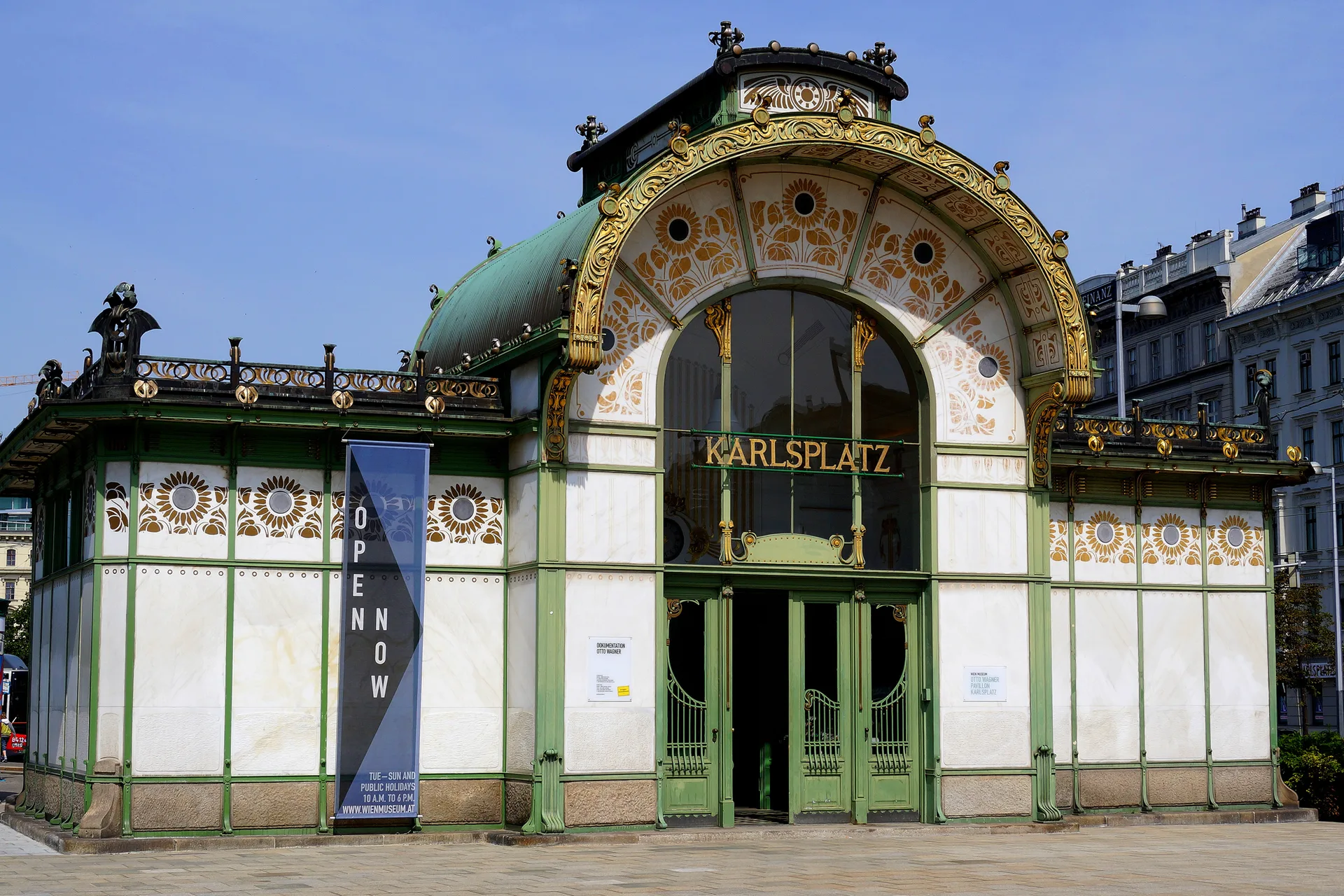
Karlsplatz Stadtbahn Pavilions
Otto Wagner's twin Art Nouveau railway pavilions on Karlsplatz — one now a small museum on Wagner himself, the other a working café, both textbook Jugendstil design.
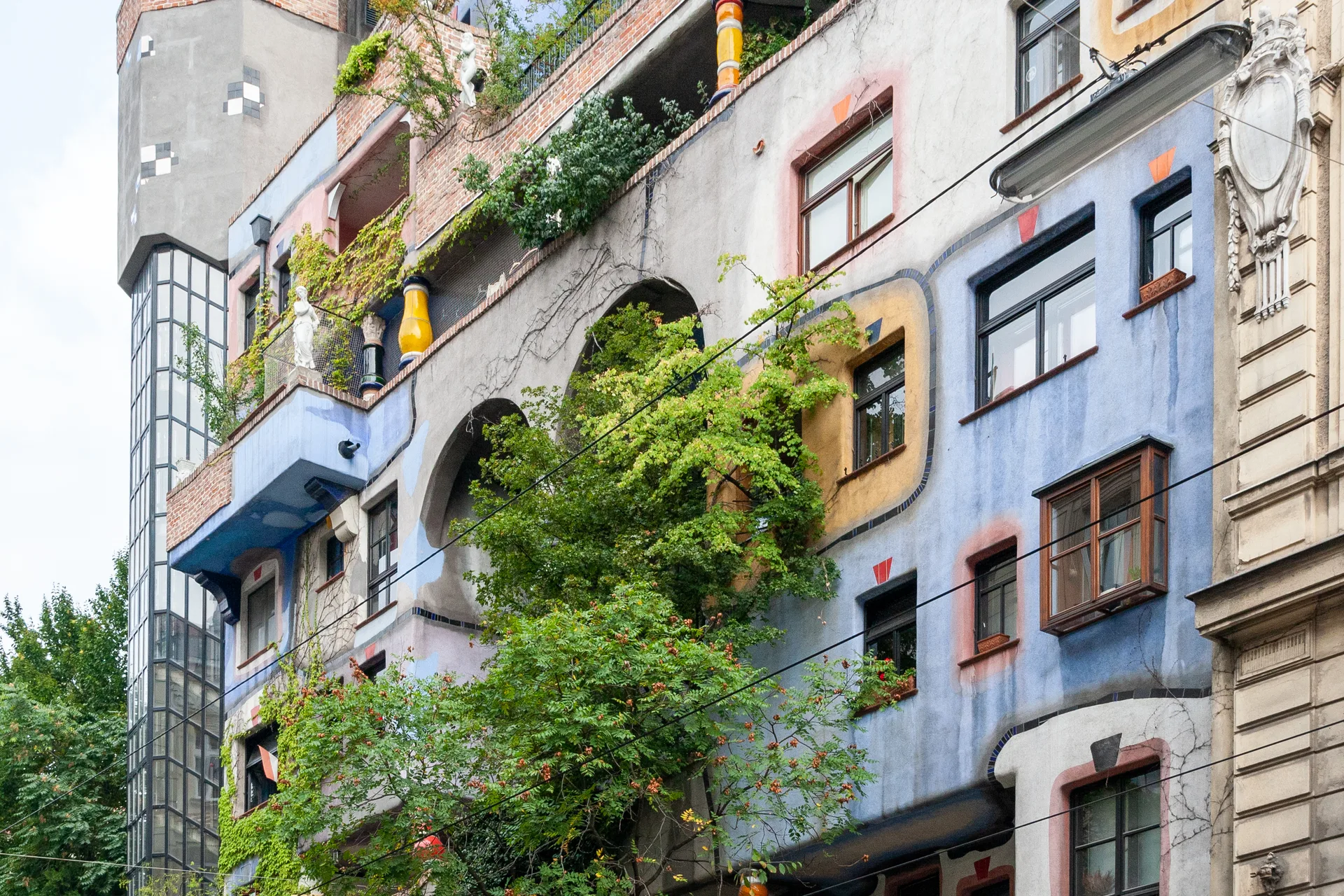
Hundertwasserhaus
A working apartment block redesigned by artist Friedensreich Hundertwasser — uneven floors, irregular windows, rooftop trees and no straight lines, free to view from the street.