
Best for
Design enthusiasts, Secession and Wiener Werkstätte fans
Time needed
1.5–2 hours
Worth it?
Yes for design lovers — a world-class collection with far fewer crowds
Skip if
You're visiting in August, when it's closed, or design/decorative arts don't interest you
About MAK — Museum of Applied Arts
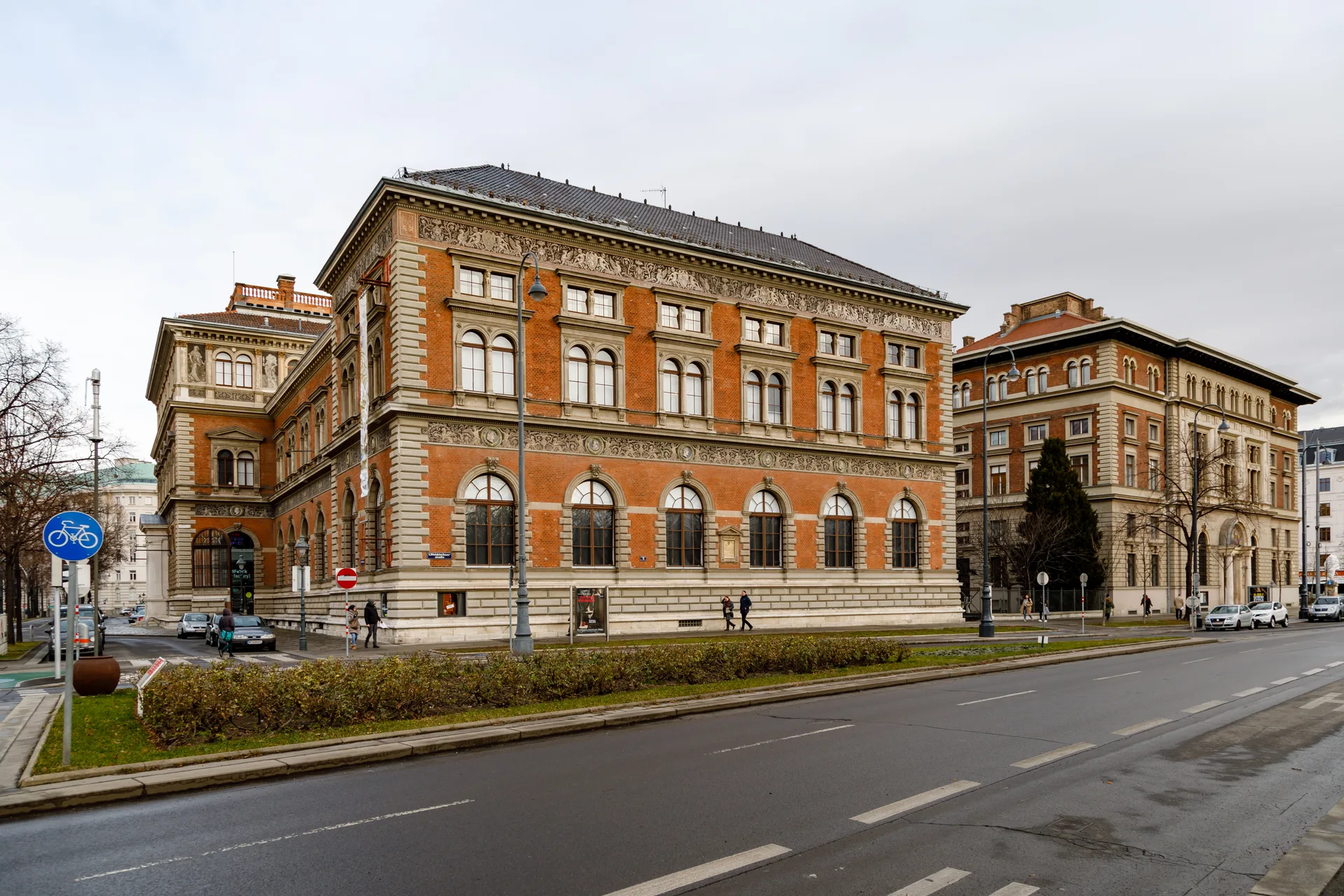
The MAK — Museum für angewandte Kunst — was founded in 1863 as a museum of arts and crafts and design education, one of the earliest institutions of its kind in Europe, and moved into its current Italian Renaissance-style building on the Ringstrasse-adjacent Stubenring in 1871. The architect, Heinrich von Ferstel, also designed the Votivkirche, and the building's grand exhibition halls were purpose-built to display decorative arts alongside natural light and space more typical of a painting gallery.
The permanent collection is exceptionally strong on the Vienna Secession and Wiener Werkstätte design movements — furniture, glass, textiles and applied design from the same circle of artists as Klimt and the Secession Building — alongside historic Asian art, carpets and a design library. Since 2004 the building's facade has been permanently illuminated after dark by "MAKlite," a coloured light installation by the American artist James Turrell.
Read the full storyShow less
It's a design-focused counterpart to Vienna's painting-heavy museums, and tends to draw a smaller, more design-literate crowd than the Kunsthistorisches Museum or Belvedere — a genuine advantage for visitors who want to see world-class objects without the queues.
What to See: Highlights
- 1Deep Vienna Secession and Wiener Werkstätte design collection
- 2James Turrell's 'MAKlite' facade light installation, illuminated nightly
- 3Historic Asian art and carpet collections
- 4Grand 19th-century Ferstel-designed exhibition halls
- 5Rotating contemporary design exhibitions
Skip the Queue — Book Tickets Online
Same admission, instant confirmation. Compare prices across platforms.
Affiliate disclosure — we may earn a commission at no extra cost to you.
Insider Tips
Check opening months — the museum closes entirely in August
See the illuminated facade after dark for the full MAKlite effect
Quieter than Vienna's headline art museums — a good escape from crowds
Pairs well with the Secession Building for a full Vienna design/Secession day
The on-site MAK café is well regarded in its own right
Book a Guided Tour
Get the most from your visit with a local expert guide.
Affiliate disclosure — we may earn a commission at no extra cost to you.
Getting There
Stubenring 5, 1010 Wien
Open in Google Maps →- 1U-Bahn U3 or U4 to Landstraße/Wien Mitte, or U1, U4 to Schwedenplatz, both a short walk. Tram 1, 2 to Stubentor.
Where to stay
Hotels in Vienna
Compare prices across hundreds of hotels near this attraction — from budget hostels to luxury stays. Free cancellation on most rooms.
Affiliate disclosure — we may earn a commission at no extra cost to you. Powered by Booking.com.
Frequently Asked Questions
Everything you need to know before you visit.
Is MAK — Museum of Applied Arts worth visiting?+−
How long does a visit to MAK — Museum of Applied Arts take?+−
Who is MAK — Museum of Applied Arts best for?+−
Do I need to book tickets in advance for MAK — Museum of Applied Arts?+−
Is MAK — Museum of Applied Arts included with the Vienna city pass?+−
Should You Visit?
Visit if...
- You're interested in Vienna Secession furniture and design
- You want to see James Turrell's MAKlite installation after dark
- You appreciate decorative arts and design history
- You want a quieter alternative to Vienna's busiest museums
Skip if...
- You're visiting in August, when the museum is closed
- Furniture and decorative design don't particularly interest you
- You're prioritising painting-focused museums instead
Ready to Book Your Visit?
More to See in Vienna
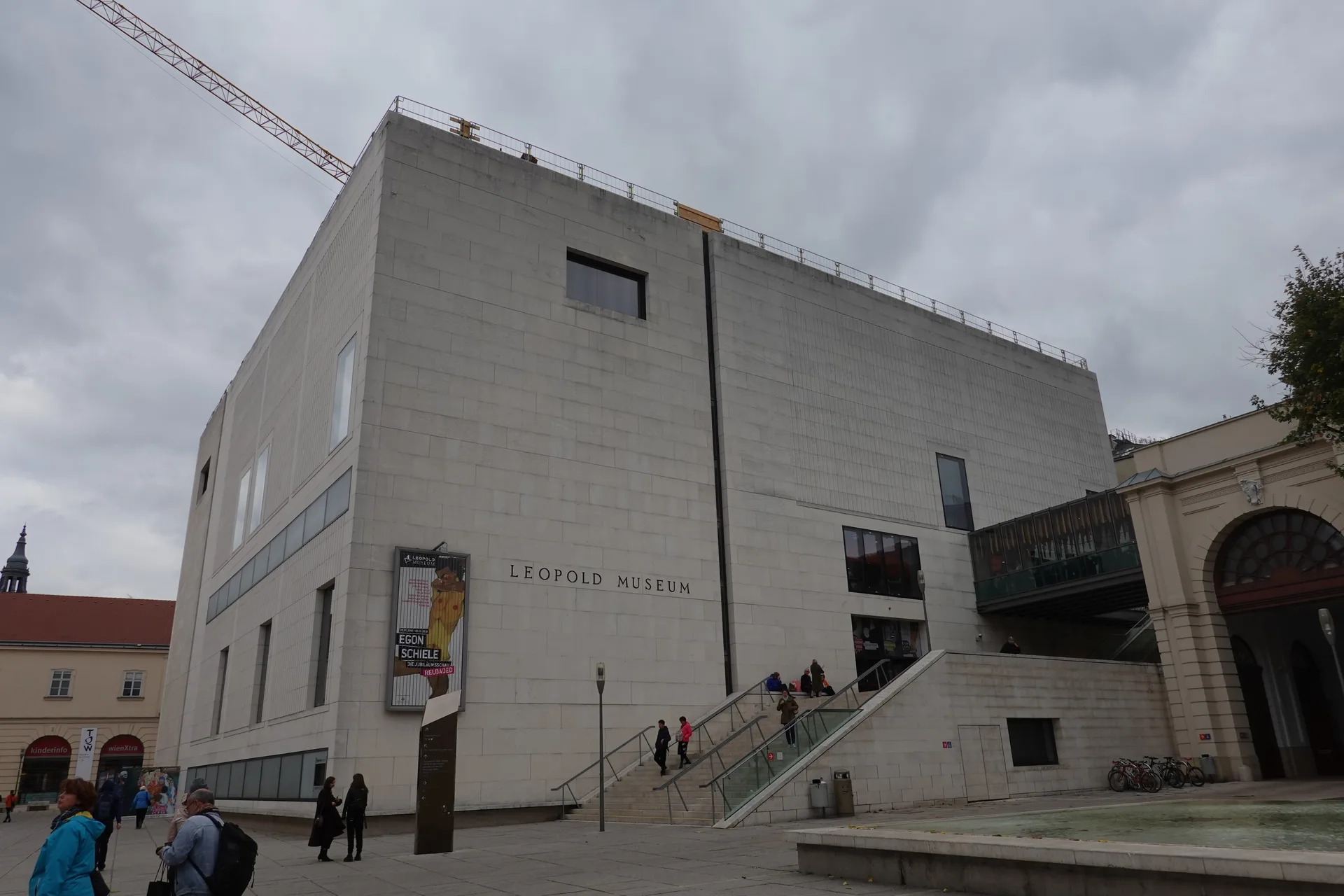
Leopold Museum
The world's largest Egon Schiele collection, plus major Klimt works, inside a stark white cube at the heart of the MuseumsQuartier.
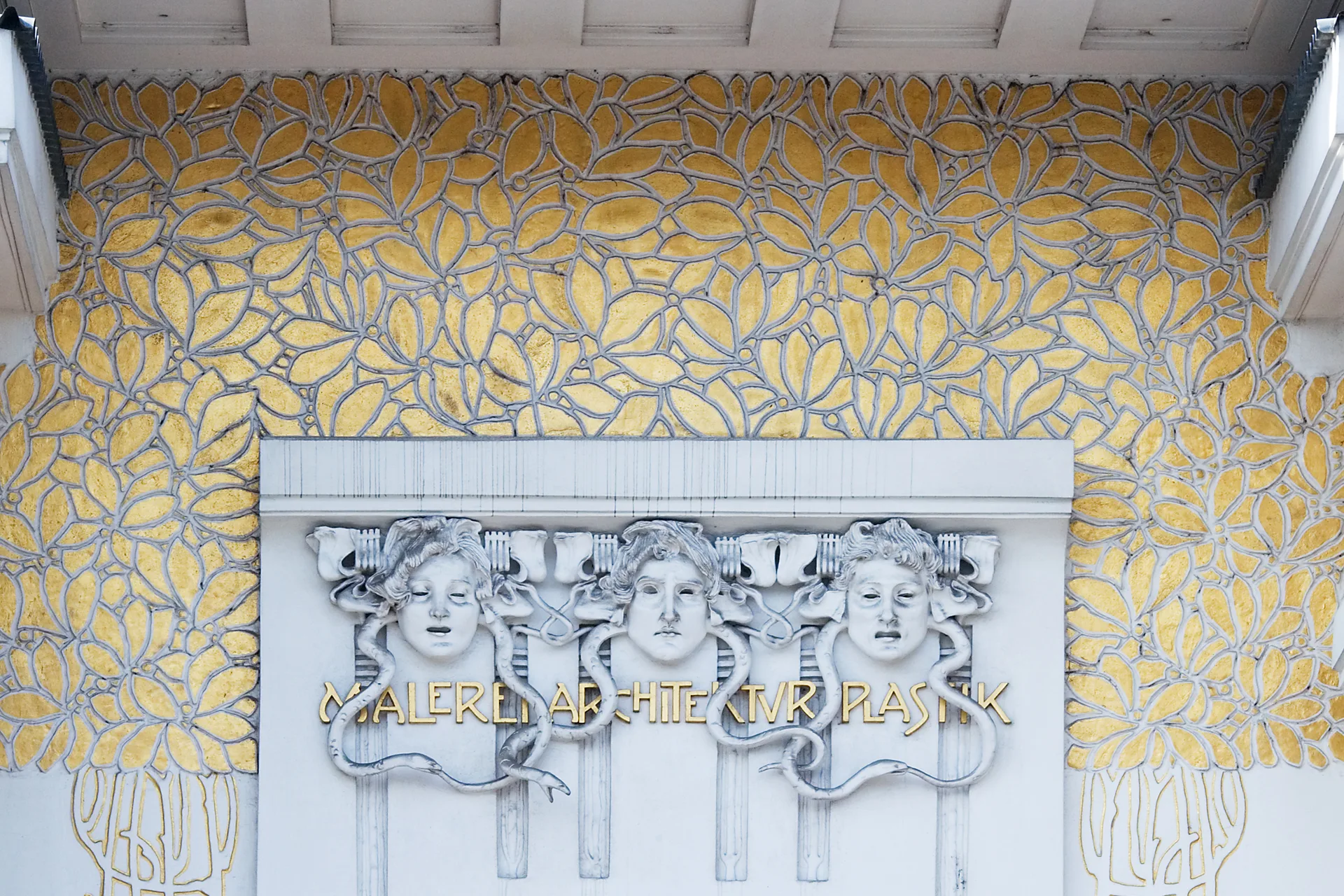
Secession Building
The 1898 exhibition hall built by rebel artists including Klimt, crowned with a gilded dome of laurel leaves — still home to Klimt's Beethoven Frieze in its basement.