
Best for
Anyone walking between the Louvre and Place de la Concorde
Time needed
30–60 minutes
Worth it?
Yes — free, central, and pleasant year-round
Skip if
You have no time between the Louvre and Concorde on this trip
About Jardin des Tuileries
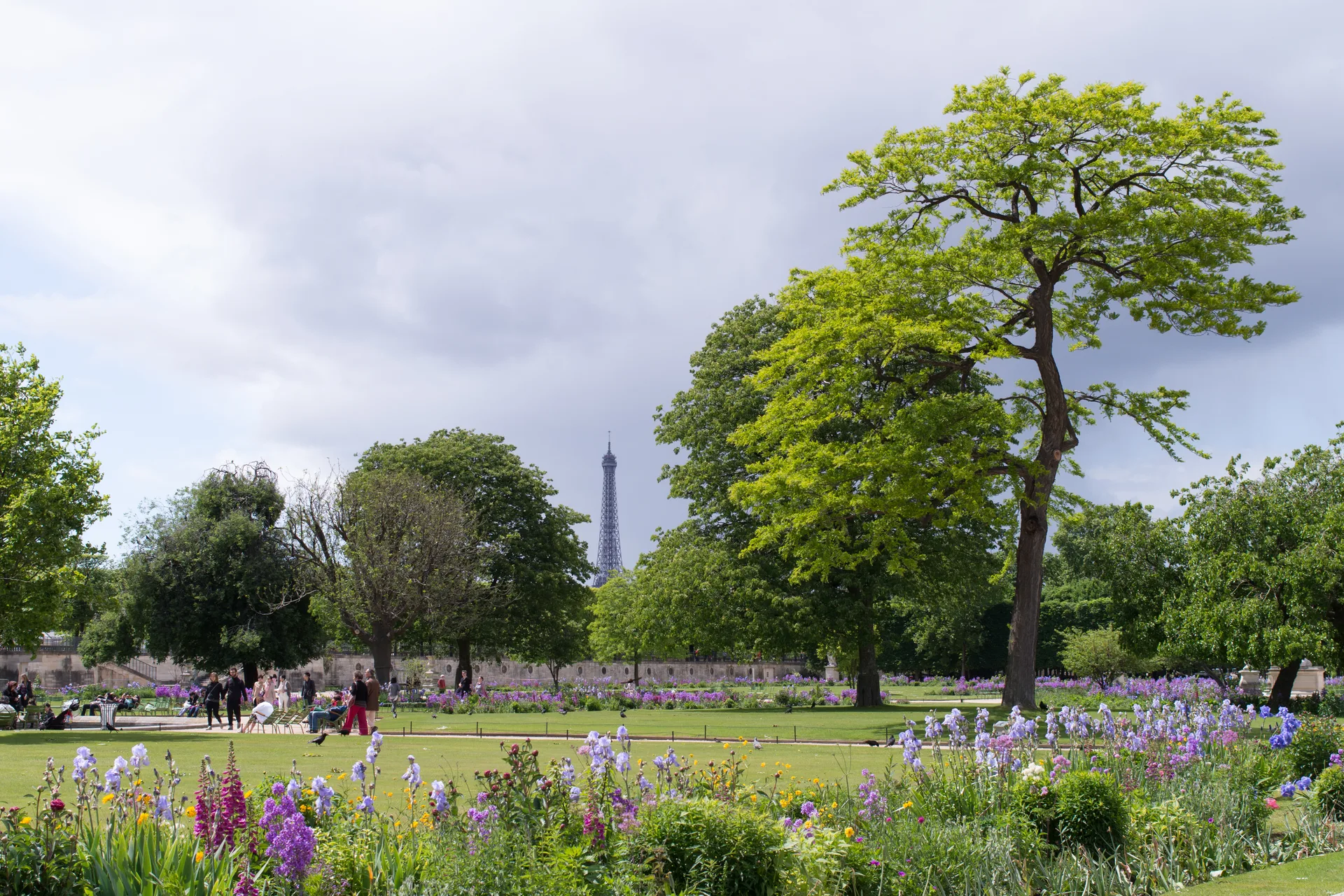
Catherine de' Medici commissioned the original Tuileries Palace and its gardens in 1564, and though the palace itself was burned during the Paris Commune in 1871 and later demolished, the gardens survived and were redesigned in the 1660s by André Le Nôtre — the same landscape architect behind Versailles — into the strict geometric French formal style still visible today, making the Tuileries in many ways the direct ancestor of the more famous royal gardens that followed.
Opened to the public since the 17th century, making it the oldest public garden in Paris, the Tuileries runs roughly a kilometre between the Louvre's Cour Napoléon and Place de la Concorde, with two round ponds, radiating gravel alleys, clipped hedges and rows of chestnut and lime trees offering shade in summer.
Read the full storyShow less
The gardens double as an outdoor sculpture museum: works by Rodin, Maillol and modern pieces by Giacometti and Dubuffet are placed throughout, alongside two small pavilions at the Concorde end — the Musée de l'Orangerie and the Jeu de Paume, a contemporary photography gallery.
A seasonal funfair (Fête des Tuileries) runs in the gardens during summer, and vintage carousel rides and a network of café kiosks make it a comfortable place to pause between the Louvre and Concorde without needing to plan around opening hours, since the gardens are entirely free.
What to See: Highlights
- 1Paris's oldest public garden, laid out by André Le Nôtre in the 1660s
- 2Rodin, Maillol, Giacometti and Dubuffet sculptures displayed throughout
- 3Two round ponds and radiating gravel alleys in classic French formal style
- 4Direct access to the Louvre on one end and Place de la Concorde on the other
- 5A summer funfair (Fête des Tuileries) with a vintage carousel
Insider Tips
It's entirely free and always open during daylight hours — no ticket required
The green metal chairs throughout can be moved anywhere to sit
Combine naturally with a Louvre or Musée de l'Orangerie visit at either end
The summer funfair (if running during your visit) adds rides and food stalls
Shade is limited in the central formal sections — plan around midday heat in summer
Getting There
113 Rue de Rivoli, 75001 Paris
Open in Google Maps →- 1Metro 1 to Tuileries or Concorde, both with direct access into the gardens.
Where to stay
Hotels in Paris
Compare prices across hundreds of hotels near this attraction — from budget hostels to luxury stays. Free cancellation on most rooms.
Affiliate disclosure — we may earn a commission at no extra cost to you. Powered by Booking.com.
Frequently Asked Questions
Everything you need to know before you visit.
Is Jardin des Tuileries worth visiting?+−
How long does a visit to Jardin des Tuileries take?+−
Who is Jardin des Tuileries best for?+−
Do I need to book anything in advance to visit Jardin des Tuileries?+−
Is Jardin des Tuileries included with the Paris city pass?+−
Should You Visit?
Visit if...
- You're walking between the Louvre and Place de la Concorde anyway
- You want to see outdoor Rodin and Giacometti sculptures for free
- You'd like a shaded rest stop mid-sightseeing
- The summer funfair is running during your visit
Skip if...
- Your route doesn't pass through this part of the city
- You're extremely tight on time between other sights
- You've already walked through and have no reason to return
More to See in Paris
Louvre Museum
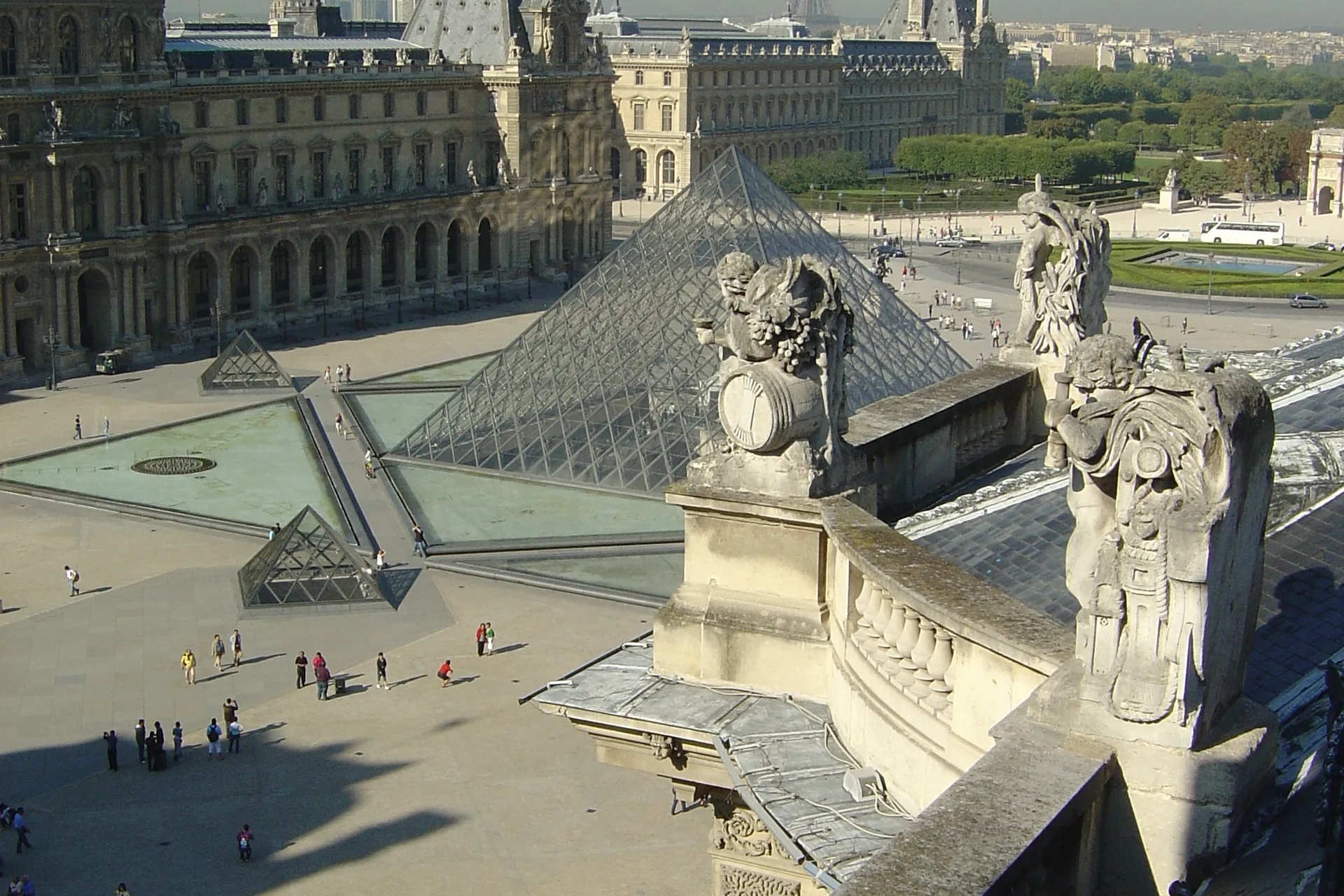
The world's largest and most-visited museum — home to the Mona Lisa, the Venus de Milo and roughly 35,000 other works spread across a former royal palace so big that seeing it all in one visit is genuinely impossible.

Musée de l'Orangerie
A small, single-focus museum in the Tuileries Gardens built to house Claude Monet's eight enormous Water Lilies murals exactly as he wanted them displayed.
Place de la Concorde
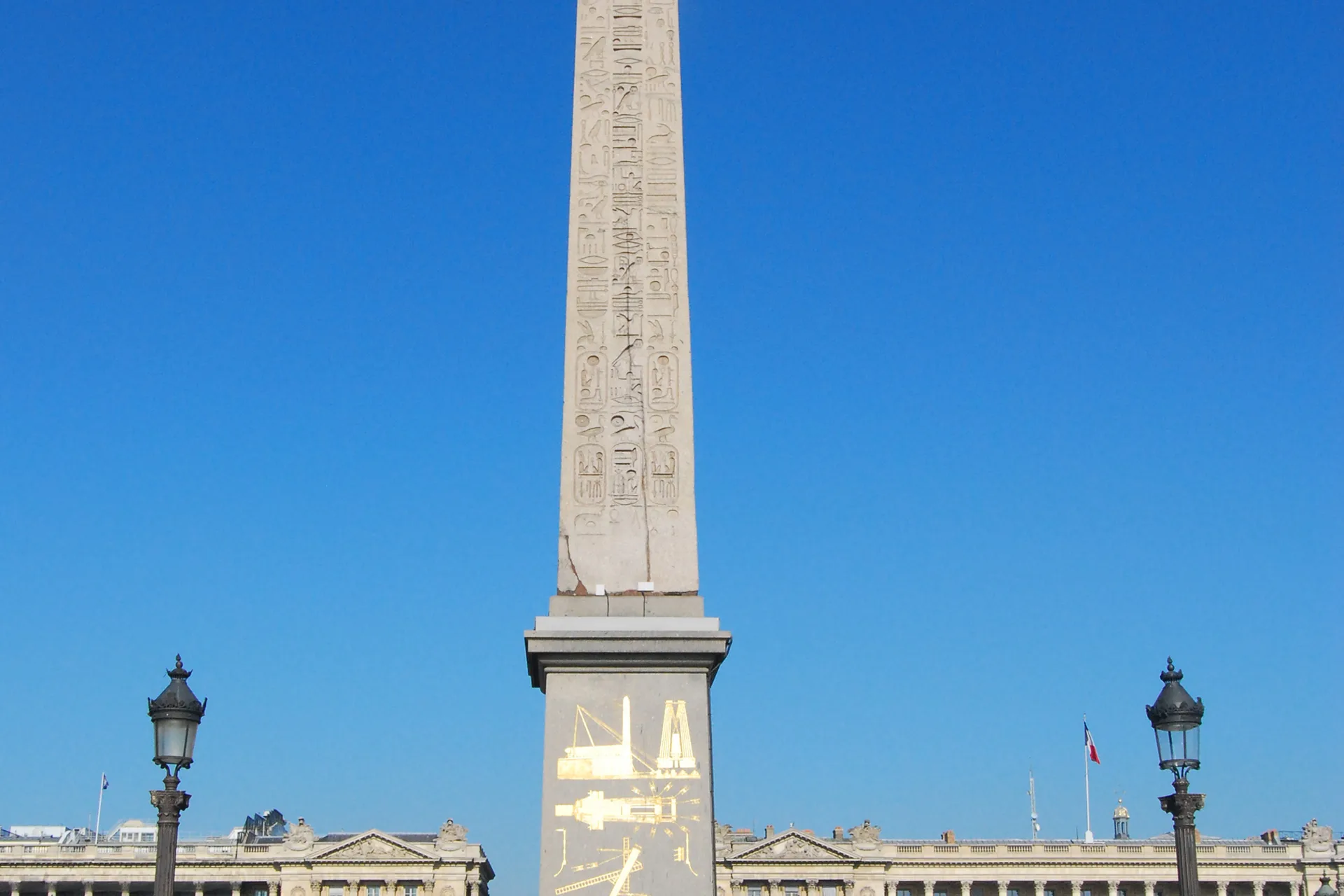
Paris's largest public square, home to a 3,300-year-old Egyptian obelisk and the site of Louis XVI and Marie Antoinette's execution during the Revolution.