
Best for
Anyone walking between the Champs-Élysées and Tuileries Gardens
Time needed
15–30 minutes
Worth it?
Yes — free and historically significant
Skip if
You're not passing through this part of the city
About Place de la Concorde
Designed in 1763 by architect Jacques-Ange Gabriel to honour King Louis XV, the square originally held an equestrian statue of the king before the Revolution swept that away and replaced it with a guillotine. Renamed Place de la Révolution, it became the primary site of public executions during the Terror, including Louis XVI in January 1793 and Marie Antoinette that October, along with roughly 1,100 others over a two-year span. The current, deliberately conciliatory name — Place de la Concorde, meaning 'harmony' — was adopted in 1795 as the Revolution's violence subsided.
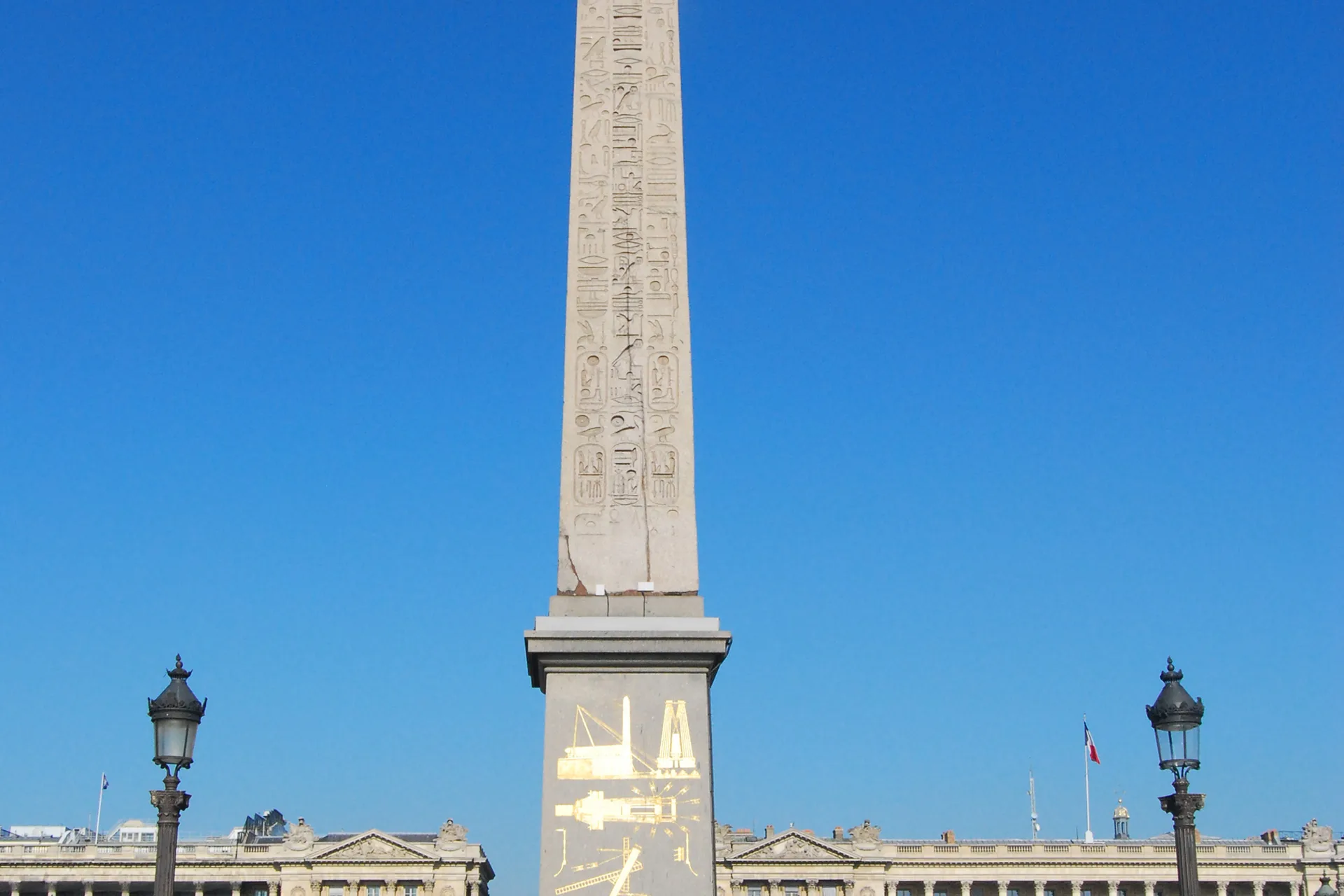
At the square's centre stands the Luxor Obelisk, a genuine 3,300-year-old red granite Egyptian monument gifted to France by Egypt's ruler Muhammad Ali in the 1830s in exchange for a mechanical clock (still, notoriously, non-functional, installed at Cairo's Citadel). Moving the 227-tonne, 22.5-metre obelisk from Luxor to Paris took nearly two years and was a major feat of 19th-century engineering; it was finally raised in front of a huge crowd, including King Louis-Philippe, on 25 October 1836.
Read the full storyShow less
The square sits at a genuinely commanding position: the foot of the Champs-Élysées on one side, the Tuileries Gardens on another, and clear sightlines across the Seine to the Assemblée Nationale and, further off, Sacré-Cœur — one of the great open urban set pieces in European city planning.
Being a major traffic hub as much as a monument, the square is best appreciated on foot with care around the surrounding roads; it's free, open at all times, and works naturally into a walk connecting the Champs-Élysées, Tuileries and Musée de l'Orangerie.
What to See: Highlights
- 1The 3,300-year-old Luxor Obelisk, gifted by Egypt in the 1830s
- 2The site of Louis XVI and Marie Antoinette's execution during the Revolution
- 3Sightlines to the Champs-Élysées, Tuileries, Seine and Assemblée Nationale
- 4Paris's largest public square, designed by Jacques-Ange Gabriel in 1763
- 5Free and open at all times
Insider Tips
Cross carefully — it's one of the busiest traffic circles in Paris
Combine with a walk into the adjoining Tuileries Gardens or up the Champs-Élysées
Sunset lighting on the obelisk and surrounding facades is particularly good
It's free — no need to plan around opening hours or tickets
The Musée de l'Orangerie sits just at the square's western corner
Getting There
Place de la Concorde, 75008 Paris
Open in Google Maps →- 1Metro 1, 8 or 12 to Concorde, right at the square.
Where to stay
Hotels in Paris
Compare prices across hundreds of hotels near this attraction — from budget hostels to luxury stays. Free cancellation on most rooms.
Affiliate disclosure — we may earn a commission at no extra cost to you. Powered by Booking.com.
Frequently Asked Questions
Everything you need to know before you visit.
Is Place de la Concorde worth visiting?+−
How long does a visit to Place de la Concorde take?+−
Who is Place de la Concorde best for?+−
Do I need to book anything in advance to visit Place de la Concorde?+−
Is Place de la Concorde included with the Paris city pass?+−
Should You Visit?
Visit if...
- You're walking between the Champs-Élysées and Tuileries Gardens
- You're interested in Revolutionary-era history
- You want to see the genuine ancient Egyptian obelisk
- You appreciate grand 18th-century urban planning
Skip if...
- You're not in the area and it's not on your route
- Heavy traffic and crossings are unappealing to you
- You've already passed through and have no reason to linger
More to See in Paris
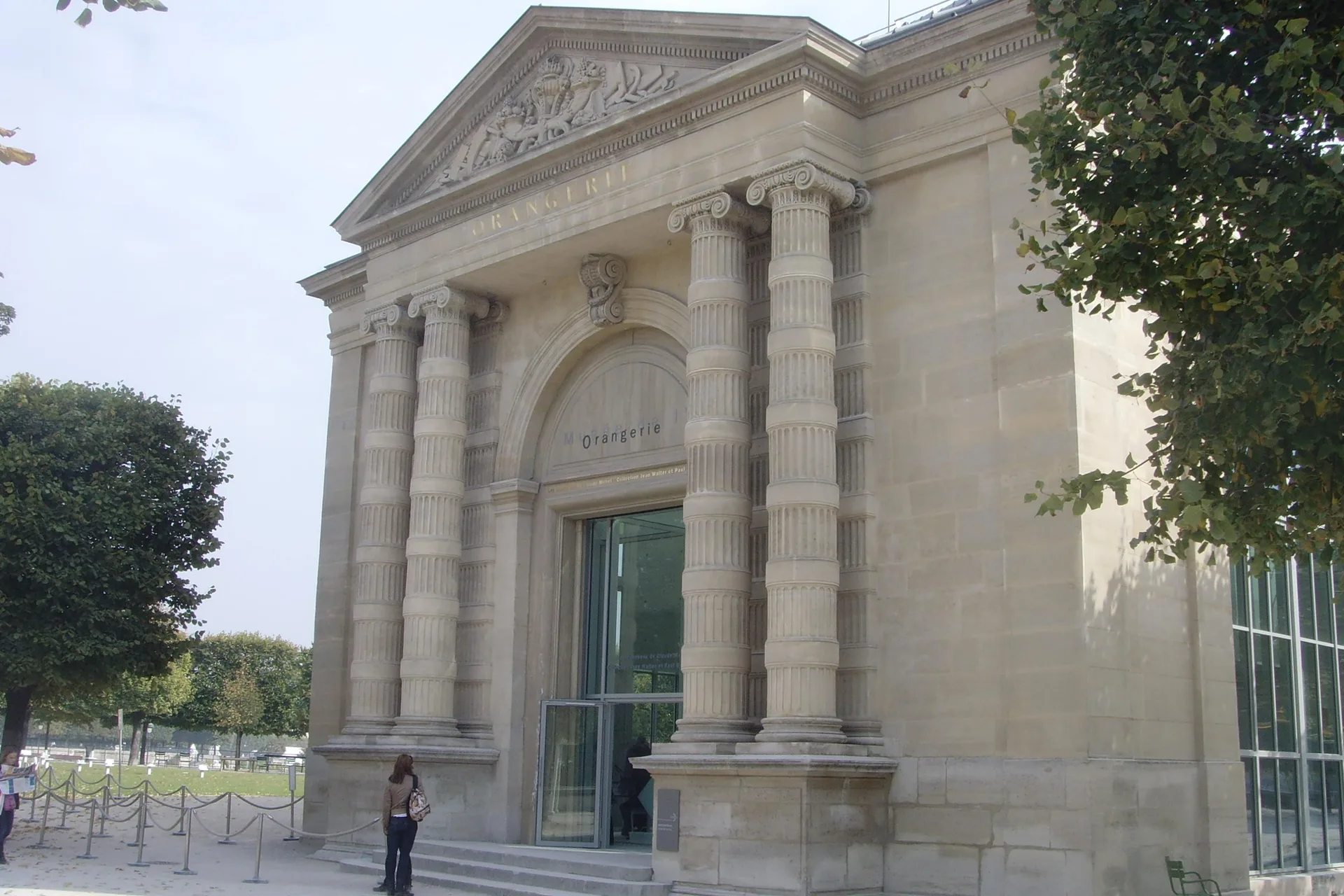
Musée de l'Orangerie
A small, single-focus museum in the Tuileries Gardens built to house Claude Monet's eight enormous Water Lilies murals exactly as he wanted them displayed.
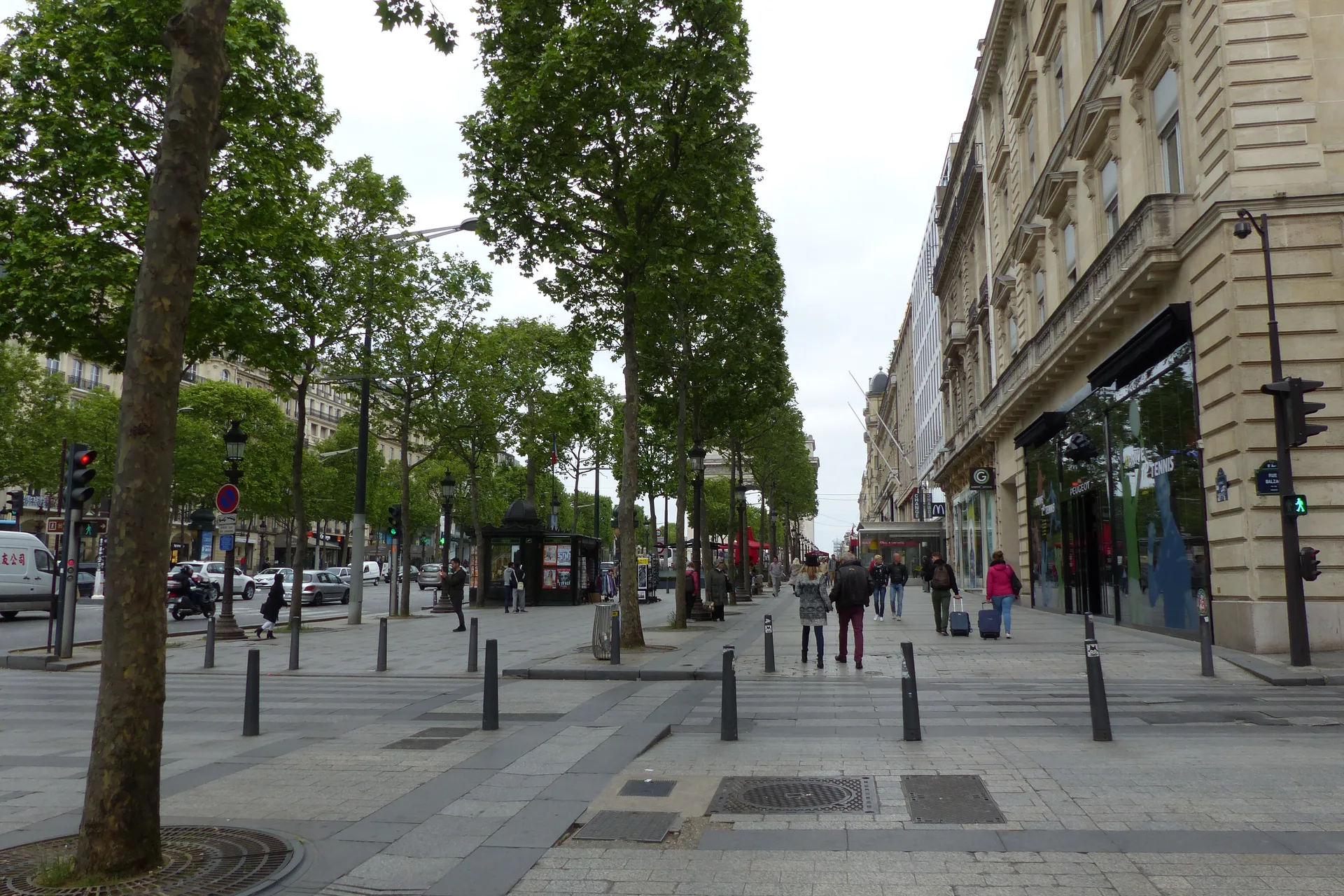
Champs-Élysées
The 1.9-kilometre avenue linking the Arc de Triomphe to Place de la Concorde — Paris's grandest shopping street and one of the world's most famous boulevards.
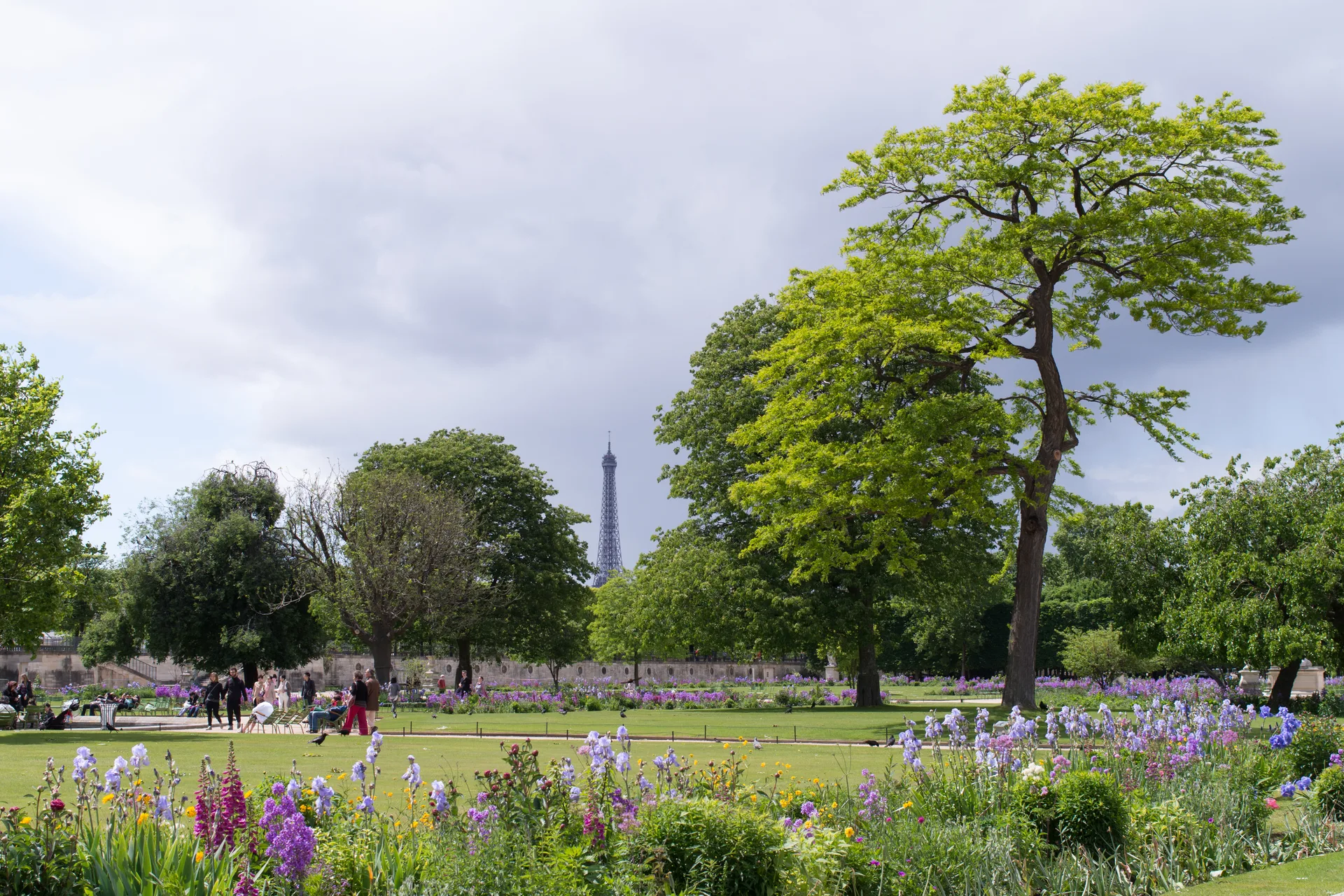
Jardin des Tuileries
Paris's oldest public garden, running between the Louvre and Place de la Concorde, with Rodin and Giacometti sculptures scattered among its formal French landscaping.