
Best for
History-minded travellers, anyone wanting a quiet counterpoint to Notre-Dame's crowds
Time needed
20–40 minutes
Worth it?
Yes — a genuinely powerful, free memorial most visitors walk right past
Skip if
You're not comfortable with Holocaust-related memorial content, or travelling with very young children
About Mémorial des Martyrs de la Déportation
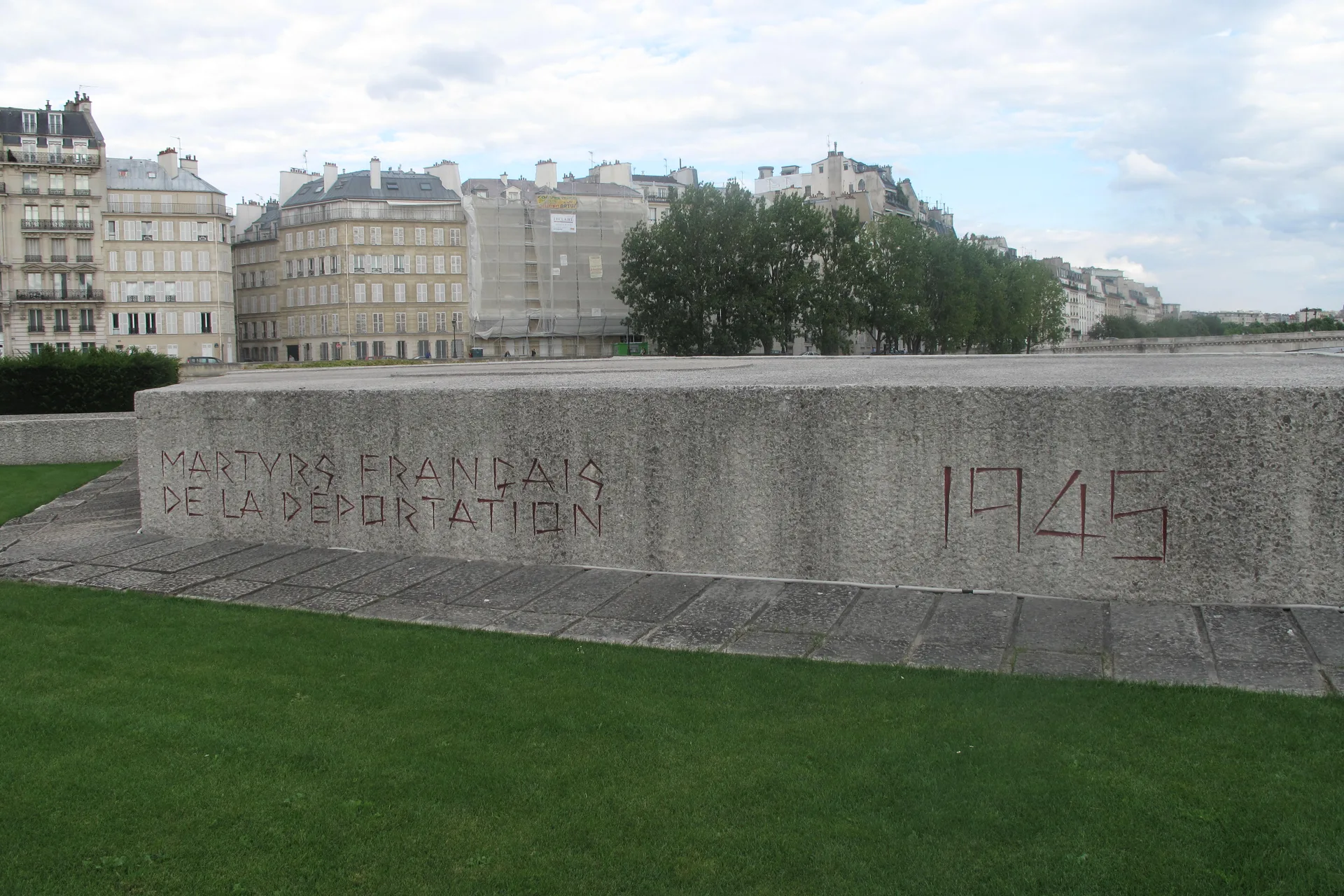
Tucked into the Square de l'Île-de-France at the far eastern point of Île de la Cité, directly behind Notre-Dame, this memorial is easy to miss entirely — its entrance is a narrow stairway descending below ground level, giving no hint from street level of what lies beneath. That's deliberate: architect Georges-Henri Pingusson designed the memorial, inaugurated by Charles de Gaulle in 1962, to physically enact the experience of imprisonment and deportation rather than simply commemorate it from a respectful distance.
Visitors descend a narrow staircase into a small courtyard enclosed by high walls, then pass through a barred, cell-like opening into the memorial's central crypt: a long, dimly lit corridor lined on both sides with 200,000 backlit glass crystals, one for each French deportee who died in Nazi concentration camps during WWII, extending into darkness at both ends to suggest a number too large to fully grasp.
Read the full storyShow less
Inscriptions throughout draw on real deportee accounts and literary texts addressing the experience of the camps, and an eternal flame burns over the tomb of an unknown deportee at the crypt's centre.
The memorial's Brutalist starkness and physical design are intentionally disorienting rather than comforting, and it rewards a slow, quiet visit — it draws only a fraction of the crowds passing Notre-Dame just steps away, making it one of the more overlooked but genuinely powerful sites in central Paris.
What to See: Highlights
- 1200,000 backlit glass crystals, one for each French WWII deportee who died in the camps
- 2Deliberately disorienting Brutalist architecture by Georges-Henri Pingusson
- 3An eternal flame over the tomb of an unknown deportee
- 4Inscriptions drawn from real deportee accounts and literary texts
- 5A quiet, overlooked site steps from Notre-Dame's crowds
Insider Tips
It's free, but easy to miss — look for the narrow stairway at the eastern tip of Île de la Cité
Visit slowly and quietly — the space is designed for reflection, not a quick photo stop
Check current opening hours before visiting, as sources vary and it closes for a lunch break in some seasons
It's a short walk from Notre-Dame's rear (Square Jean XXIII)
Not recommended for very young children given the heavy subject matter
Getting There
Square de l'Île-de-France, 7 Quai de l'Archevêché, 75004 Paris
Open in Google Maps →- 1Metro 4 to Cité or Saint-Michel, a short walk to the eastern tip of Île de la Cité, just behind Notre-Dame.
Where to stay
Hotels in Paris
Compare prices across hundreds of hotels near this attraction — from budget hostels to luxury stays. Free cancellation on most rooms.
Affiliate disclosure — we may earn a commission at no extra cost to you. Powered by Booking.com.
Frequently Asked Questions
Everything you need to know before you visit.
Is Mémorial des Martyrs de la Déportation worth visiting?+−
How long does a visit to Mémorial des Martyrs de la Déportation take?+−
Who is Mémorial des Martyrs de la Déportation best for?+−
Do I need to book anything in advance to visit Mémorial des Martyrs de la Déportation?+−
Is Mémorial des Martyrs de la Déportation included with the Paris city pass?+−
Should You Visit?
Visit if...
- You want to understand France's WWII deportation history
- You're moved by powerful, minimalist memorial architecture
- You're already at Notre-Dame and have 30 quiet minutes to spare
- You appreciate sites that reward slow, reflective visits
Skip if...
- You're travelling with young children and the subject matter is too heavy
- You're not comfortable with Holocaust memorial content
- You have zero spare time around a packed Notre-Dame visit
More to See in Paris
Musée Carnavalet — Histoire de Paris
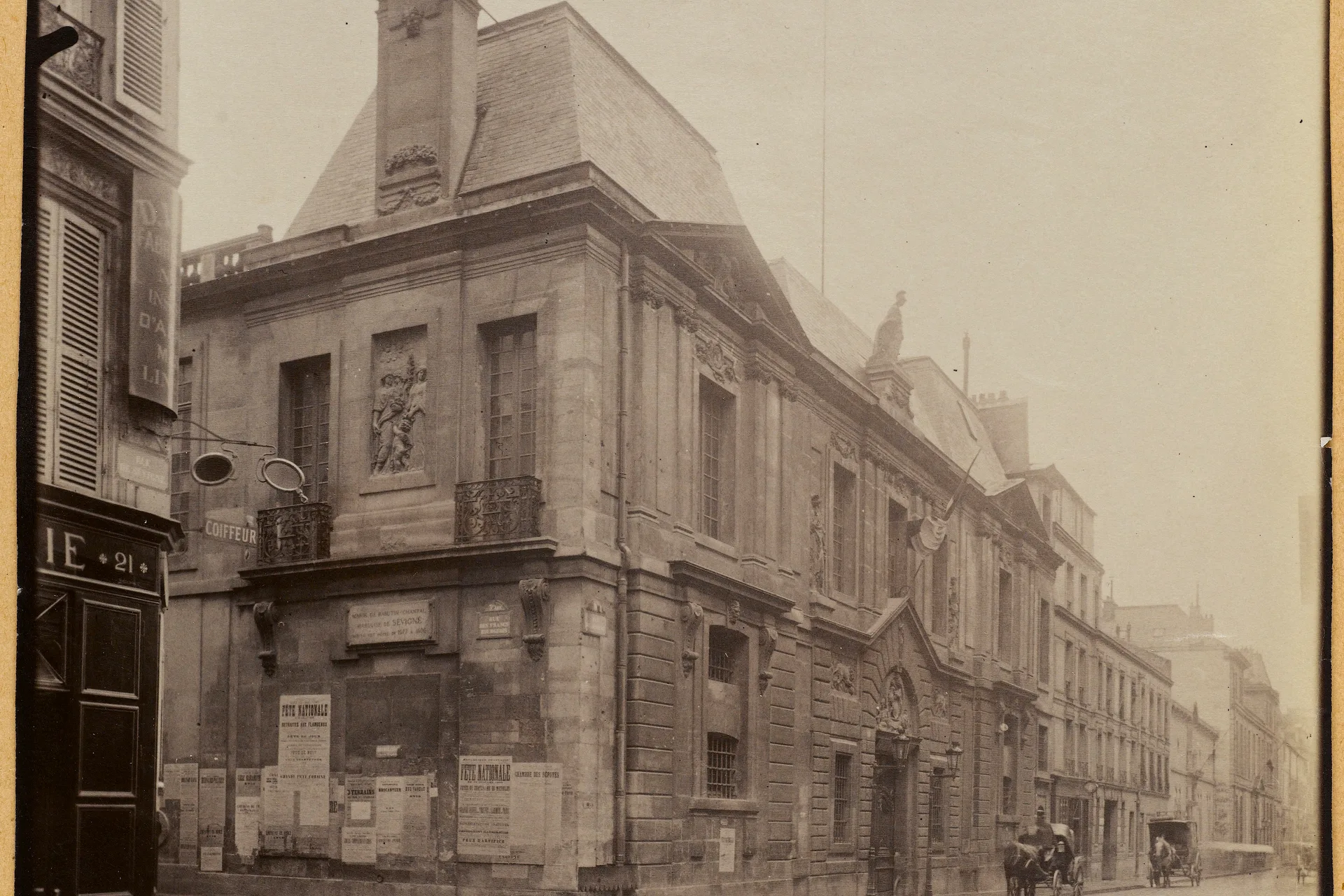
The free museum of Paris's own history, spread across two connected Marais mansions, tracing the city from prehistory through the Revolution to the present day.
Notre-Dame Cathedral
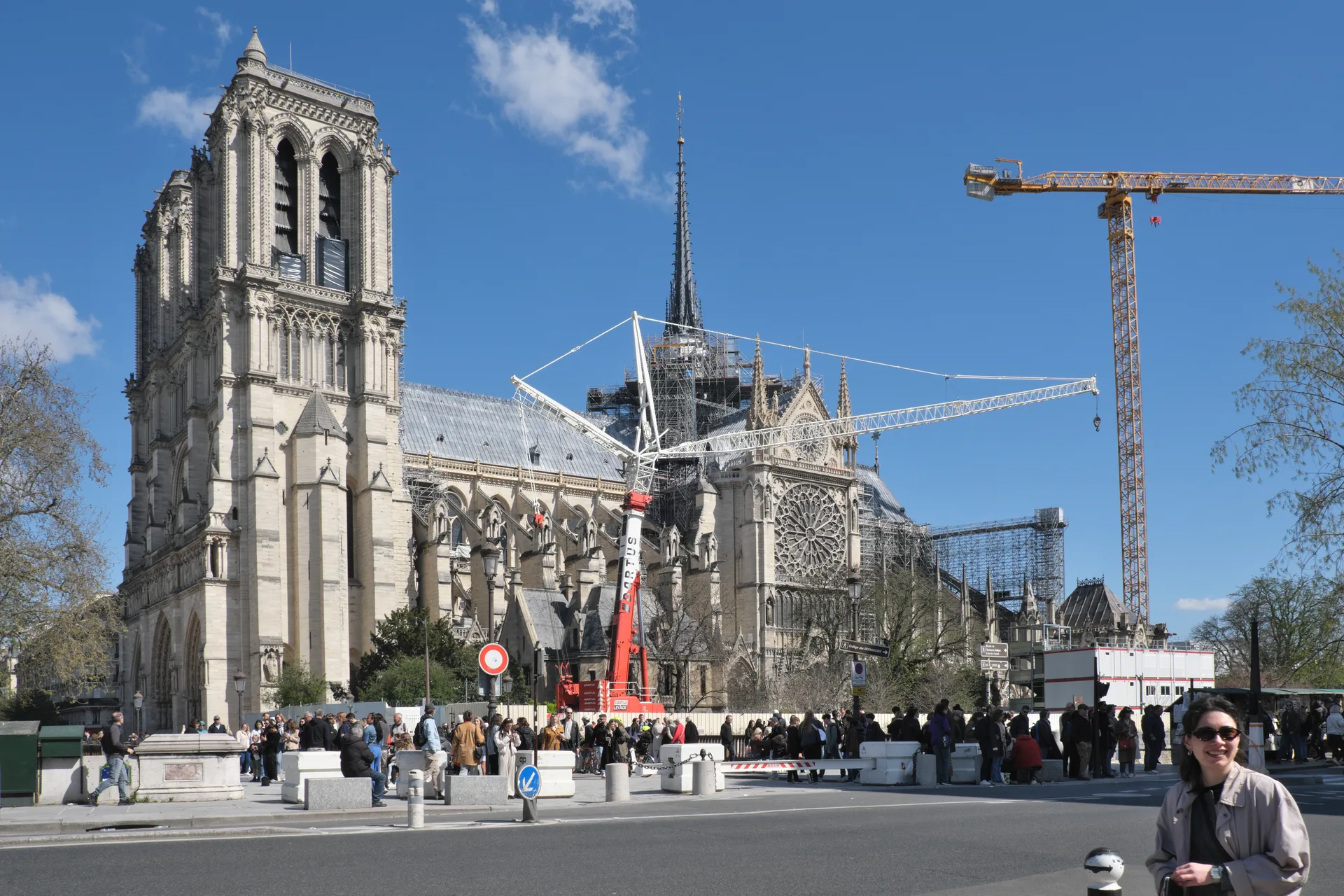
The Gothic cathedral at the heart of Paris, fully reopened in December 2024 after the devastating 2019 fire and a five-year restoration — free to enter, with the bell towers reopened in September 2025.
Sainte-Chapelle
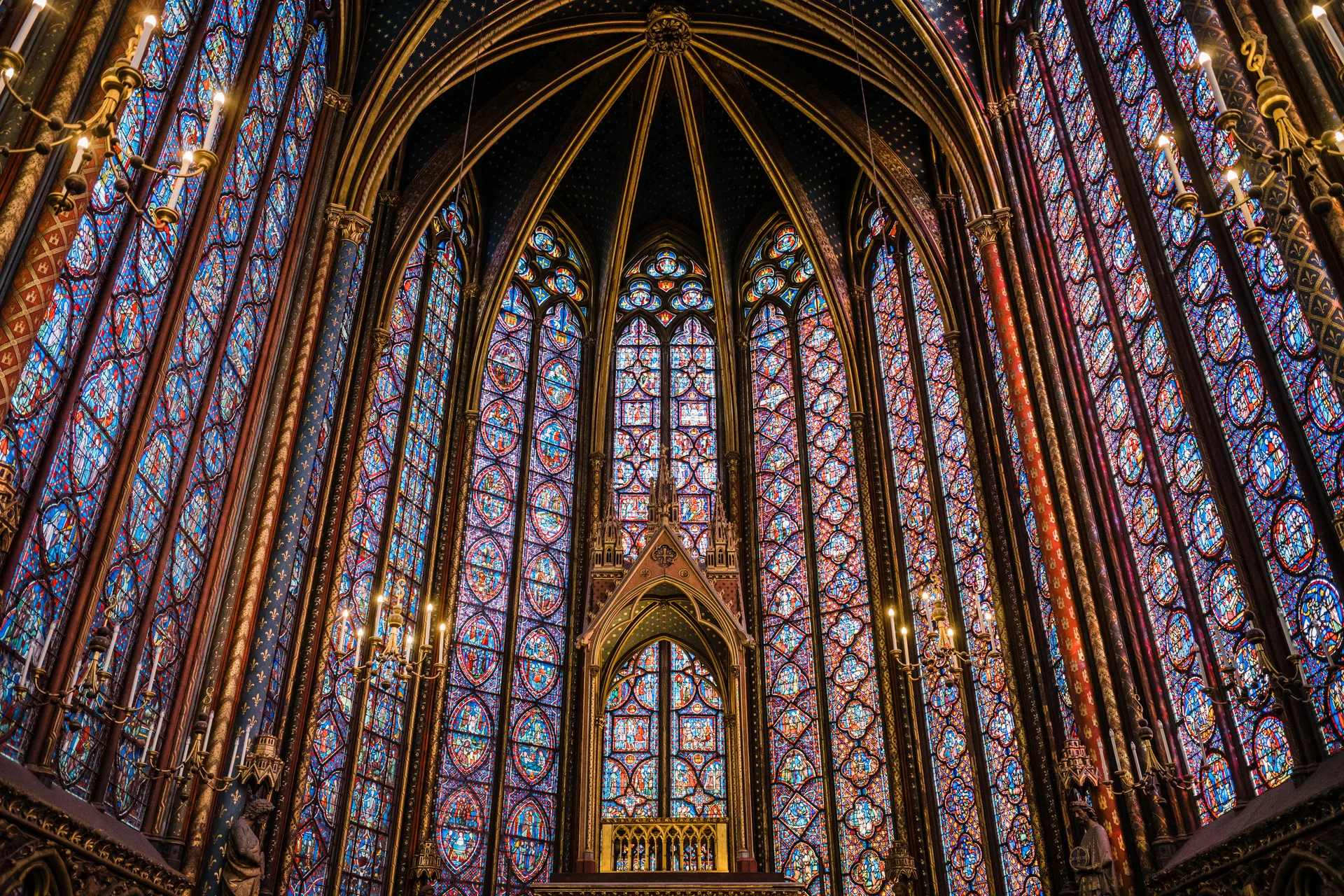
A jewel-box Gothic chapel on Île de la Cité holding one of the finest surviving sets of 13th-century stained glass anywhere, built by Louis IX to house Christ's Crown of Thorns.