
Best for
History lovers, budget travellers, anyone exploring the Marais
Time needed
1–2.5 hours depending on depth of interest
Worth it?
Yes — free, excellent, and underrated relative to its quality
Skip if
You have zero interest in French history and are tight on time
About Musée Carnavalet — Histoire de Paris
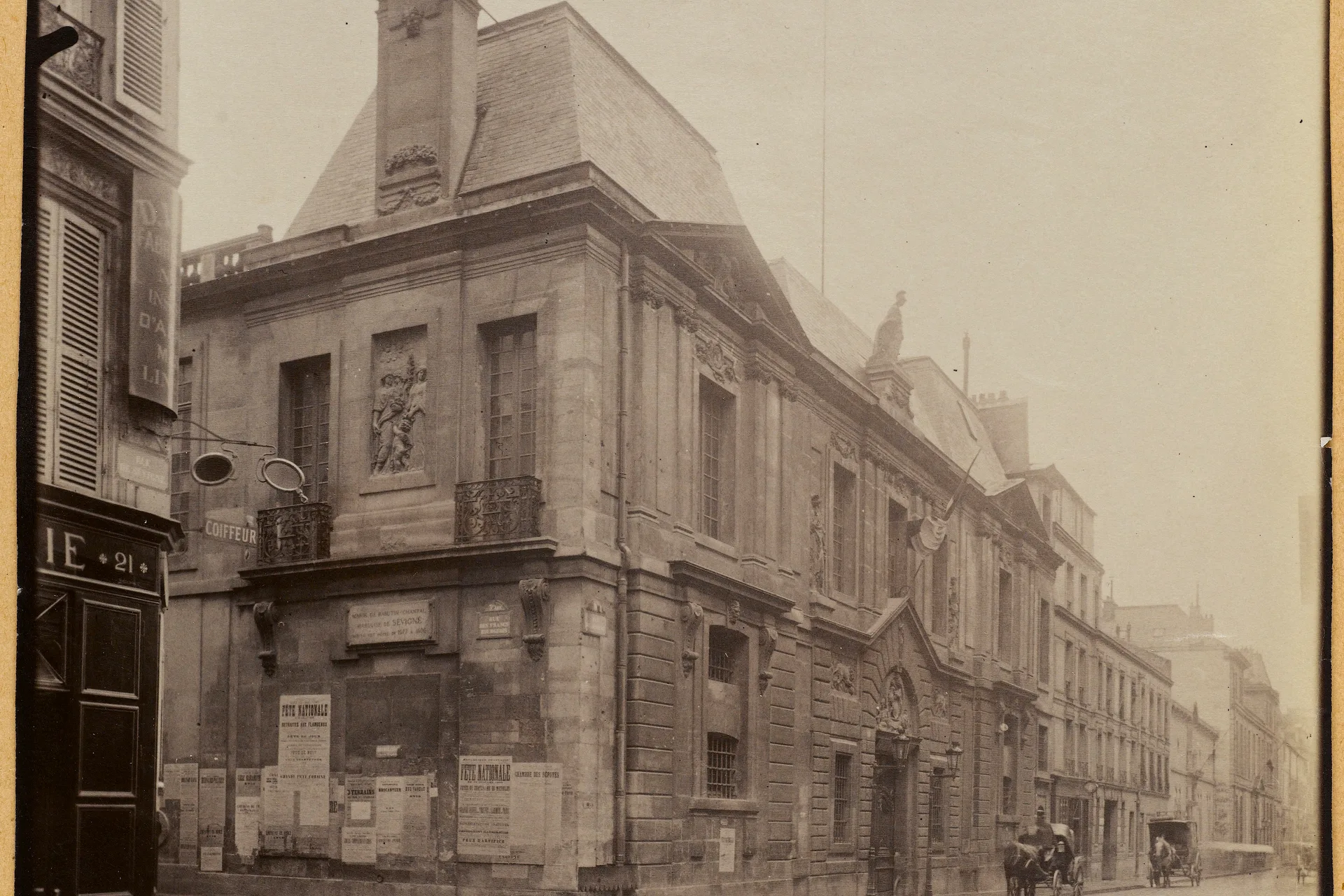
The Musée Carnavalet occupies two adjoining 16th- and 17th-century mansions in the Marais — the Hôtel Carnavalet, where the writer Madame de Sévigné lived for the last two decades of her life, and the neighbouring Hôtel Le Peletier de Saint-Fargeau. Together they've housed the City of Paris's own historical museum since 1880, making it one of the oldest municipal museums in France.
The collection tells Paris's story chronologically, from Gallo-Roman and medieval archaeology through the ancien régime, the Revolution — including an exceptional collection of Revolutionary-era paintings, models and relics, among them furniture from the Bastille and objects connected to Louis XVI's final days — and on through the 19th and 20th centuries to recent history. Entire period rooms, salvaged from demolished Parisian buildings, are reconstructed room by room, letting visitors walk through real Art Nouveau interiors and Belle Époque shopfronts rather than looking at them behind glass.
Read the full storyShow less
A major renovation completed in 2021 modernised the display and added better accessibility without losing the museum's slightly eccentric, densely packed character — this is not a museum that has been over-curated into blandness.
Because the permanent collection is entirely free, Carnavalet works well as a flexible add-on to a Marais walking day: duck in for an hour to see the Revolution galleries, or spend half a day working through the full chronological sweep, with no admission cost either way.
What to See: Highlights
- 1Completely free permanent collection covering the full sweep of Paris's history
- 2Revolutionary-era relics, including objects connected to the Bastille and Louis XVI
- 3Reconstructed period rooms rescued from demolished Parisian buildings
- 4Housed in two connected 16th/17th-century Marais mansions
- 5A 2021 renovation modernised the displays while keeping its dense, eccentric character
Insider Tips
It's free — there's no reason not to duck in even for just an hour
The Revolution galleries are the most-visited section — go there first if time is short
Combine easily with a Marais walk, Place des Vosges, or the nearby Picasso Museum
No timed-entry reservation needed for the permanent collection
The building itself, a genuine 16th-century mansion, is worth slowing down for
Getting There
23 Rue de Sévigné, 75003 Paris
Open in Google Maps →- 1Metro 1 to Saint-Paul or Metro 8 to Chemin Vert, both a short walk through the Marais.
Where to stay
Hotels in Paris
Compare prices across hundreds of hotels near this attraction — from budget hostels to luxury stays. Free cancellation on most rooms.
Affiliate disclosure — we may earn a commission at no extra cost to you. Powered by Booking.com.
Frequently Asked Questions
Everything you need to know before you visit.
Is Musée Carnavalet — Histoire de Paris worth visiting?+−
How long does a visit to Musée Carnavalet — Histoire de Paris take?+−
Who is Musée Carnavalet — Histoire de Paris best for?+−
Do I need to book anything in advance to visit Musée Carnavalet — Histoire de Paris?+−
Is Musée Carnavalet — Histoire de Paris included with the Paris city pass?+−
Should You Visit?
Visit if...
- You want to understand Paris's history in depth, for free
- You're interested in the French Revolution specifically
- You're already walking through the Marais
- You appreciate period rooms and original architectural fragments
Skip if...
- You have no interest in local history museums
- Your day is packed with paid, higher-priority sights
- You want a quick, single-highlight visit rather than a chronological deep dive
More to See in Paris
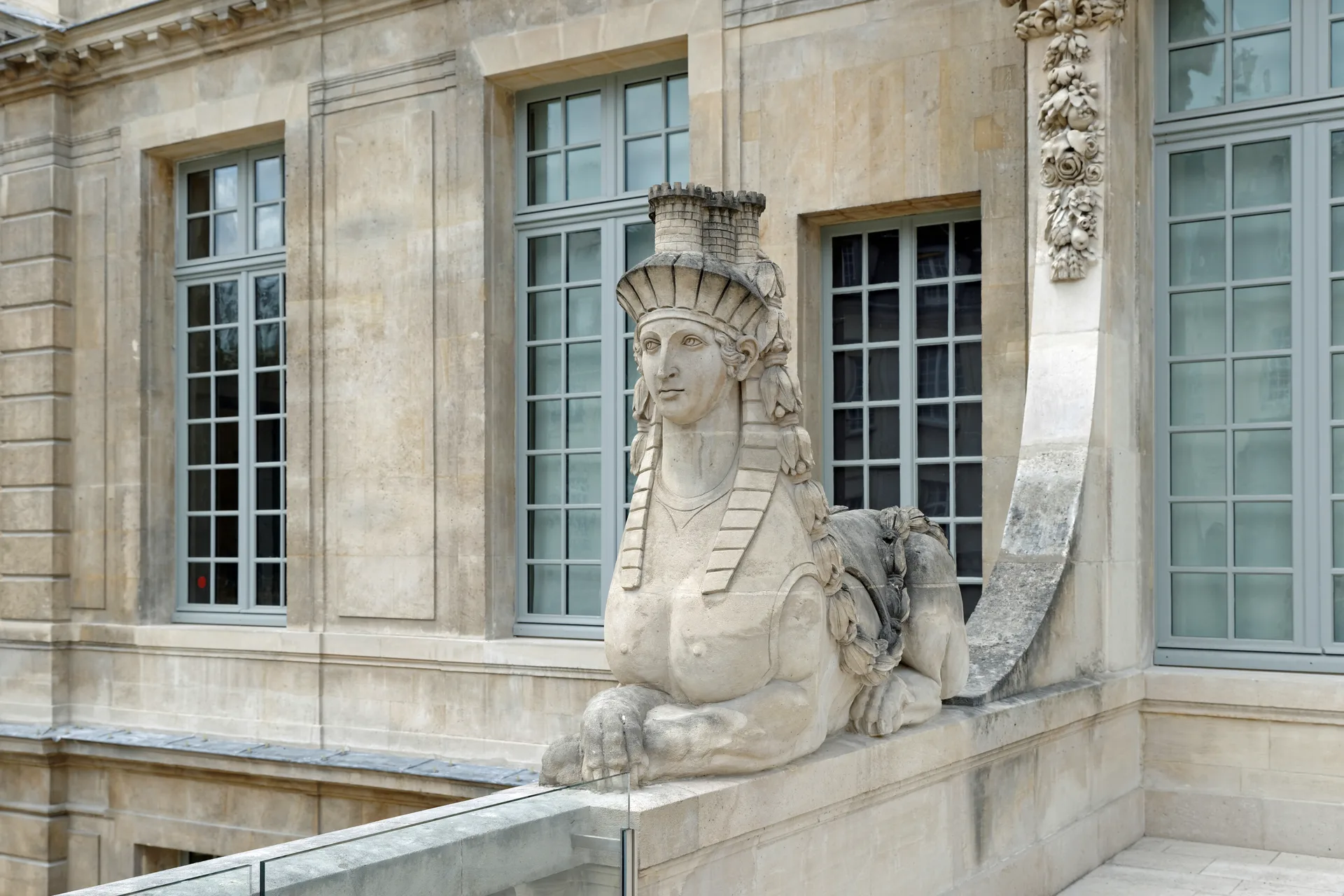
Musée Picasso Paris
The world's largest public Picasso collection, spanning his entire career, housed in a 17th-century Marais mansion known as the Hôtel Salé.
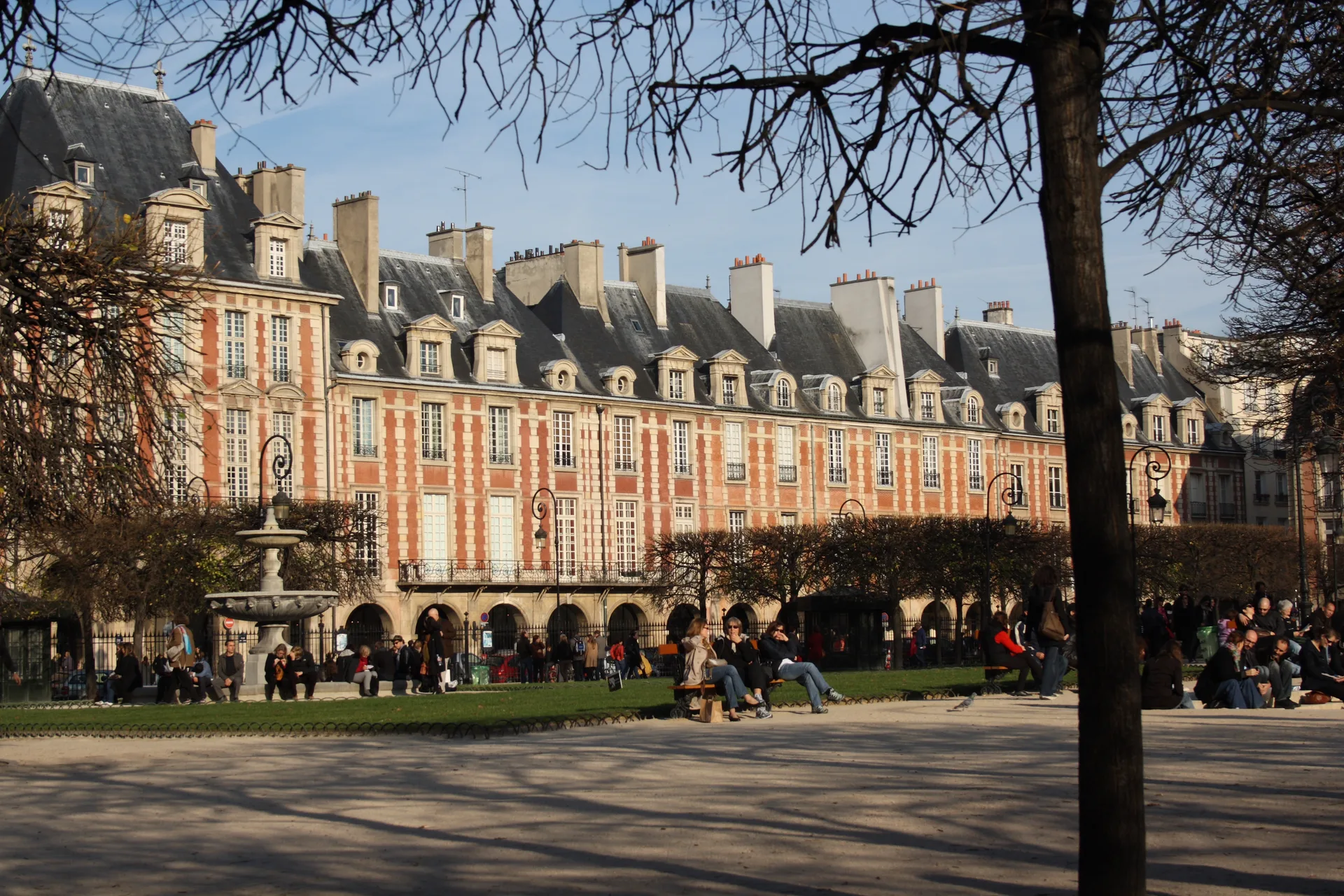
Place des Vosges
Paris's oldest planned square, a perfectly symmetrical 17th-century plaza of red-brick pavilions in the Marais, and once home to Victor Hugo.
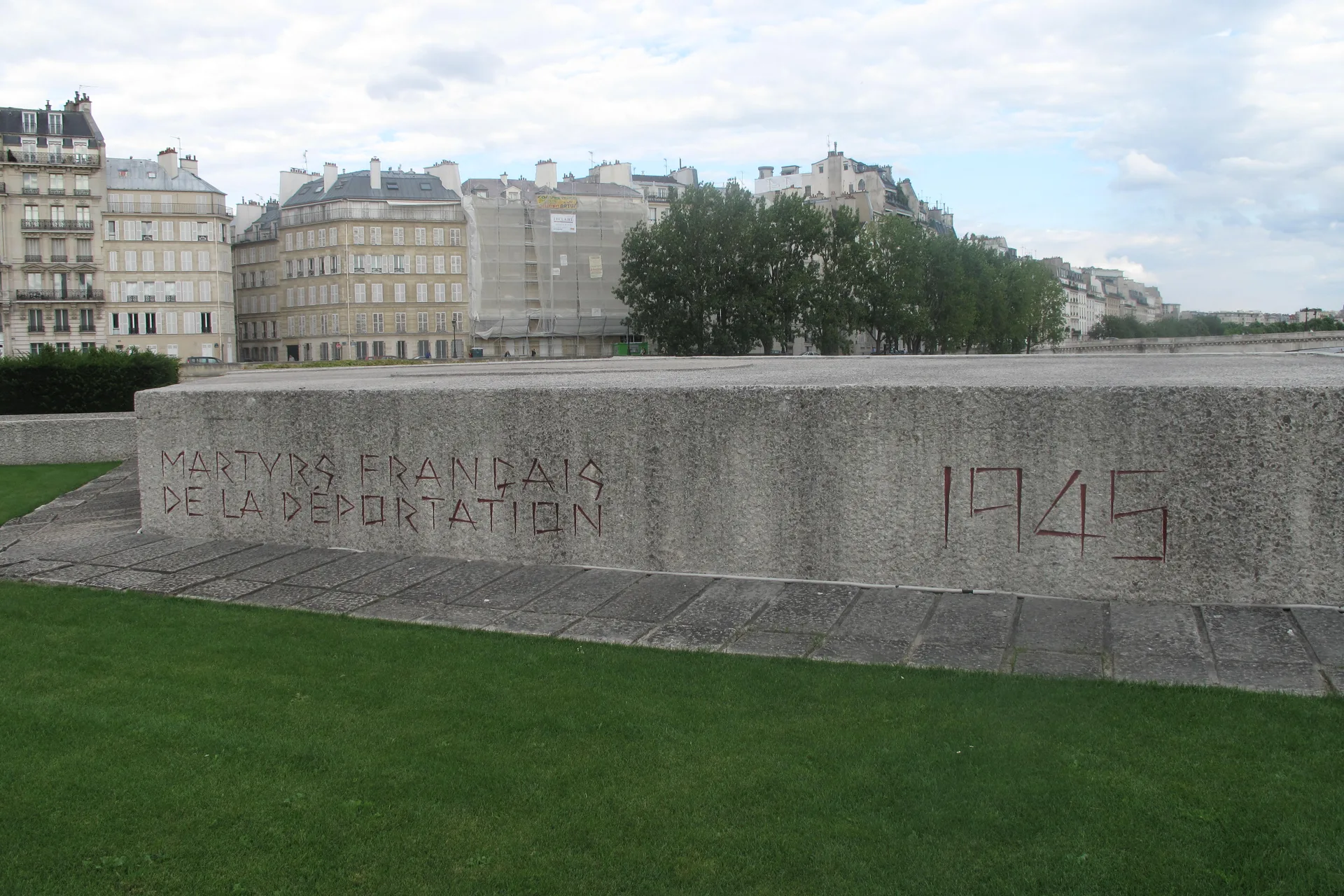
Mémorial des Martyrs de la Déportation
A stark, deliberately claustrophobic Brutalist memorial on the eastern tip of Île de la Cité, honouring the roughly 200,000 people deported from France to Nazi concentration camps.