
Best for
Medieval history fans, anyone exploring the Latin Quarter
Time needed
1.5–2 hours
Worth it?
Yes — a genuinely unique collection in an equally unique building
Skip if
Medieval art isn't of interest and your day is already full
About Musée de Cluny — Musée national du Moyen Âge
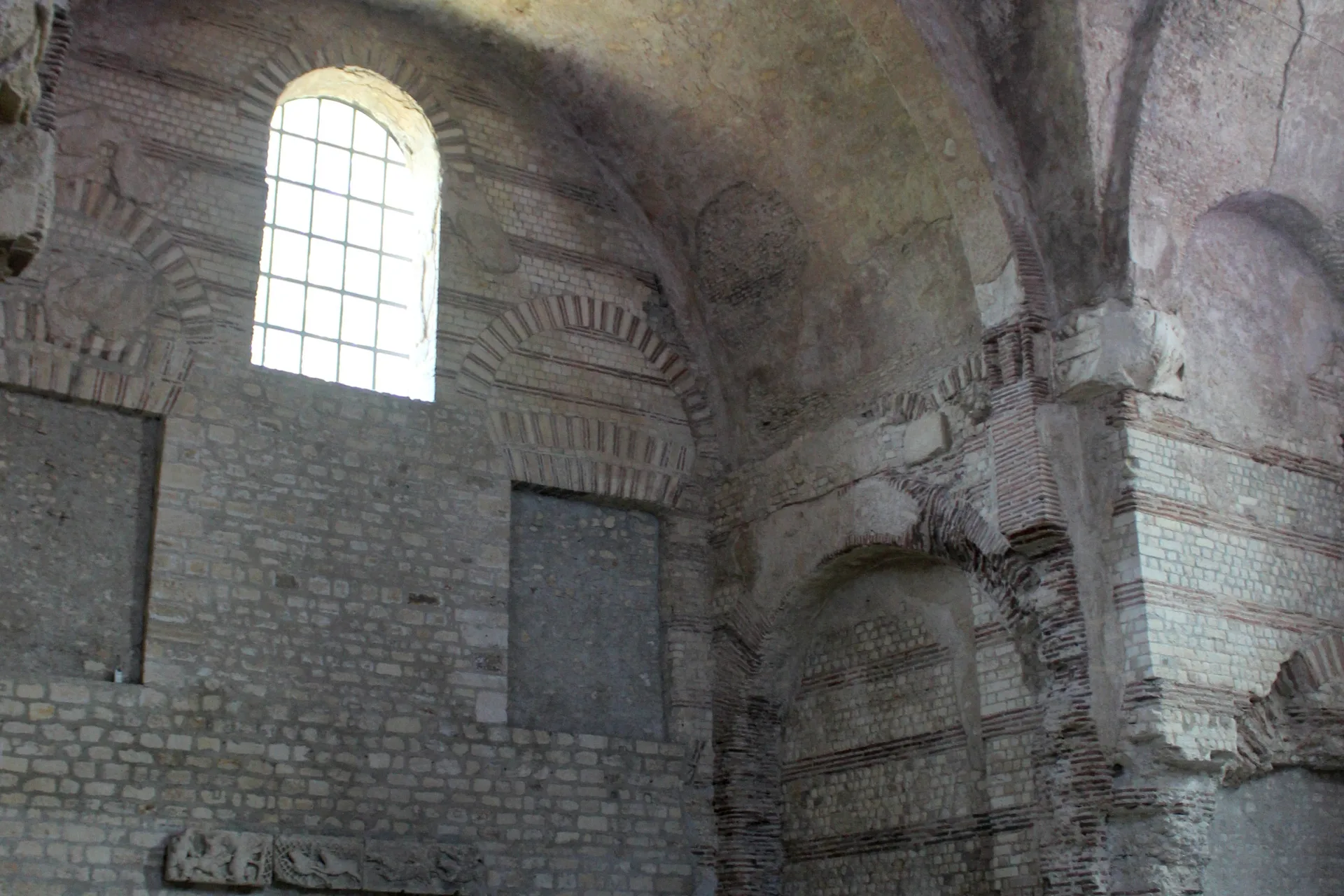
The Musée de Cluny occupies the Hôtel de Cluny, a late-15th-century Gothic townhouse built for the abbots of Cluny Abbey, itself constructed directly on top of the ruins of a 2nd-century Gallo-Roman bathhouse — one of the best-preserved Roman structures anywhere in northern Europe, still visible in the museum's frigidarium (cold room), a vaulted hall with walls that have stood for close to 1,900 years.
The museum's collection spans medieval art and objects across the whole period, but its single most famous holding is the Lady and the Unicorn (La Dame à la licorne), a set of six wool-and-silk tapestries woven around 1500, each representing one of the five senses plus a sixth, more enigmatic panel inscribed 'À mon seul désir.' They're displayed in a dedicated darkened rotunda designed to protect the fragile textiles while letting visitors circle the full set.
Read the full storyShow less
Beyond the tapestries, the collection includes medieval stained glass, ivories, goldsmith work, and the original stone heads from Notre-Dame's Gallery of Kings, decapitated during the Revolution (mistaken for French royalty rather than biblical kings of Judah) and rediscovered in a Parisian basement in 1977.
The museum sits in the Latin Quarter, a short walk from the Sorbonne and the Panthéon, making it easy to combine with an afternoon exploring the neighbourhood's medieval and academic history.
What to See: Highlights
- 1The Lady and the Unicorn tapestries, displayed in a dedicated rotunda
- 2The 2nd-century Gallo-Roman frigidarium — one of Europe's best-preserved Roman ruins
- 3Original stone heads from Notre-Dame's Gallery of Kings, defaced in the Revolution
- 4Medieval stained glass and goldsmith work
- 5A genuinely medieval building in the heart of the Latin Quarter
Skip the Queue — Book Tickets Online
Same admission, instant confirmation. Compare prices across platforms.
Affiliate disclosure — we may earn a commission at no extra cost to you.
Insider Tips
The Lady and the Unicorn rotunda is the highlight — don't rush past it
Late Thursday openings (1st and 3rd of the month) are noticeably quieter
Free on the first Sunday of the month, but expect more crowds
Combine with a walk to the nearby Panthéon or Sorbonne
The frigidarium may have partial closures during exhibition changeovers — check ahead
Book a Guided Tour
Get the most from your visit with a local expert guide.
Affiliate disclosure — we may earn a commission at no extra cost to you.
Getting There
28 Rue Du Sommerard, 75005 Paris
Open in Google Maps →- 1Metro 10 to Cluny–La Sorbonne or Metro 4/10 to Odéon, both a short walk. RER B/C to Saint-Michel–Notre-Dame also works.
Where to stay
Hotels in Paris
Compare prices across hundreds of hotels near this attraction — from budget hostels to luxury stays. Free cancellation on most rooms.
Affiliate disclosure — we may earn a commission at no extra cost to you. Powered by Booking.com.
Frequently Asked Questions
Everything you need to know before you visit.
Is Musée de Cluny — Musée national du Moyen Âge worth visiting?+−
How long does a visit to Musée de Cluny — Musée national du Moyen Âge take?+−
Who is Musée de Cluny — Musée national du Moyen Âge best for?+−
Do I need to book tickets in advance for Musée de Cluny — Musée national du Moyen Âge?+−
Is Musée de Cluny — Musée national du Moyen Âge included with the Paris city pass?+−
Should You Visit?
Visit if...
- You want to see the Lady and the Unicorn tapestries
- You're curious about Roman-era Paris (Lutetia)
- You're already exploring the Latin Quarter or Panthéon area
- You enjoy medieval art and architecture away from the crowds
Skip if...
- Medieval art doesn't interest you
- You're extremely short on time with bigger sights still ahead
- You've already seen the tapestries on a previous visit
Ready to Book Your Visit?
More to See in Paris
Sainte-Chapelle
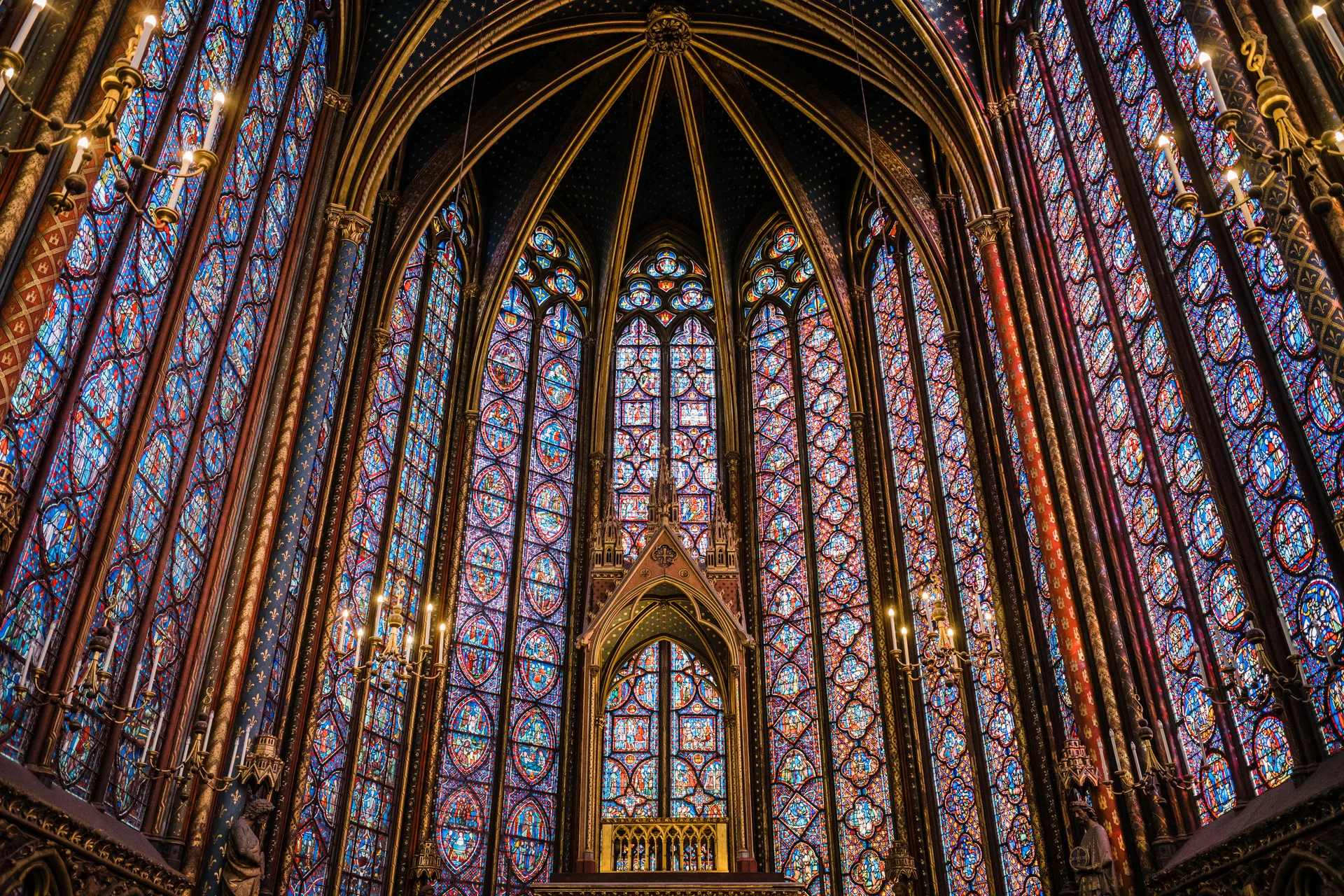
A jewel-box Gothic chapel on Île de la Cité holding one of the finest surviving sets of 13th-century stained glass anywhere, built by Louis IX to house Christ's Crown of Thorns.
Panthéon
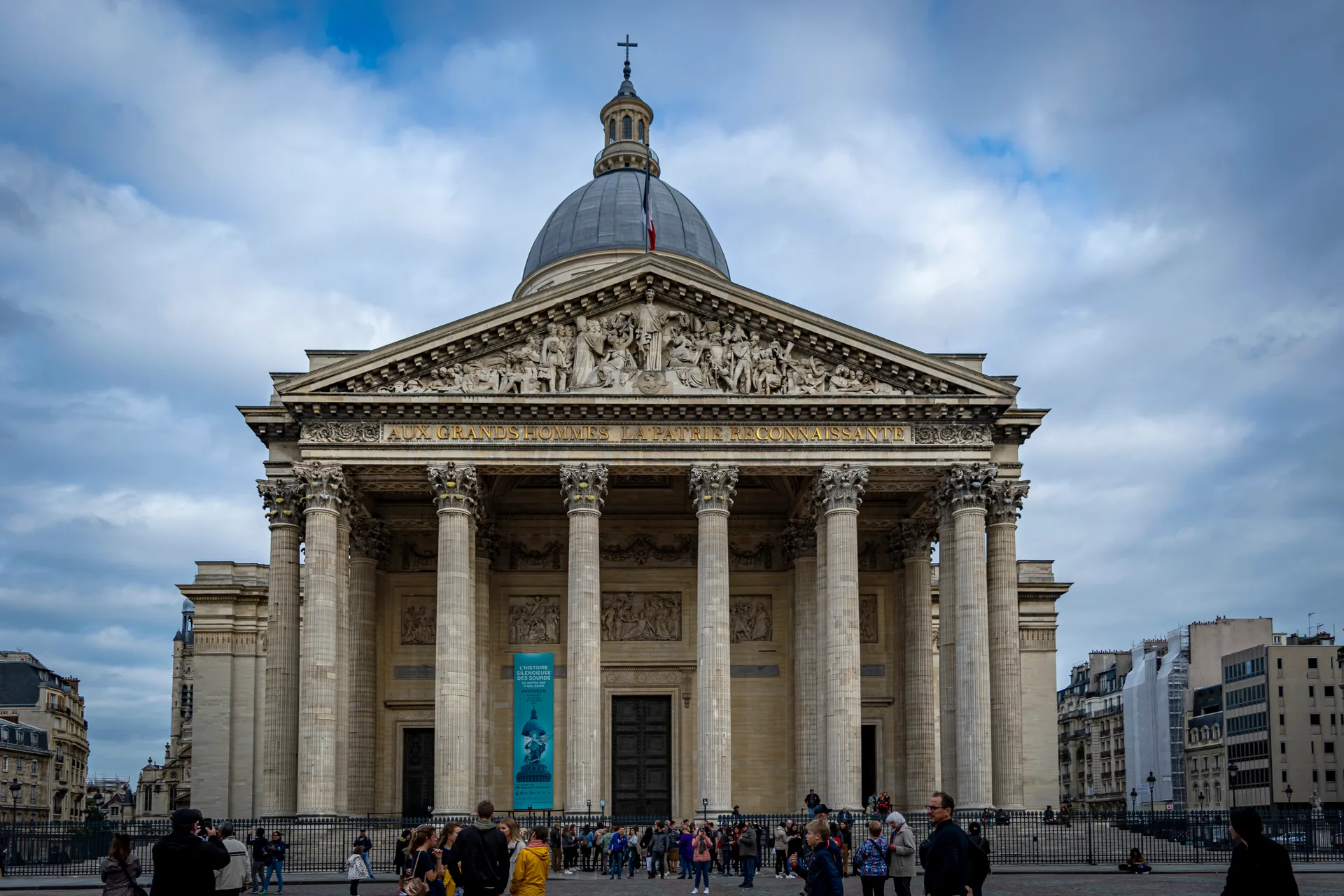
A neoclassical domed monument on the Left Bank's highest point, built as a church and repurposed as France's secular mausoleum for its most celebrated citizens — Voltaire, Rousseau, Marie Curie and Victor Hugo among them.
Bibliothèque Sainte-Geneviève
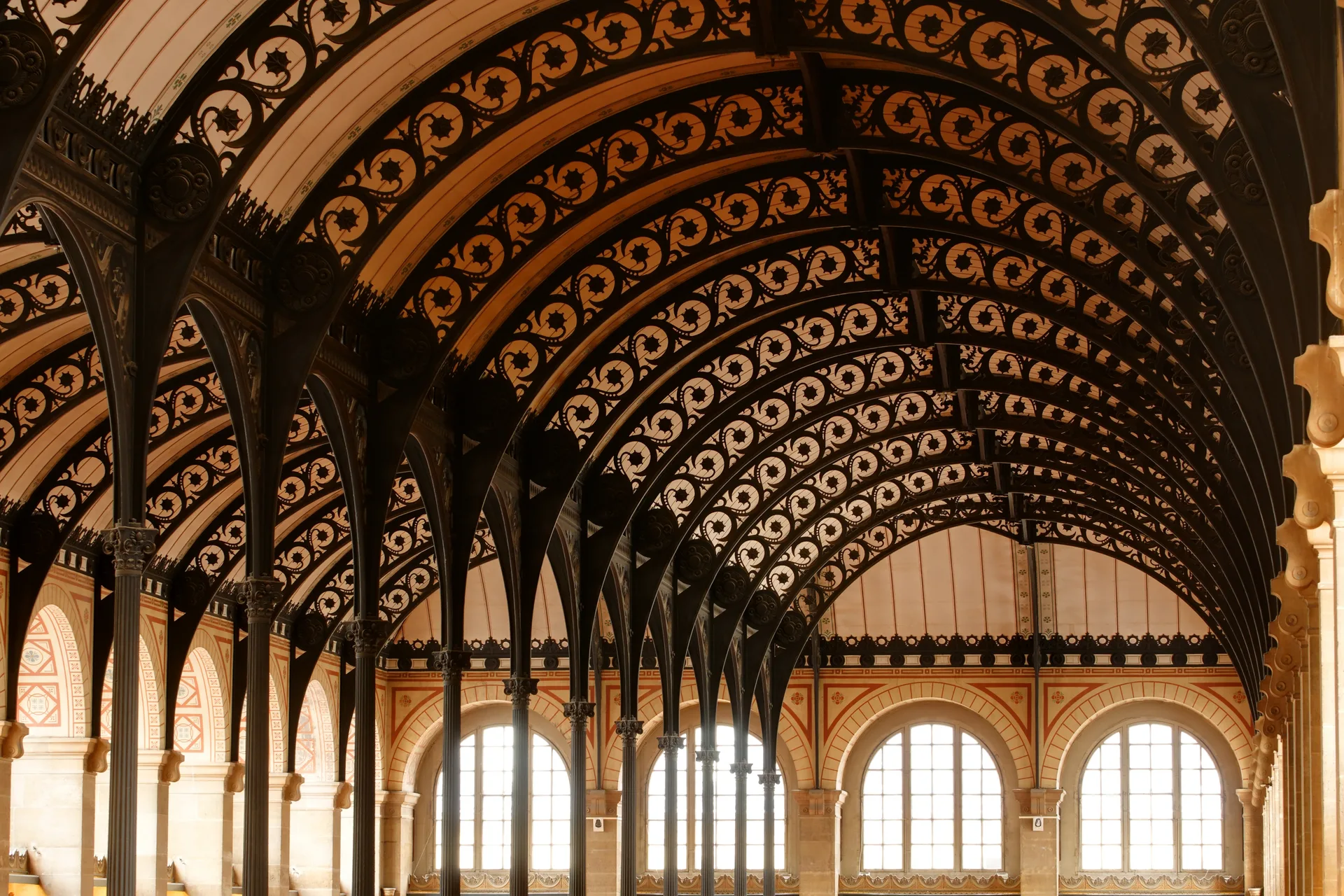
A 19th-century reading room opposite the Panthéon, its cast-iron structure and rows of green library lamps making it one of the most atmospheric library interiors in Europe.