
Best for
History and literature fans, anyone exploring the Latin Quarter
Time needed
1–1.5 hours
Worth it?
Yes — a genuinely moving tribute to French cultural and scientific history
Skip if
You have no particular interest in French history or literature and time is tight
About Panthéon
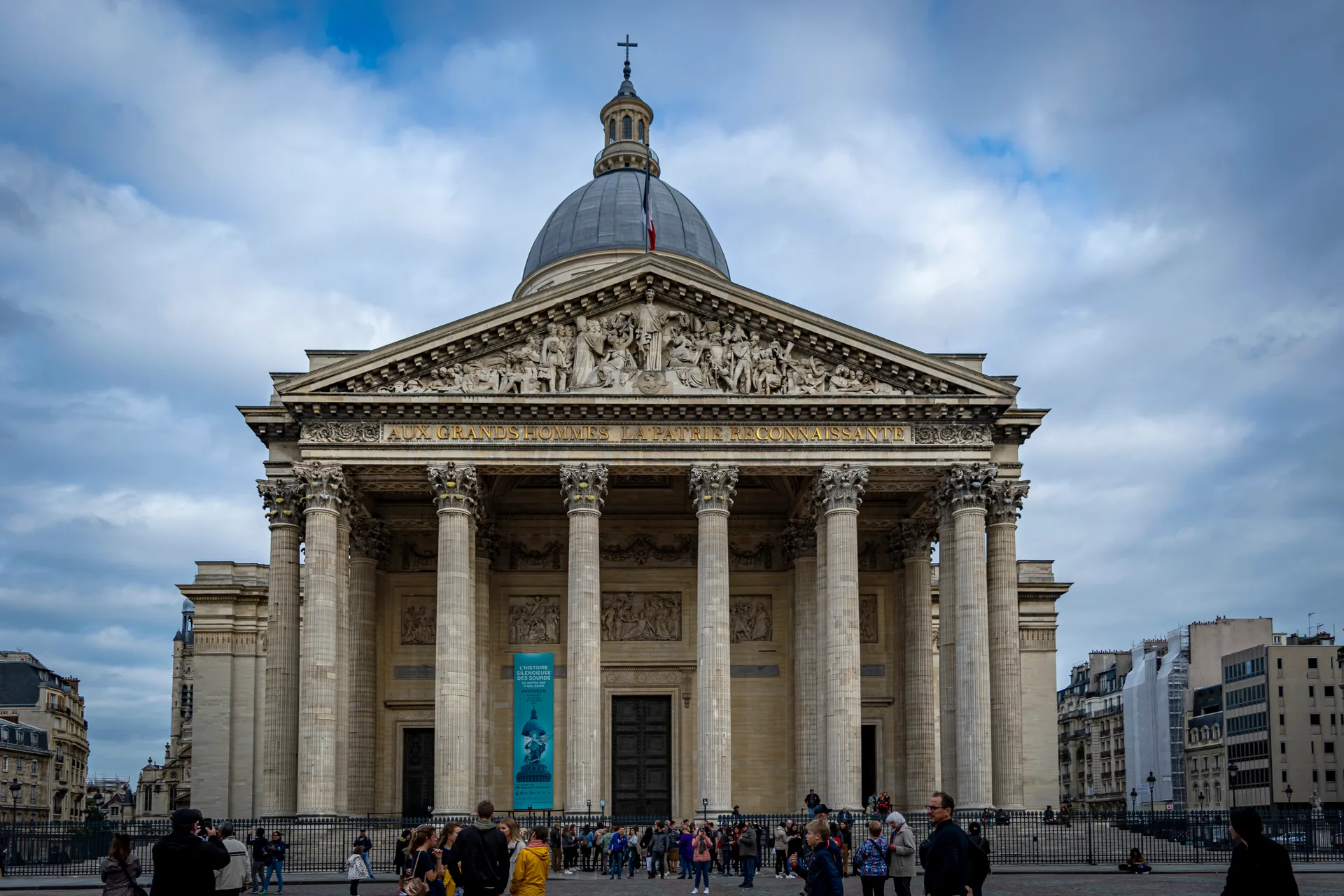
Louis XV commissioned the Panthéon in 1758 as a church dedicated to Saint Geneviève, Paris's patron saint, on the site of an earlier abbey on the Left Bank's Sainte-Geneviève hill. Architect Jacques-Germain Soufflot designed a building that fused Gothic structural lightness (achieved through a then-daring use of thin columns and hidden buttressing) with a classical Greco-Roman facade modelled on the Pantheon in Rome, complete with a portico of Corinthian columns.
The building was still under construction when the Revolution broke out in 1789, and the new National Assembly quickly repurposed it as a secular mausoleum for great Frenchmen (initially only men) rather than a working church — the first of several back-and-forth conversions between religious and secular use across the 19th century, before it was fixed permanently as a mausoleum in 1885, coinciding with Victor Hugo's state funeral and burial.
Read the full storyShow less
Today the crypt holds the remains of more than 80 figures central to French history and culture: Voltaire and Rousseau (deliberately placed near each other despite their rivalry in life), Victor Hugo, Émile Zola, Alexandre Dumas, and Marie Curie, the first woman interred on her own merits (an earlier woman had been buried only as a spouse). Recent additions have deliberately widened the roster to include figures like Josephine Baker, honouring more diverse contributions to French history.
Above the crypt, the nave itself holds a working reconstruction of Foucault's original pendulum, first demonstrated here in 1851 to prove the Earth's rotation, alongside murals depicting the life of Saint Geneviève and French national history.
What to See: Highlights
- 1The crypt holding Voltaire, Rousseau, Victor Hugo, Marie Curie and Émile Zola
- 2A working reconstruction of Foucault's Pendulum, first demonstrated here in 1851
- 3Jacques-Germain Soufflot's fusion of Gothic engineering and classical facade
- 4Murals depicting Saint Geneviève and French national history in the nave
- 5One of the best panoramic viewpoints from the Left Bank's highest hill
Skip the Queue — Book Tickets Online
Same admission, instant confirmation. Compare prices across platforms.
Affiliate disclosure — we may earn a commission at no extra cost to you.
Insider Tips
Free for under-18s and EU residents under 26 with valid ID
The crypt tour rewards slowing down — look for the specific tombs that interest you rather than rushing through
Combine with a walk to the nearby Musée de Cluny or Jardin du Luxembourg
Some ticket packages include access to several self-guided city walking tours — check what's included
Metro line 10's Cardinal Lemoine stop is the most direct approach
Book a Guided Tour
Get the most from your visit with a local expert guide.
Affiliate disclosure — we may earn a commission at no extra cost to you.
Getting There
Place du Panthéon, 75005 Paris
Open in Google Maps →- 1Metro 10 to Cardinal Lemoine or Metro 7 to Place Monge, both a 5–7 minute walk. RER B to Luxembourg also works.
Where to stay
Hotels in Paris
Compare prices across hundreds of hotels near this attraction — from budget hostels to luxury stays. Free cancellation on most rooms.
Affiliate disclosure — we may earn a commission at no extra cost to you. Powered by Booking.com.
Frequently Asked Questions
Everything you need to know before you visit.
Is Panthéon worth visiting?+−
How long does a visit to Panthéon take?+−
Who is Panthéon best for?+−
Do I need to book tickets in advance for Panthéon?+−
Is Panthéon included with the Paris city pass?+−
Should You Visit?
Visit if...
- You want to see where Voltaire, Rousseau, Hugo and Curie are buried
- You appreciate neoclassical architecture and Foucault's Pendulum
- You're exploring the Latin Quarter or Luxembourg Gardens area
- You enjoy French history and literature
Skip if...
- French history and literature hold little interest
- You're very short on time with other Left Bank priorities
- You've already visited on a previous trip
Ready to Book Your Visit?
More to See in Paris
Musée de Cluny — Musée national du Moyen Âge
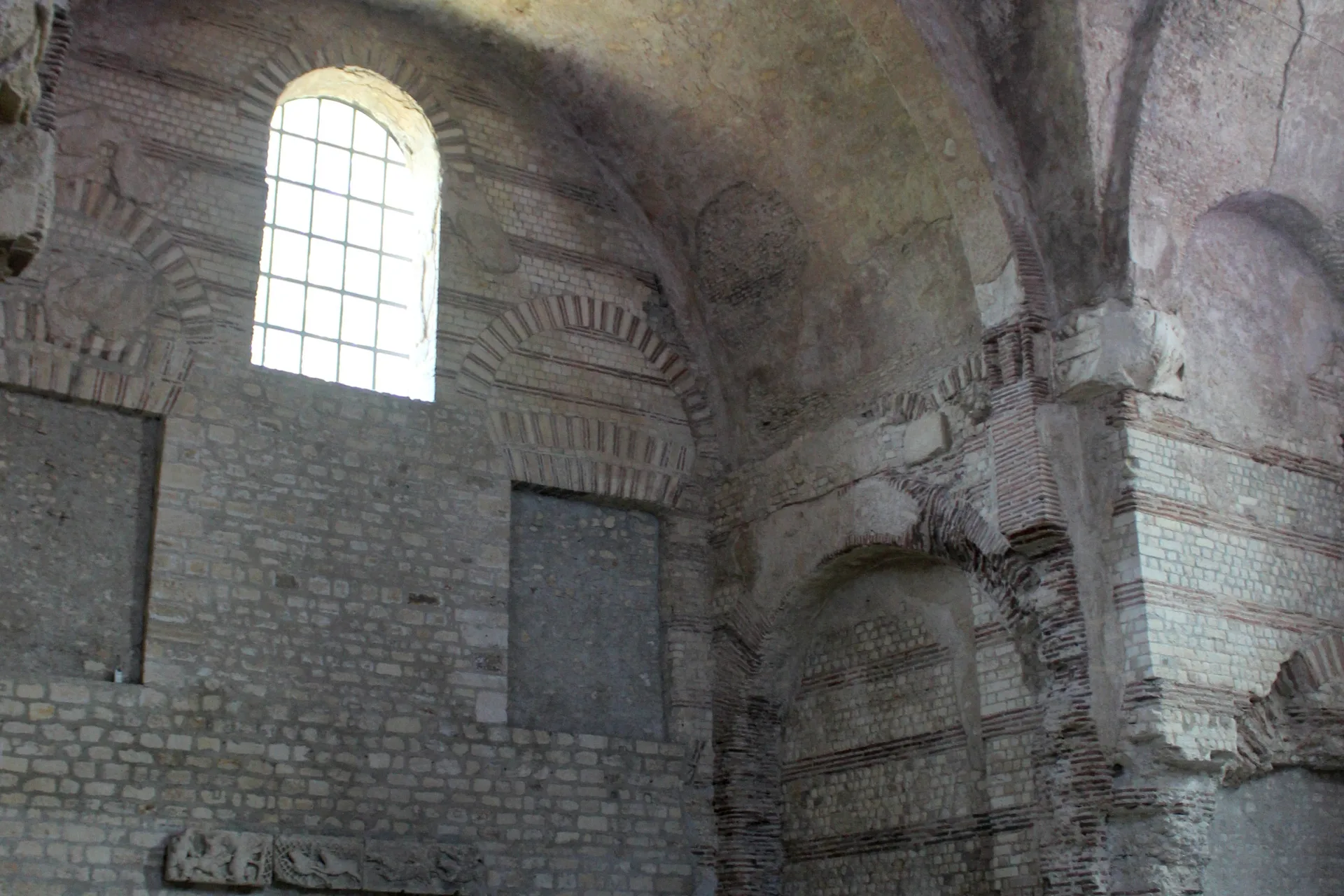
France's national museum of the Middle Ages, built into a medieval abbey mansion on top of Roman-era baths — home to the celebrated Lady and the Unicorn tapestries.
Jardin du Luxembourg
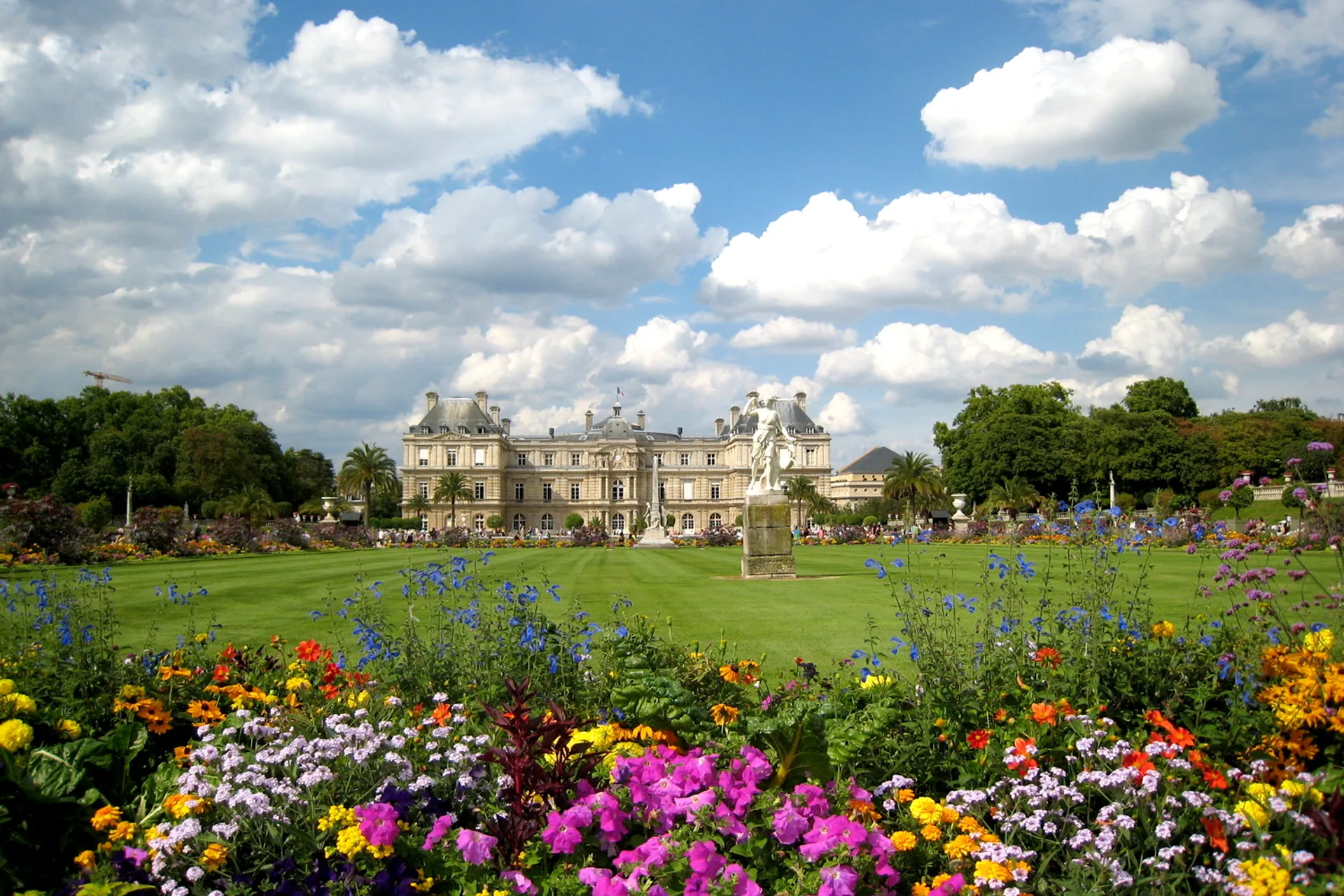
The Left Bank's grandest formal garden, surrounding the Luxembourg Palace (now the French Senate), with a central pond, a puppet theatre and shaded chestnut alleys popular with students and locals alike.
Bibliothèque Sainte-Geneviève
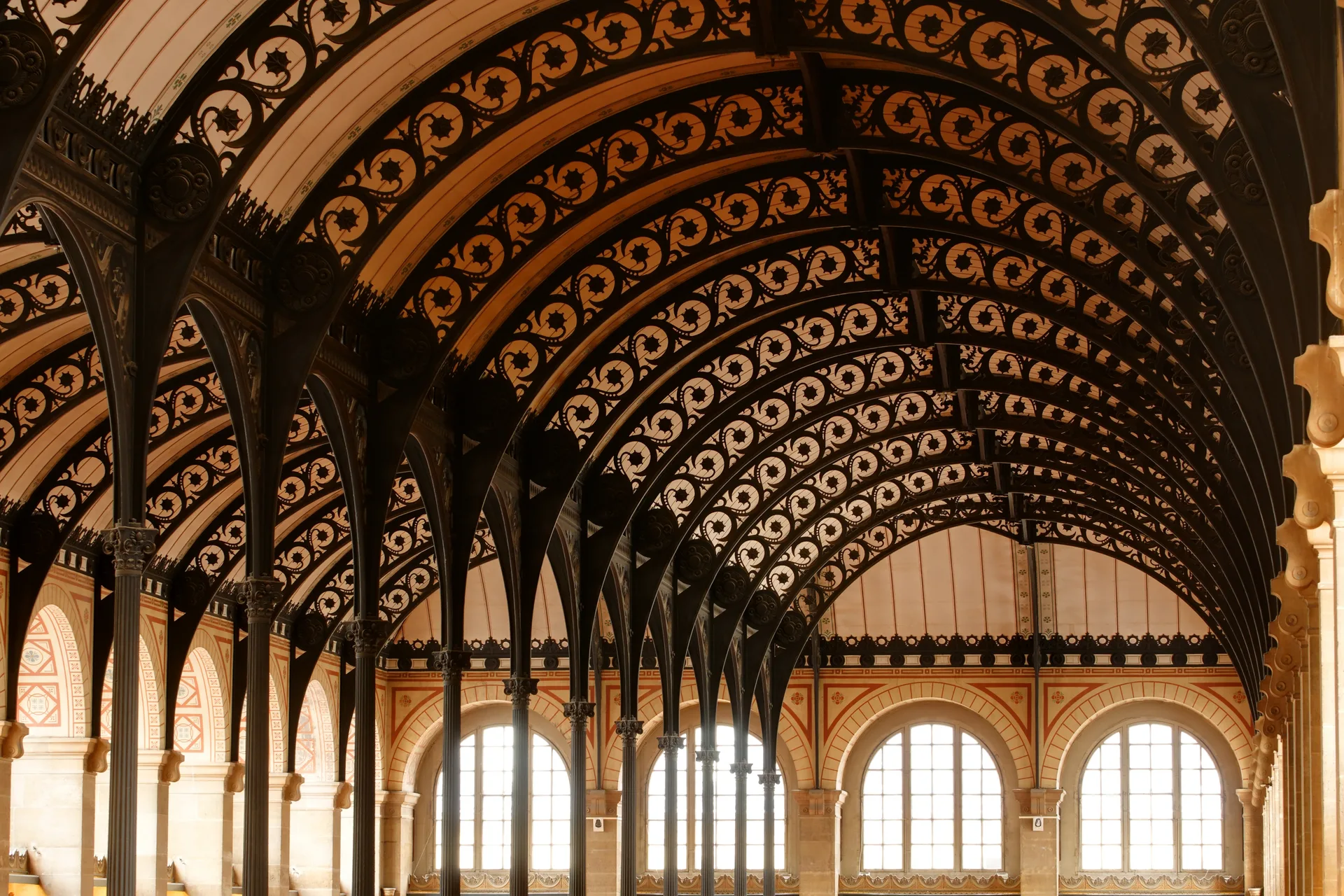
A 19th-century reading room opposite the Panthéon, its cast-iron structure and rows of green library lamps making it one of the most atmospheric library interiors in Europe.