
Best for
Every visitor — a free, essential Budapest experience
Time needed
20-30 minutes to cross and photograph
Worth it?
Yes — genuinely unmissable and free
Skip if
Never skip it — just choose a quiet time if crowds bother you
About Chain Bridge
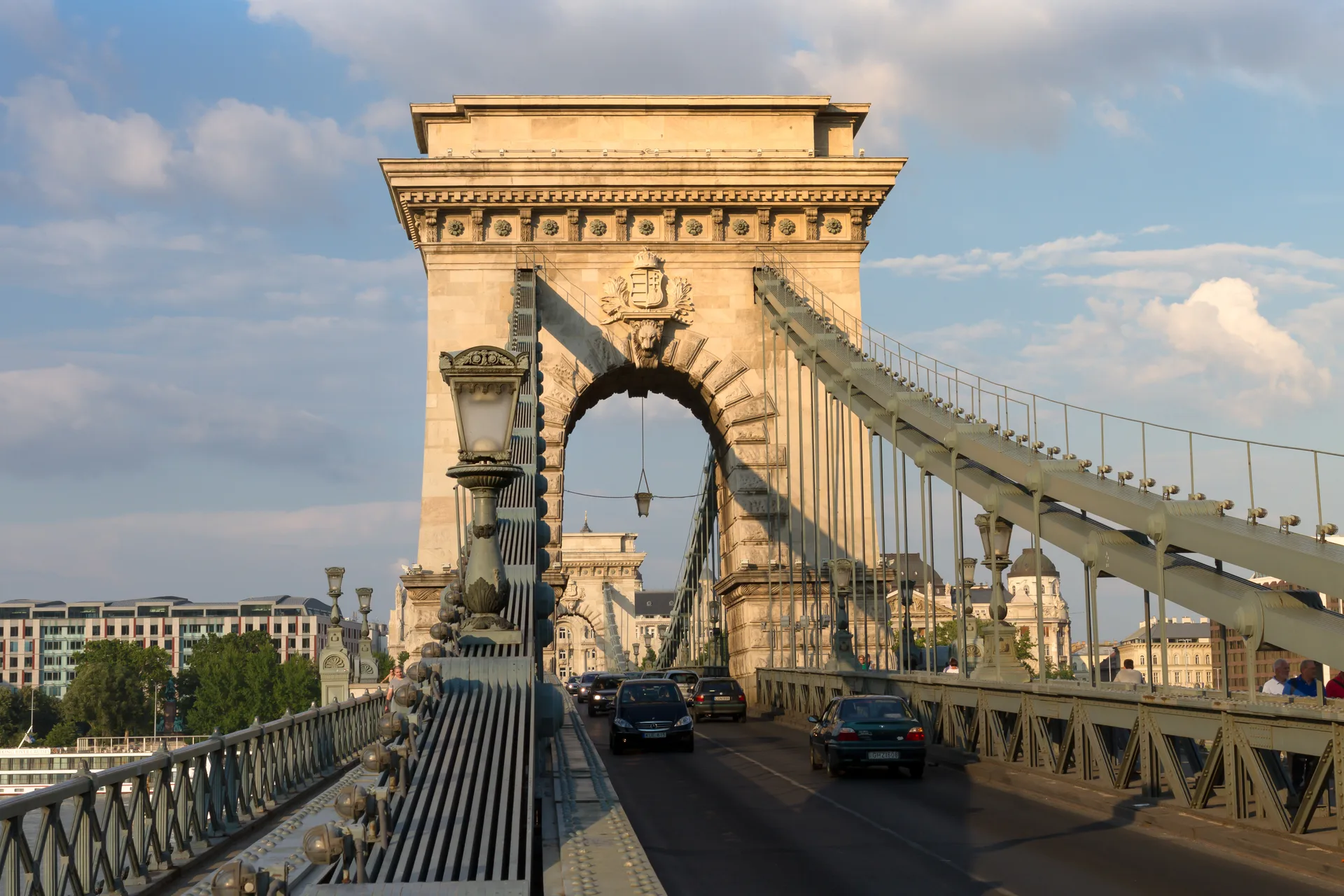
Before the Széchenyi Chain Bridge opened in 1849, Buda and Pest were only linked by a seasonal pontoon bridge that had to be dismantled every winter to let ice floes pass — meaning the two banks were regularly, sometimes for weeks, completely cut off from each other. Count István Széchenyi, one of the most influential reformers in Hungarian history, pushed the project through after reportedly being stranded on the wrong side of the river for a week following his father's death.
Széchenyi commissioned English engineer William Tierney Clark, who had already built suspension bridges over the Thames, to design it; Scottish engineer Adam Clark (no relation) supervised construction on site. The result was, at the time, one of the largest suspension bridges in the world, with a central span of 202 metres — a genuine feat of 1840s engineering that also, symbolically, forced Hungary's nobility to start paying a bridge toll previously reserved for commoners, a small but real crack in centuries of aristocratic privilege.
Read the full storyShow less
The bridge's other defining feature — a pair of stone lions by sculptor János Marschalkó, guarding each end — spawned a durable (and false) local legend that the lions were carved without tongues and the sculptor drowned himself in the Danube in shame when someone pointed it out. The lions do, in fact, have tongues; you just can't see them from the street level.
German forces blew up every bridge across the Danube during the 1945 Siege of Budapest, Chain Bridge included. It was rebuilt to its original design and reopened in 1949, on the exact centenary of its first inauguration — and remains, alongside Parliament, the image most associated with the city, especially at night when its cables and towers are illuminated.
What to See: Highlights
- 1First permanent bridge linking Buda and Pest, opened 1849
- 2Stone lion statues at each end by János Marschalkó
- 3202-metre central span — a major feat of 1840s engineering
- 4Illuminated gold every night for dramatic photos
- 5Rebuilt after WWII destruction, reopened on its 1949 centenary
- 6Free and walkable at any hour
Skip the Queue — Book Tickets Online
Same admission, instant confirmation. Compare prices across platforms.
Affiliate disclosure — we may earn a commission at no extra cost to you.
Insider Tips
Walk it at night when the lighting is at its best — this is when the bridge photographs best
The lions really do have tongues, despite the popular local legend
It occasionally closes to cars for pedestrian and cultural events — check ahead if driving
Combine with a walk along the Pest embankment toward Parliament
The funicular up to Buda Castle starts right at the Buda-side end of the bridge
Book a Guided Tour
Get the most from your visit with a local expert guide.
Affiliate disclosure — we may earn a commission at no extra cost to you.
Getting There
Széchenyi Lánchíd, spanning the Danube between Clark Ádám tér (Buda) and Roosevelt tér (Pest)
Open in Google Maps →- 1Metro M1 to Vörösmarty tér (Pest side) or bus 16/funicular from Clark Ádám tér (Buda side), both a short walk to the bridge.
Where to stay
Hotels in Budapest
Compare prices across hundreds of hotels near this attraction — from budget hostels to luxury stays. Free cancellation on most rooms.
Affiliate disclosure — we may earn a commission at no extra cost to you. Powered by Booking.com.
Frequently Asked Questions
Everything you need to know before you visit.
Is Chain Bridge worth visiting?+−
How long does a visit to Chain Bridge take?+−
Who is Chain Bridge best for?+−
Do I need to book anything in advance to visit Chain Bridge?+−
Is Chain Bridge included with the Budapest city pass?+−
Should You Visit?
Visit if...
- You want the classic river crossing between Buda and Pest
- You're heading up to Castle Hill via the funicular
- You want night photos of Budapest's illuminated landmarks
- You enjoy 19th-century engineering and history
Skip if...
- You've already crossed it and covered the view from a Danube cruise instead
Ready to Book Your Visit?
More to See in Budapest
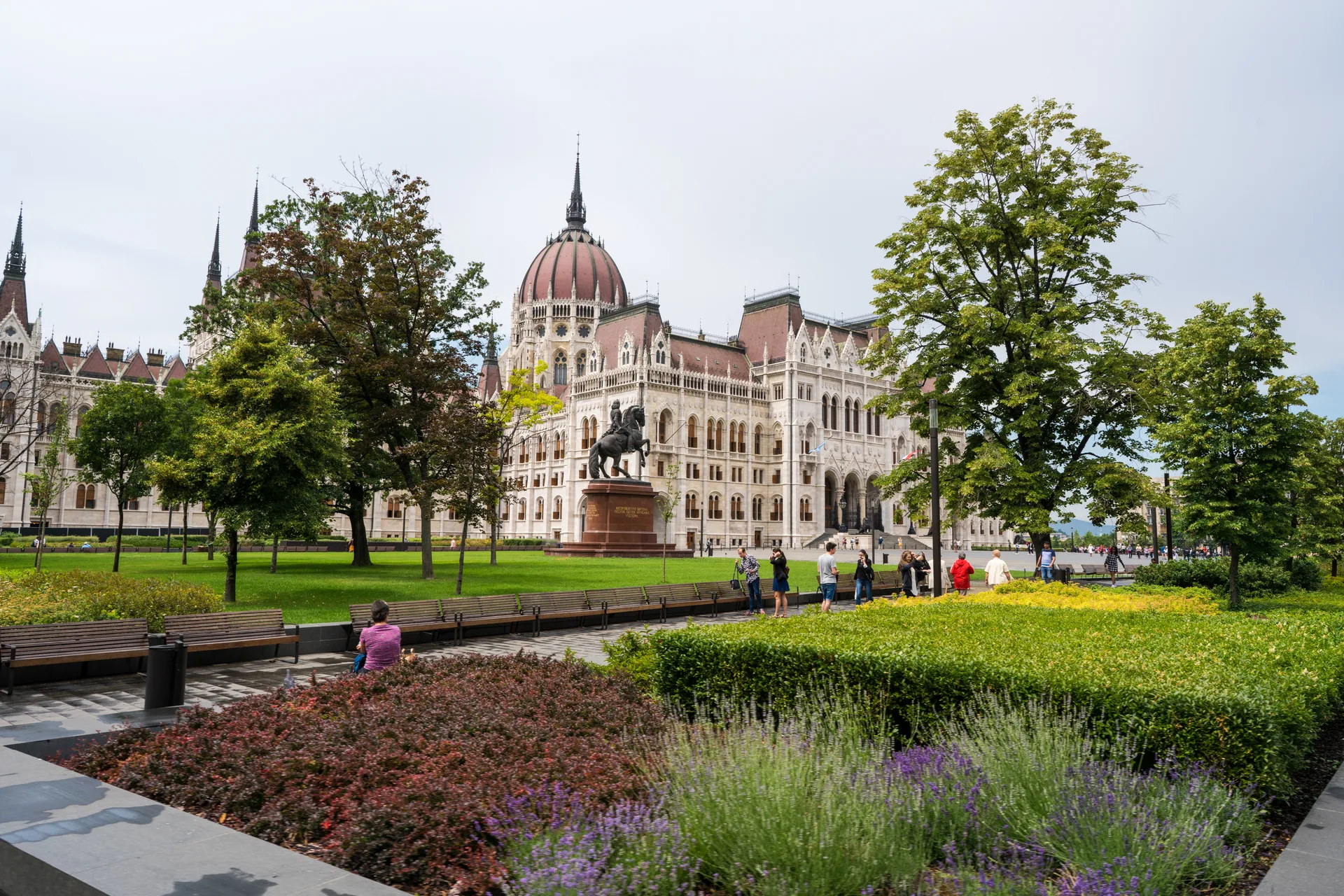
Hungarian Parliament Building
Europe's largest parliament building when it opened in 1902 — a Neo-Gothic riverside colossus that holds Hungary's Holy Crown and is still the single image most people picture when they think of Budapest.
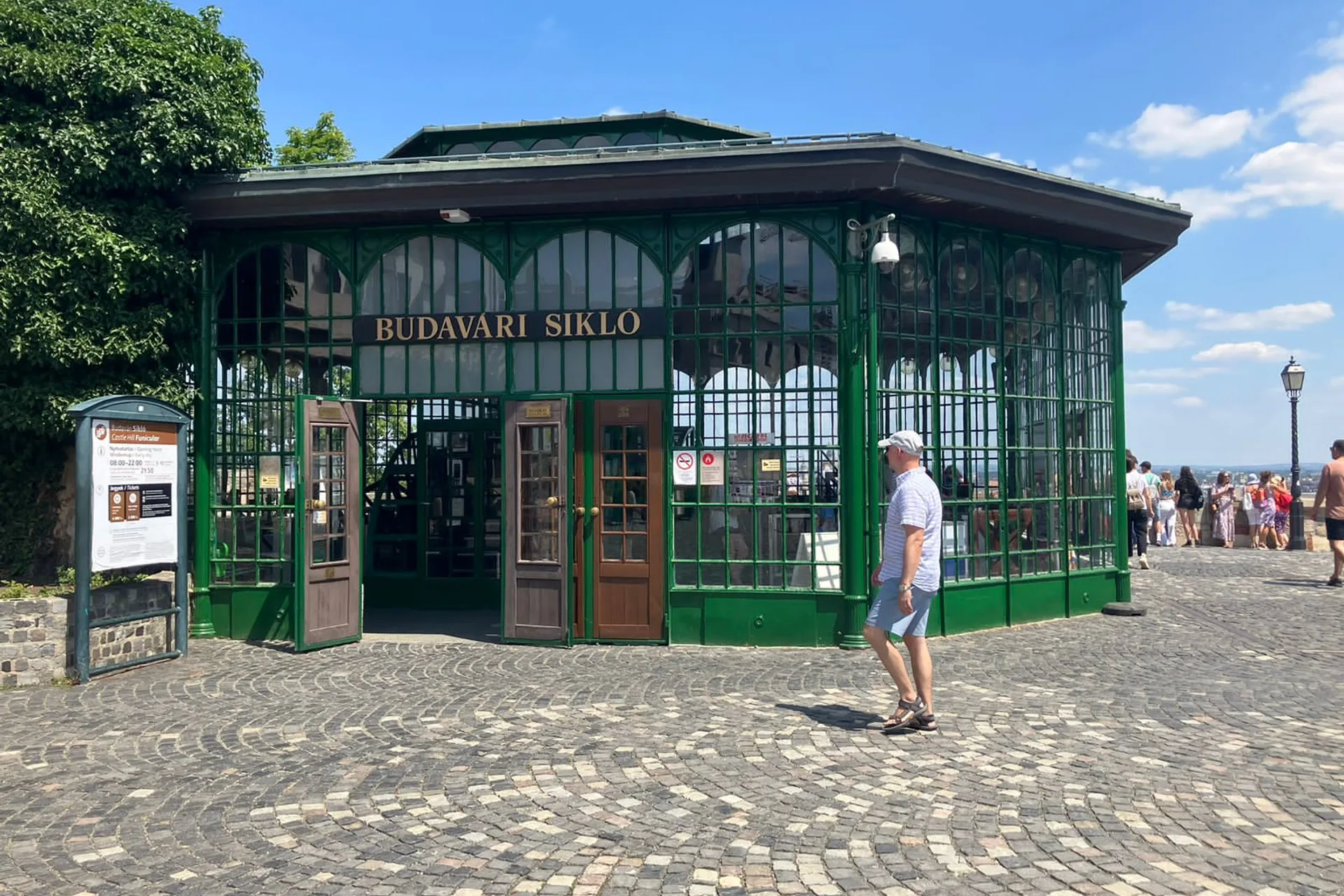
Buda Castle Funicular
A short, scenic 1870 funicular railway climbing Castle Hill from Chain Bridge — a fun 90-second ride, though walking up is free and only slightly slower.
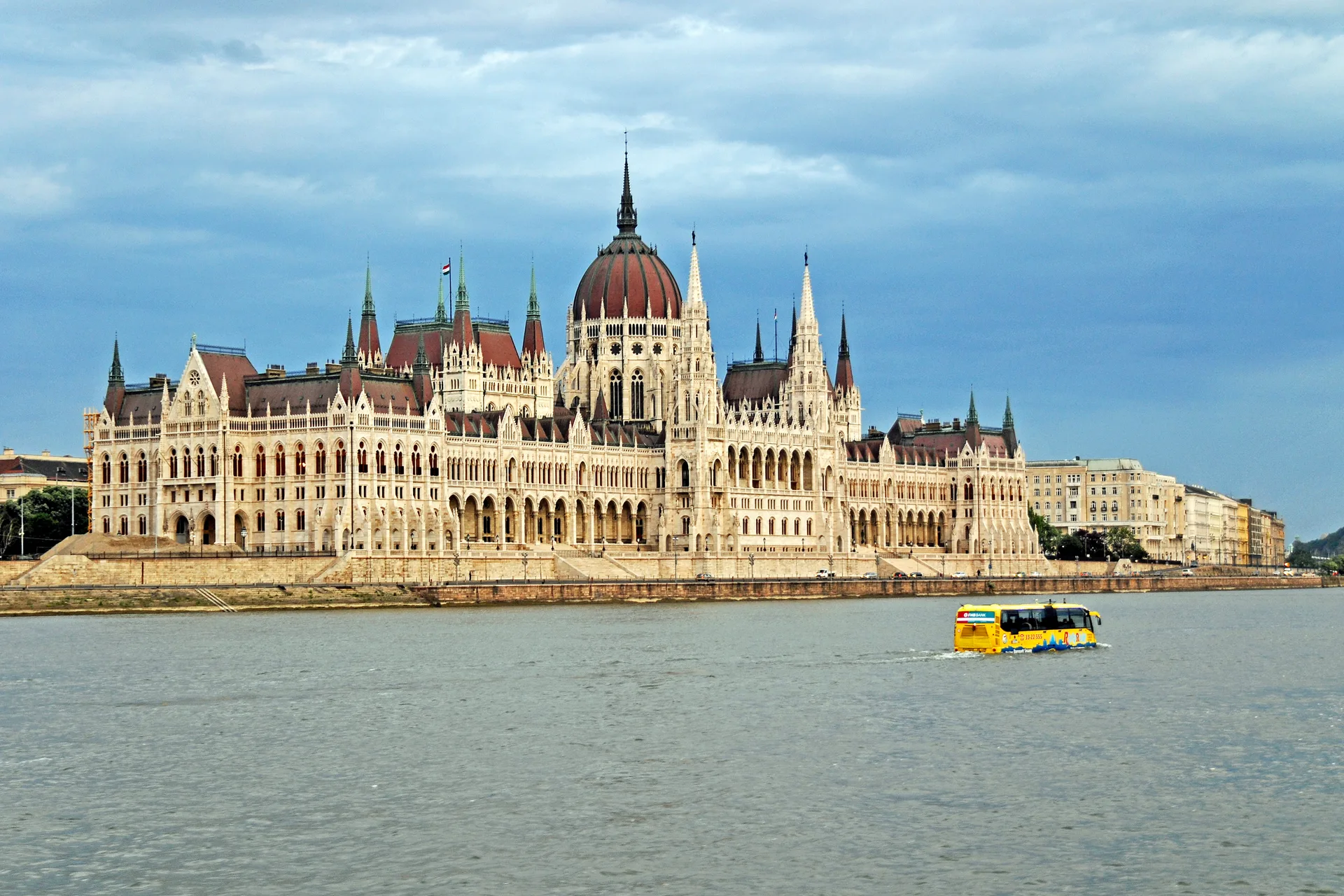
Danube River Evening Cruise
A one-hour sightseeing cruise past Budapest's illuminated riverside landmarks — Parliament, Buda Castle, Chain Bridge — with a drink included, running nightly year-round.