
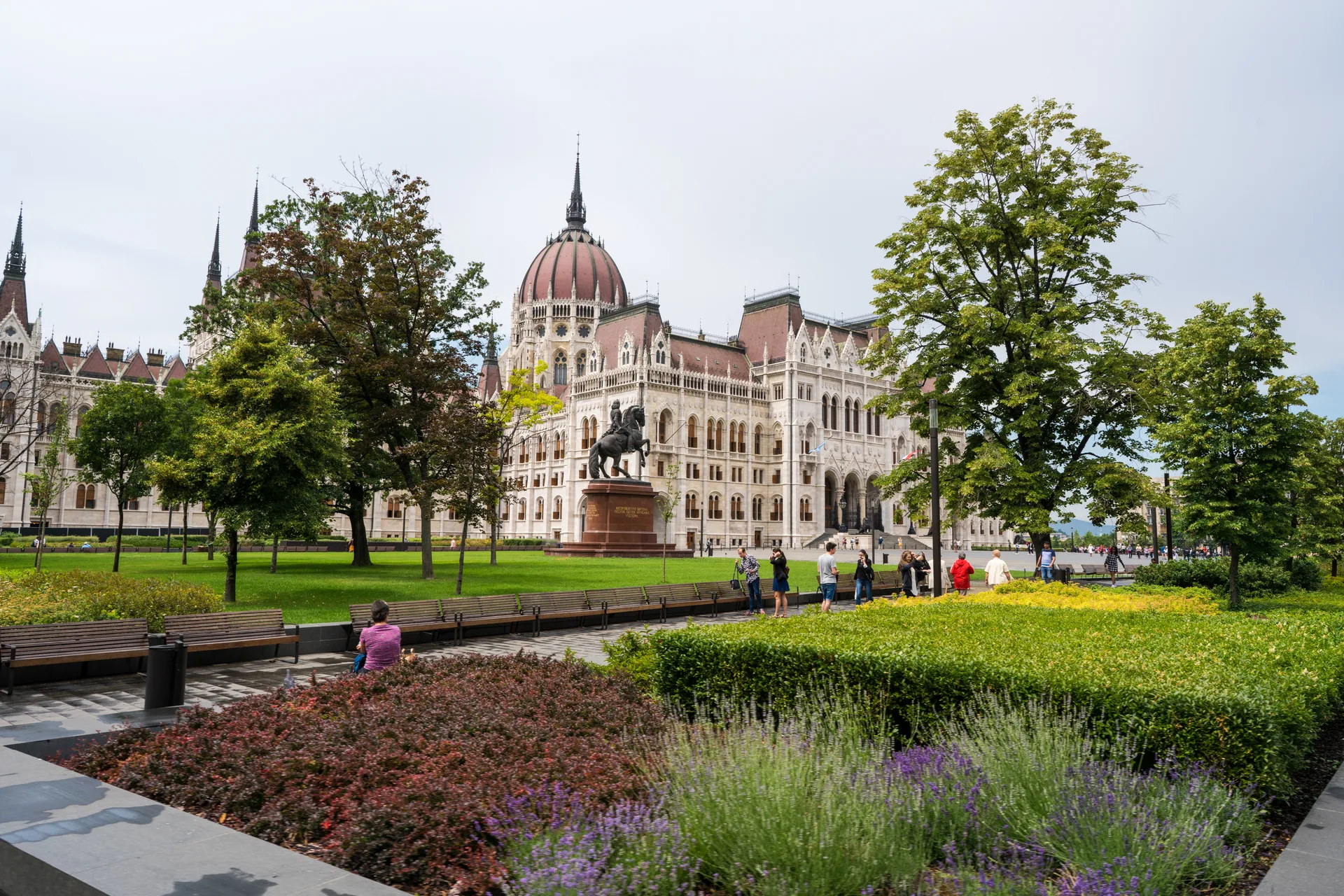
Hungarian Parliament Building
Europe's largest parliament building when it opened in 1902 — a Neo-Gothic riverside colossus that holds Hungary's Holy Crown and is still the single image most people picture when they think of Budapest.
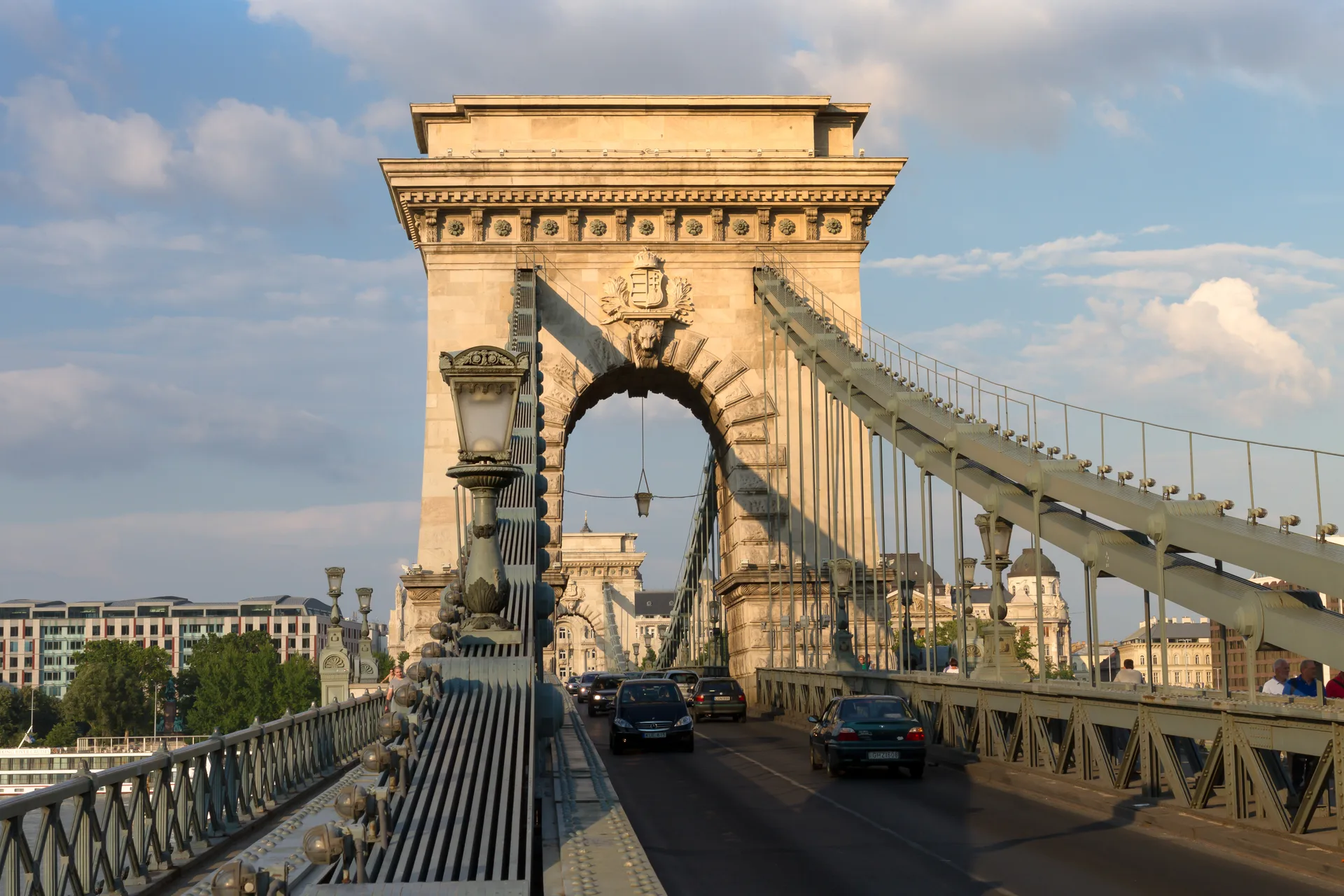
Chain Bridge
Budapest's oldest and most famous Danube crossing — the first permanent bridge to physically unite Buda and Pest, guarded by stone lions and lit gold every night.
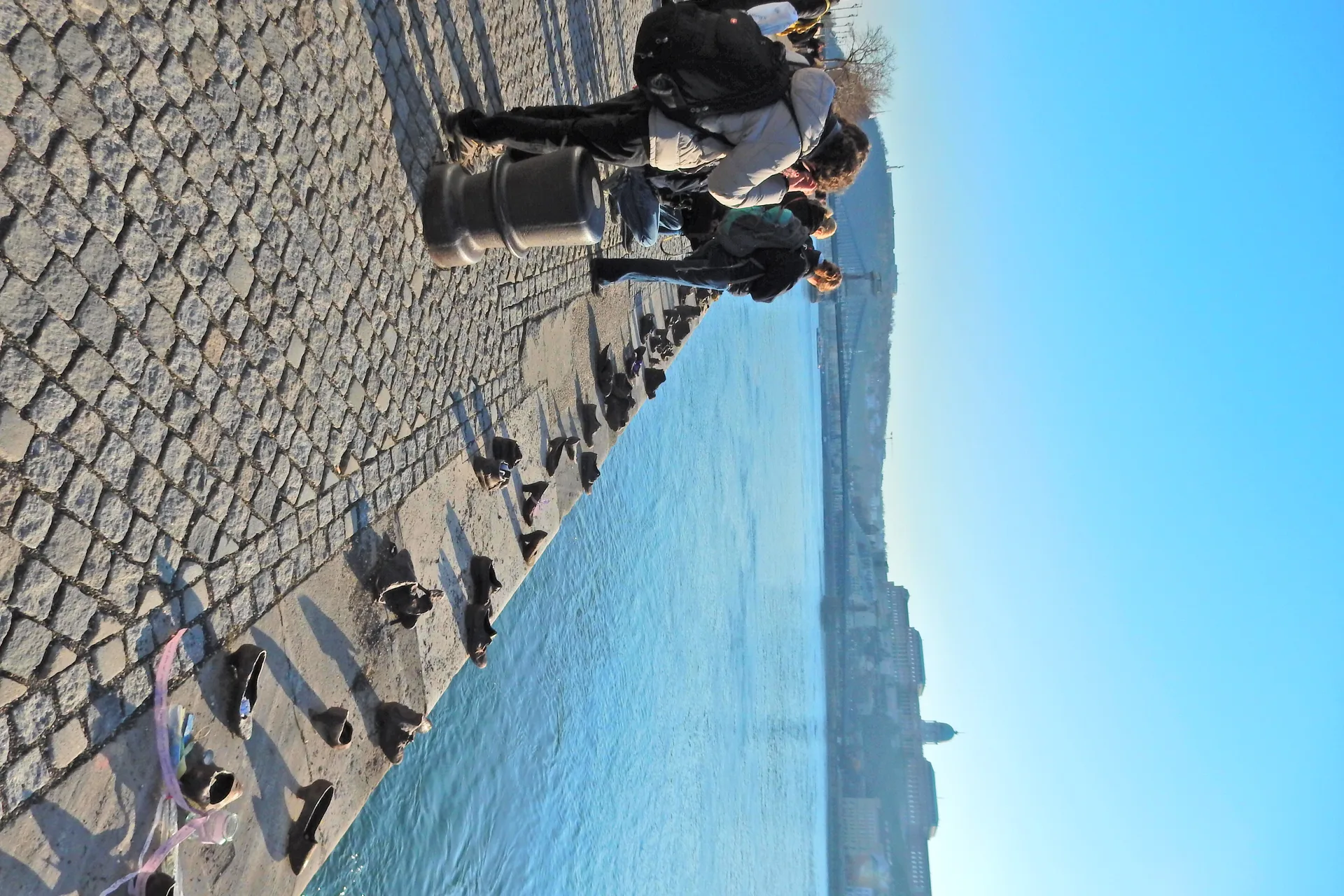
Shoes on the Danube Bank
Sixty pairs of cast-iron shoes on the Pest riverbank, marking where Arrow Cross militia shot thousands of Jews into the Danube in the winter of 1944-45 — one of Europe's most understated, powerful memorials.
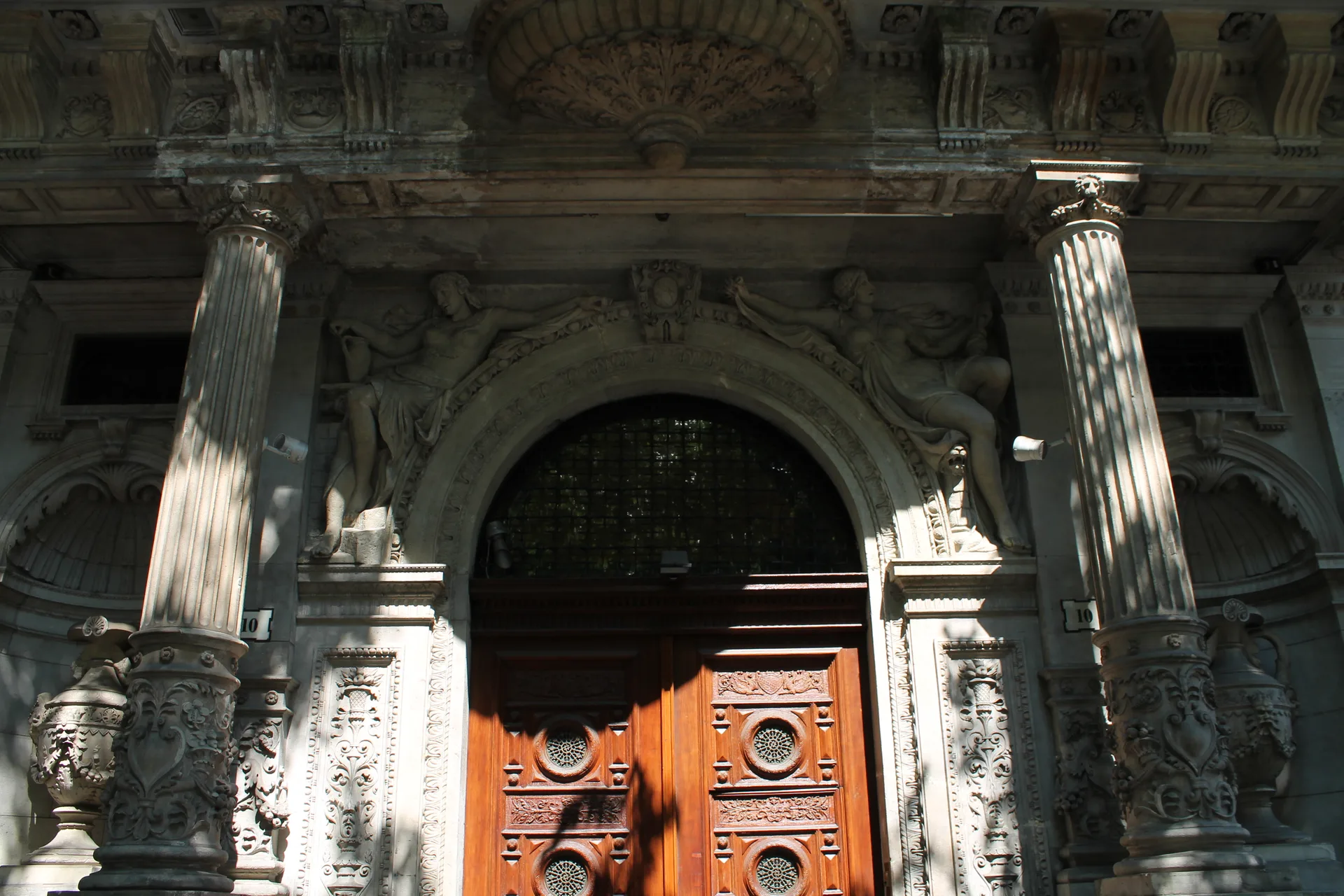
Hungarian State Opera House
A gilded Neo-Renaissance opera house from 1884, considered acoustically among the best in Europe — visit on a guided tour, or better, catch an actual performance for a fraction of Vienna or London prices.
Danube Promenade
The UNESCO-listed riverside walk on the Pest embankment — Parliament, Chain Bridge, the Shoes memorial and unbroken views of Buda Castle, all strung along one flat, free walking route.
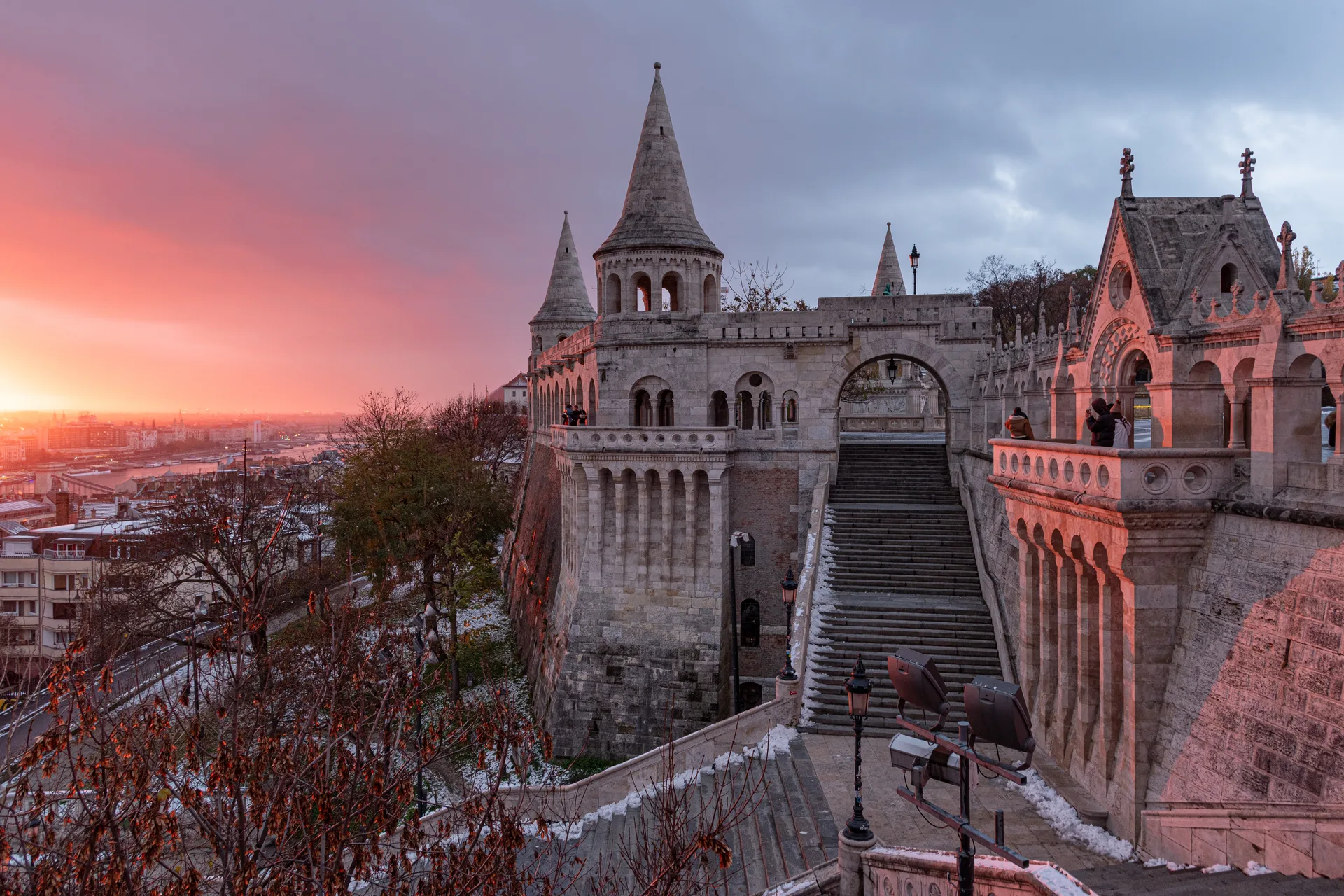
Fisherman's Bastion
A fairy-tale terrace of white turrets and arcades on Castle Hill, built purely for the view — not a real fortification, but the single most photographed spot in Budapest.
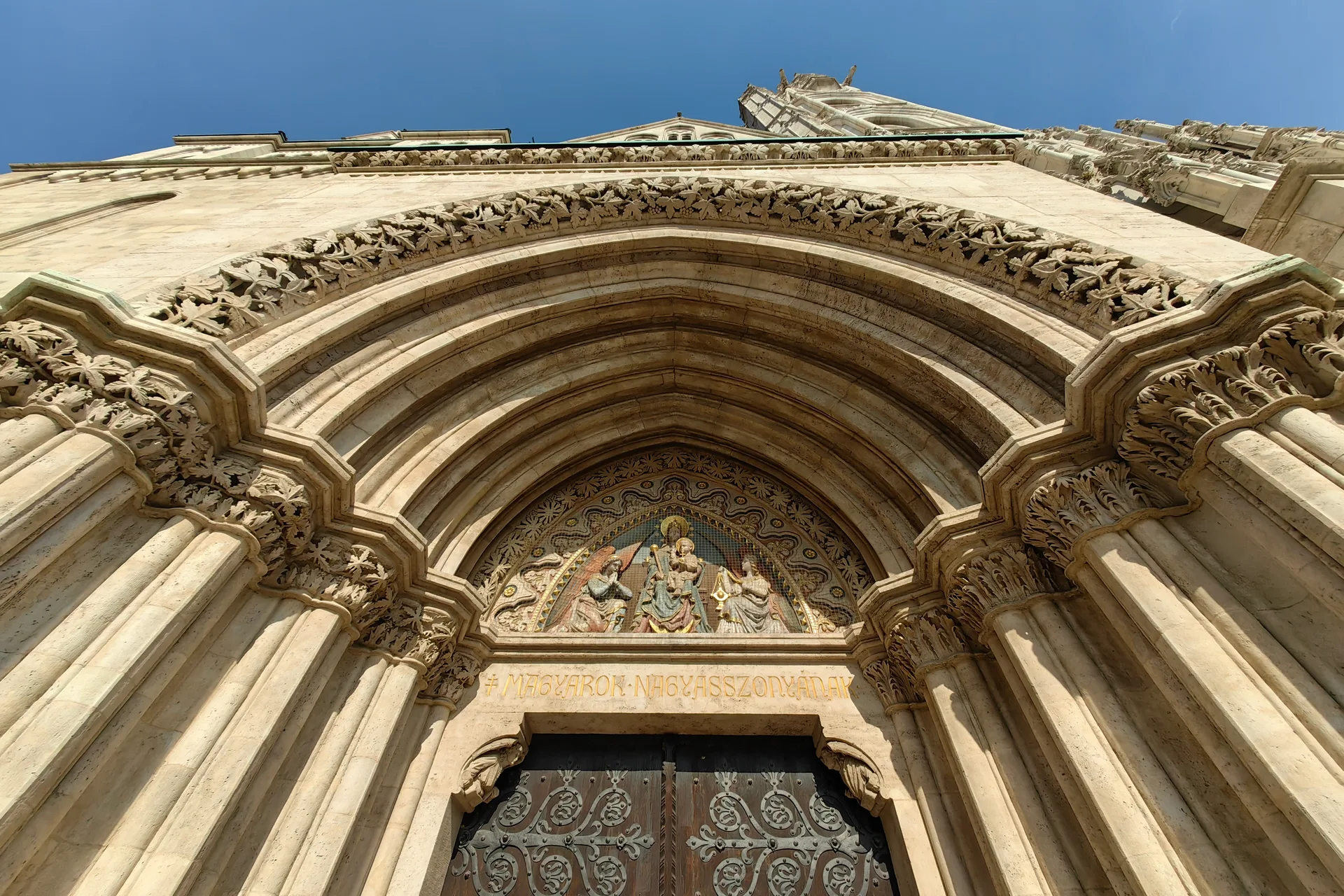
Matthias Church
A 700-year-old Gothic church with a riotously colourful Zsolnay-tile roof, where several Hungarian kings were crowned — including the last coronation of the Habsburg era in 1916.
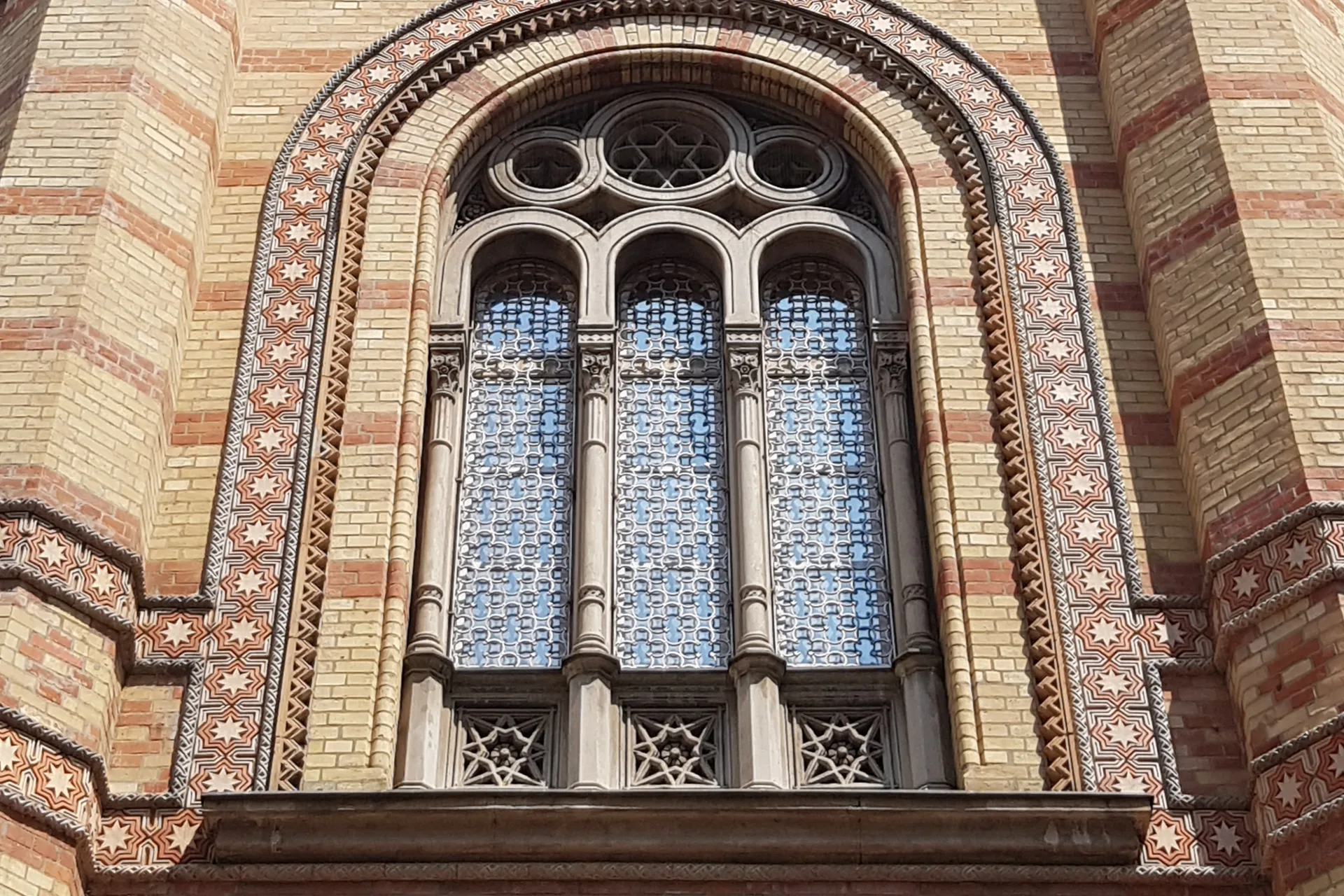
Great Synagogue on Dohány Street
Europe's largest synagogue — a Moorish Revival masterpiece that's also a Jewish museum, memorial garden and Holocaust memorial, all on one ticket.
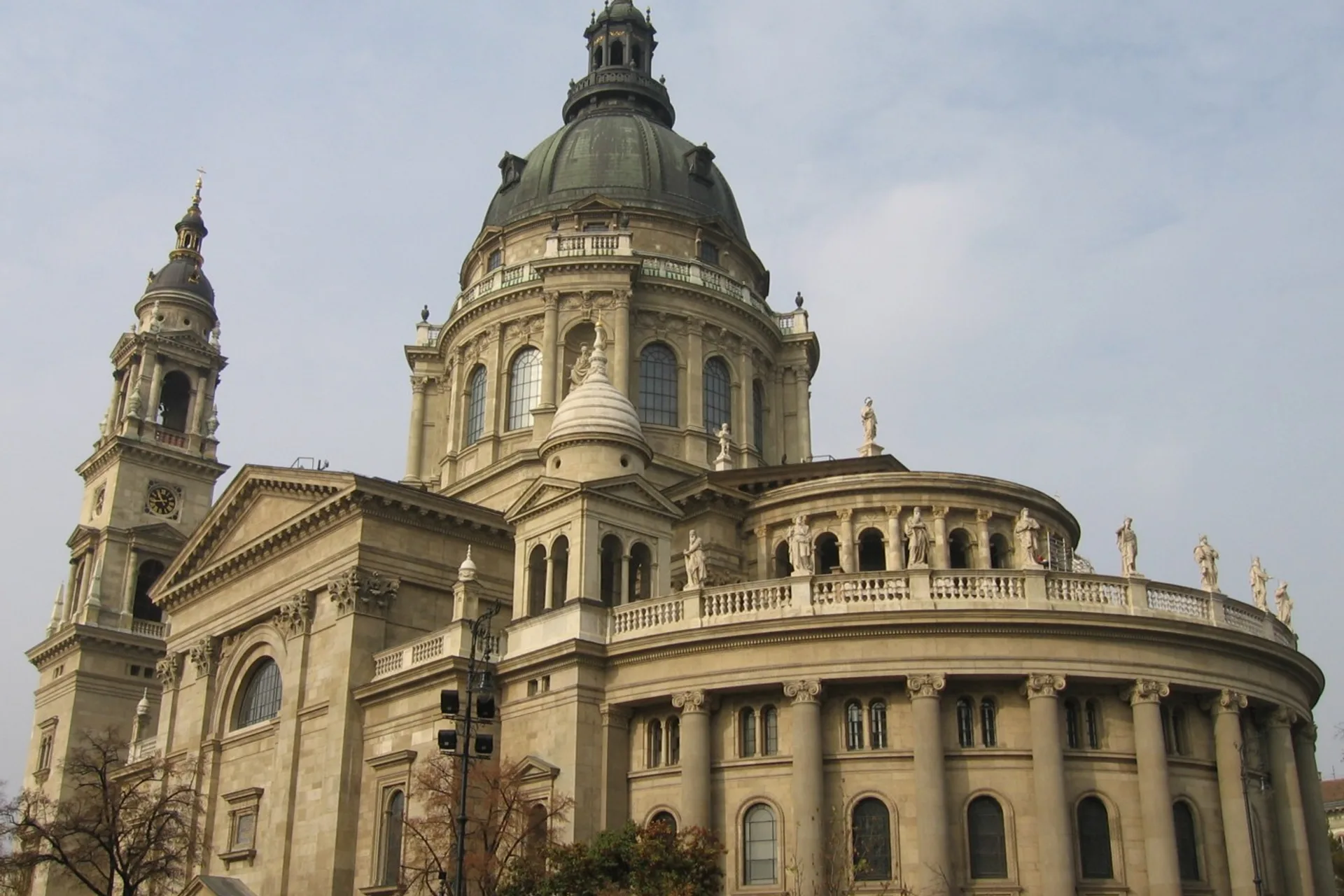
St. Stephen's Basilica
Budapest's largest church, home to Hungary's most sacred relic — the mummified right hand of King (later Saint) Stephen — and a dome-top terrace with 360-degree city views.
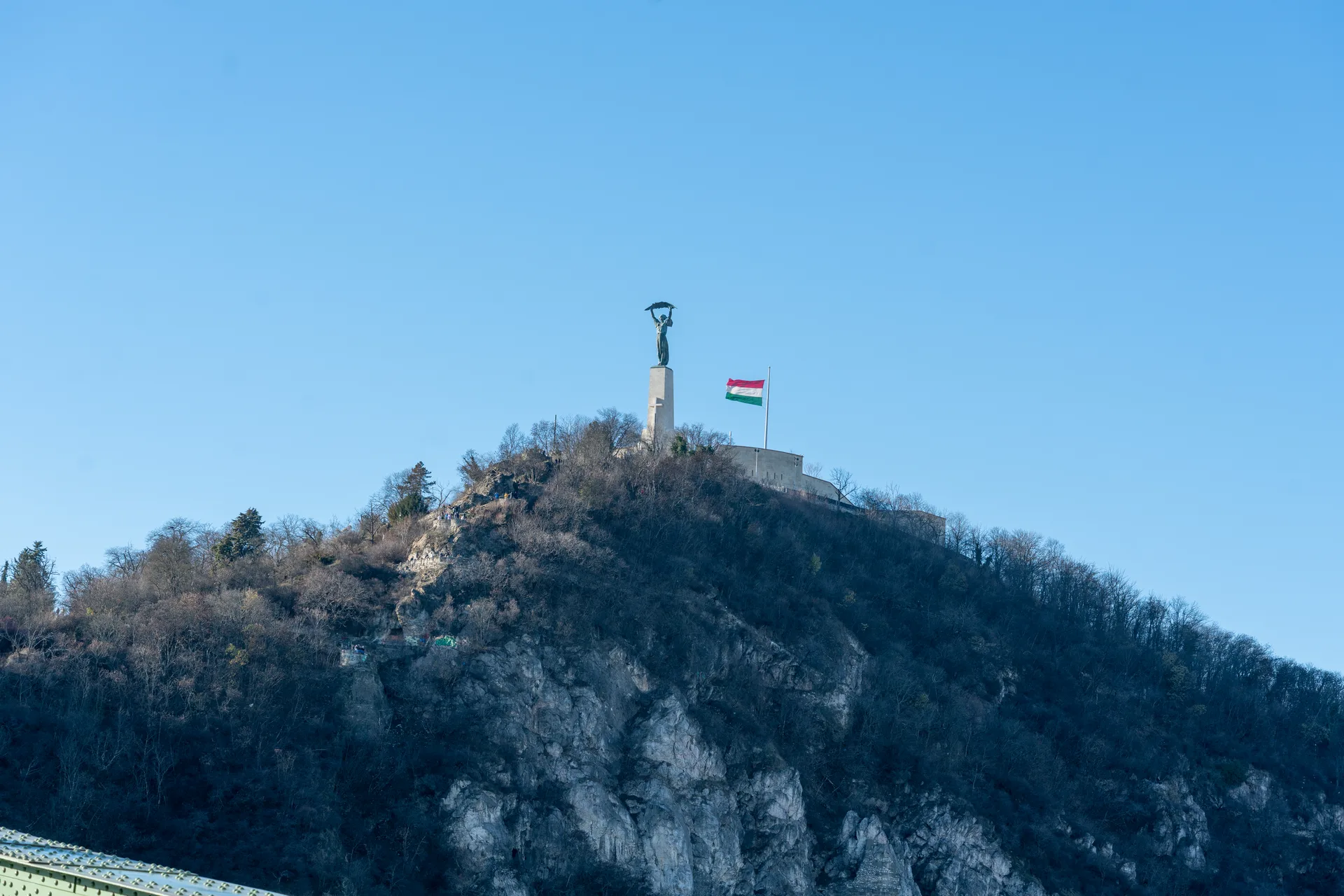
Gellért Hill & Citadella
A 235-metre hill on the Buda side crowned by a Habsburg-era fortress and the Liberty Statue — free public parkland with arguably the single best panoramic view over both Buda and Pest.
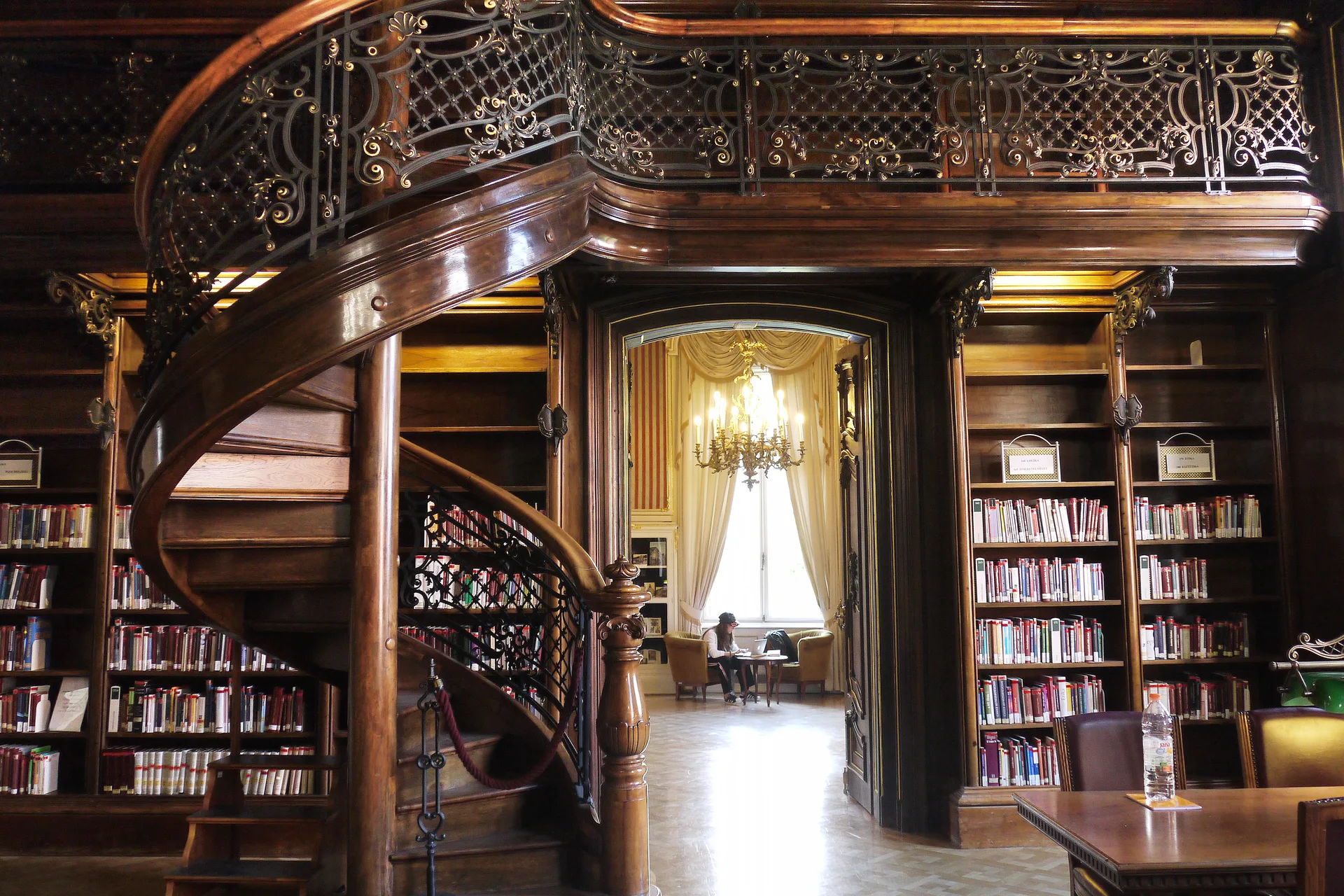
Ervin Szabó Library (Wenckheim Palace)
A working public library inside a restored 19th-century noble palace — velvet armchairs, gilded stucco and crystal chandeliers, open to anyone who buys a day pass, no library card required.
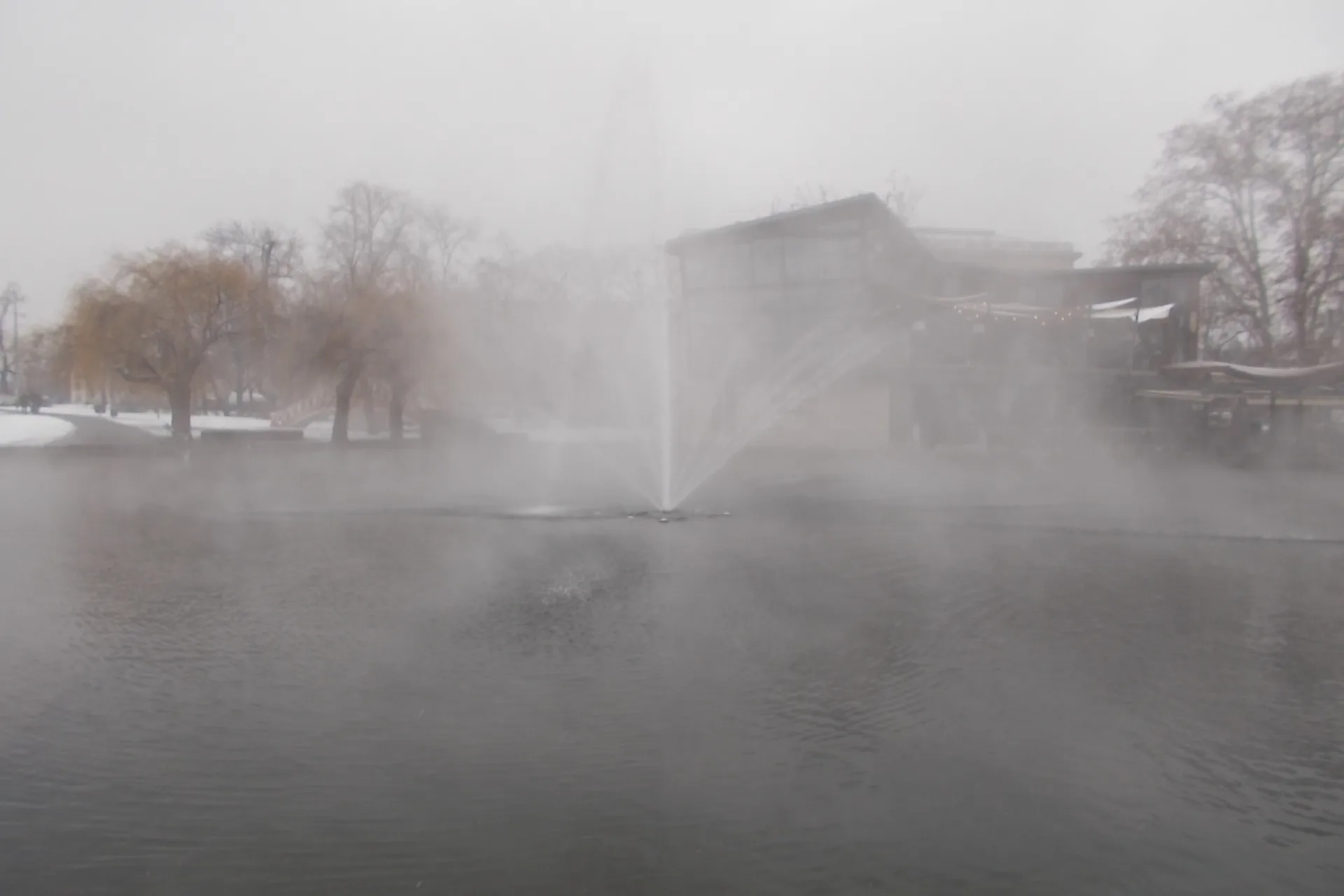
City Park (Városliget)
One of the world's first public parks, opened in 1810 — the green anchor behind Heroes' Square, holding Vajdahunyad Castle, Széchenyi Baths, the zoo and Central Europe's largest outdoor ice rink.
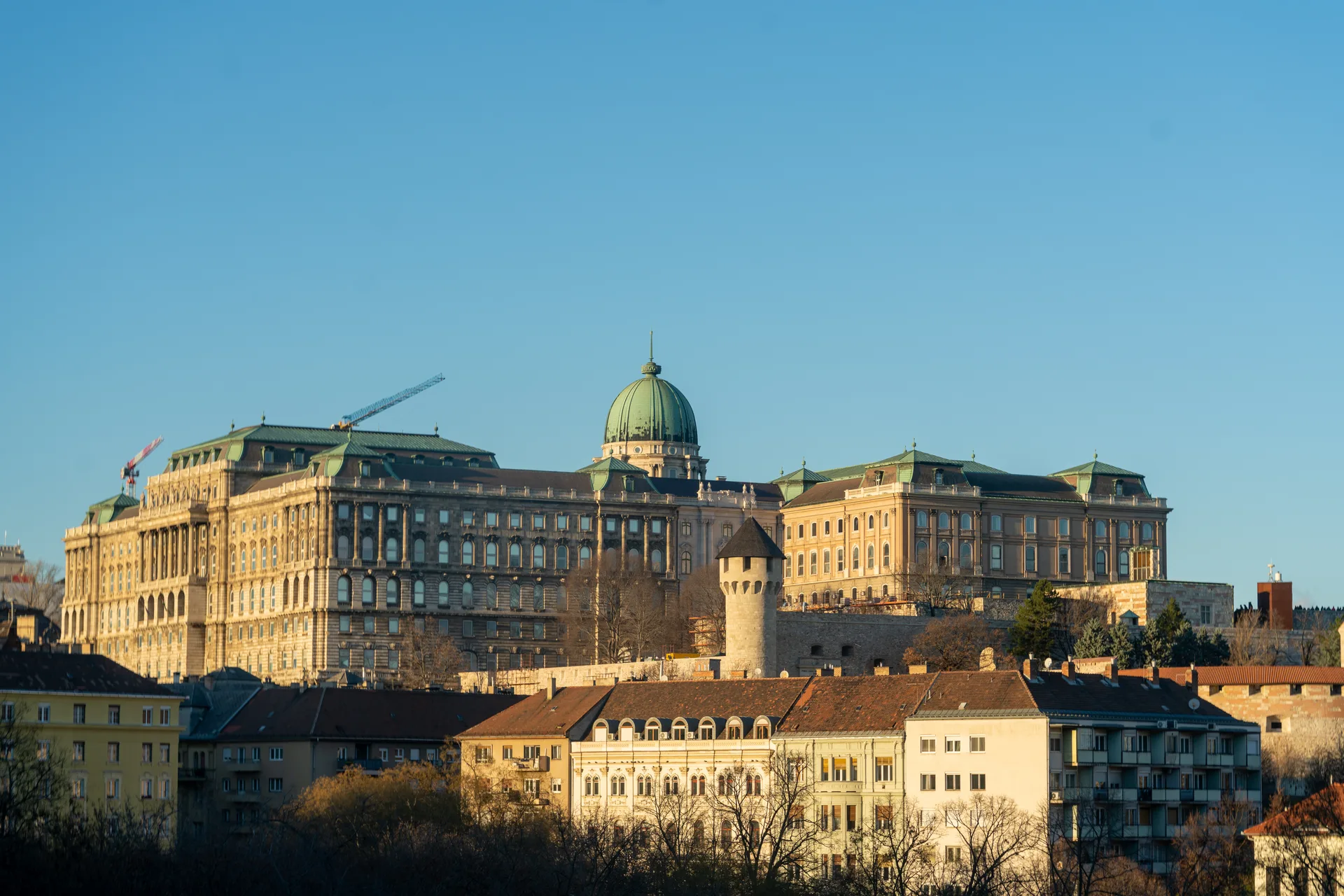
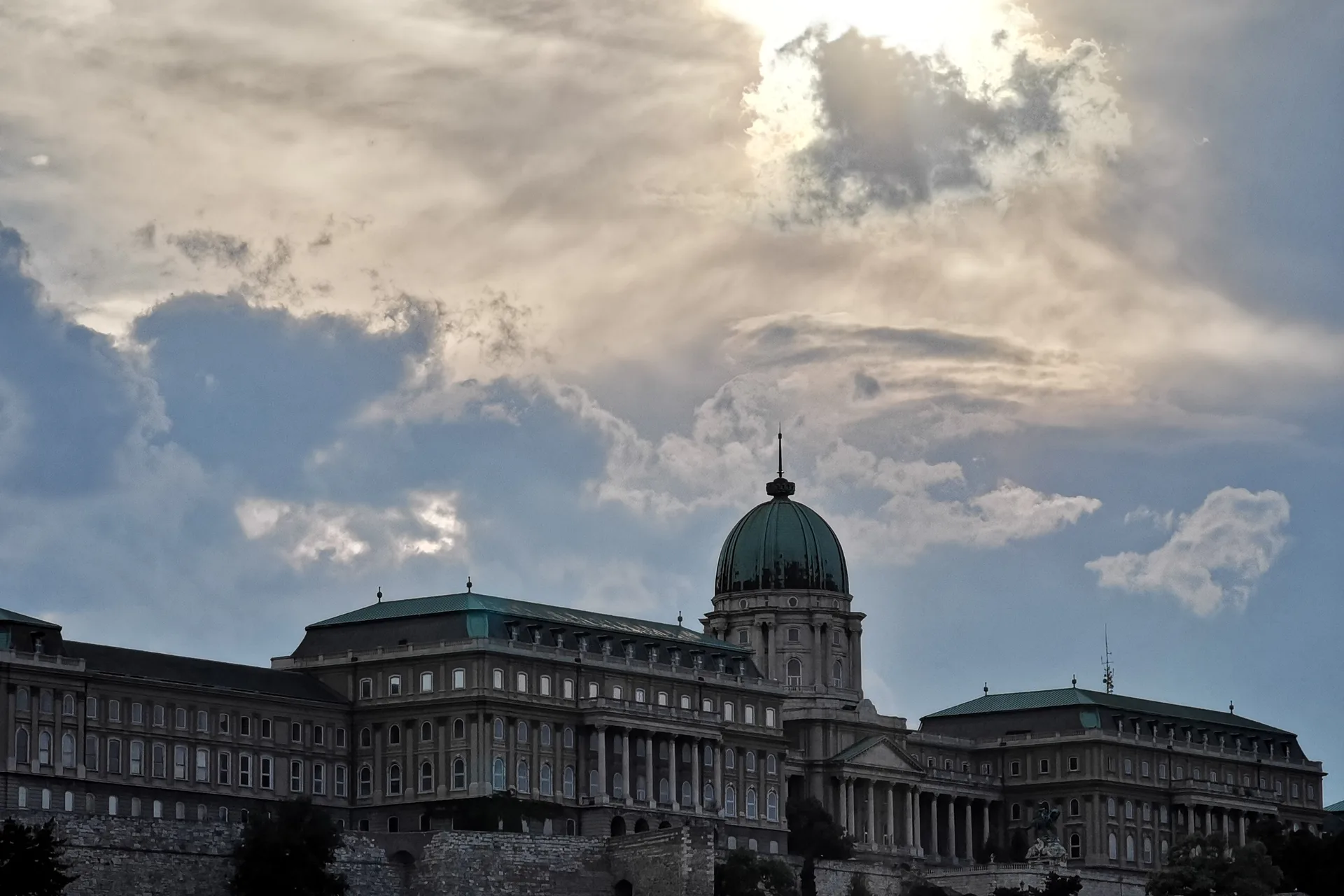
Buda Castle (Royal Palace)
The sprawling former royal palace on Castle Hill — today home to the Hungarian National Gallery and the Budapest History Museum, with free-to-wander courtyards and some of the best views over the Danube.
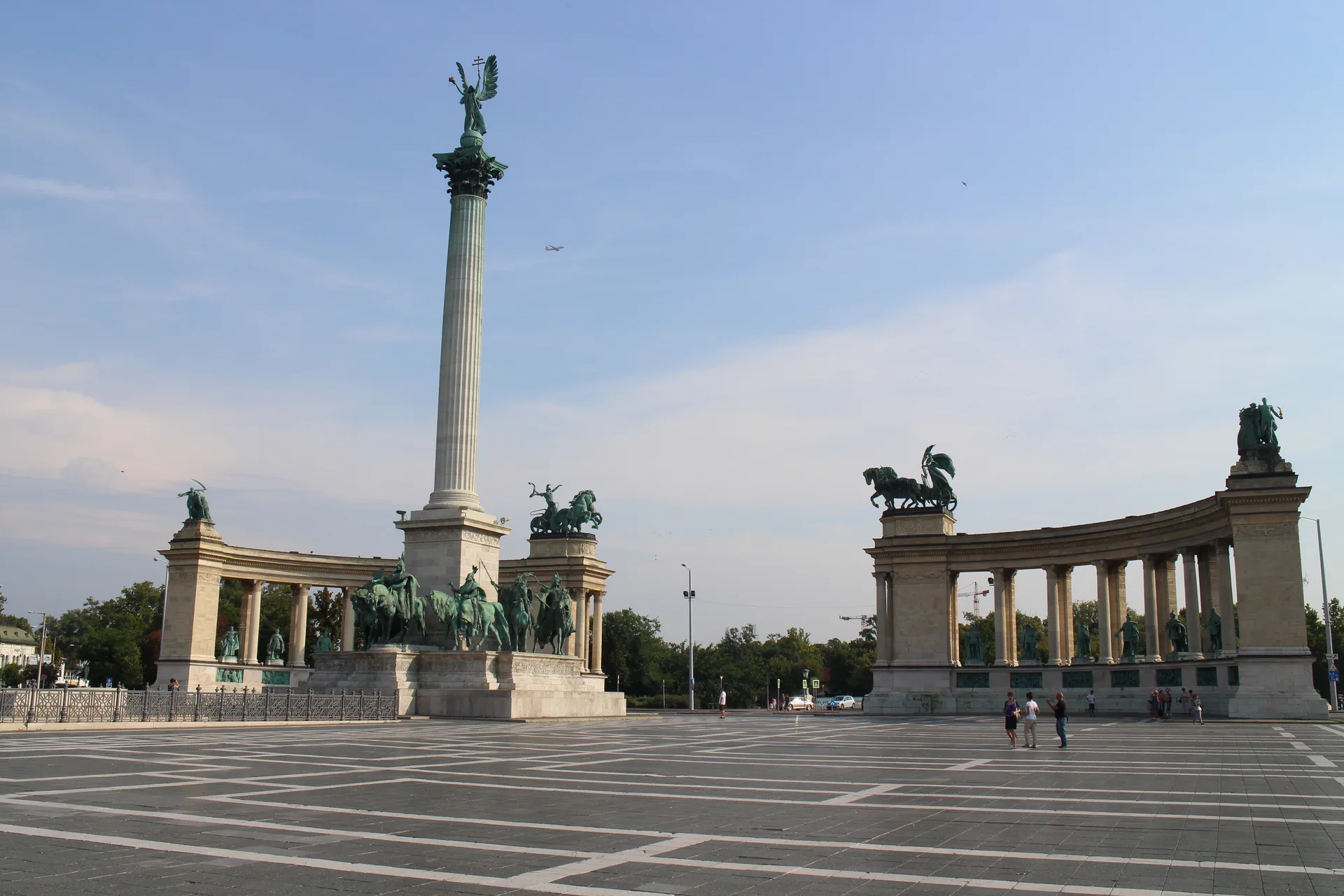
Heroes' Square
Budapest's grandest square — a semicircle of colonnades and statues built for Hungary's 1896 millennium, anchored by a 36-metre column crowned by the Archangel Gabriel.
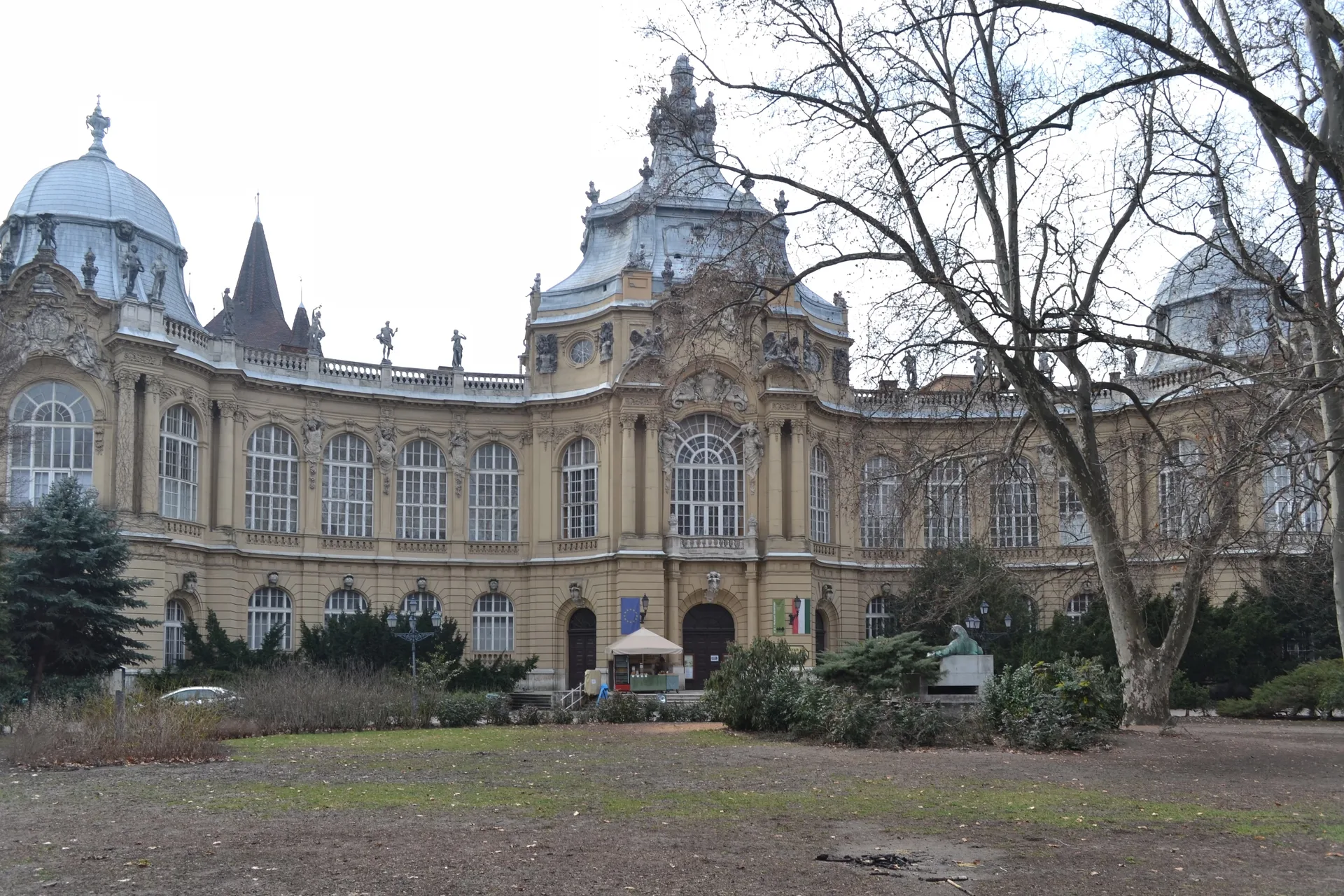
Vajdahunyad Castle
A fantasy castle in City Park stitching together Gothic, Romanesque, Renaissance and Baroque architecture from across historic Hungary — built as a temporary 1896 exhibit, kept because everyone loved it.
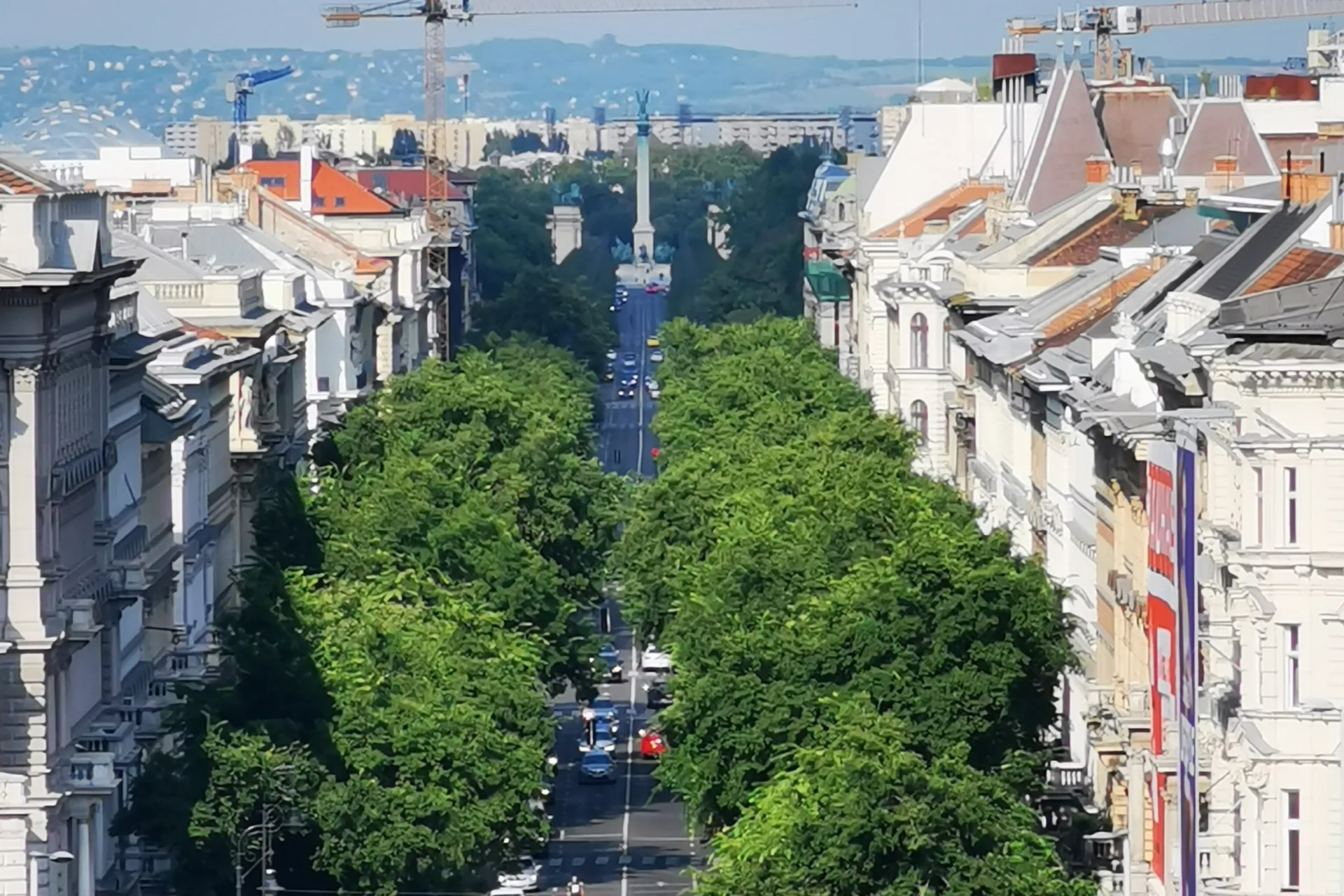
Andrássy Avenue
Budapest's grand 2.5km boulevard, a UNESCO World Heritage Site — Neo-Renaissance mansions, the Opera House, House of Terror and Heroes' Square, all strung along one straight line.
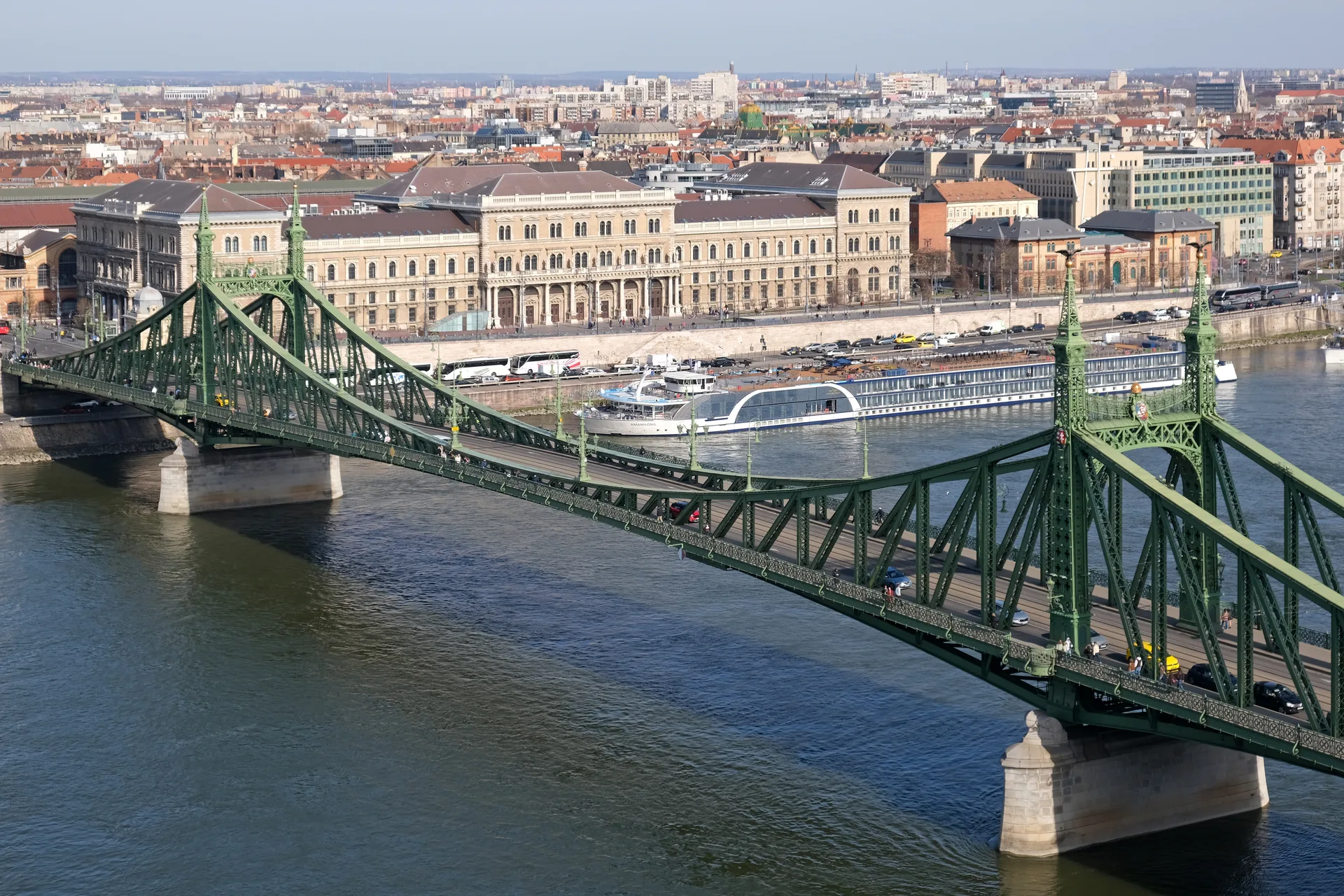
Liberty Bridge
Budapest's shortest and most ornately decorated Danube bridge, distinctive for its green cantilever ironwork and mythical turul-bird sculptures — and for locals sunbathing on it in summer.
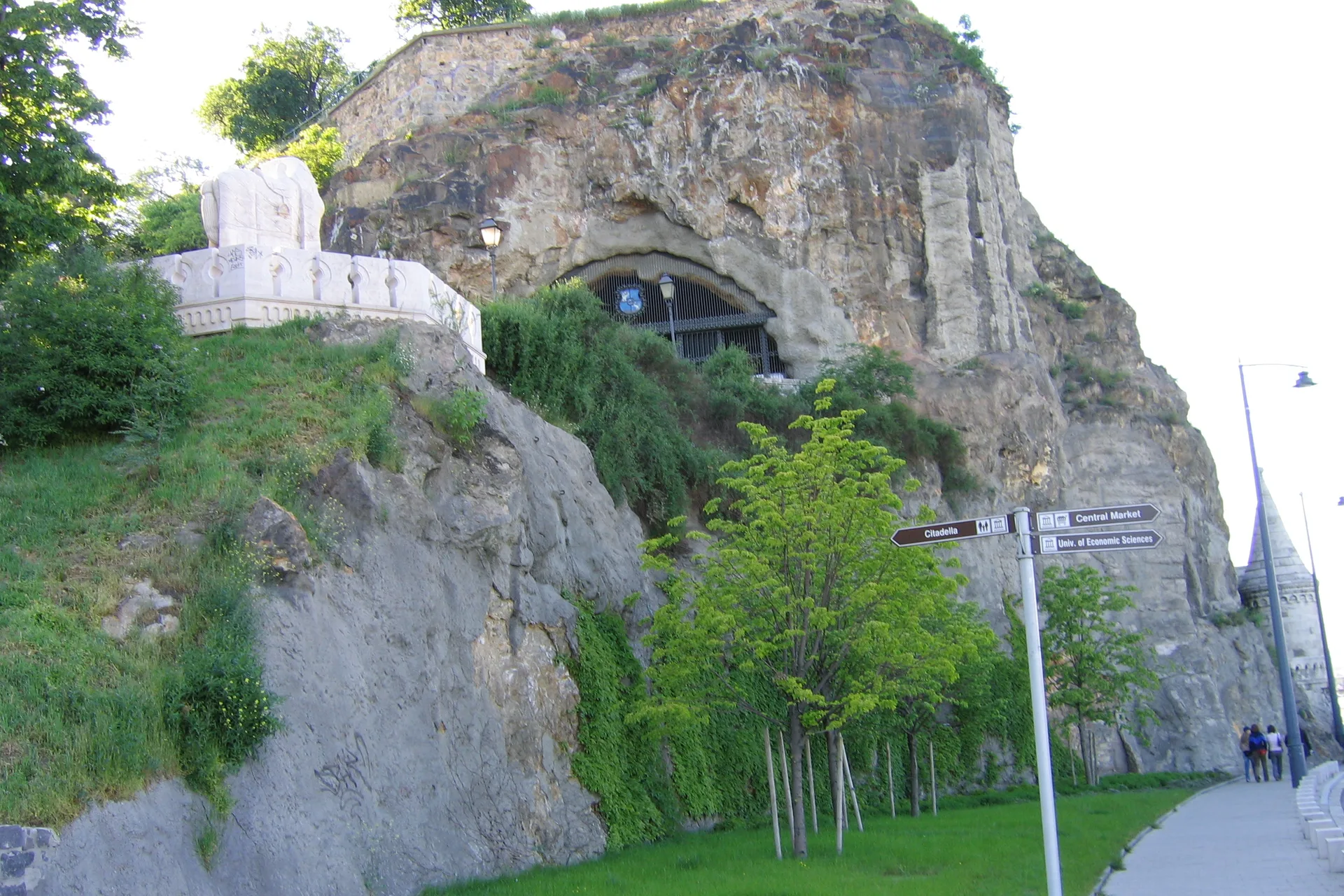
Cave Church (Gellért Hill)
A working chapel built directly into a natural cave in Gellért Hill, with a dramatic Cold War history — its monks were imprisoned and the church sealed shut for over 40 years under communism.
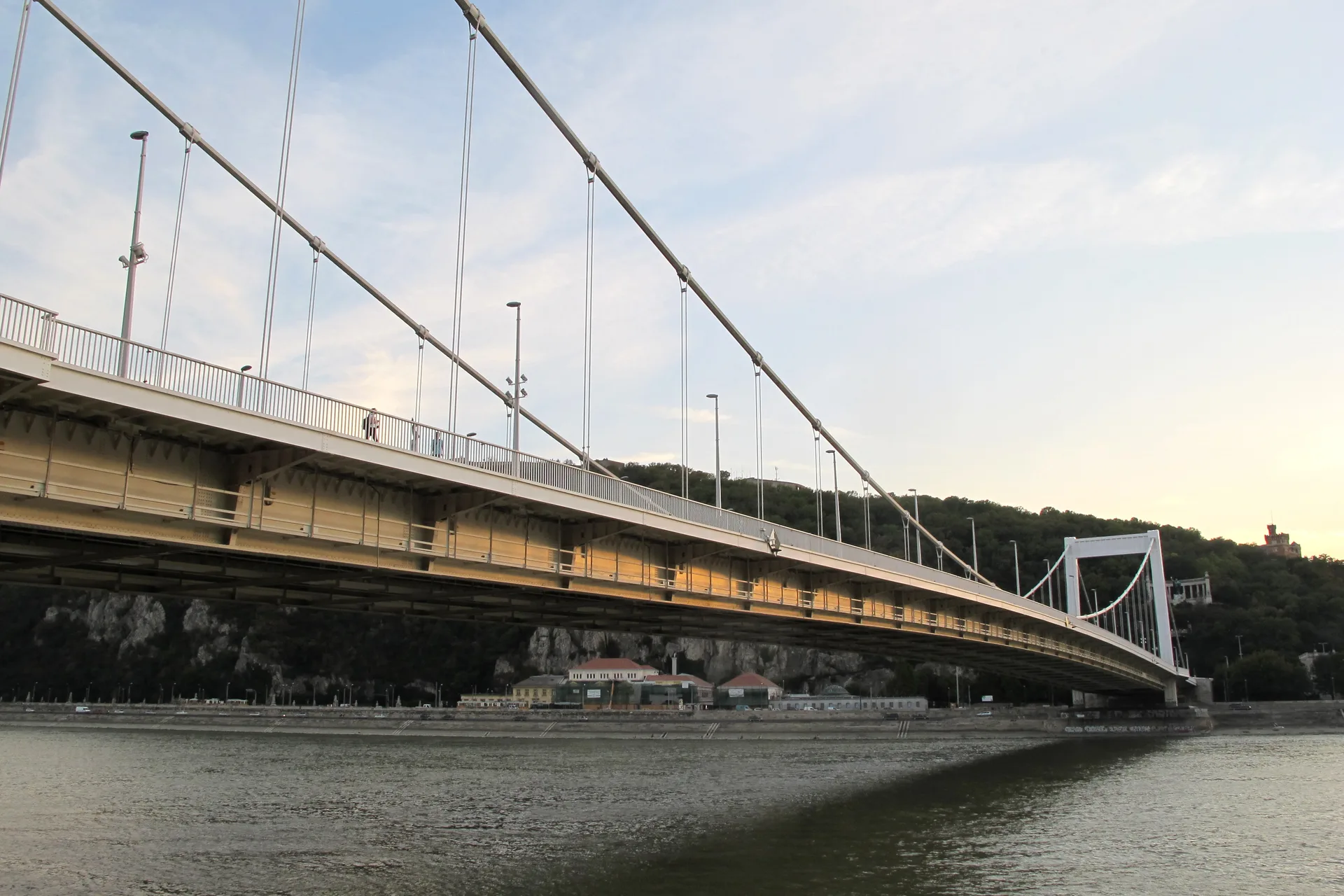
Elisabeth Bridge
A sleek white cable-stayed bridge crossing the Danube at its narrowest Budapest point — a mid-century rebuild of an ornate original destroyed in WWII, named for the beloved Empress 'Sisi.'
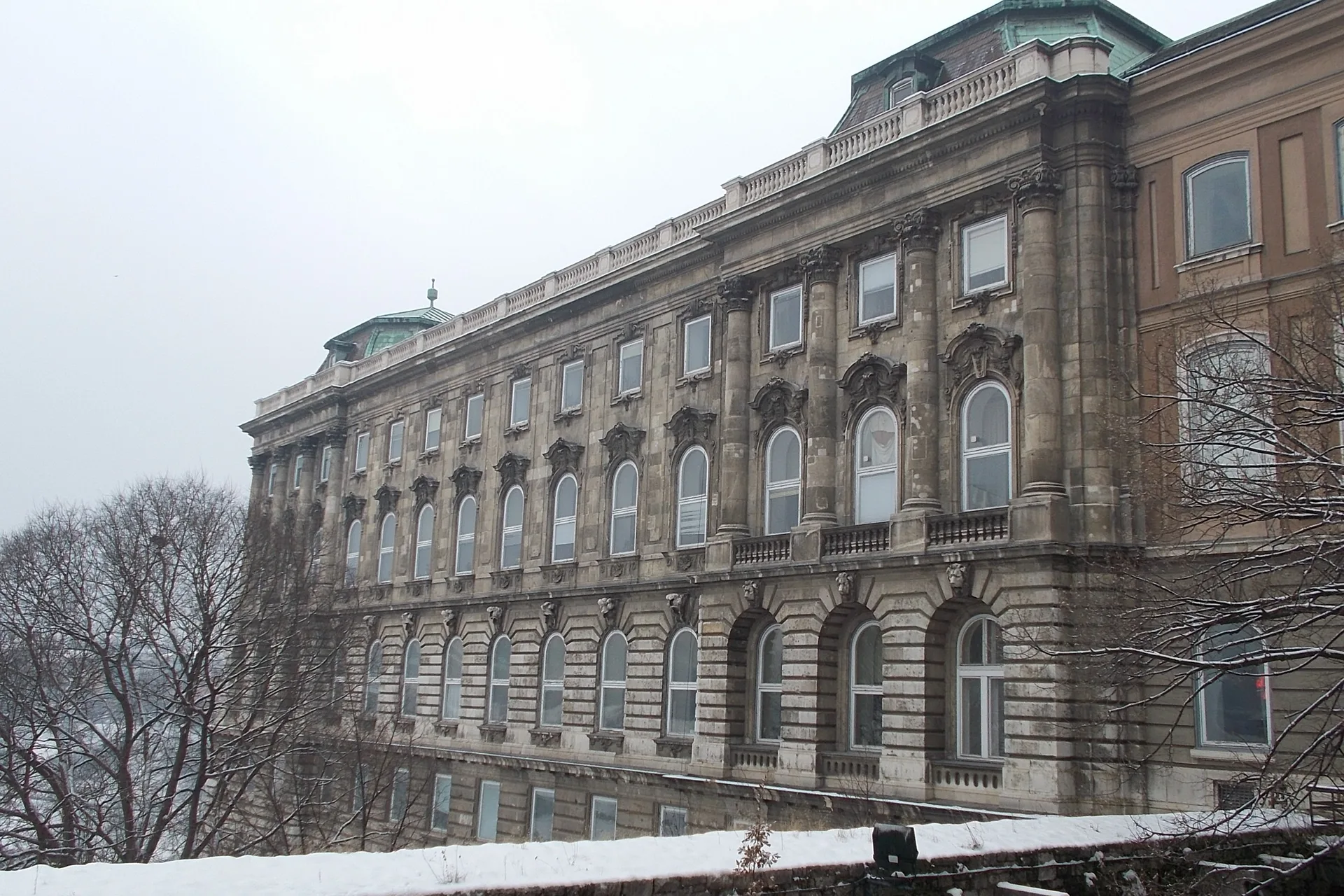
National Széchényi Library
Hungary's national library, holding over 8 million items inside a wing of Buda Castle — visit its exhibitions and reading rooms with a simple day pass, no research credentials needed.
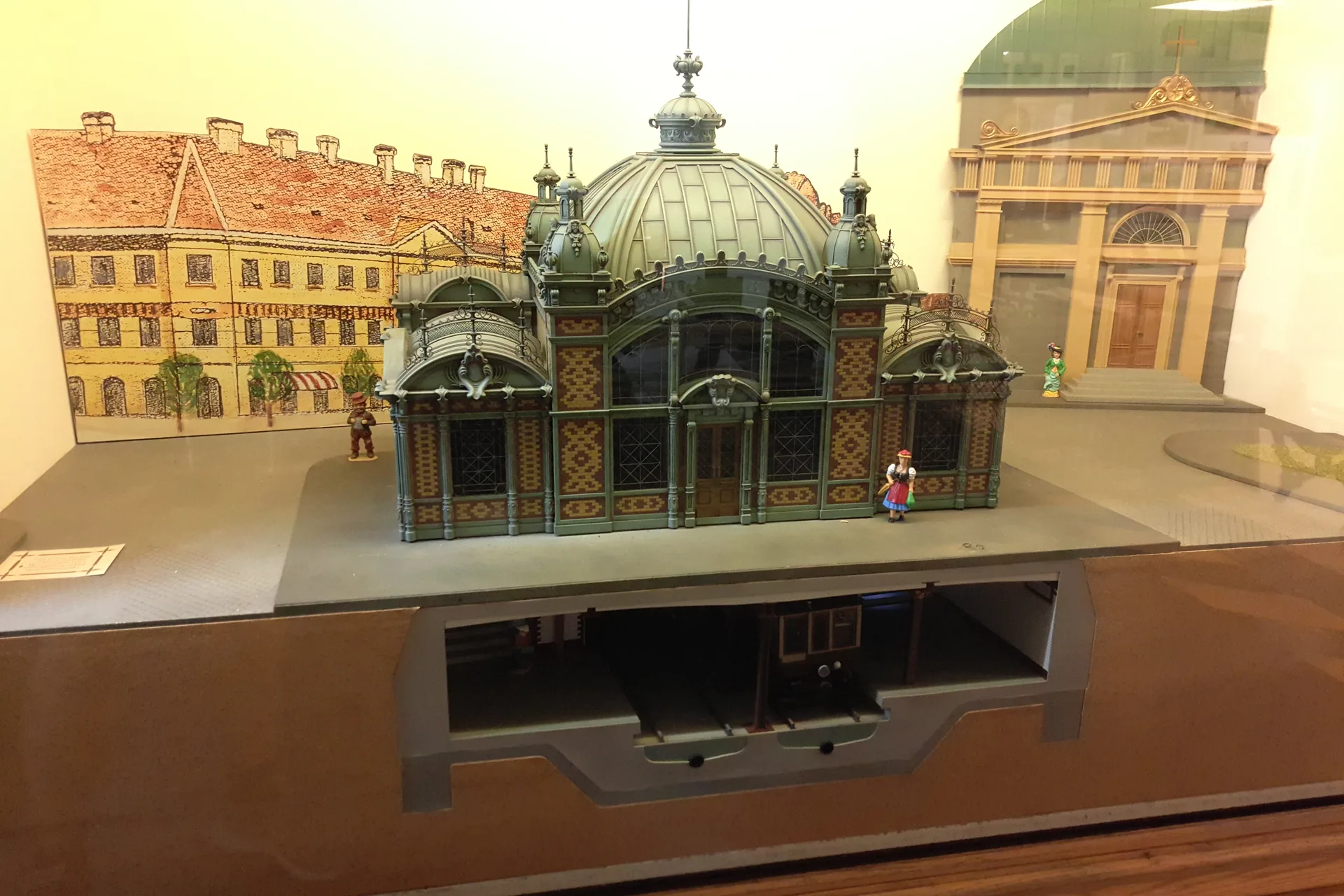
Millennium Underground Railway Museum
A tiny museum inside a disused stretch of tunnel at Deák Ferenc tér, celebrating the M1 — continental Europe's first underground railway, opened in 1896 and still running today.