
Best for
Every visitor walking the Pest riverside promenade
Time needed
10-20 minutes
Worth it?
Yes — brief but genuinely moving and historically important
Skip if
Never skip it if you're walking this stretch of riverbank — it costs nothing and takes minutes
About Shoes on the Danube Bank
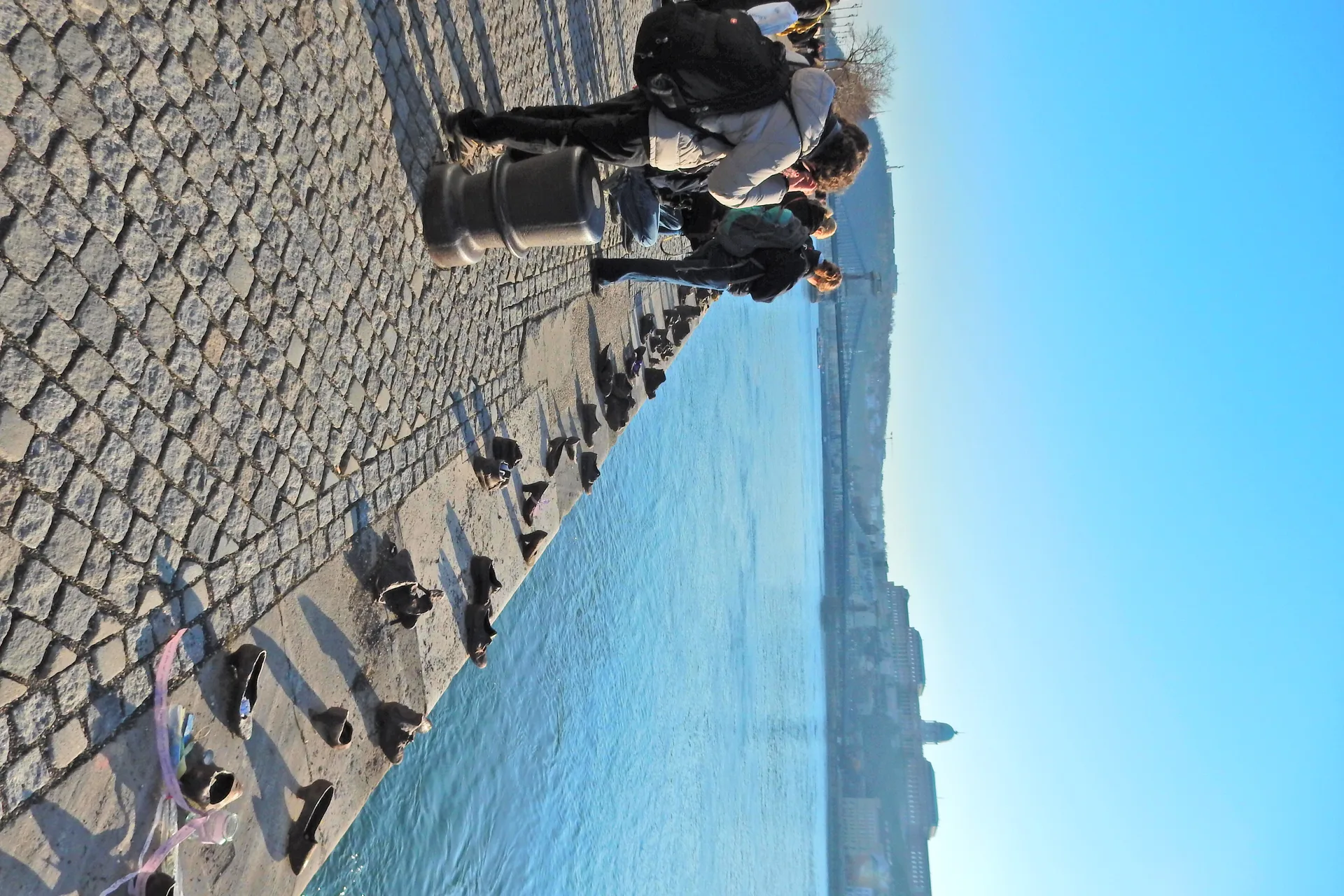
In the final months of 1944 and early 1945, after the fascist Arrow Cross Party seized power with Nazi backing, militiamen took Jewish men, women and children from the Budapest ghetto to the Danube embankment, ordered them to remove their shoes — a valuable commodity, often resold or reused — and shot them at the water's edge so their bodies fell directly into the river, saving the killers the effort of burial. Estimates suggest around 20,000 people were murdered along the Danube in Budapest during this period, of an estimated 565,000 Hungarian Jews killed in the Holocaust overall.
The memorial, created by film director Can Togay and sculptor Gyula Pauer and unveiled in 2005, consists of 60 pairs of iron shoes cast in 1940s styles — men's, women's and children's — fixed directly onto the stone embankment, positioned as if their owners had just stepped out of them. There are no plaques, statues of victims, or explanatory text at eye level; the emptiness of the shoes themselves does the work, deliberately understated compared to more figurative Holocaust memorials elsewhere.
Read the full storyShow less
It sits directly on the Pest riverside promenade, a short walk south of Parliament, meaning most visitors encounter it somewhat unexpectedly while walking along the river rather than seeking it out as a dedicated stop — which is, if anything, part of its power: it interrupts an otherwise scenic riverside walk with a sudden, quiet confrontation with the city's darkest recent history.
Visitors regularly leave small stones, flowers or candles in the shoes, following the Jewish tradition of leaving stones at graves — there's no formal system for this, it's simply grown as informal practice at the site.
What to See: Highlights
- 160 pairs of cast-iron 1940s-style shoes on the riverbank
- 2Marks the site of Arrow Cross massacres of Budapest Jews, 1944-45
- 3Created by Can Togay and Gyula Pauer, unveiled 2005
- 4Deliberately understated, no explanatory statues or figures
- 5A short walk from the Hungarian Parliament Building
- 6Visitors often leave stones, flowers or candles
Skip the Queue — Book Tickets Online
Same admission, instant confirmation. Compare prices across platforms.
Affiliate disclosure — we may earn a commission at no extra cost to you.
Insider Tips
Visit quietly and respectfully — it's an active memorial site, not just a photo stop
Combine with a walk to or from Parliament along the riverside promenade
Read up on the Arrow Cross period beforehand for full context
It's easy to walk past without noticing — look for the low-profile iron shoes at ground level
Evening light along the river adds a particular solemnity here
Book a Guided Tour
Get the most from your visit with a local expert guide.
Affiliate disclosure — we may earn a commission at no extra cost to you.
Getting There
Id. Antall József rakpart, 1054 Budapest (Danube embankment, south of Parliament)
Open in Google Maps →- 1Metro M2 to Kossuth Lajos tér, then a 5-minute walk south along the riverside promenade.
Where to stay
Hotels in Budapest
Compare prices across hundreds of hotels near this attraction — from budget hostels to luxury stays. Free cancellation on most rooms.
Affiliate disclosure — we may earn a commission at no extra cost to you. Powered by Booking.com.
Frequently Asked Questions
Everything you need to know before you visit.
Is Shoes on the Danube Bank worth visiting?+−
How long does a visit to Shoes on the Danube Bank take?+−
Who is Shoes on the Danube Bank best for?+−
Do I need to book anything in advance to visit Shoes on the Danube Bank?+−
Is Shoes on the Danube Bank included with the Budapest city pass?+−
Should You Visit?
Visit if...
- You're walking the Danube promenade near Parliament
- You want to understand this period of Budapest's Holocaust history
- You appreciate quiet, understated memorials over grand monuments
- You have even 10 minutes to spare
Skip if...
- You're not comfortable with Holocaust memorial content — worth knowing in advance
Ready to Book Your Visit?
More to See in Budapest
Hungarian Parliament Building
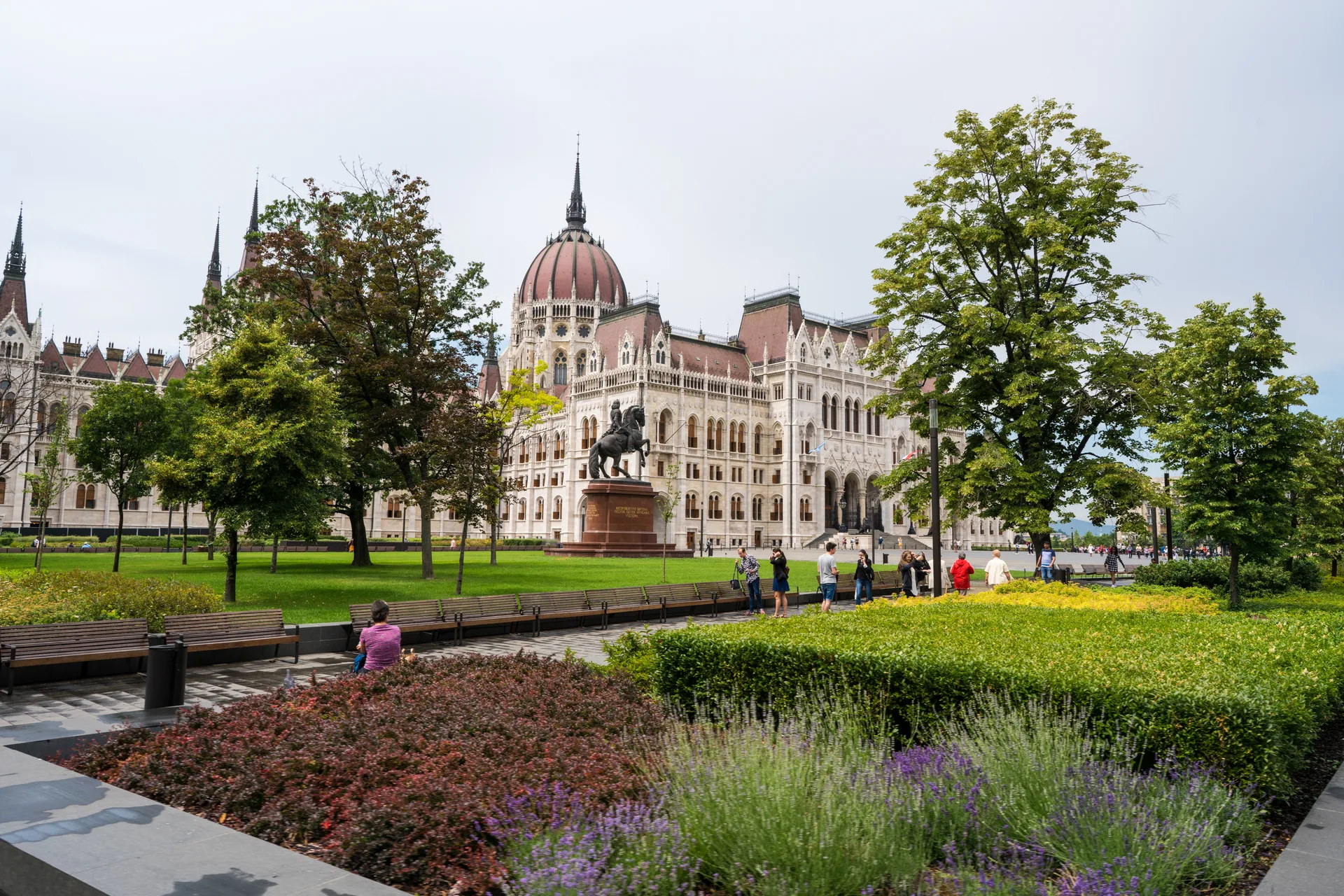
Europe's largest parliament building when it opened in 1902 — a Neo-Gothic riverside colossus that holds Hungary's Holy Crown and is still the single image most people picture when they think of Budapest.
Great Synagogue on Dohány Street
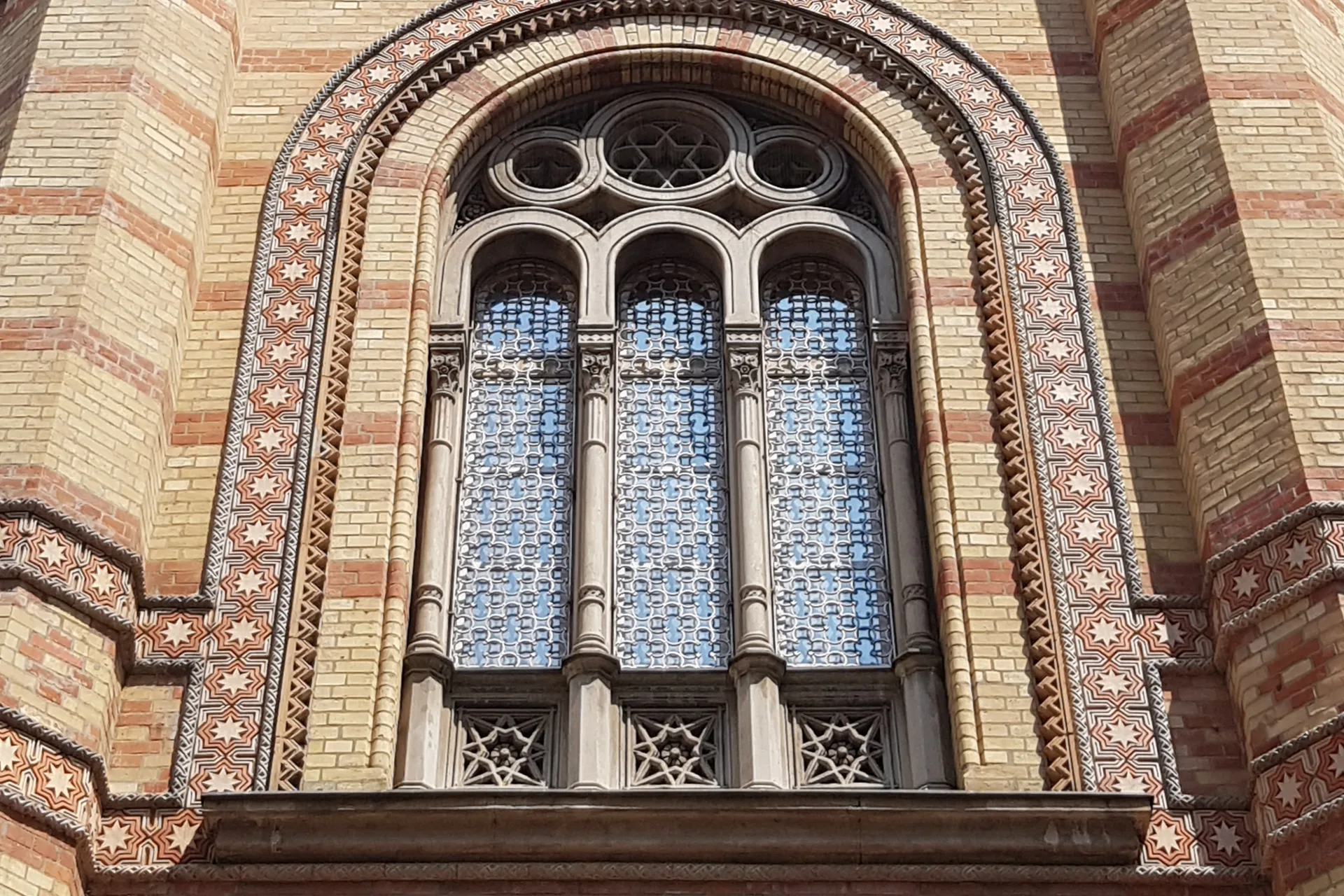
Europe's largest synagogue — a Moorish Revival masterpiece that's also a Jewish museum, memorial garden and Holocaust memorial, all on one ticket.
Holocaust Memorial Center
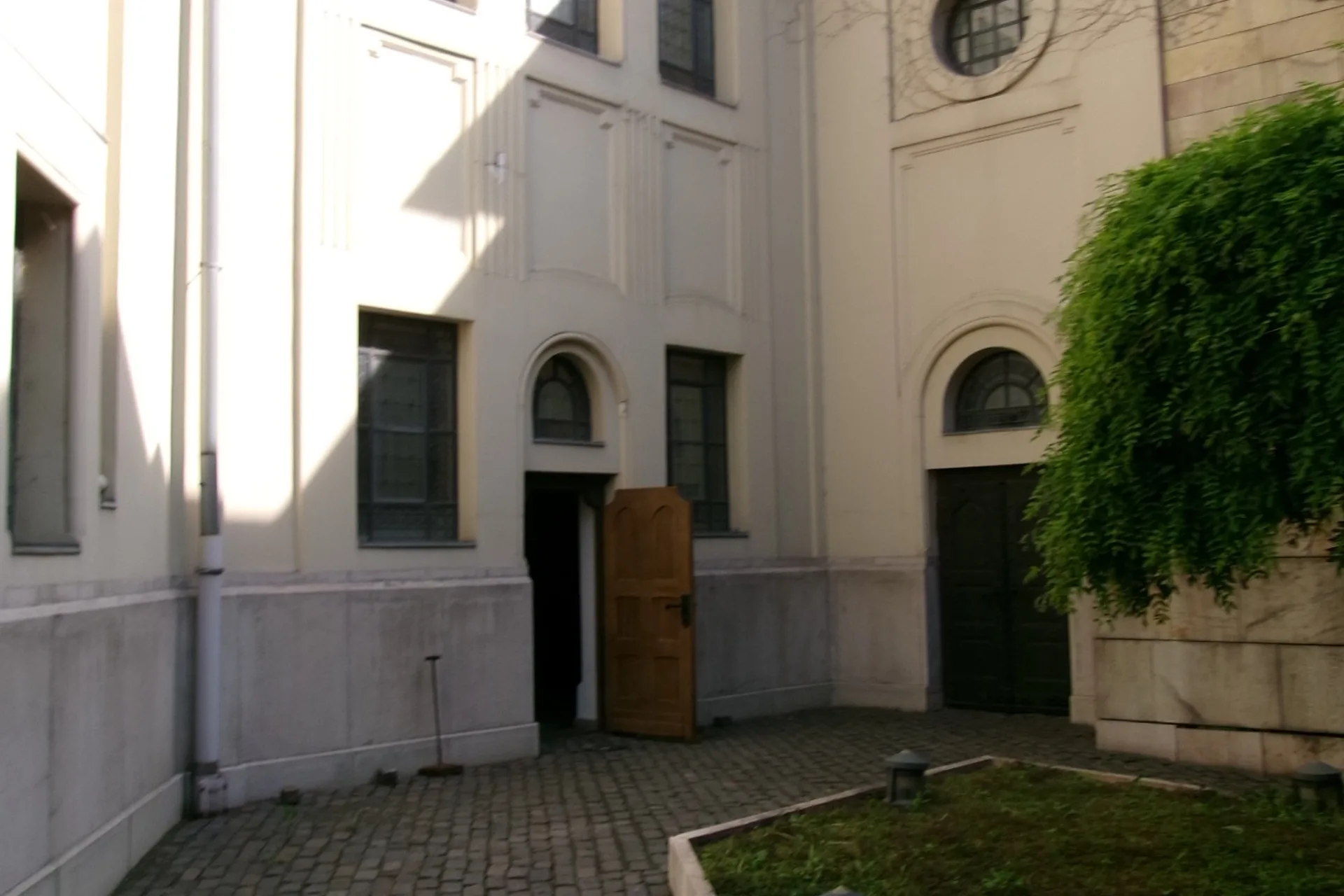
Hungary's national Holocaust museum, built around a restored synagogue in a former Jewish quarter street, telling the specific story of the 565,000 Hungarian Jews murdered in 1944-45.