
Best for
Transit and history enthusiasts, families with curious kids
Time needed
20-30 minutes
Worth it?
Yes as a quick, cheap add-on — not essential for a first-time highlights visit
Skip if
You're not interested in transit history and have limited time
About Millennium Underground Railway Museum
Budapest's M1 metro line opened on 2 May 1896, built in a remarkably fast 20 months specifically to serve the newly completed Andrássy Avenue in time for Hungary's millennium celebrations that same year. It was the first electrified underground railway on continental Europe (London's deeper Underground predates it by decades, but as a shallow, cut-and-cover electric line, the M1 claims the continental first), and it still operates today largely along its original 1896 route — a genuinely rare case of a 19th-century transit system remaining in daily public use rather than becoming a museum piece in its own right.
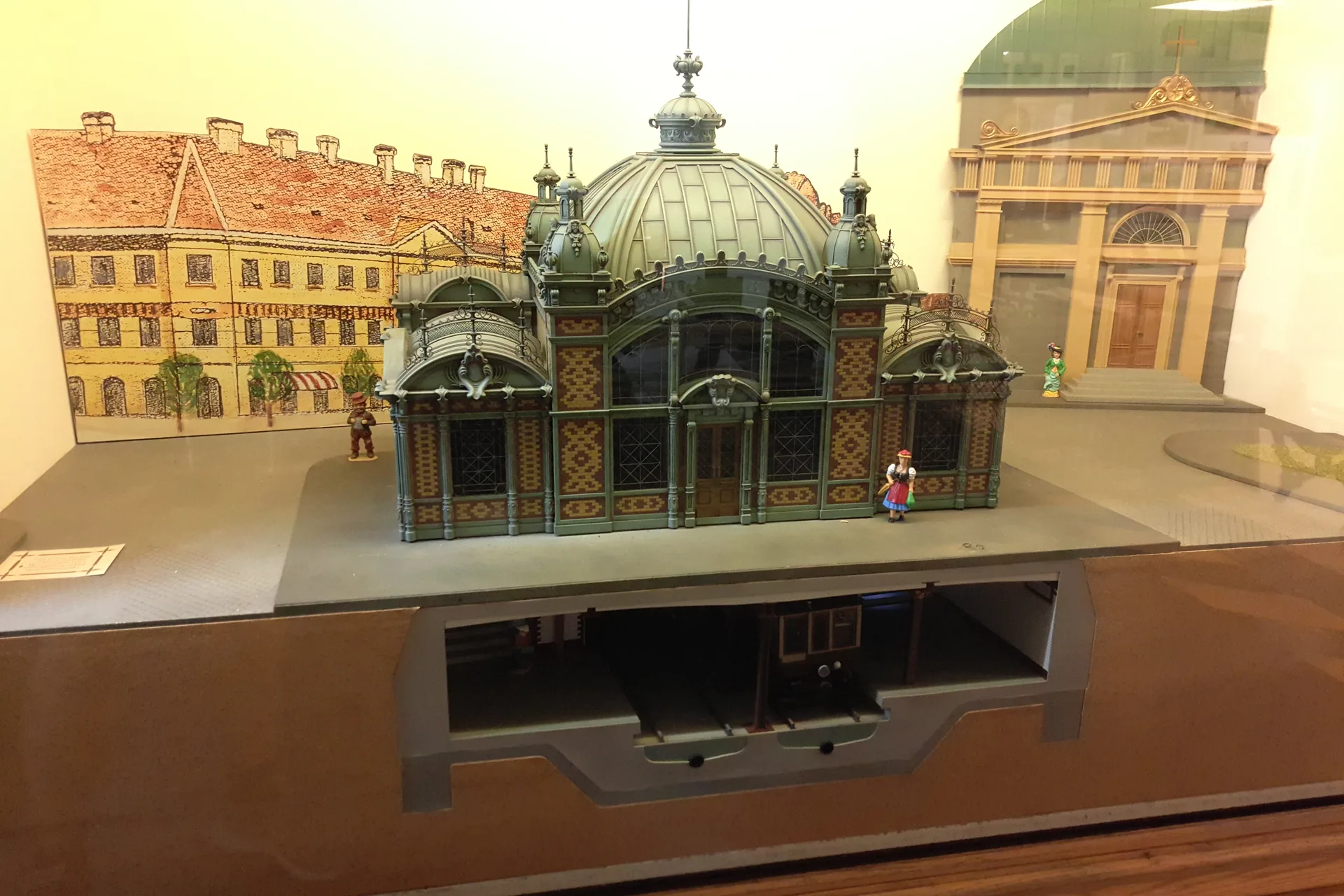
The Underground Railway Museum occupies an unusual, atmospheric space: when line M2 was built in the 1950s, engineers rerouted a section of the older M1 tunnel beneath Deák Ferenc tér to ease a sharp curve, leaving roughly 80 metres of the original 1896 tunnel sealed off and unused. Rather than filling it in, the transit authority converted it into a small exhibition space, opened to the public in 1975.
Read the full storyShow less
Inside, a station platform has been recreated in its original 1896 style, alongside preserved carriages from different eras of the line's history, historical tickets, maps, photographs and equipment tracing the M1's development through the 20th century and its own several renovations.
It's a genuinely quick, inexpensive stop — most visitors combine it with simply riding a stop or two on the actual M1 line itself, whose above-ground station pavilions (small ornamental kiosks dotted along Andrássy Avenue) are worth noticing even if you don't enter the museum.
What to See: Highlights
- 1Continental Europe's first electrified underground railway, opened 1896
- 2A recreated 1896-style station platform in a disused tunnel section
- 3Preserved historic metro carriages from across the line's history
- 4The M1 line is still in daily use on its original route
- 5Ornamental above-ground station kiosks along Andrássy Avenue
- 6Included in the price of a standard transport ticket
Skip the Queue — Book Tickets Online
Same admission, instant confirmation. Compare prices across platforms.
Affiliate disclosure — we may earn a commission at no extra cost to you.
Insider Tips
Combine with actually riding a stop or two on the M1 line itself
It's a quick stop — 20-30 minutes covers it comfortably
Look for the small ornamental station kiosks above ground on Andrássy Avenue
A good rainy-day filler between other central-Pest sights
Covered by a standard transport ticket rather than needing a separate purchase
Book a Guided Tour
Get the most from your visit with a local expert guide.
Affiliate disclosure — we may earn a commission at no extra cost to you.
Getting There
Deák Ferenc tér metro station (M1/M2/M3 interchange), 1052 Budapest
Open in Google Maps →- 1Located within Deák Ferenc tér station itself, served by Metro M1, M2 and M3.
Where to stay
Hotels in Budapest
Compare prices across hundreds of hotels near this attraction — from budget hostels to luxury stays. Free cancellation on most rooms.
Affiliate disclosure — we may earn a commission at no extra cost to you. Powered by Booking.com.
Frequently Asked Questions
Everything you need to know before you visit.
Is Millennium Underground Railway Museum worth visiting?+−
How long does a visit to Millennium Underground Railway Museum take?+−
Who is Millennium Underground Railway Museum best for?+−
Do I need to book tickets in advance for Millennium Underground Railway Museum?+−
Is Millennium Underground Railway Museum included with the Budapest city pass?+−
Should You Visit?
Visit if...
- You're already passing through Deák Ferenc tér
- You're interested in 19th-century engineering and transit history
- You want a quick, inexpensive stop between bigger sights
- You're travelling with kids who like trains
Skip if...
- You have no particular interest in transit history
- Your itinerary is already full of higher-priority sights
Ready to Book Your Visit?
More to See in Budapest
Heroes' Square
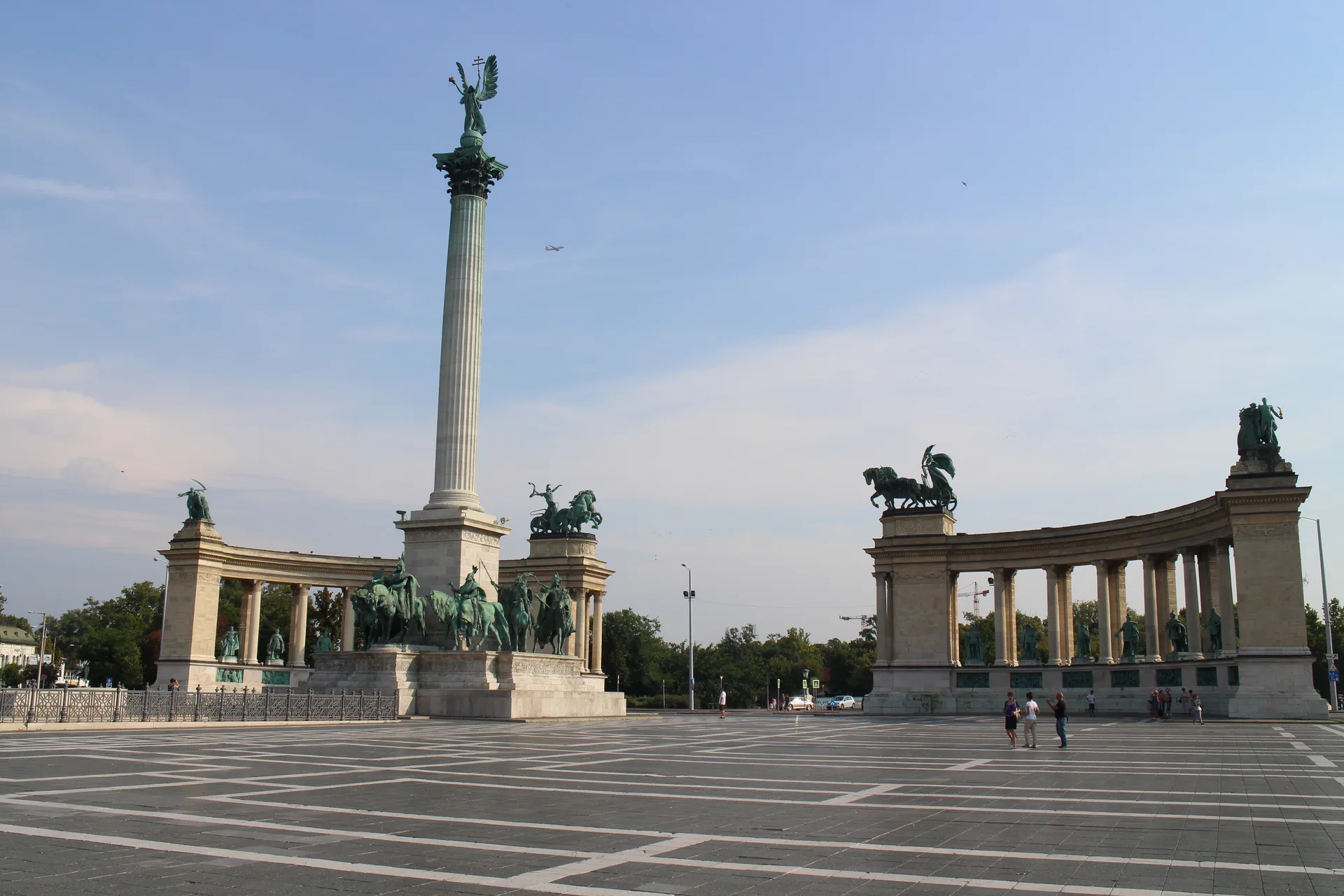
Budapest's grandest square — a semicircle of colonnades and statues built for Hungary's 1896 millennium, anchored by a 36-metre column crowned by the Archangel Gabriel.
Andrássy Avenue
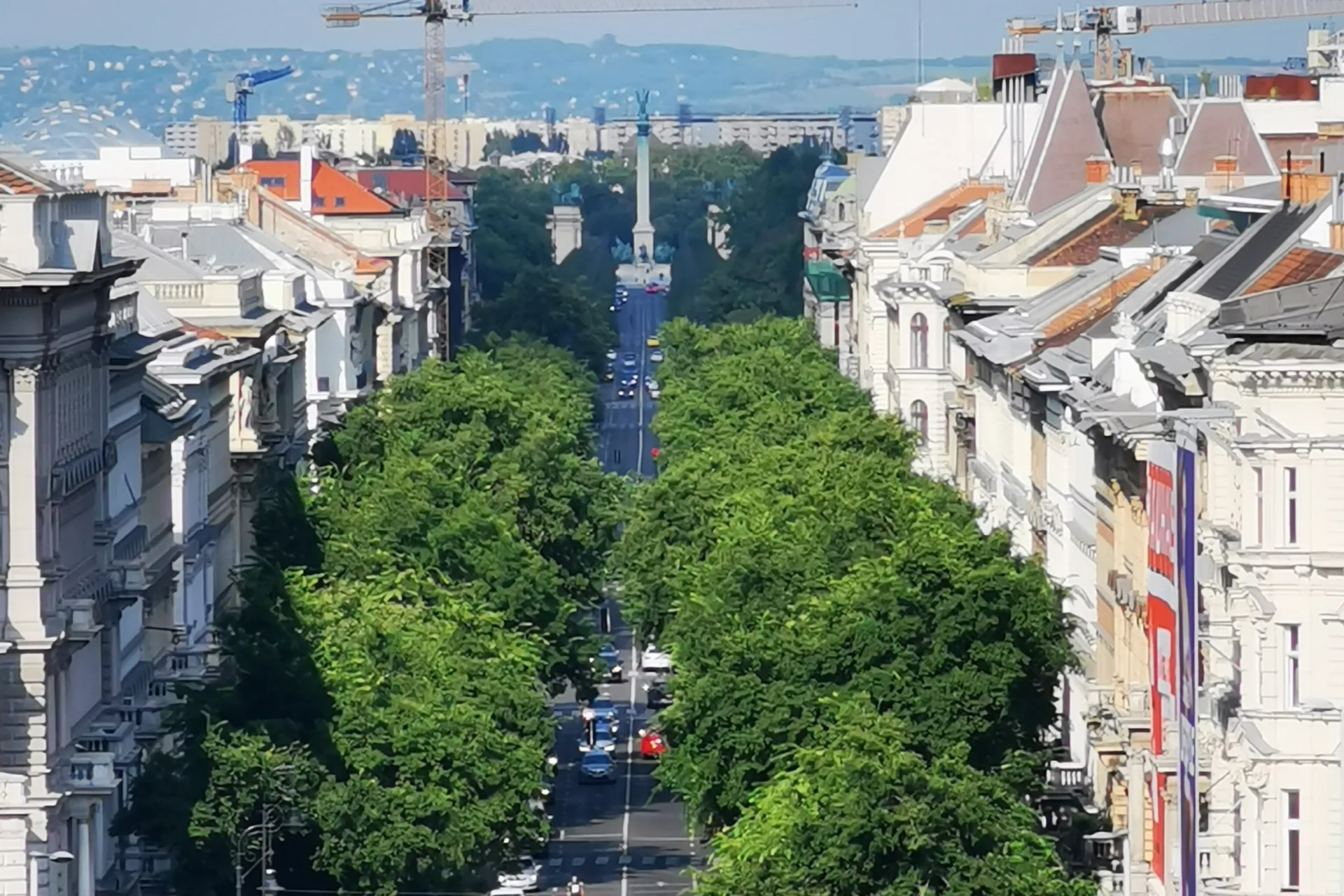
Budapest's grand 2.5km boulevard, a UNESCO World Heritage Site — Neo-Renaissance mansions, the Opera House, House of Terror and Heroes' Square, all strung along one straight line.
Hungarian State Opera House
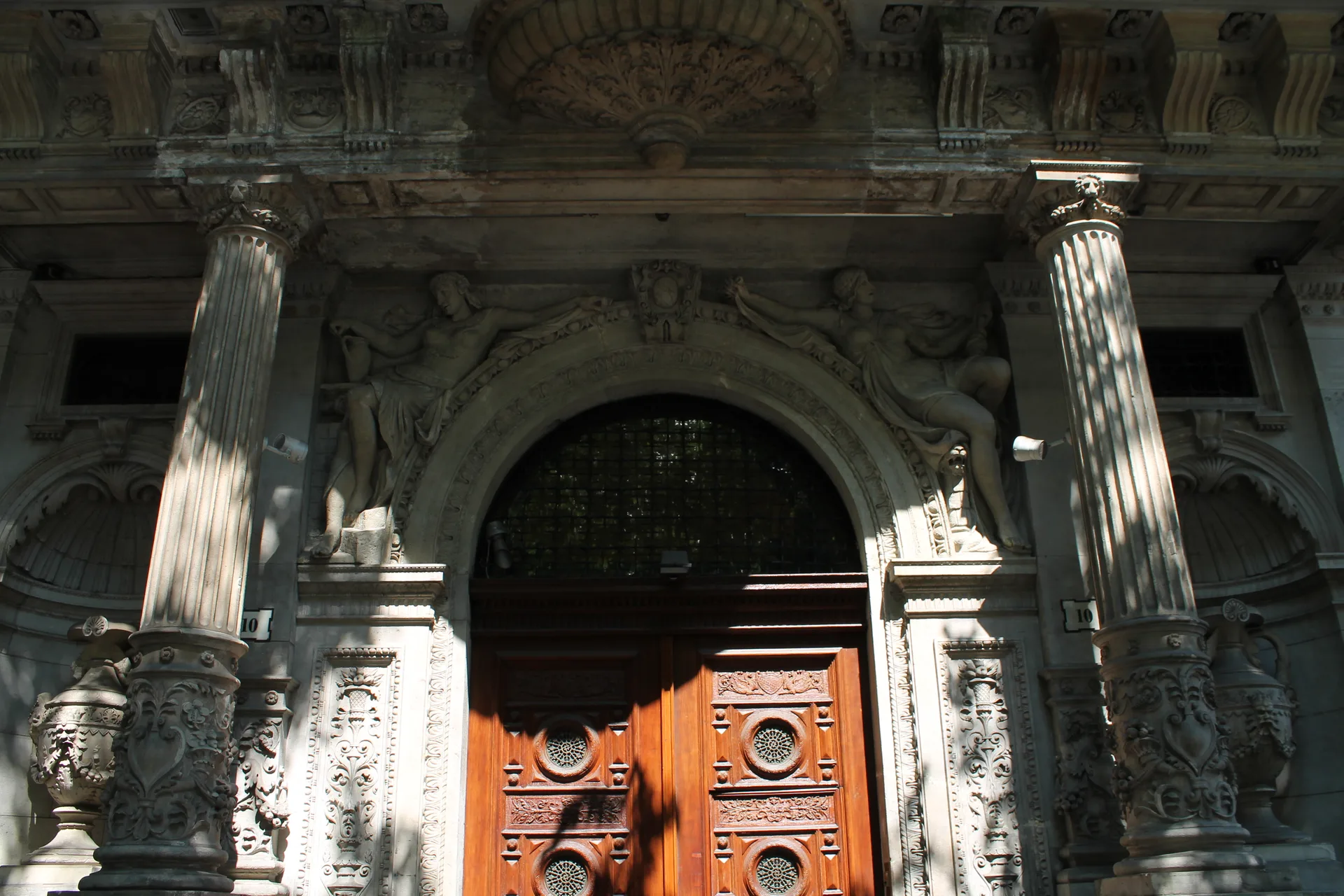
A gilded Neo-Renaissance opera house from 1884, considered acoustically among the best in Europe — visit on a guided tour, or better, catch an actual performance for a fraction of Vienna or London prices.