
The House of Terror is Budapest's most essential museum, not its most comfortable — housed in the former secret police headquarters on Andrássy Avenue, it documents both the Nazi and Communist occupations with unflinching directness. Pair it with the Holocaust Memorial Center for the fuller picture, or the Great Synagogue on Dohány Street, Europe's largest synagogue, whose attached museum covers Hungarian Jewish history.
The Museum of Fine Arts on Heroes' Square holds Hungary's major international collection — El Greco, Goya, a substantial Spanish holding that surprises most visitors — and faces the Hungarian National Gallery in Buda Castle, which covers Hungarian art specifically from medieval altarpieces to 20th-century modernism. Two important caveats before planning around either the Museum of Applied Arts (closed since 2017 with no confirmed reopening date — check its own site before assuming it's visitable) or the Museum of Military History (mid-relocation from Castle Hill to Dísz Square, with interim exhibitions at the Bálna building in the meantime).
For something different: the Hospital in the Rock, a Cold War-era nuclear bunker and WWII hospital carved into Castle Hill, and the Aquincum Museum, built on genuine Roman ruins from when Budapest was the Roman city of Aquincum. Most major museums now use timed online tickets on weekends and in peak season — book ahead rather than risk a queue.
Don't Miss
Highest-rated in Budapest
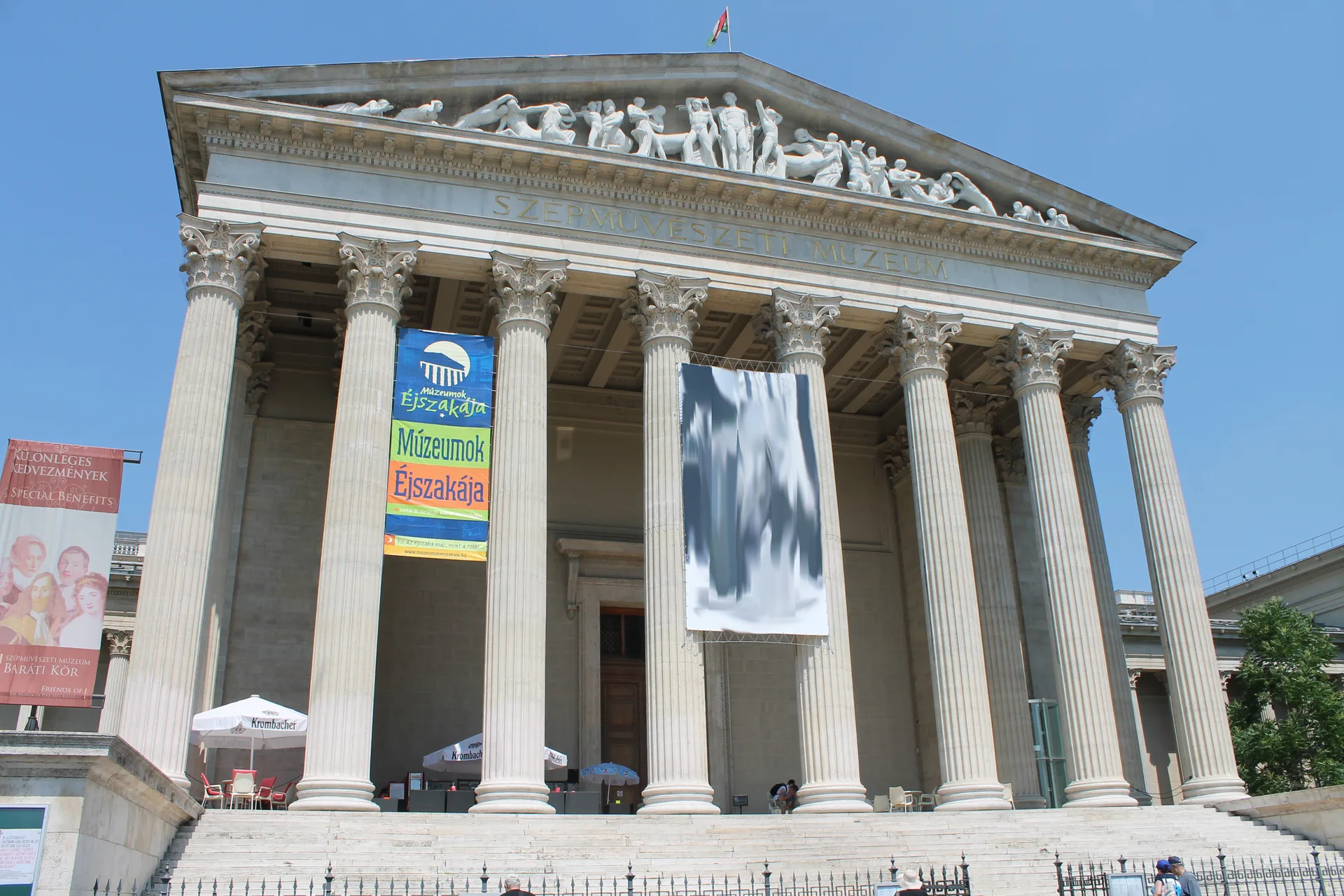
Museum of Fine Arts
Hungary's premier international art collection — Raphael, El Greco, Goya and one of the largest Spanish painting collections outside Spain — housed in a Neoclassical temple on Heroes' Square.
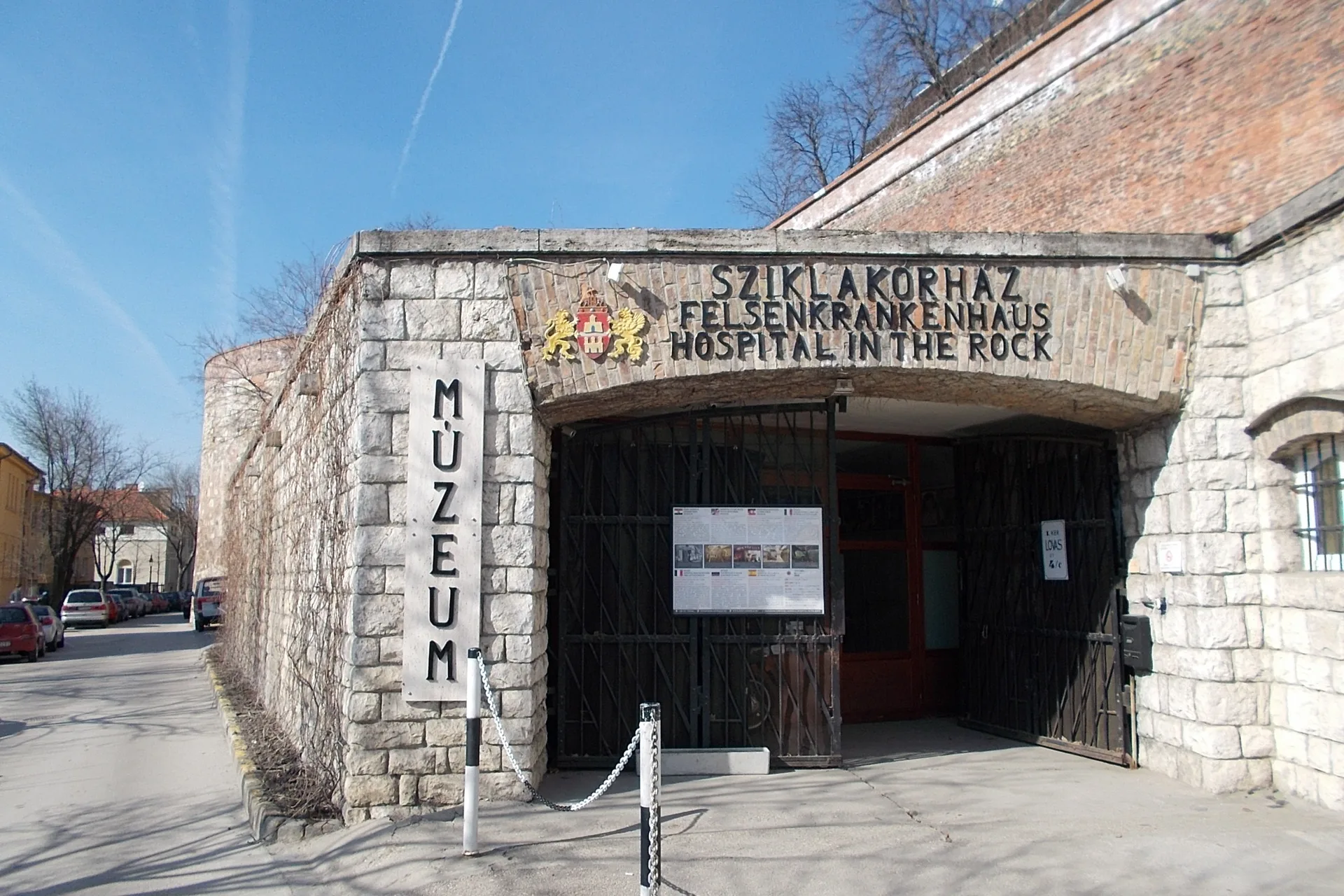
Hospital in the Rock Nuclear Bunker Museum
A real WWII emergency hospital and later Cold War nuclear bunker, carved into the natural cave network beneath Castle Hill — visited only by guided tour through wax-figure-populated wards.
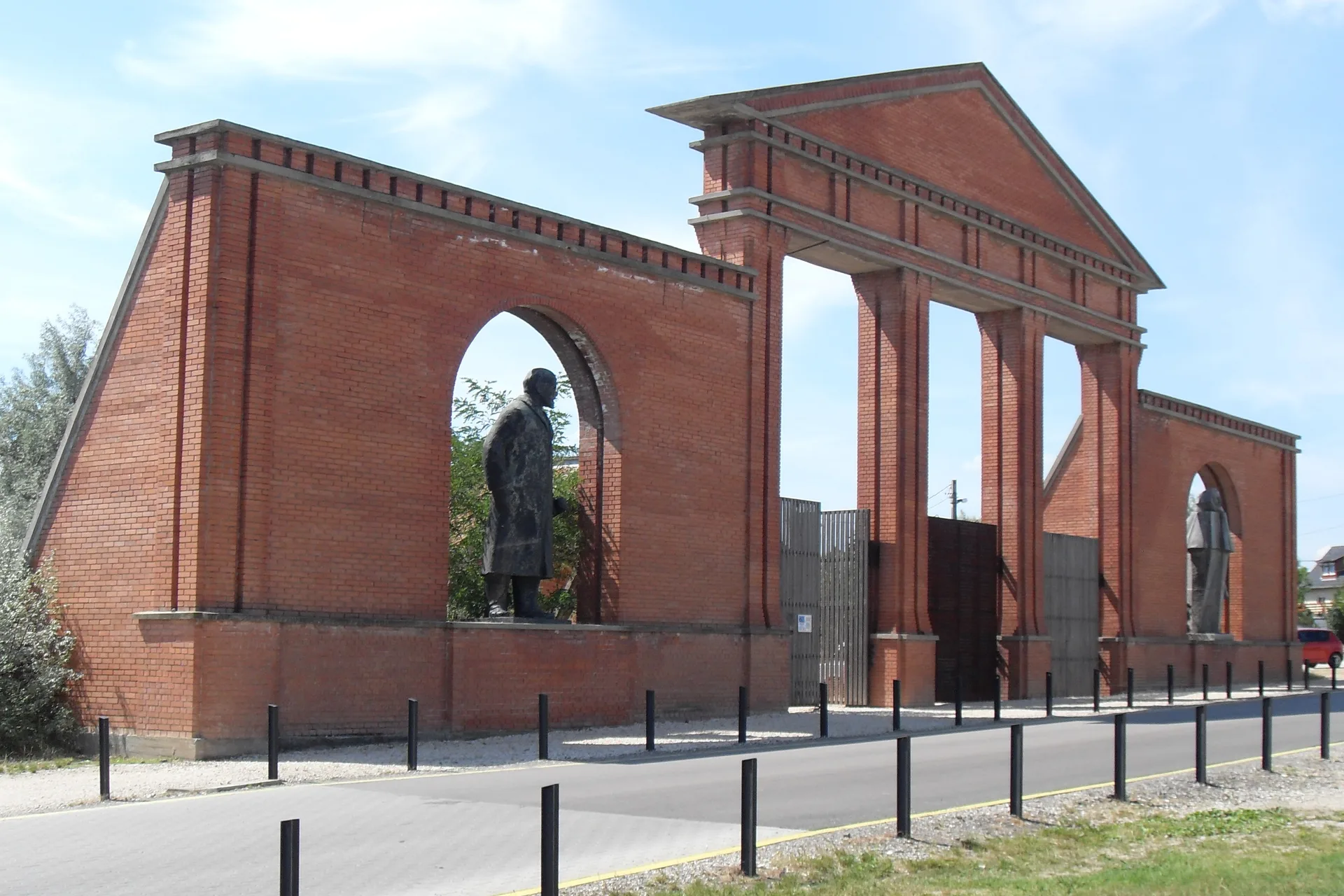
Memento Park
A field on Budapest's outskirts where the city's toppled communist-era statues — Lenin, Marx, giant Soviet soldiers — were relocated after 1989, rather than melted down.
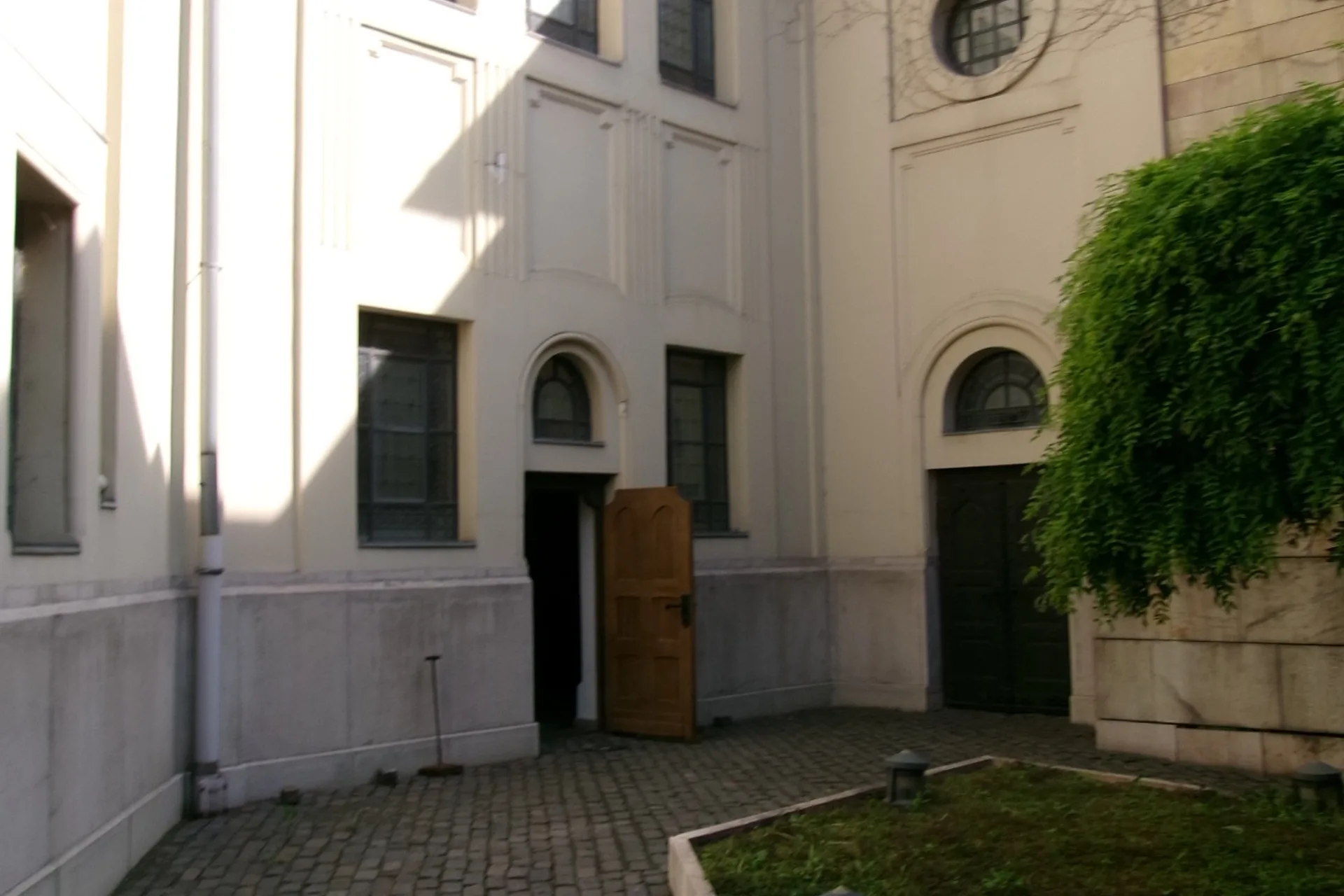
Holocaust Memorial Center
Hungary's national Holocaust museum, built around a restored synagogue in a former Jewish quarter street, telling the specific story of the 565,000 Hungarian Jews murdered in 1944-45.
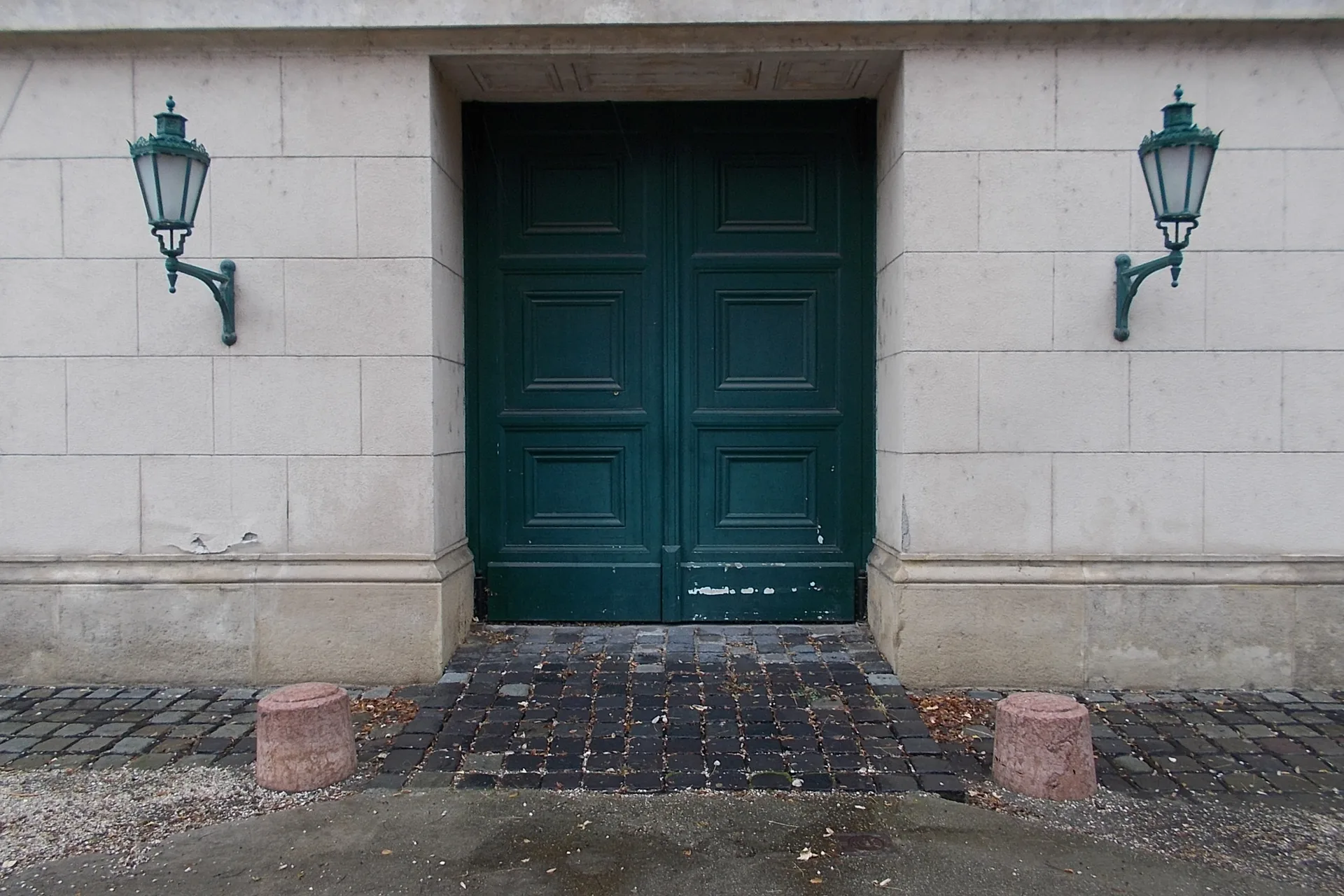
Hungarian National Museum
Hungary's oldest and largest museum, founded in 1802 — the place where the country's 1848 revolution symbolically began, telling the nation's story from prehistory to the fall of communism.
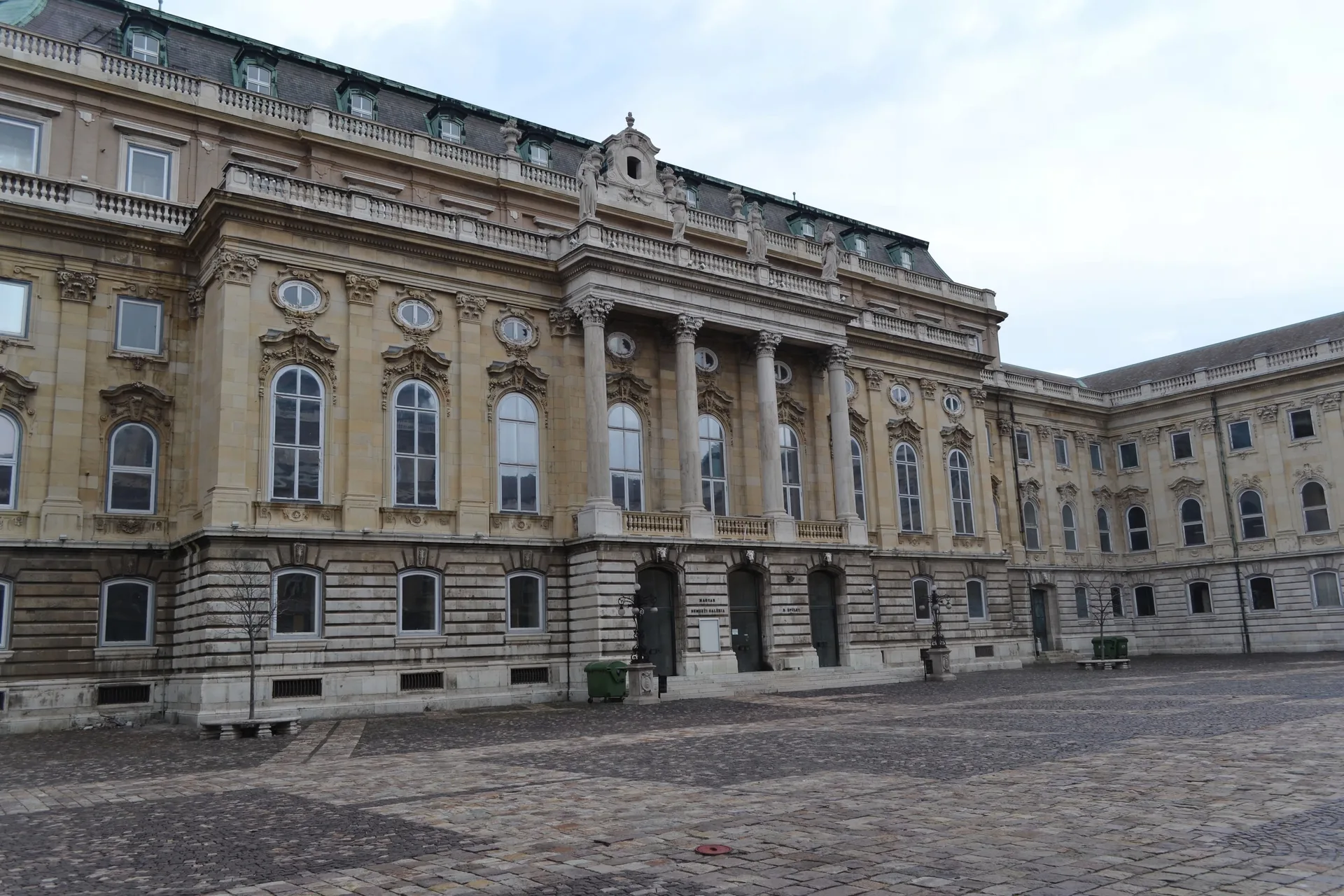
Hungarian National Gallery
The definitive collection of Hungarian fine art, from medieval winged altarpieces to 20th-century modernism, housed inside Buda Castle's former royal palace.
All Budapest Museums & Galleries
18 places, all reviewed and rated
Museum of Fine Arts
Hungary's premier international art collection — Raphael, El Greco, Goya and one of the largest Spanish painting collections outside Spain — housed in a Neoclassical temple on Heroes' Square.
Hospital in the Rock Nuclear Bunker Museum
A real WWII emergency hospital and later Cold War nuclear bunker, carved into the natural cave network beneath Castle Hill — visited only by guided tour through wax-figure-populated wards.
Memento Park
A field on Budapest's outskirts where the city's toppled communist-era statues — Lenin, Marx, giant Soviet soldiers — were relocated after 1989, rather than melted down.
Holocaust Memorial Center
Hungary's national Holocaust museum, built around a restored synagogue in a former Jewish quarter street, telling the specific story of the 565,000 Hungarian Jews murdered in 1944-45.
Hungarian National Museum
Hungary's oldest and largest museum, founded in 1802 — the place where the country's 1848 revolution symbolically began, telling the nation's story from prehistory to the fall of communism.
Hungarian National Gallery
The definitive collection of Hungarian fine art, from medieval winged altarpieces to 20th-century modernism, housed inside Buda Castle's former royal palace.
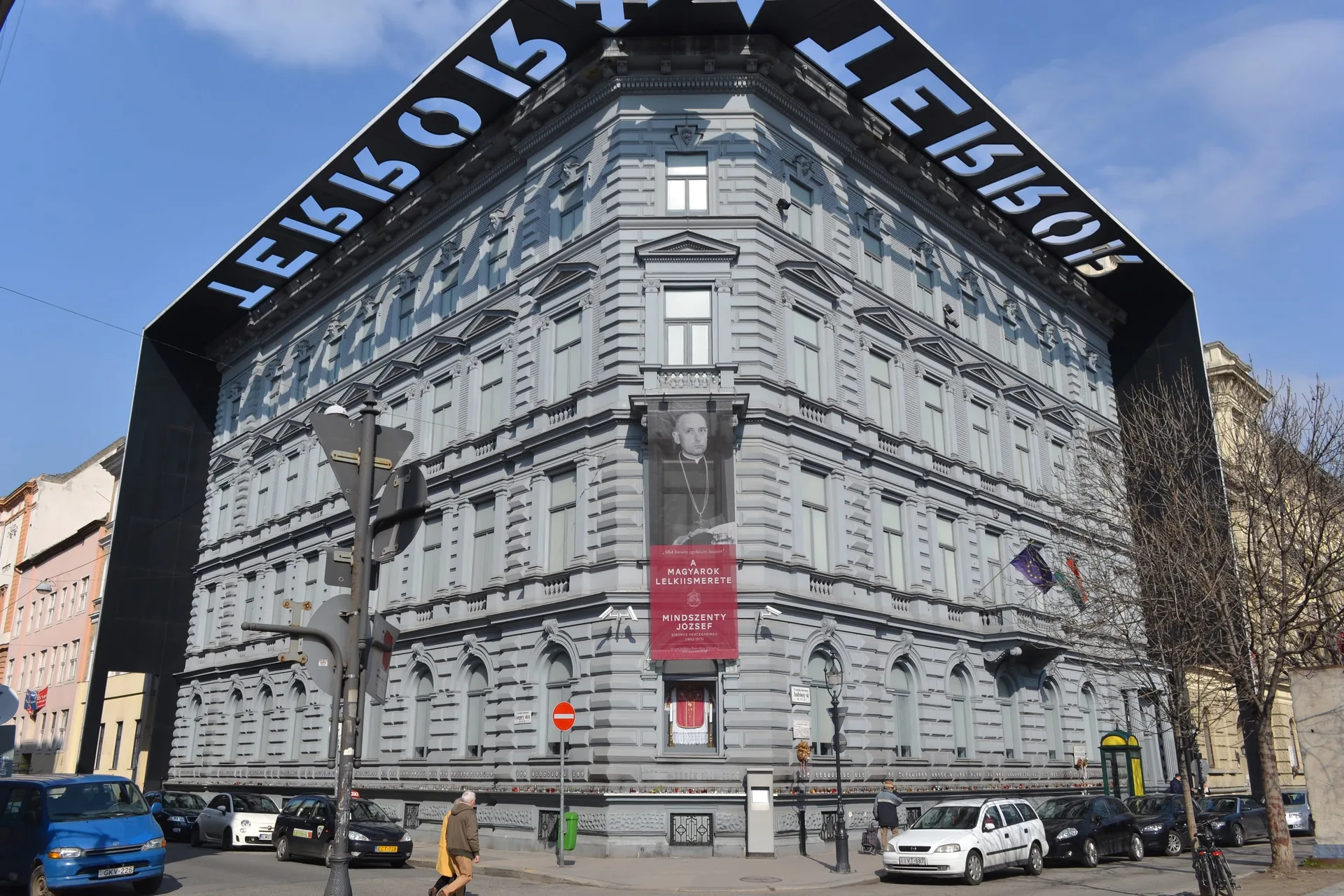
House of Terror
A former secret police headquarters on Andrássy Avenue turned museum of Hungary's fascist and communist dictatorships — including the same interrogation basement it's built to remember.
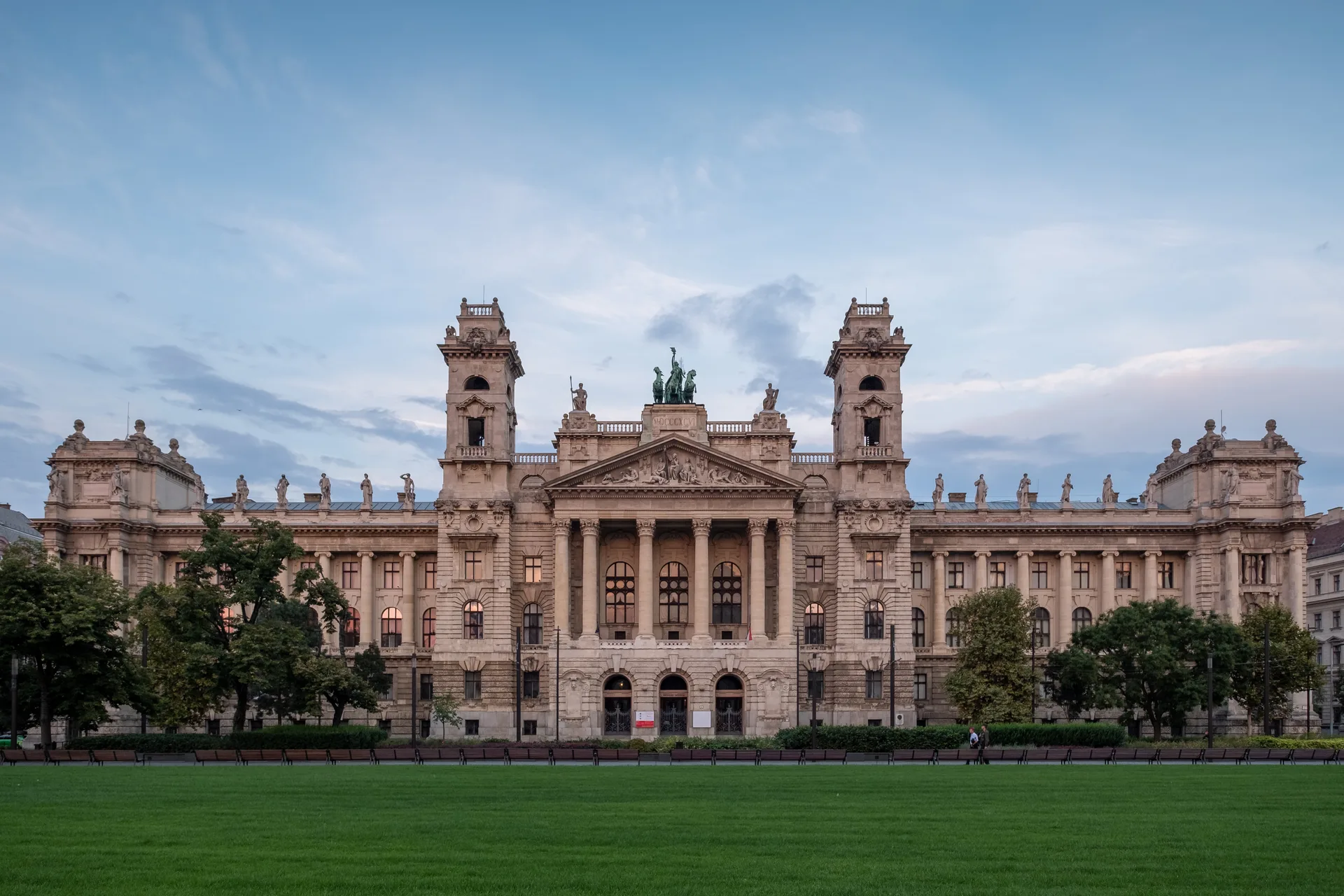
Museum of Ethnography
A bold, mirrored-roof building facing Heroes' Square, reopened in 2022 with one of Europe's largest ethnographic collections of Hungarian folk culture and global traditions.
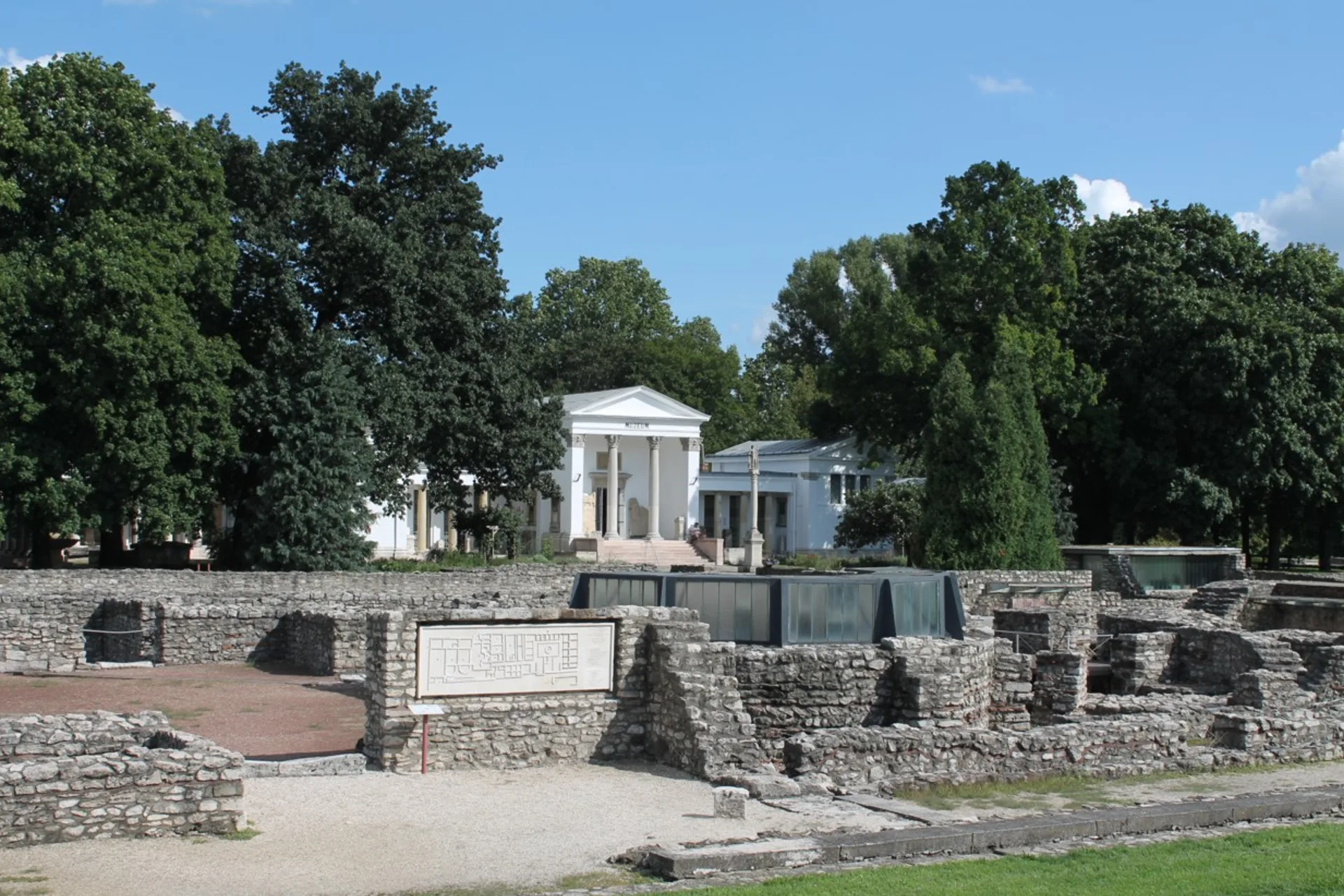
Aquincum Museum
The excavated ruins of Aquincum, capital of Roman Pannonia — mosaic floors, a reconstructed Roman organ, and street layouts you can walk through, in the northern Óbuda district.
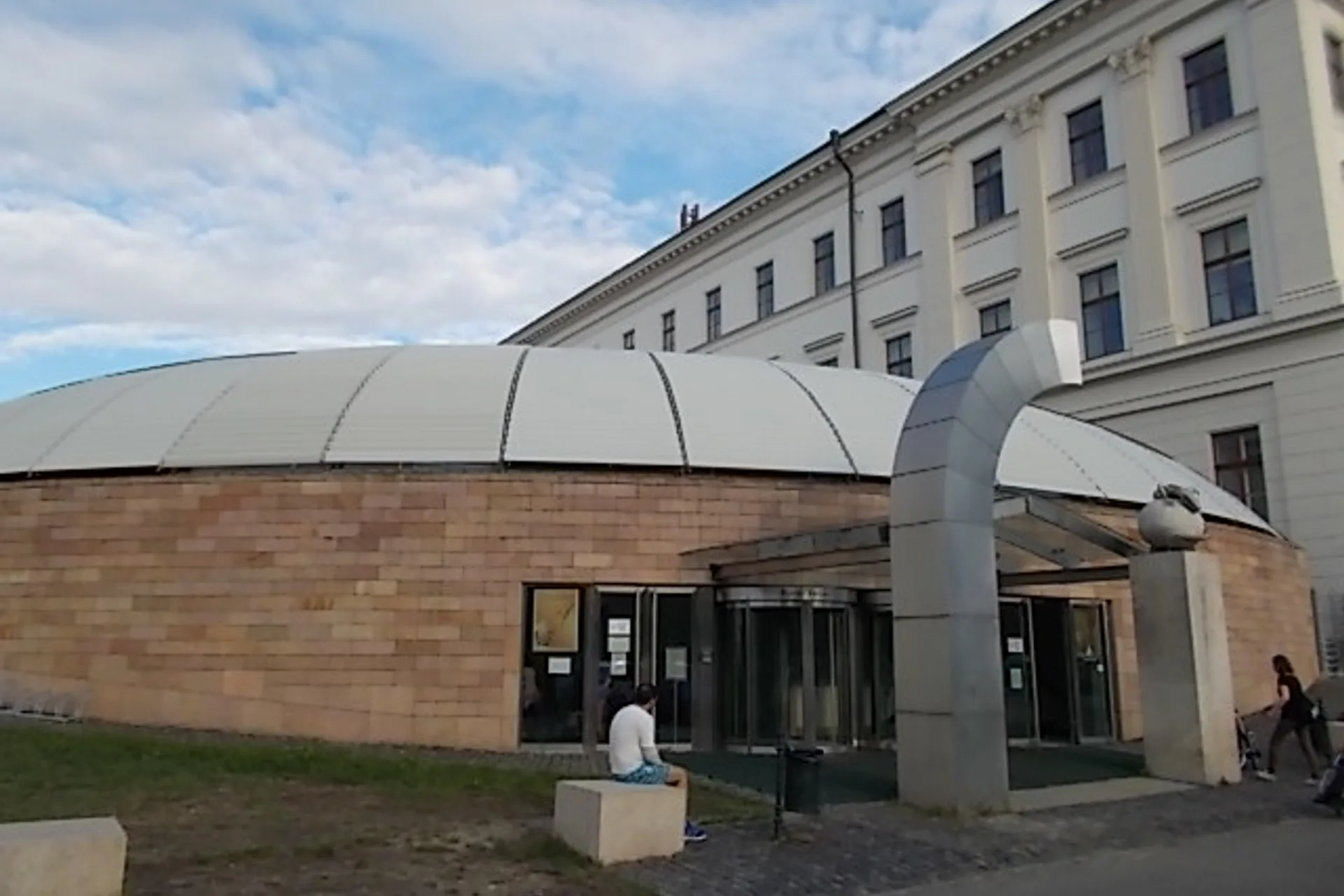
Hungarian Natural History Museum
A family-friendly natural history museum south of the centre — dinosaur skeletons, a whale skeleton, an earthquake simulator and a strong Carpathian Basin geology and wildlife collection.
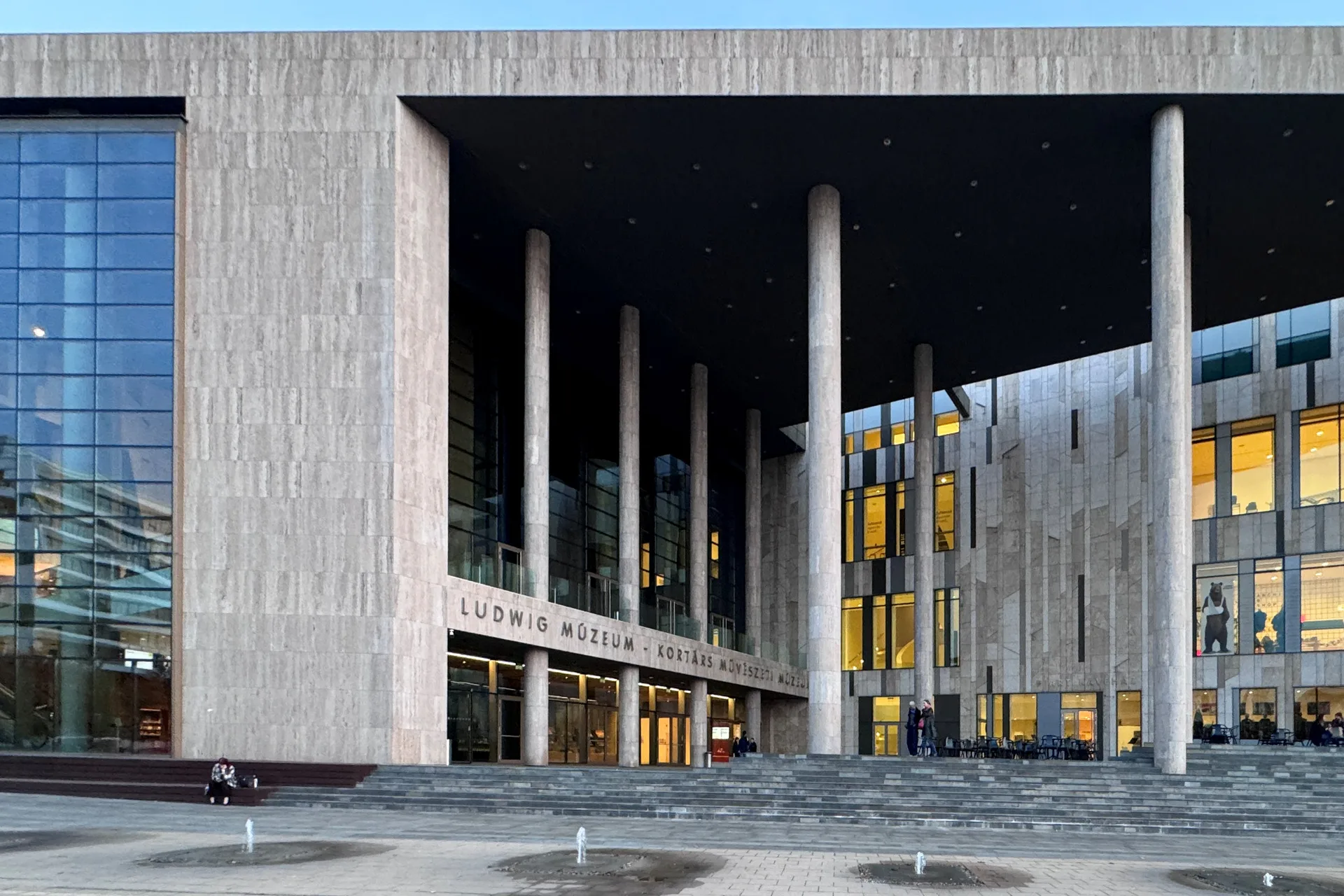
Ludwig Museum Budapest
Hungary's leading contemporary art museum, inside the modern riverside Palace of Arts complex — international names alongside the strongest survey of Hungarian art since the 1950s.
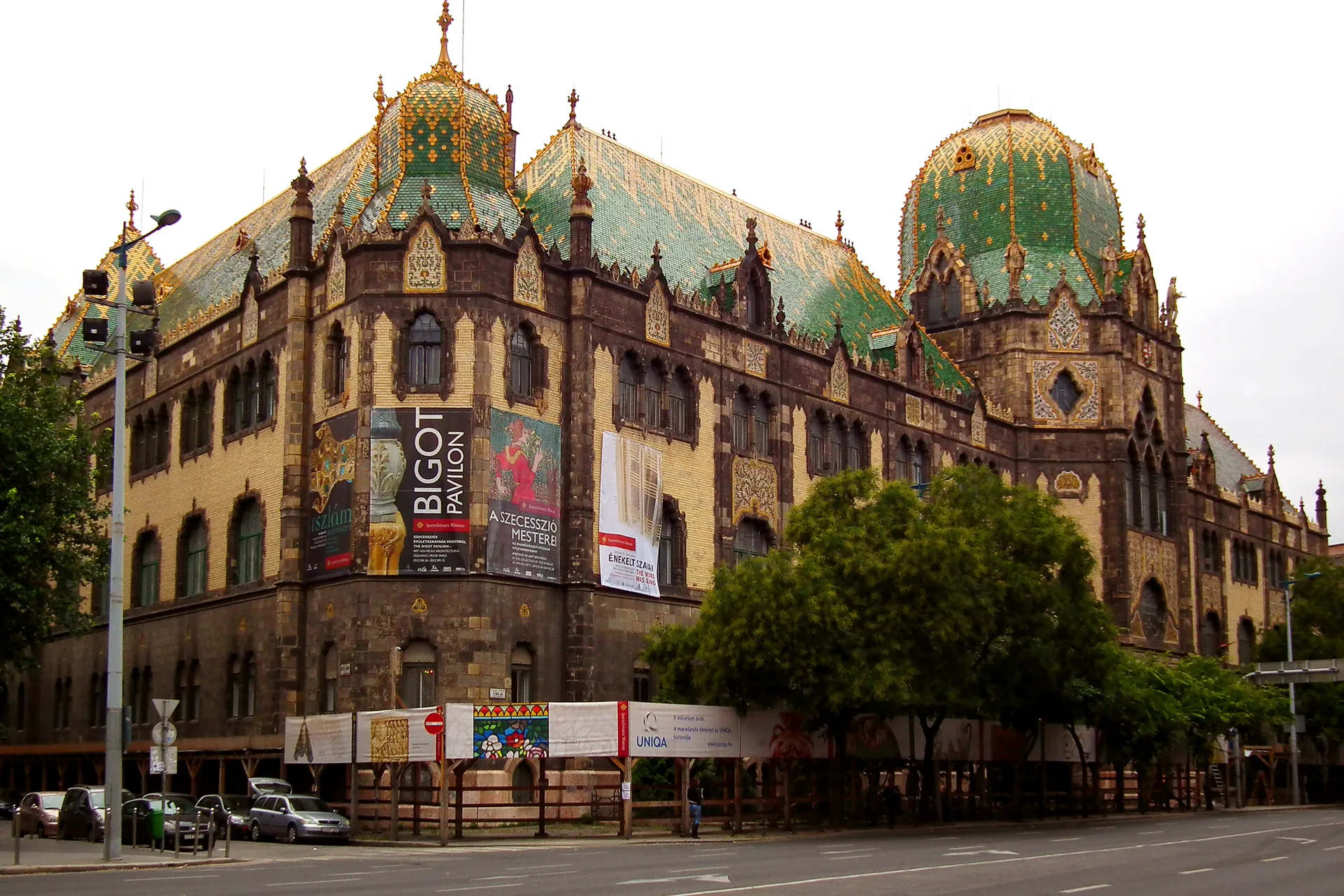
Museum of Applied Arts
Ödön Lechner's Hungarian Art Nouveau masterpiece, wrapped in Zsolnay ceramic tiles — currently closed for a long-overdue structural restoration, with highlights on temporary display elsewhere.
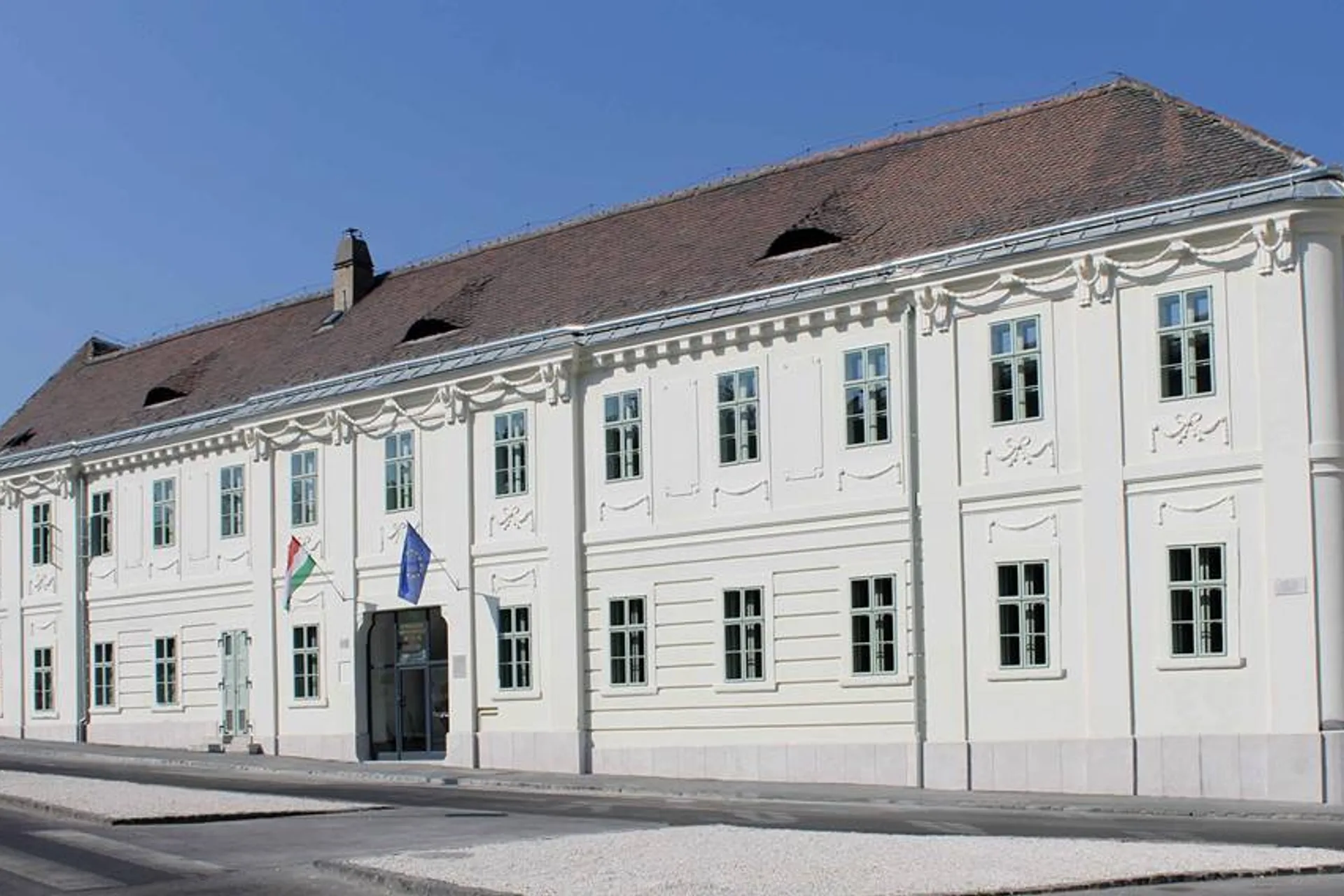
Semmelweis Museum of Medical History
A small medical history museum inside the birthplace of Ignác Semmelweis — the 19th-century doctor who discovered handwashing prevents infection, and was ridiculed for it in his lifetime.
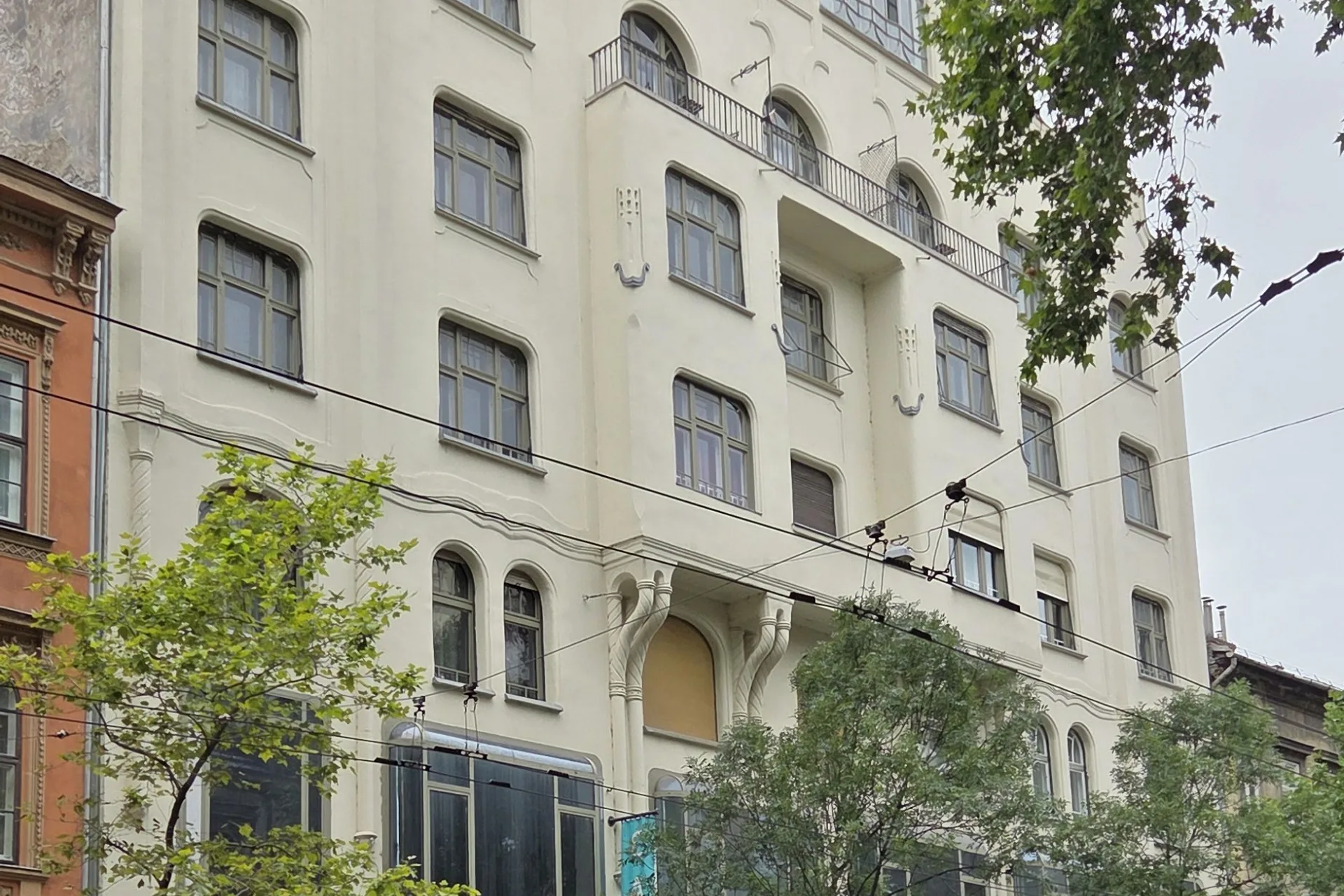
Robert Capa Contemporary Photography Center
A dedicated photography gallery named for the Hungarian-born war photographer Robert Capa, showing rotating contemporary photography exhibitions just off Andrássy Avenue.
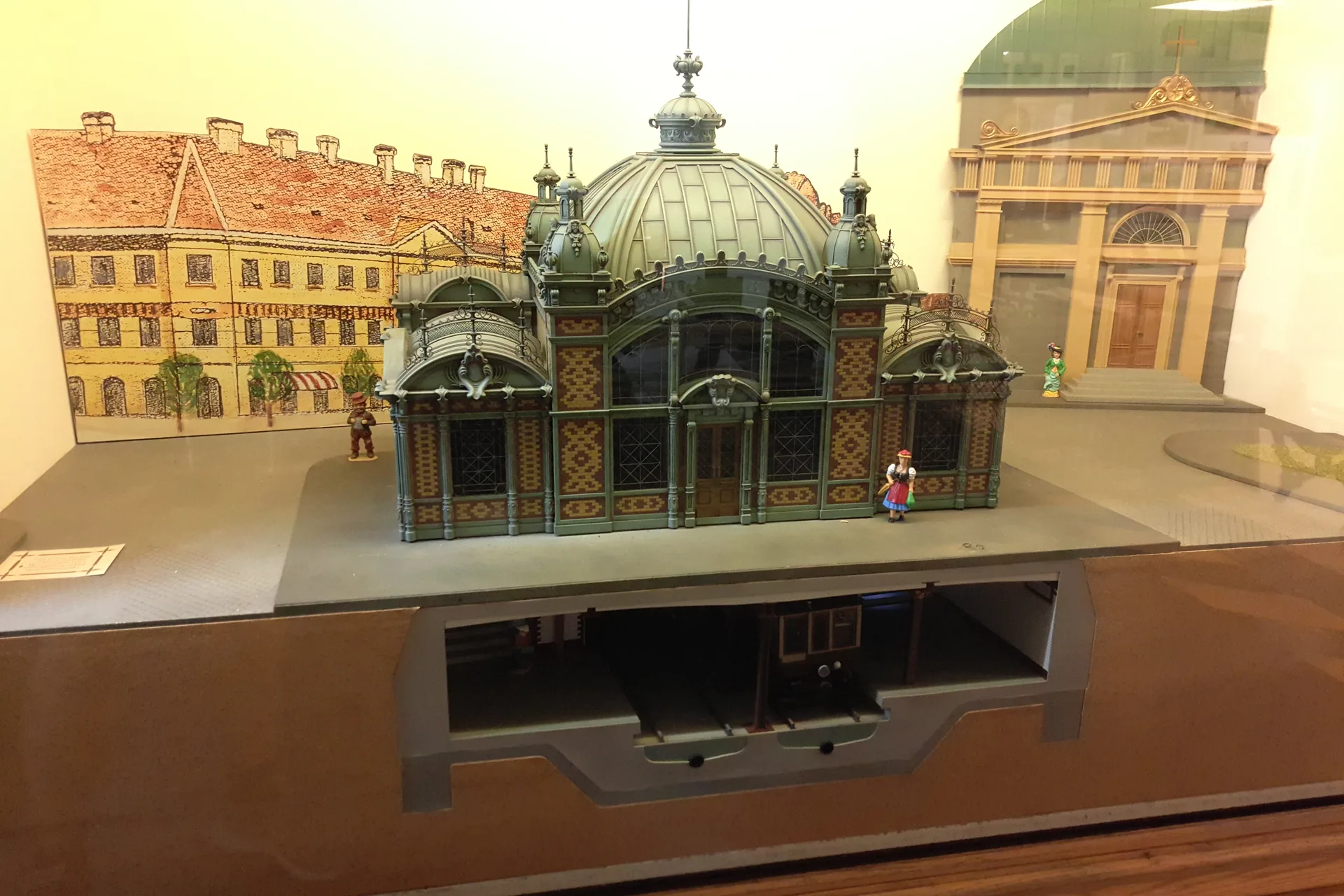
Millennium Underground Railway Museum
A tiny museum inside a disused stretch of tunnel at Deák Ferenc tér, celebrating the M1 — continental Europe's first underground railway, opened in 1896 and still running today.
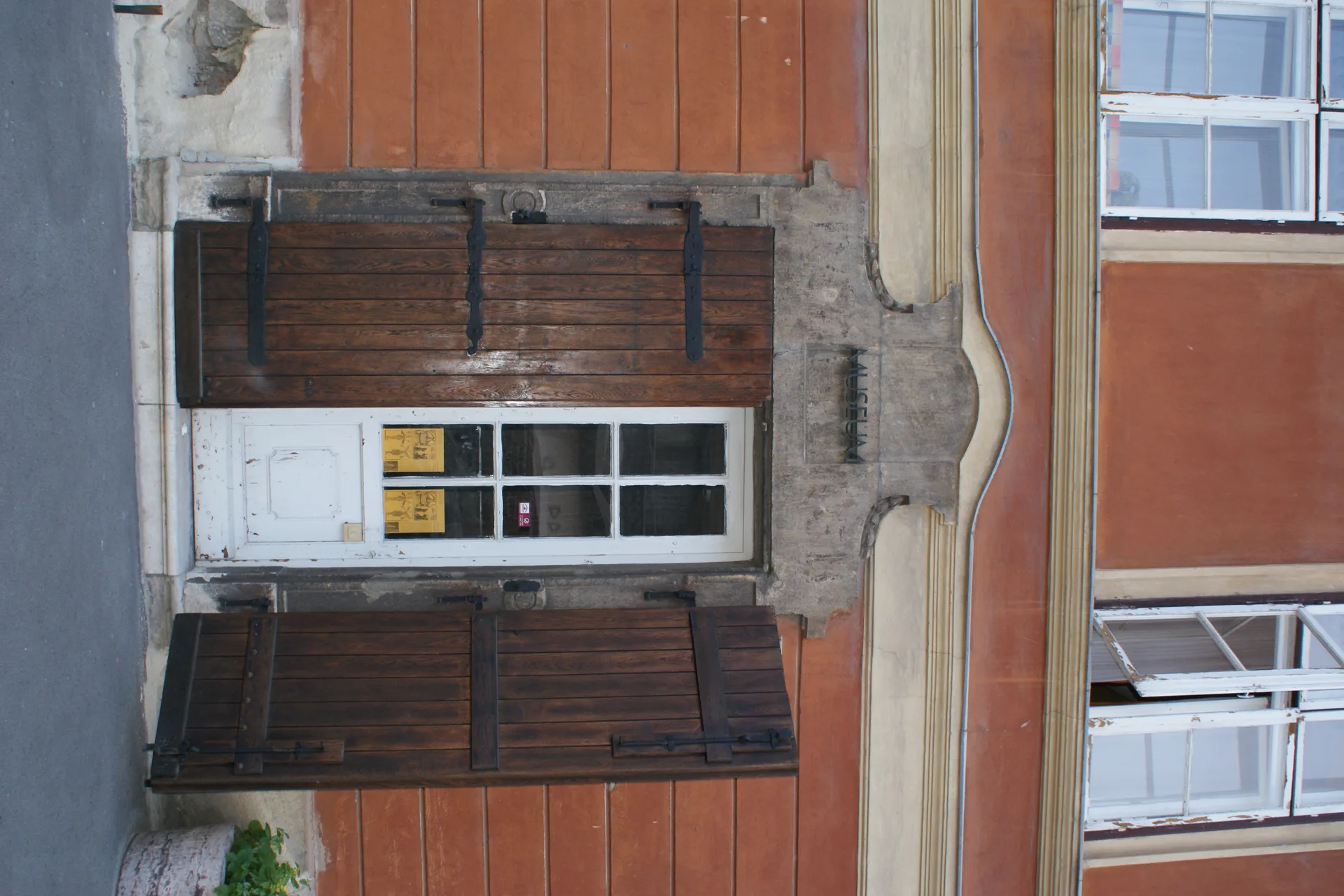
Golden Eagle Pharmacy Museum
A tiny, atmospheric museum inside a genuine 17th-century Castle Hill pharmacy — alchemist's lab reconstructions, Renaissance and Baroque medical equipment, and a mummified crocodile.
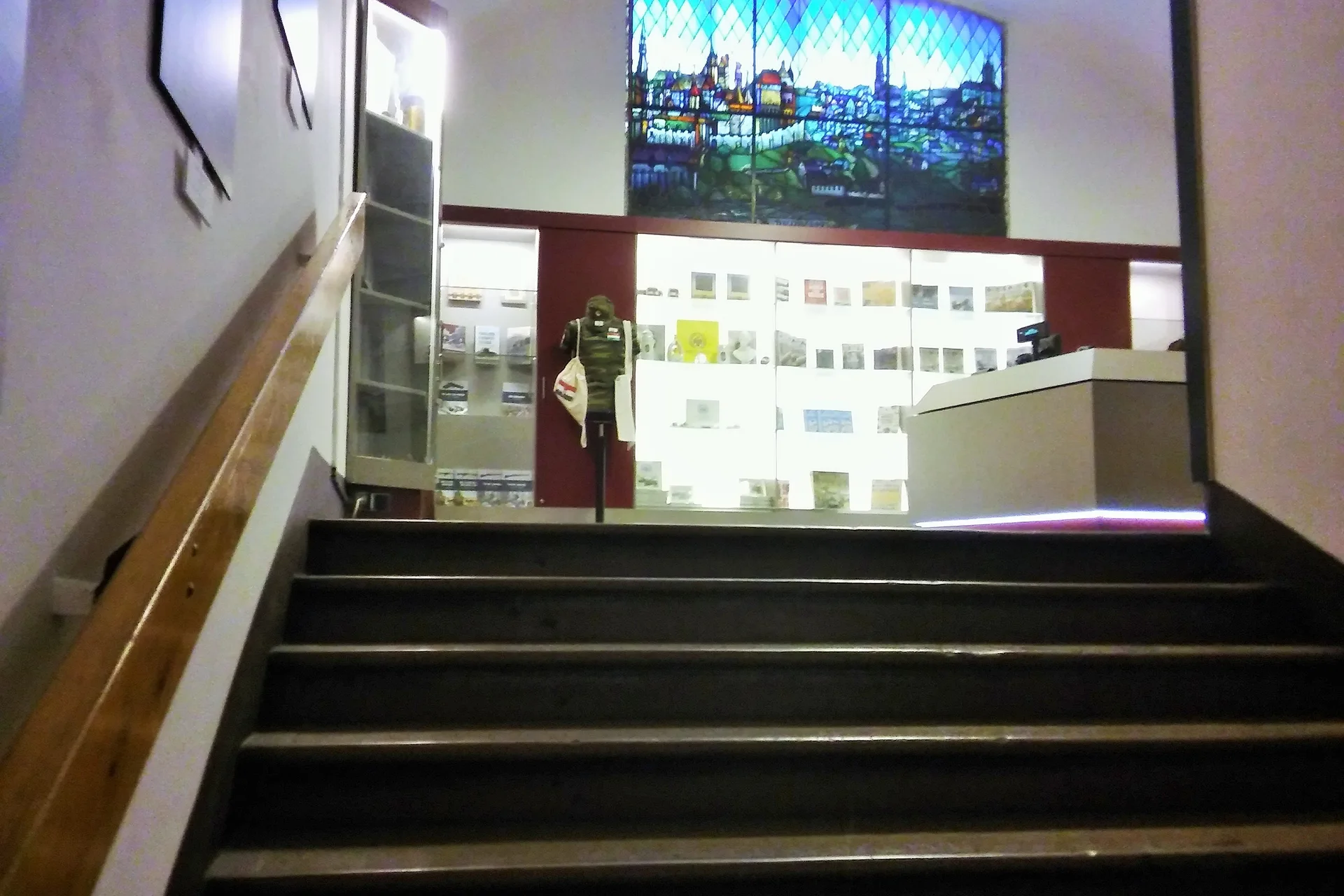
Museum of Military History
Hungary's military history collection, currently relocating from Castle Hill to a new home on Dísz Square — in the meantime, exhibits are on show at the Bálna riverside building near the Market Hall.
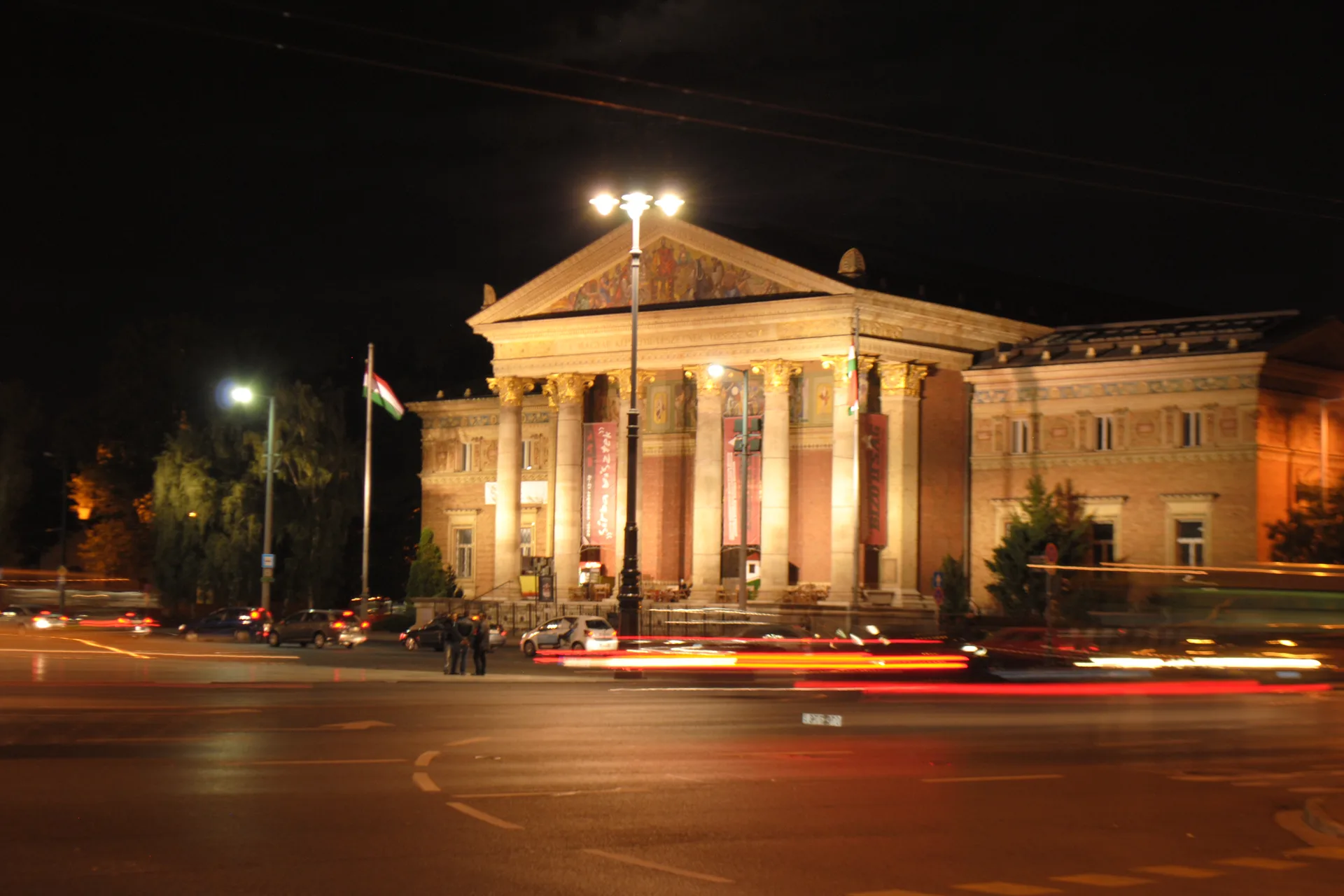
Kunsthalle Budapest (Műcsarnok)
A grand Neoclassical exhibition hall on Heroes' Square with no permanent collection — purely rotating contemporary Hungarian and international art, painting to multimedia installations.
Frequently Asked Questions
Everything you need to know before you visit.
Which is the best museum in Budapest?+−
Is the House of Terror appropriate for children?+−
Is the Museum of Applied Arts open?+−
What is the Hospital in the Rock?+−
Which Budapest museums are best with kids?+−
Where to stay
Hotels in Budapest
Compare prices across hundreds of hotels near this attraction — from budget hostels to luxury stays. Free cancellation on most rooms.
Affiliate disclosure — we may earn a commission at no extra cost to you. Powered by Booking.com.