

Best for
Medical history buffs, quiet-museum seekers
Time needed
45-60 minutes
Worth it?
Yes for a genuinely interesting, low-cost, low-crowd stop
Skip if
Medical history specifically doesn't interest you and time is limited
About Semmelweis Museum of Medical History
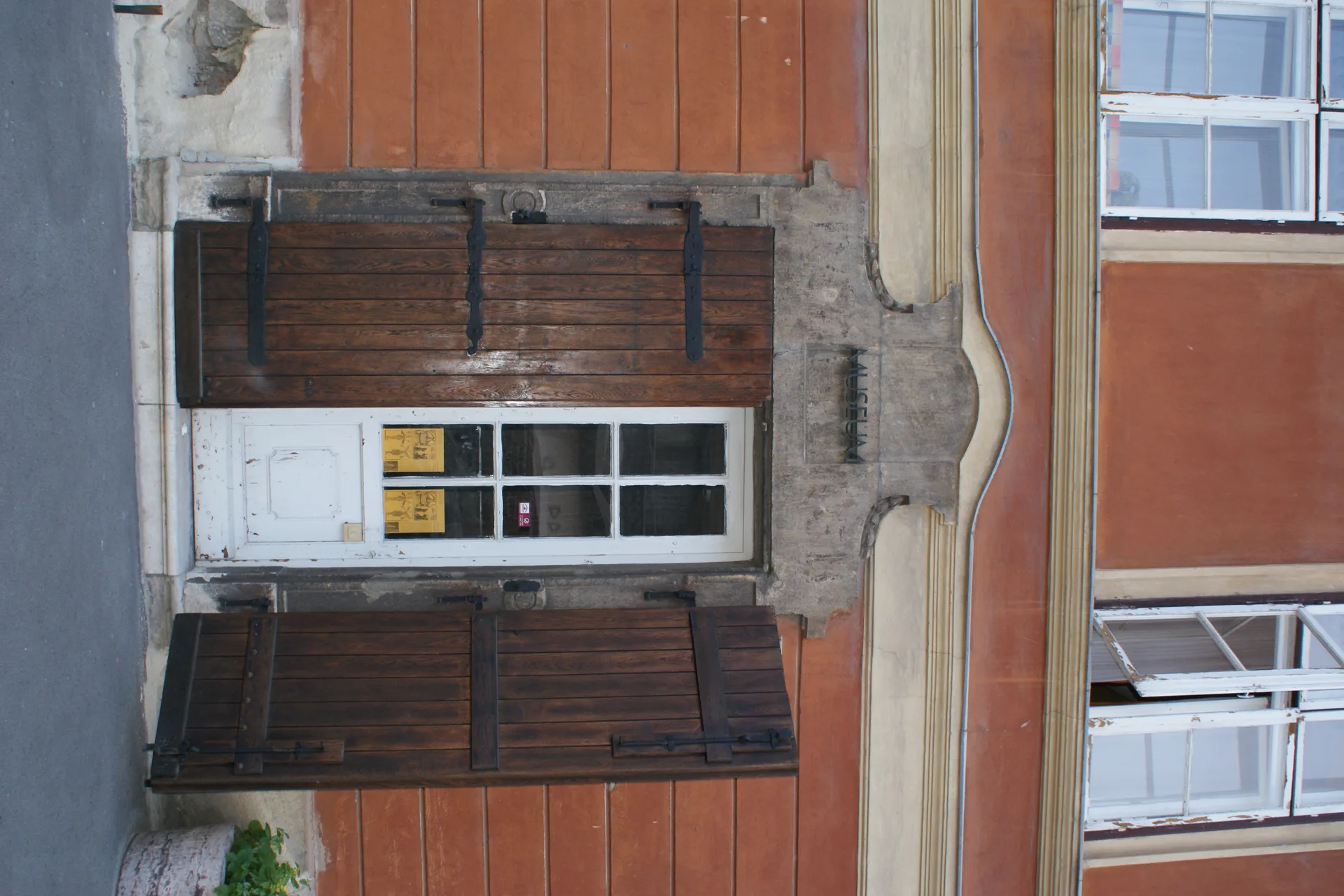
The Semmelweis Museum occupies the actual house where Ignác Semmelweis was born in 1818, in the Tabán district just below Castle Hill — a fitting home for a museum dedicated to Hungary's most significant contribution to medical history. Semmelweis, working as an obstetrician in 1840s Vienna, discovered that maternal deaths from puerperal (childbed) fever dropped dramatically when doctors washed their hands with a chlorinated solution between conducting autopsies and delivering babies — a discovery that seems obvious today but was, at the time, met with hostility and ridicule by the medical establishment, since germ theory didn't yet exist to explain why it worked.
Semmelweis was professionally ostracised for the rest of his career, had a breakdown, and died in an asylum in 1865 — only for his handwashing theory to be vindicated a couple of decades later once Louis Pasteur and Robert Koch's germ theory of disease gave it a scientific basis. He's now honoured globally as "the saviour of mothers," and the term "Semmelweis reflex" entered common usage to describe reflexive rejection of new evidence that contradicts established norms.
Read the full storyShow less
Beyond the Semmelweis story specifically, the museum holds a broader collection covering the history of medicine and pharmacy in Hungary — historic surgical instruments, apothecary equipment, anatomical models and medical texts spanning several centuries, giving it a wider scope than its birthplace-specific framing might suggest.
It's a compact, quiet museum that rarely draws crowds, making it a good option for visitors wanting a slower-paced, substantive stop away from the busier Castle Hill sights just up the slope.
What to See: Highlights
- 1Housed in Ignác Semmelweis's actual birthplace
- 2The story behind the discovery that handwashing prevents infection
- 3Broader collection on the history of Hungarian medicine and pharmacy
- 4Historic surgical instruments and anatomical models
- 5A quiet, uncrowded alternative to Castle Hill's busier museums
- 6Genuinely low admission price
Skip the Queue — Book Tickets Online
Same admission, instant confirmation. Compare prices across platforms.
Affiliate disclosure — we may earn a commission at no extra cost to you.
Insider Tips
Free entry for families on the first Sunday of the month
It's a short, easy walk down from Castle Hill if you're already up there
Budget 45-60 minutes for a proper visit
The Semmelweis story alone is worth reading up on beforehand for context
A good, quiet counterpoint to the busier Castle District sights above it
Book a Guided Tour
Get the most from your visit with a local expert guide.
Affiliate disclosure — we may earn a commission at no extra cost to you.
Getting There
Apród utca 1-3, 1013 Budapest
Open in Google Maps →- 1Bus 5, 8E, 108E, 110, 112 or 178 to Várkert Bazár, or a short walk down from Castle Hill via Várfok utca.
Where to stay
Hotels in Budapest
Compare prices across hundreds of hotels near this attraction — from budget hostels to luxury stays. Free cancellation on most rooms.
Affiliate disclosure — we may earn a commission at no extra cost to you. Powered by Booking.com.
Frequently Asked Questions
Everything you need to know before you visit.
Is Semmelweis Museum of Medical History worth visiting?+−
How long does a visit to Semmelweis Museum of Medical History take?+−
Who is Semmelweis Museum of Medical History best for?+−
Do I need to book tickets in advance for Semmelweis Museum of Medical History?+−
Is Semmelweis Museum of Medical History included with the Budapest city pass?+−
Should You Visit?
Visit if...
- You're interested in the history of medicine
- You want a quiet, uncrowded museum stop
- You're already walking down from Castle Hill
- You appreciate small, focused single-topic museums
Skip if...
- Medical history isn't a personal interest
- You're tightly time-constrained and prioritising bigger Castle Hill sights
Ready to Book Your Visit?
More to See in Budapest

Buda Castle (Royal Palace)
The sprawling former royal palace on Castle Hill — today home to the Hungarian National Gallery and the Budapest History Museum, with free-to-wander courtyards and some of the best views over the Danube.

Gellért Hill & Citadella
A 235-metre hill on the Buda side crowned by a Habsburg-era fortress and the Liberty Statue — free public parkland with arguably the single best panoramic view over both Buda and Pest.
Golden Eagle Pharmacy Museum
A tiny, atmospheric museum inside a genuine 17th-century Castle Hill pharmacy — alchemist's lab reconstructions, Renaissance and Baroque medical equipment, and a mummified crocodile.