
Best for
A quick, high-impact stop near Campo de' Fiori
Time needed
30–60 minutes
Worth it?
Yes — cheap, fast, and genuinely memorable for the corridor alone
Skip if
You're visiting on a Tuesday, when the gallery is closed
About Galleria Spada
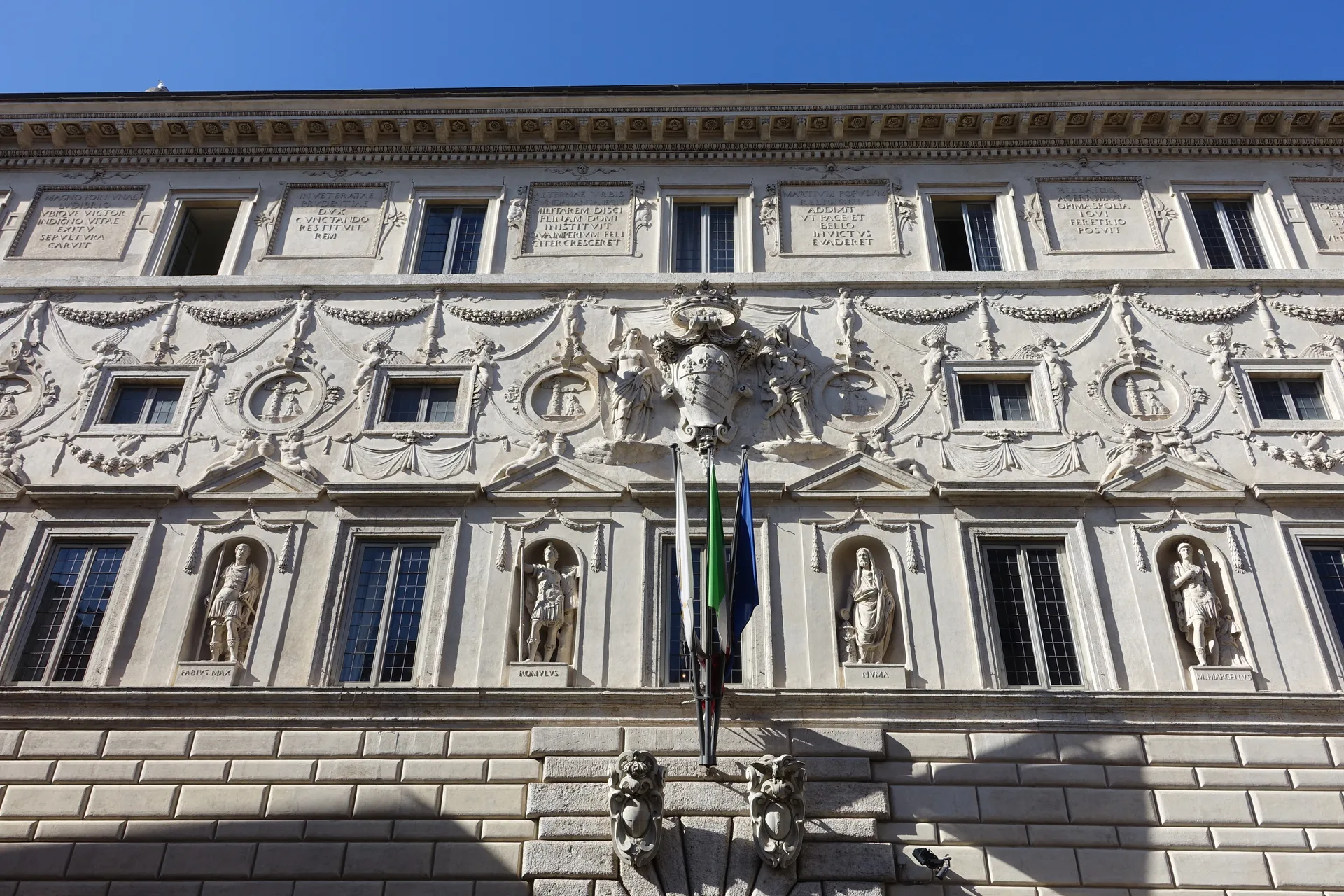
Palazzo Spada was built in the 1540s and acquired in 1632 by Cardinal Bernardino Spada, an art collector and patron who commissioned the palace's most famous feature: a colonnaded corridor in the courtyard, designed by Francesco Borromini with mathematician Giovanni Maria Bitonto, that uses forced perspective — steadily shrinking columns, a converging floor and ceiling, and a diminishing colonnade width — to make an actual 8-metre passage appear to stretch nearly 40 metres, with what looks like a life-size classical statue at the far end actually standing just 60 centimetres tall.
The trick works from a single fixed viewing point, and it still fools people every single day despite it being a five-century-old parlour trick everyone technically knows about in advance — proof that a good optical illusion doesn't lose its power just because you understand the mechanism. It's one of the purest examples anywhere of Baroque Rome's obsession with theatrical illusion and architectural wit for its own sake.
Read the full storyShow less
Beyond the corridor, the gallery itself holds a compact but well-chosen collection of 16th- and 17th-century painting assembled by Cardinal Spada, including works by Titian, Guercino, and Artemisia Gentileschi's Saint Cecilia, hung across four small, richly decorated rooms that retain much of their original Baroque character rather than feeling like a converted museum space.
Because the whole visit — corridor included — takes under an hour, Galleria Spada works best as a quick, high-impact stop tucked between bigger sights in the Campo de' Fiori area, rather than a dedicated half-day destination.
What to See: Highlights
- 1Borromini's forced-perspective corridor — 8 metres engineered to look like 40
- 2Artemisia Gentileschi's Saint Cecilia
- 3Works by Titian and Guercino across four Baroque-decorated rooms
- 4A palace that retains its original 17th-century collector's-cabinet feel
- 5Free on the first Sunday of the month
Skip the Queue — Book Tickets Online
Same admission, instant confirmation. Compare prices across platforms.
Affiliate disclosure — we may earn a commission at no extra cost to you.
Insider Tips
The corridor can only be viewed from a fixed point — ask staff to show you exactly where to stand
The whole visit takes under an hour — easy to combine with Campo de' Fiori
Free entry on the first Sunday of the month, if you don't mind a slightly bigger crowd
One of Rome's cheapest paid museum tickets at €6
Closed Tuesdays, not the more common Monday closure — plan accordingly
Book a Guided Tour
Get the most from your visit with a local expert guide.
Affiliate disclosure — we may earn a commission at no extra cost to you.
Getting There
Piazza Capo di Ferro, 13, 00186 Roma RM
Open in Google Maps →- 1A 5-minute walk from Campo de' Fiori. Bus routes 40, 46, 62, 64 stop along Corso Vittorio Emanuele II nearby.
Where to stay
Hotels in Rome
Compare prices across hundreds of hotels near this attraction — from budget hostels to luxury stays. Free cancellation on most rooms.
Affiliate disclosure — we may earn a commission at no extra cost to you. Powered by Booking.com.
Frequently Asked Questions
Everything you need to know before you visit.
Is Galleria Spada worth visiting?+−
How long does a visit to Galleria Spada take?+−
Who is Galleria Spada best for?+−
Do I need to book tickets in advance for Galleria Spada?+−
Is Galleria Spada included with the Rome city pass?+−
Should You Visit?
Visit if...
- You're near Campo de' Fiori with 30–60 minutes to spare
- You want to see Borromini's forced-perspective trick in person
- You appreciate small, intact Baroque collector's palaces
- You're looking for a cheap, fast, high-value museum stop
Skip if...
- You're visiting on a Tuesday
- You want a substantial, multi-hour museum experience
- You're not near the Campo de' Fiori area and can't easily detour
Ready to Book Your Visit?
More to See in Rome
Palazzo Barberini
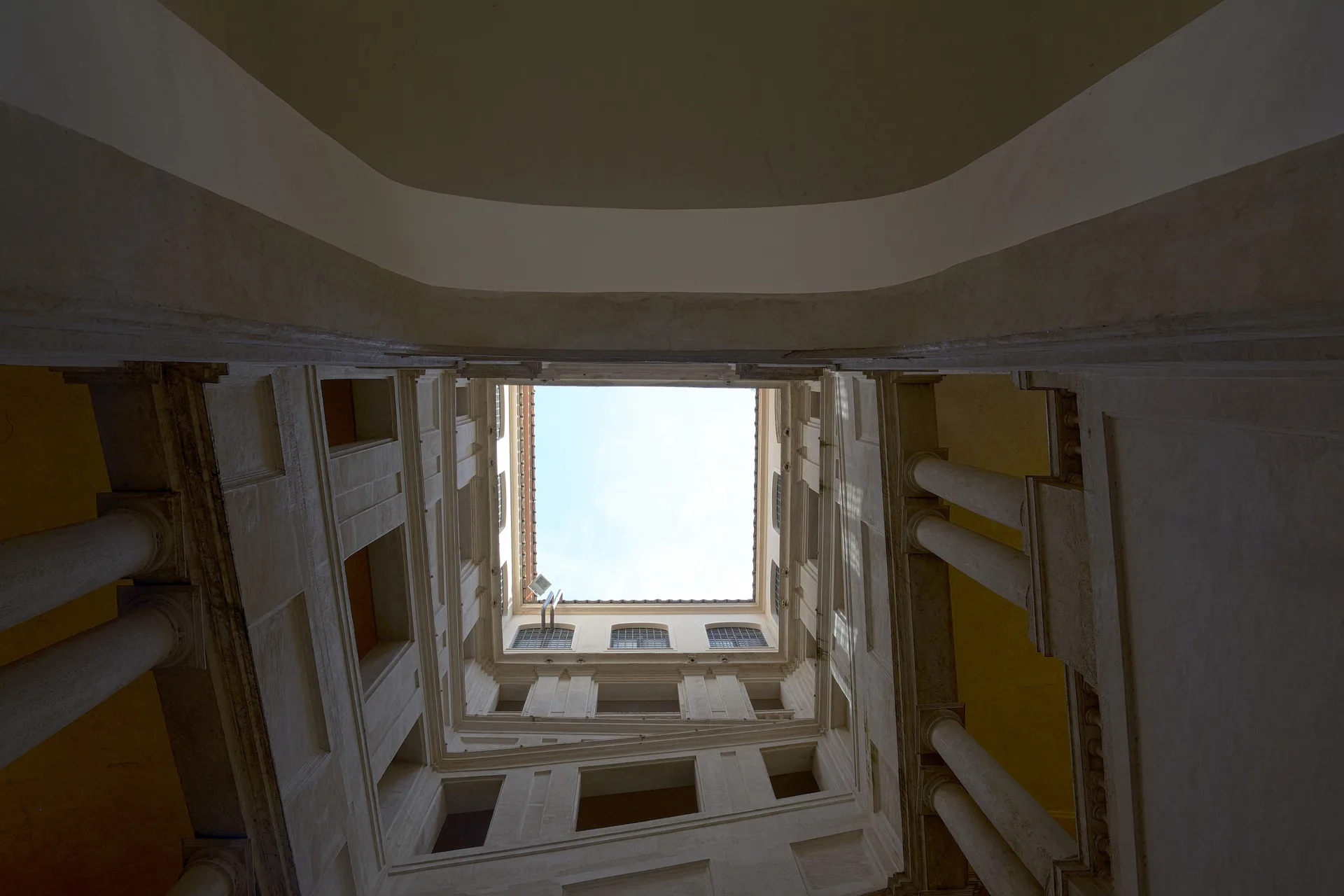
Rome's national gallery of old masters, inside a Baroque palace with two competing grand staircases by Bernini and Borromini — Caravaggio's Judith Beheading Holofernes and Raphael's La Fornarina under a ceiling fresco that swallows the whole room.
Piazza Navona
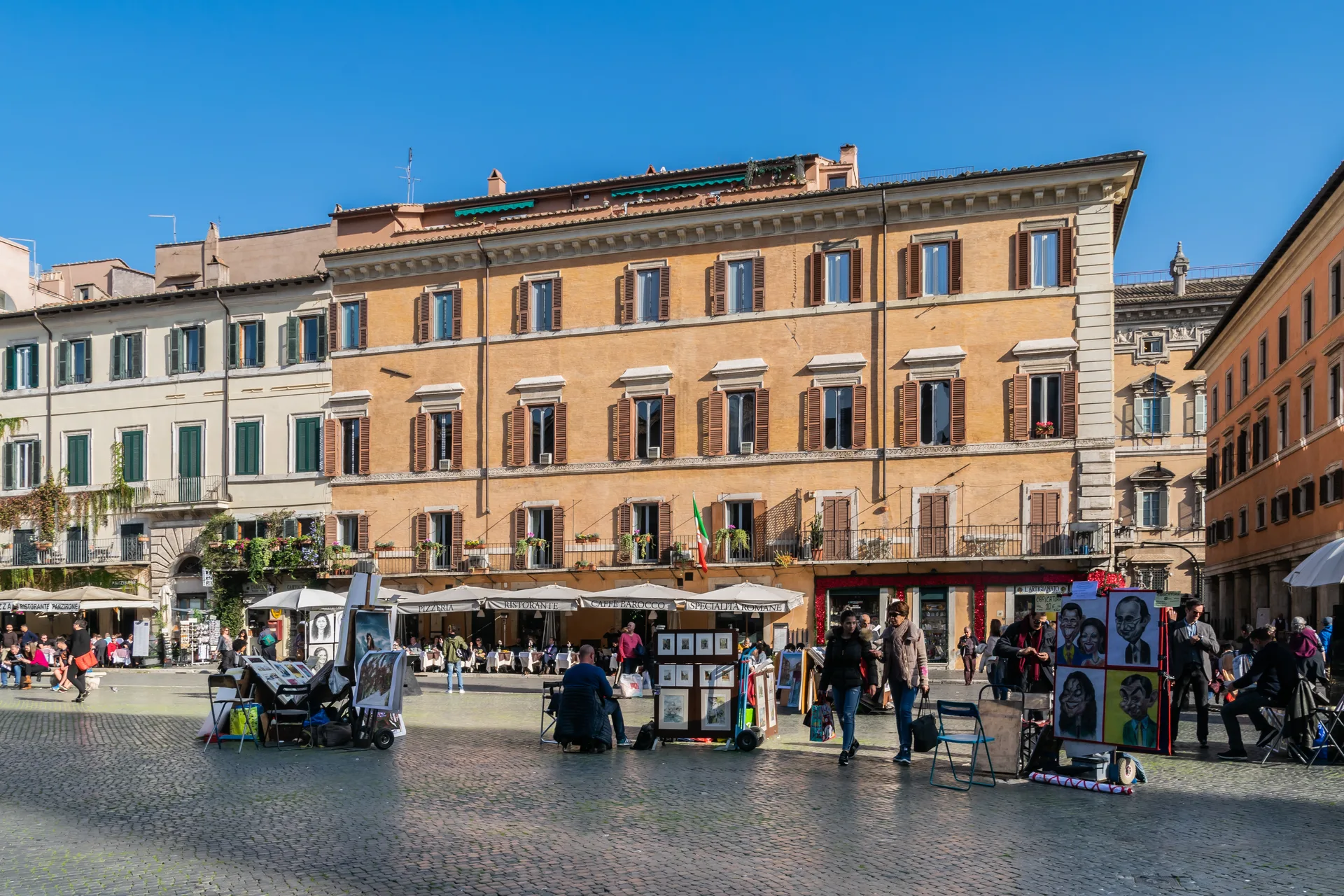
Rome's grandest Baroque piazza, shaped like the ancient stadium it was built over, anchored by Bernini's Fountain of the Four Rivers — free, open all hours, and one of the liveliest squares in the city after dark.
Campo de' Fiori Market
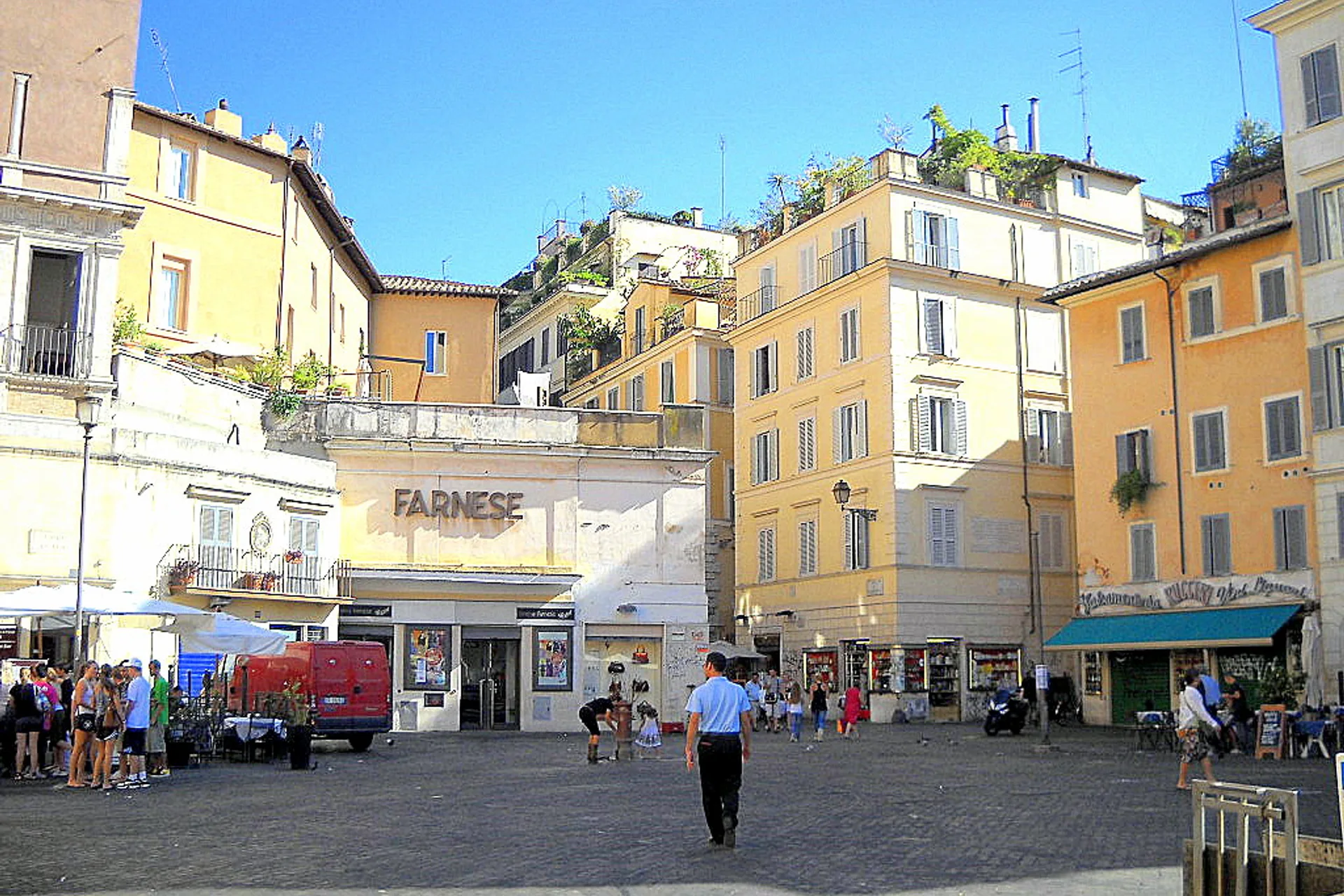
Rome's oldest and liveliest morning market, in a square that doubled as a public execution site — fruit, flowers and street food by day, one of the centre's busiest bar squares by night.