
The Vatican Museums are the unavoidable giant: the Sistine Chapel, the Raphael Rooms and ten kilometres of corridor between you and them. The honest advice is tactical — book the official timed entry, go at opening or after 14:00, and accept that the Sistine Chapel will be shared with a thousand others. The Borghese Gallery is the opposite experience by design: two-hour reserved slots, limited numbers, and Bernini's marbles in relative calm. It's the best museum ticket in Rome and the one that must be booked furthest ahead.
The Capitoline Museums — the world's oldest public museum — give you the she-wolf, the colossal Constantine fragments and a view over the Forum that beats most paid terraces. Palazzo Massimo is the great sleeper: the finest Roman frescoes in existence (the painted garden of Livia's villa) in a museum you'll have nearly to yourself. Centrale Montemartini — ancient statues among the turbines of a decommissioned power station — is the most photogenic museum idea in the city.
The money notes: the state museums are free on the first Sunday of the month (crowded, naturally). The Vatican is free only the last Sunday of the month, and it's the most crowded few hours of its week. Doria Pamphilj — a private palace still hung as its family left it, with the Velázquez portrait of Innocent X — charges its own way and rewards every euro. Bring booking discipline to Rome's top three and the rest of the museum city is refreshingly walk-in.
Don't Miss
Highest-rated in Rome
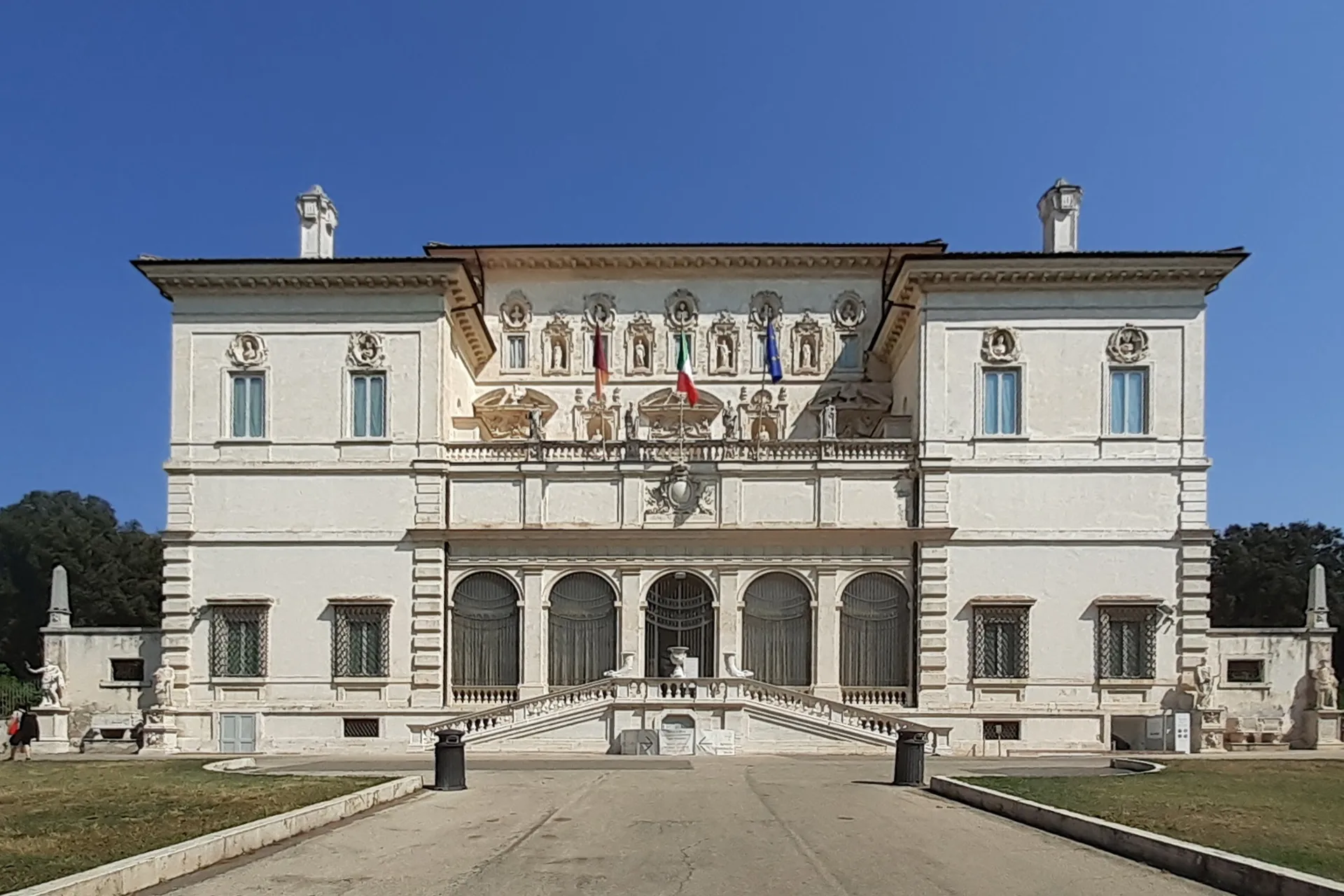
Galleria Borghese
A small, strictly-timed museum holding one of the greatest private art collections ever assembled — Bernini's most dramatic sculptures and Caravaggio paintings, inside a 17th-century villa in its own park.
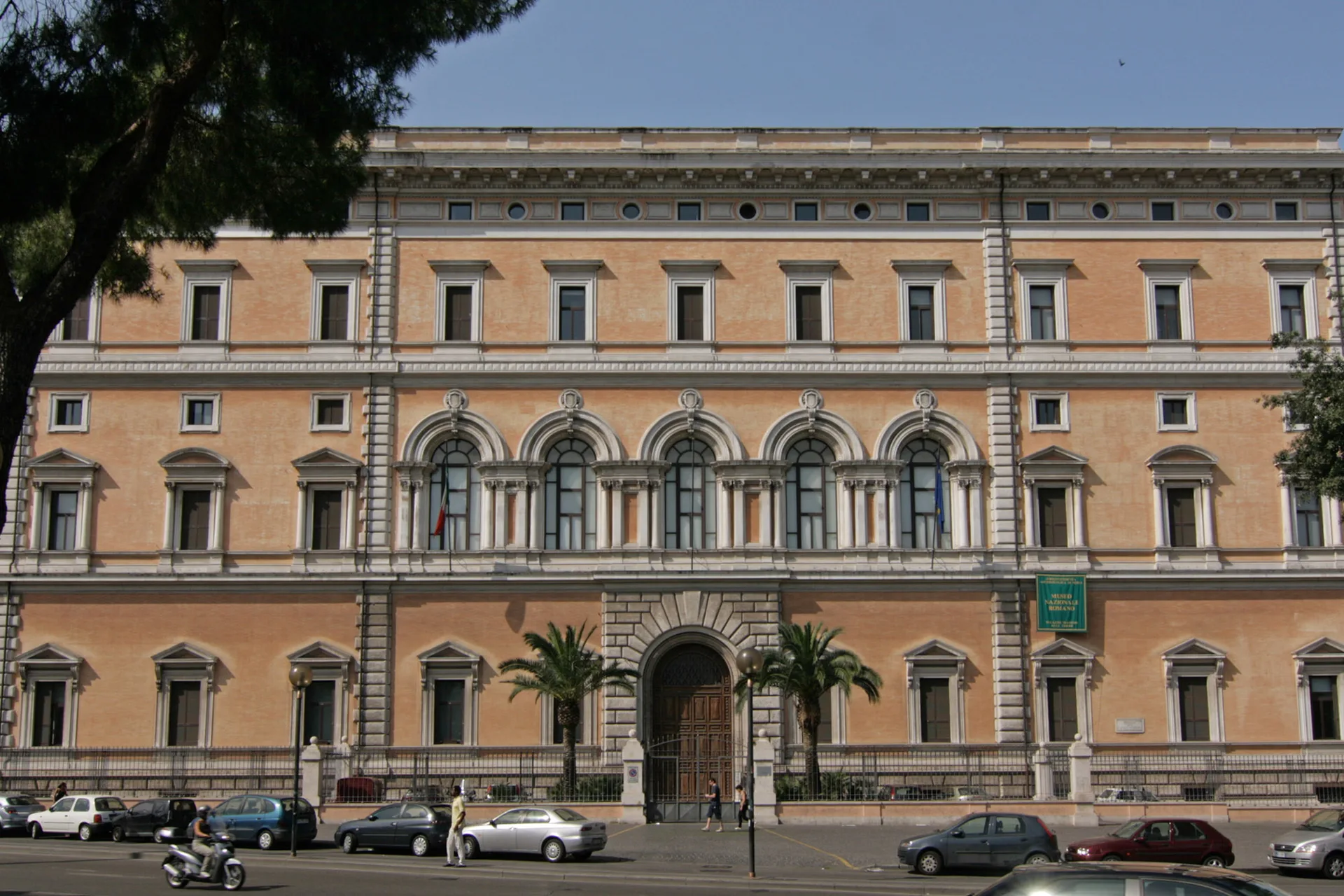
Palazzo Massimo alle Terme
The best classical sculpture collection in Rome that most tourists never visit — including the world-famous Discobolus and startlingly vivid ancient Roman frescoes, two minutes from Termini station.
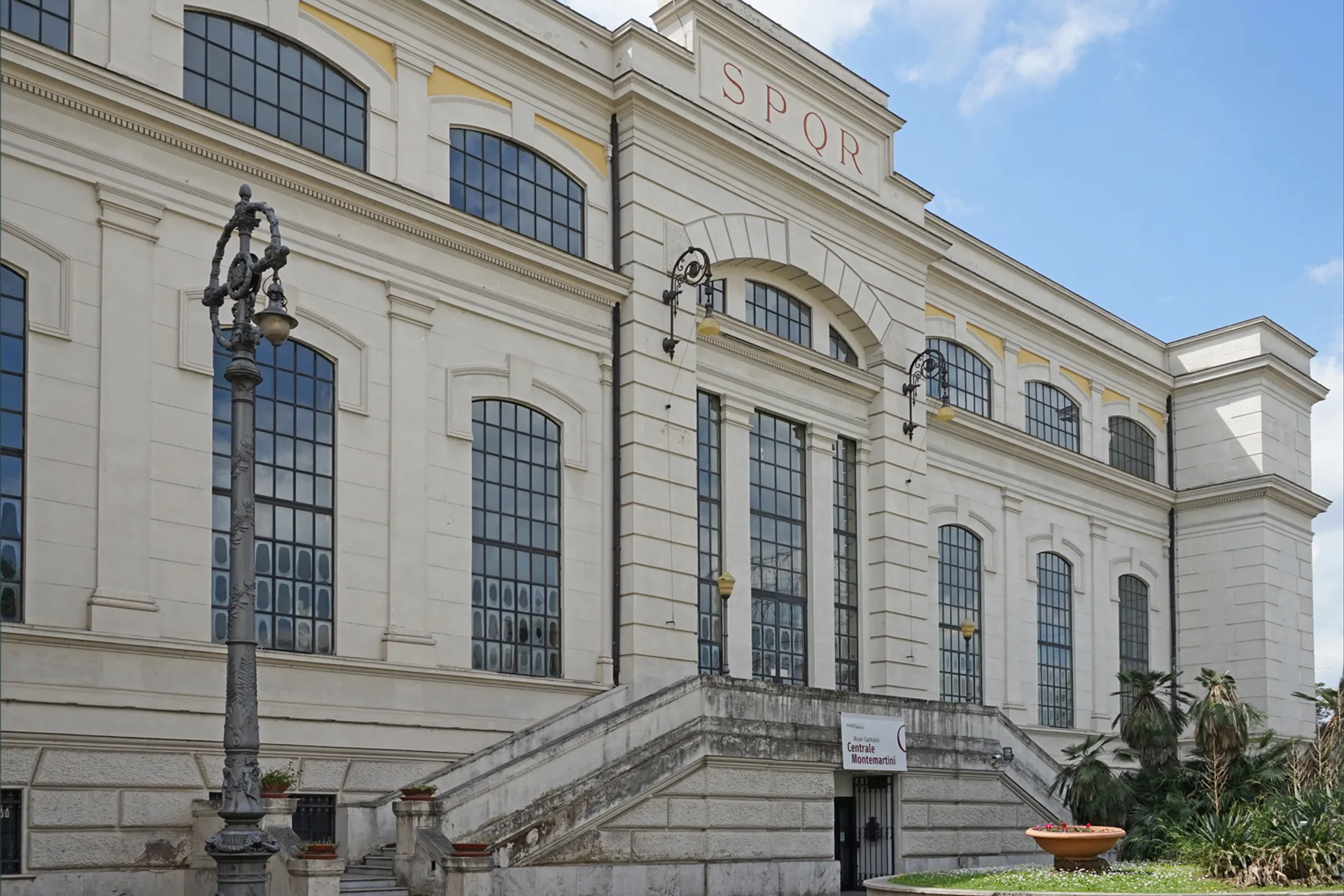
Centrale Montemartini
Ancient Roman marble statues displayed among the silent turbines and boilers of Rome's first public power plant — the city's strangest and most striking museum juxtaposition.
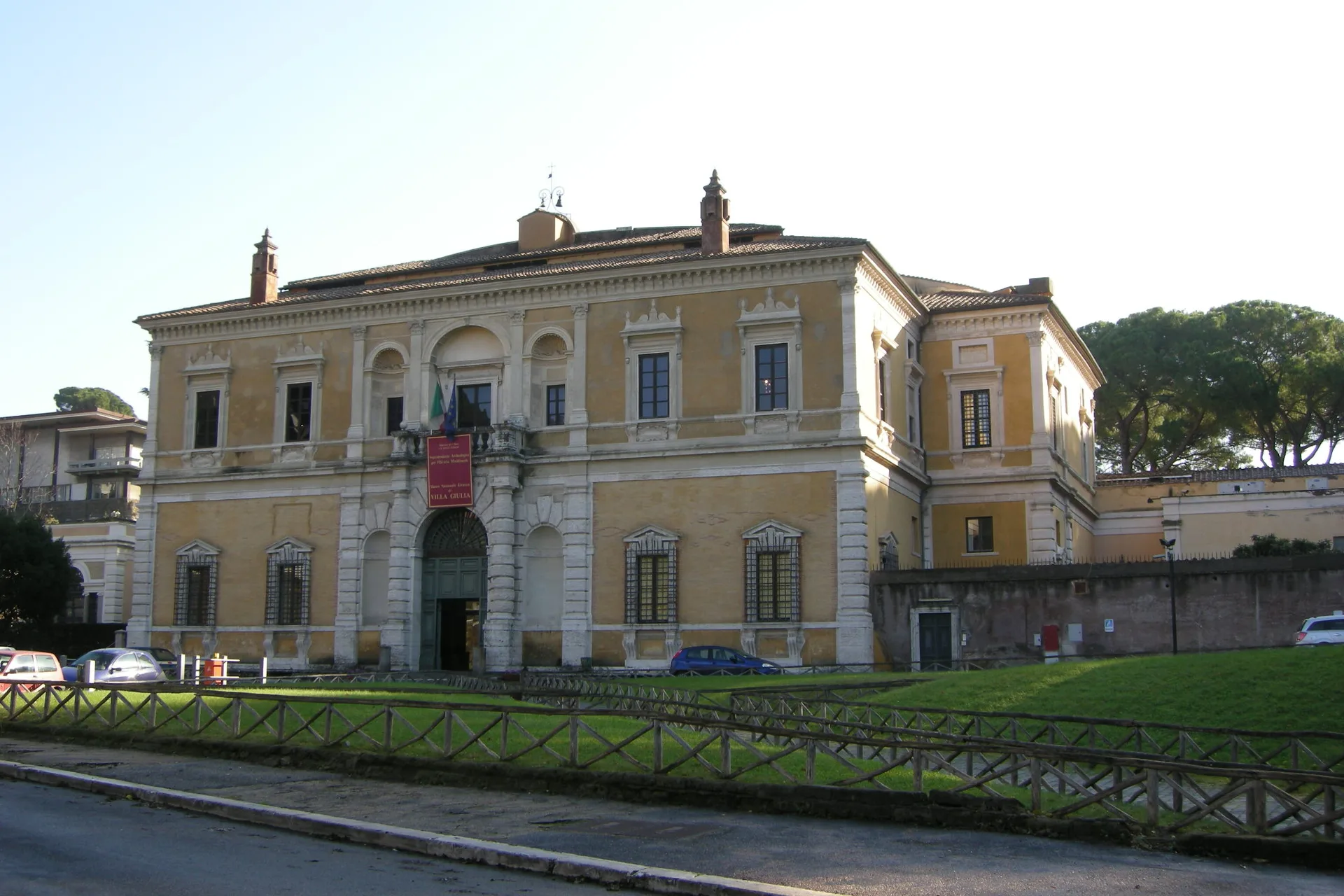
Villa Giulia — National Etruscan Museum
The world's best collection of Etruscan art and artefacts, inside a 16th-century papal pleasure villa — a chance to meet the civilization Rome grew out of and then largely erased from its own founding story.
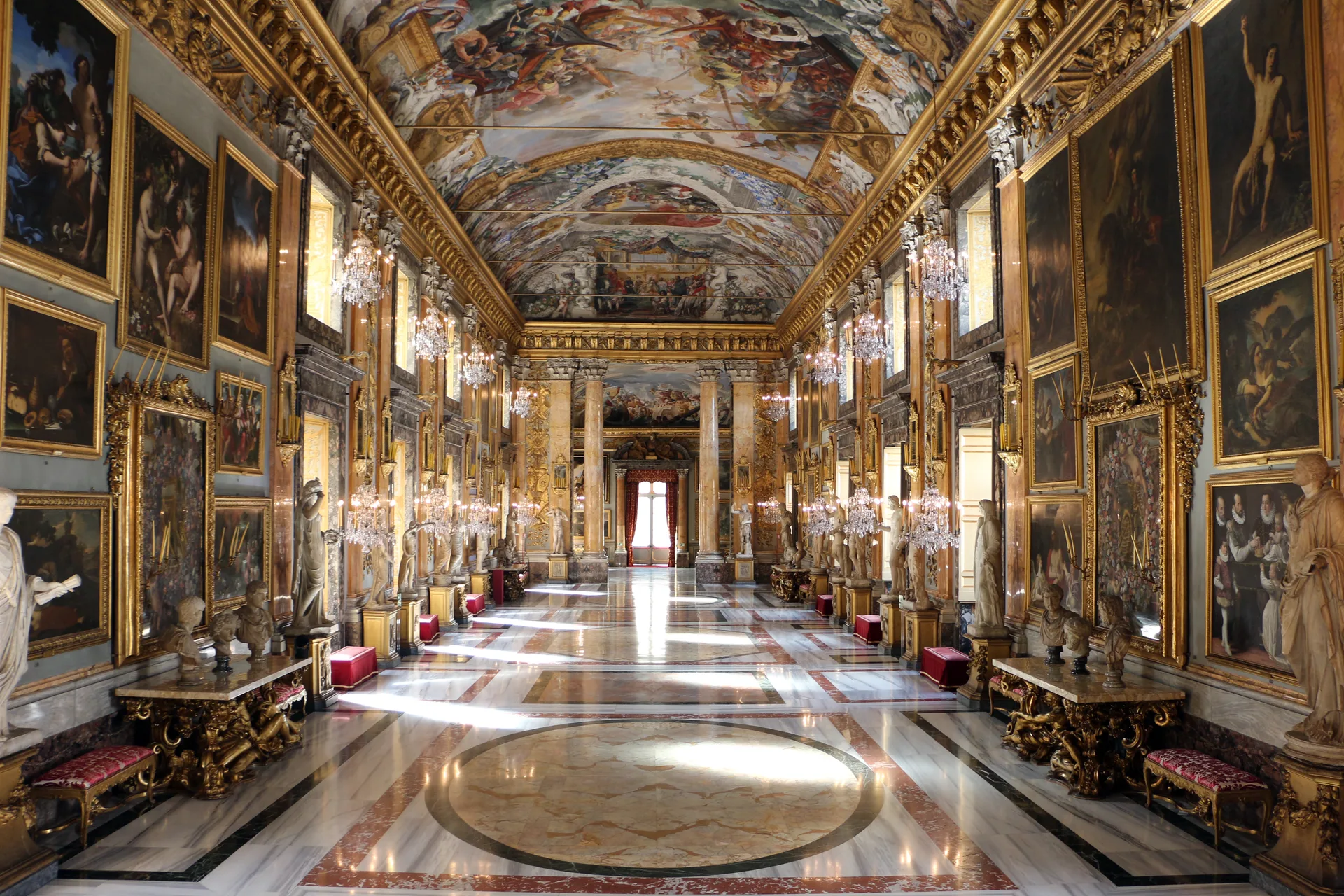
Galleria Colonna
One of Rome's grandest private palace galleries, open to the public only two mornings a week — a Baroque great hall so lavish it appeared in the closing scene of Roman Holiday.
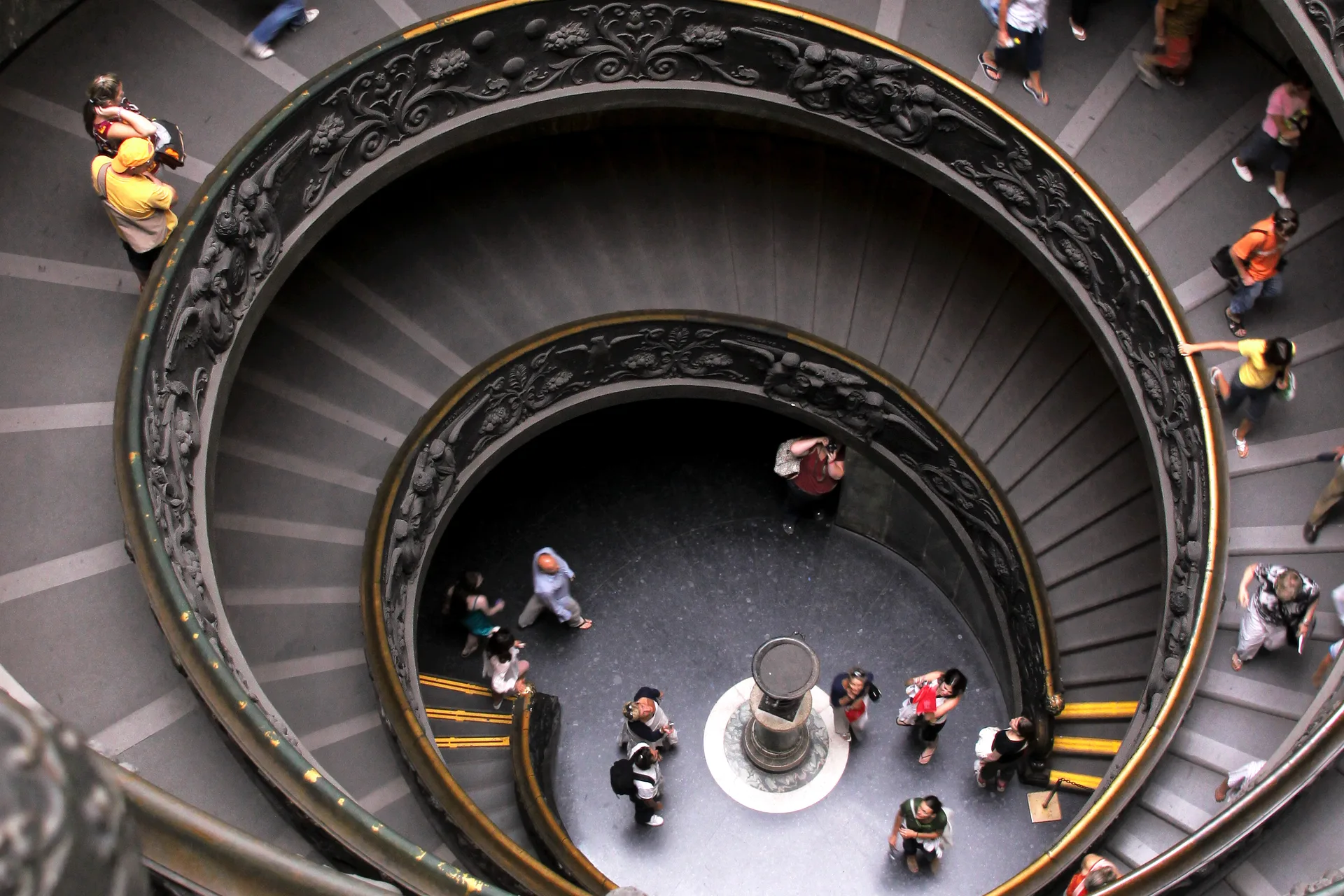
Vatican Museums & Sistine Chapel
One of the largest and richest museum complexes on earth — miles of papal collections leading to Michelangelo's Sistine Chapel ceiling, the single most-visited work of art in the world.
All Rome Museums & Galleries
21 places, all reviewed and rated
Galleria Borghese
A small, strictly-timed museum holding one of the greatest private art collections ever assembled — Bernini's most dramatic sculptures and Caravaggio paintings, inside a 17th-century villa in its own park.
Palazzo Massimo alle Terme
The best classical sculpture collection in Rome that most tourists never visit — including the world-famous Discobolus and startlingly vivid ancient Roman frescoes, two minutes from Termini station.
Centrale Montemartini
Ancient Roman marble statues displayed among the silent turbines and boilers of Rome's first public power plant — the city's strangest and most striking museum juxtaposition.
Villa Giulia — National Etruscan Museum
The world's best collection of Etruscan art and artefacts, inside a 16th-century papal pleasure villa — a chance to meet the civilization Rome grew out of and then largely erased from its own founding story.
Galleria Colonna
One of Rome's grandest private palace galleries, open to the public only two mornings a week — a Baroque great hall so lavish it appeared in the closing scene of Roman Holiday.
Vatican Museums & Sistine Chapel
One of the largest and richest museum complexes on earth — miles of papal collections leading to Michelangelo's Sistine Chapel ceiling, the single most-visited work of art in the world.
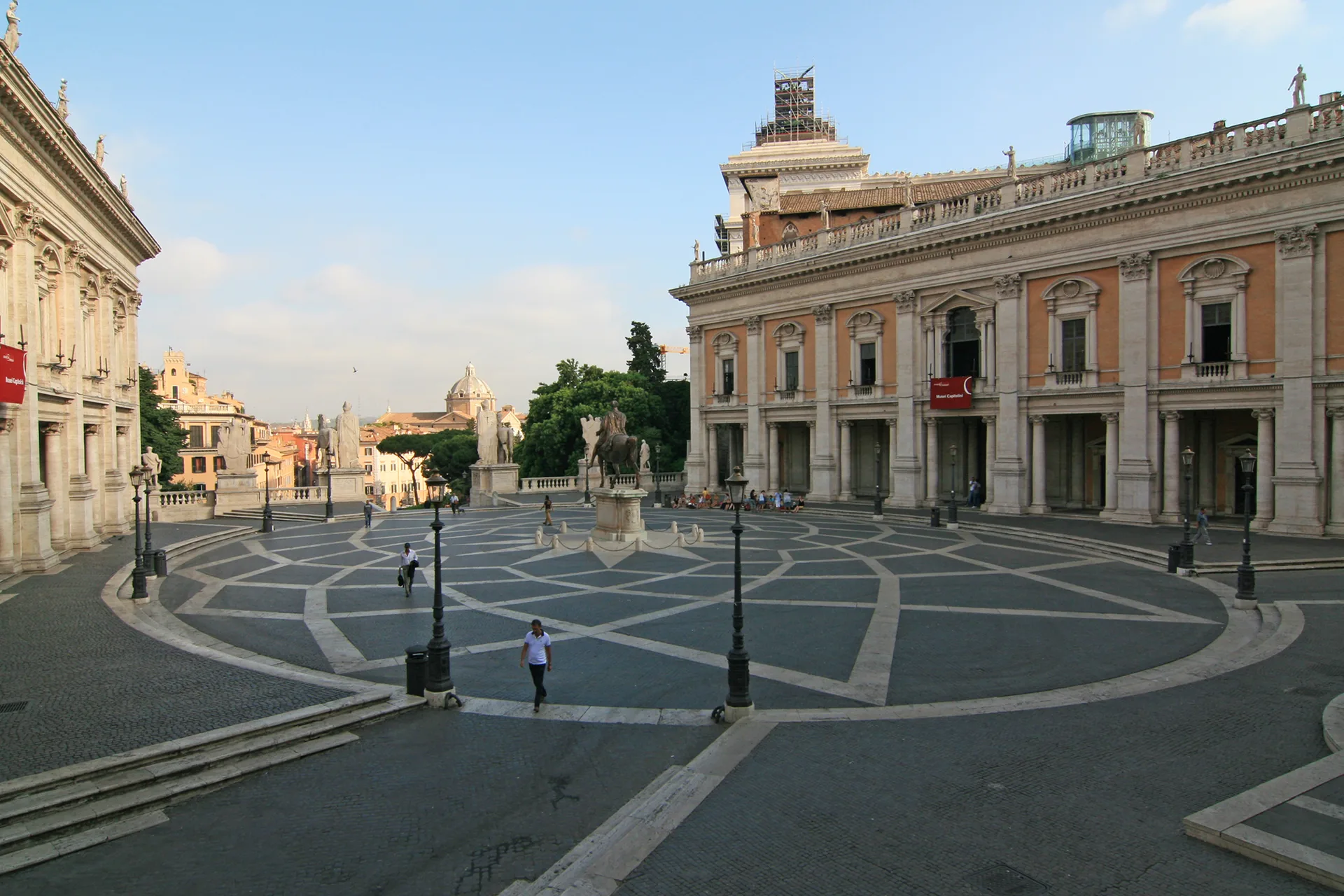
Capitoline Museums
The world's oldest public museum, opened in 1471 on the Capitoline Hill — home to the Capitoline Wolf, Marcus Aurelius's original bronze equestrian statue, and a room overlooking the Roman Forum.
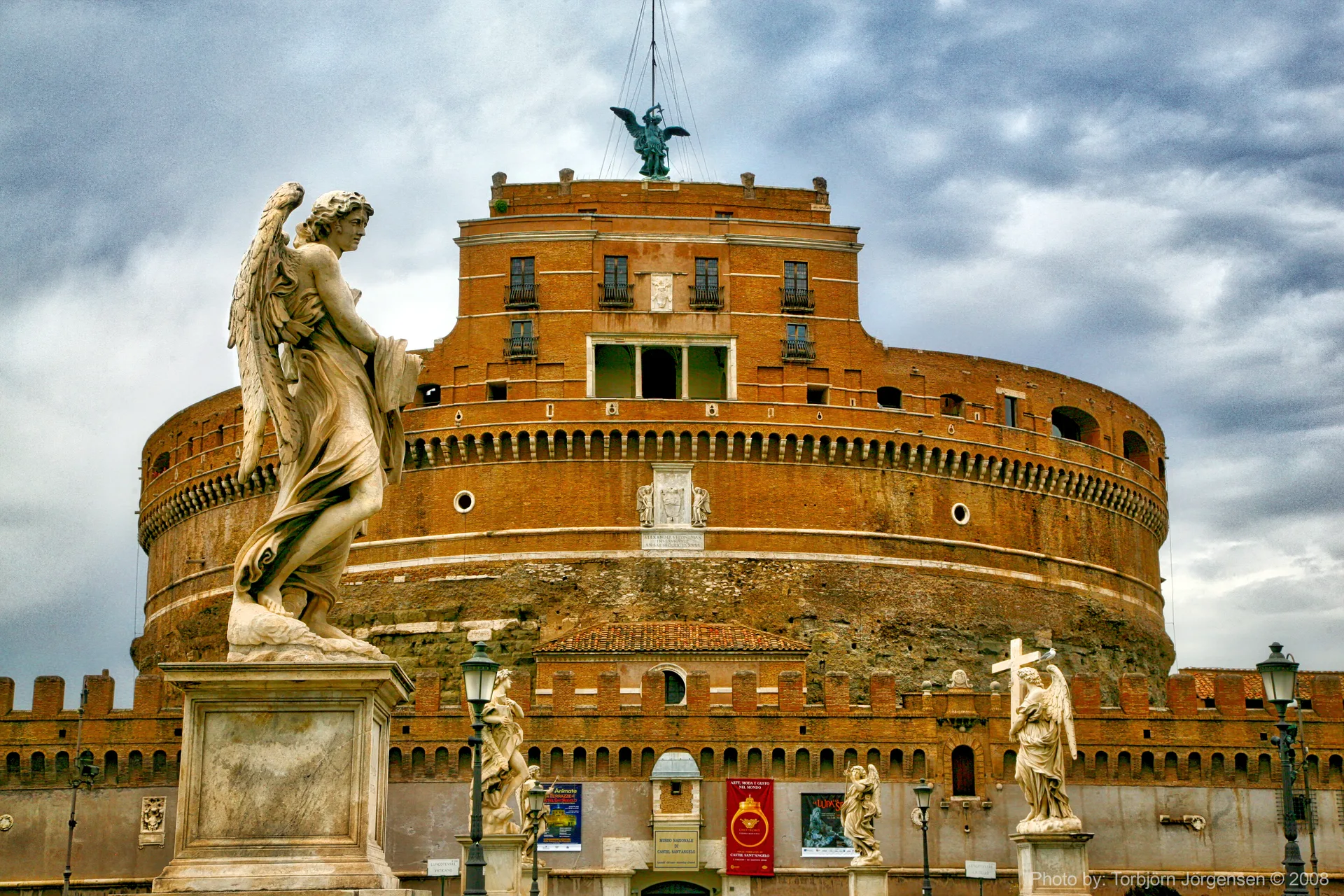
Castel Sant'Angelo
A cylindrical Roman mausoleum turned papal fortress and prison, connected to the Vatican by a secret elevated passage — climb to the rooftop for one of the best panoramic views in Rome.
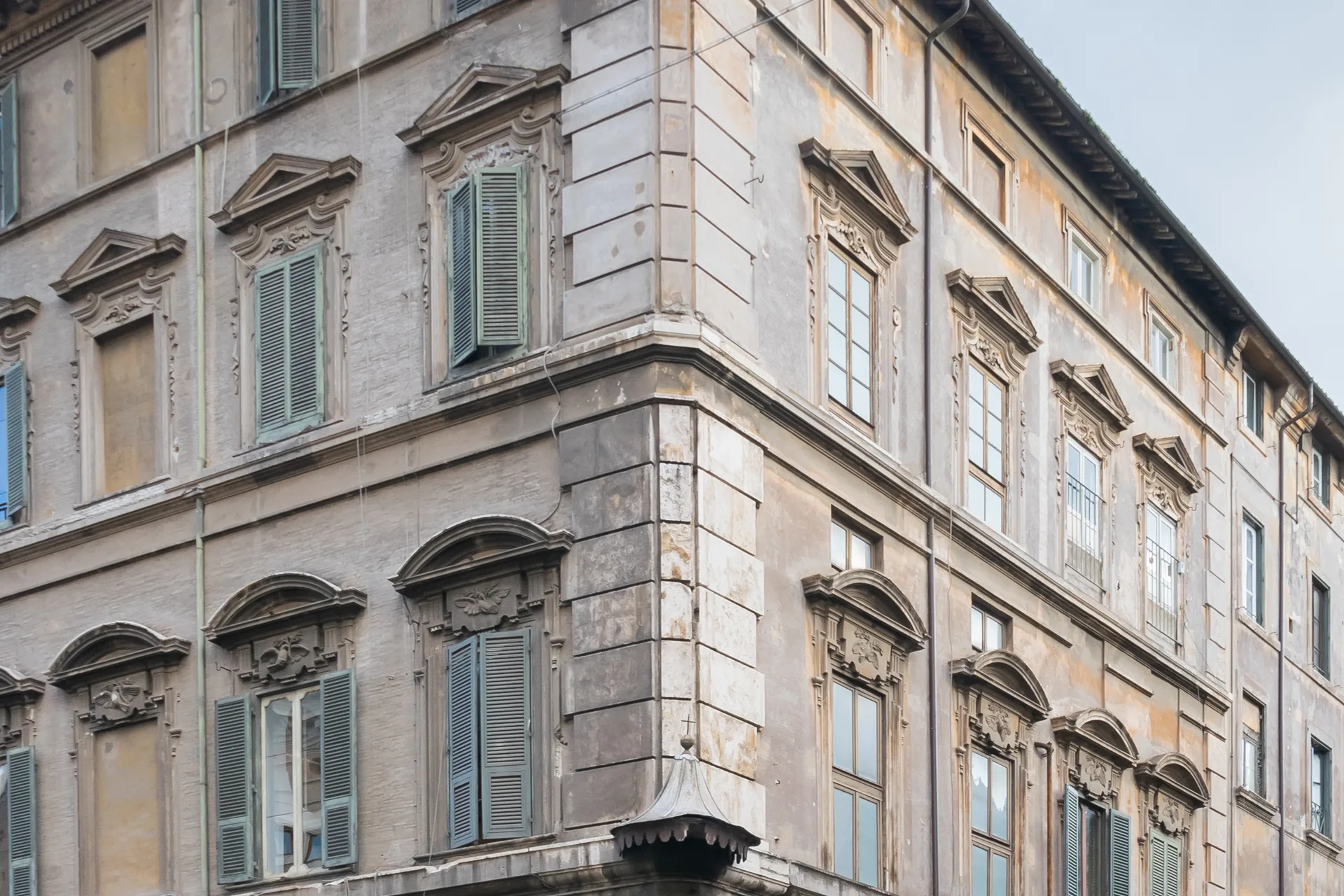
Galleria Doria Pamphilj
A private noble family's palace and art collection, still lived in and owned by their descendants — Velázquez's portrait of Pope Innocent X and Caravaggio's Rest on the Flight into Egypt among 400 years of accumulated masterpieces.
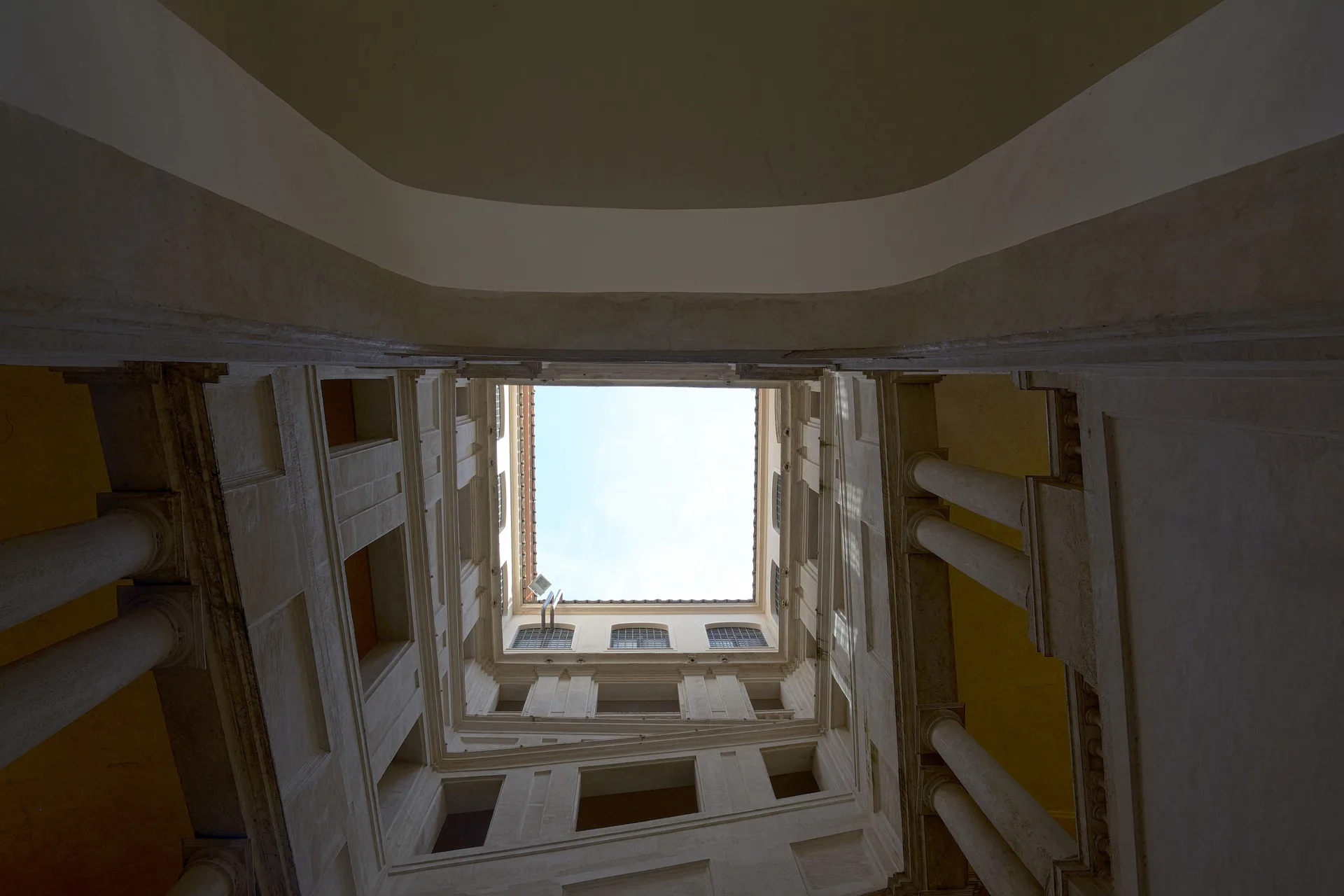
Palazzo Barberini
Rome's national gallery of old masters, inside a Baroque palace with two competing grand staircases by Bernini and Borromini — Caravaggio's Judith Beheading Holofernes and Raphael's La Fornarina under a ceiling fresco that swallows the whole room.
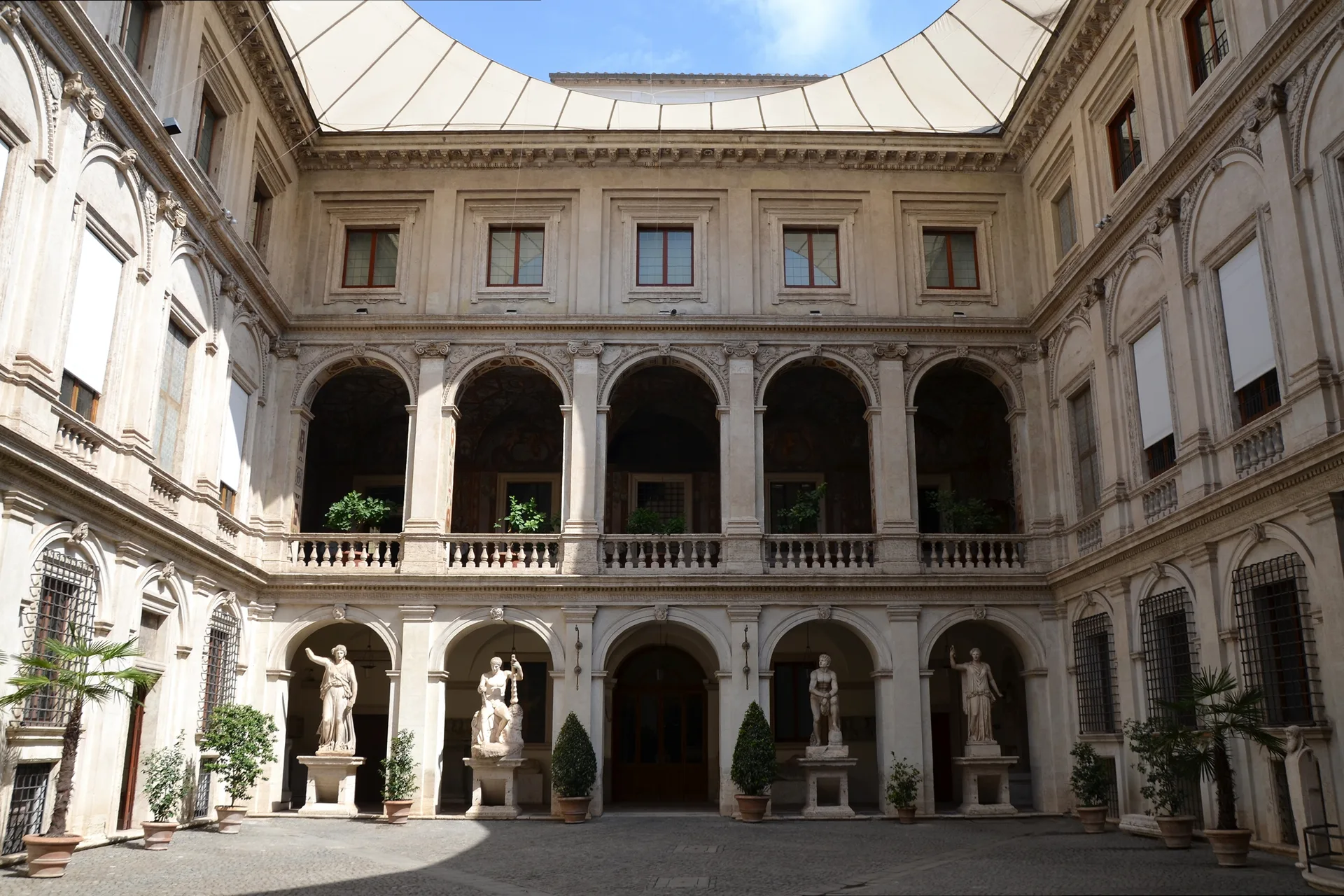
Palazzo Altemps
A quiet Renaissance palace near Piazza Navona holding some of the finest classical sculpture in the Museo Nazionale Romano collection, including the dramatically restored Ludovisi Throne and Galata Suicide.
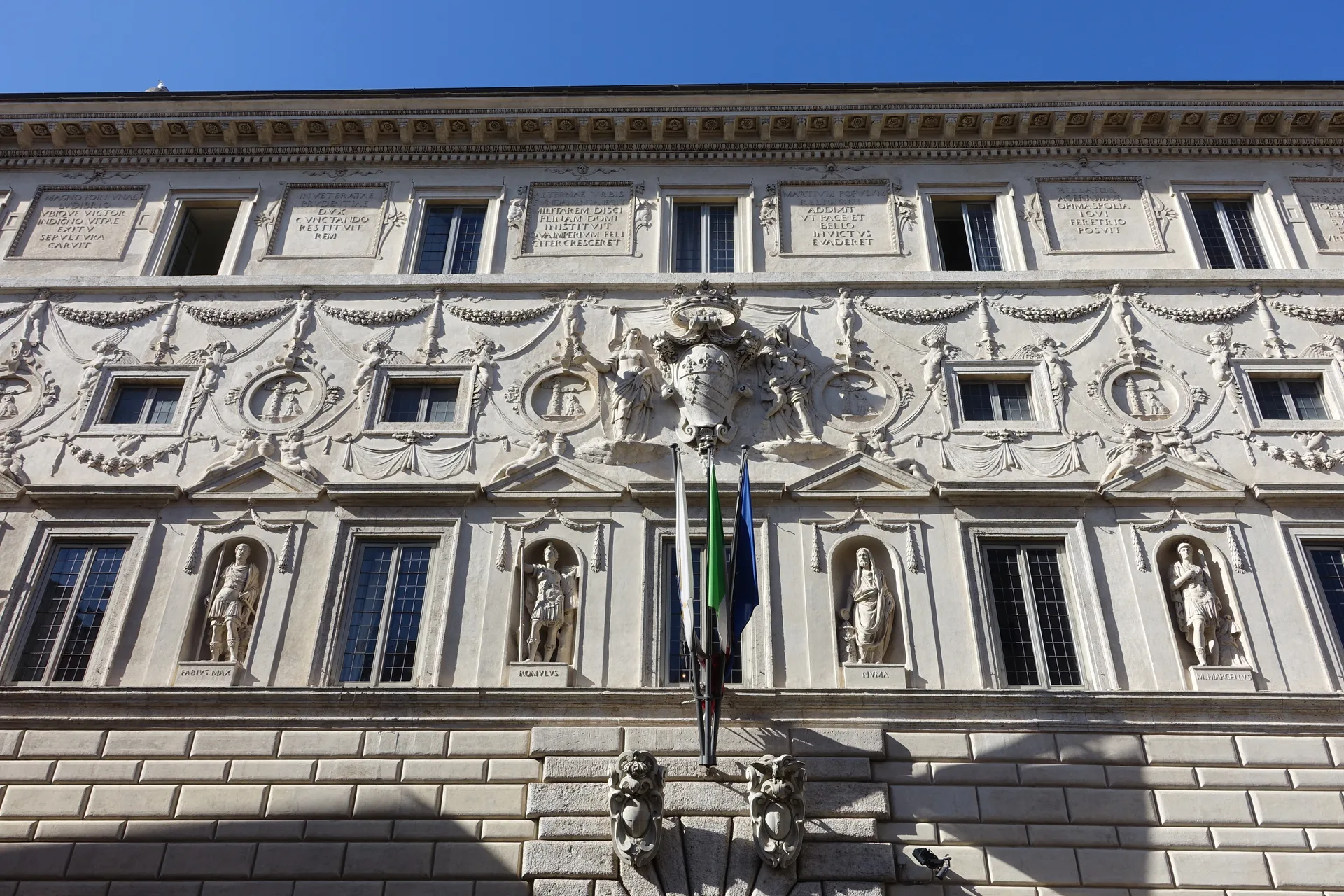
Galleria Spada
A small Baroque palace collection famous for one architectural trick — Borromini's forced-perspective corridor, an 8-metre passage engineered to look four times longer than it really is.
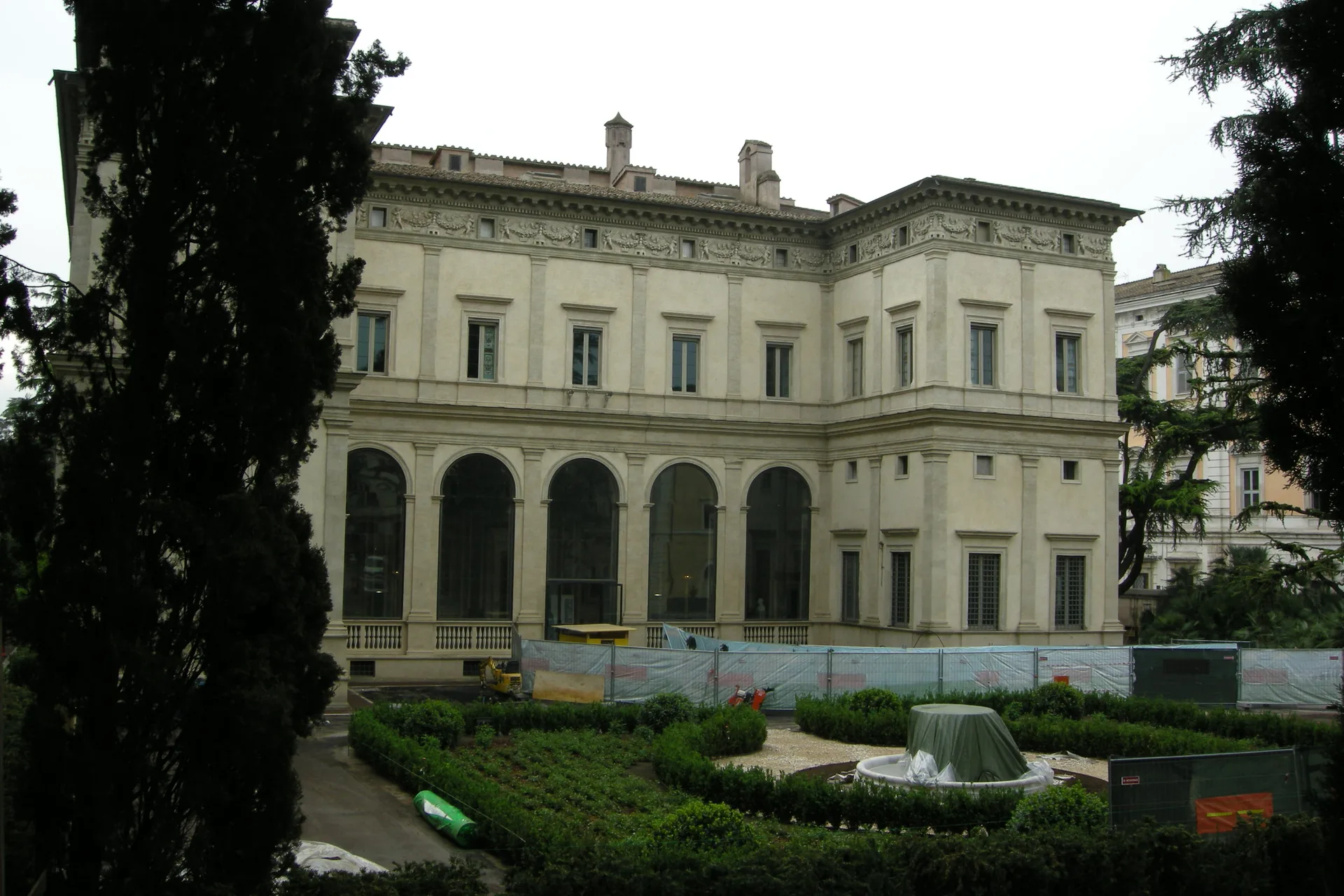
Villa Farnesina
A Renaissance banker's pleasure villa in Trastevere, frescoed by Raphael and his workshop — one of Rome's best Renaissance interiors and, by wide agreement, one of its least crowded.
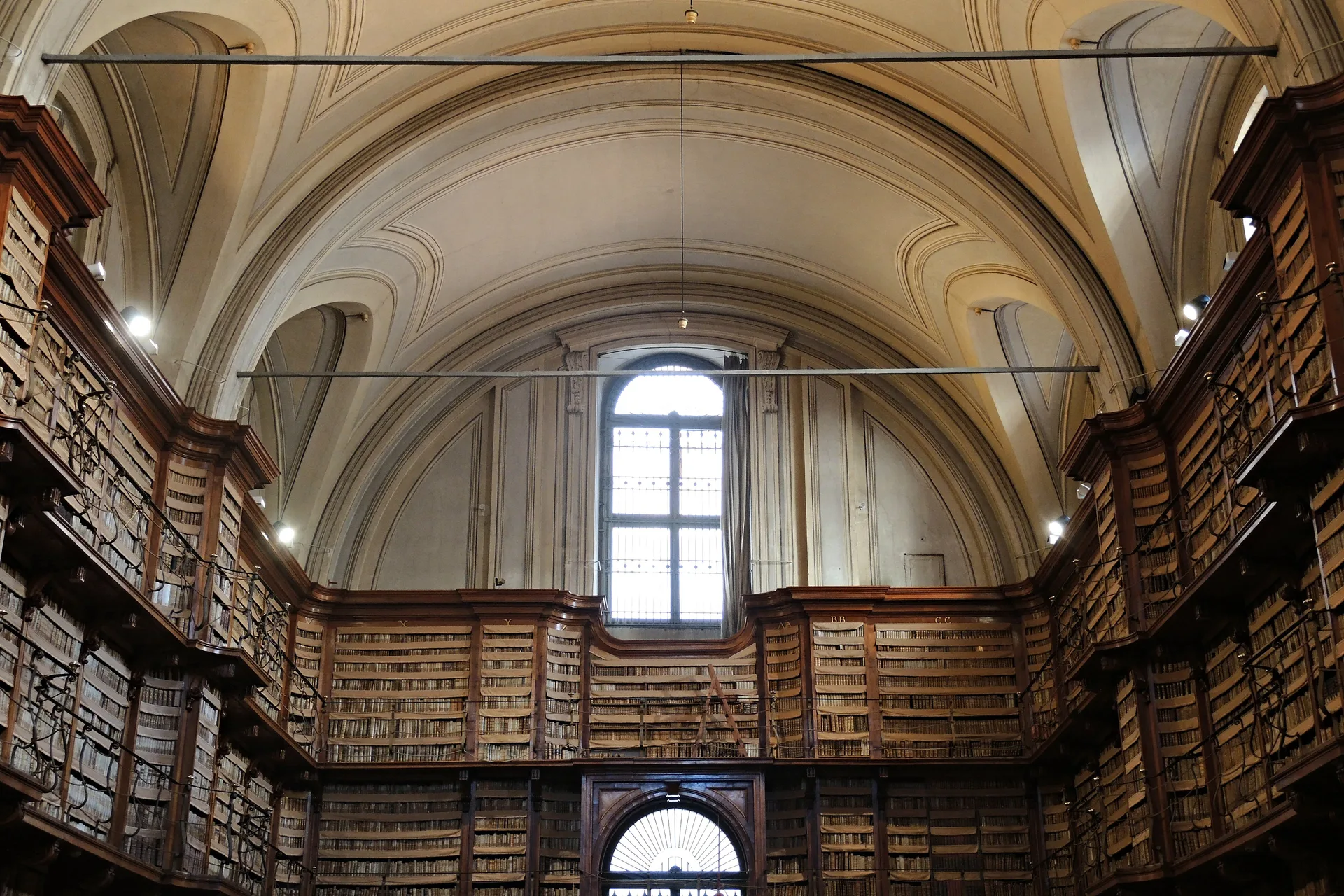
Biblioteca Angelica
Europe's oldest public library, founded in 1604 with a genuinely radical idea for its time — free access to books for anyone, regardless of class — still a working reading room today, near Piazza Navona.
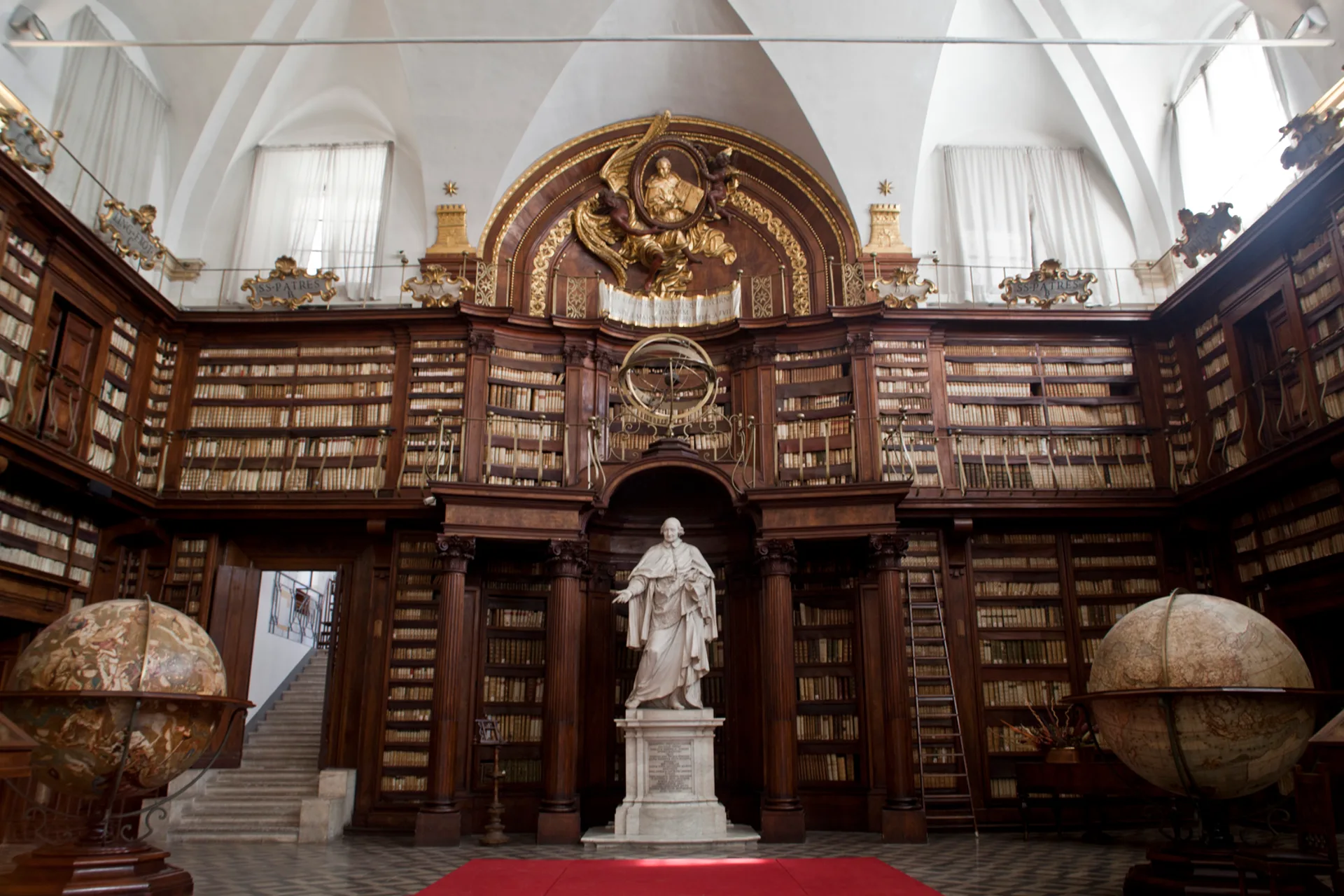
Biblioteca Casanatense
A grand 18th-century library founded on the personal collection of a cardinal, near the Pantheon — a monumental hall of frescoed ceilings and gilded shelving that reads as much as sculpture gallery as reading room.
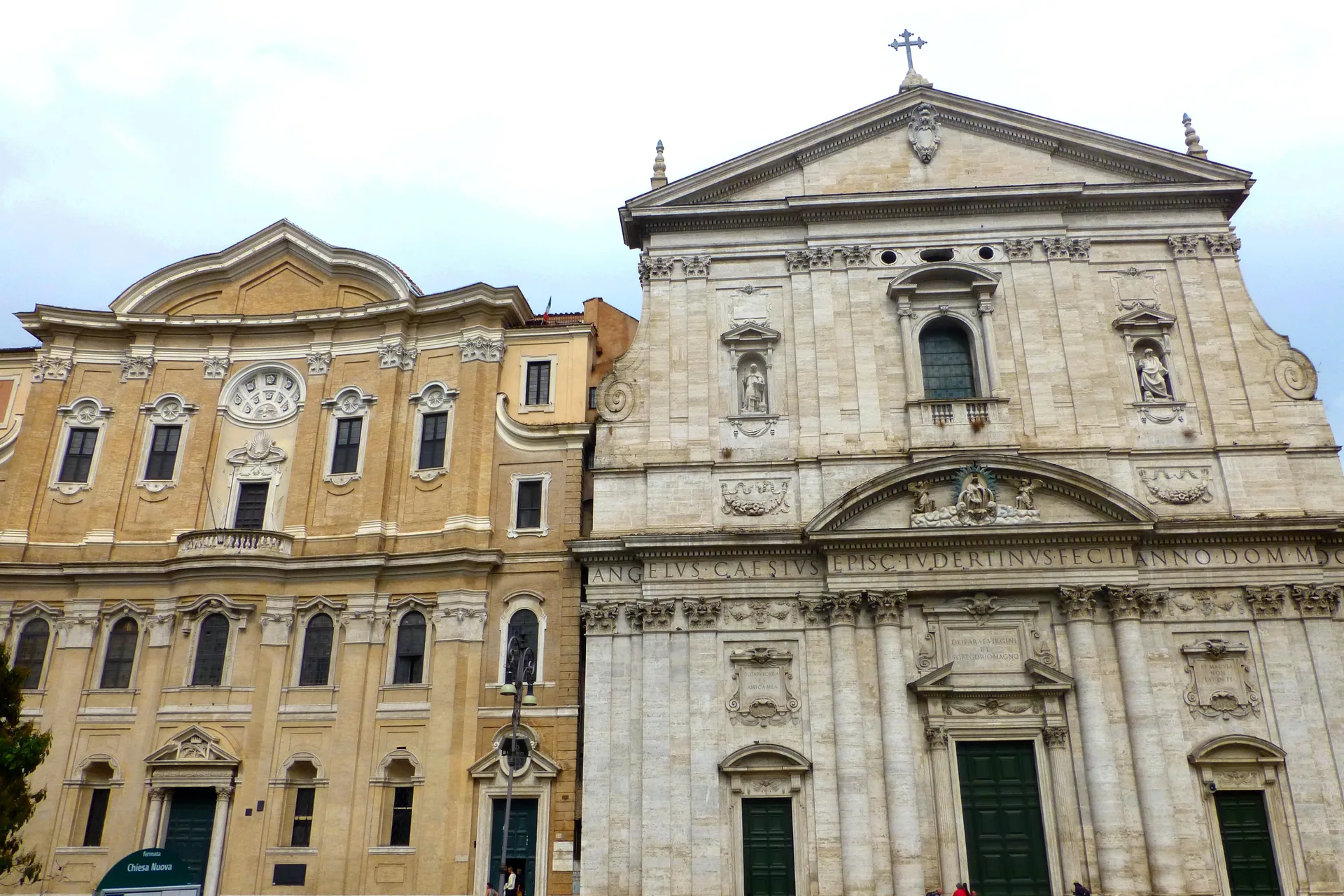
Biblioteca Vallicelliana
A Borromini-designed hall of manuscripts and rare books founded by a saint, tucked inside the Oratorio dei Filippini beside Chiesa Nuova — one of Rome's least-visited great library interiors.
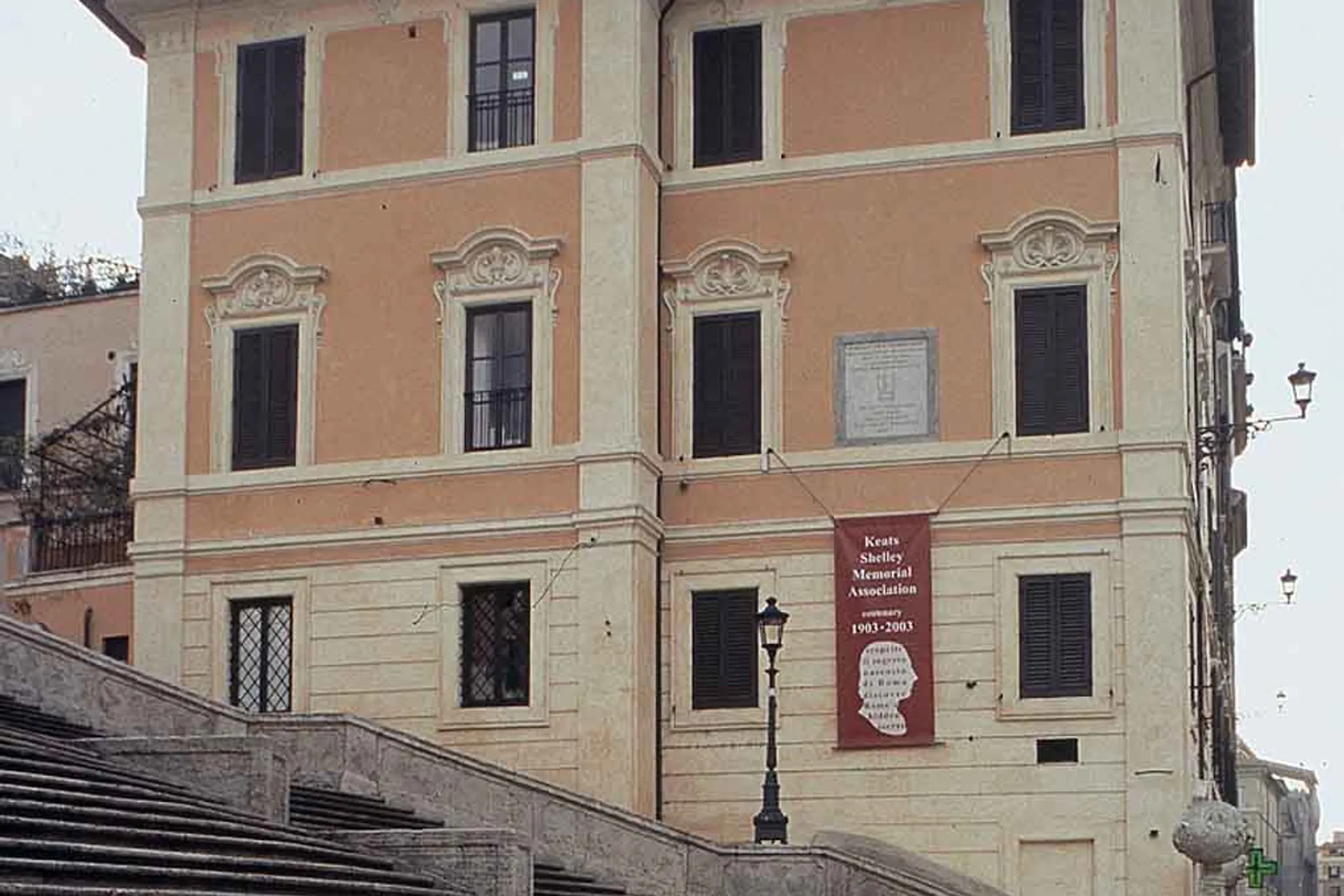
Keats-Shelley House
The small room beside the Spanish Steps where poet John Keats died in 1821, aged 25 — now a compact literary museum honouring the English Romantic poets' deep, complicated relationship with Rome.
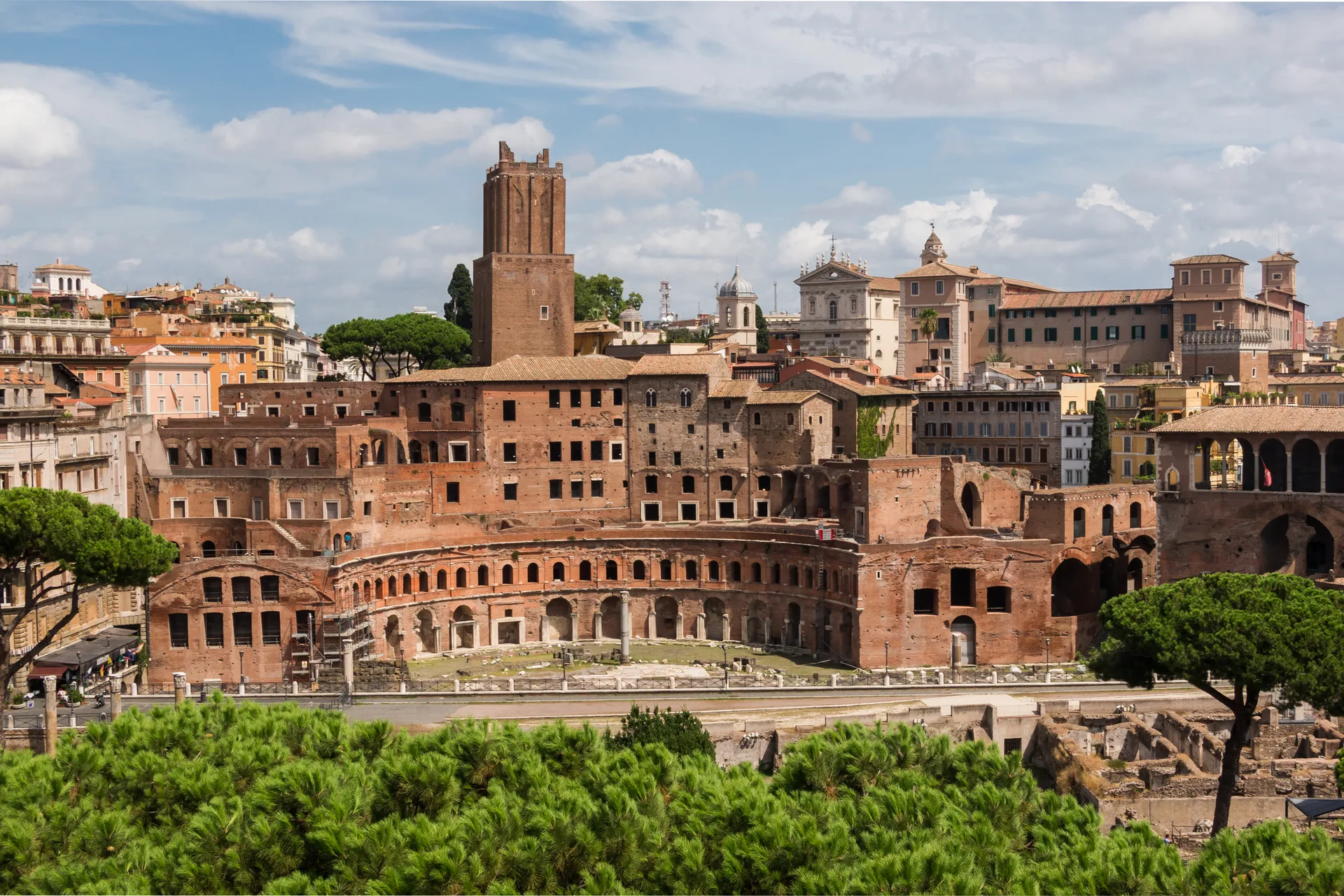
Trajan's Market & Museum of the Imperial Forums
Often called the world's oldest shopping mall — a multi-level complex of ancient brick-and-concrete shop units and halls built into the hillside above Trajan's Forum, now a museum of the Imperial Forums.
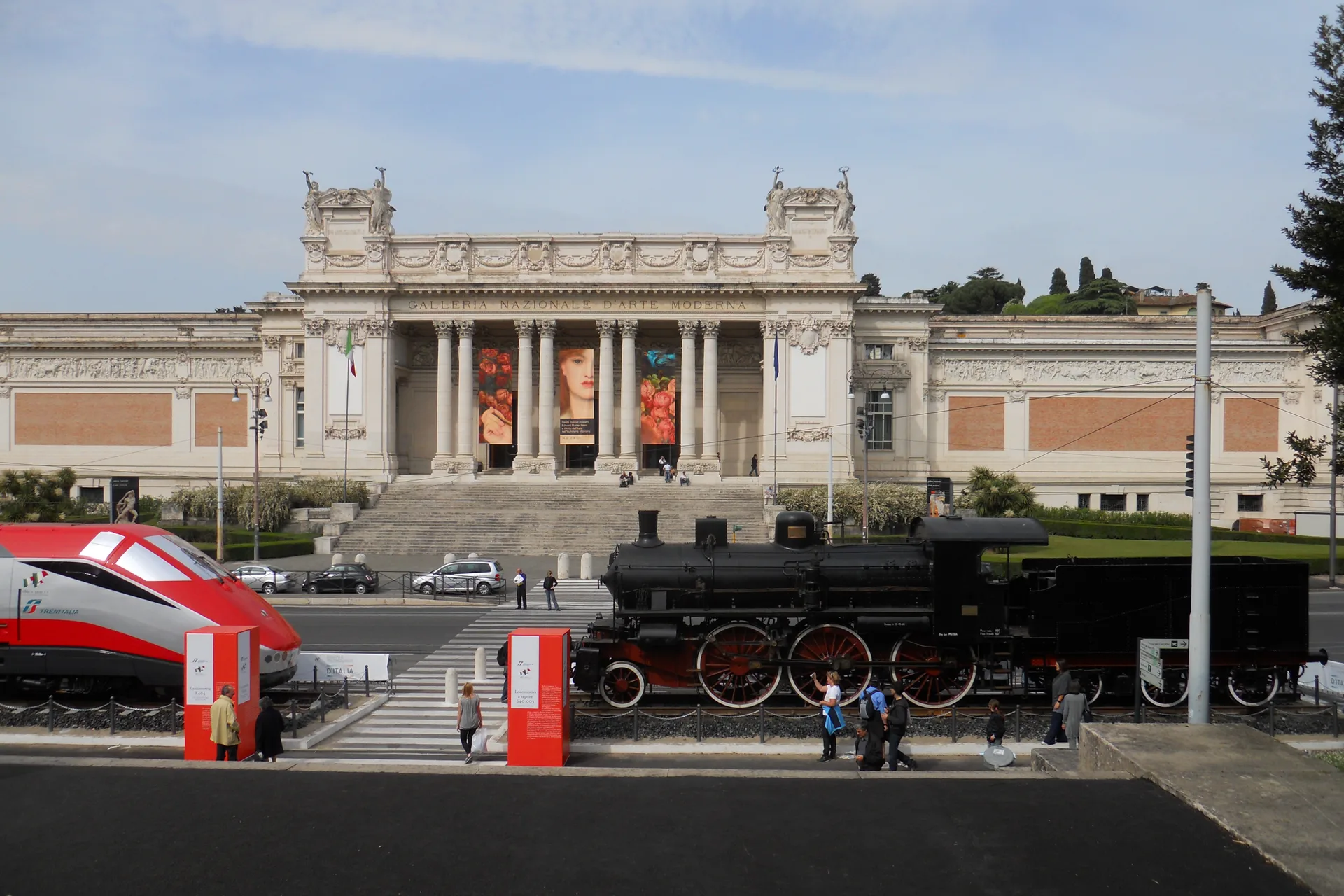
Galleria Nazionale d'Arte Moderna (GNAM)
Italy's national gallery of 19th- and 20th-century art, inside a grand neoclassical building at the edge of Villa Borghese — Canova, Boccioni's Futurism, De Chirico, Klimt and Van Gogh under one roof, with barely any crowds.
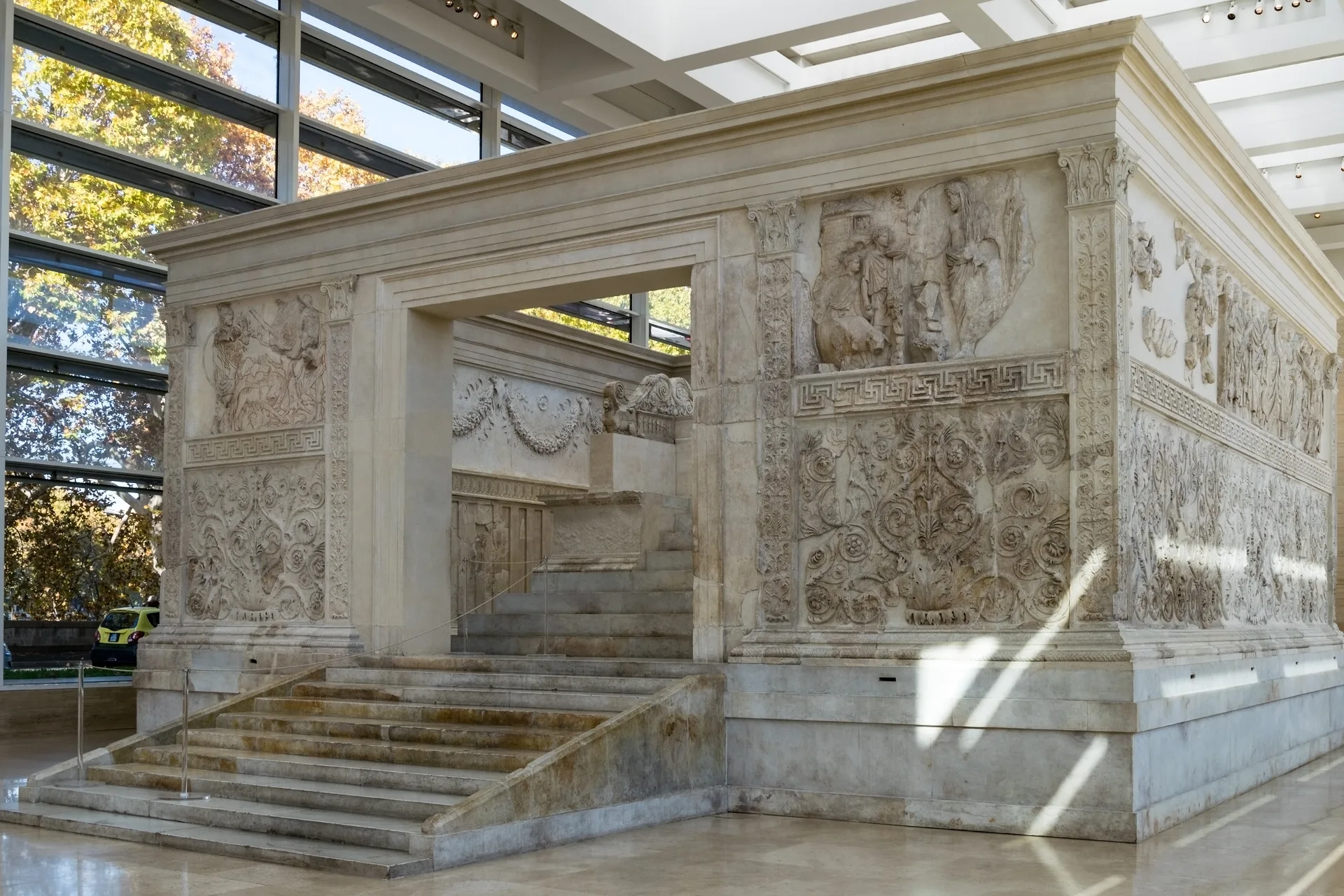
Ara Pacis Museum
Augustus's Altar of Peace, one of the finest surviving works of Roman relief sculpture, housed inside a controversial glass-and-travertine pavilion by architect Richard Meier.
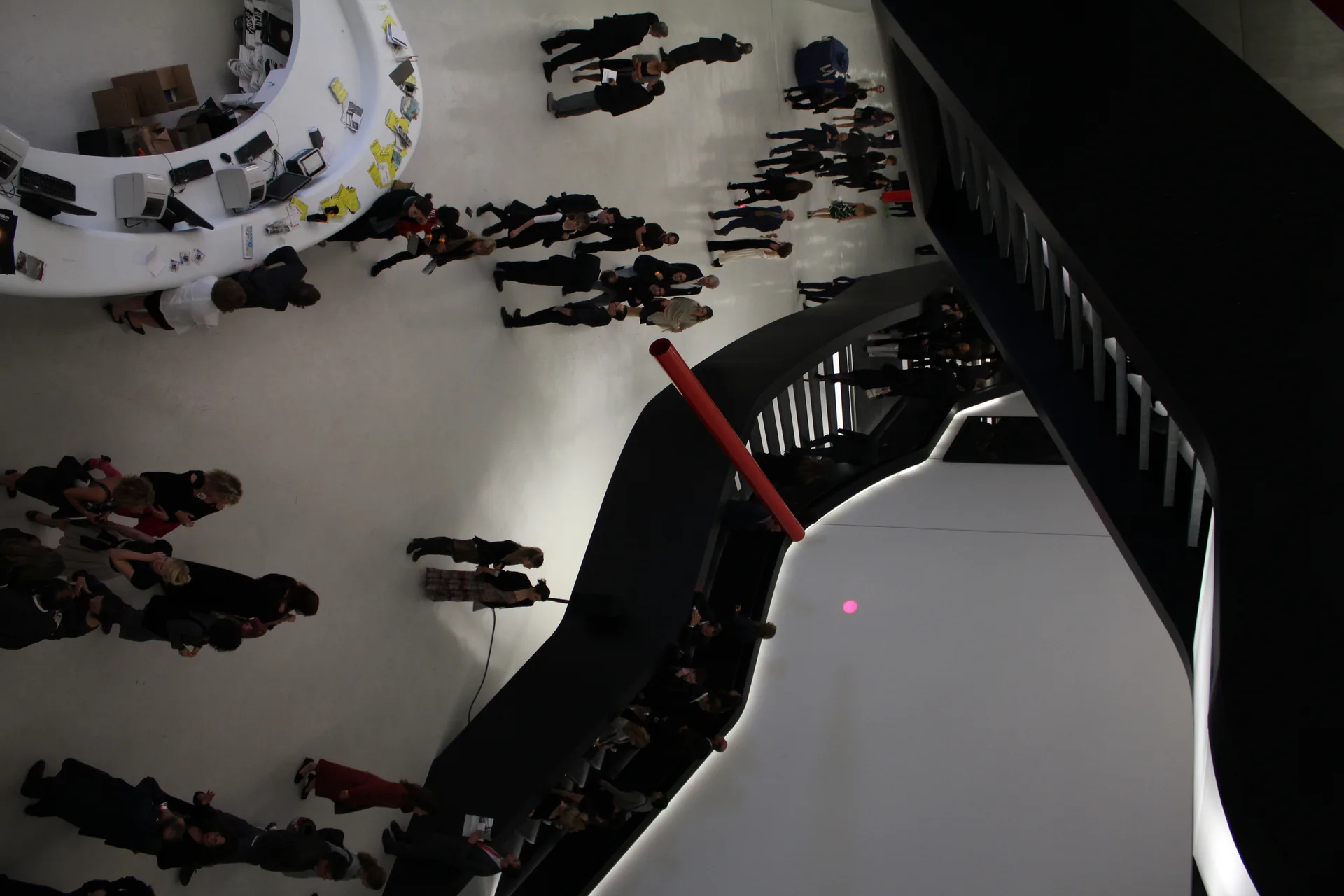
MAXXI — National Museum of 21st Century Arts
Zaha Hadid's swooping concrete museum of contemporary art and architecture — the building itself is usually the main event, more than any single exhibition inside it.
Free Entry in Rome
3 places with no admission charge
Frequently Asked Questions
Everything you need to know before you visit.
Which is the best museum in Rome?+−
How far ahead do I need to book the Borghese Gallery?+−
How much time do the Vatican Museums take?+−
Are any good Rome museums free?+−
Which Rome museums are best with kids?+−
Where to stay
Hotels in Rome
Compare prices across hundreds of hotels near this attraction — from budget hostels to luxury stays. Free cancellation on most rooms.
Affiliate disclosure — we may earn a commission at no extra cost to you. Powered by Booking.com.