
Best for
History enthusiasts wanting the pre-Roman story of Italy
Time needed
1.5–2.5 hours
Worth it?
Yes — genuinely world-class and consistently underrated
Skip if
You have zero interest in pre-Roman archaeology
About Villa Giulia — National Etruscan Museum
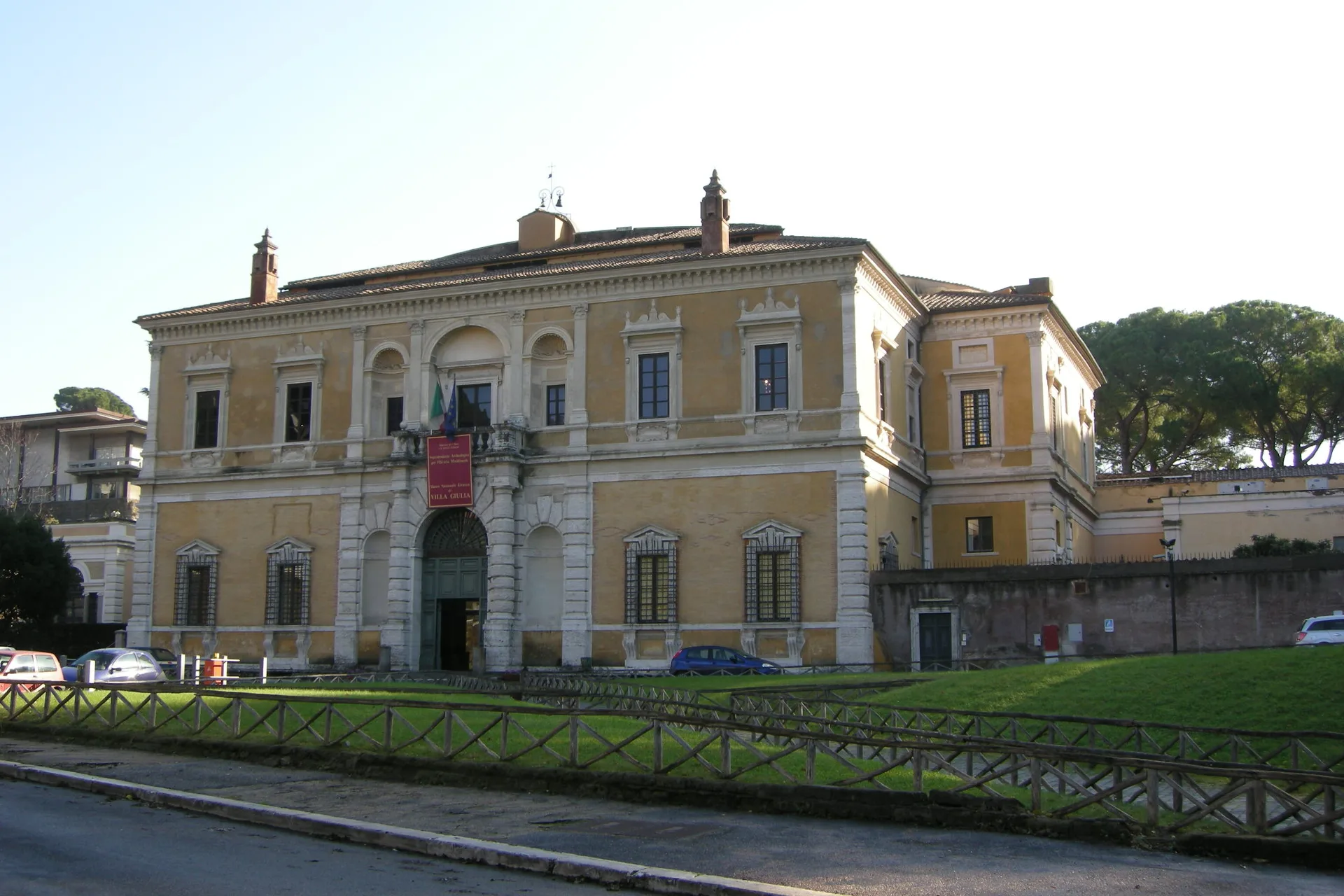
Long before Rome existed as a city, the Etruscans dominated central Italy, and much of what Romans later claimed as their own — the toga, gladiatorial combat, augury, even elements of temple architecture — was inherited or adapted from Etruscan culture. Villa Giulia, built between 1551 and 1553 as a pleasure retreat for Pope Julius III, has housed the National Etruscan Museum since 1889 and holds, by wide consensus, the finest collection of Etruscan material anywhere in the world.
Its single most famous object is the Sarcophagus of the Spouses, a 6th-century BC terracotta funerary monument from Cerveteri showing a husband and wife reclining together at a banquet, both smiling with an unmistakable warmth and intimacy rare in ancient funerary art — a deliberately tender image that upends assumptions about how distant and formal ancient burial customs were. Nearby, gold jewellery, bronze mirrors, and painted terracotta temple decorations fill out a civilization that left no surviving literature of its own and has largely had to be reconstructed from tombs.
Read the full storyShow less
The villa's own architecture is worth lingering over: a nymphaeum (sunken garden courtyard) designed by Bartolomeo Ammannati, decorated with mosaics and statuary, wraps around a semicircular loggia that's one of the more theatrical pieces of Mannerist garden design in Rome, largely because Michelangelo, Vasari and Vignola all had a hand in the palace's design at various points.
Because Etruscan civilization sits outside the Greek-and-Roman narrative most visitors arrive expecting, Villa Giulia tends to surprise people who wander in without much prior interest — it's consistently one of the best-reviewed, least-crowded major museums in the city, a short walk from Villa Borghese park.
What to See: Highlights
- 1The Sarcophagus of the Spouses from Cerveteri
- 2The world's finest collection of Etruscan gold jewellery and bronze mirrors
- 3Ammannati's Mannerist nymphaeum courtyard
- 4A civilization that predates and shaped Rome, told largely through tomb goods
- 5A 16th-century papal villa designed with input from Michelangelo and Vignola
Skip the Queue — Book Tickets Online
Same admission, instant confirmation. Compare prices across platforms.
Affiliate disclosure — we may earn a commission at no extra cost to you.
Insider Tips
Don't skip the nymphaeum courtyard — it's as much a highlight as the collection itself
Easy walking combination with Villa Borghese park or the Galleria Nazionale d'Arte Moderna
Consistently uncrowded — one of Rome's best-value quiet museum visits
The gardens-only ticket is a cheap option if you're short on time
Labels are in Italian and English throughout
Book a Guided Tour
Get the most from your visit with a local expert guide.
Affiliate disclosure — we may earn a commission at no extra cost to you.
Getting There
Piazzale di Villa Giulia, 9, 00196 Roma RM
Open in Google Maps →- 1Tram 2, 3 or 19, or a 15-minute walk from Metro A Flaminio through Villa Borghese park.
Where to stay
Hotels in Rome
Compare prices across hundreds of hotels near this attraction — from budget hostels to luxury stays. Free cancellation on most rooms.
Affiliate disclosure — we may earn a commission at no extra cost to you. Powered by Booking.com.
Frequently Asked Questions
Everything you need to know before you visit.
Is Villa Giulia — National Etruscan Museum worth visiting?+−
How long does a visit to Villa Giulia — National Etruscan Museum take?+−
Who is Villa Giulia — National Etruscan Museum best for?+−
Do I need to book tickets in advance for Villa Giulia — National Etruscan Museum?+−
Is Villa Giulia — National Etruscan Museum included with the Rome city pass?+−
Should You Visit?
Visit if...
- You want to understand what came before Rome and shaped it
- You're near Villa Borghese park with time to add another museum
- You appreciate quiet, uncrowded world-class collections
- You're curious about the Sarcophagus of the Spouses specifically
Skip if...
- You're only interested in the classic Roman Empire narrative
- You're extremely pressed for time on a short visit
- Archaeology and funerary art don't appeal to you
Ready to Book Your Visit?
More to See in Rome

MAXXI — National Museum of 21st Century Arts
Zaha Hadid's swooping concrete museum of contemporary art and architecture — the building itself is usually the main event, more than any single exhibition inside it.
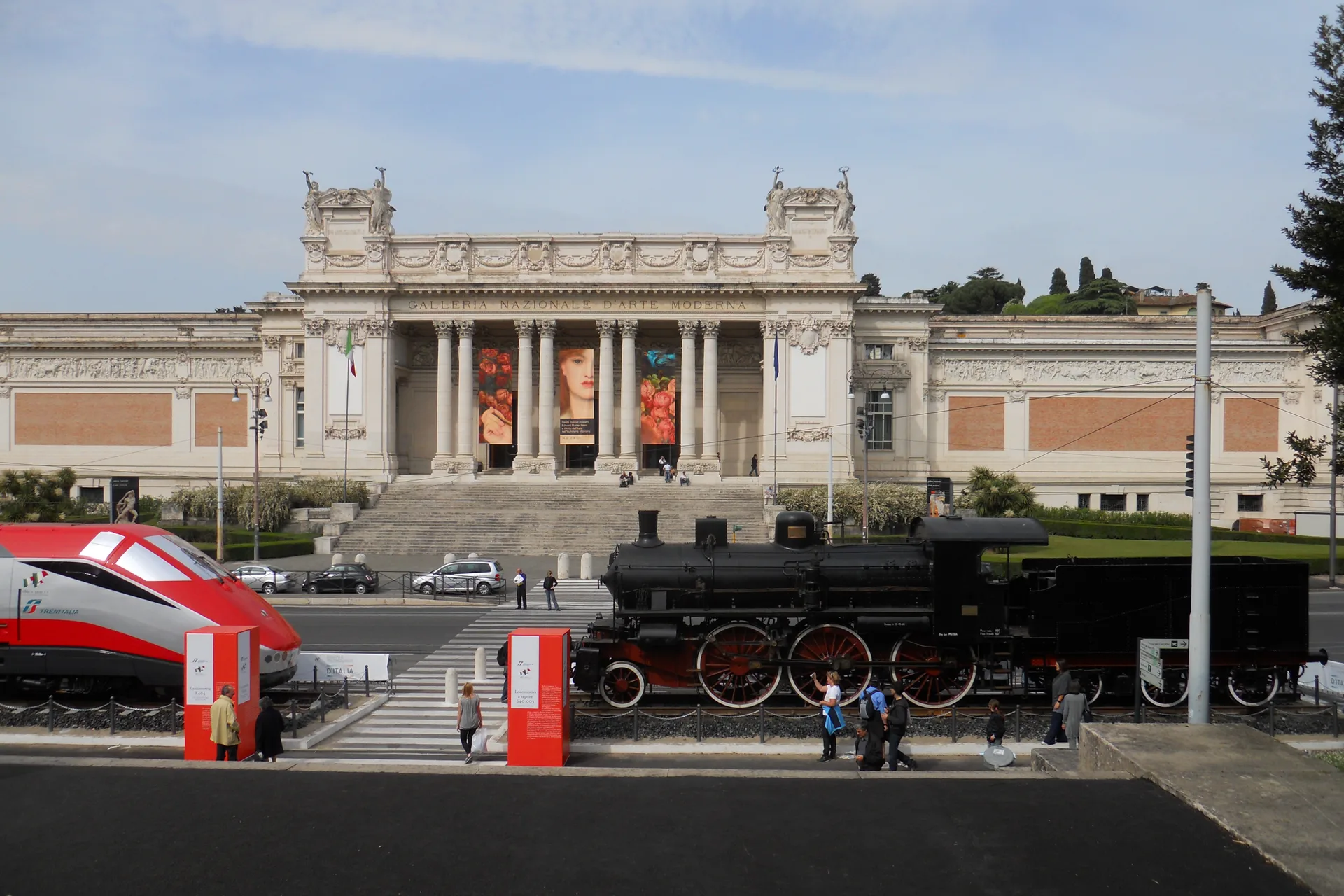
Galleria Nazionale d'Arte Moderna (GNAM)
Italy's national gallery of 19th- and 20th-century art, inside a grand neoclassical building at the edge of Villa Borghese — Canova, Boccioni's Futurism, De Chirico, Klimt and Van Gogh under one roof, with barely any crowds.
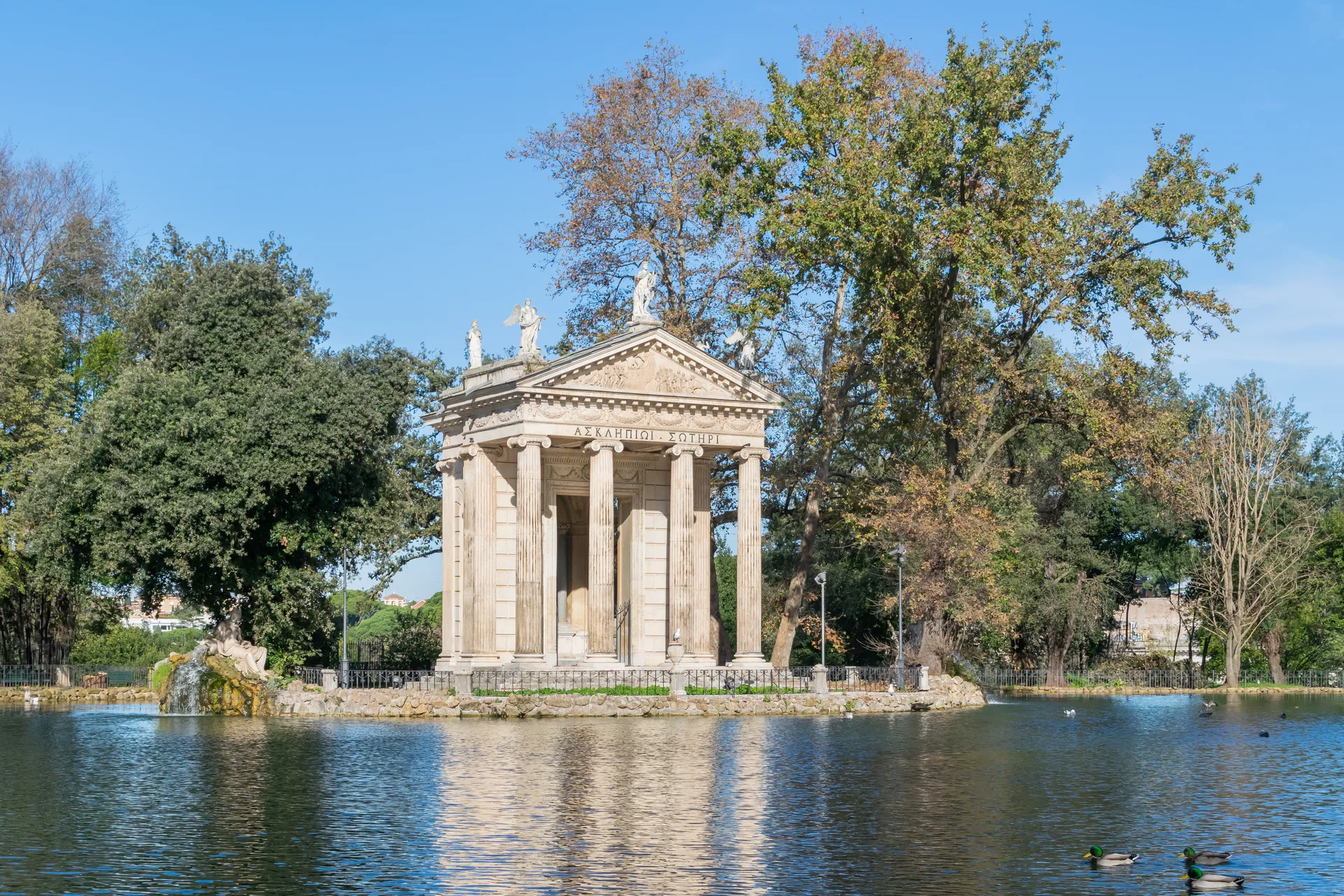
Villa Borghese Park
Rome's central green lung — 80 hectares of gardens, lakes and museums laid out by Cardinal Scipione Borghese in the 17th century, now the city's most popular park for a picnic, a rowboat, or an escape from the ruins.