

Best for
Vintage and secondhand shoppers, flea-market browsers
Time needed
45 minutes–1.5 hours
Worth it?
Yes for market browsers — skippable if secondhand shopping isn't your thing
Skip if
You're visiting on a Sunday, or flea markets generally don't appeal to you
About Waterlooplein Market
Waterlooplein itself was created in the 1880s by filling in two former canals, Leprozengracht and Houtgracht, and quickly became home to a Jewish market that grew into the largest and most important in Amsterdam by the early 20th century — a defining feature of the neighbourhood's identity until the Nazi occupation and persecution of Amsterdam's Jewish population brought it to an abrupt end in 1941.
After the war, the market gradually revived as a general bazaar, and by the 1960s and 70s had reinvented itself again as a hub for youth and counterculture, selling secondhand clothes, records and curiosities to a generation exploring alternative fashion and music — a role it has broadly retained ever since. Today it's the oldest continuously operating flea market in the Netherlands, with around 300 stalls dealing in vintage clothing, antiques, vinyl records, secondhand cameras, and a fair amount of outright junk mixed in with genuine finds.
Read the full storyShow less
The square itself sits surrounded by notable neighbours — the Dutch National Opera and Ballet building (the Stopera), the Rembrandt House Museum and the Hermitage Amsterdam — making it a natural anchor point for exploring this corner of the city rather than an isolated destination.
Given its history as a genuine working-class and countercultural market rather than a curated tourist experience, prices and quality vary enormously stall to stall — half the fun is digging rather than expecting guaranteed treasure.
What to See: Highlights
- 1The Netherlands' oldest continuously operating flea market
- 2Around 300 stalls of vintage clothing, antiques and records
- 3Site of Amsterdam's historic Jewish market until 1941
- 4Neighbours the Stopera opera house and Rembrandt House Museum
- 5A genuine, unpolished market atmosphere rather than a curated tourist experience
Skip the Queue — Book Tickets Online
Same admission, instant confirmation. Compare prices across platforms.
Affiliate disclosure — we may earn a commission at no extra cost to you.
Insider Tips
Closed Sundays — plan around it
Bring cash — most stalls don't take cards
Haggling is expected and normal here
Combine with the Rembrandt House Museum, right next door
Quality varies wildly stall to stall — dig rather than expect guaranteed finds
Book a Guided Tour
Get the most from your visit with a local expert guide.
Affiliate disclosure — we may earn a commission at no extra cost to you.
Getting There
Waterlooplein 2, 1011 NZ Amsterdam
Open in Google Maps →- 1Metro 51/53/54 or tram 14 to Waterlooplein, right on the square.
Where to stay
Hotels in Amsterdam
Compare prices across hundreds of hotels near this attraction — from budget hostels to luxury stays. Free cancellation on most rooms.
Affiliate disclosure — we may earn a commission at no extra cost to you. Powered by Booking.com.
Frequently Asked Questions
Everything you need to know before you visit.
Is Waterlooplein Market worth visiting?+−
How long does a visit to Waterlooplein Market take?+−
Who is Waterlooplein Market best for?+−
Do I need to book anything in advance to visit Waterlooplein Market?+−
Is Waterlooplein Market included with the Amsterdam city pass?+−
Should You Visit?
Visit if...
- You enjoy digging through vintage clothing, records or antiques
- You're already at the Rembrandt House Museum nearby
- You're curious about the square's Jewish market history
- You're visiting Monday–Saturday
Skip if...
- You're visiting on a Sunday when the market is closed
- Secondhand and flea markets aren't your kind of shopping
Ready to Book Your Visit?
More to See in Amsterdam

Rembrandt House Museum
The house where Rembrandt lived and worked at the height of his career, restored with period furnishings and his own etching and painting studios exactly as inventoried after his bankruptcy.
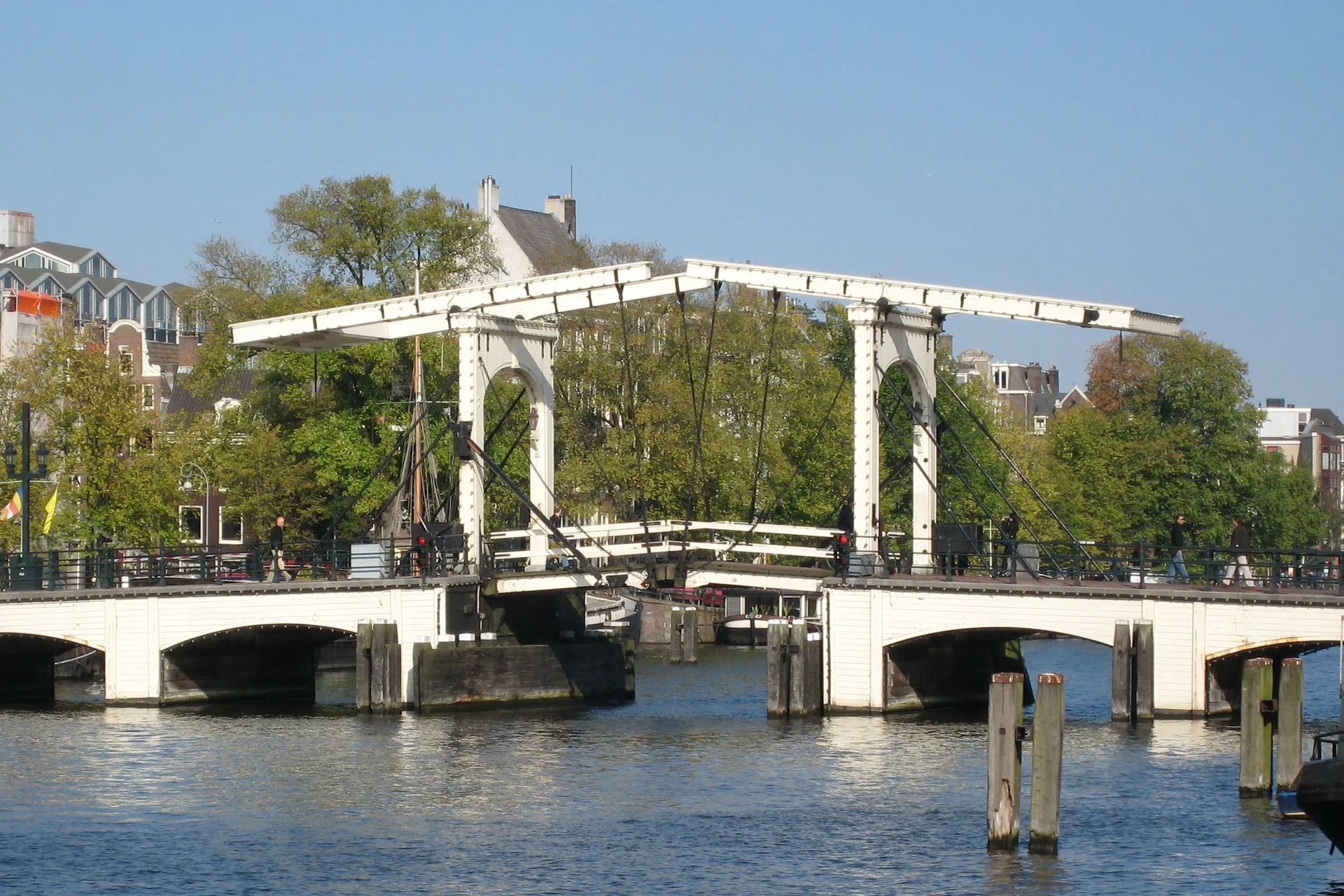
Magere Brug (Skinny Bridge)
Amsterdam's most photographed wooden drawbridge, arching over the Amstel and lit by 1,200 bulbs after dark — free, open-air, and best seen at dusk.