
Best for
Everyone — Oslo's best waterfront area for dining, walking, and people-watching
Time needed
1–3 hours
Worth it?
Absolutely — Oslo's most vibrant public waterfront space
Skip if
Deep winter for outdoor dining — very exposed and cold
About Aker Brygge
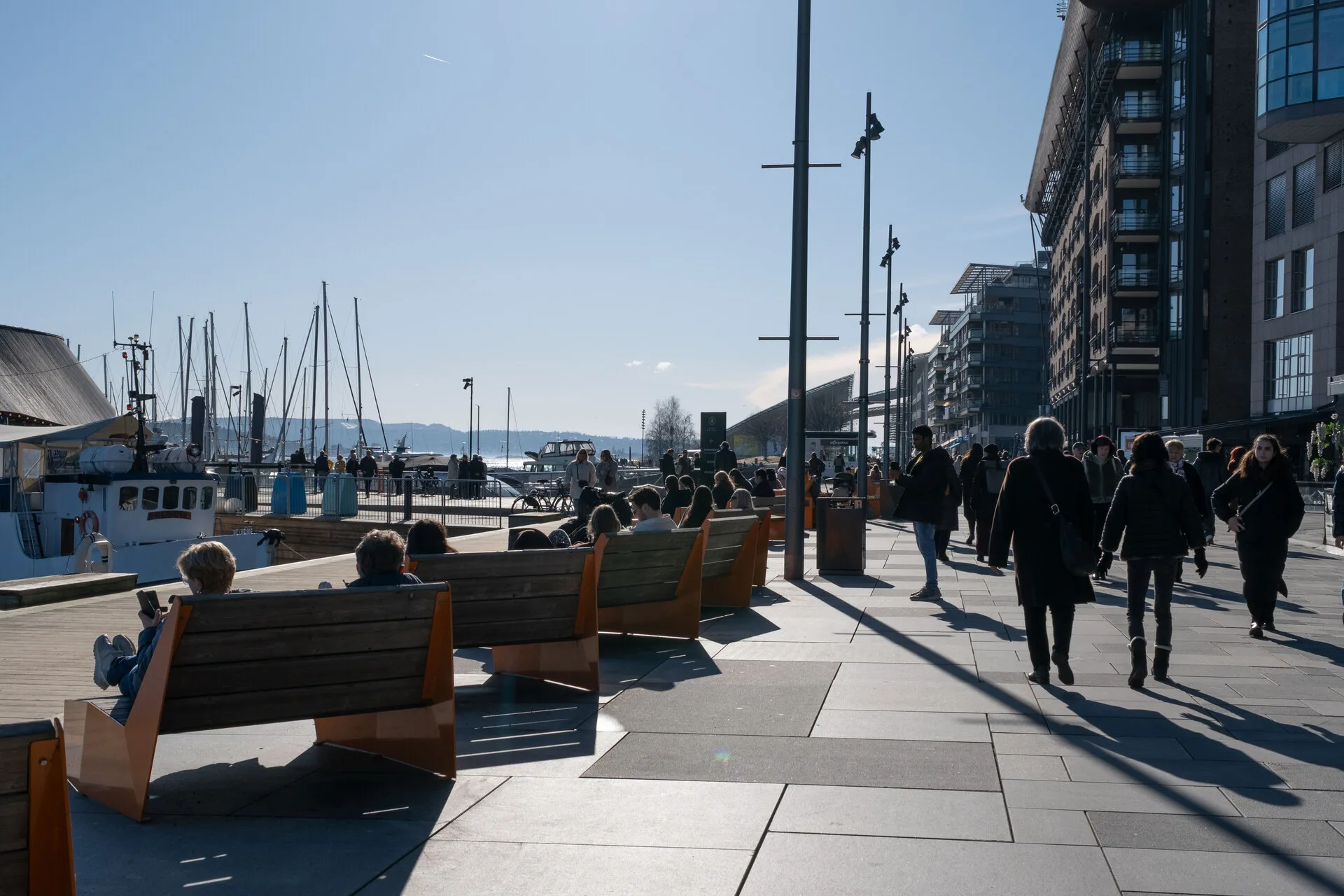
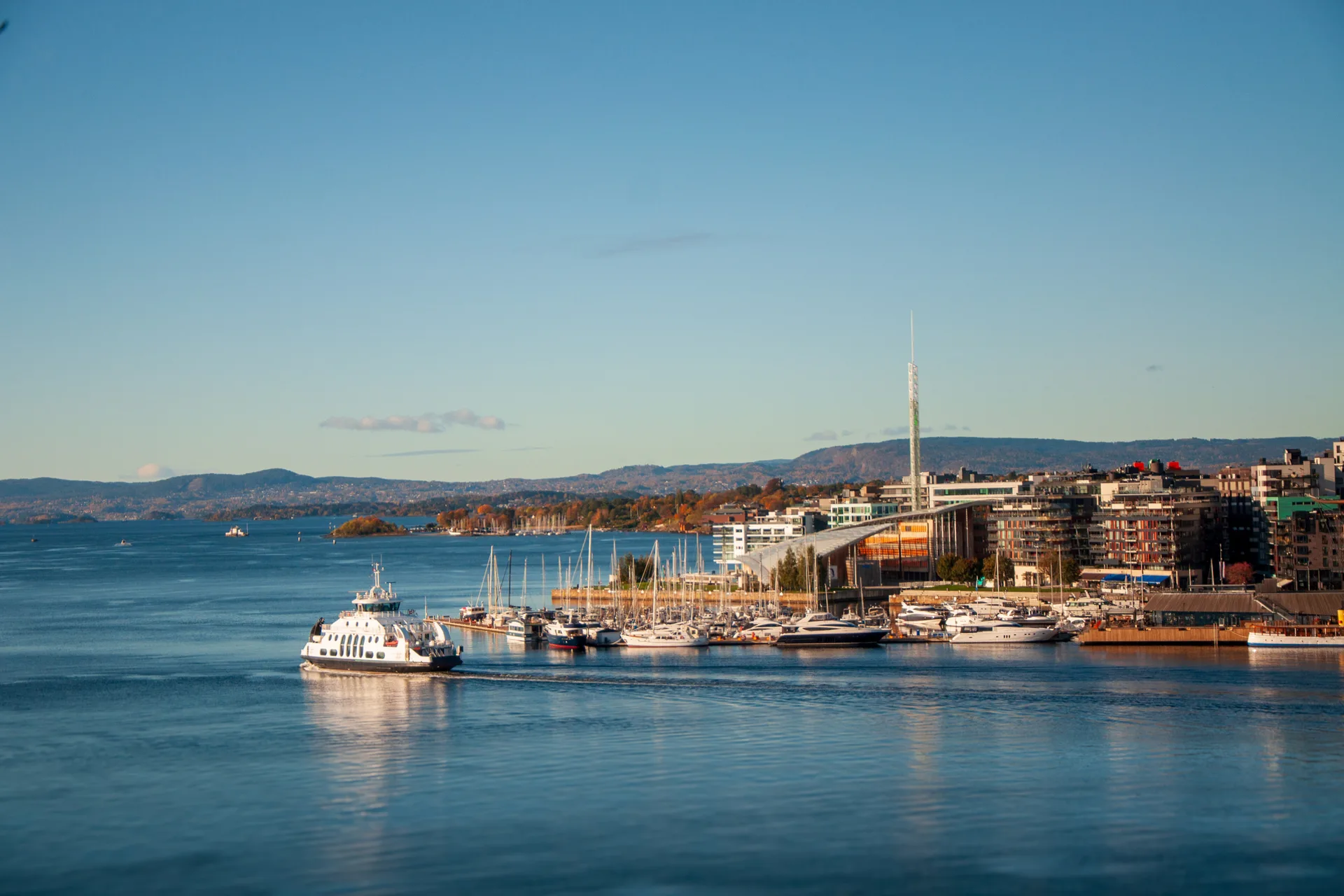
Aker Brygge is the beating heart of Oslo's waterfront — a former shipyard transformed into the city's most vibrant promenade, with restaurants, bars, and ferry piers spread along the Oslofjord shore just west of Oslo City Hall. Whether you are starting a Bygdøy museum day, looking for a sunset drink, or simply wandering Oslo's most photogenic street, Aker Brygge is almost impossible to avoid.
The area's transformation from industrial relic to social centrepiece is one of the most successful urban regeneration projects in northern Europe. The shipyard — Akers Mekaniske Verksteder — operated here from 1854 until 1982, employing thousands of workers who built and repaired vessels for the Norwegian merchant fleet. When the yard finally closed, the city faced the classic post-industrial dilemma: what to do with a large, contaminated waterfront site in the centre of a growing capital.
Read the full storyShow less
The solution, carried out through the 1980s and 1990s, preserved the best of the industrial architecture — particularly the slender iron columns, exposed brick, and the long harbour sheds that now house restaurants and bars — while opening the waterfront entirely to the public. The result is a promenade that feels genuinely lived-in rather than artificially constructed.
Today, Aker Brygge stretches for roughly 400 metres along the waterfront, backed by residential and commercial towers. The mix is deliberately varied: high-end restaurants sit alongside casual bars, fish stalls, ice cream stands, and a cinema. On warm summer evenings, the outdoor terraces fill early and stay full until midnight.
The ferry piers at Aker Brygge are one of the area's most useful practical features. Boat number 91 connects directly to Bygdøy, making this the most scenic and pleasant way to reach the peninsula's cluster of world-class museums — the Fram Museum, the Norwegian Folk Museum, the Kon-Tiki Museum, and the Norwegian Maritime Museum. The journey takes about 10 minutes and runs frequently throughout the day from late April to September.
In winter, the mood shifts but does not disappear. The outdoor ice rink opens in November, surrounded by Christmas markets and food stalls. The restaurants draw in diners looking for seafood, Norwegian classics, and international cuisine. Some of Oslo's best fish dishes — particularly the bacalao and the classic Norwegian fiskesuppe — are served within 50 metres of the water.
The western end of Aker Brygge flows seamlessly into Tjuvholmen, the newer development that has become Oslo's premier contemporary art district. The Astrup Fearnley Museum of Modern Art anchors the peninsula, with the Tjuvholmen Sculpture Park running along the waterfront beside it. The small public beach at the tip of Tjuvholmen — sandy by Oslo standards — is one of the few places in the city centre where swimming is genuinely pleasant.
Oslo City Hall stands at the eastern end of Aker Brygge, its twin brick towers forming a dramatic backdrop. Nobel Peace Prize ceremonies take place inside every December. The walk between City Hall and the Aker Brygge piers is one of the most photographed views in the city — particularly at sunset, when the light turns the Oslofjord gold.
Practical notes: Aker Brygge is free to visit at any time. Parking is expensive and limited; the area is best reached by T-bane (Nationaltheatret station) or on foot from the city centre. The Ruter ferry to Bygdøy departs from Pier 3 and is covered by a standard public transport ticket — or by the Oslo Pass, which also covers entry to all the Bygdøy museums. Most restaurants do not take reservations for outdoor terrace tables; arrive early for sunset seating in summer.
What to See: Highlights
- 1Oslo's most popular waterfront promenade and social hub
- 240+ restaurants and bars with Oslofjord views
- 3Ferry to Bygdøy museums departs from Aker Brygge pier (May–Sept)
- 4Adjacent to Nobel Peace Center, Oslo City Hall, and Tjuvholmen
- 5Oslofjord boat trips and sightseeing cruises
- 6Christmas market in December with ice skating
Skip the Queue — Book Tickets Online
Same admission, instant confirmation. Compare prices across platforms.
Affiliate disclosure — we may earn a commission at no extra cost to you.
Insider Tips
Take the Bygdøy ferry from the pier here (May–Sept) — faster and scenic
Prawns from the market boats at the pier are a summer Oslo tradition
Combine with Tjuvholmen and Astrup Fearnley Museum (10 min walk)
The waterfront is most atmospheric at golden hour
Book a Guided Tour
Get the most from your visit with a local expert guide.
Affiliate disclosure — we may earn a commission at no extra cost to you.
Getting There
Aker Brygge, 0150 Oslo
Open in Google Maps →- 1Tram 12 to Aker Brygge stop (direct from city centre, 10 min)
- 2Bus 54 to Aker Brygge stop
- 3Walk from Oslo City Hall: 5 minutes west along the waterfront
- 4Walk from Oslo Central Station: 20 minutes along the fjord promenade
- 5Ferry to Bygdøy departs from Pier 3 (May–September, Oslo Pass valid)
Where to stay
Hotels in Oslo
Compare prices across hundreds of hotels near this attraction — from budget hostels to luxury stays. Free cancellation on most rooms.
Affiliate disclosure — we may earn a commission at no extra cost to you. Powered by Booking.com.
Frequently Asked Questions
Everything you need to know before you visit.
Is Aker Brygge worth visiting?+−
How long does a visit to Aker Brygge take?+−
Who is Aker Brygge best for?+−
Do I need to book anything in advance to visit Aker Brygge?+−
Is Aker Brygge included with the Oslo city pass?+−
Should You Visit?
Visit if...
- You want Oslo's best waterfront experience
- You're taking the ferry to Bygdøy museums
- You want outdoor dining with fjord views
- Free and central — always worth walking through
Skip if...
- Deep winter for outdoor dining — most terrace seating is closed
- Oslo dining is expensive — budget accordingly
Ready to Book Your Visit?
More to See in Oslo
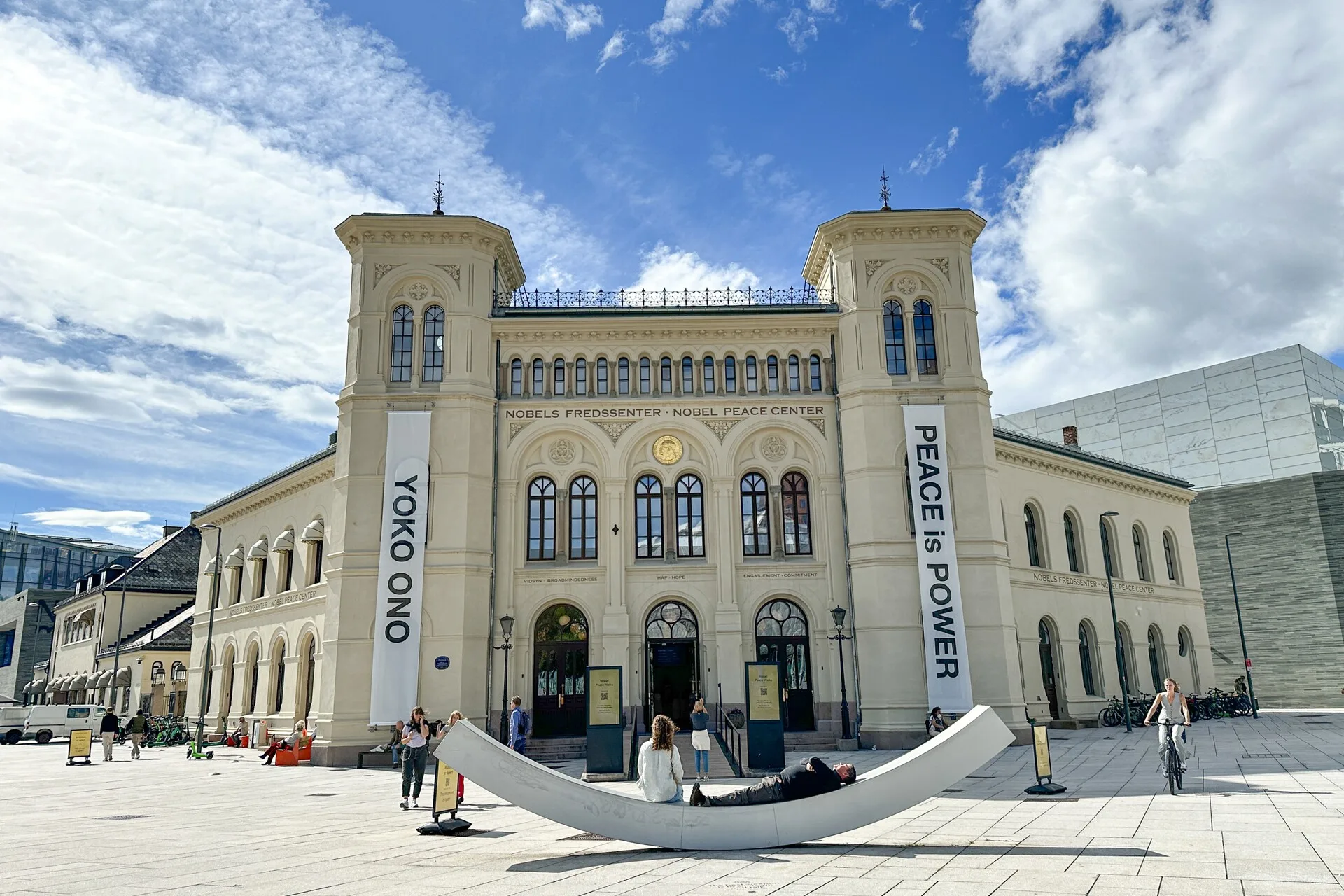
Nobel Peace Center
The official home of the Nobel Peace Prize — every laureate since 1901 profiled in depth, from Marie Curie and Mandela to Malala.
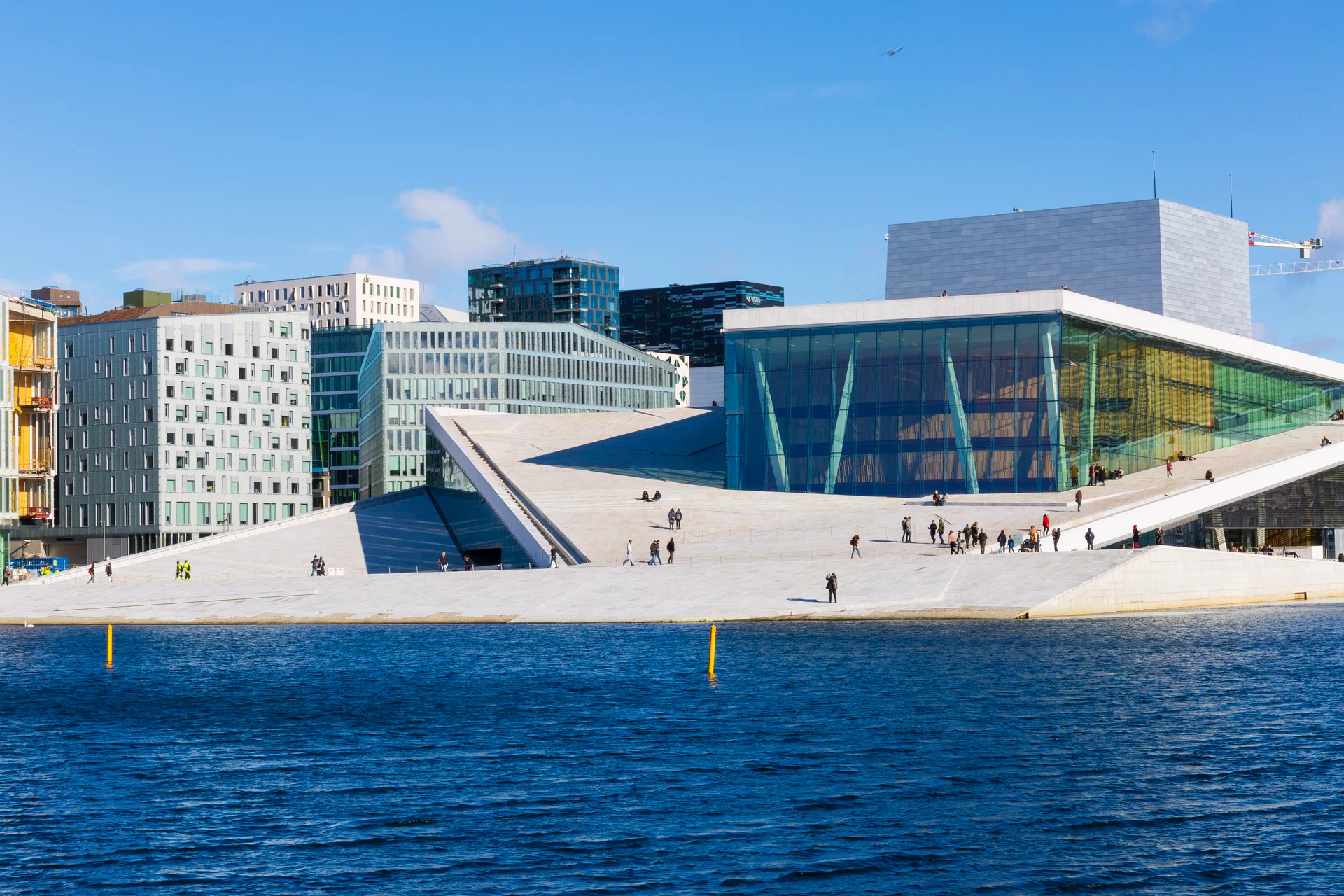
Oslo Opera House
Walk the iconic slanted marble roof for free — Snøhetta's award-winning masterpiece rising from the Oslofjord, with world-class opera inside.
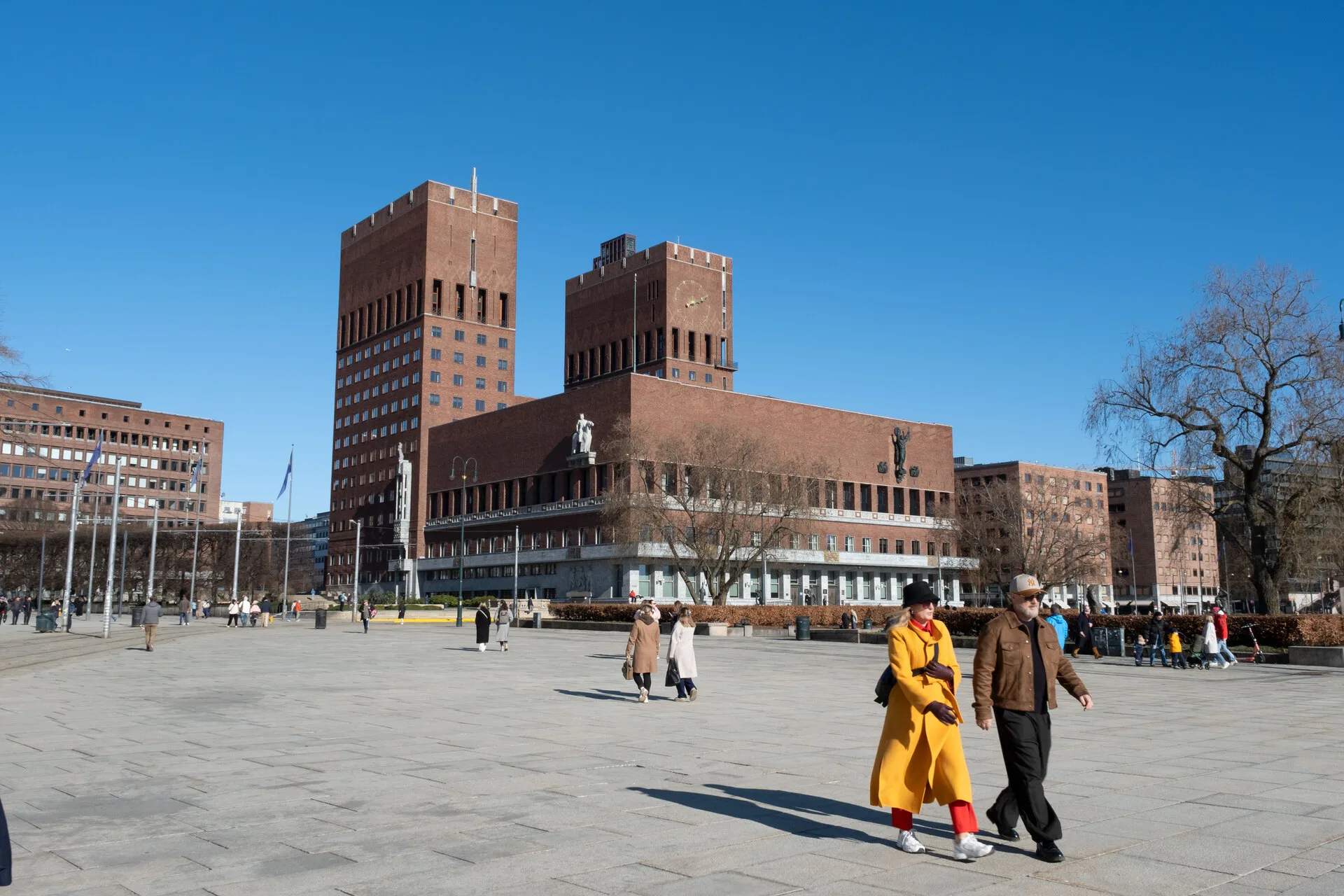
Oslo City Hall
Where the Nobel Peace Prize is awarded every December — free entry, with floor-to-ceiling murals by Norwegian masters and a prime waterfront location.
Tjuvholmen Sculpture Park
Free outdoor sculpture park on the Oslofjord waterfront — 40+ works by international artists, a public beach, and the Astrup Fearnley Museum next door.