
Best for
History and politics lovers, Nobel Prize enthusiasts, culturally curious visitors
Time needed
1–2 hours
Worth it?
Yes — inspiring and thought-provoking for anyone interested in global history
Skip if
Not interested in modern history, human rights, or politics
About Nobel Peace Center
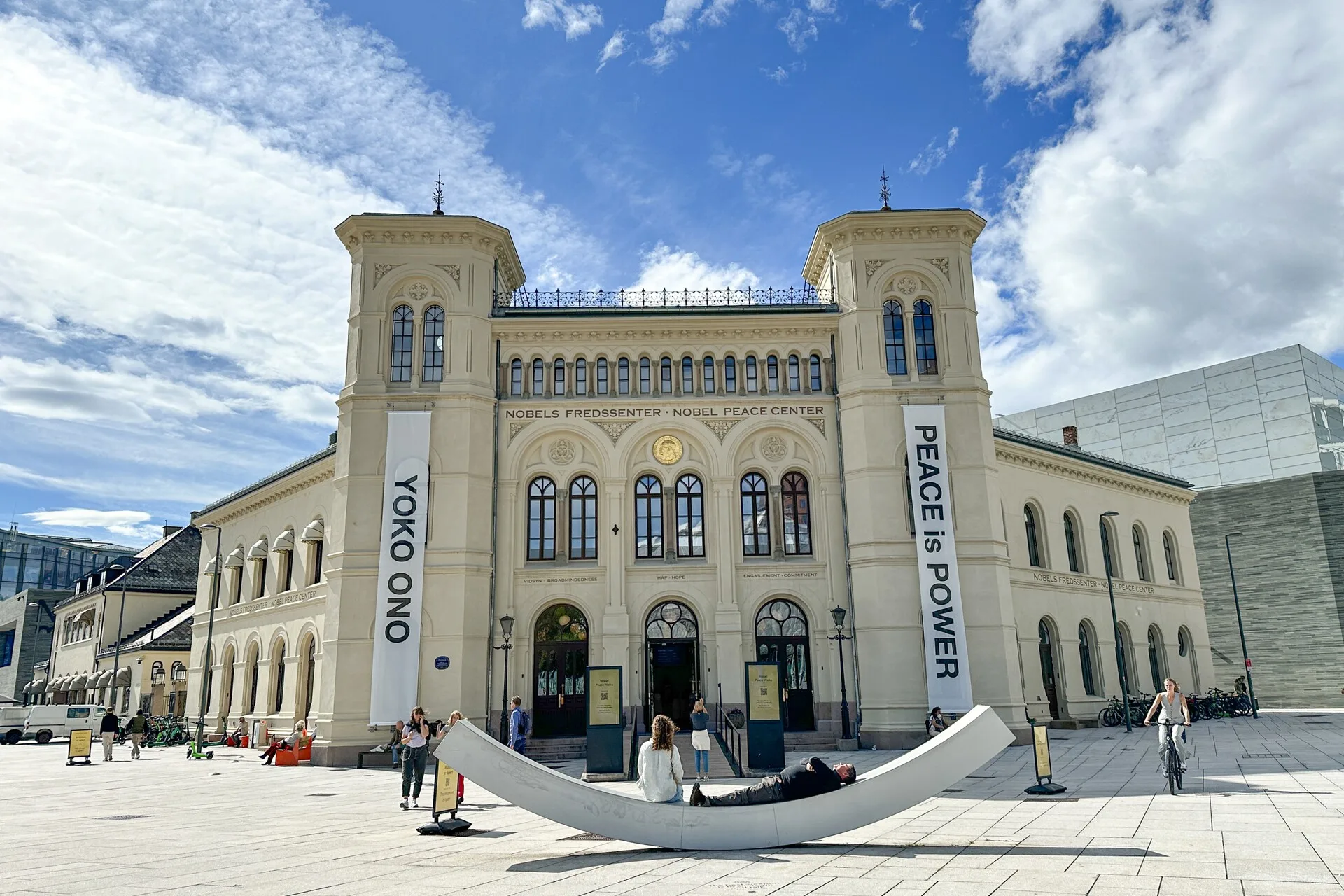
The Nobel Peace Center (Nobels Fredssenter) is the official exhibition space dedicated to the Nobel Peace Prize — the world's most prestigious award and the only Nobel Prize not presented in Stockholm, but here in Oslo every 10 December. The Centre occupies a beautifully converted 1872 railway station building directly on the waterfront beside Oslo City Hall, with a permanent collection documenting every laureate since 1901 and a strong temporary exhibition programme.
Alfred Nobel specified in his 1895 will that the Peace Prize should be awarded by a Norwegian parliamentary committee — a deliberate choice that distinguished it from the scientific prizes (awarded in Stockholm) and reflected Nobel's view of Norway as a more neutral and peace-oriented nation than Sweden. The Nobel Peace Prize has been awarded 103 times since 1901, with a handful of years when no award was made due to world wars.
Read the full storyShow less
The permanent exhibition is organised around individual laureates and uses technology — interactive screens, projected imagery, sound — to present each award in its historical context. From the International Red Cross (1917) to Malala Yousafzai (2014), from Nelson Mandela and F.W. de Klerk (1993) to the International Campaign to Abolish Nuclear Weapons (2017), the exhibition traces the changing definition of peace and the sometimes controversial choices of the Norwegian Nobel Committee.
The Nobel Field — the museum's central installation — is a dramatically lit space where images and texts from all laureates are displayed simultaneously, creating an immersive experience of the prize's cumulative history. The exhibition design throughout is of very high quality, managing to be simultaneously educational and emotionally affecting.
The temporary exhibition programme typically presents major social justice or human rights topics in depth — recent exhibitions have addressed climate justice, freedom of the press, and refugee displacement. These exhibitions are developed to the same high standard as the permanent collection.
The Nobel Peace Prize ceremony itself takes place in Oslo City Hall (directly next door) every December 10th and is attended by the Norwegian royal family, the laureate, and invited guests from around the world. The ceremony is broadcast live; visitors to Oslo in early December can sometimes see the preparations and the ceremonial procession.
The Centre is a 5-minute walk from Aker Brygge and directly adjacent to Oslo City Hall. The Oslo Pass covers admission. Open Tuesday through Sunday.
What to See: Highlights
- 1Nobel Peace Prize laureate hall — all 100+ winners since 1901
- 2Interactive Nobel Field digital installation
- 3Annual Nobel Prize winner special exhibition
- 4Nobel Peace Prize medal on display
- 5Inspiring stories of peacemakers and humanitarians
- 6Waterfront location next to Oslo City Hall
Skip the Queue — Book Tickets Online
Same admission, instant confirmation. Compare prices across platforms.
Affiliate disclosure — we may earn a commission at no extra cost to you.
Included with the Oslo Pass
Nobel Peace Center is included with the Oslo Pass — a city card that covers entry to 30+ attractions, unlimited public transport, and discounts across Oslo. It can represent serious savings if you plan to visit multiple museums.
Insider Tips
Book tickets online to skip the entrance queue
Combine with Oslo City Hall (free) and Aker Brygge — all walkable
Give yourself 1.5 hours to read the laureate stories
Audio guides available in English
Book a Guided Tour
Get the most from your visit with a local expert guide.
Affiliate disclosure — we may earn a commission at no extra cost to you.
Getting There
Brynjulf Bulls Plass 1, 0250 Oslo
Open in Google Maps →- 1Tram 12 to Aker Brygge, then 3-minute walk east
- 2Bus 54 to Aker Brygge stop
- 3Walk from Oslo City Hall: 2 minutes directly east
- 4Walk from Nationaltheatret T-bane: 15 minutes south and west
- 5Walk from Akershus Fortress: 8 minutes north along the waterfront
Where to stay
Hotels in Oslo
Compare prices across hundreds of hotels near this attraction — from budget hostels to luxury stays. Free cancellation on most rooms.
Affiliate disclosure — we may earn a commission at no extra cost to you. Powered by Booking.com.
Frequently Asked Questions
Everything you need to know before you visit.
Is Nobel Peace Center worth visiting?+−
How long does a visit to Nobel Peace Center take?+−
Who is Nobel Peace Center best for?+−
Do I need to book tickets in advance for Nobel Peace Center?+−
Is Nobel Peace Center included with the Oslo city pass?+−
Should You Visit?
Visit if...
- You're fascinated by the Nobel Peace Prize or 20th-century history
- You have the Oslo Pass (entry included)
- You enjoy interactive thought-provoking exhibitions
- Combining with Oslo City Hall and Aker Brygge
Skip if...
- No interest in modern history or politics — very text-heavy
- Very young children — primarily a reading experience
Ready to Book Your Visit?
More to See in Oslo
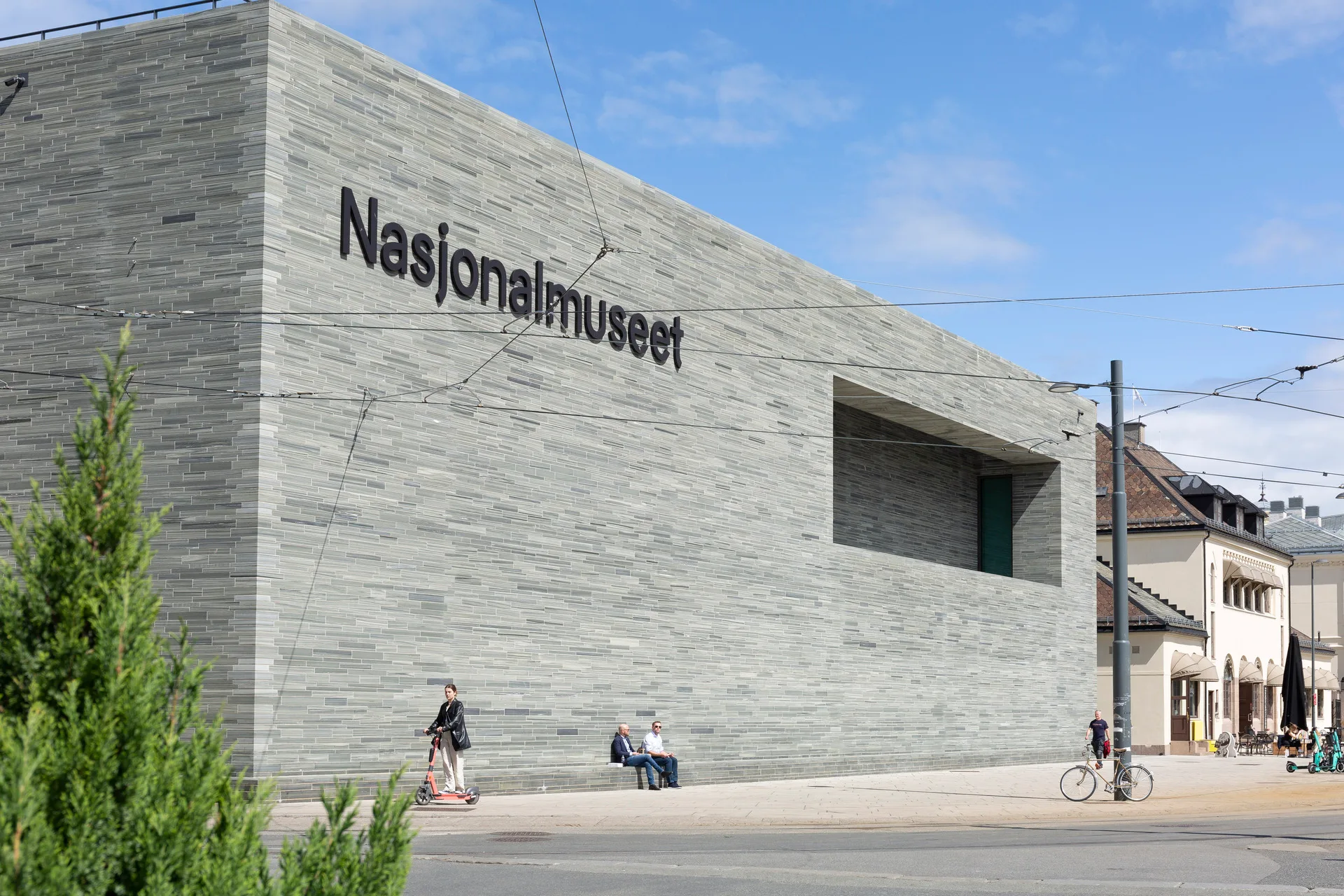
National Museum
Norway's largest art museum — successor to the original National Gallery — home to Munch's The Scream and 7,000 years of Nordic and European art.
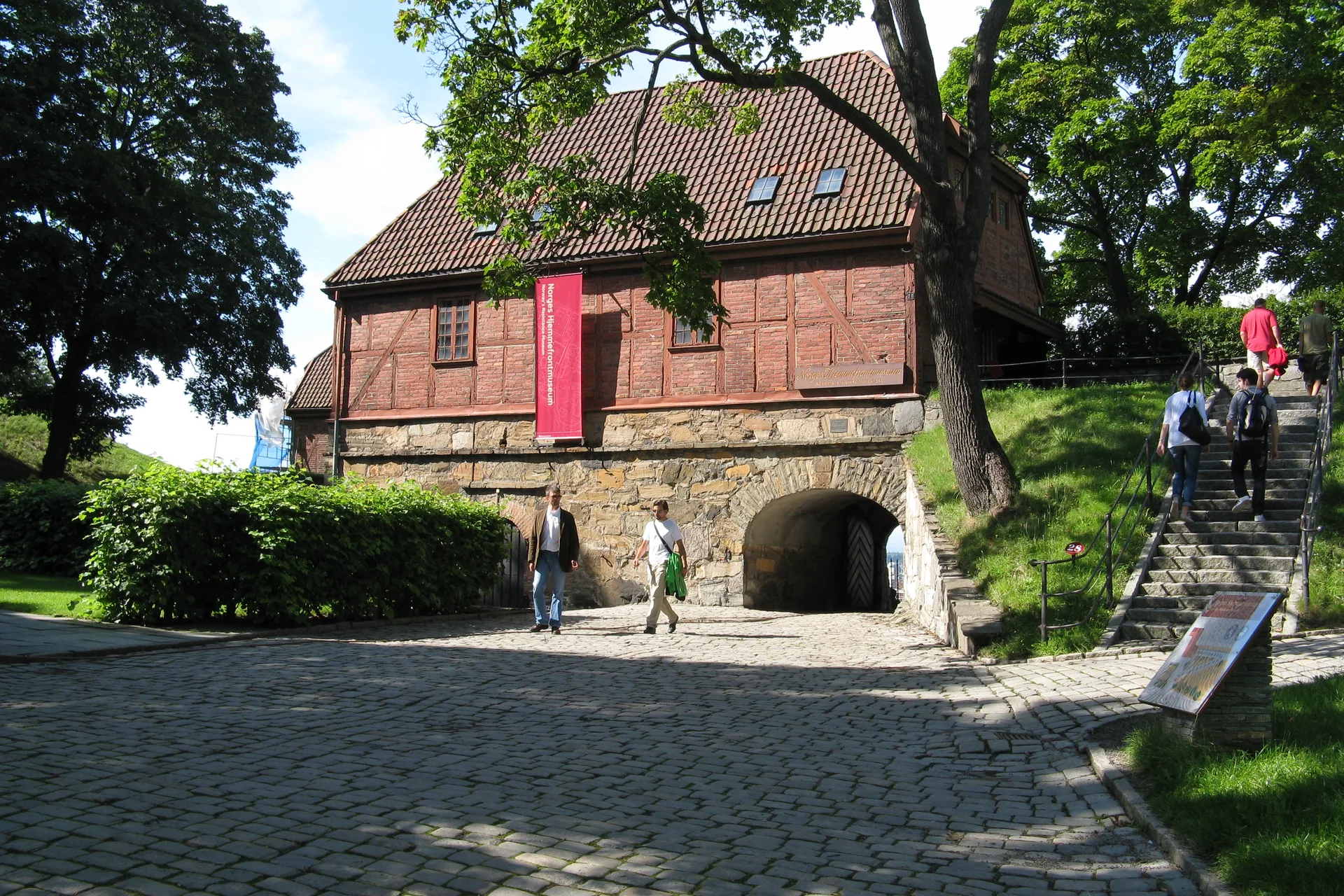
Norwegian Resistance Museum
A powerful museum inside Akershus Fortress documenting Norway's Nazi occupation, the resistance movement, and the liberation of 1945.
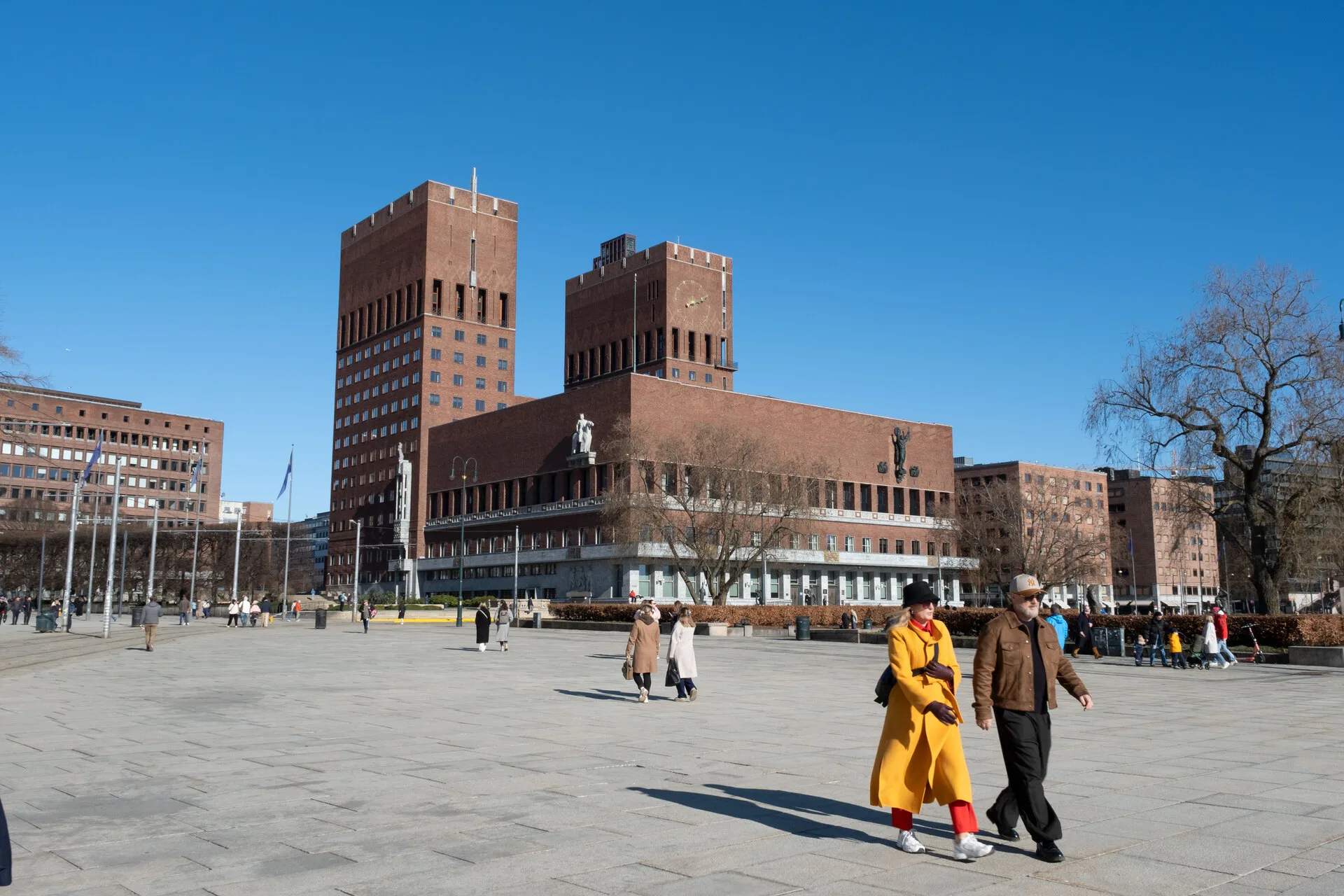
Oslo City Hall
Where the Nobel Peace Prize is awarded every December — free entry, with floor-to-ceiling murals by Norwegian masters and a prime waterfront location.
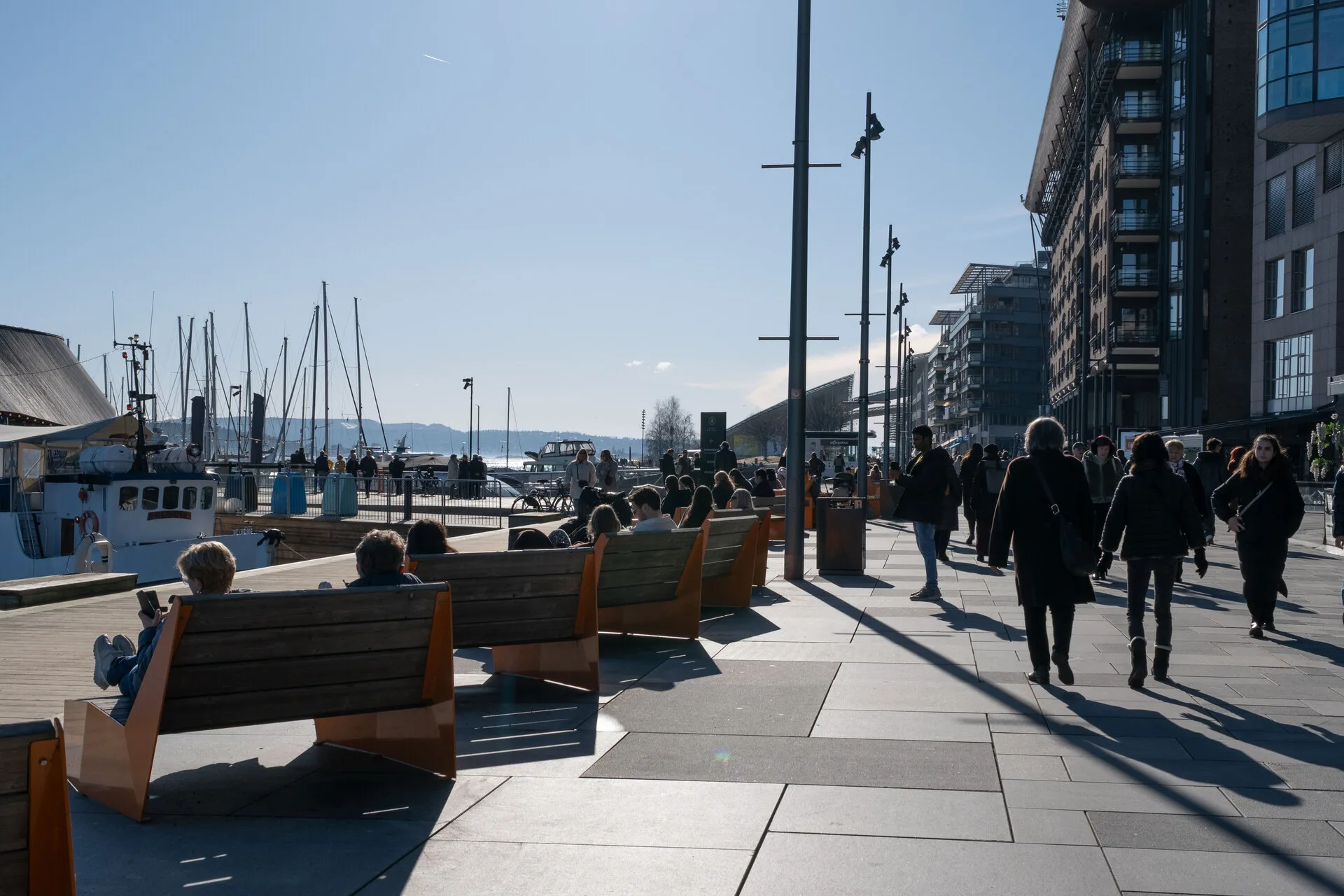
Aker Brygge
Oslo's most popular waterfront promenade — 40+ restaurants and bars on the Oslofjord, with ferries to Bygdøy and the city's best sunset views.