

Best for
All visitors, art lovers, families, photographers
Time needed
1–2 hours
Worth it?
Absolutely — free, unmissable, and the most visited attraction in Norway
Skip if
No particular reason — it is free and always open
About Vigeland Sculpture Park
Vigeland Sculpture Park is the most visited attraction in Norway — and it is completely free. Spread across 80 acres of Frognerparken in the elegant Frogner district, the park contains 212 sculptures in bronze, granite, and wrought iron, all created by a single artist: Gustav Vigeland (1869–1943). The scale of the project — the most ambitious work by any single sculptor in history — is only fully appreciable once you are walking through it.
The park was the result of an extraordinary arrangement between Vigeland and the city of Oslo. In 1921, the city offered him a studio complex, funding, and assistants in exchange for all works he produced for the rest of his life. Vigeland accepted and dedicated the remaining 22 years of his life entirely to the park project. He designed every sculpture, every bridge railing, every gate, every lamp post, and every path. The result is a total work of art in the sense that Wagner imagined for opera — a single vision applied to every element of a coherent space.
Read the full storyShow less
The entrance through the main gate brings you onto the bridge, which stretches 100 metres across a small lake and is lined with 58 bronze sculptures depicting the range of human life: infants, children, adults, old people, lovers, combatants, grieving figures, playful figures. The most famous of these — the Sinnataggen, a small furious child — is photographed by nearly every visitor and reproduced on countless Norwegian souvenirs.
Beyond the bridge, the central axis leads through increasingly formal spaces toward the Monolith Plateau. The Monolith itself — a single column of granite 14.12 metres high, carved from a single stone, depicting 121 intertwined human figures climbing toward the sky — took three stone cutters 14 years to complete. It is surrounded by 36 granite figure groups arranged in a formal pattern, with stone bridges, steps, and balustrades designed as part of the whole composition.
The Wheel of Life — a circular bronze sculpture at the highest point of the park, depicting six adults and children linked in a continuous ring — is Vigeland's most meditative piece and the one that most directly expresses the park's philosophical theme: the continuity of human life, the cycle of birth, struggle, love, and death.
The park is open 24 hours a day, every day, entirely free. The best times to visit are early morning (before the crowds arrive) or late evening in summer (when the long Nordic twilight gives the bronze and granite a golden quality that photographs cannot quite capture). The adjacent Vigeland Museum — 200 metres from the main gate — displays the plaster models and studio where all the park works were designed.
What to See: Highlights
- 1The Monolith — 14m granite column carved with 121 human figures
- 2The Angry Boy (Sinnataggen) — Oslo's most photographed sculpture
- 3212 sculptures in bronze, granite, and wrought iron
- 4The Bridge with 58 intertwined bronze figures
- 5Wheel of Life fountain
- 6Frognerparken — beautiful landscaped park surrounding the sculptures
Skip the Queue — Book Tickets Online
Same admission, instant confirmation. Compare prices across platforms.
Affiliate disclosure — we may earn a commission at no extra cost to you.
Insider Tips
Free 24/7 — visit at golden hour or early morning for best light
Vigeland Museum is 200m away for context on the artist
Spring and summer best for photography with flowers in bloom
Perfect spot for a picnic in Frognerparken
Book a Guided Tour
Get the most from your visit with a local expert guide.
Affiliate disclosure — we may earn a commission at no extra cost to you.
Getting There
Kirkeveien 33, Frogner, Oslo
Open in Google Maps →- 1Tram 12 to Vigeland Park stop (direct from city centre, 15 min)
- 2Bus 20 to Frogner Plass, then 5 min walk
- 3Metro to Nationaltheatret, then tram 12 (total 20 min from Central Station)
- 4Cycling: 20 minutes from the city centre via Frogner
- 5Oslo Pass covers all public transport — no separate ticket needed
Where to stay
Hotels in Oslo
Compare prices across hundreds of hotels near this attraction — from budget hostels to luxury stays. Free cancellation on most rooms.
Affiliate disclosure — we may earn a commission at no extra cost to you. Powered by Booking.com.
Frequently Asked Questions
Everything you need to know before you visit.
Is Vigeland Sculpture Park worth visiting?+−
How long does a visit to Vigeland Sculpture Park take?+−
Who is Vigeland Sculpture Park best for?+−
Do I need to book anything in advance to visit Vigeland Sculpture Park?+−
Is Vigeland Sculpture Park included with the Oslo city pass?+−
Should You Visit?
Visit if...
- You want the most-visited attraction in Norway completely free
- You love outdoor sculpture and parks
- You're with children — they love the sculptures
- You want iconic Oslo photographs
Skip if...
- Heavy rain — it's entirely outdoors on gravel paths
- Mobility issues — large paths but uneven terrain
Ready to Book Your Visit?
More to See in Oslo
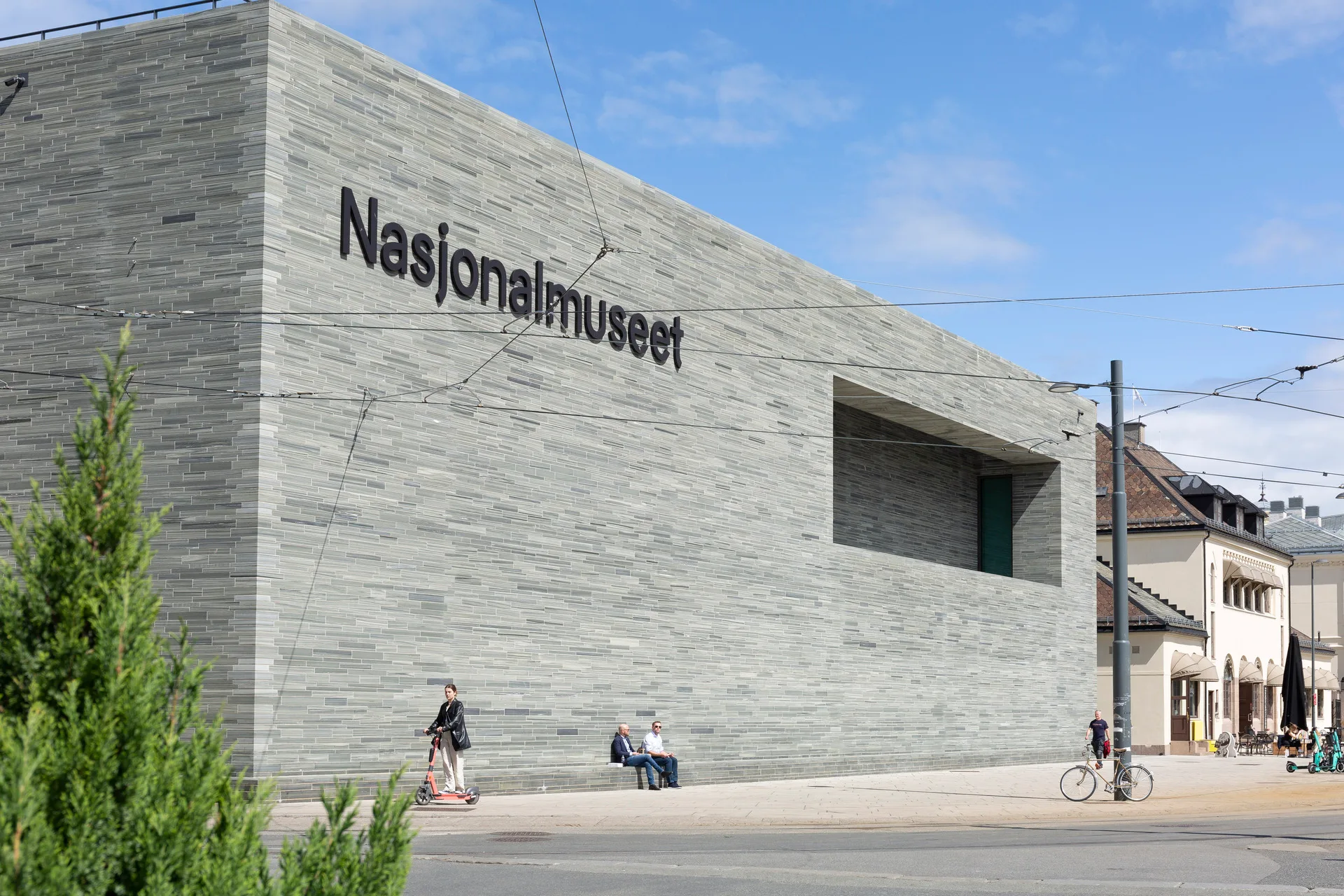
National Museum
Norway's largest art museum — successor to the original National Gallery — home to Munch's The Scream and 7,000 years of Nordic and European art.
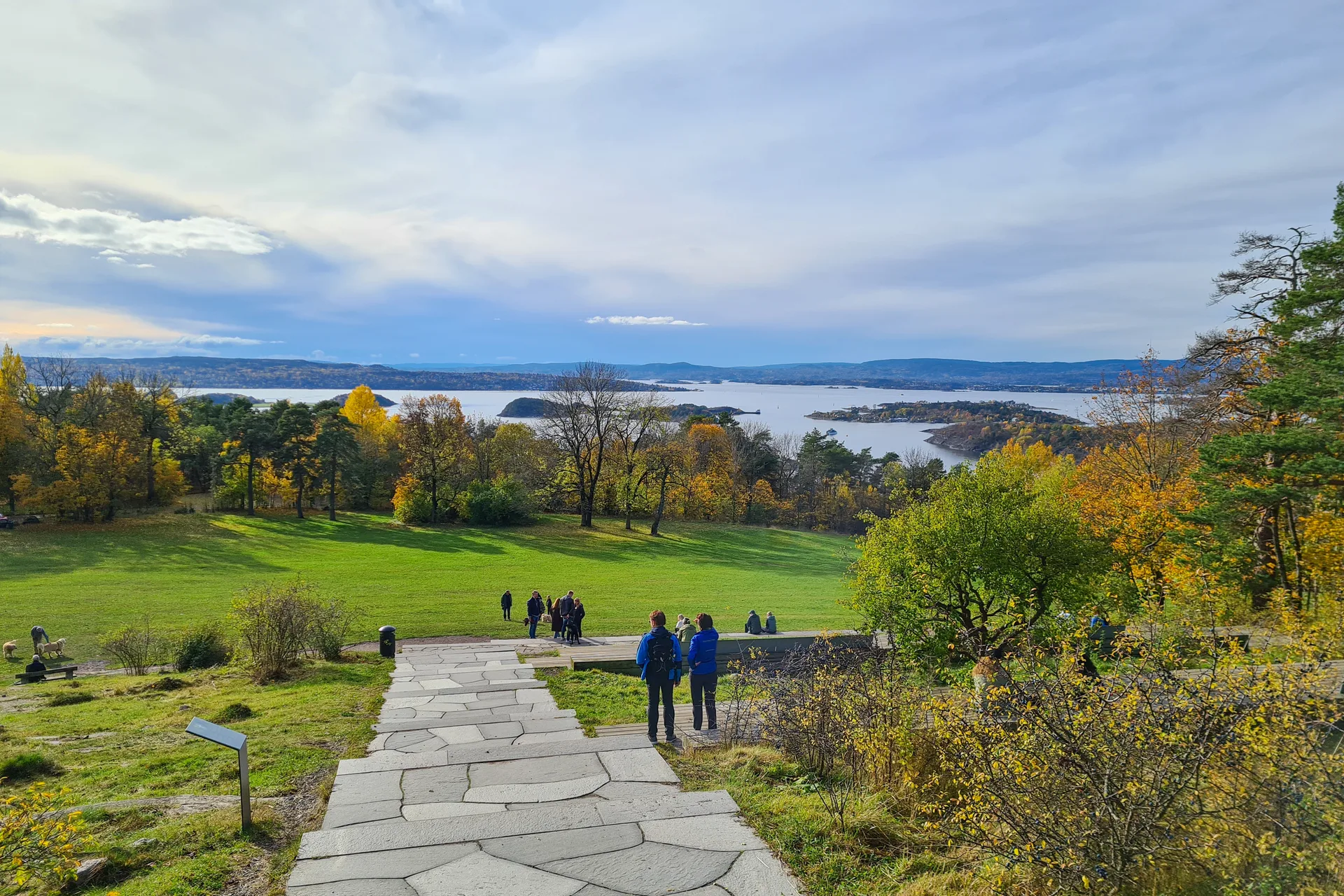
Ekebergparken
Free outdoor sculpture park with 30+ artworks and panoramic Oslo Fjord views — where Munch stood when he painted The Scream.
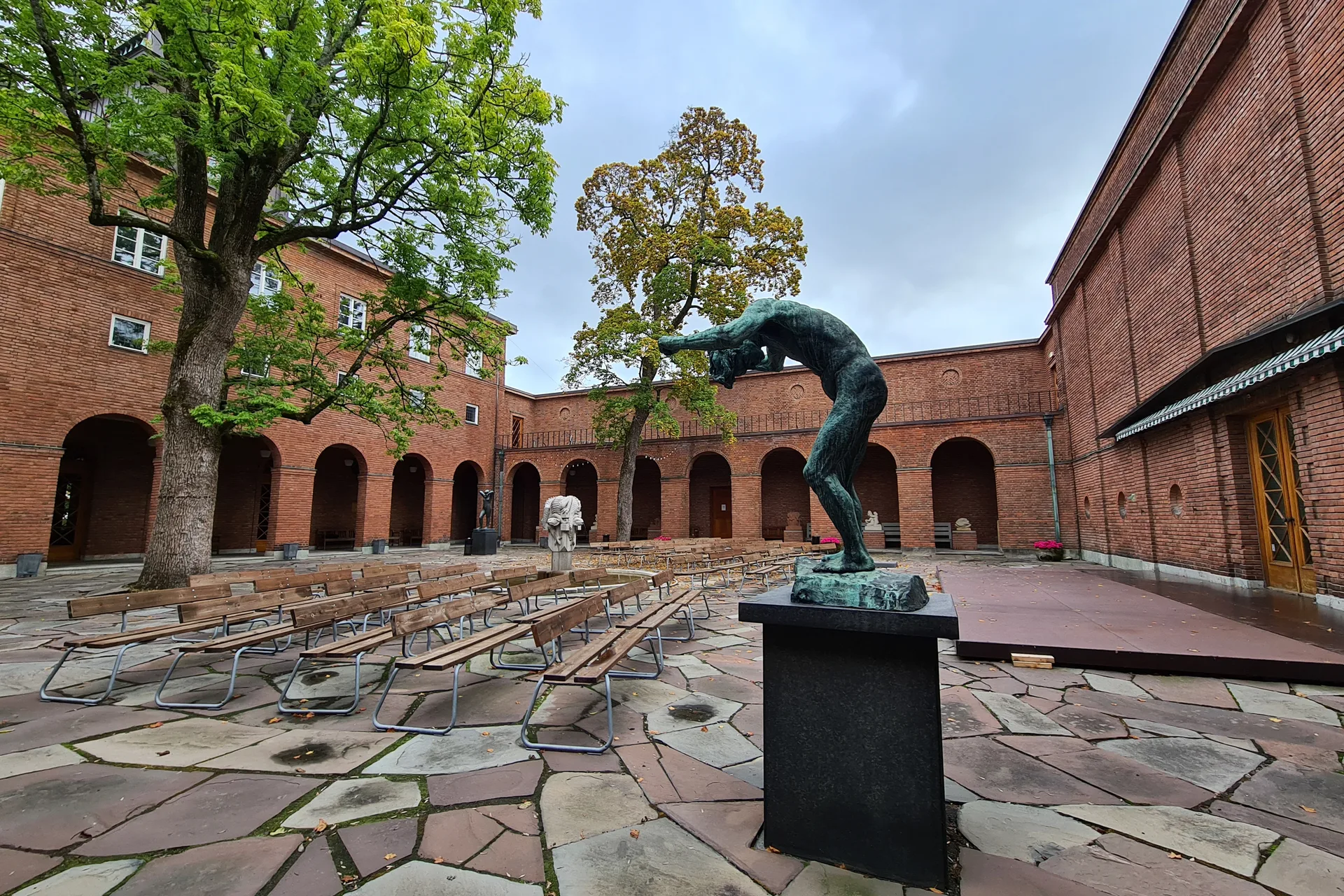
Vigeland Museum
Gustav Vigeland's preserved studio — original plaster models for all the Vigeland Park sculptures, 200m from the park itself.
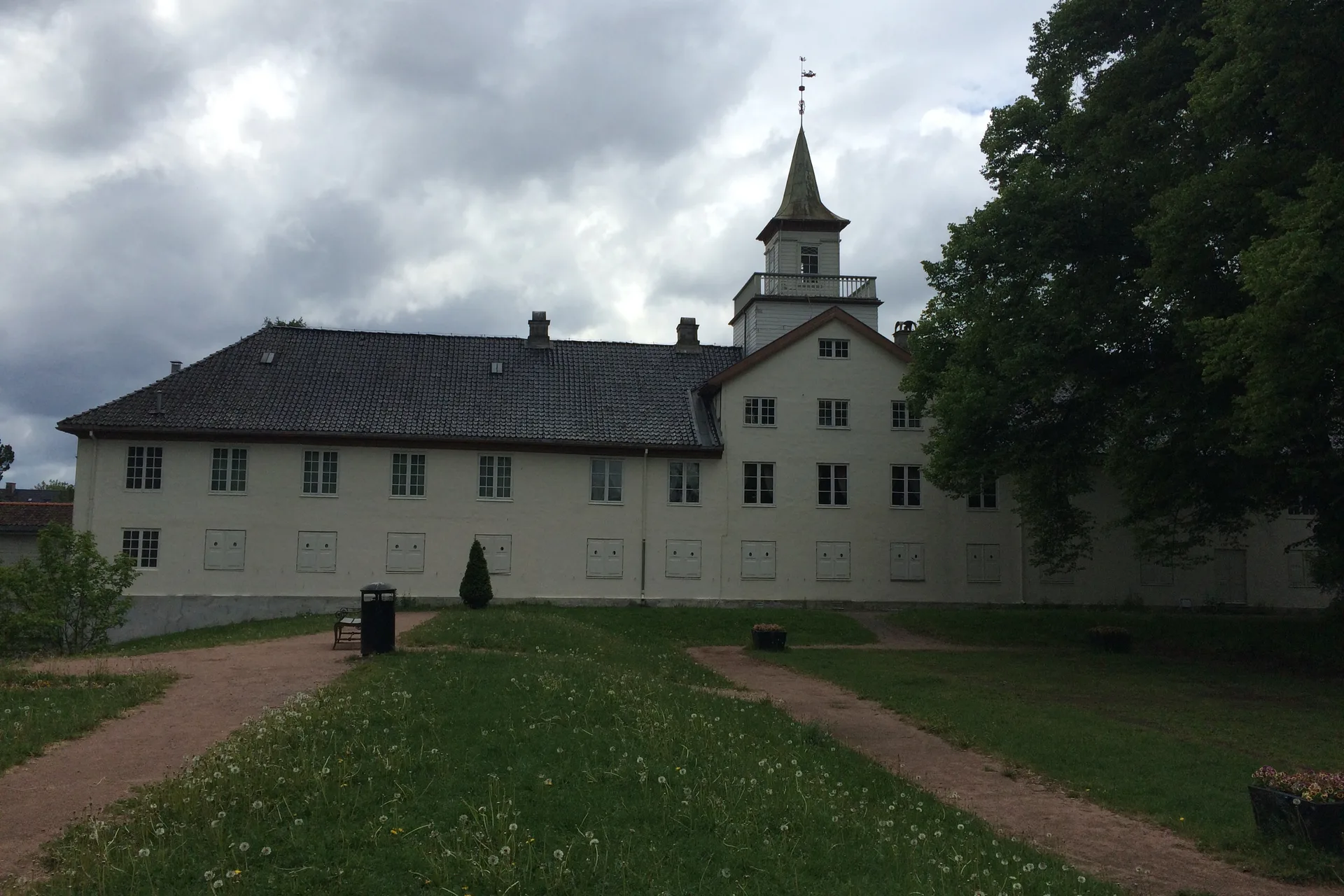
Oslo City Museum
Oslo's complete history from Bronze Age to modern capital — free entry in the beautiful Frogner Manor, right next to Vigeland Sculpture Park.