
Best for
Families with children, nature enthusiasts, dinosaur fans
Time needed
1.5–2.5 hours
Worth it?
Good value with Oslo Pass, especially for families
Skip if
Not interested in natural history — the free Botanical Garden is more visually impressive on its own
About Natural History Museum
The Natural History Museum (Naturhistorisk Museum) and its adjacent Botanical Garden occupy a spacious campus in the Tøyen district, belonging to the University of Oslo. Together they constitute Oslo's oldest scientific institutions — the Botanical Garden was founded in 1814, the year of Norwegian independence, and the museum collection was assembled through the 19th century as part of the university's commitment to natural science.
The museum's permanent exhibitions cover geological history, zoological diversity, and botanical science in four main sections. The geology hall contains an extensive collection of Norwegian minerals, gemstones, and meteorites — the Norwegian landscape is geologically unusual, and the collection reflects the extraordinary variety of rock types found in a country shaped by multiple ice ages, volcanic activity, and continental collision over billions of years.
Read the full storyShow less
The zoological section includes the most complete display of Norwegian fauna in the country: mammals, birds, fish, and invertebrates from Norwegian waters, forests, mountains, and coastline, all displayed in diorama settings that recreate their natural habitats. The whale skeleton hanging from the ceiling of the main hall is consistently popular with younger visitors.
The dinosaur section, while not large, includes several significant specimens and is well-interpreted for family visitors. The display of prehistoric Norwegian fauna — including woolly mammoths and woolly rhinoceroses whose remains have been found in Norwegian sediment — gives the global prehistory a local dimension.
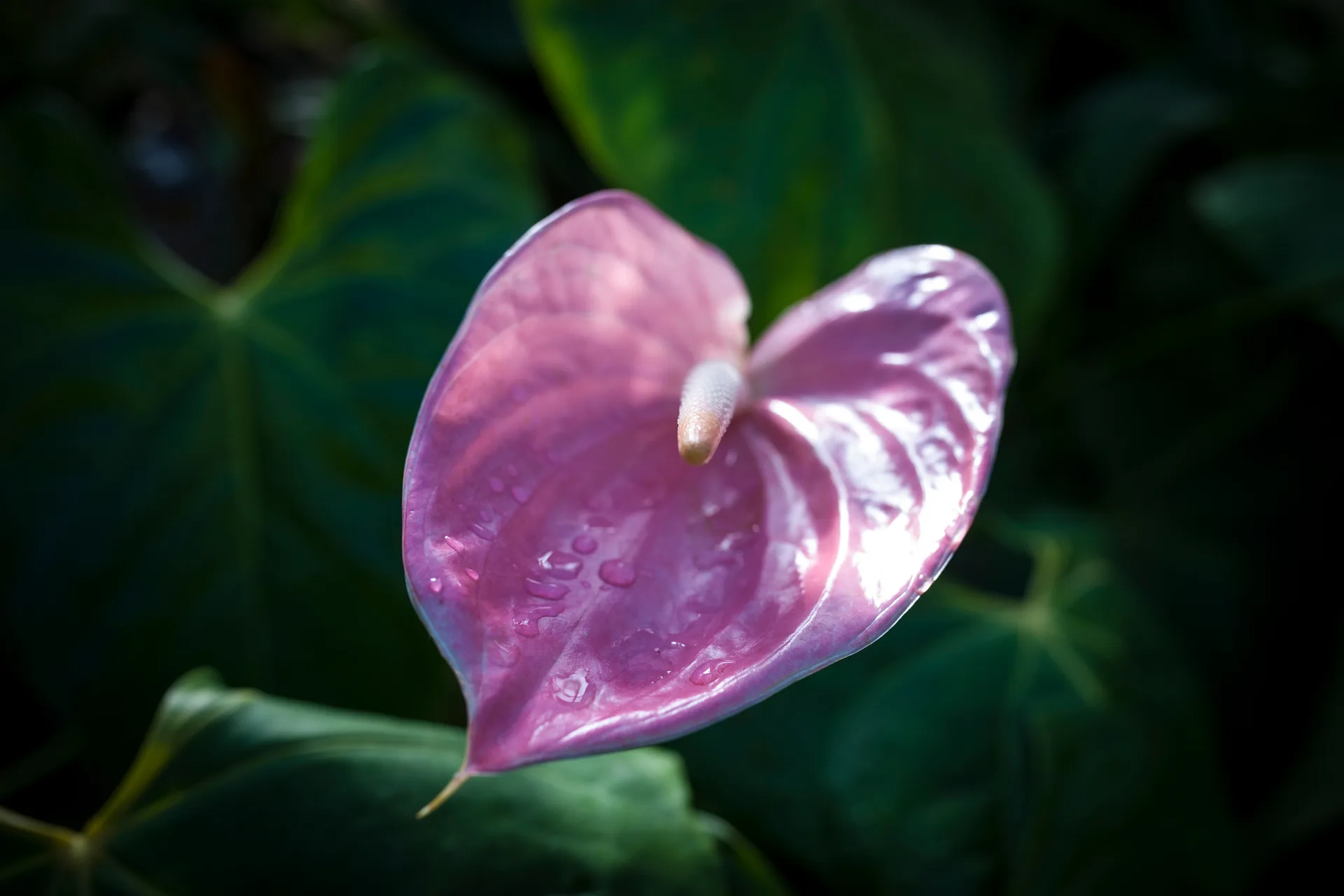
The Botanical Garden surrounding the museum contains over 7,500 plant species laid out across 12 acres. In summer, the rose garden, the rock garden, and the systematic beds (organised by plant family for teaching purposes) are all in bloom, and the garden provides one of the most peaceful outdoor spaces in the city. The tropical greenhouse, open year-round, contains plants from every climate zone on earth.
The museum and garden are free to enter and are particularly good for family visits — the combination of dinosaurs, whale skeletons, live plants, and outdoor space keeps children of all ages engaged. Take T-bane to Tøyen station (Lines 2 and 5), a 10-minute journey from the city centre.
What to See: Highlights
- 1Dinosaur skeletons and fossil collections
- 2Norwegian geological history and minerals
- 3Zoology hall with Nordic and Arctic wildlife
- 4Whale skeleton exhibition
- 5Adjacent Botanical Garden on the same campus
- 6University of Oslo setting
Skip the Queue — Book Tickets Online
Same admission, instant confirmation. Compare prices across platforms.
Affiliate disclosure — we may earn a commission at no extra cost to you.
Included with the Oslo Pass
Natural History Museum is included with the Oslo Pass — a city card that covers entry to 30+ attractions, unlimited public transport, and discounts across Oslo. It can represent serious savings if you plan to visit multiple museums.
Insider Tips
The adjacent Botanical Garden is free on its own — beautiful in summer
Combine with a tram to the Munch Museum (10 minutes)
Children love the dinosaur hall
Take tram 18 or 19 to Munchmuseet stop then walk
Book a Guided Tour
Get the most from your visit with a local expert guide.
Affiliate disclosure — we may earn a commission at no extra cost to you.
Getting There
Sars gate 1, 0562 Oslo
Open in Google Maps →- 1Tram 18 or 19 to Munchmuseet stop (also serves the museum campus, 15 min from centre)
- 2Bus 37 to Tøyen, then short walk
- 3T-bane to Tøyen, then 10-minute walk
- 4Walk from Munch Museum (Bjørvika): 20 minutes north
- 5Oslo Pass covers all public transport
Where to stay
Hotels in Oslo
Compare prices across hundreds of hotels near this attraction — from budget hostels to luxury stays. Free cancellation on most rooms.
Affiliate disclosure — we may earn a commission at no extra cost to you. Powered by Booking.com.
Frequently Asked Questions
Everything you need to know before you visit.
Is Natural History Museum worth visiting?+−
How long does a visit to Natural History Museum take?+−
Who is Natural History Museum best for?+−
Do I need to book tickets in advance for Natural History Museum?+−
Is Natural History Museum included with the Oslo city pass?+−
Should You Visit?
Visit if...
- You're travelling with dinosaur-loving children
- You want to combine with the free Botanical Garden
- You have the Oslo Pass
- You're interested in Norwegian geology and wildlife
Skip if...
- Adult visitors with no children and low interest in natural history
Ready to Book Your Visit?
More to See in Oslo
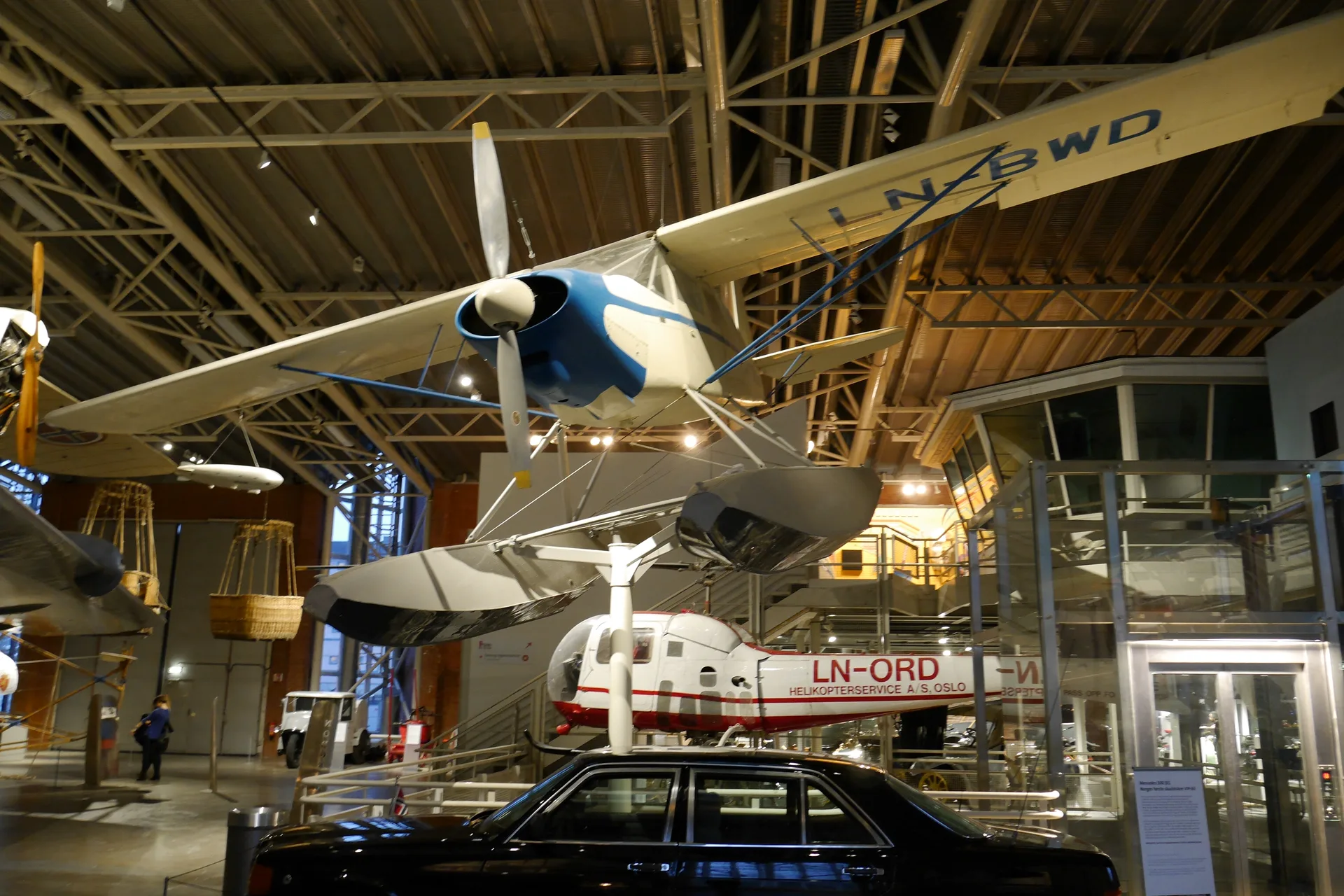
Norwegian Museum of Science and Technology
Oslo's best family museum — 50+ interactive exhibitions on science, technology, oil, aviation, and Norwegian industrial history.

Cultural History Museum
Oslo's Historical Museum at the University — Norway's finest Viking-age gold and jewellery alongside Egyptian mummies, medieval church art and Norse antiquities.
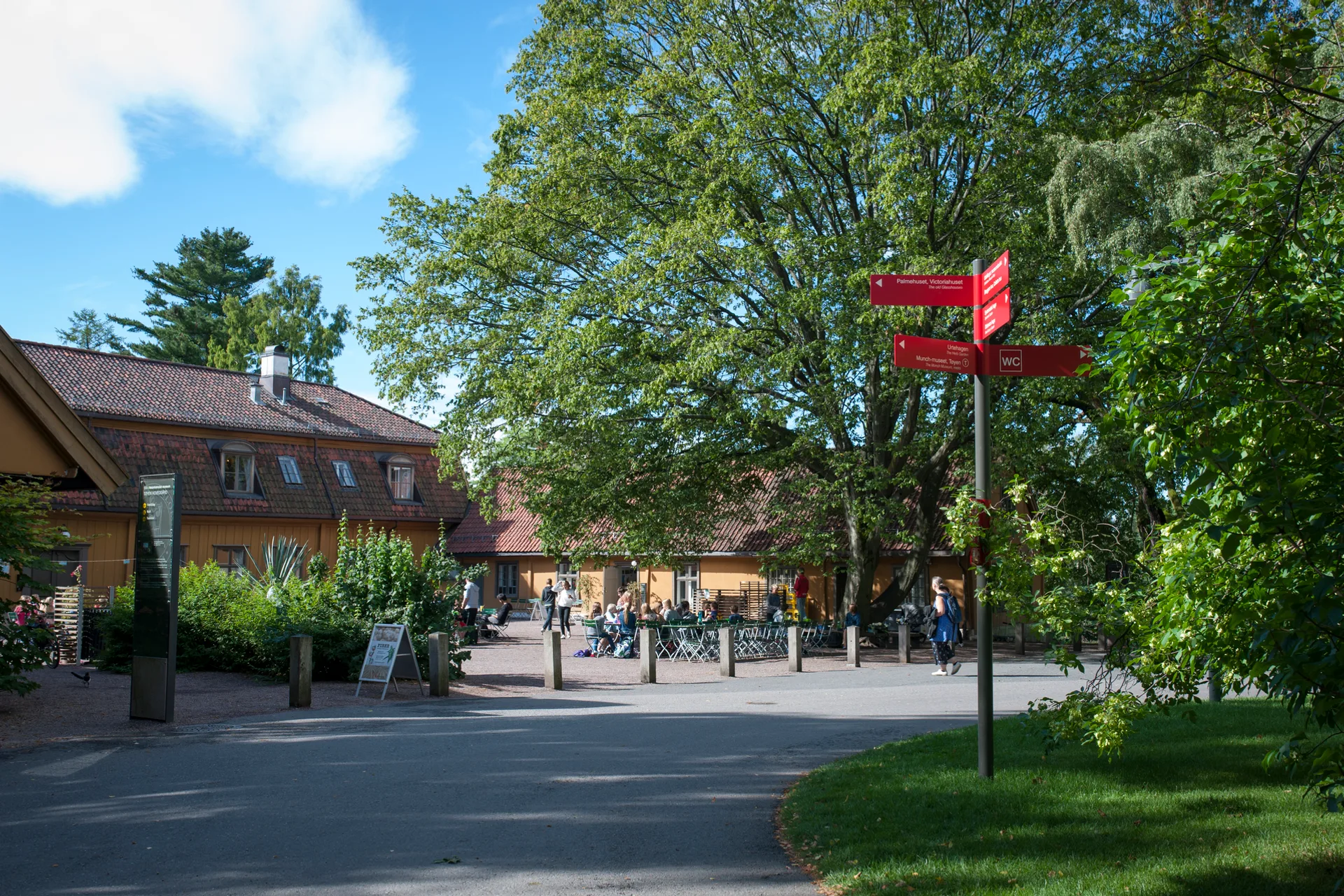
Oslo Botanical Garden
Free outdoor garden with 7,500 plant species, a rose garden, and Norway's oldest botanical collection — peaceful and beautiful in summer.