

Best for
Maritime history enthusiasts, Bygdøy day trippers
Time needed
1–1.5 hours
Worth it?
Good addition to a Bygdøy day — prioritise Fram Museum first if time is short
Skip if
Only have time for one Bygdøy museum — choose the Fram instead
About Norwegian Maritime Museum
The Norwegian Maritime Museum (Norsk Maritimt Museum) occupies a striking modernist building on the tip of the Bygdøy peninsula, with panoramic views of the Oslofjord from its rooftop terrace. As the national museum for Norwegian maritime history, it tells the story of a nation whose relationship with the sea has been the defining fact of its existence for three thousand years.
Norway has 25,000 kilometres of coastline — more than any other country in Europe in proportion to its land area. It has been a seafaring nation since the Bronze Age: the rock carvings at Ekeberg show ships that predate the Vikings by two millennia. Through the Viking age, the Hanseatic period, the age of sail, and the modern shipping industry, the sea has fed Norwegians, employed them, carried their goods, and shaped their culture.
Read the full storyShow less
The permanent collection covers all of these periods in depth. The Viking section complements (without duplicating) the material at the Cultural History Museum, focusing on ship construction and navigation rather than artefacts. The medieval and early modern sections cover the remarkable transition from Viking longships to the large-hulled cargo vessels that made Norwegian merchants major players in European trade from the 14th century onward.
The Gjøa — Roald Amundsen's ship that completed the first navigation of the Northwest Passage (1903–1906) — is displayed outside the adjacent Fram Museum, and the Maritime Museum's exhibition on polar exploration provides important context for visiting the Fram Museum next door.
The 19th-century whaling section is extensive and honest — Norway was one of the world's major whaling nations, and the museum presents this history with the commercial, cultural, and ecological complexity it deserves. The modern shipping section covers Norway's position today as one of the world's largest shipping nations and a leading offshore oil industry operator.
The rooftop terrace provides views across the inner Oslofjord to the city and the surrounding hills. The café is open in summer and makes a good lunch stop between the Bygdøy museums. The Oslo Pass covers admission. Combine with the Fram Museum and Norwegian Folk Museum for a full Bygdøy day.
What to See: Highlights
- 1Norwegian maritime history from Viking age to modern shipping
- 2Historic boat collection including Viking-era vessels
- 3Panoramic Oslofjord views from the rooftop terrace
- 4Norway's seafaring heritage across 1,000 years
- 5Special exhibitions on Norwegian exploration
Skip the Queue — Book Tickets Online
Same admission, instant confirmation. Compare prices across platforms.
Affiliate disclosure — we may earn a commission at no extra cost to you.
Included with the Oslo Pass
Norwegian Maritime Museum is included with the Oslo Pass — a city card that covers entry to 30+ attractions, unlimited public transport, and discounts across Oslo. It can represent serious savings if you plan to visit multiple museums.
Insider Tips
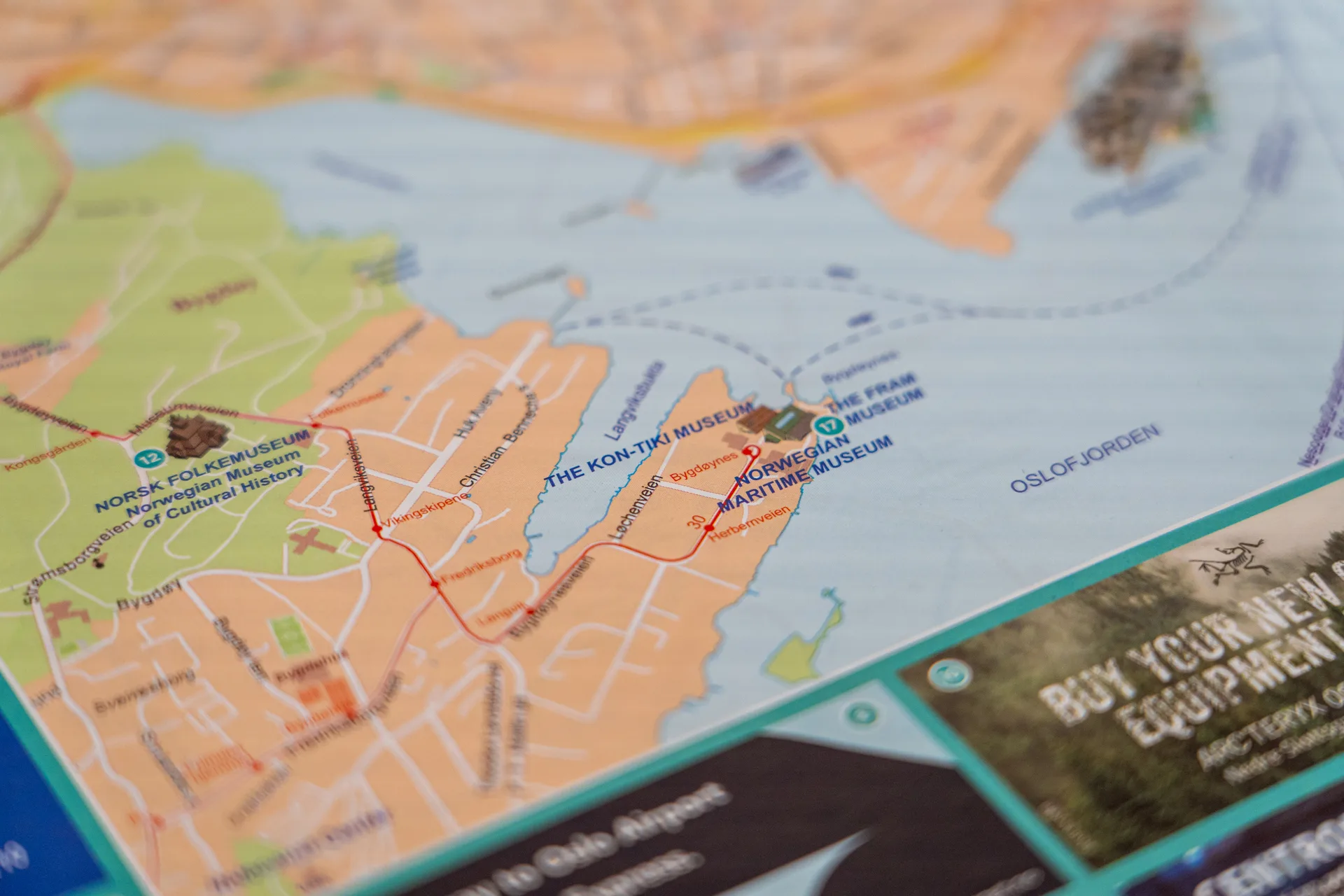
Combine with Fram (300m) and Kon-Tiki (200m) for a full Bygdøy day
The rooftop terrace has excellent fjord views
Less crowded than the other Bygdøy museums
Take the ferry from Aker Brygge to Bygdøy (May–Sept)
Book a Guided Tour
Get the most from your visit with a local expert guide.
Affiliate disclosure — we may earn a commission at no extra cost to you.
Getting There
Bygdøynesveien 37, 0286 Oslo
Open in Google Maps →- 1Ferry from Aker Brygge Pier 3 to Bygdøy (May–September, 10 min, Oslo Pass valid)
- 2Bus 30 to Bygdøynesveien from Nationaltheatret (year-round, 20 min)
- 3From Fram Museum: 300m walk south along Bygdøynesveien
- 4From Kon-Tiki Museum: 200m walk south
- 5Oslo Pass includes the ferry — most scenic and recommended option in summer
Where to stay
Hotels in Oslo
Compare prices across hundreds of hotels near this attraction — from budget hostels to luxury stays. Free cancellation on most rooms.
Affiliate disclosure — we may earn a commission at no extra cost to you. Powered by Booking.com.
Frequently Asked Questions
Everything you need to know before you visit.
Is Norwegian Maritime Museum worth visiting?+−
How long does a visit to Norwegian Maritime Museum take?+−
Who is Norwegian Maritime Museum best for?+−
Do I need to book tickets in advance for Norwegian Maritime Museum?+−
Is Norwegian Maritime Museum included with the Oslo city pass?+−
Should You Visit?
Visit if...
- You're doing a Bygdøy museum day
- You have the Oslo Pass
- You're interested in Norway's seafaring heritage
- You want fjord views from the rooftop
Skip if...
- Only time for one Bygdøy museum — choose the Fram
- Maritime content overlaps somewhat with Fram and Kon-Tiki
Ready to Book Your Visit?
More to See in Oslo
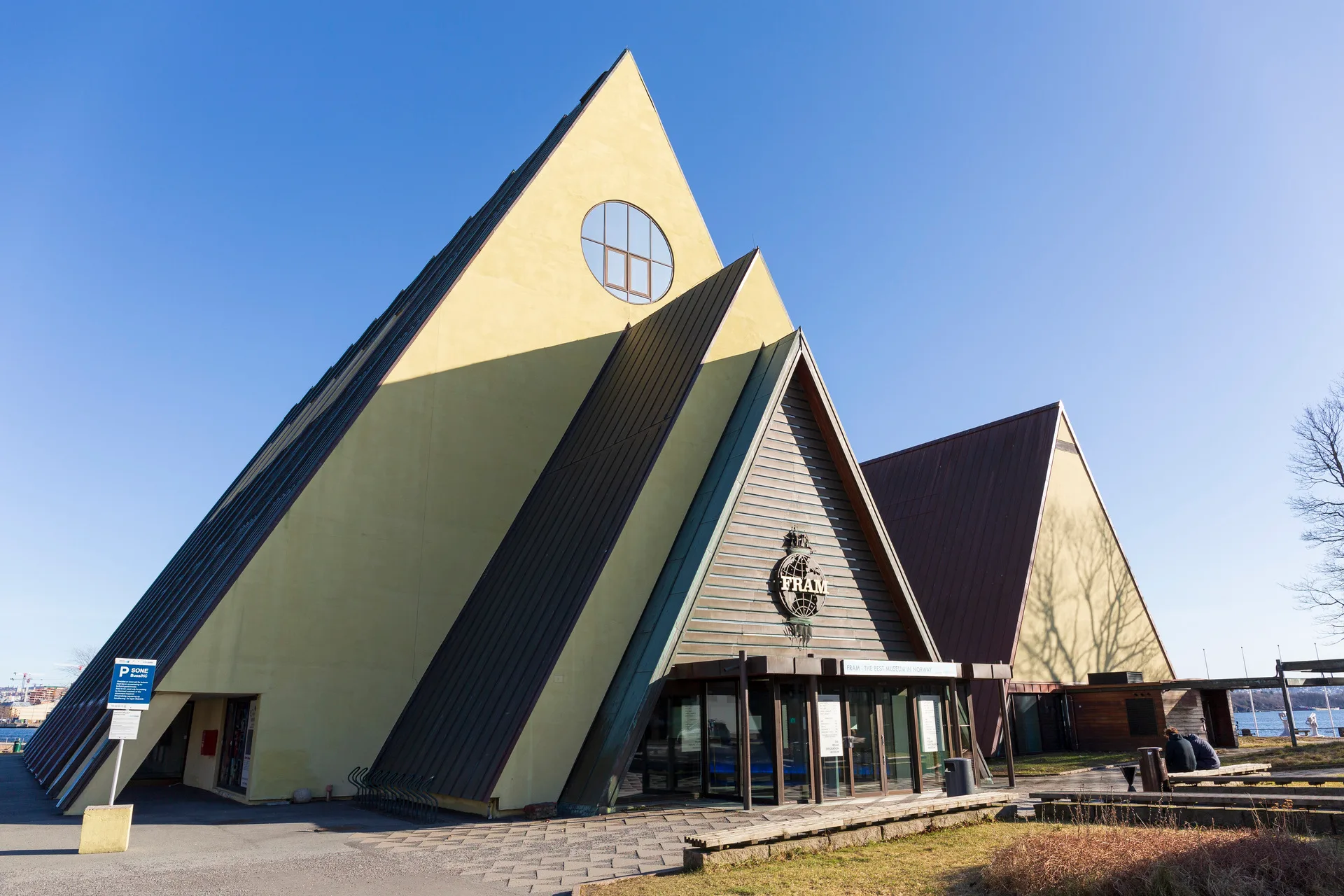
Fram Museum
Go aboard the world's strongest wooden ship and relive Norway's heroic polar expeditions to the Arctic and Antarctic.
Kon-Tiki Museum
See the original Kon-Tiki raft and the Ra II — Thor Heyerdahl's legendary ocean voyages brought to life on Oslo's Bygdøy peninsula.
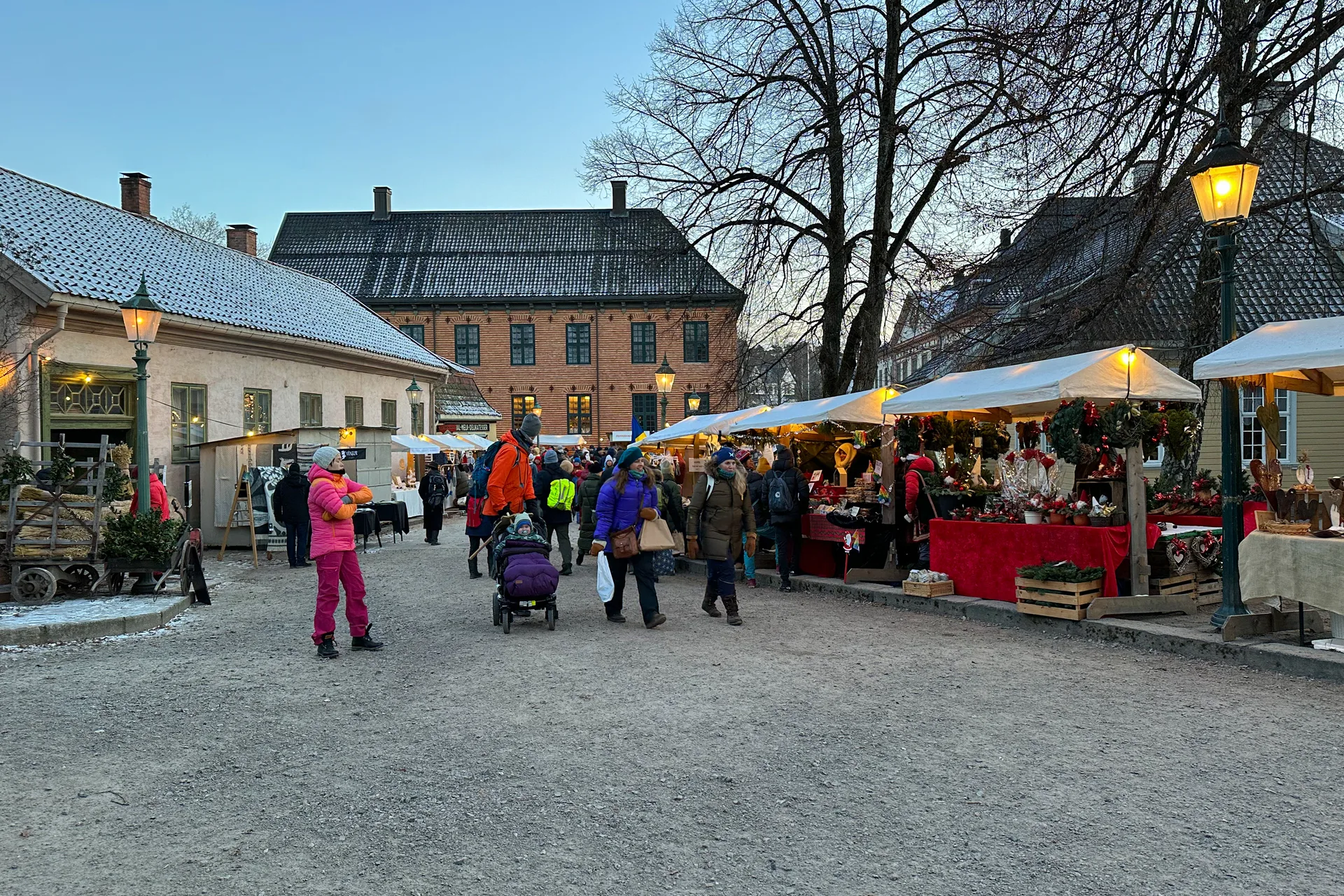
Norwegian Folk Museum
Scandinavia's largest open-air museum with 160 historic buildings, a medieval stave church, and costumed staff bringing history to life.