
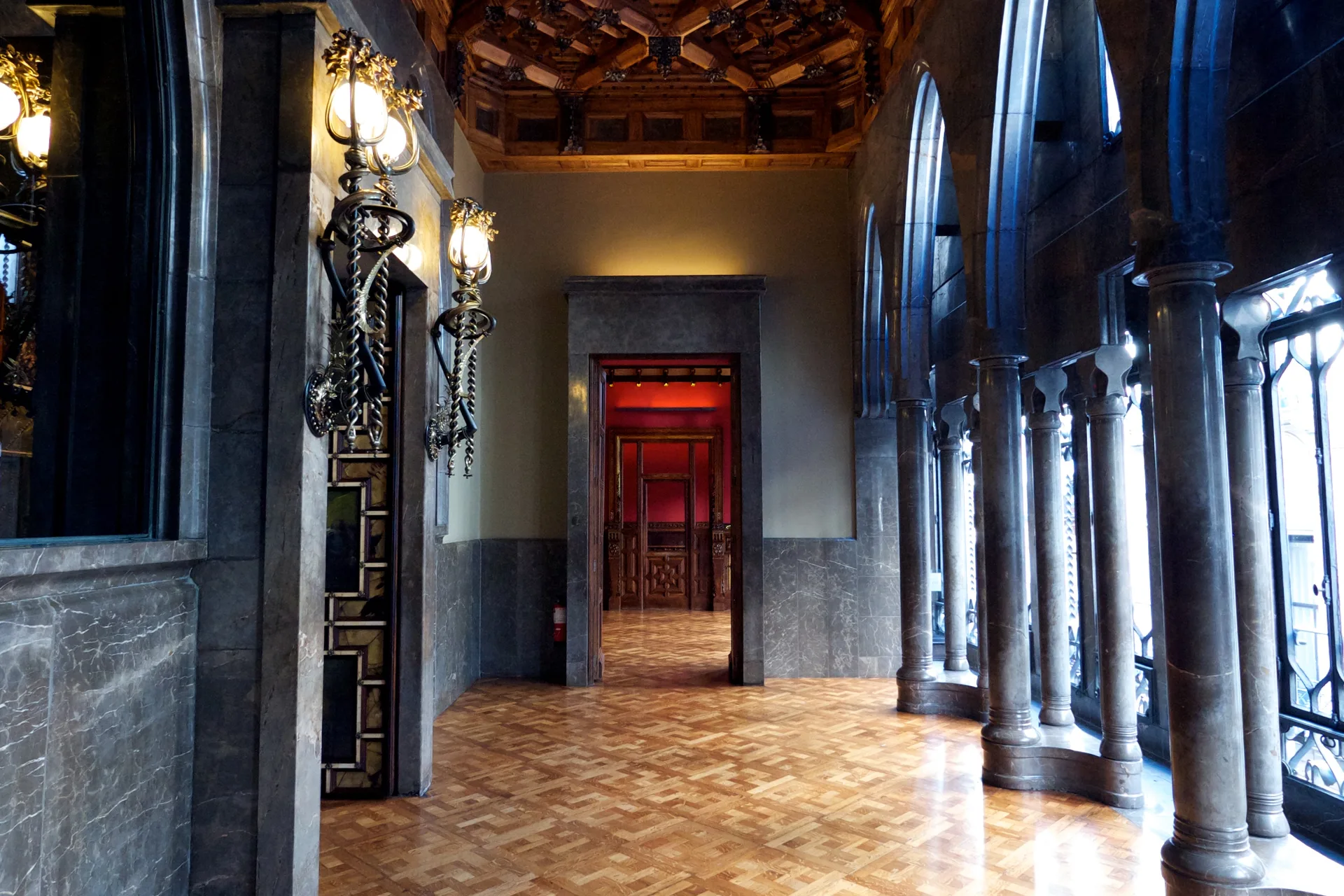
Best for
Gaudí completists, architecture fans exploring beyond the headline sights
Time needed
45–75 minutes
Worth it?
Yes for the rooftop chimneys alone, especially if crowds elsewhere are wearing you down
Skip if
You only have time for one or two Gaudí sites and haven't yet done Sagrada Família or Park Güell
About Palau Güell
Palau Güell, built between 1886 and 1890, was Gaudí's first major commission for industrialist Eusebi Güell, the patron who would go on to fund Park Güell and support Gaudí for the rest of his career. Tucked onto a narrow street just off La Rambla in the Raval district, the building had to be squeezed onto a tight urban plot rather than a spacious estate, which forced Gaudí into a more vertical, compressed design than his later, more expansive work.
The facade is austere and fortress-like by Gaudí's later standards — two parabolic-arched entrances framed in wrought iron were designed wide and tall enough for carriages to pass directly through into the building. Inside, though, the building opens up dramatically: a soaring central hall rises through the full height of the building to a domed roof pierced with small conical openings that scatter starlight-like points of light downward, a lighting technique that anticipates the Sagrada Família's own light effects decades later.
Read the full storyShow less
The rooftop is where Palau Güell earns its place among Gaudí's essential sights: twenty different chimneys and ventilation towers, each individually sculpted and covered in broken tile and glass fragments (trencadís) in wildly varying shapes, form a rooftop landscape unlike anything else in the city — a direct precursor to the more famous chimney forest atop La Pedrera built two decades later.
The building suffered during the Spanish Civil War, when it was used as a police station and its basement stables as holding cells, before a long restoration returned it to public use. Because it sits in the shadow of bigger-name Gaudí sights and its entrance is easy to miss on a narrow side street, it draws noticeably fewer visitors than Casa Batlló or La Pedrera despite being just as significant architecturally.
What to See: Highlights
- 1Parabolic wrought-iron carriage entrances on the street facade
- 2Central hall rising to a starlight-effect domed roof
- 320 individually sculpted rooftop chimneys in trencadís tile
- 4Early preview of lighting and decorative techniques used later at Sagrada Família
- 5Civil War history as a police station and holding cells
- 6Far quieter than Casa Batlló or La Pedrera
Skip the Queue — Book Tickets Online
Same admission, instant confirmation. Compare prices across platforms.
Affiliate disclosure — we may earn a commission at no extra cost to you.
Insider Tips
The entrance is easy to miss — look for the arched carriage doors on Nou de la Rambla
Book online — capacity is limited due to the building's compact size
Closed Mondays, unlike most other Gaudí sites in the city
Combine with a walk through the Raval district or nearby La Rambla
The rooftop chimneys are the highlight — save time to linger up there
Book a Guided Tour
Get the most from your visit with a local expert guide.
Affiliate disclosure — we may earn a commission at no extra cost to you.
Getting There
Carrer Nou de la Rambla, 3-5, 08001 Barcelona
Open in Google Maps →- 1Metro L3 to Liceu, a 3-minute walk off La Rambla into the Raval district.
Where to stay
Hotels in Barcelona
Compare prices across hundreds of hotels near this attraction — from budget hostels to luxury stays. Free cancellation on most rooms.
Affiliate disclosure — we may earn a commission at no extra cost to you. Powered by Booking.com.
Frequently Asked Questions
Everything you need to know before you visit.
Is Palau Güell worth visiting?+−
How long does a visit to Palau Güell take?+−
Who is Palau Güell best for?+−
Do I need to book tickets in advance for Palau Güell?+−
Is Palau Güell included with the Barcelona city pass?+−
Should You Visit?
Visit if...
- You want to see where Gaudí and Eusebi Güell's decades-long partnership began
- You enjoy rooftop chimney sculptures and trencadís tile work
- You're already exploring La Rambla or the Raval district
- You prefer quieter, less crowded Gaudí sites
Skip if...
- You only have time for the essential sights and must prioritise
- You're visiting on a Monday — check opening days before planning around it
- You've already seen La Pedrera's chimneys and don't need a second rooftop
Ready to Book Your Visit?
More to See in Barcelona
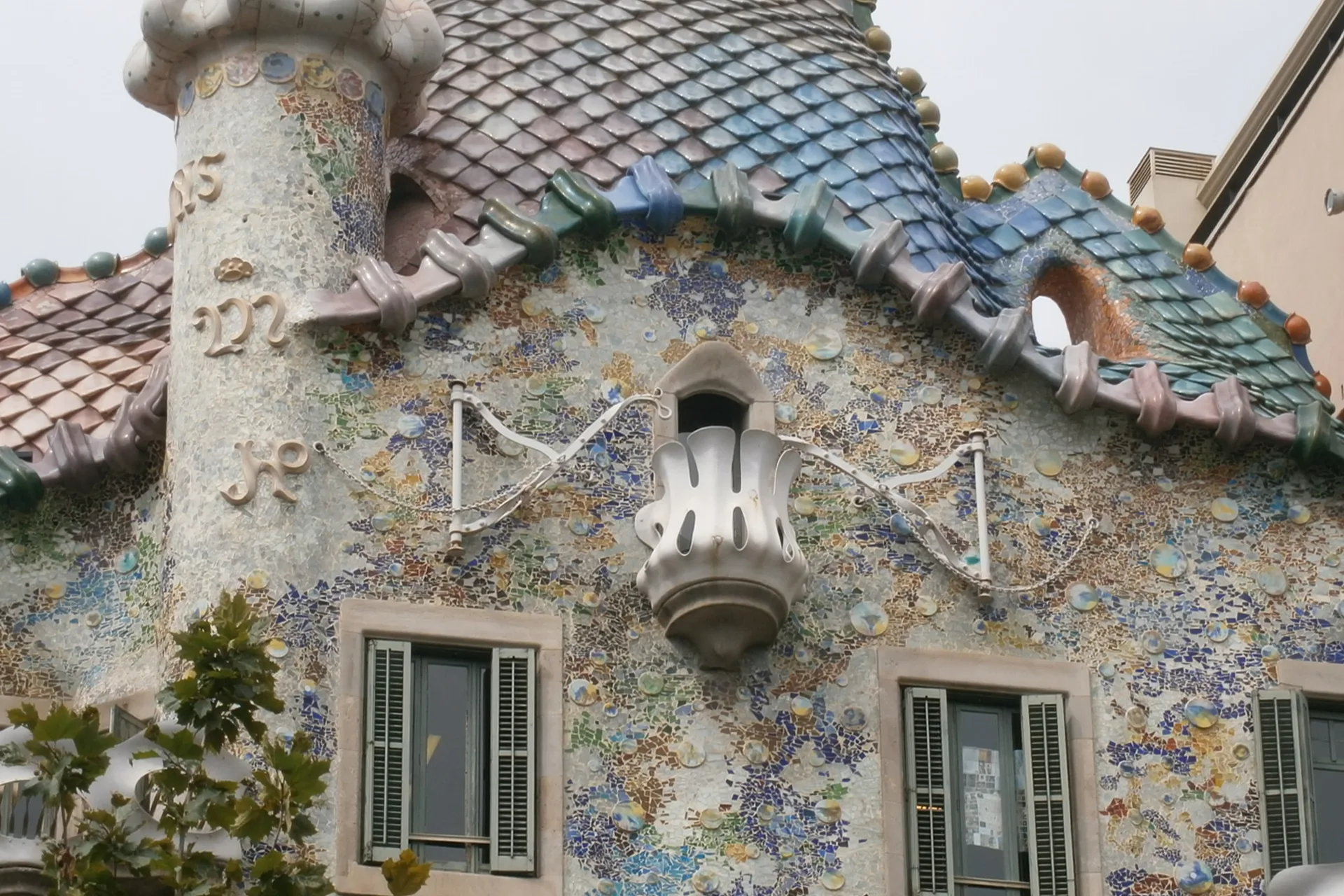
Casa Batlló
Gaudí's most theatrical facelift of an existing building — a bone-and-scale facade nicknamed the "House of Bones" or "Dragon House," with an interior built almost without straight lines.
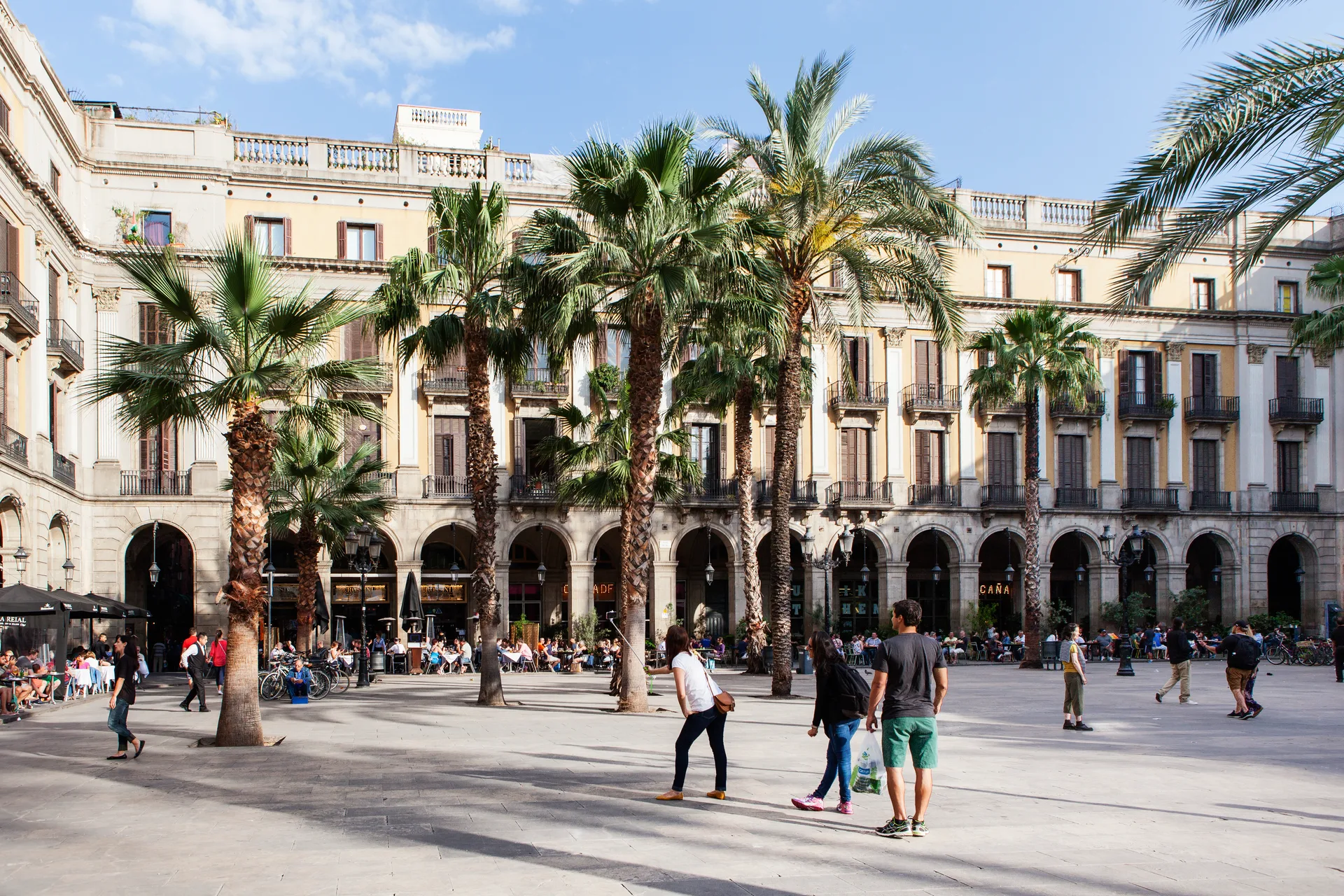
Gothic Quarter (Barri Gòtic)
Barcelona's medieval old town — a dense maze of narrow stone streets, Roman remains and hidden squares wedged between La Rambla and the harbour.
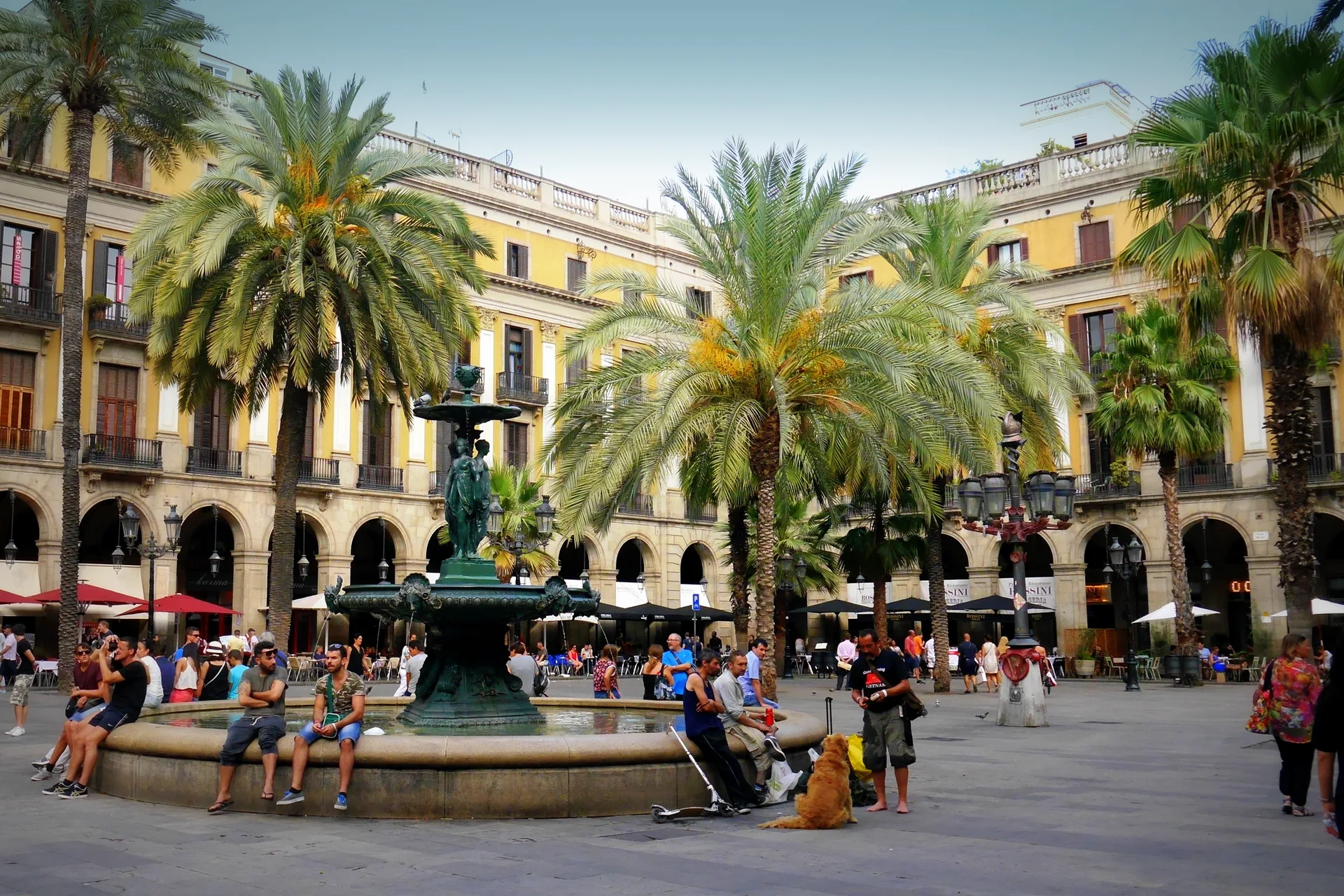
Las Ramblas
Barcelona's famous 1.2km pedestrian boulevard linking Plaça Catalunya to the harbour — genuinely essential to walk once, best enjoyed without high expectations of an authentic local experience today.