
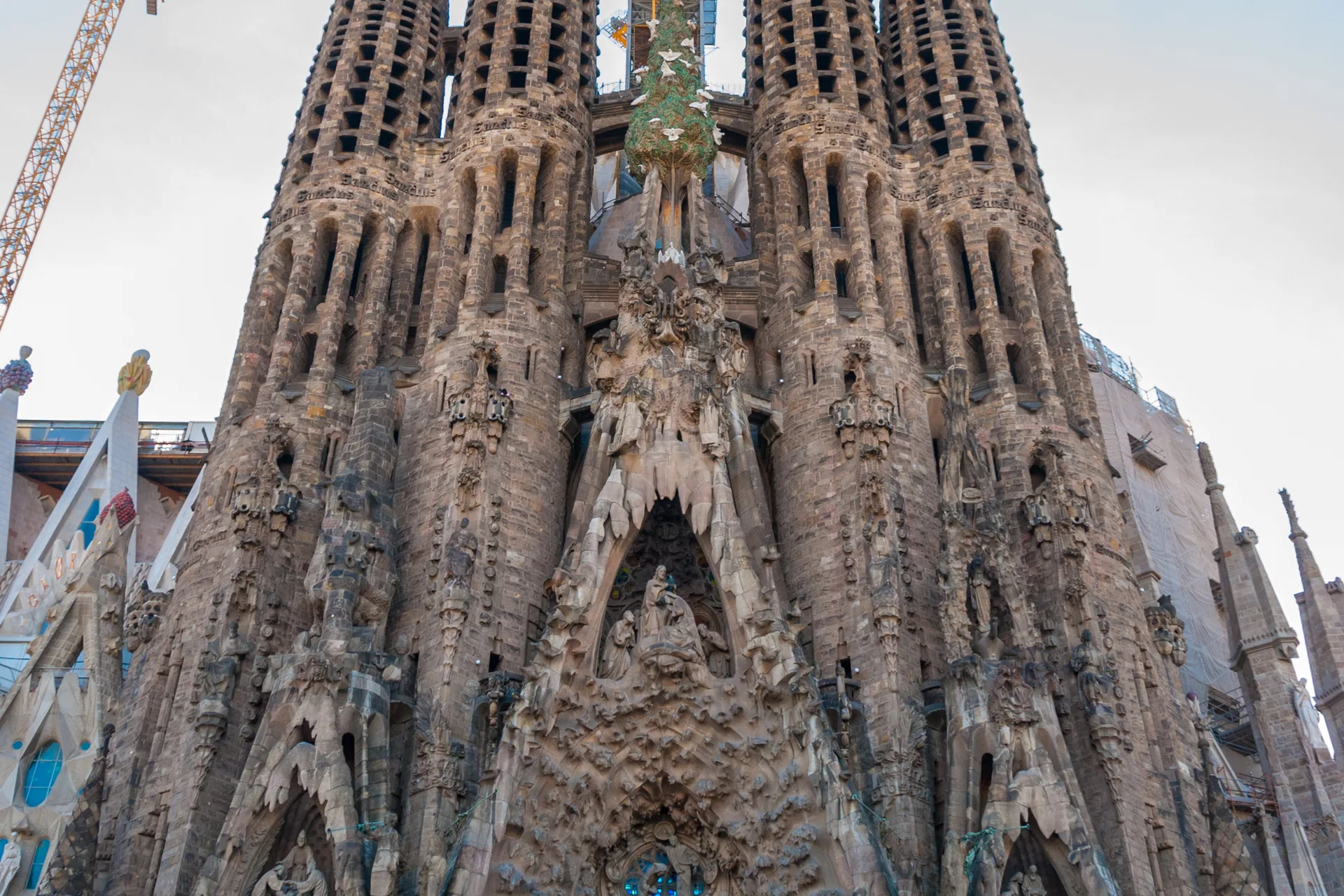
Sagrada Família
Gaudí's still-unfinished basilica — begun in 1882 and still under construction — is Barcelona's defining sight and one of the most original buildings on earth.
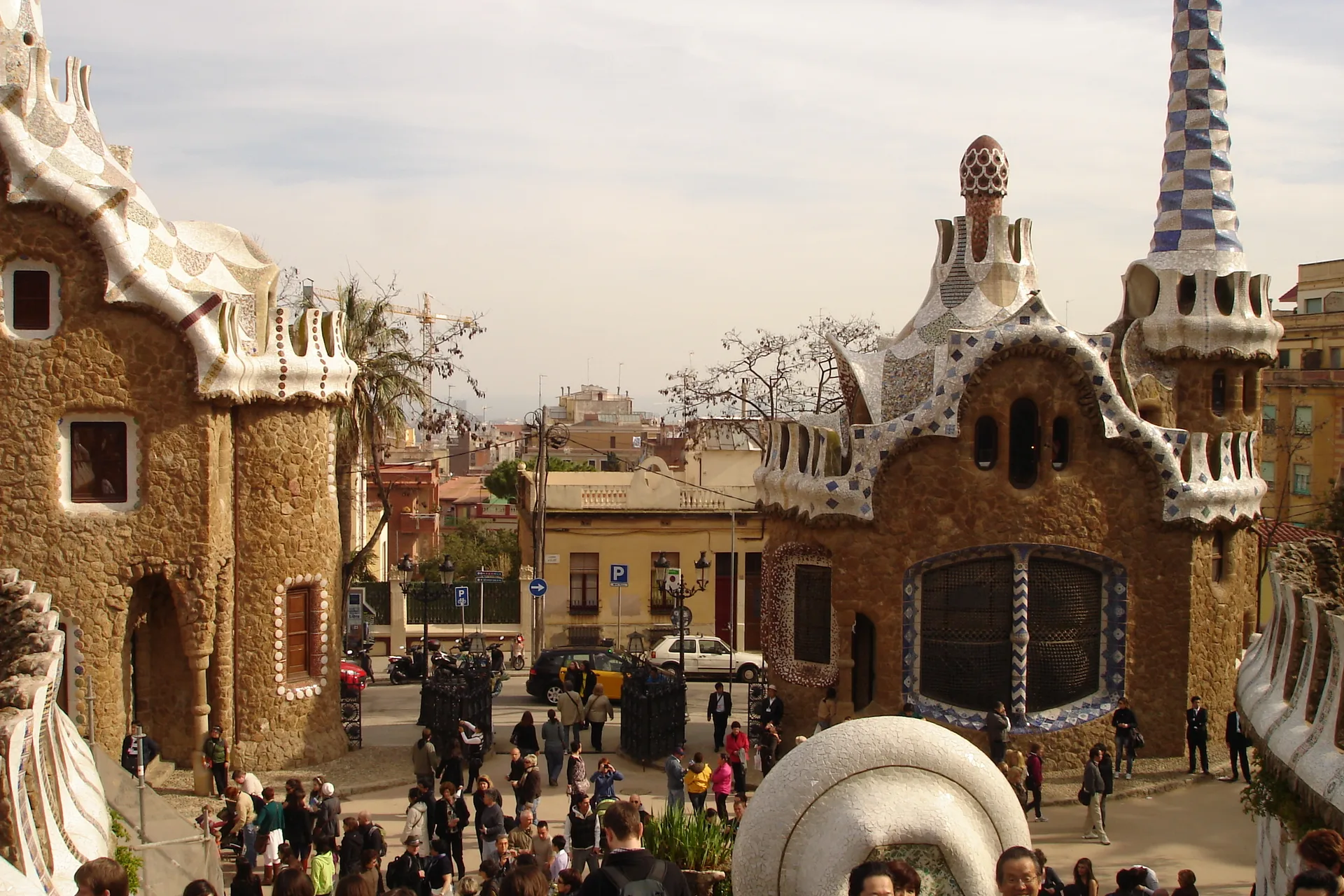
Park Güell
Gaudí's fantastical public park — mosaic lizards, wave-shaped benches and a hilltop terrace with the city's best free-standing view over Barcelona.
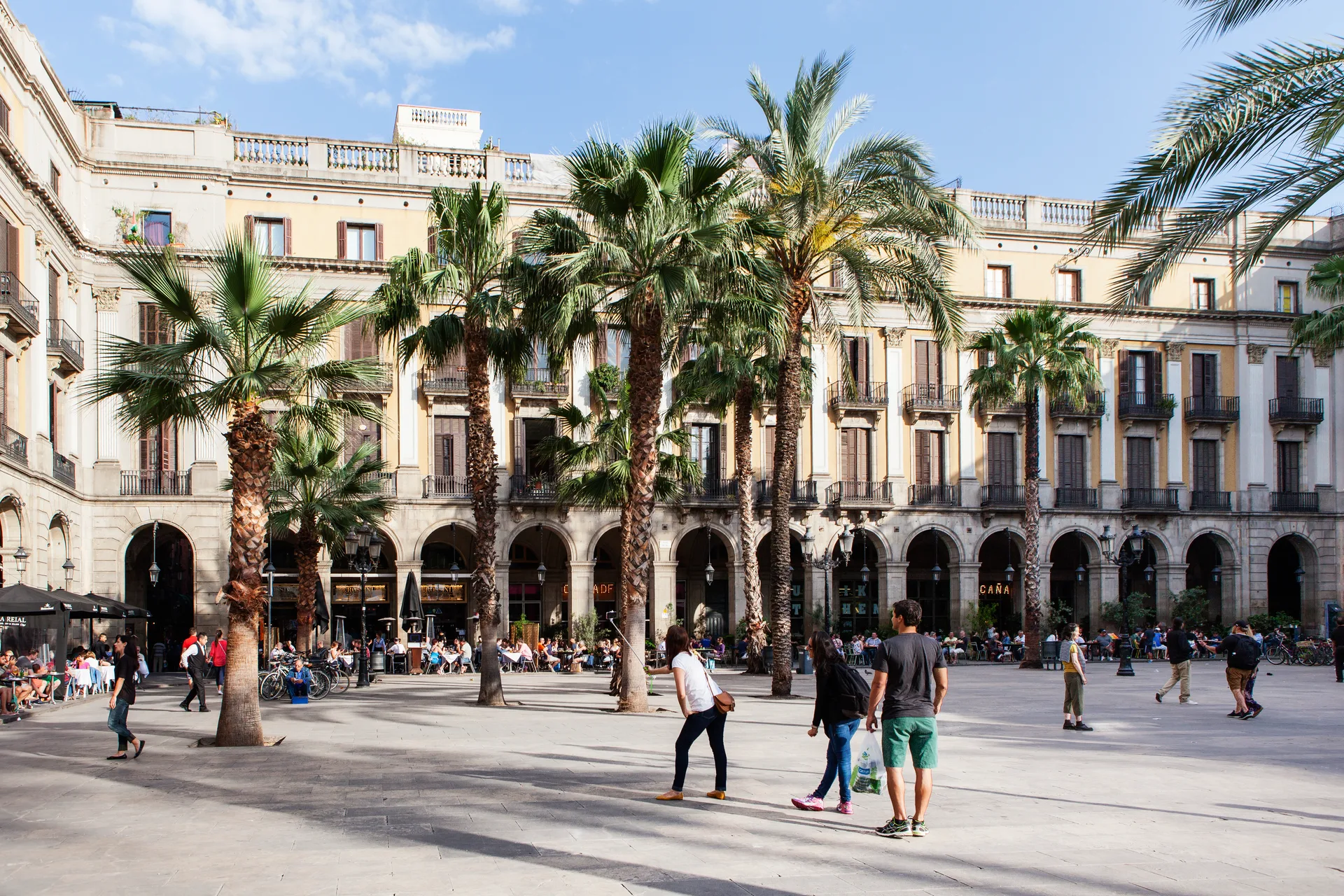
Gothic Quarter (Barri Gòtic)
Barcelona's medieval old town — a dense maze of narrow stone streets, Roman remains and hidden squares wedged between La Rambla and the harbour.
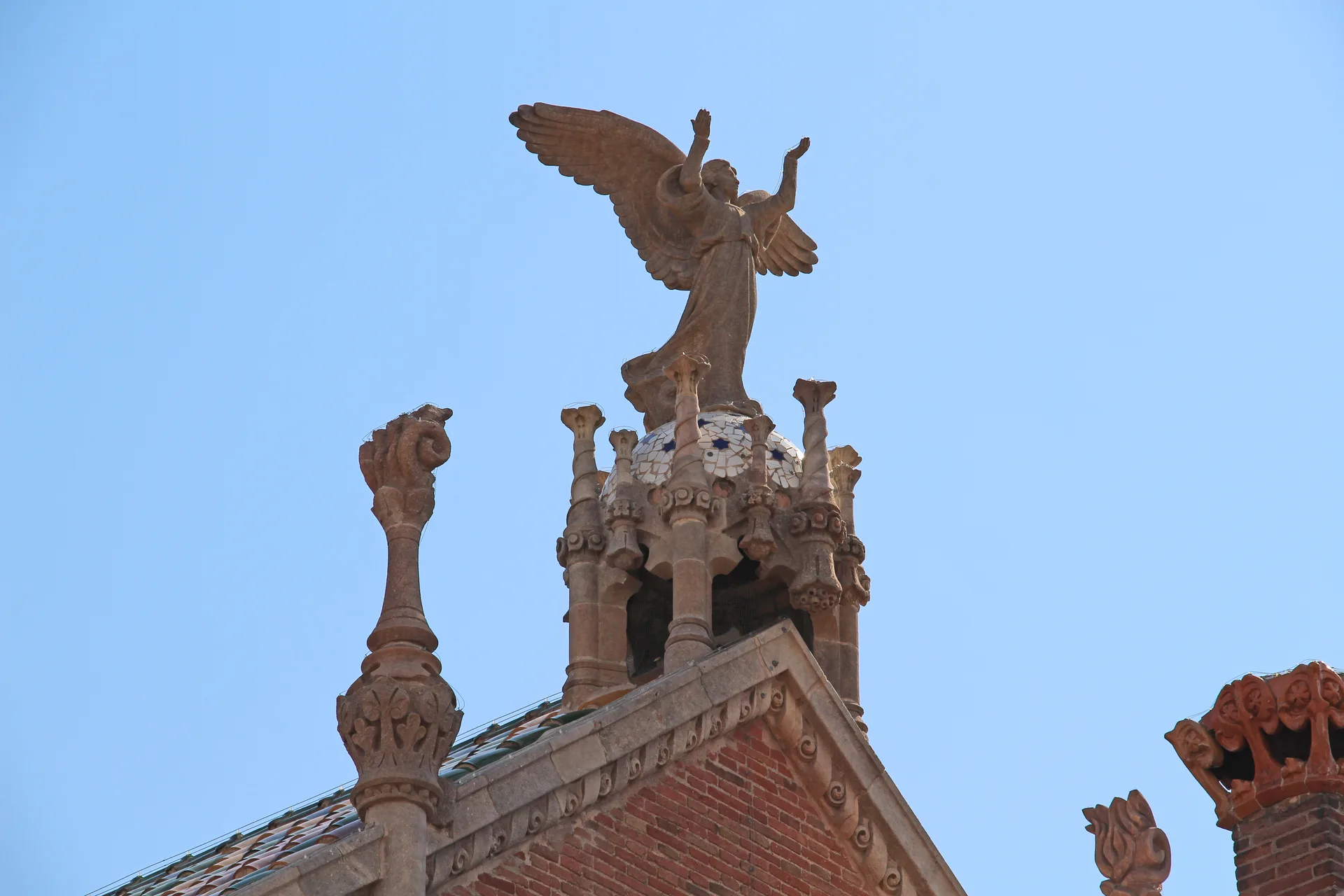
Hospital de Sant Pau (Recinte Modernista)
A working hospital until 2009, rebuilt as one of the world's largest Art Nouveau complexes — 27 pavilions of tiled domes and mosaics designed so patients would heal amid beauty rather than institutional grimness.
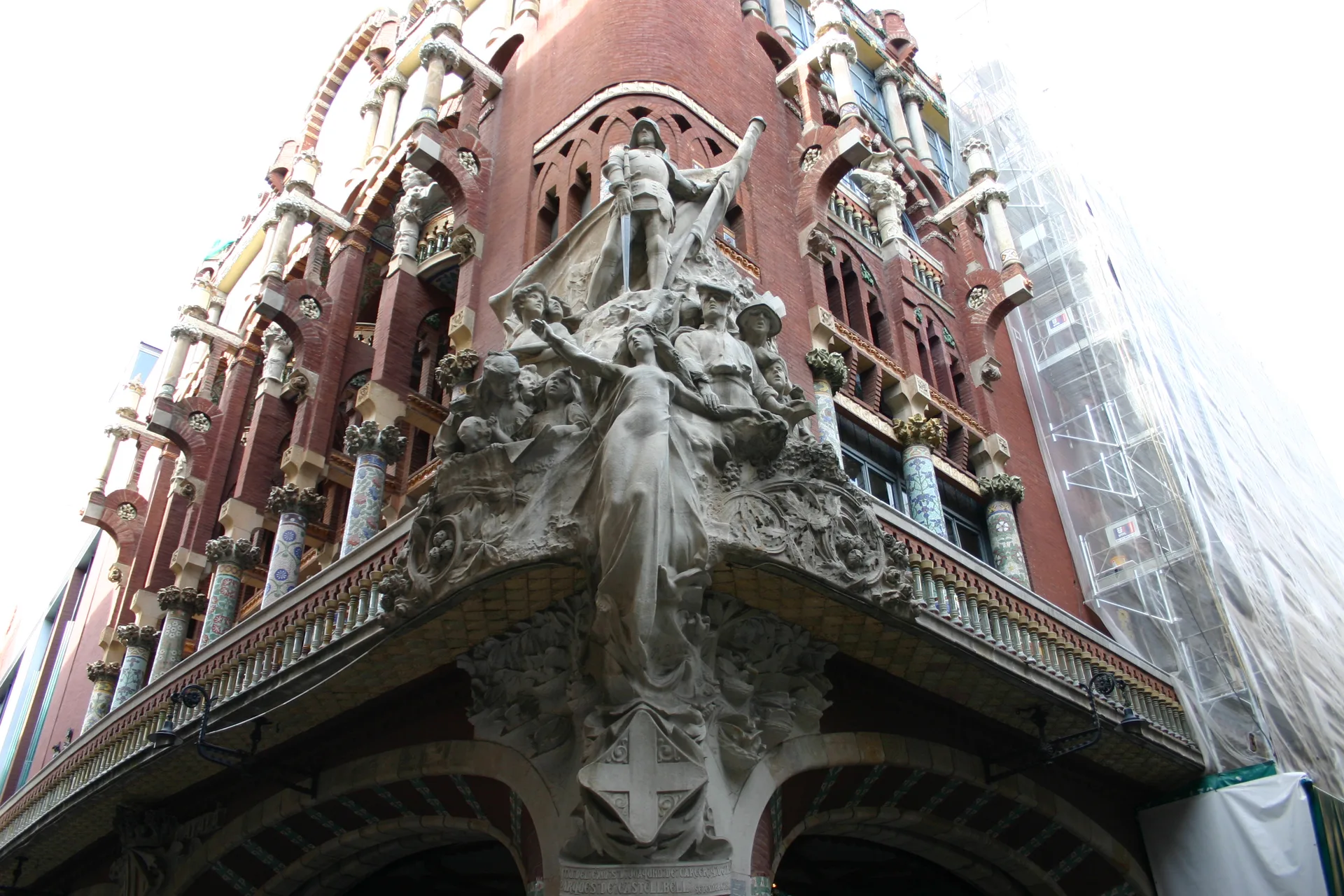
Palau de la Música Catalana
An almost impossibly ornate concert hall wedged into a narrow medieval street — a stained-glass skylight, sculpted muses and one of the most photographed interiors in Barcelona.
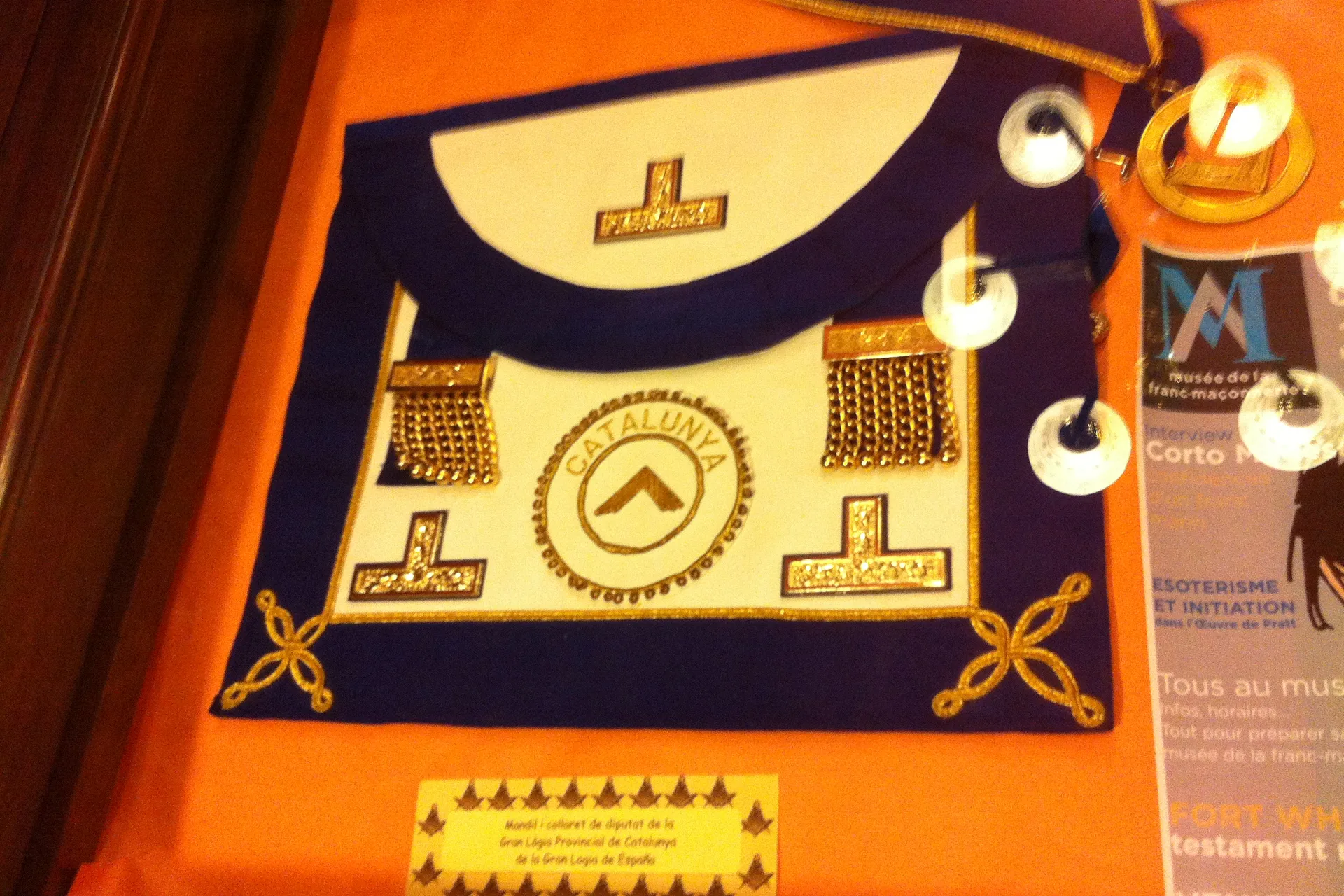
Biblioteca Pública Arús
A quirky 1895 public library founded by a freemason and playwright, specialising in freemasonry, anarchism and — genuinely — one of Europe's best Sherlock Holmes collections.
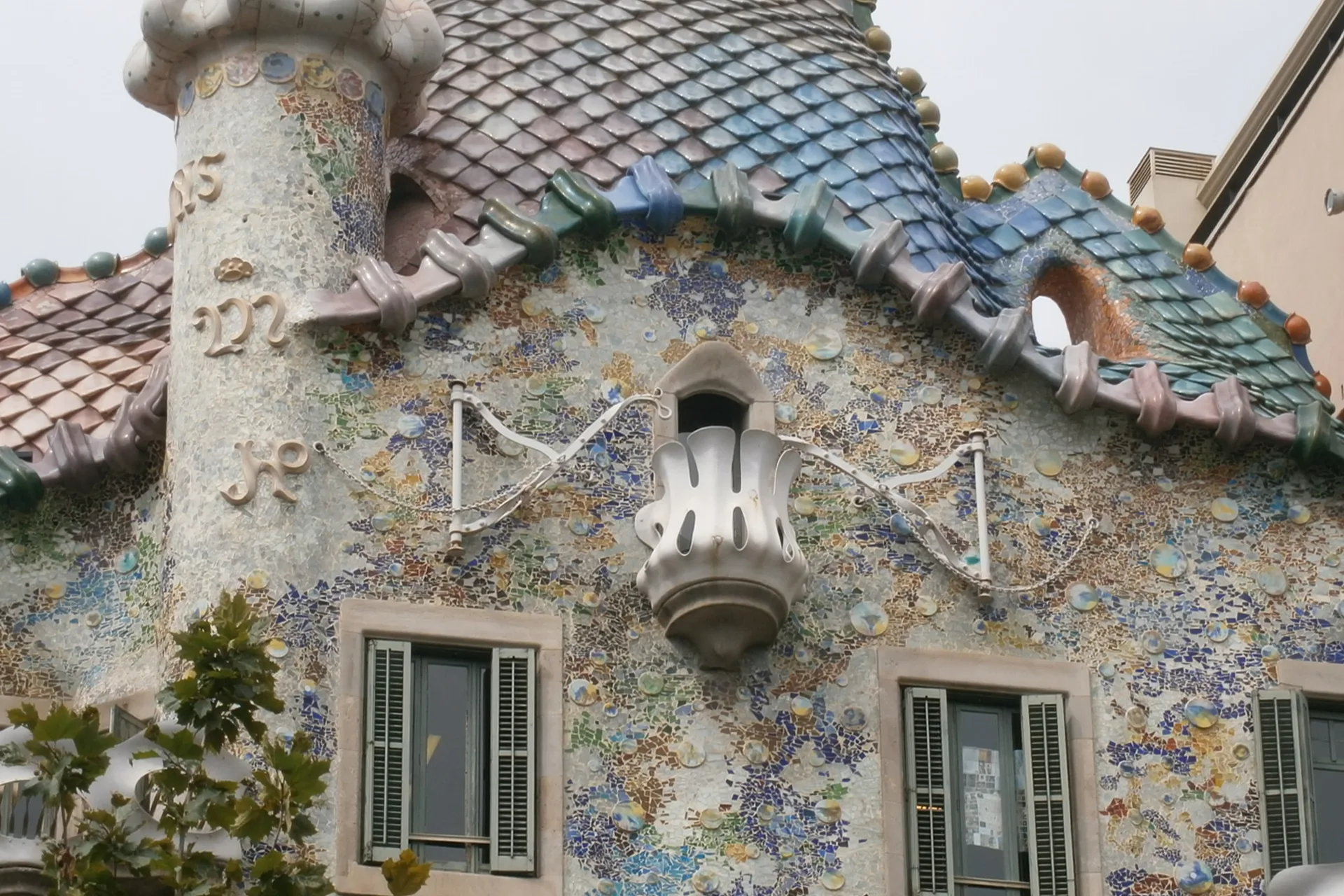
Casa Batlló
Gaudí's most theatrical facelift of an existing building — a bone-and-scale facade nicknamed the "House of Bones" or "Dragon House," with an interior built almost without straight lines.
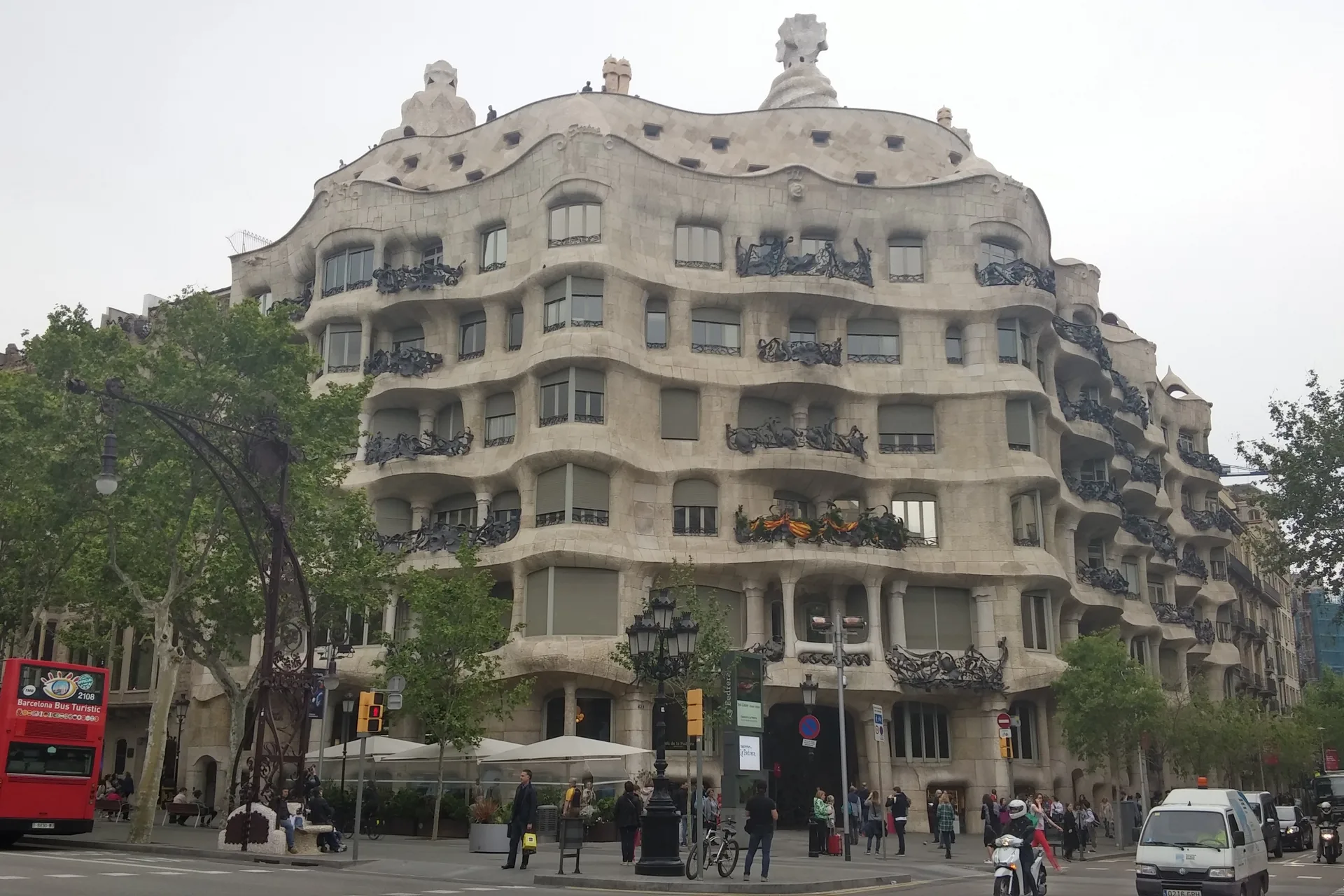
La Pedrera (Casa Milà)
Gaudí's last civil work — a rippling stone apartment building with no straight structural walls, topped by a rooftop of surreal, armour-like chimneys.
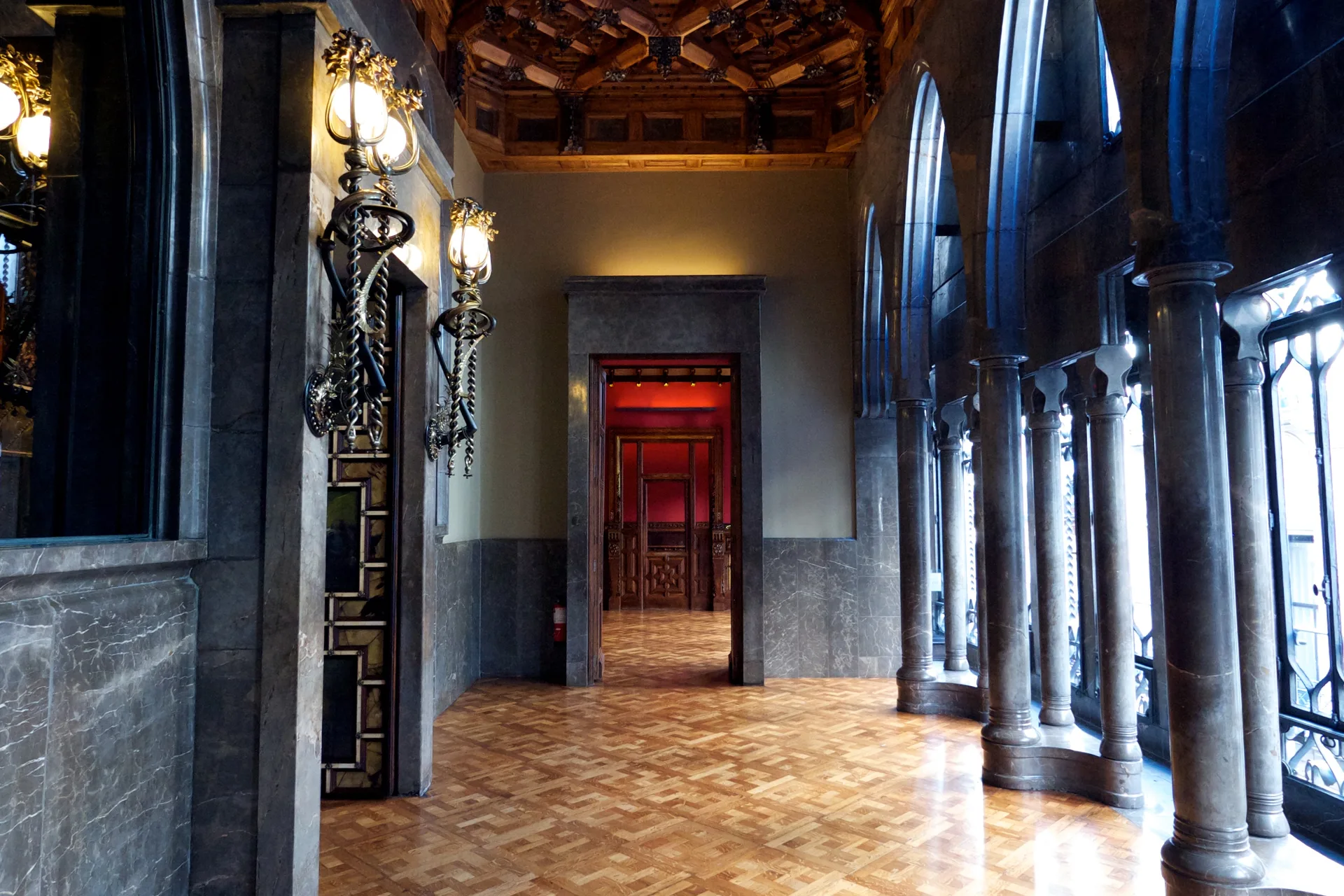
Palau Güell
A dark, dense early Gaudí mansion just off La Rambla, built for his lifelong patron Eusebi Güell — with a rooftop forest of tiled chimneys that preview everything he'd do later.
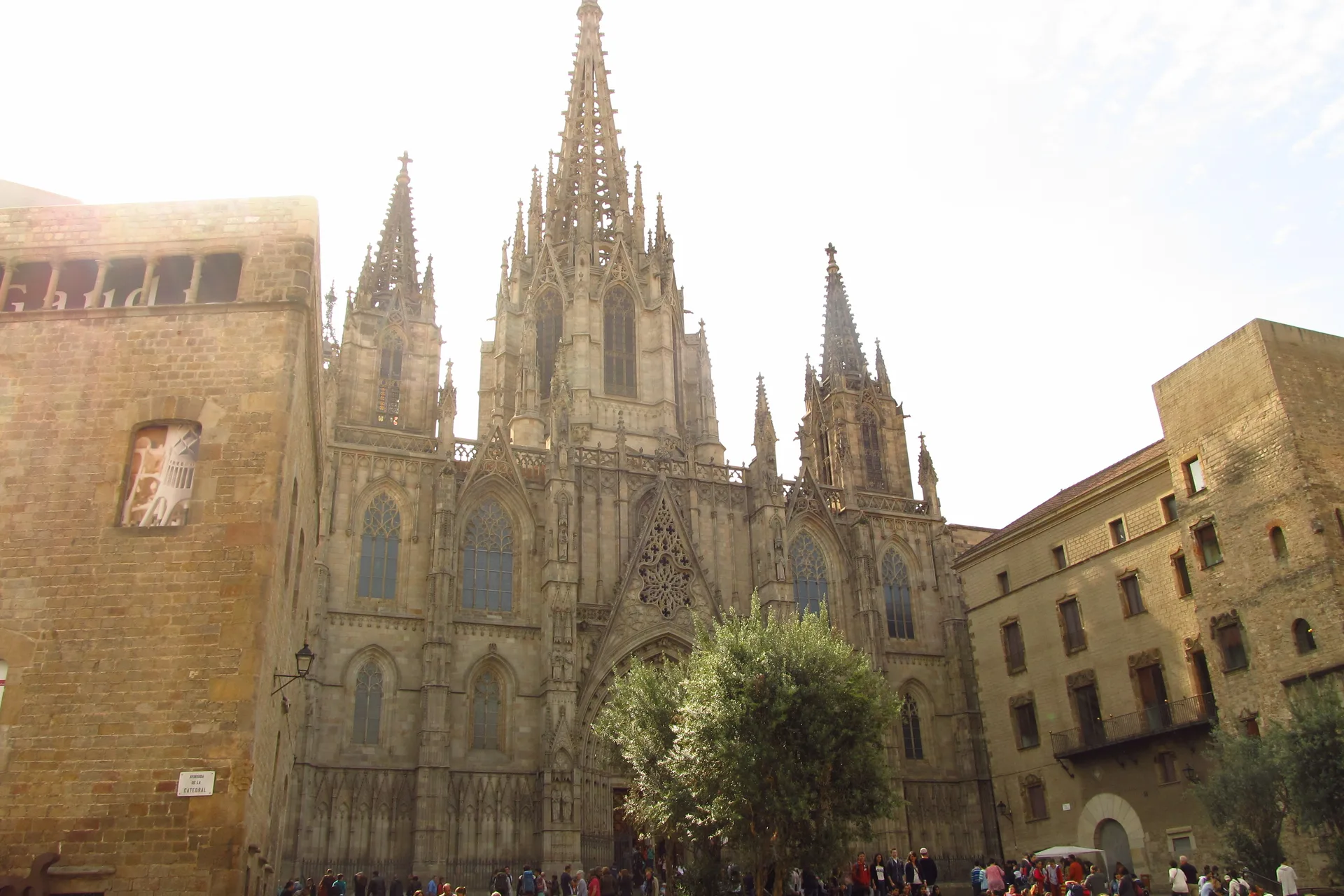
Barcelona Cathedral
The Gothic Quarter's towering Gothic cathedral, home to 13 white geese in its cloister and free evening entry outside the tourist-visit hours.
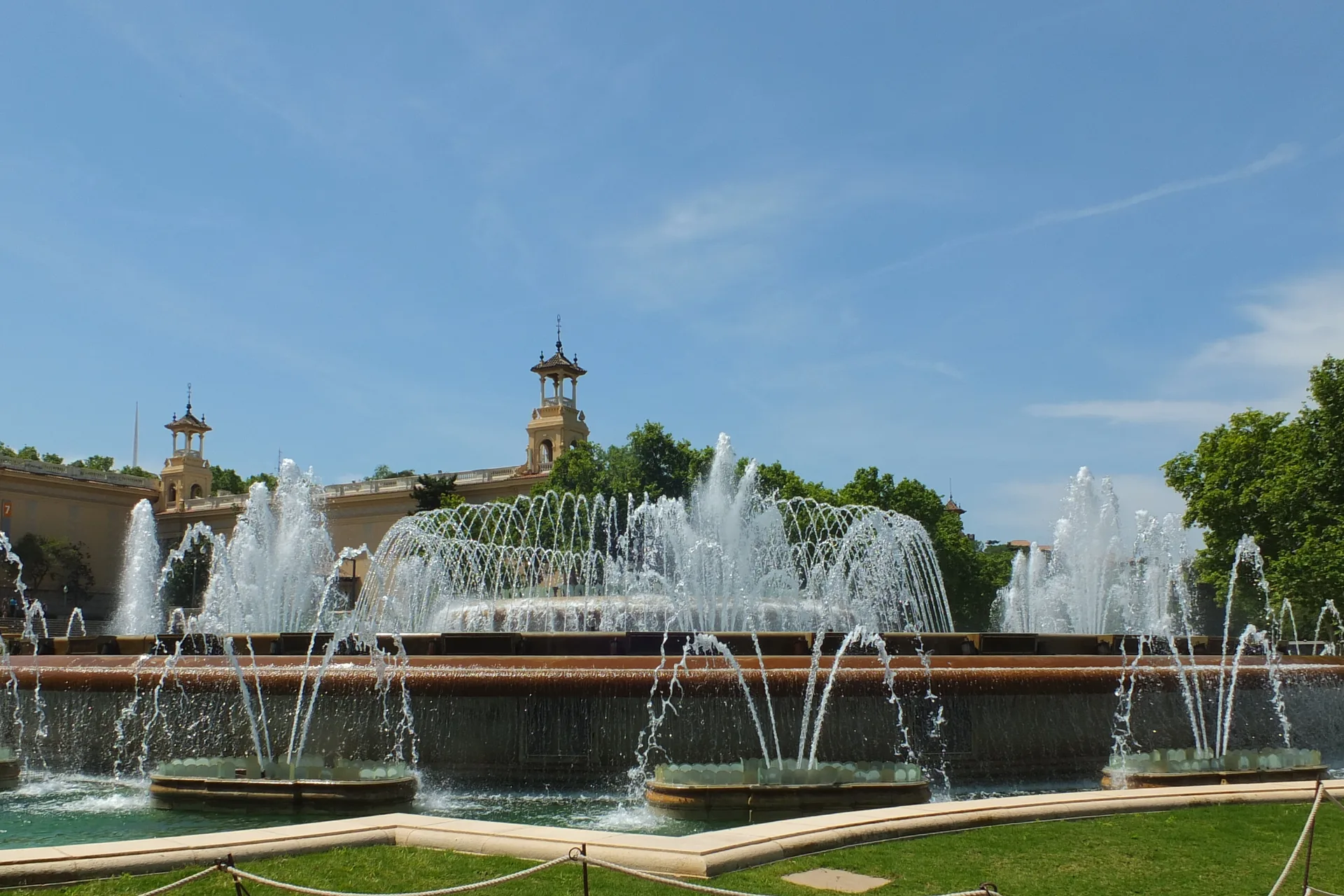
Magic Fountain of Montjuïc
A free evening sound-and-light fountain show below the National Art Museum — Barcelona's most popular free entertainment, running several nights a week.
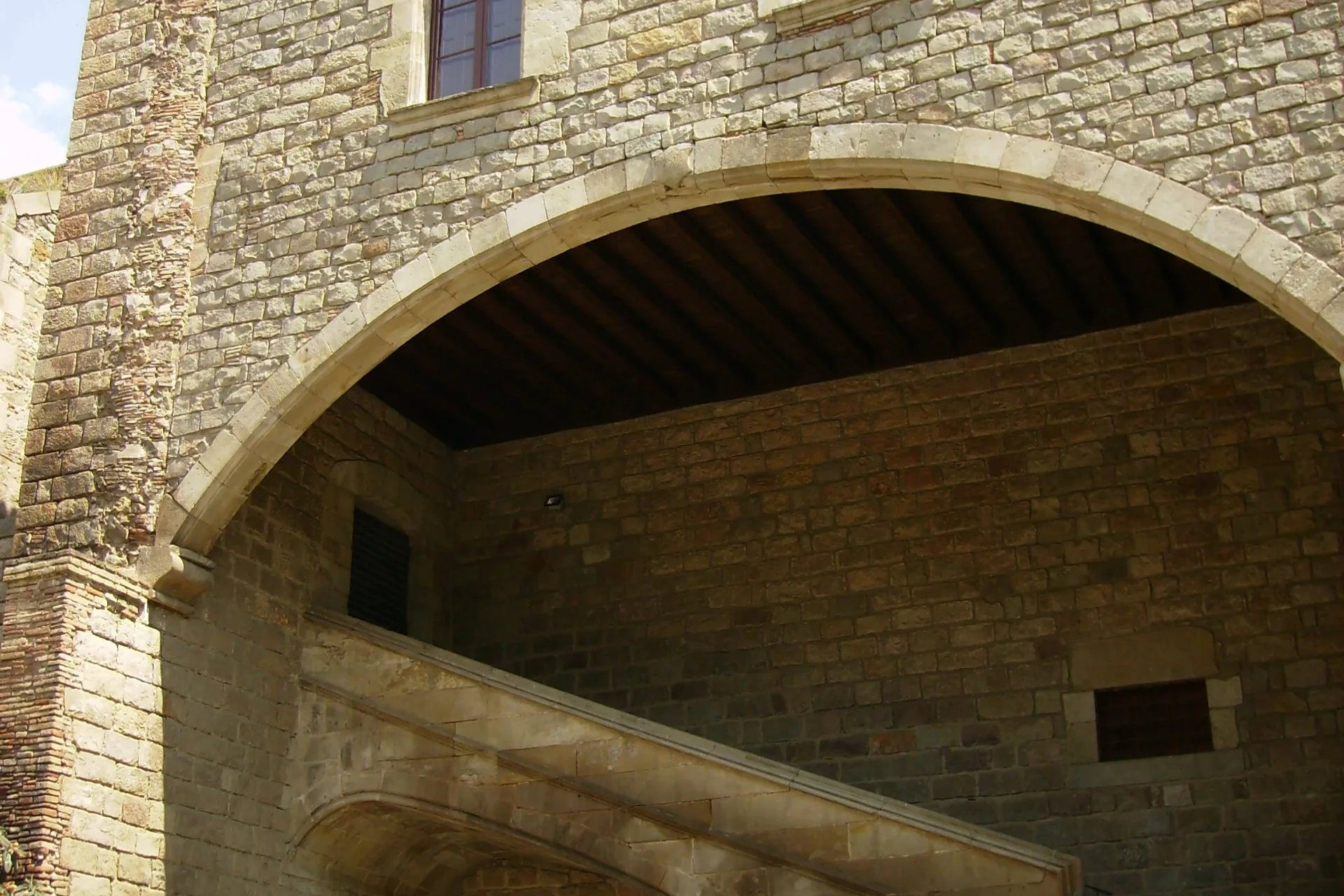
Biblioteca de Catalunya
Catalonia's national library, housed inside a 15th-century Gothic former hospital — one of the most atmospheric library reading rooms in Spain.
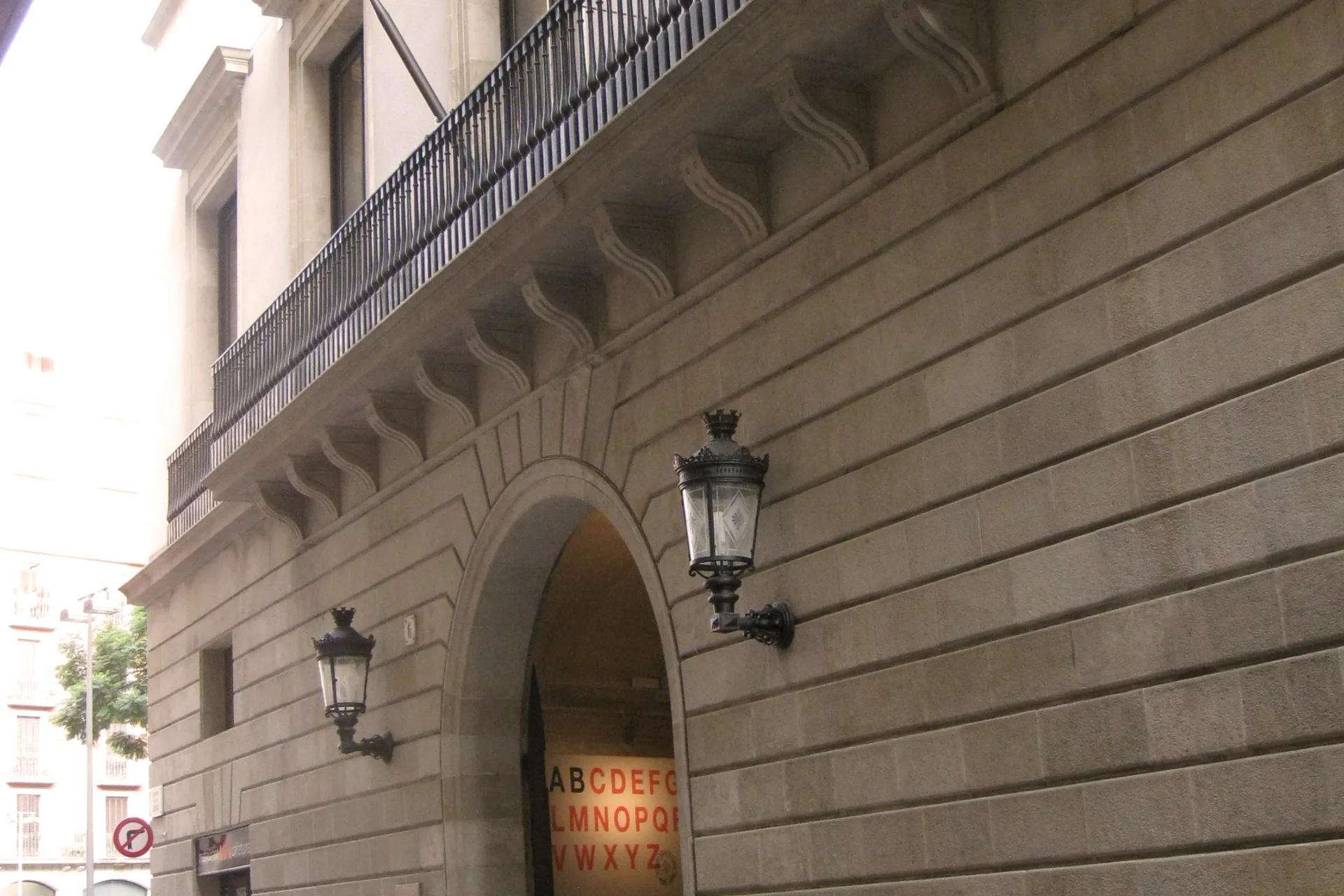
Ateneu Barcelonès
A private cultural society since 1860, housed in a neoclassical palace with one of Barcelona's most beautiful private libraries — open to the public via guided tours.
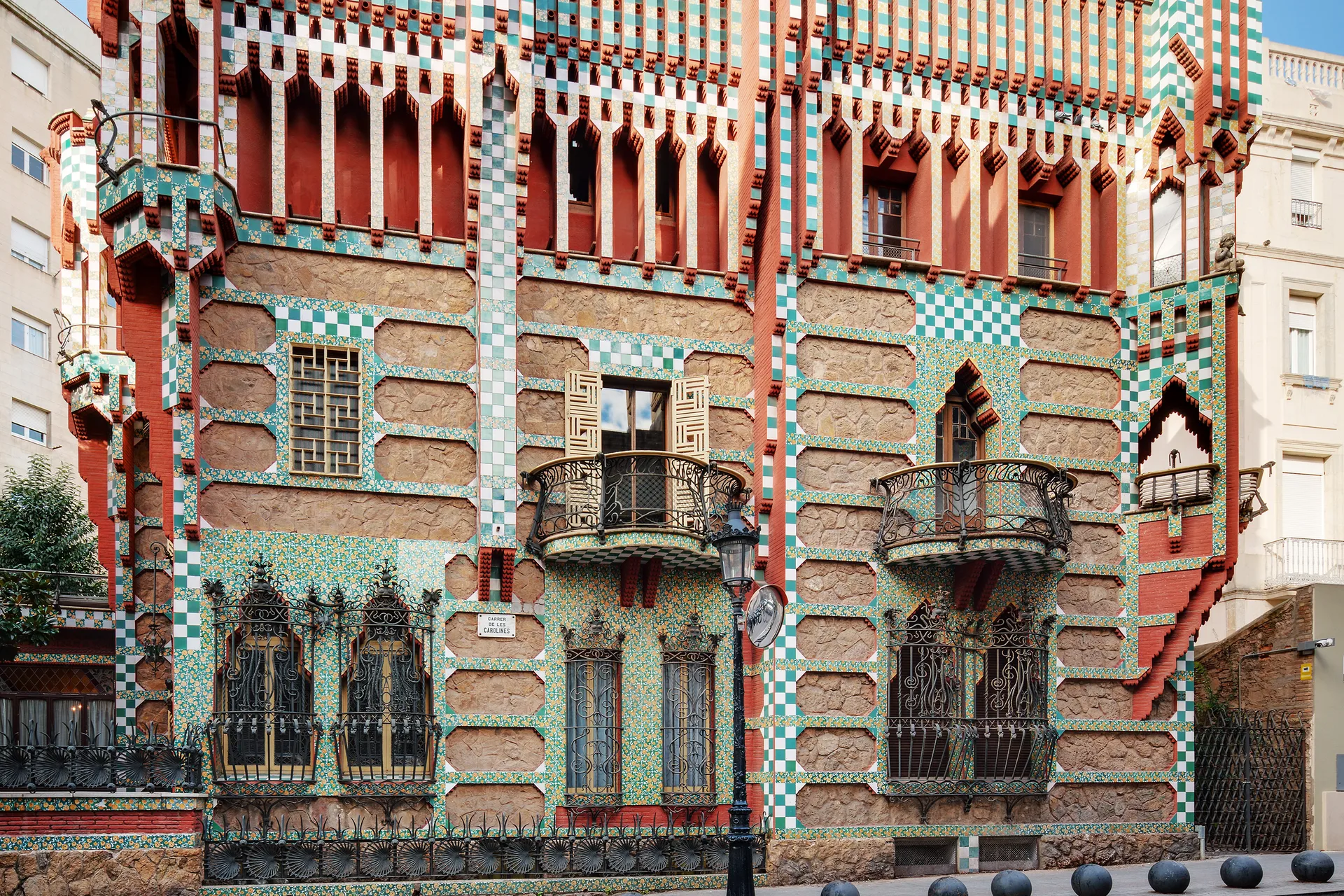
Casa Vicens
Gaudí's very first major commission — a Moorish-influenced, ceramic-tiled summer house in Gràcia, less visited than his later work but arguably more surprising.
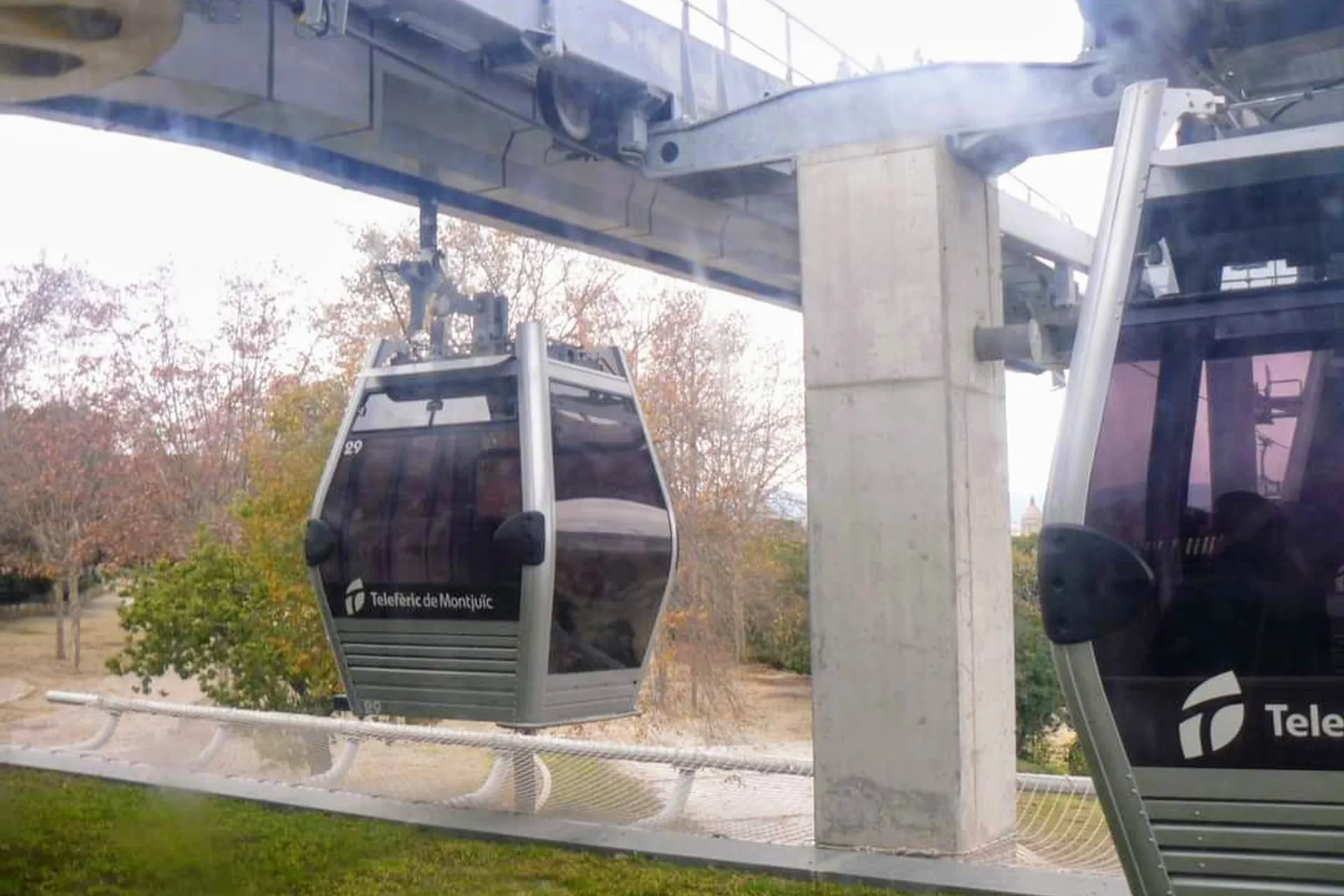
Montjuïc Cable Car (Telefèric de Montjuïc)
A scenic gondola ride from the middle of Montjuïc hill up to the castle, with sweeping views over the port and city on the way.
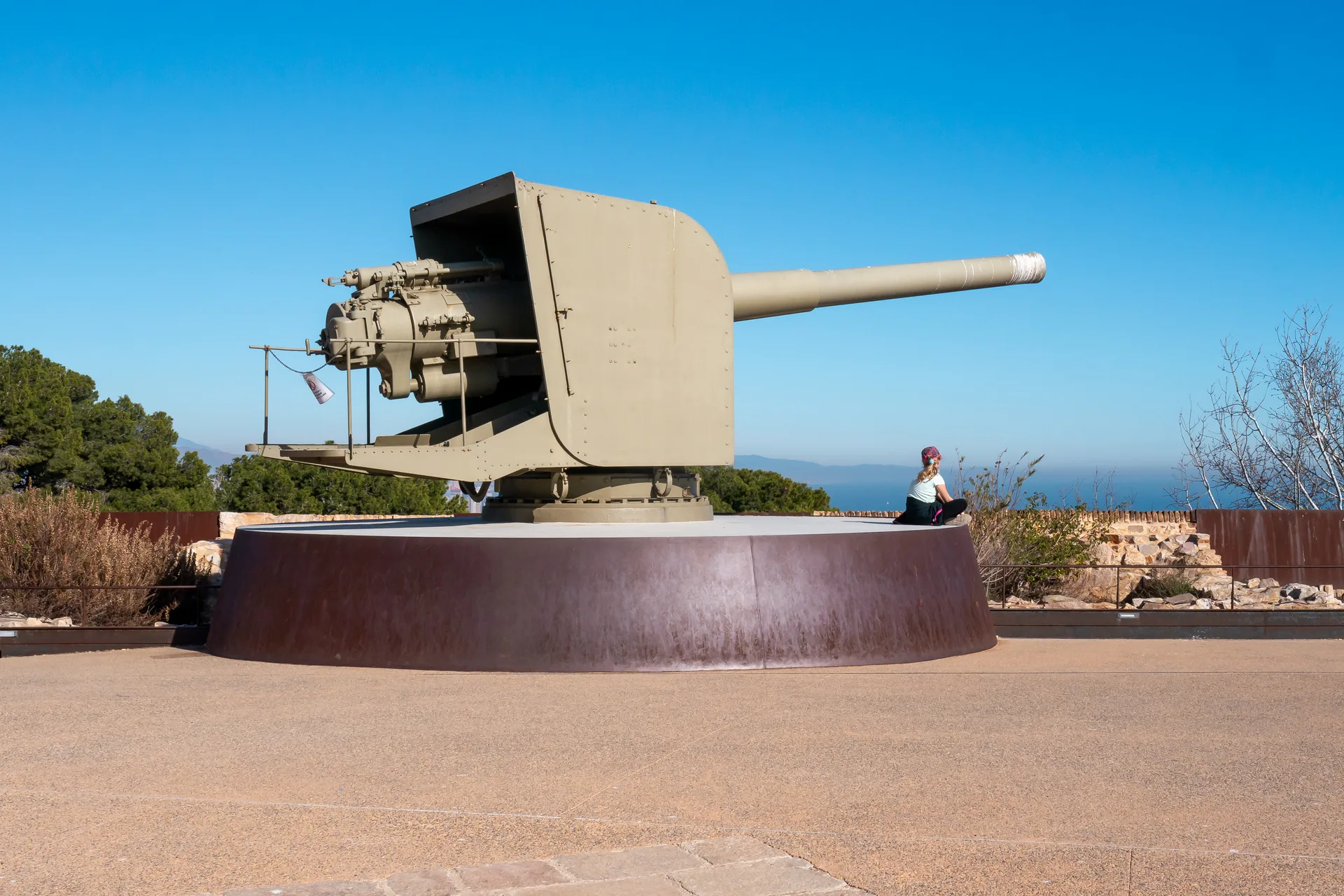
Montjuïc Castle
An 18th-century hilltop fortress with a dark political history as a prison and execution site, now a museum and free public viewpoint over the harbour.
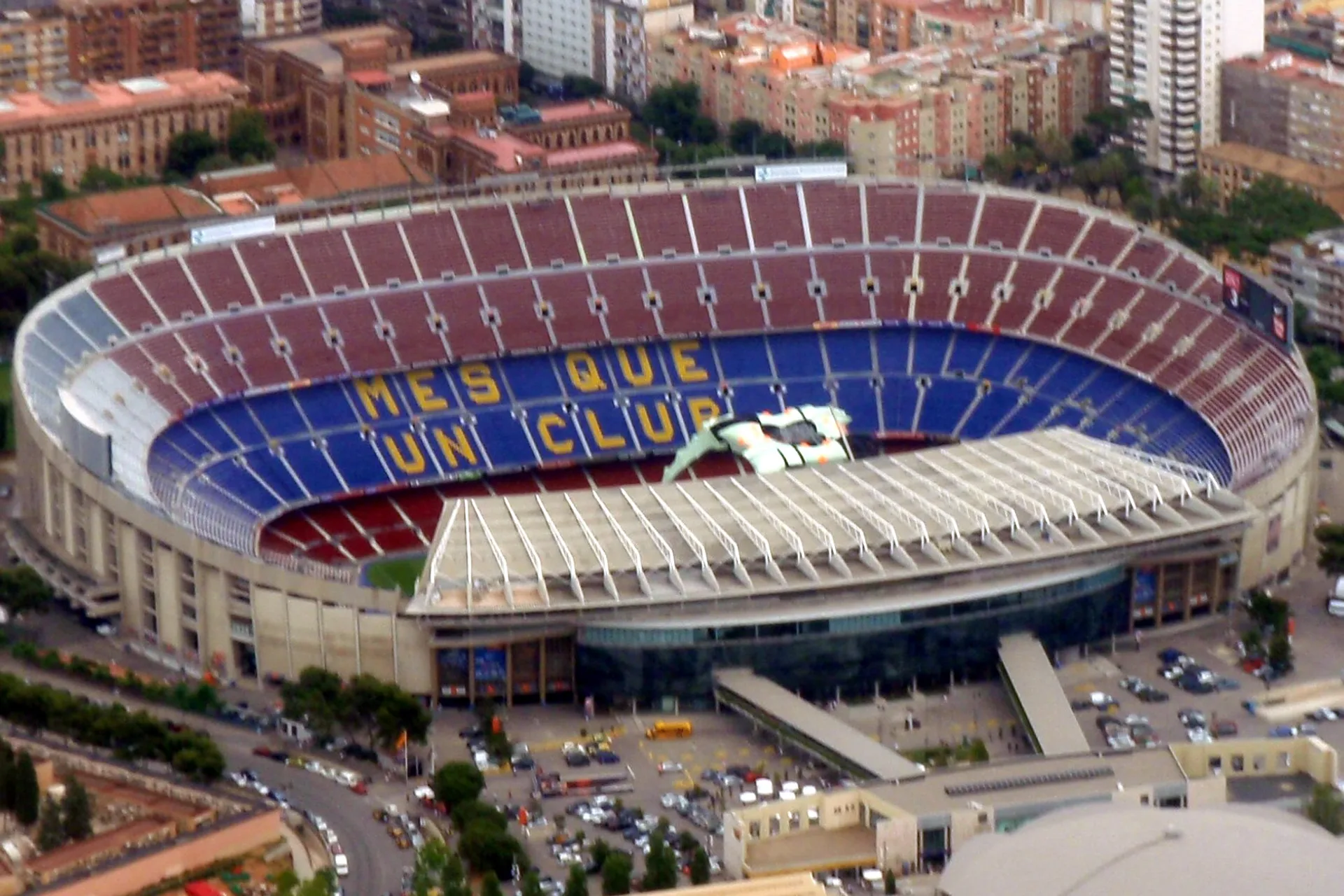
Camp Nou Experience (FC Barcelona Museum)
FC Barcelona's stadium and museum tour — trophy halls, the players' tunnel and (renovation permitting) pitch-side access at one of the world's largest football grounds.
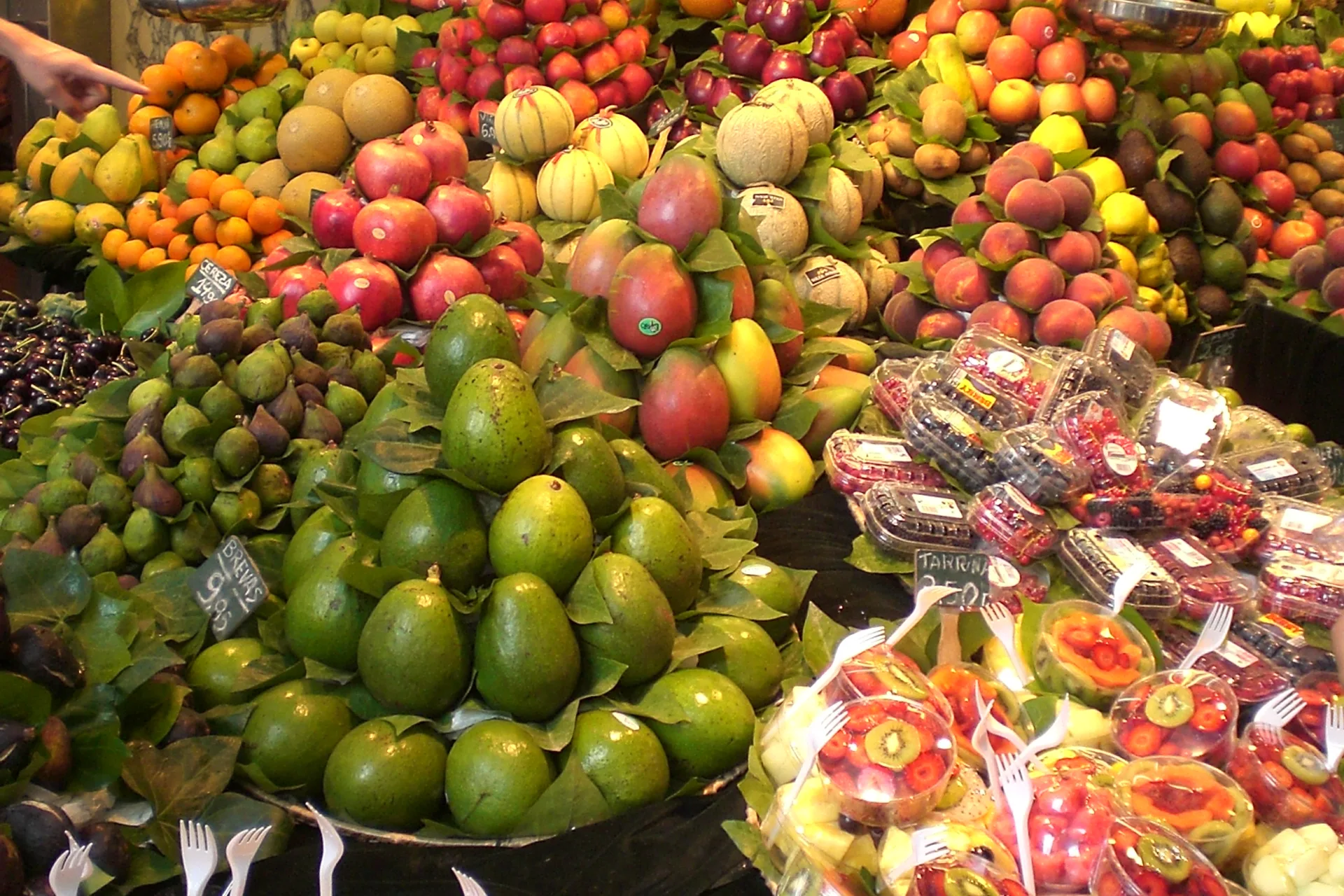
La Boqueria Market
Barcelona's largest and most famous food market, spilling off La Rambla with 300+ stalls of jamón, fresh fish, fruit and cheap juice — best visited before midday.
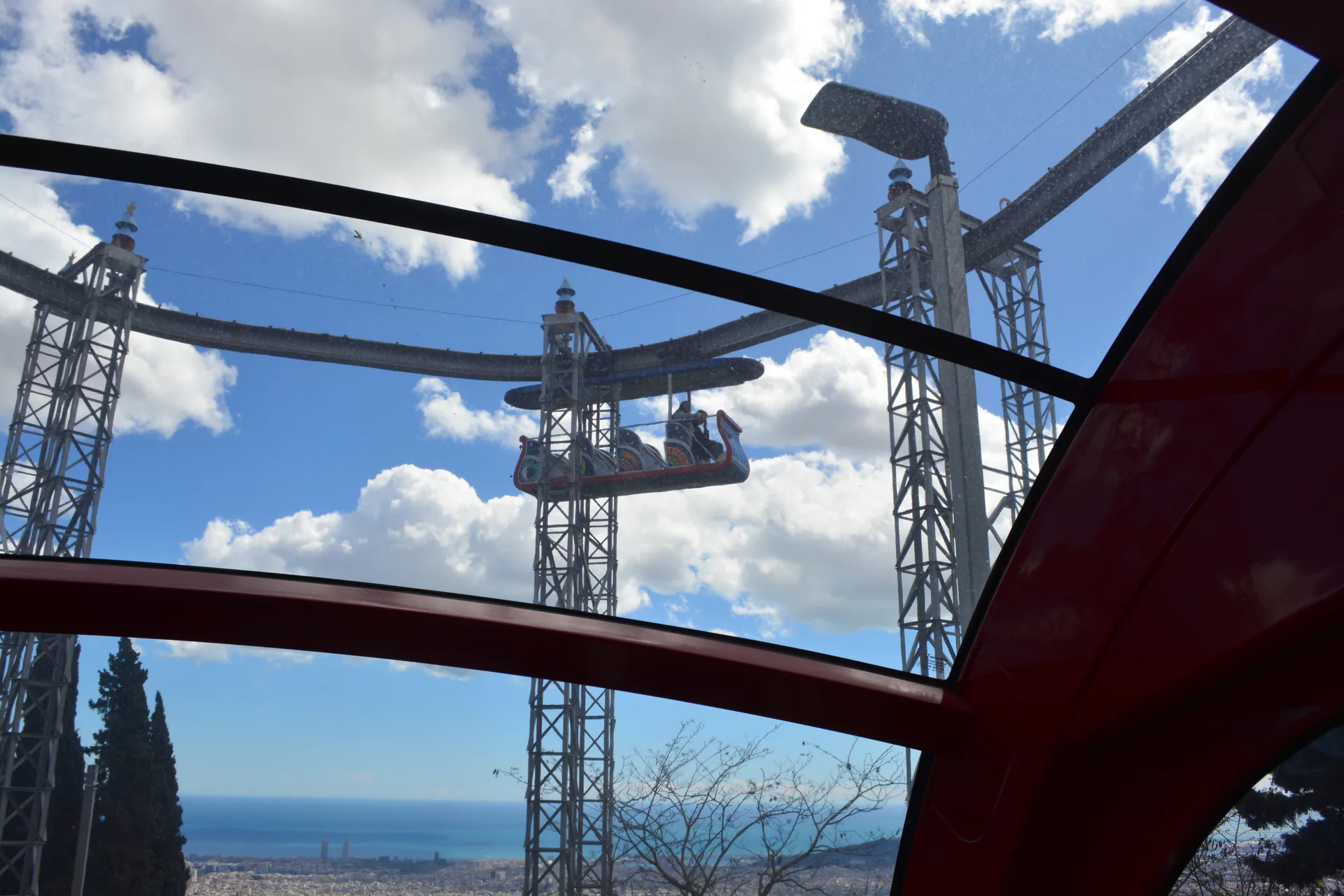
Tibidabo Amusement Park
A century-old amusement park on Barcelona's highest hill, reached by a vintage funicular, with vintage rides and the best all-round view of the city.
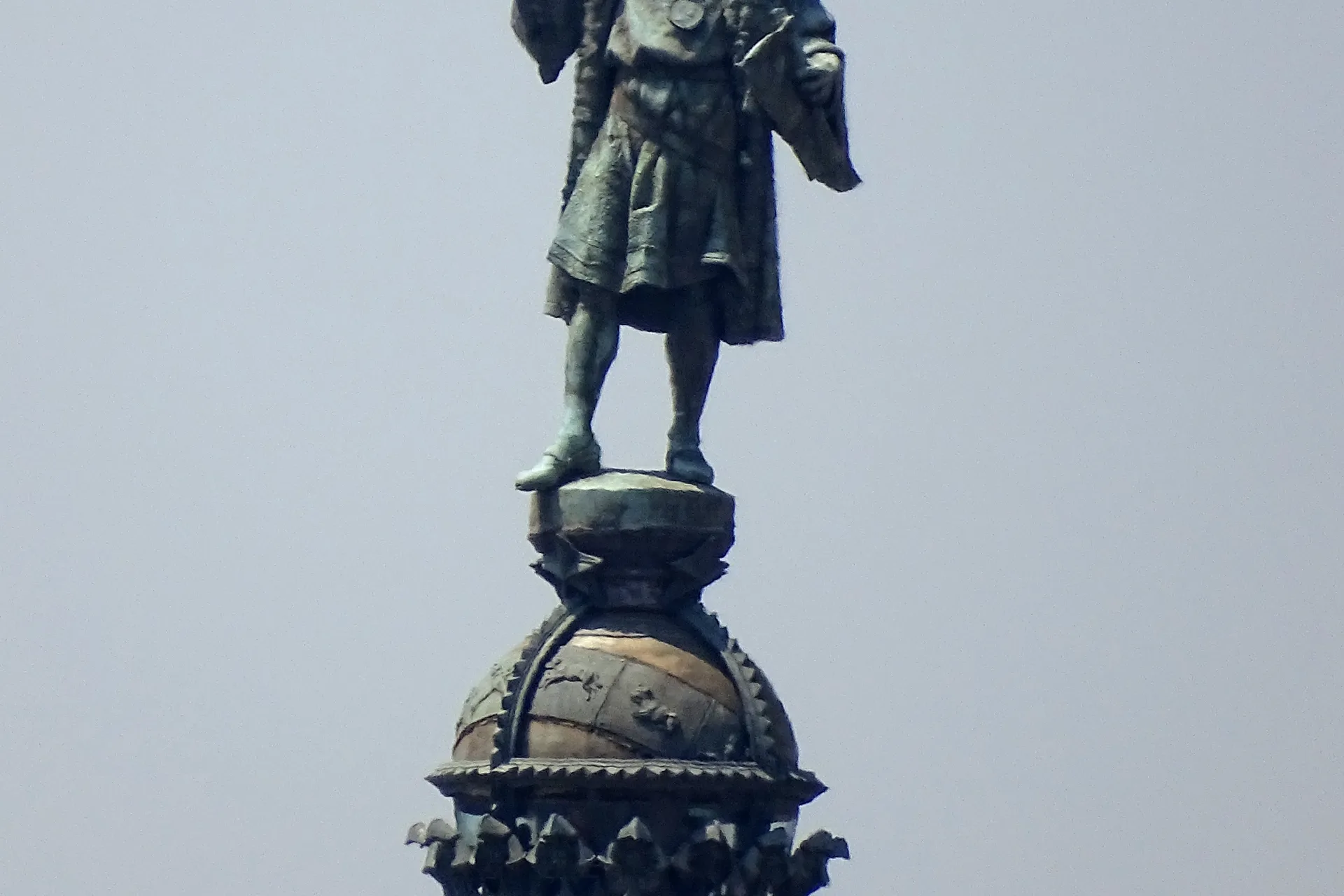
Columbus Monument (Mirador de Colom)
A 60-metre column at the harbour end of La Rambla, topped by a statue of Columbus and an elevator-accessed viewing platform over the port.
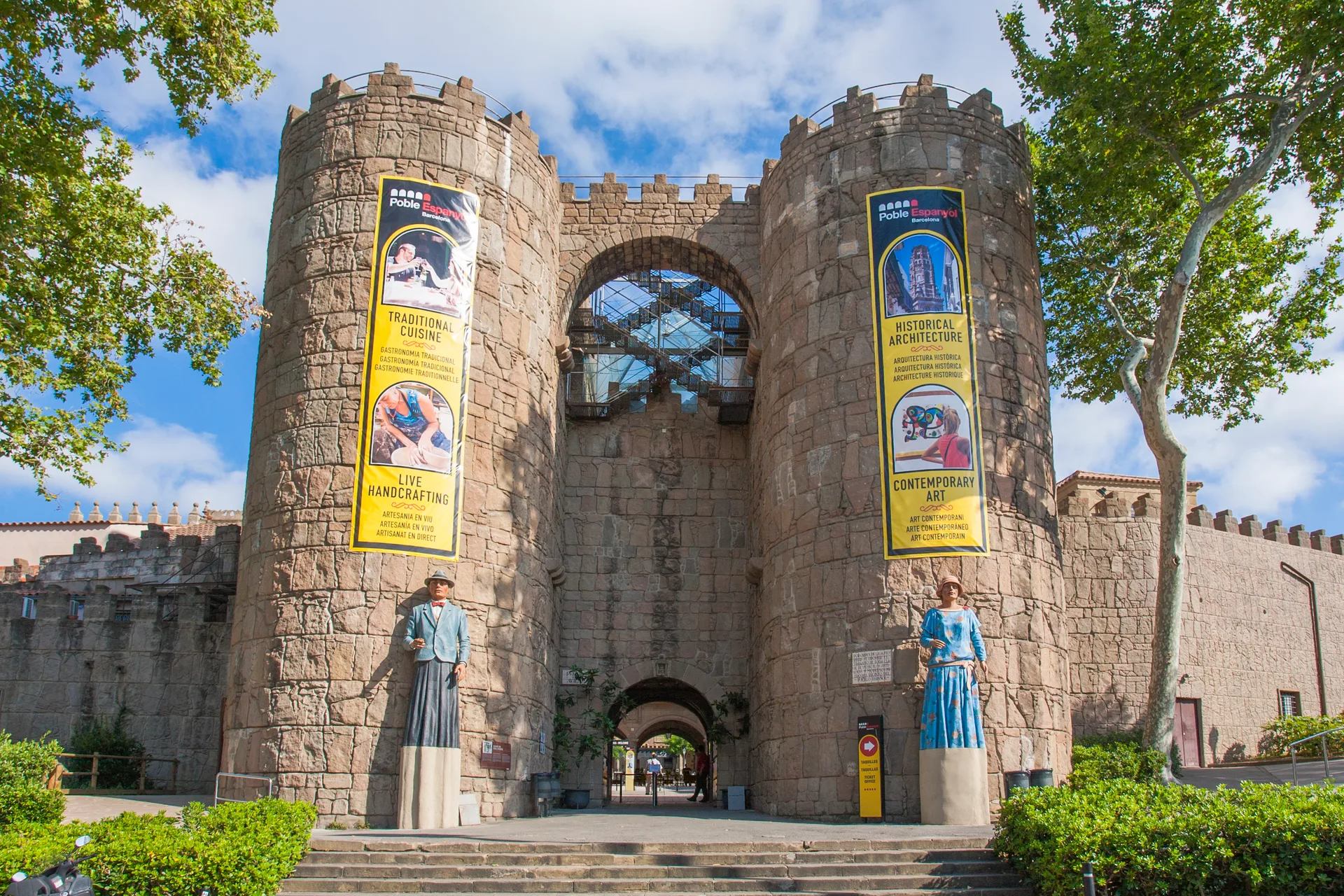
Poble Espanyol
An open-air "Spanish village" built for the 1929 International Exhibition — 117 full-scale replica buildings from every Spanish region in one walkable Montjuïc site.
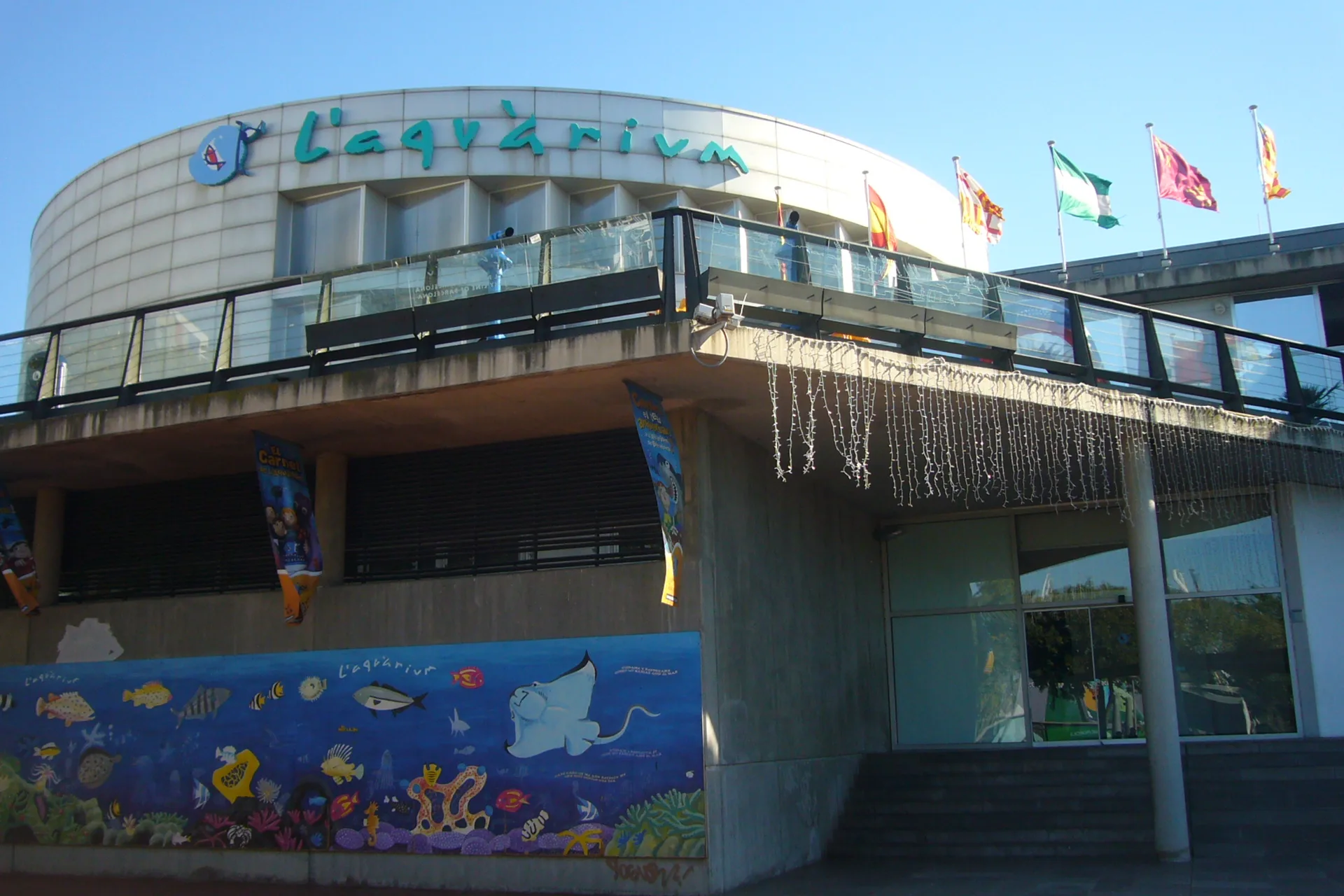
Barcelona Aquarium (L'Aquàrium)
One of Europe's largest aquariums, right on the Port Vell waterfront, with an 80-metre shark tunnel and around 11,000 animals from 450 species.
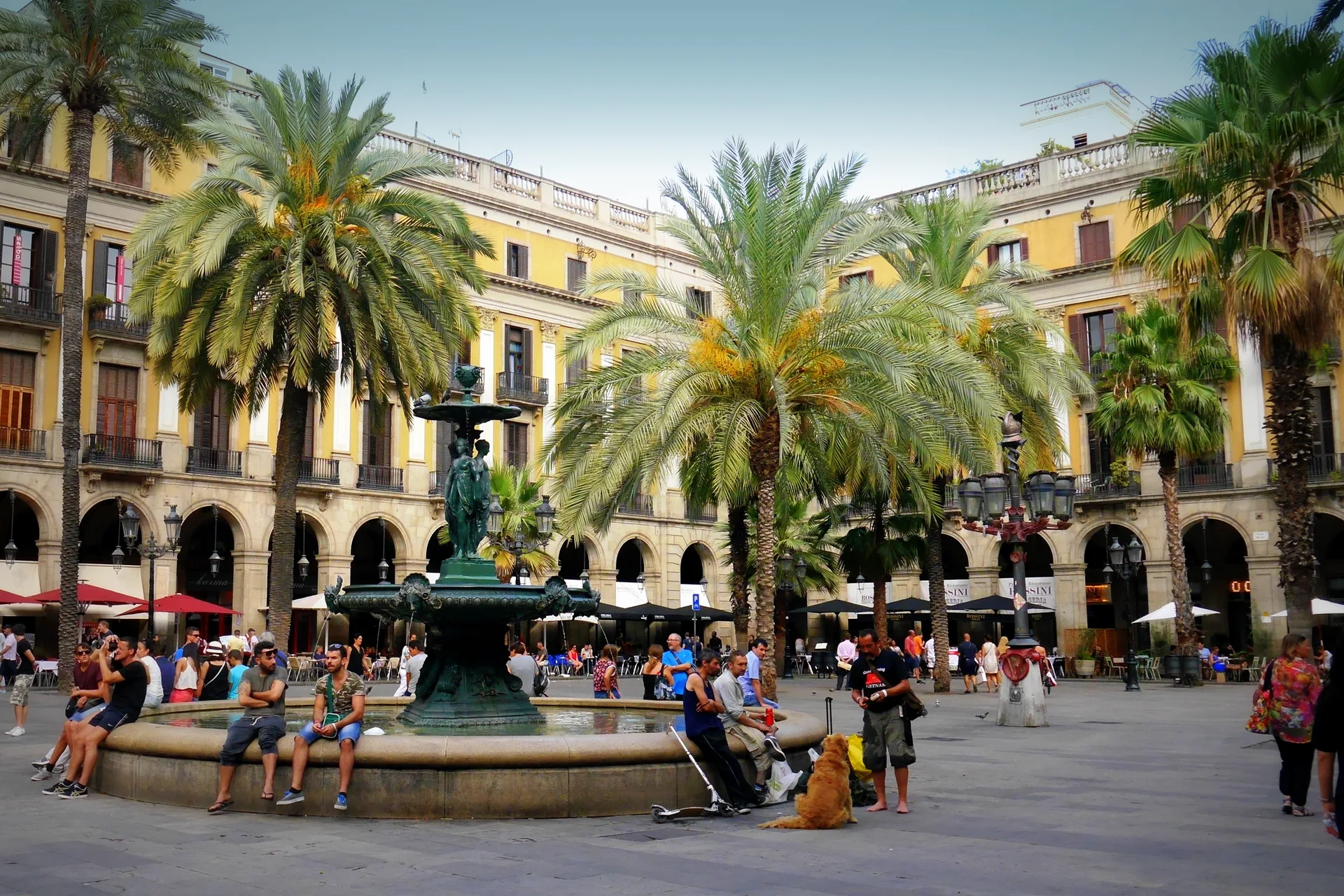
Las Ramblas
Barcelona's famous 1.2km pedestrian boulevard linking Plaça Catalunya to the harbour — genuinely essential to walk once, best enjoyed without high expectations of an authentic local experience today.